Molly Agarwal

CFP009

UBD24073

The CEPT Foundation Programme studio is an introduction for students fresh out of school to the rigor and work habits required by an undergraduate degree at CEPT University. The studio is conceptualized as a series of sequentially planned exercises, through which students develop skills and abilities, which are then deployed to address increasingly complex problems falling into four broad categories: visualize and draw, make and learn, analyze and interpret and conceptualize and represent. The exercises are designed to provide common and allied foundational skills and abilities for students across disciplines at CEPT, between which they maintain a balance. The studio is taught through intensive and incremental weekly modules, focusing on a particular skill or ability and a process that emphasises ongoing discussion and feedback in addition to expert faculty lectures.

View Additional Work
Report Content

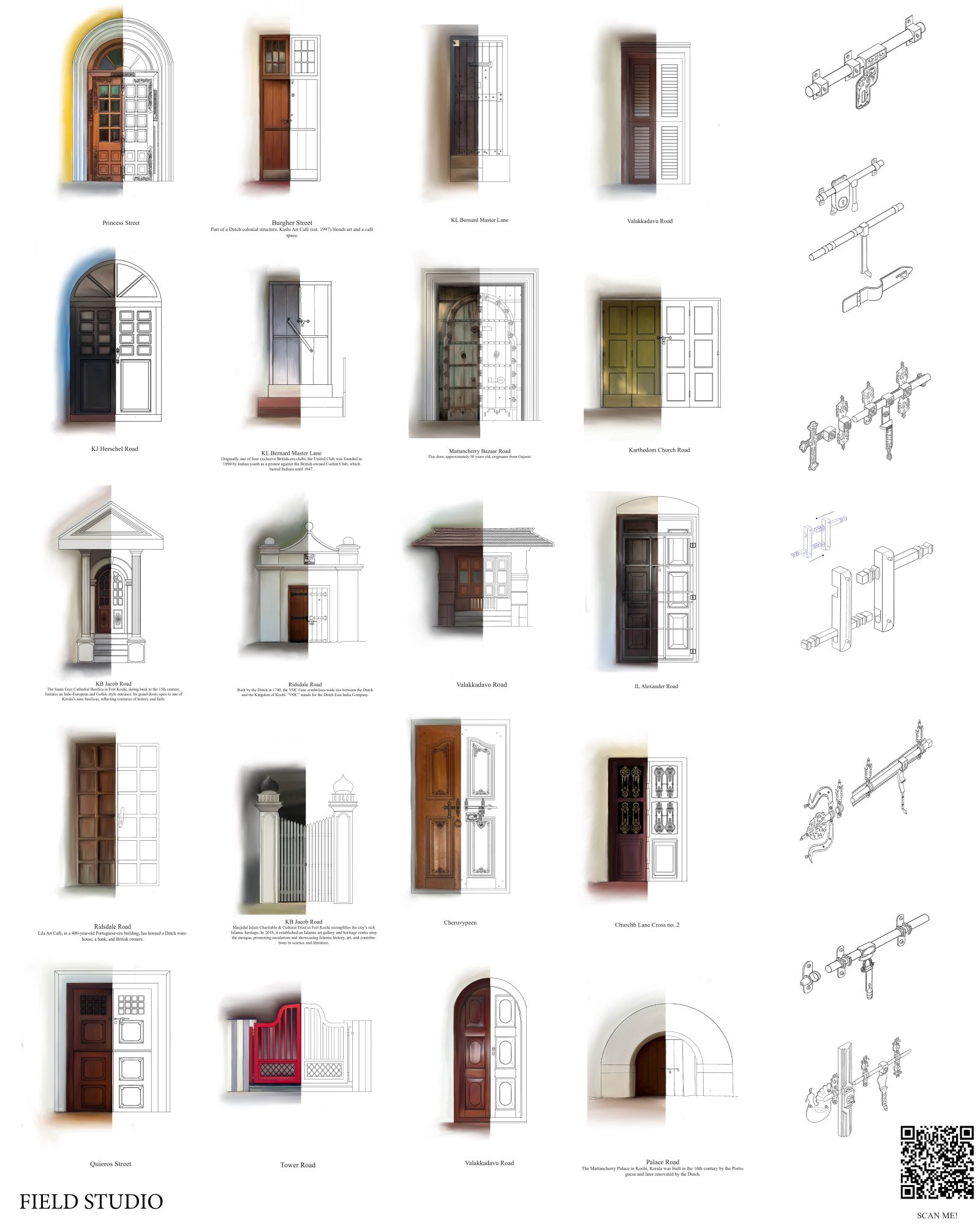
In Kochi, the team documented over 300 doors, measuring a few and illustrating some, along with some unique locks. The digital illustrations capture the details of both the doors and the mechanisms of certain locks. A booklet, available through the additional work link, contains the full mapping of the doors based on their usage. Additionally, a typology video highlights the diverse features of these doors.

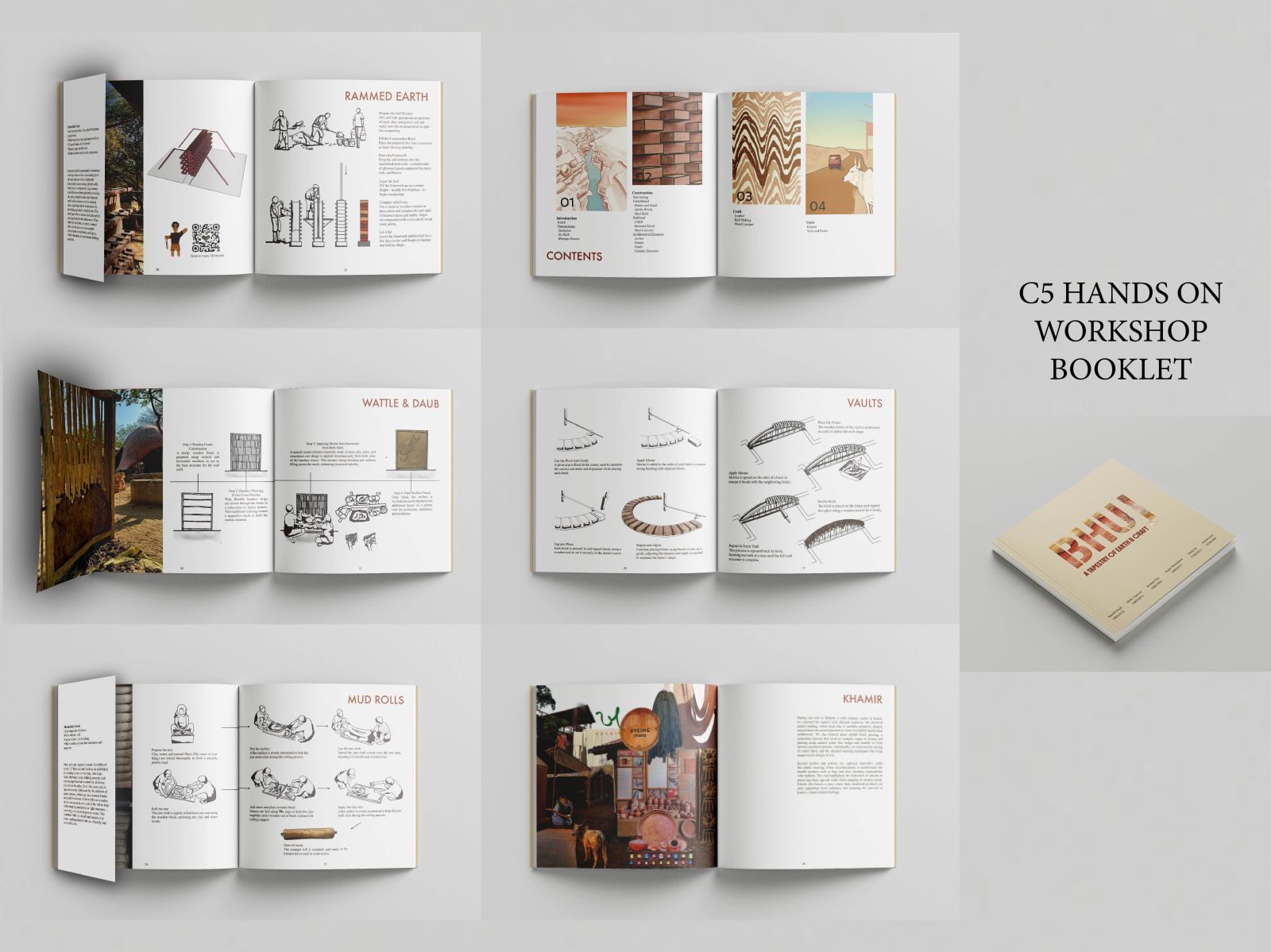
Through this hands-on workshop in Kutch, we learned traditional construction techniques like adobe brick making and wattle and daub, working alongside local artisans. The booklet illustrates each step we took, with flaps that unfold to reveal the journey from hands-on experience to digital illustration.

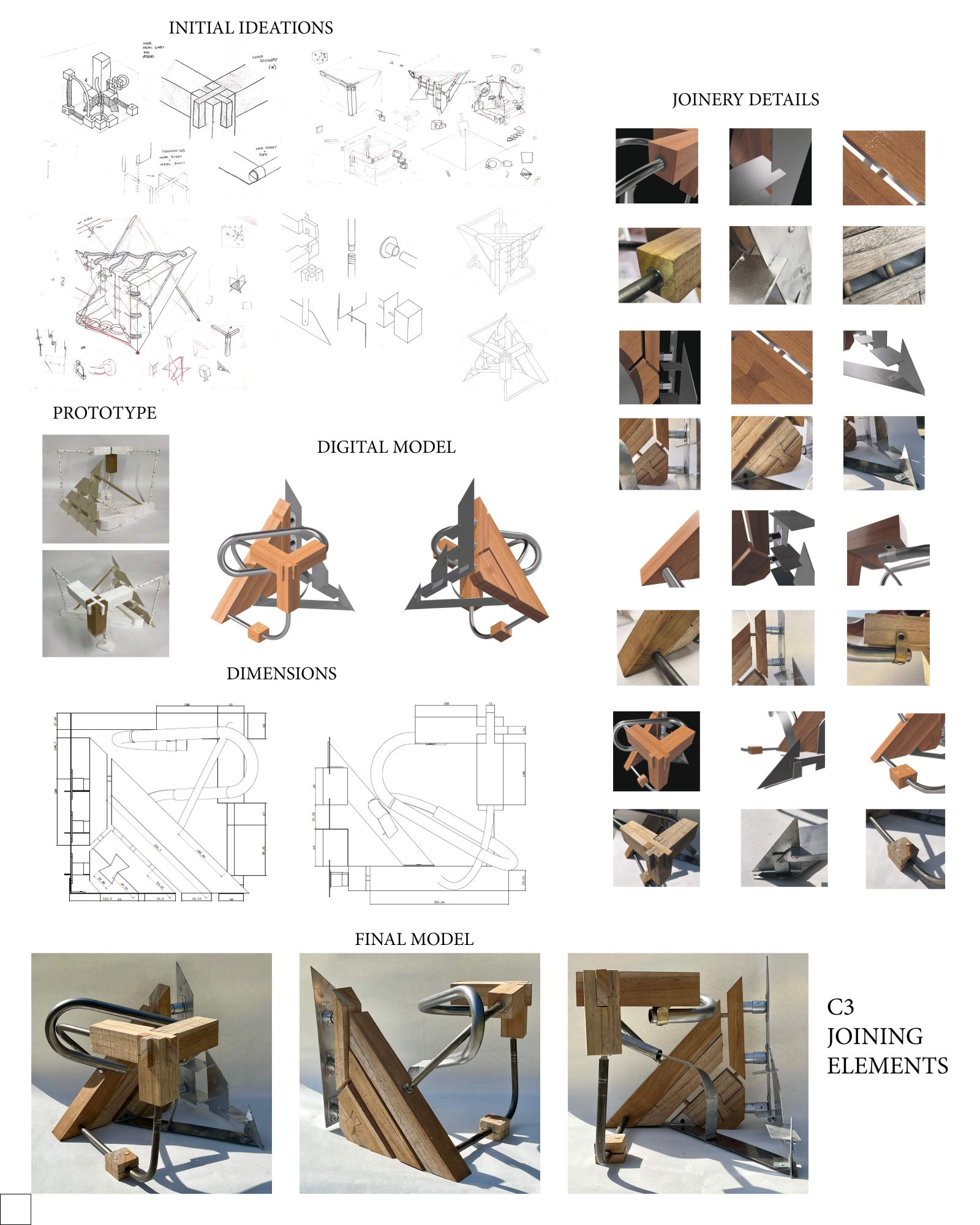
C3 Joining Elements

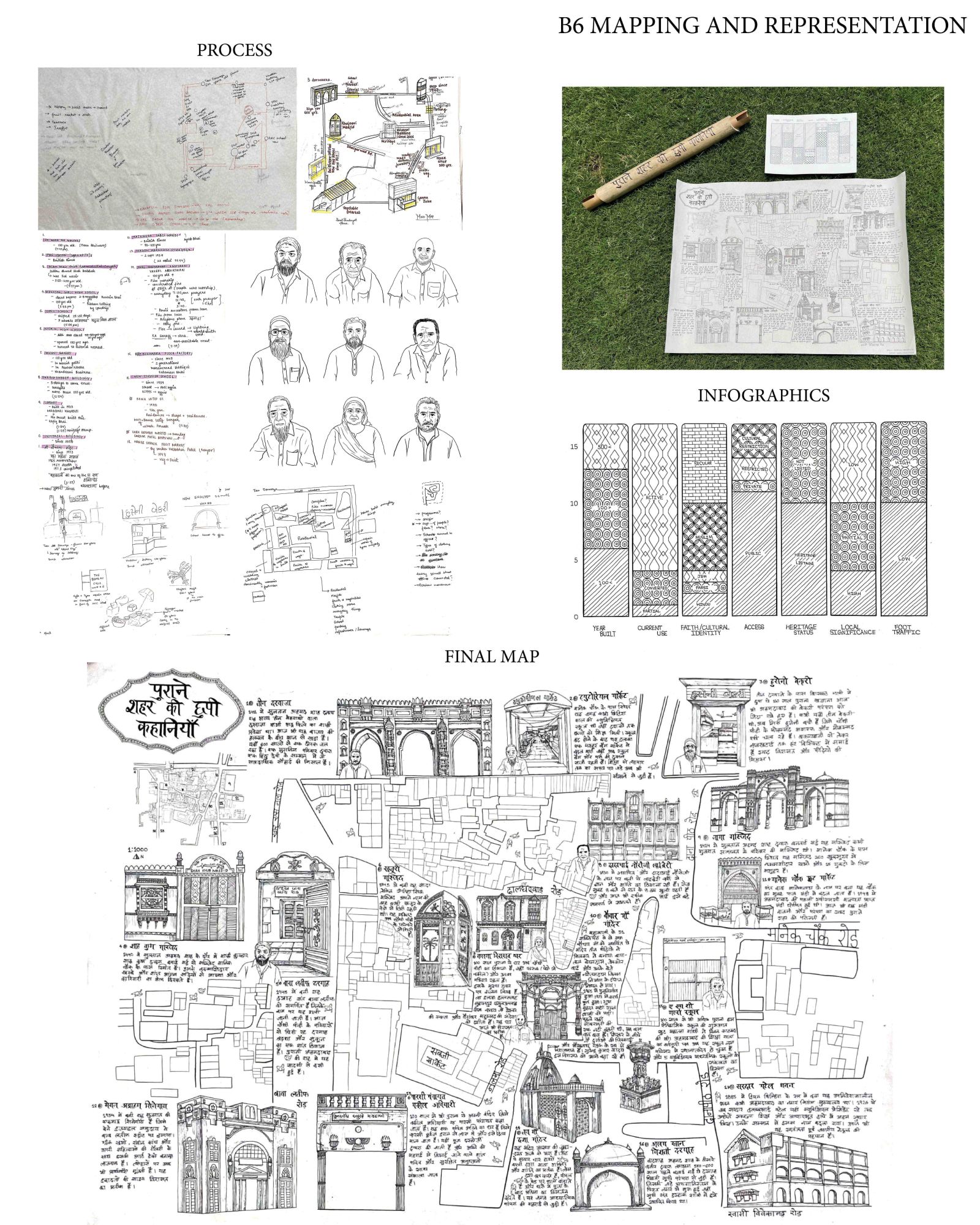
This mapping project explores the hidden stories of Ahmedabad’s old city near Teen Darwaza. By blending heritage, personal narratives, and architectural observations, we created a map that intertwines memory and history. The map features hand-drawn illustrations, detailed sketches of buildings, and stories shared by locals. It’s designed to be explored in a non-linear way, encouraging the viewer to wander through the rich, layered history of the area. A small scale map provides reference, while an infographic categorizes the sites, helping to bring together the cultural diversity and significance of this historic neighborhood.

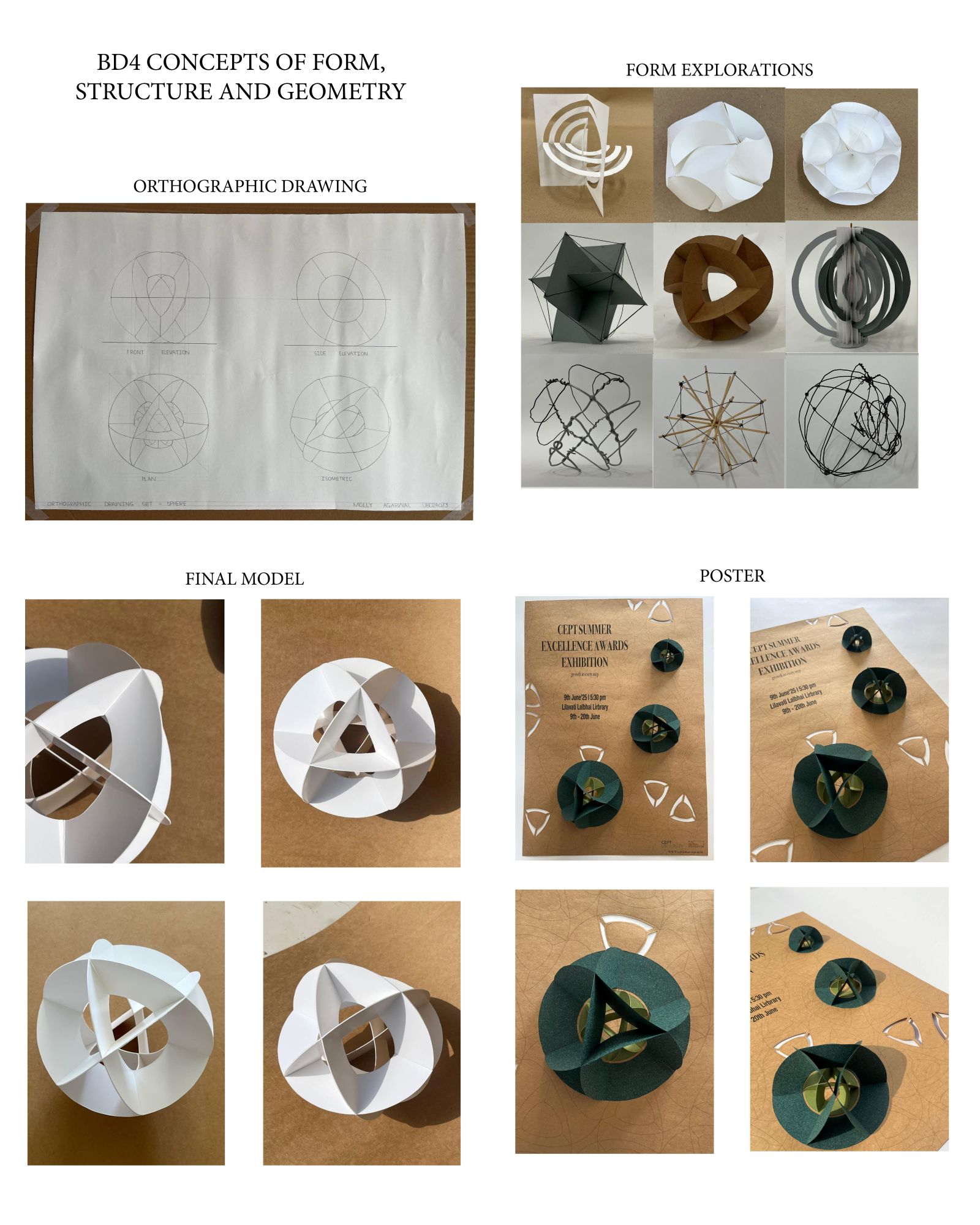
For the Form, Structure, and Geometry module, I was assigned a sphere, which I explored through various methods of construction using planar and linear materials. It was a fascinating process of decoding the form, experimenting with different techniques, and ultimately creating a poster inspired by the sphere I constructed.

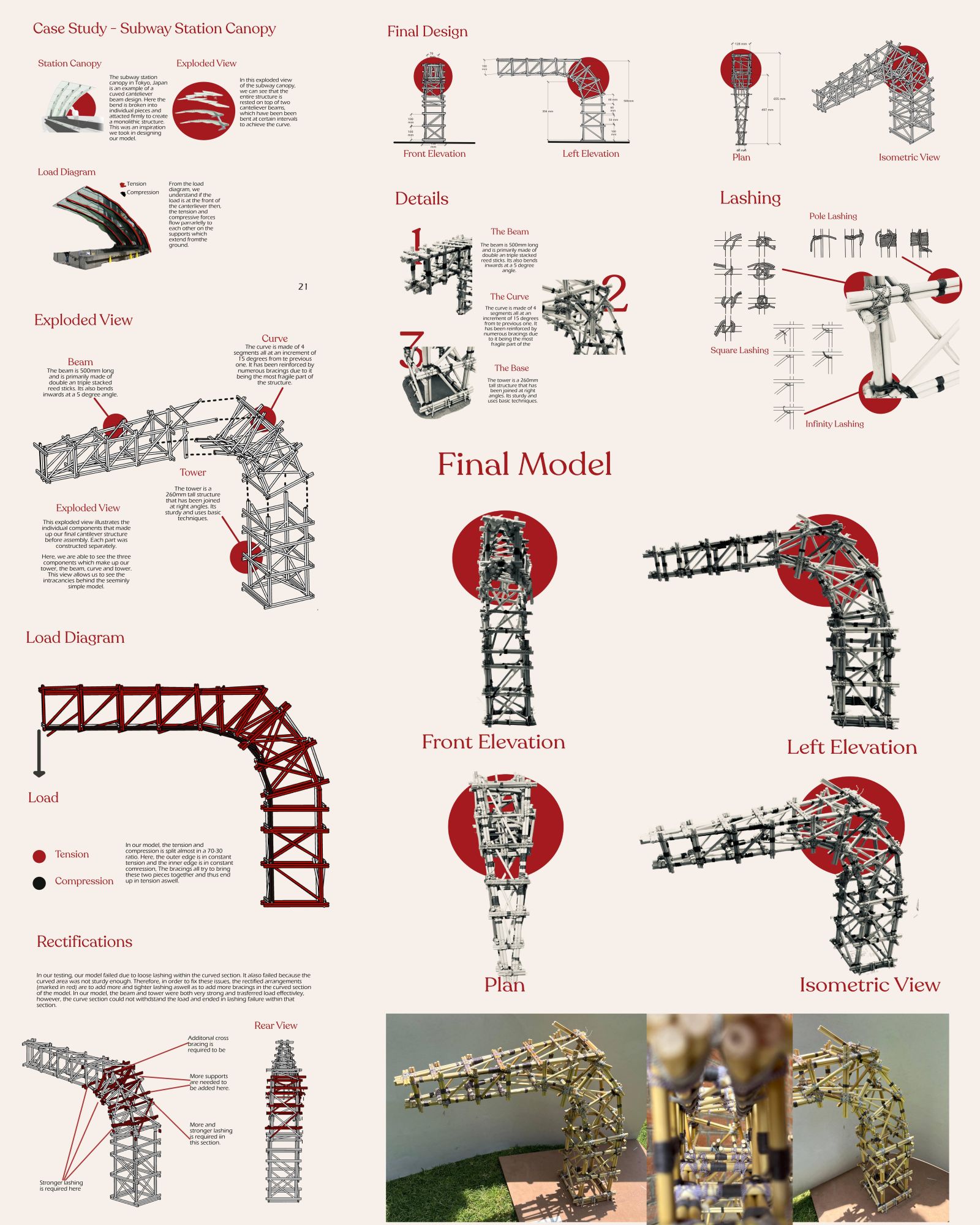
C4 Understanding Structures- cantilever beam

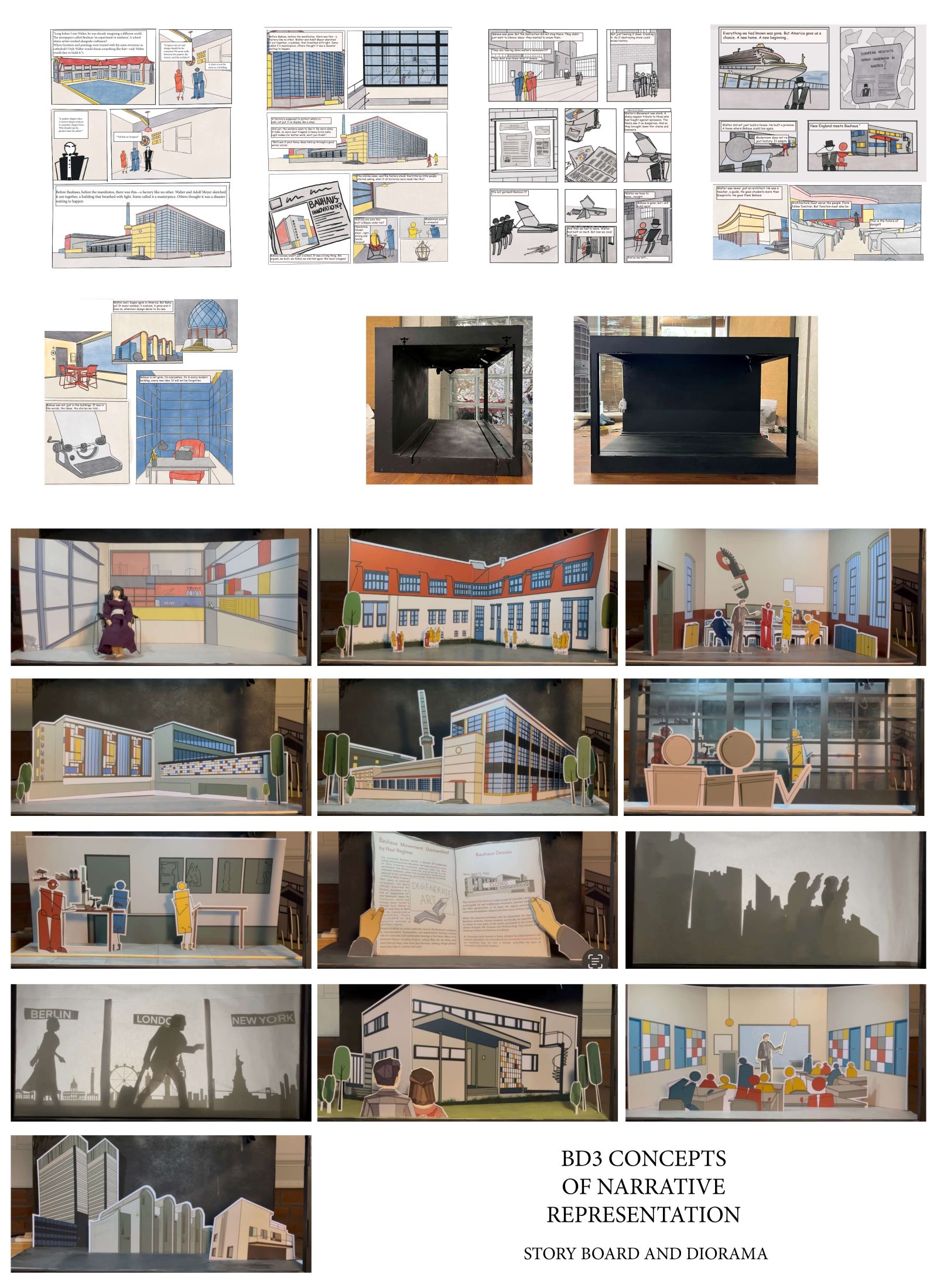
A diorama exploring the life of Walter Gropius, where we experimented with three visual mediums—storyboard, diorama, and filmmaking. Our laser-cut diorama featured sliding panels with precise grooves for smooth transitions, enhanced with lighting and sound to bring Gropius’ journey to life in an interactive and immersive way.

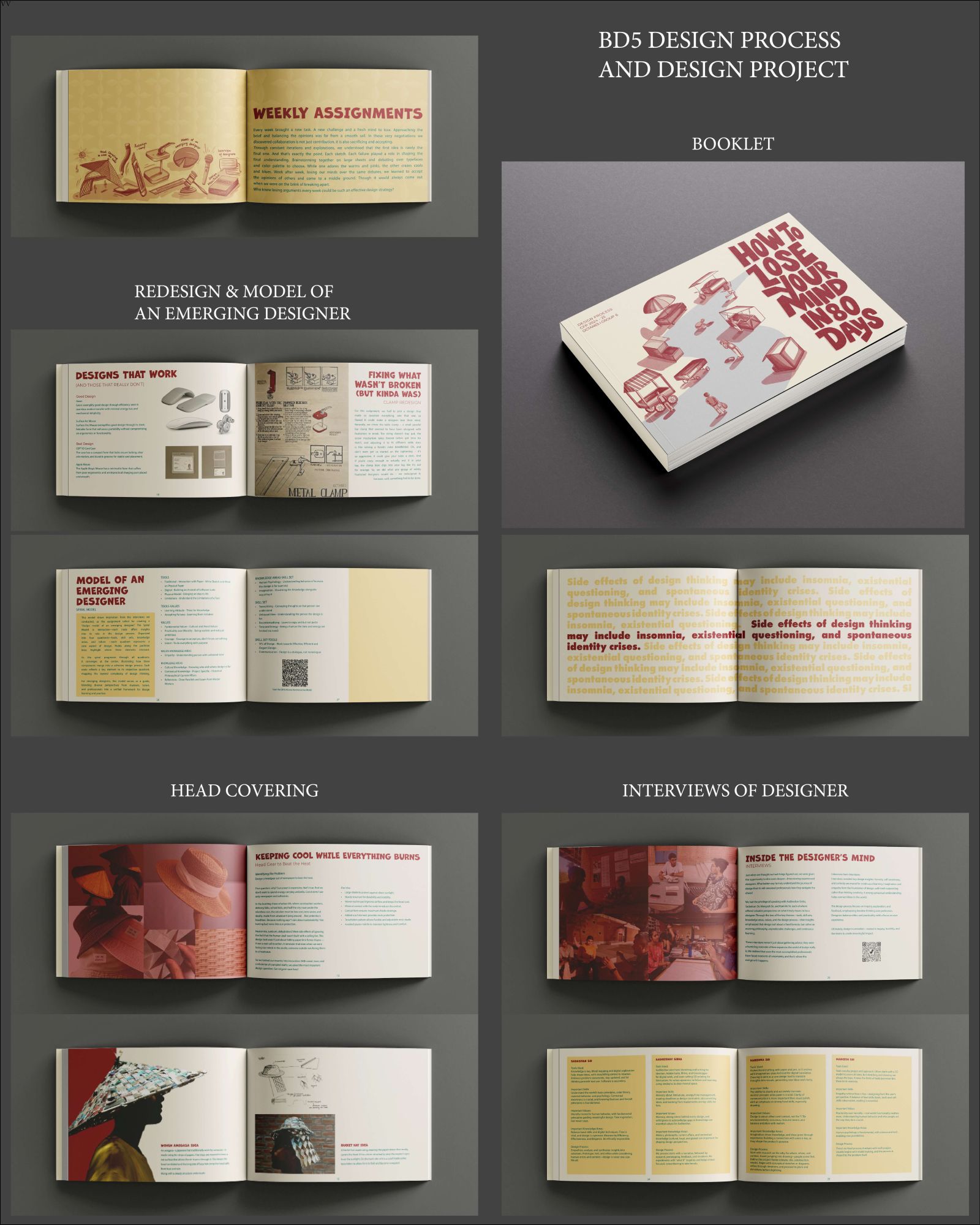
BD 5 Design Process & Design Project- initial assignments

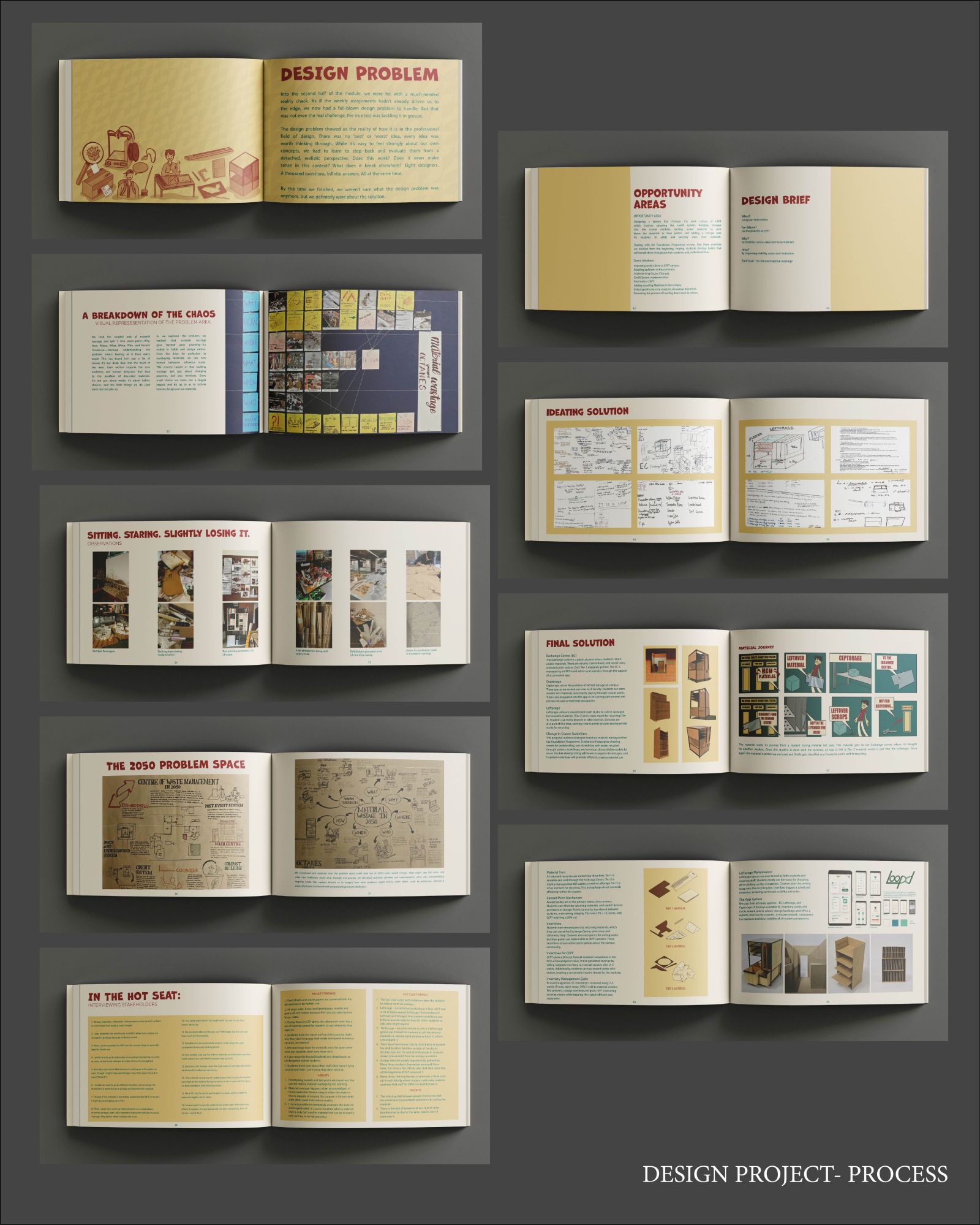
BD 5 Design Process & Design Project- Material Wastage

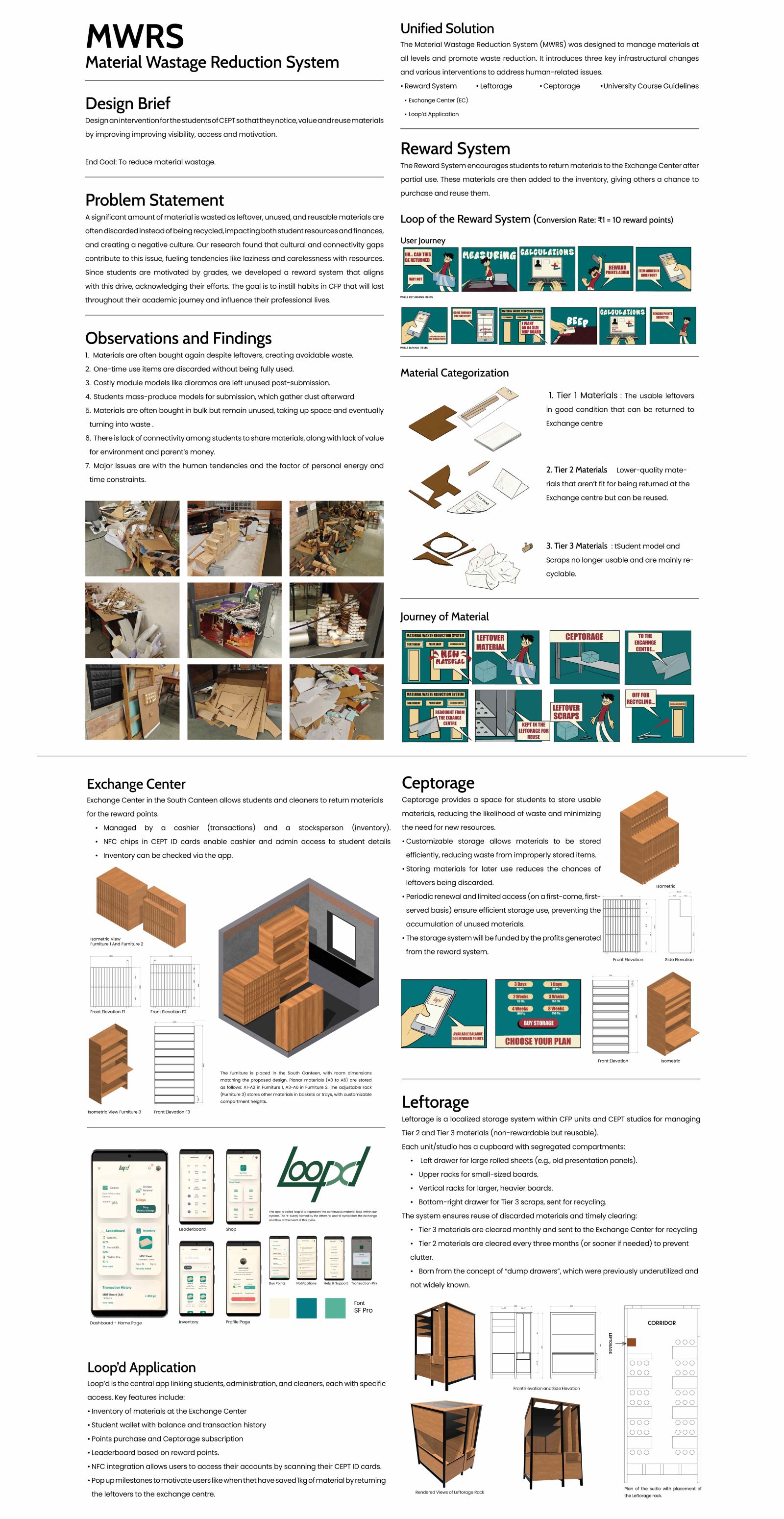
BD 5 Design Process & Design Project- proposed solution