Delina Leichal Raajkumari

CFP009

UBD24137

The CEPT Foundation Programme studio is an introduction for students fresh out of school to the rigor and work habits required by an undergraduate degree at CEPT University. The studio is conceptualized as a series of sequentially planned exercises, through which students develop skills and abilities, which are then deployed to address increasingly complex problems falling into four broad categories: visualize and draw, make and learn, analyze and interpret and conceptualize and represent. The exercises are designed to provide common and allied foundational skills and abilities for students across disciplines at CEPT, between which they maintain a balance. The studio is taught through intensive and incremental weekly modules, focusing on a particular skill or ability and a process that emphasises ongoing discussion and feedback in addition to expert faculty lectures.
Report Content

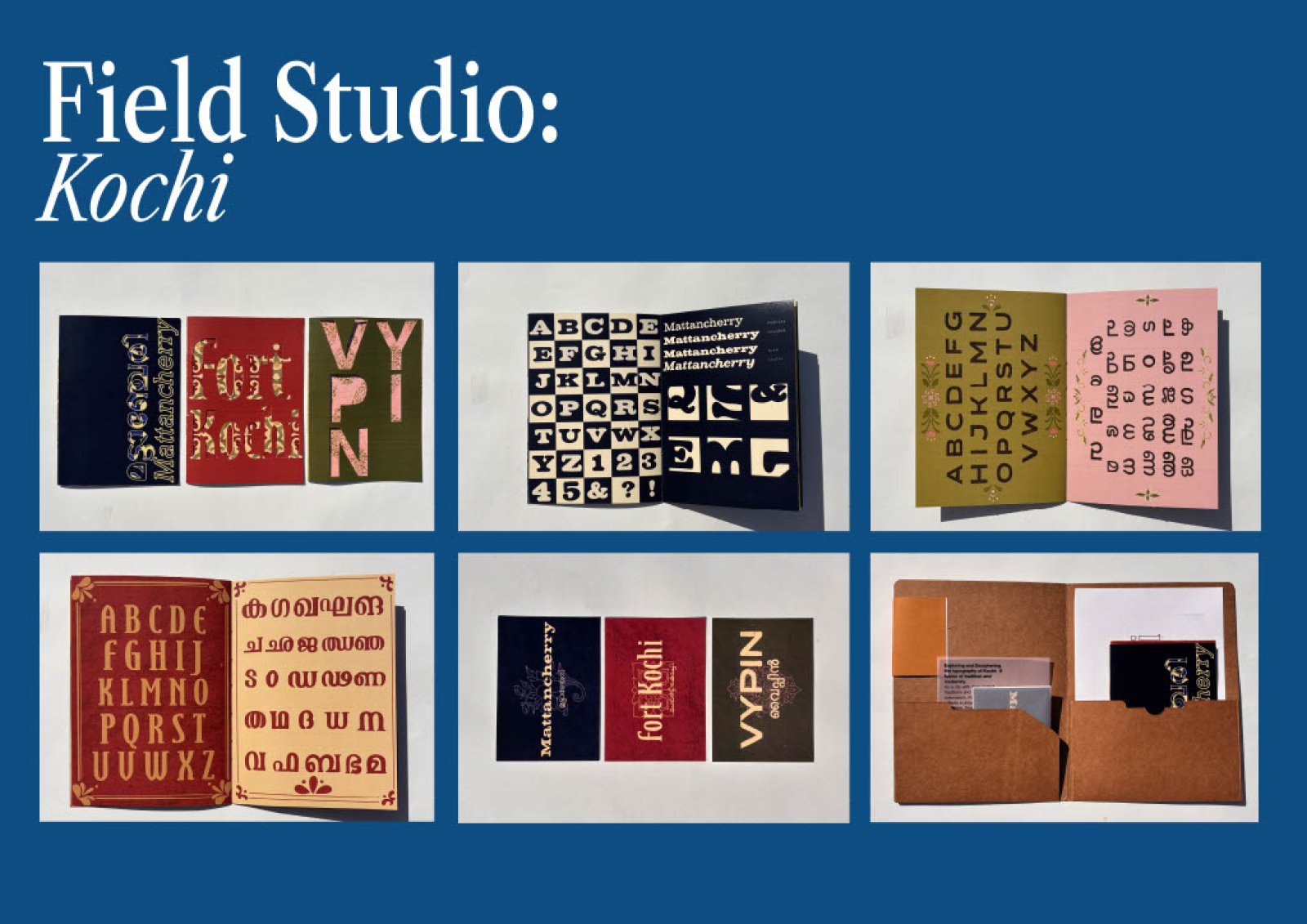
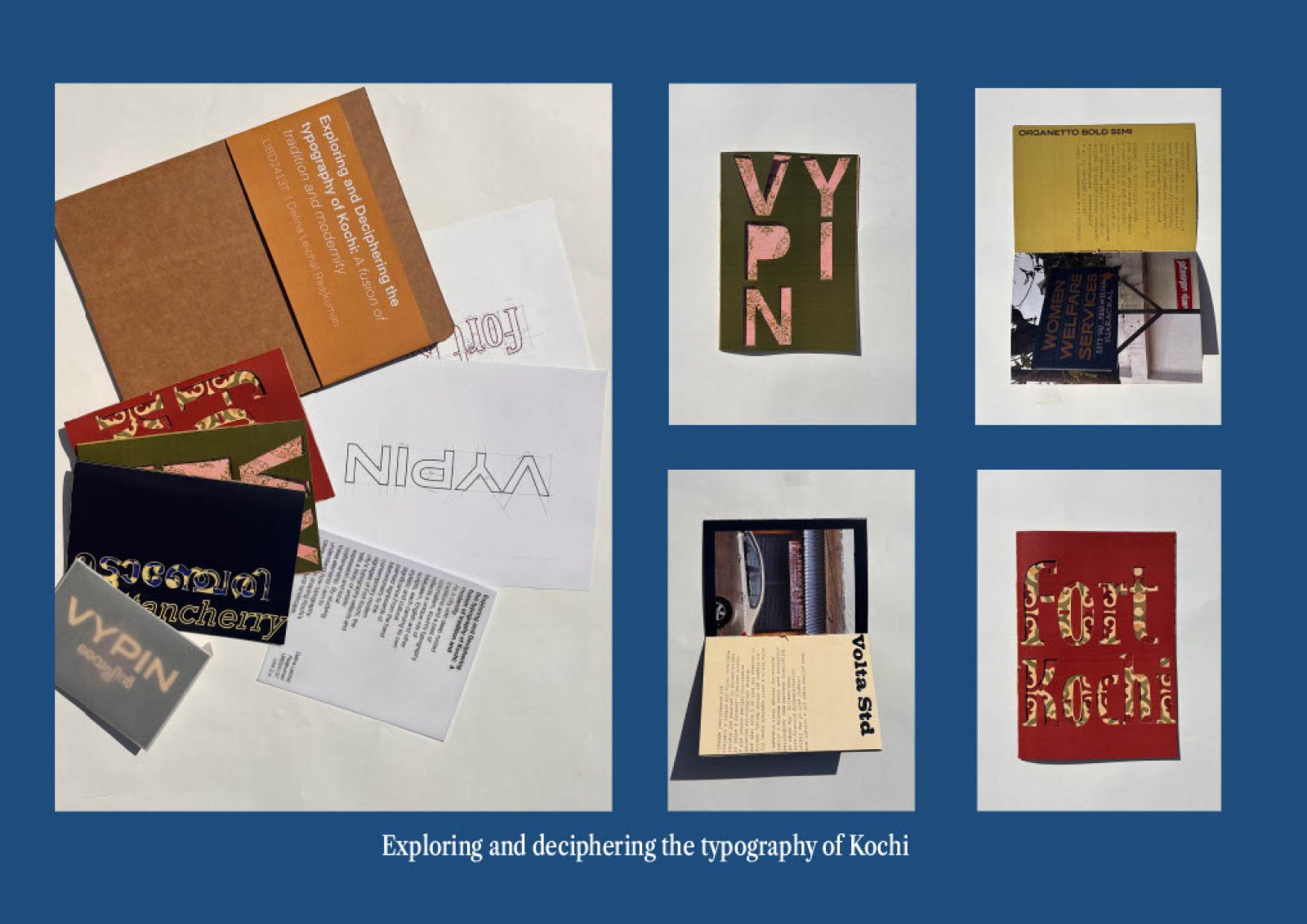
As a city with deep rooted traditions and a past of colonialism, Kochi’s typography reflects a unique mix of Malyalam, English and other scripts, each carrying its own stylistic and cultural significance.From the hand painted signboards of Mattancherry to the contemporary modern signages of Fort Kochi, the city’s typography reflects and tells a story of artistic expression and local craftsmanship. By studying these elements, understanding typography takes a role in shaping Kochi’s visual and cultural landscape

Exploring and documenting the unique typographic identity of Kochi through visual and contextual studies.

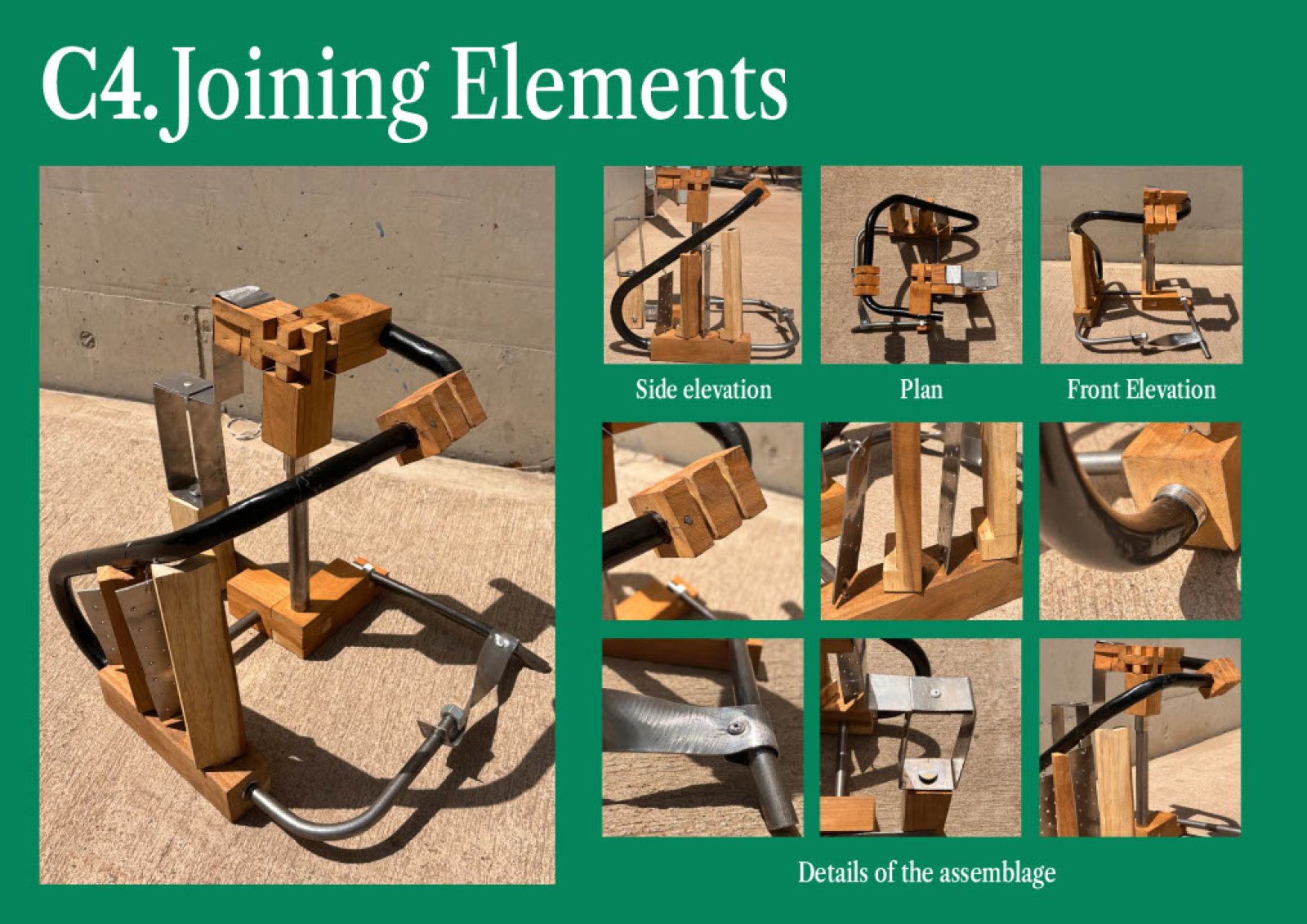
The module, Joining Elements, delves into the fundamental principles of joinery, material interaction, and composition. It is designed to develop an understanding of how different materials can be connected using functional joinery techniques that provide both structural integrity and aesthetic balance. The primary objective of this module is to explore the art of assembling various materials, considering their properties and limitations, to create a cohesive and well-structured composition.

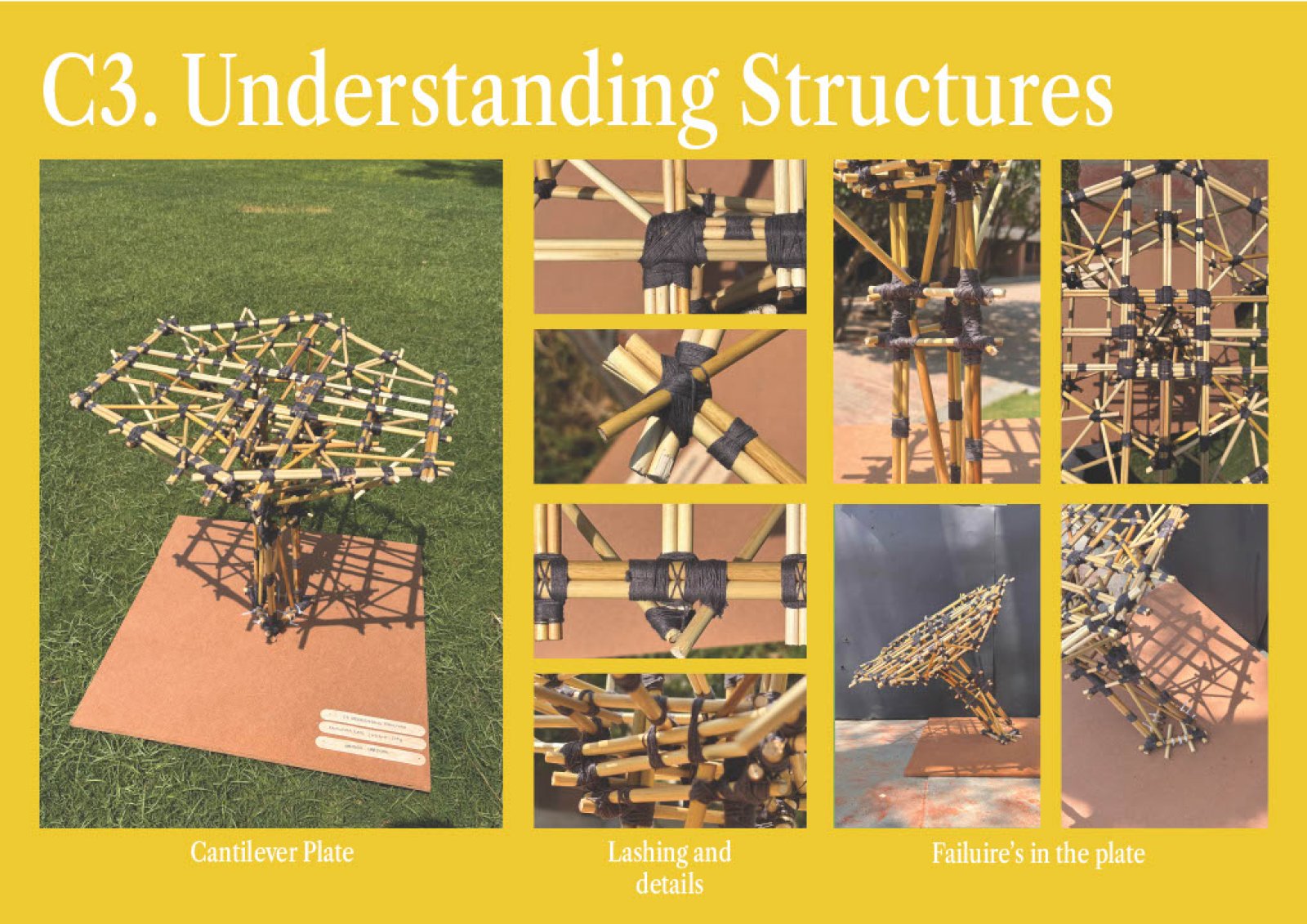
The Understanding Structures module introduced us to the core principles of structural design. By working with everyday materials like ice cream sticks and reed sticks, we were able to explore how different forms respond to forces, and how materials behave under stress. What made this module especially valuable was the shift from passive learning to active experimentation. Building with our hands, testing our designs, and refining them based on results helped bridge the gap between theory and application. It highlighted the importance of material properties and structural logic, both of which are essential to architectural design.

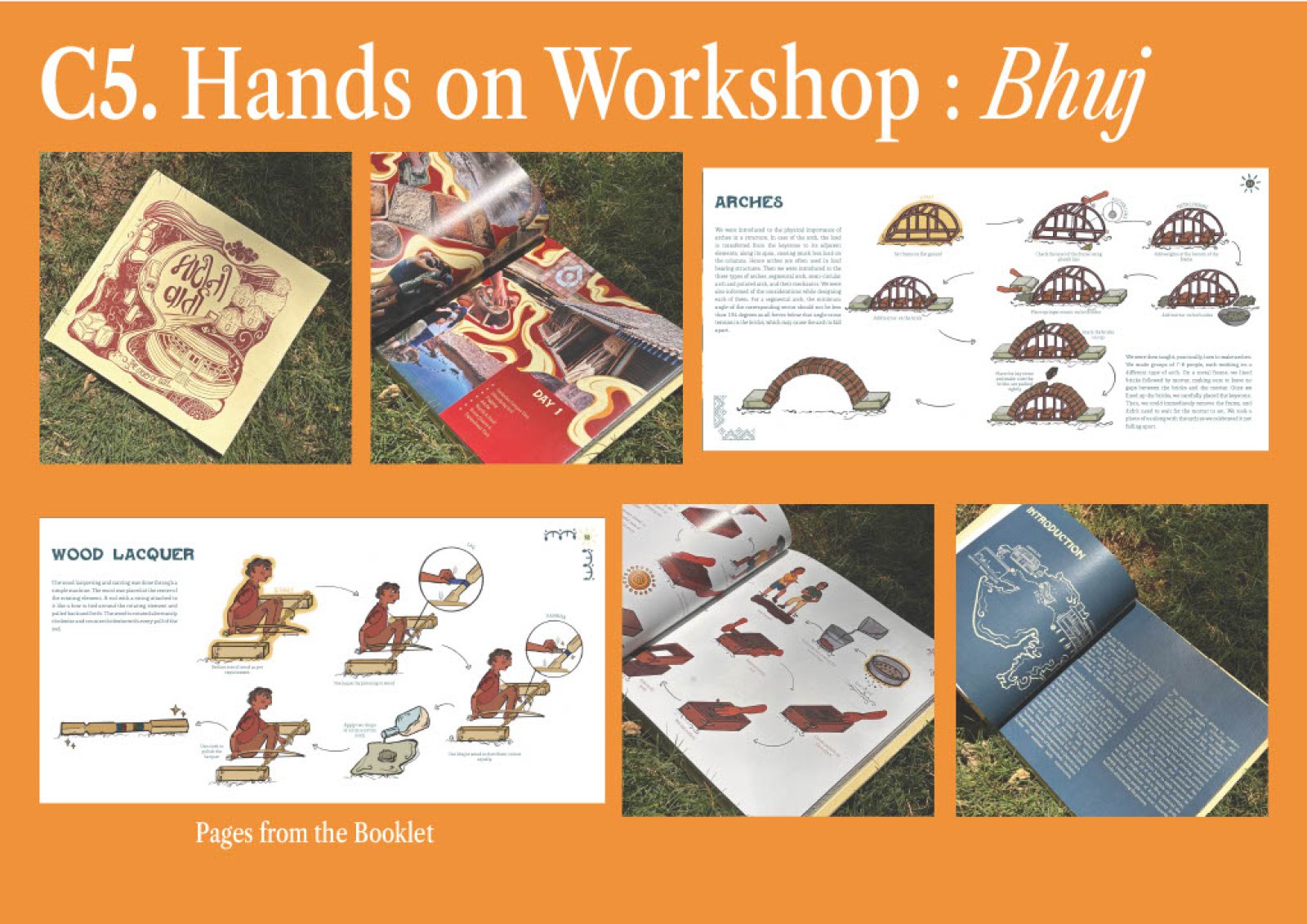
This workshop aimed at giving us, students of architecture, design, technology and urban planning, exposure to the indigenous communities of Kutch and their strategies to combat the harsh climate of Bhuj. We learnt about materials of construction such as adobe and rammed earth, we understood the construction of arches, domes and vaults, and technical aspects of construction.

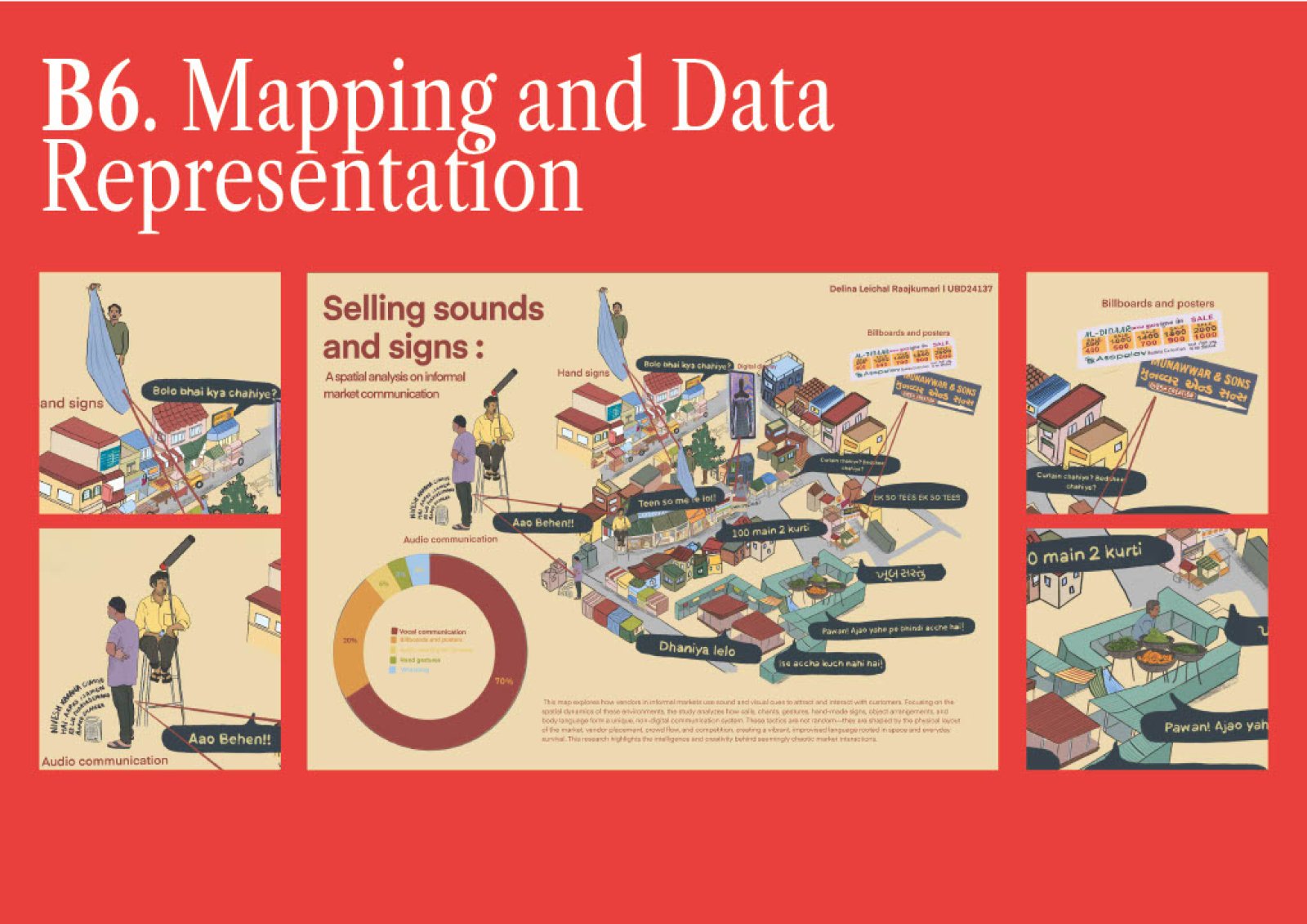
This map explores how vendors in informal markets u s e sound and visual cues to attract and interact with customers. Focusing on the spatial dynamics of these environments, the study analyzes how calls, chants, gestures, hand-made signs, object arrangements, and body language form a unique, non-digital communication system. These tactics are not random-they are shaped by the physical layout of the market, vendor placement, crowd flow, and competition, creating a vibrant, improvised language rooted in space and everyday survival. This research highlights the intelligence and creativity behind seemingly chaotic market interactions.

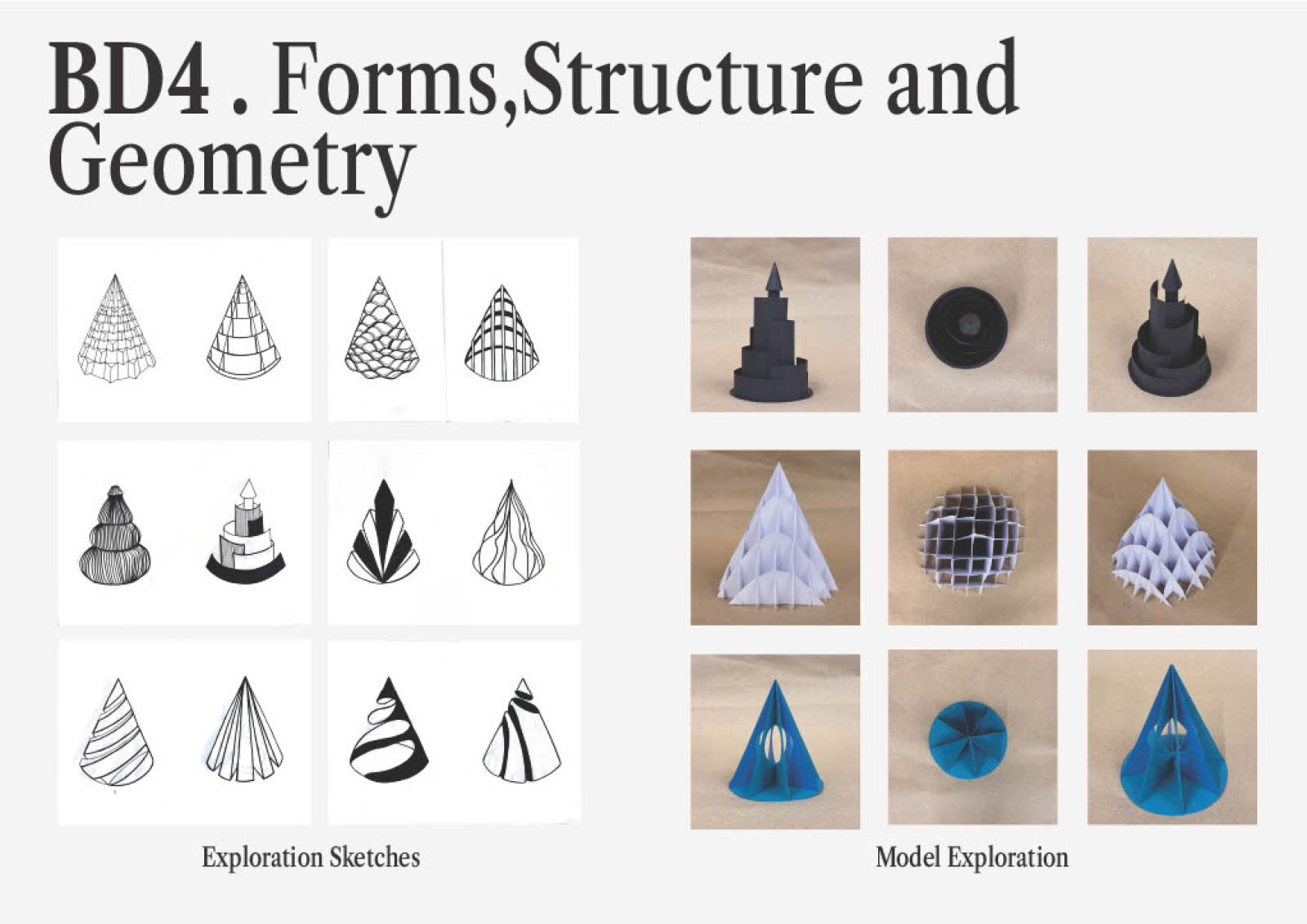
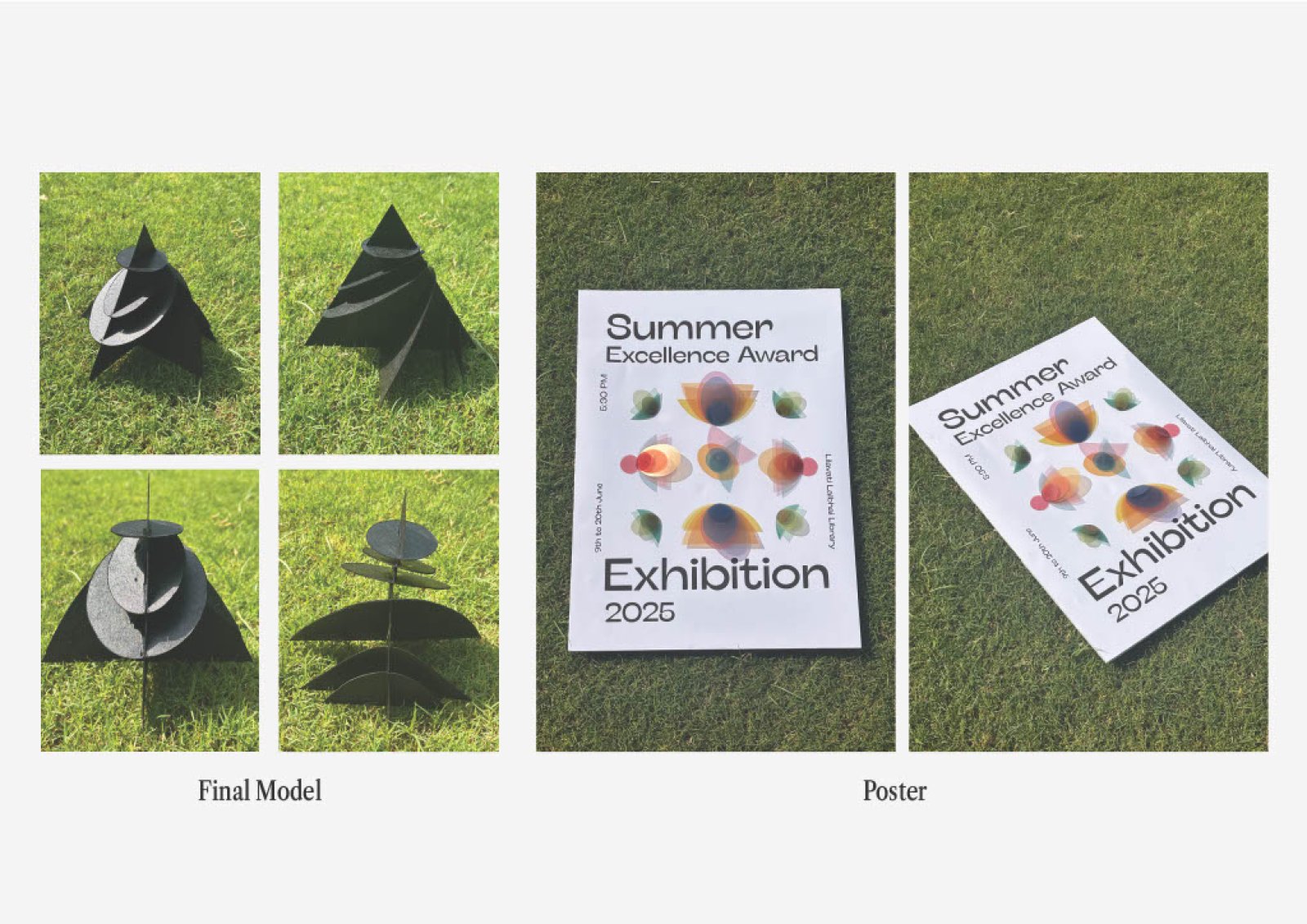
This project focuses on the exploration of geometric forms and their spatial transformations through sketching and physical model-making. The module served as a foundation for understanding architectural composition, material behavior, and structural logic through the lens of geometric abstraction.

Final geometric model and exhibition poster design for the Summer Excellence Award 2025, showcasing form exploration and visual communication.

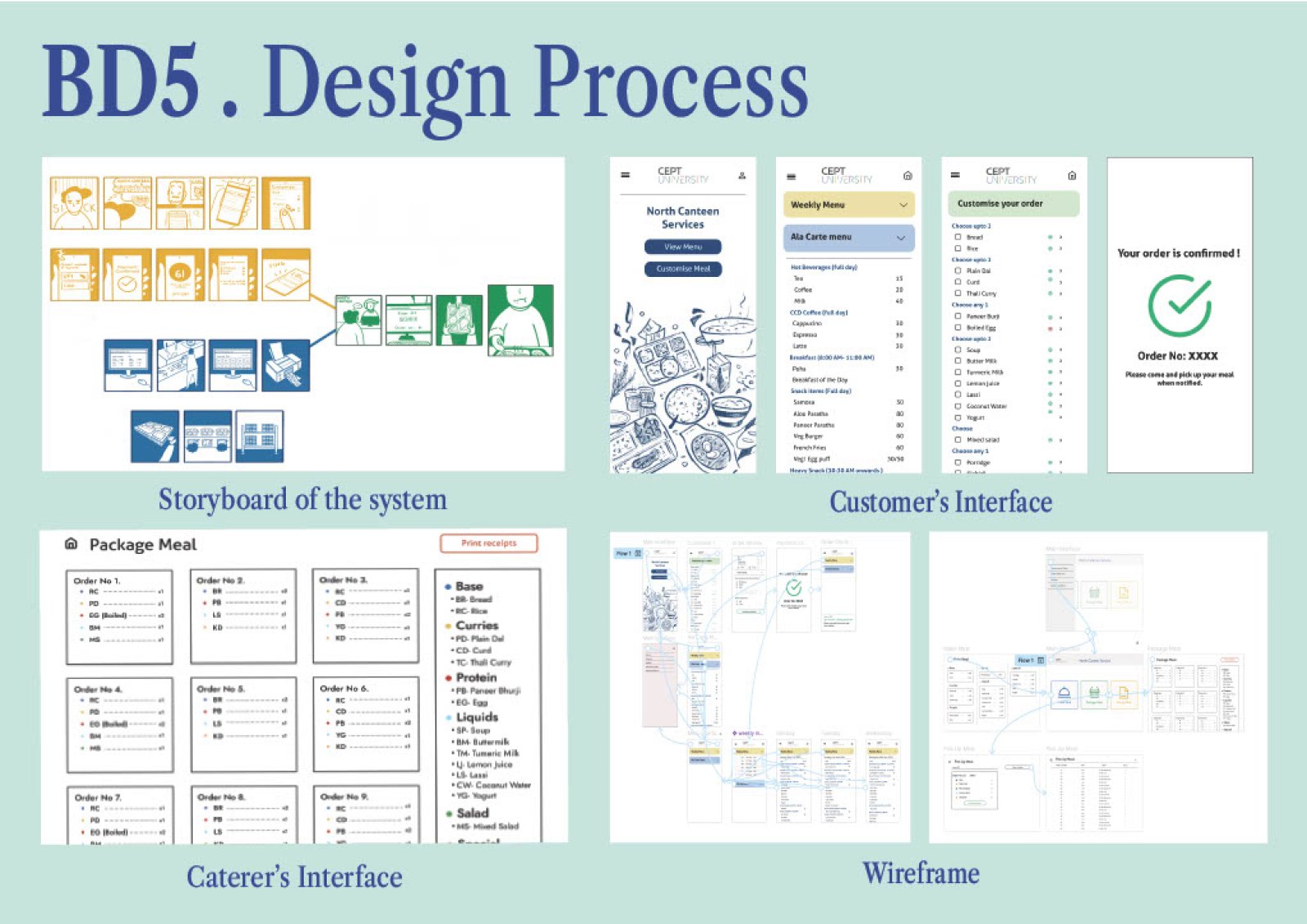
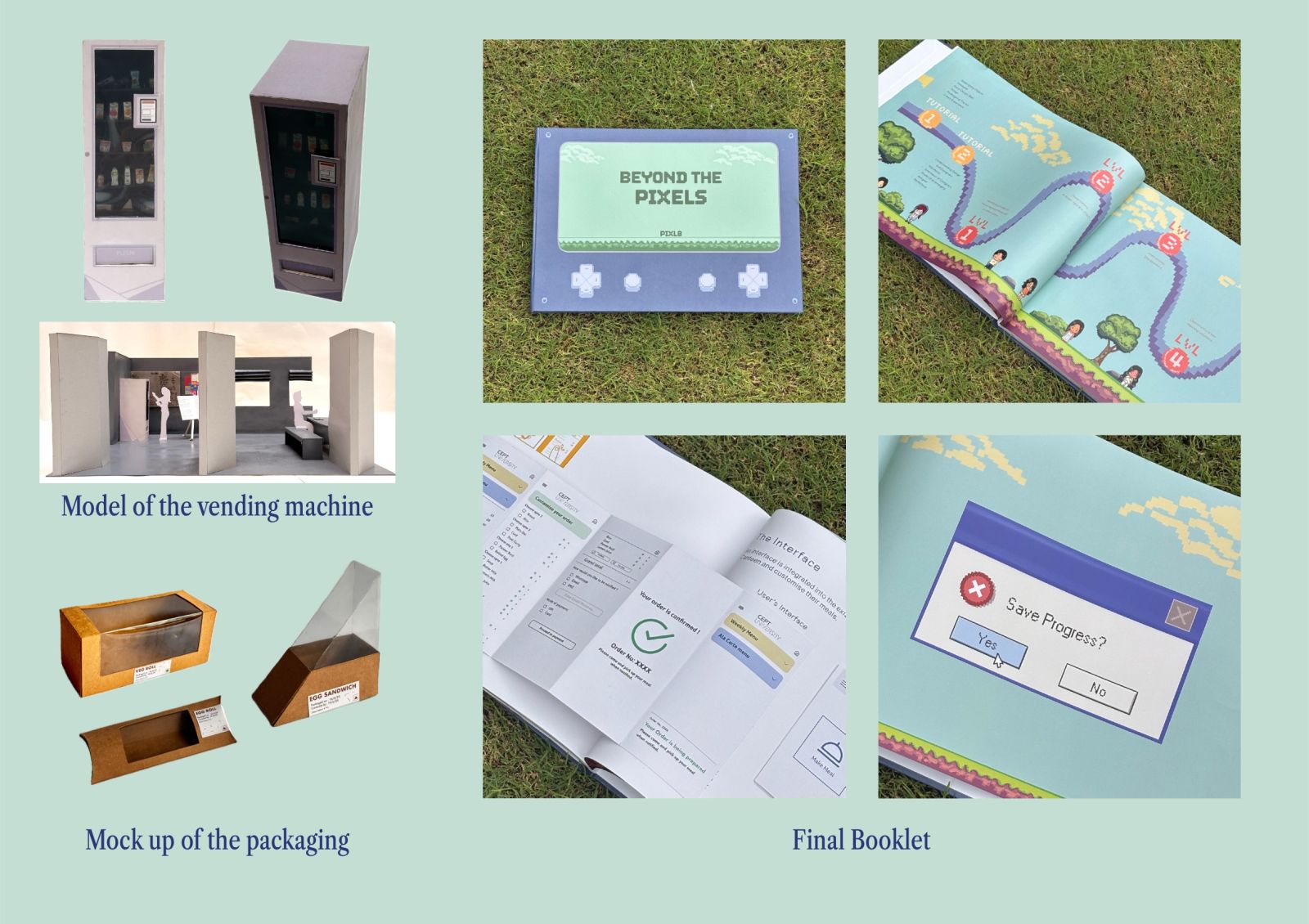
Design goes beyond fixing problems,it’s about questioning, understanding, and reimagining. This project showcases work from the Design Process module, developed over 10 weeks of exploring how designers tackle complex challenges. The process included defining problems, conducting research, ideating, and iterating with empathy and intent. Through this journey, we learned to think like designers-balancing creativity, structure, and human-centered thinking to develop meaningful solutions.

Design solution exploring user experience through a vending machine system - including product packaging, interface mockups, and a gamified final booklet titled Beyond the Pixels.