Kathiriya Neev Rajesh

CFP009

UCE24328

The CEPT Foundation Programme studio is an introduction for students fresh out of school to the rigor and work habits required by an undergraduate degree at CEPT University. The studio is conceptualized as a series of sequentially planned exercises, through which students develop skills and abilities, which are then deployed to address increasingly complex problems falling into four broad categories: visualize and draw, make and learn, analyze and interpret and conceptualize and represent. The exercises are designed to provide common and allied foundational skills and abilities for students across disciplines at CEPT, between which they maintain a balance. The studio is taught through intensive and incremental weekly modules, focusing on a particular skill or ability and a process that emphasises ongoing discussion and feedback in addition to expert faculty lectures.
Report Content

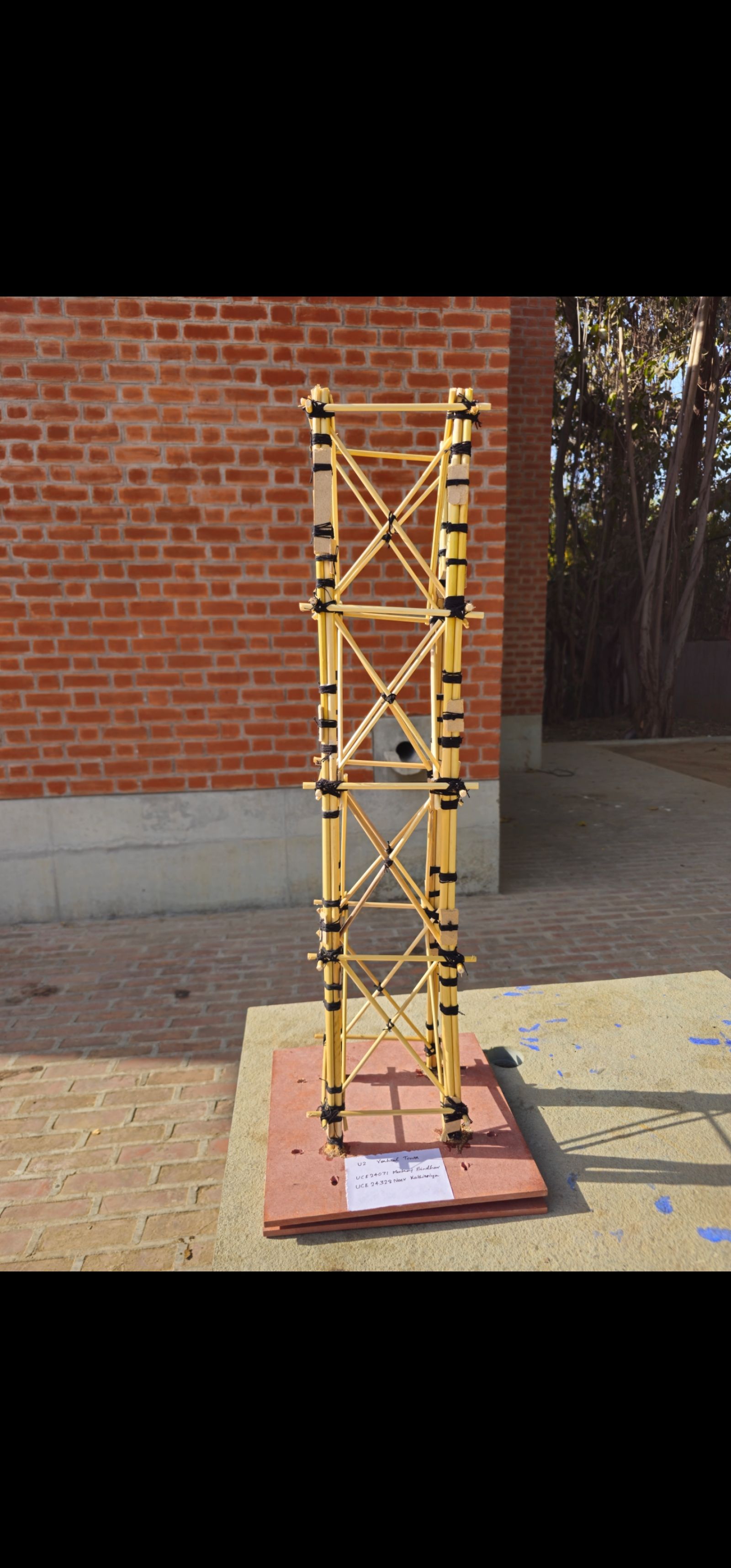
This vertical structure explores stability through triangular bracing and carefully tied reed joints. Tested for its load-bearing capacity, it helped me understand the role of compression, tension, and geometry in structural performance.

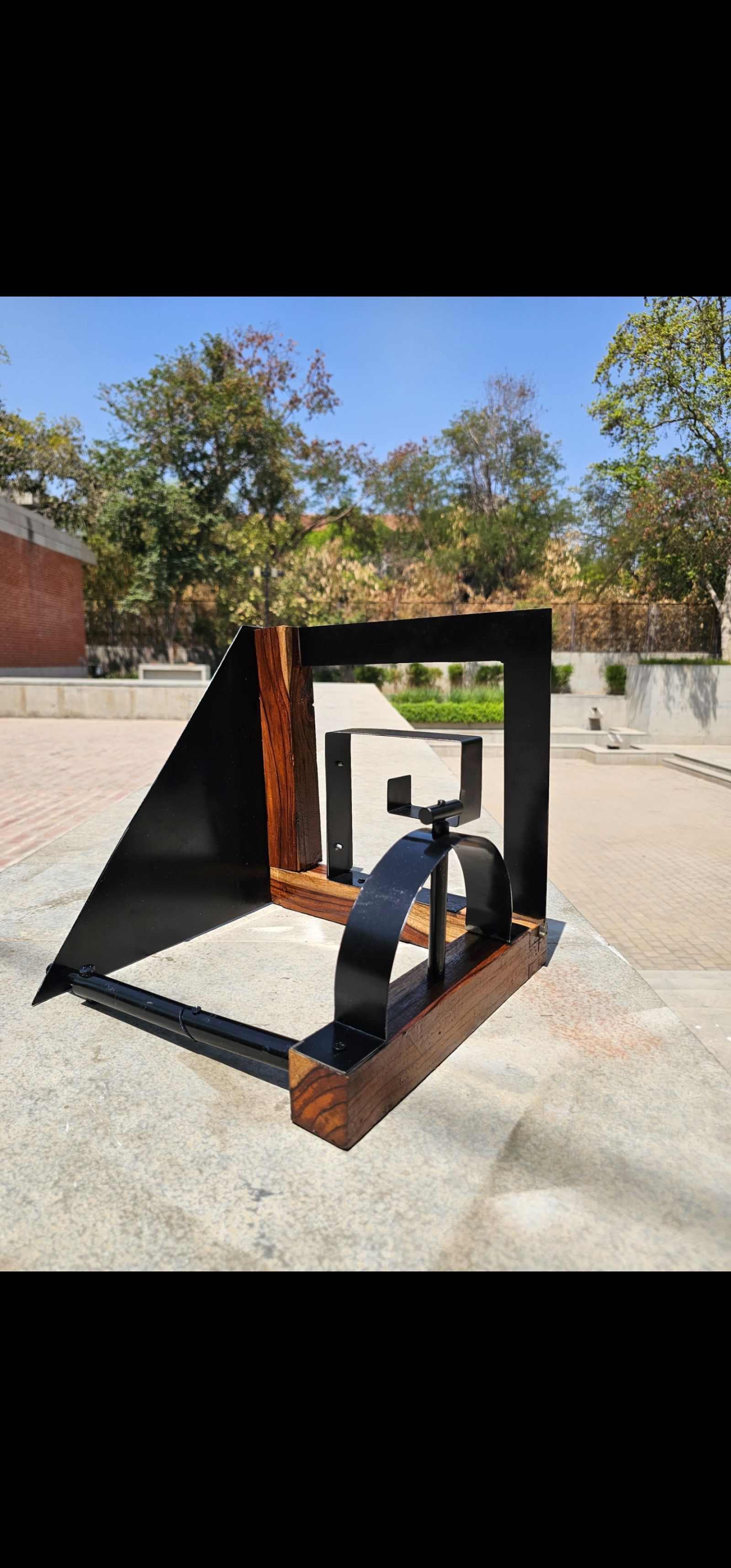
This model demonstrates the integration of metal and wood through mechanical joinery. Each element responds to tension, compression, and support, with a focus on how contrasting materials meet and perform together both structurally and visually.

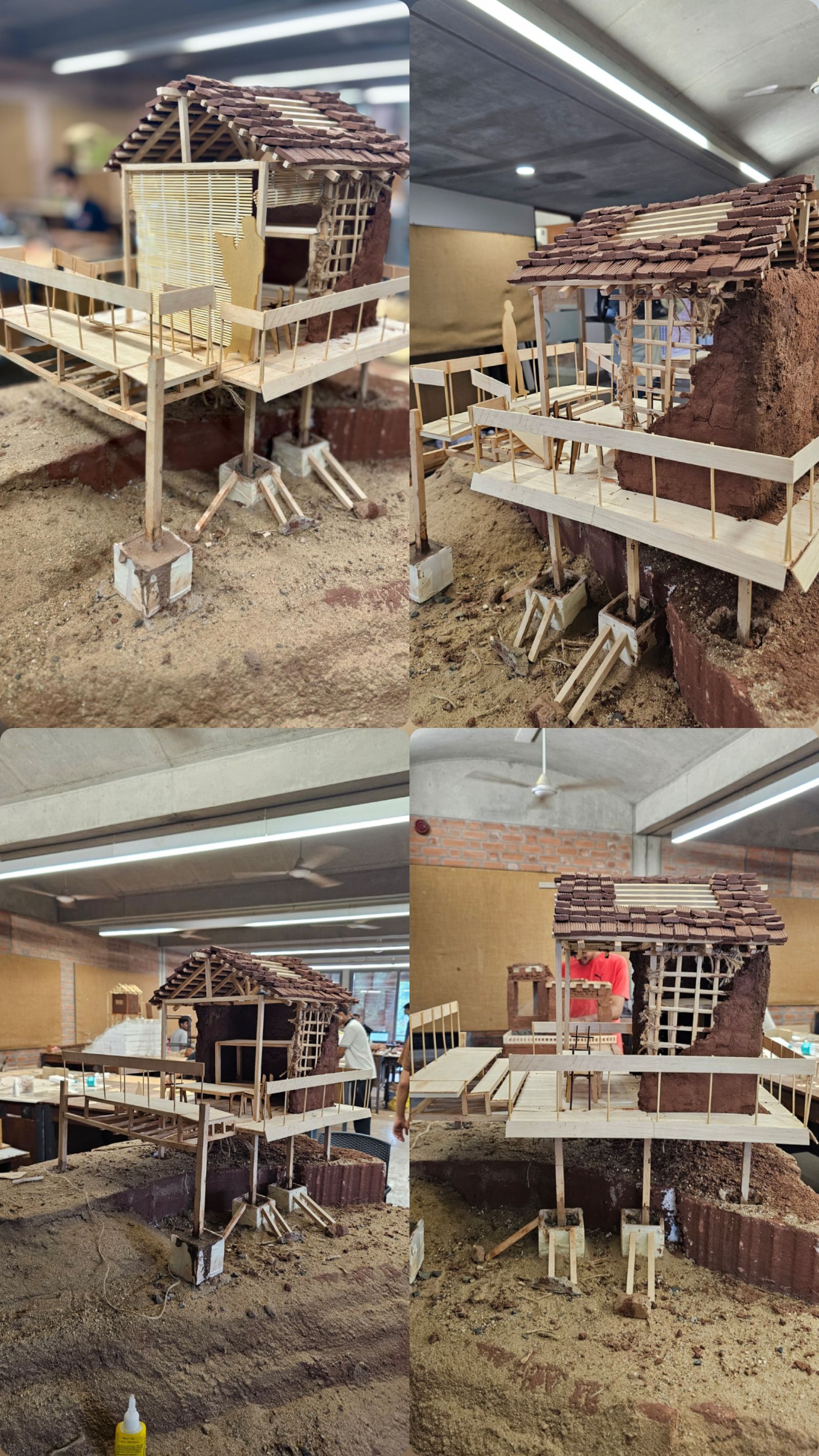
A scale model demonstrating vernacular stilt house construction using wattle and daub walls, supported on timber stilts for uneven terrain. It highlights traditional materials, structural detailing, and climatic adaptation, with features like clay tile roofing, woven bamboo wall base, and open verandahs for ventilation.

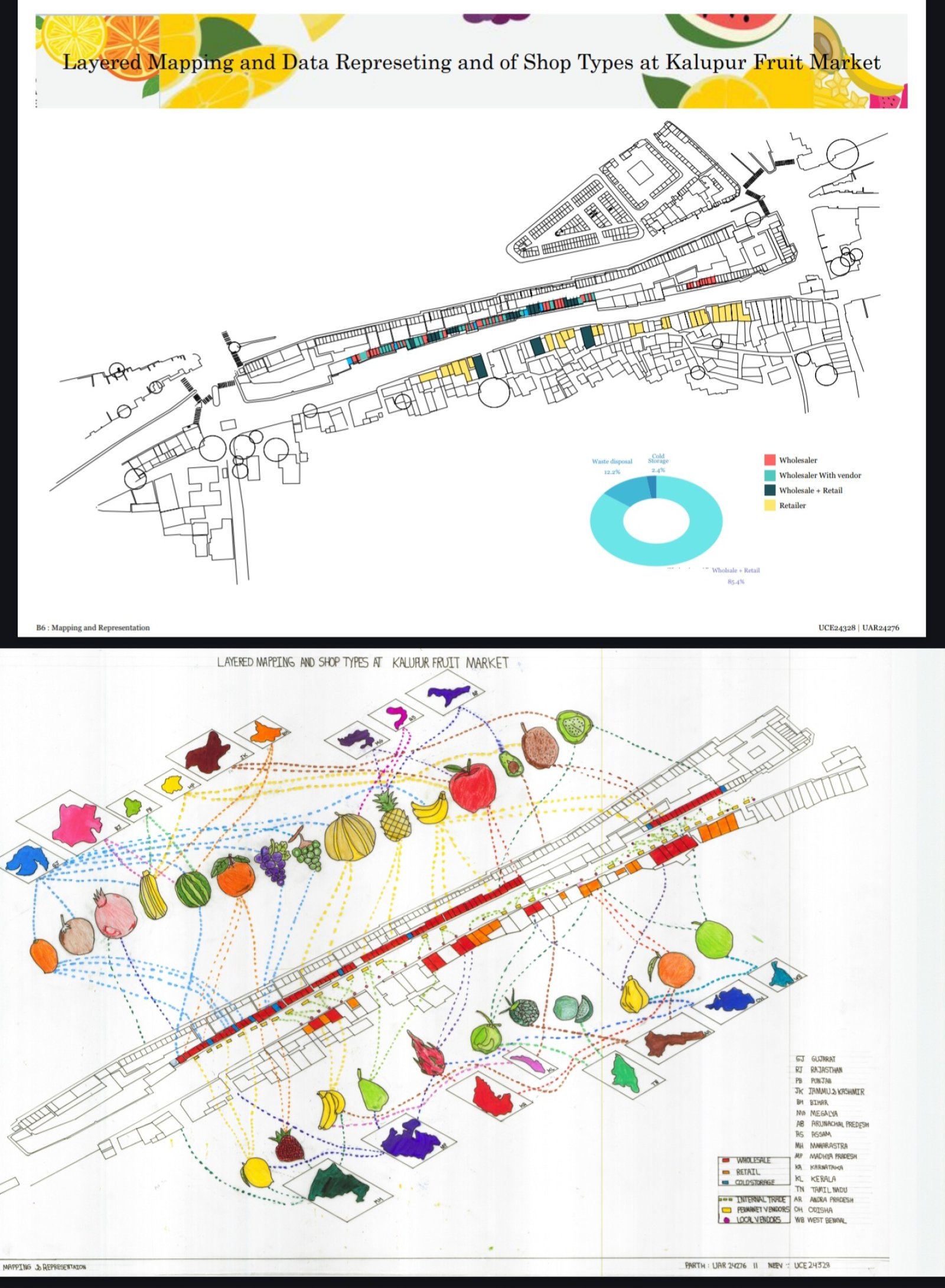
This layered map captures the distribution of shop types across Kalupur Fruit Market, highlighting spatial patterns between wholesalers, retailers, and mixed-use vendors. Through observation and data visualization, it reveals how trade zones are organized and interconnected on ground.

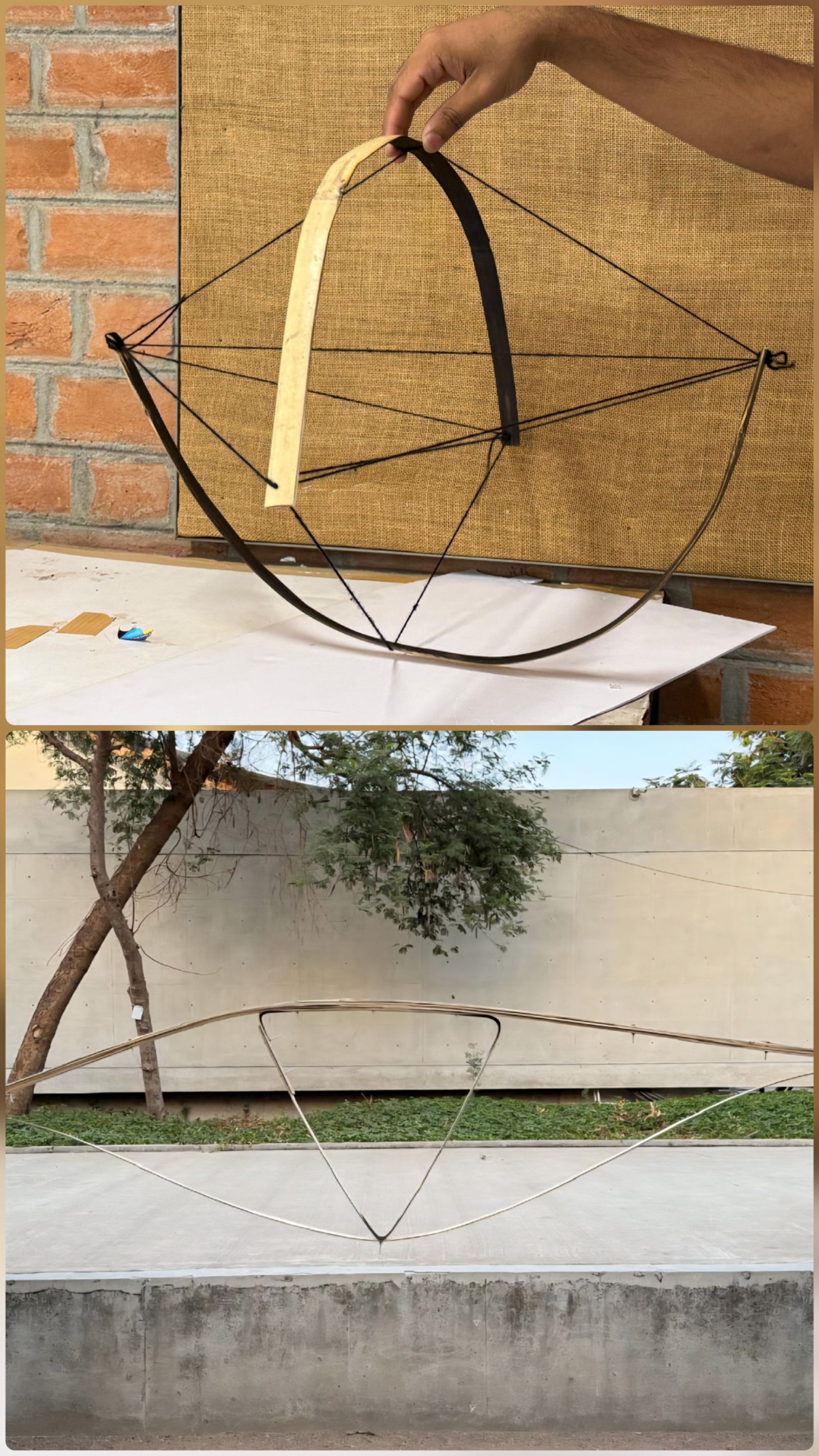
Built using split bamboo strips, this structure explores tension and compression through natural bending. It reflects an understanding of material behavior, real-scale construction, and joinery techniques, resulting in a lightweight, self-supporting span.

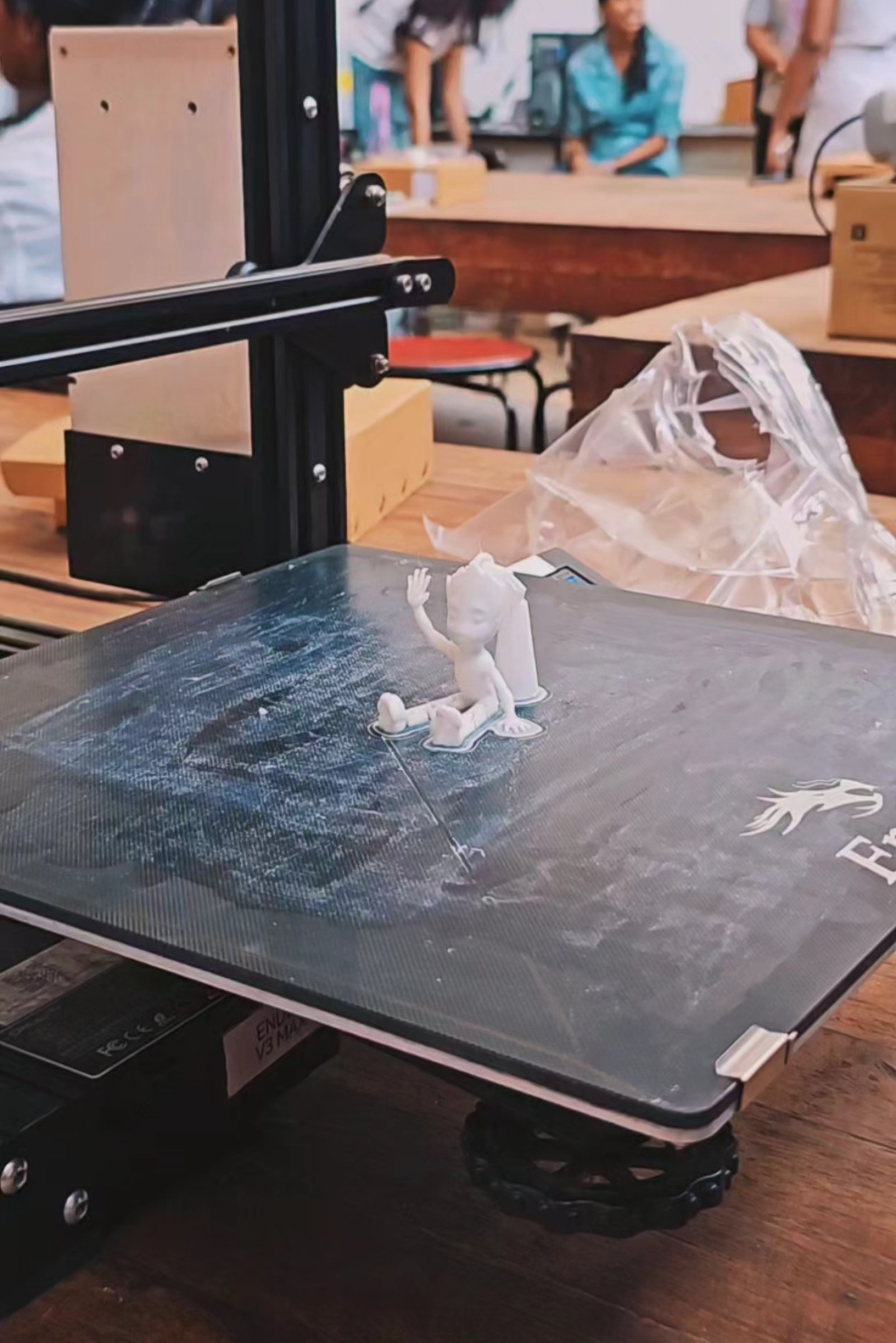
This miniature model was created using FDM 3D printing to understand digital fabrication and slicing workflow. The process involved preparing the STL file, adjusting print parameters, and executing the build on an Ender machine using PLA filament.

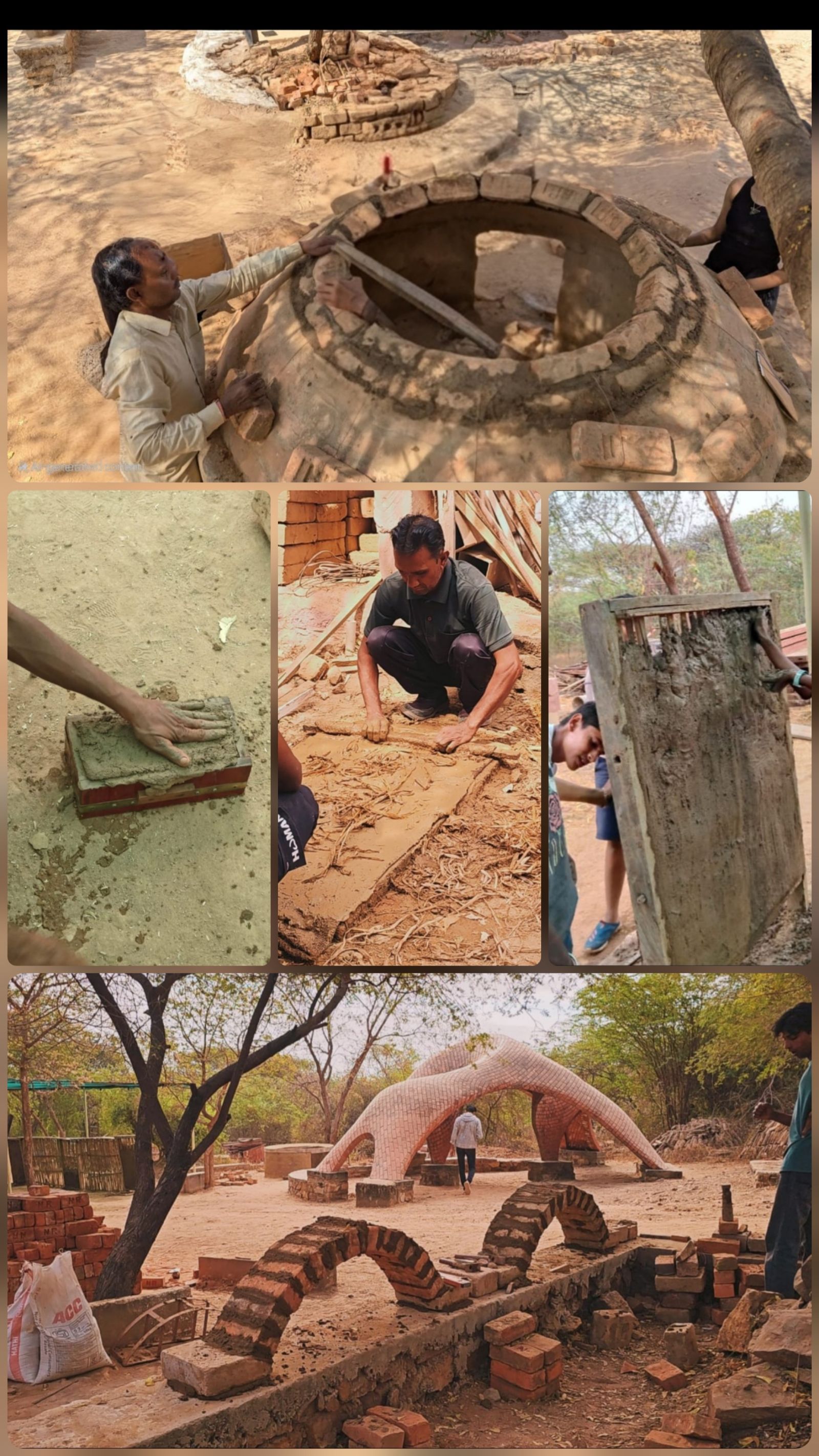
Hands-On Learning – Hunarshala, Bhuj Engaged in traditional earthen construction techniques like adobe, rammed earth, and vault-building during our field visit. The experience deepened our understanding of sustainable materials and collaborative building.

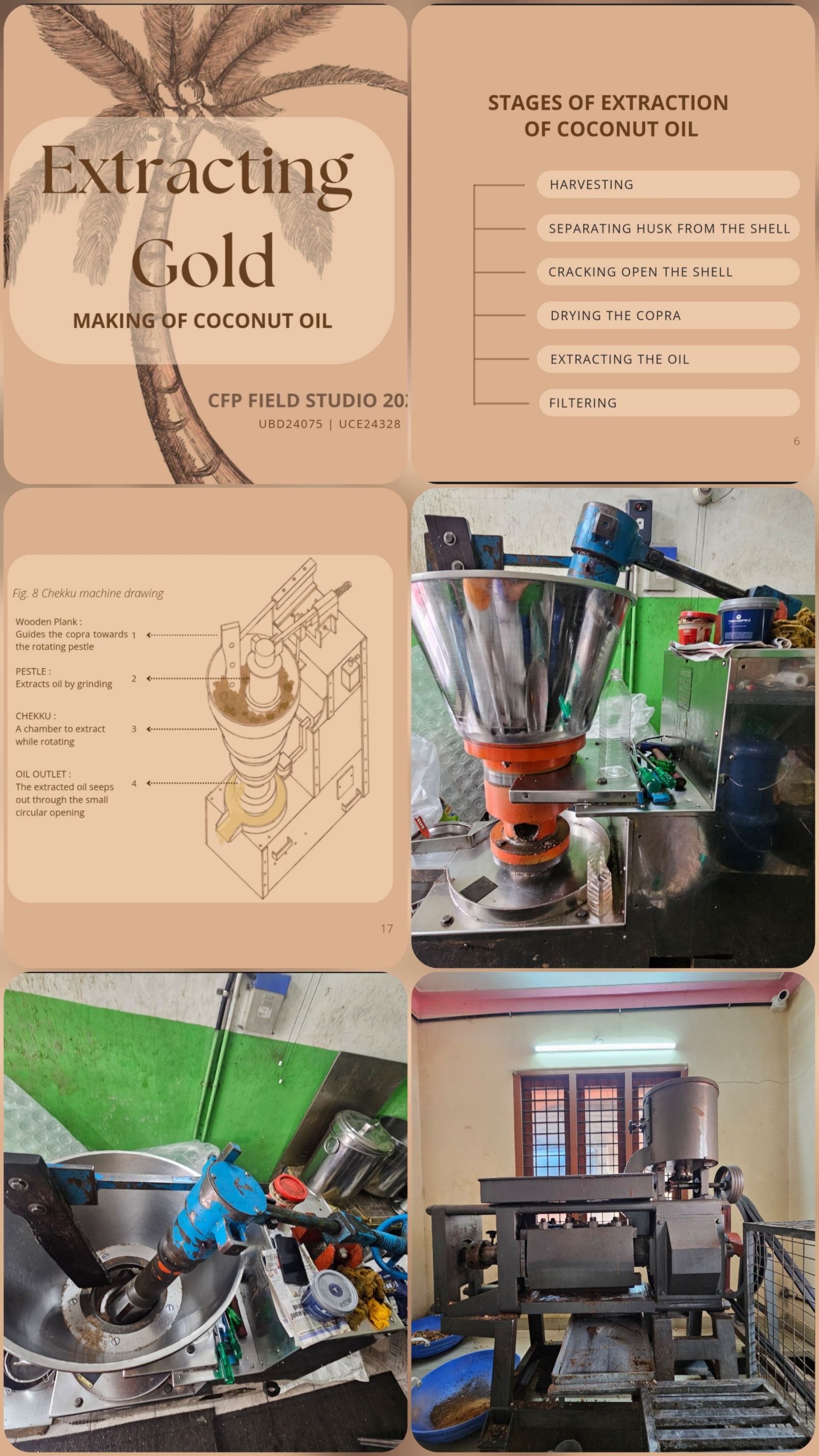
Documented the traditional extraction method using Chekku and expeller machines . Understood the full process—from harvesting and drying to grinding and filtering—through on-site observations and sketches.

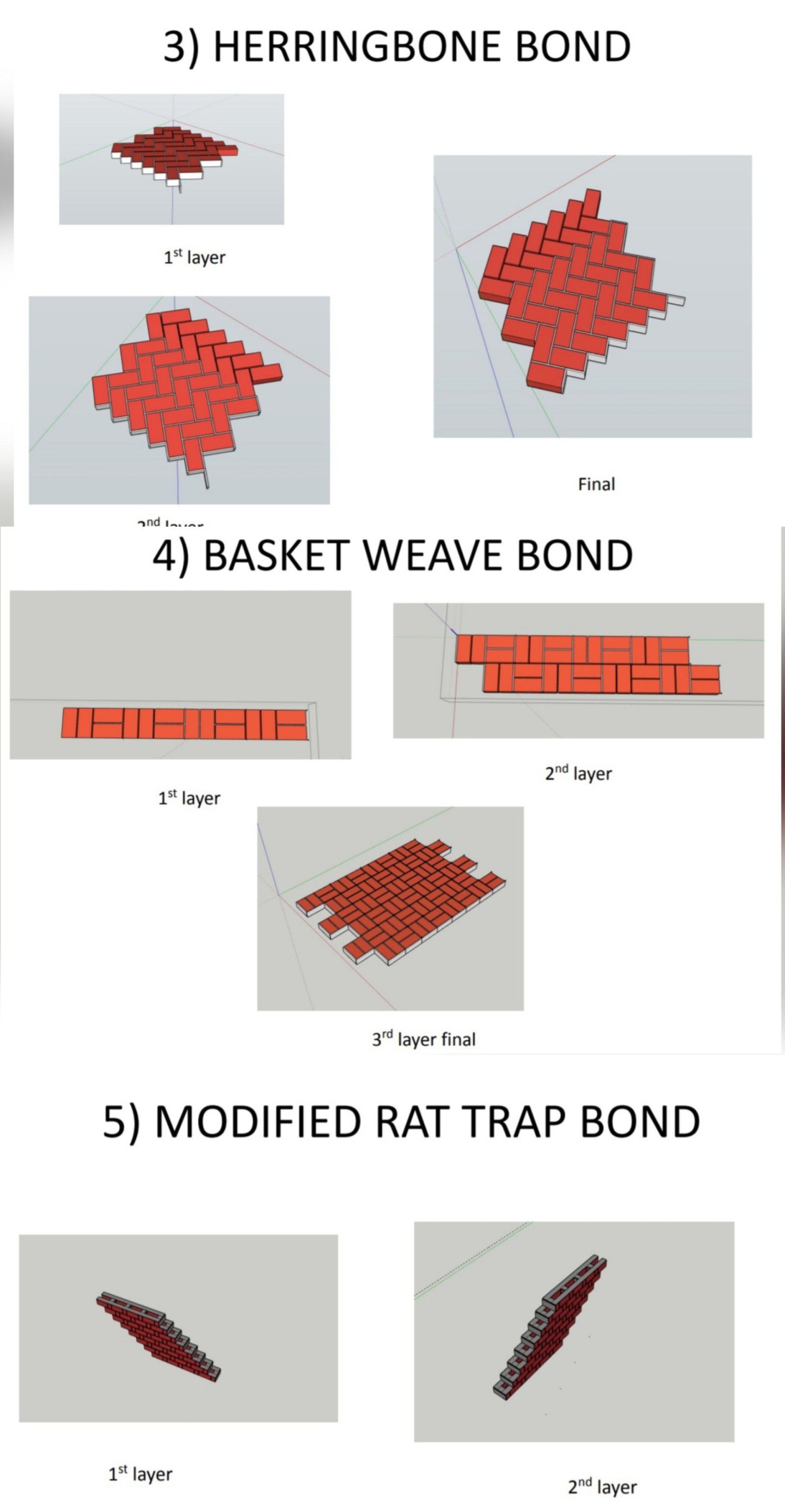
Explored bonding patterns like Herringbone, Basket Weave, and Modified Rat Trap using SketchUp. Learned accurate 3D modeling of sequential layers and material orientation.

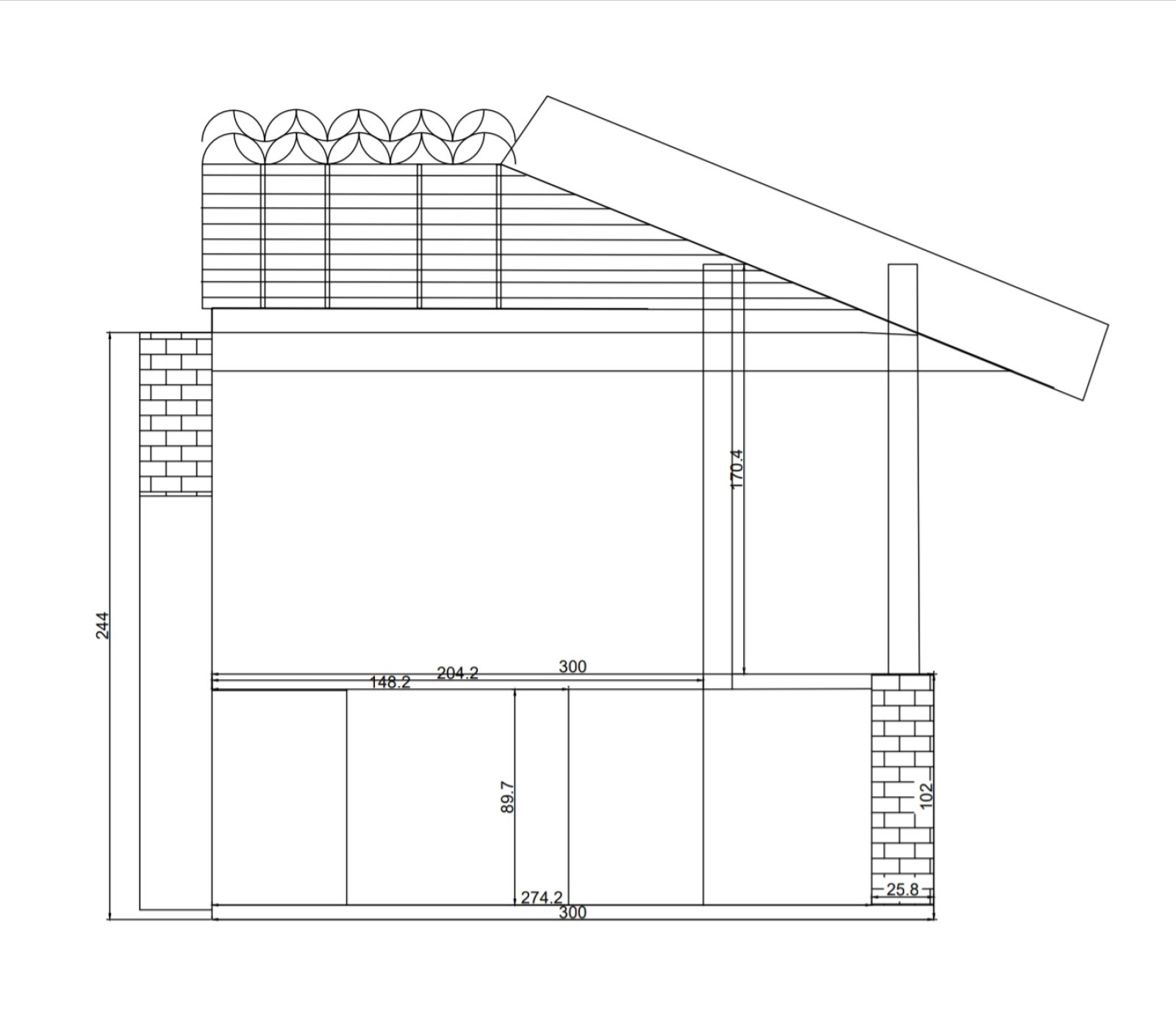
Created a detailed sectional elevation using AutoCAD, focusing on dimensioning, structural clarity, and precision in representation.