Jency Patel

CFP009

UUR25097

The CEPT Foundation Programme studio is an introduction for students fresh out of school to the rigor and work habits required by an undergraduate degree at CEPT University. The studio is conceptualized as a series of sequentially planned modules, through which students develop skills and abilities, which are then deployed to address increasingly complex problems falling into four broad categories: visualize and draw, make and learn, analyze and interpret and conceptualize and represent. The exercises are designed to build skills that are foundational and relevant across design, architecture, planning, and technology disciplines, as well as those that are specific to each individual field. The studio is taught through intensive and incremental weekly modules, focusing on a particular skill or ability and a process that emphasises ongoing discussion and feedback in addition to expert faculty lectures.
Report Content

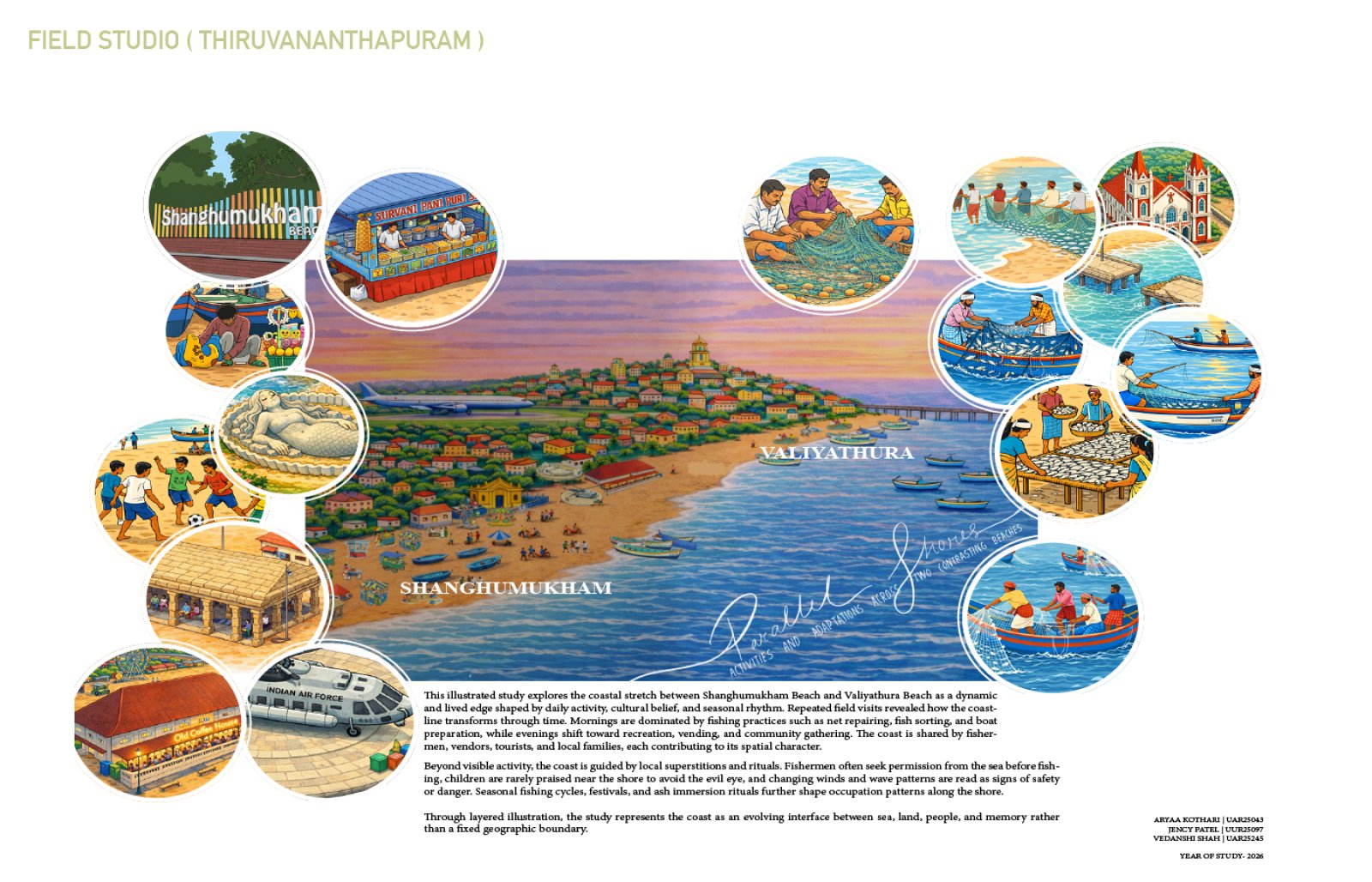
FIELD STUDIO (THIRUVANANTHAPURAM, KERALA) This field studio focused on understanding coastal life through observation, documentation, and analysis in Thiruvananthapuram, Kerala. Through the study of Shanghumukham and Valiyathura beaches, I documented activities, active edges, local businesses, and community interactions along the shoreline. This exercise helped me develop skills in field observation, mapping, and understanding how everyday activities shape public spaces.

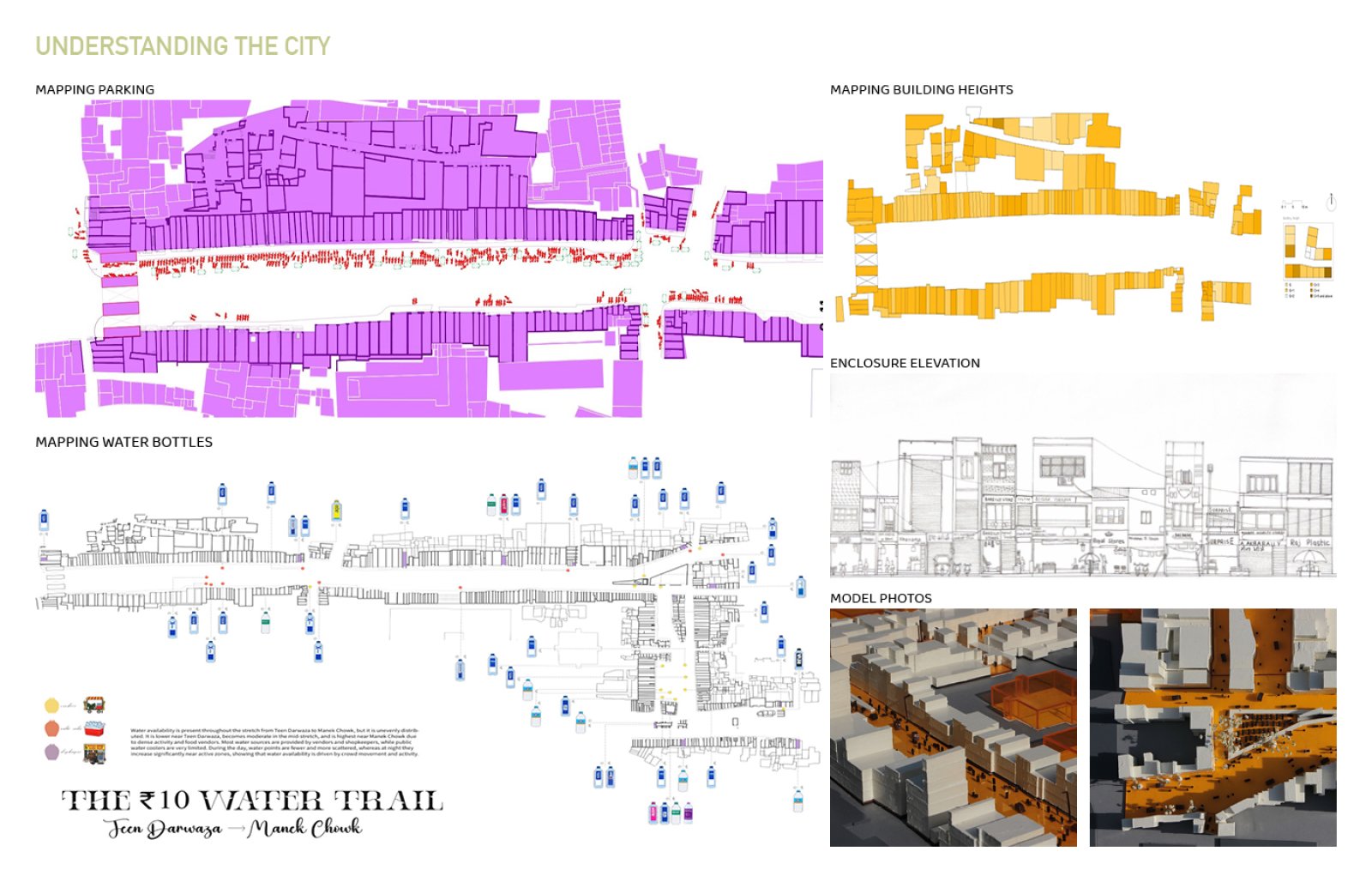
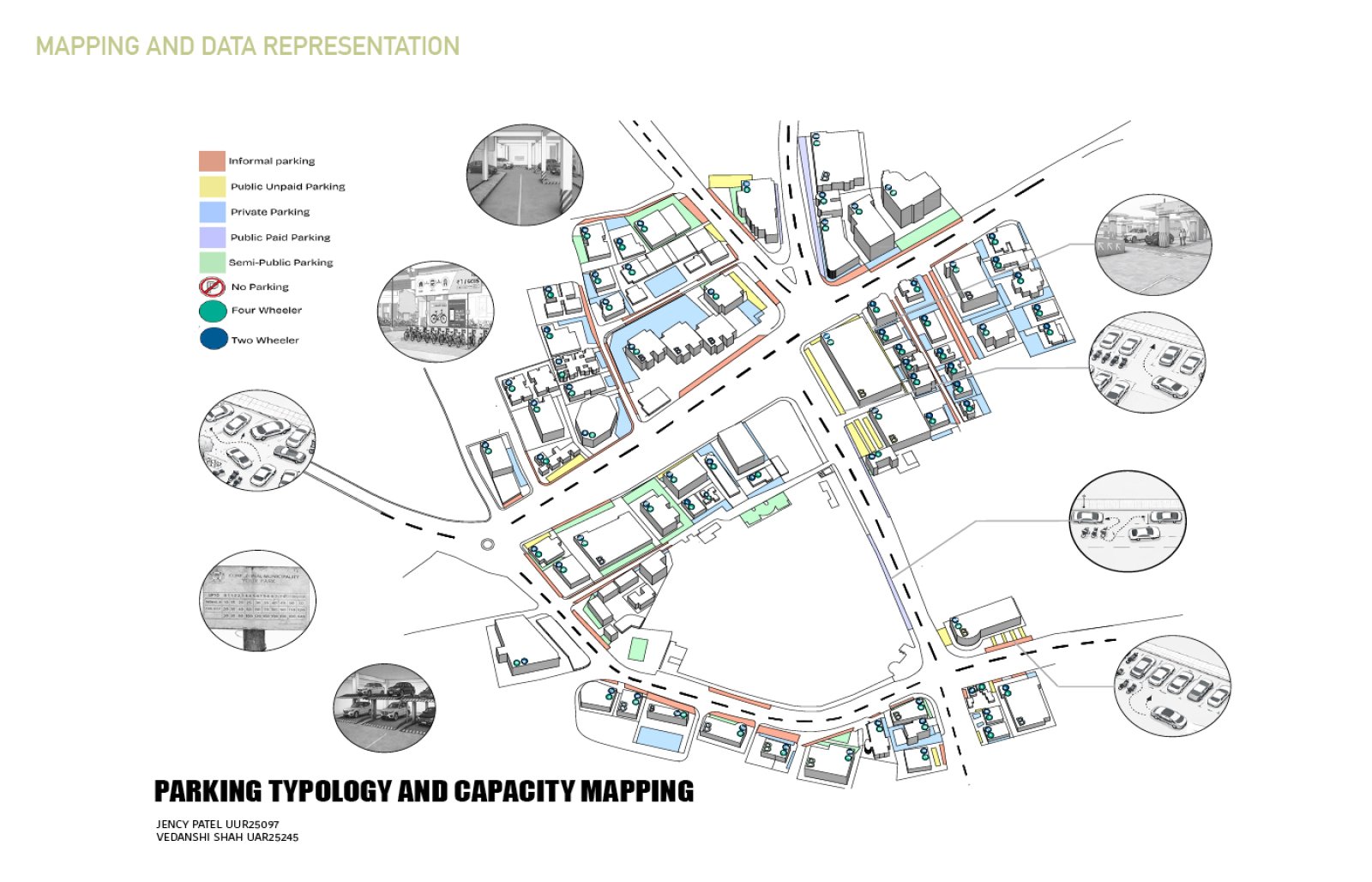
This module focused on understanding urban spaces through mapping and data visualization. By documenting different parking types and capacities, I studied how parking patterns affect the surrounding area. The exercise helped me learn how to collect, organize, and present spatial information through maps, diagrams, and graphic representations.

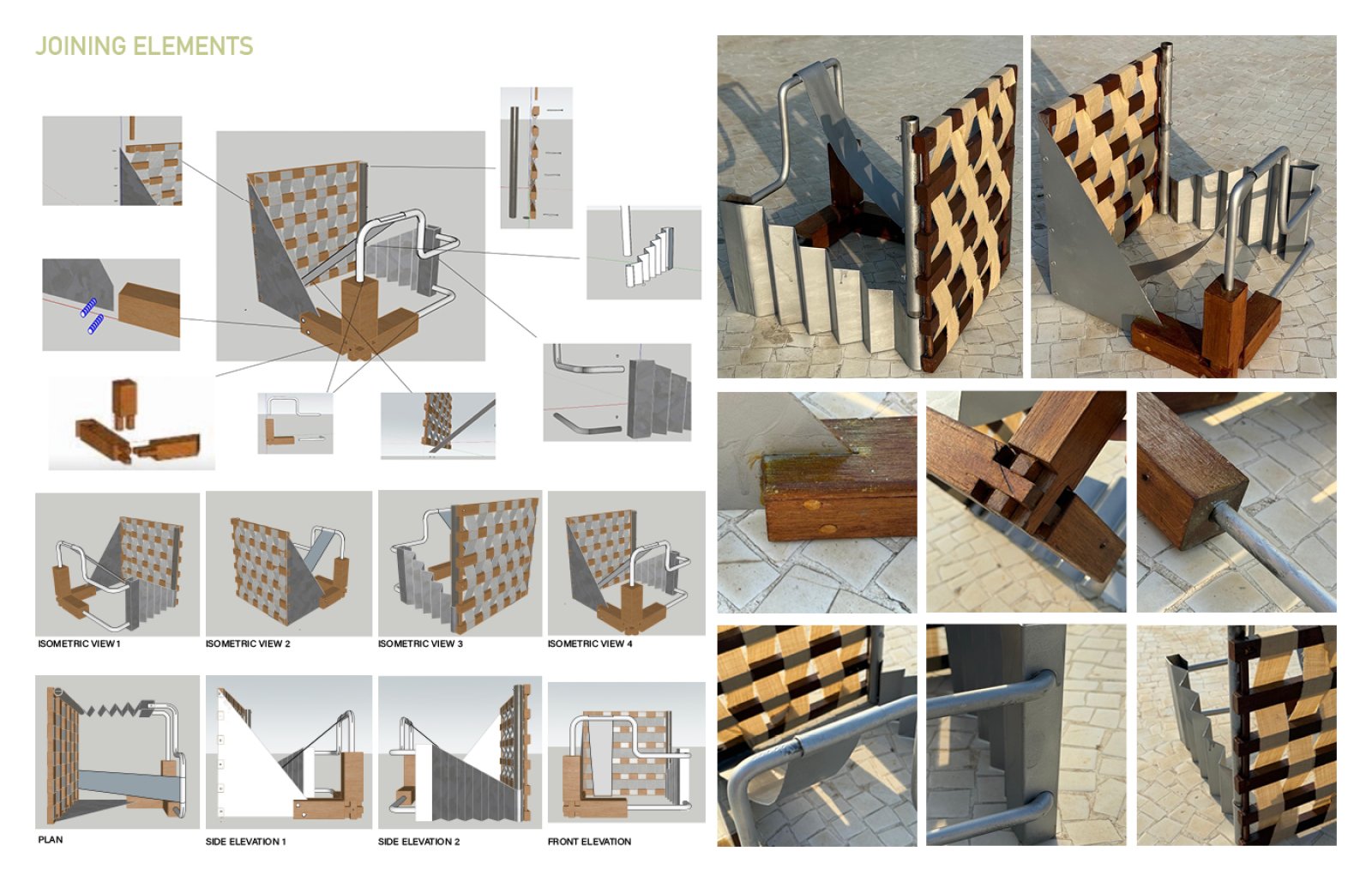
This module introduced material exploration and joinery through the design and making of a small-scale construction. By working with wood, metal, and woven elements, I explored different connection techniques and assembly methods. The exercise helped me understand material behavior, craftsmanship, detailing, and the importance of joints in creating stable structures.

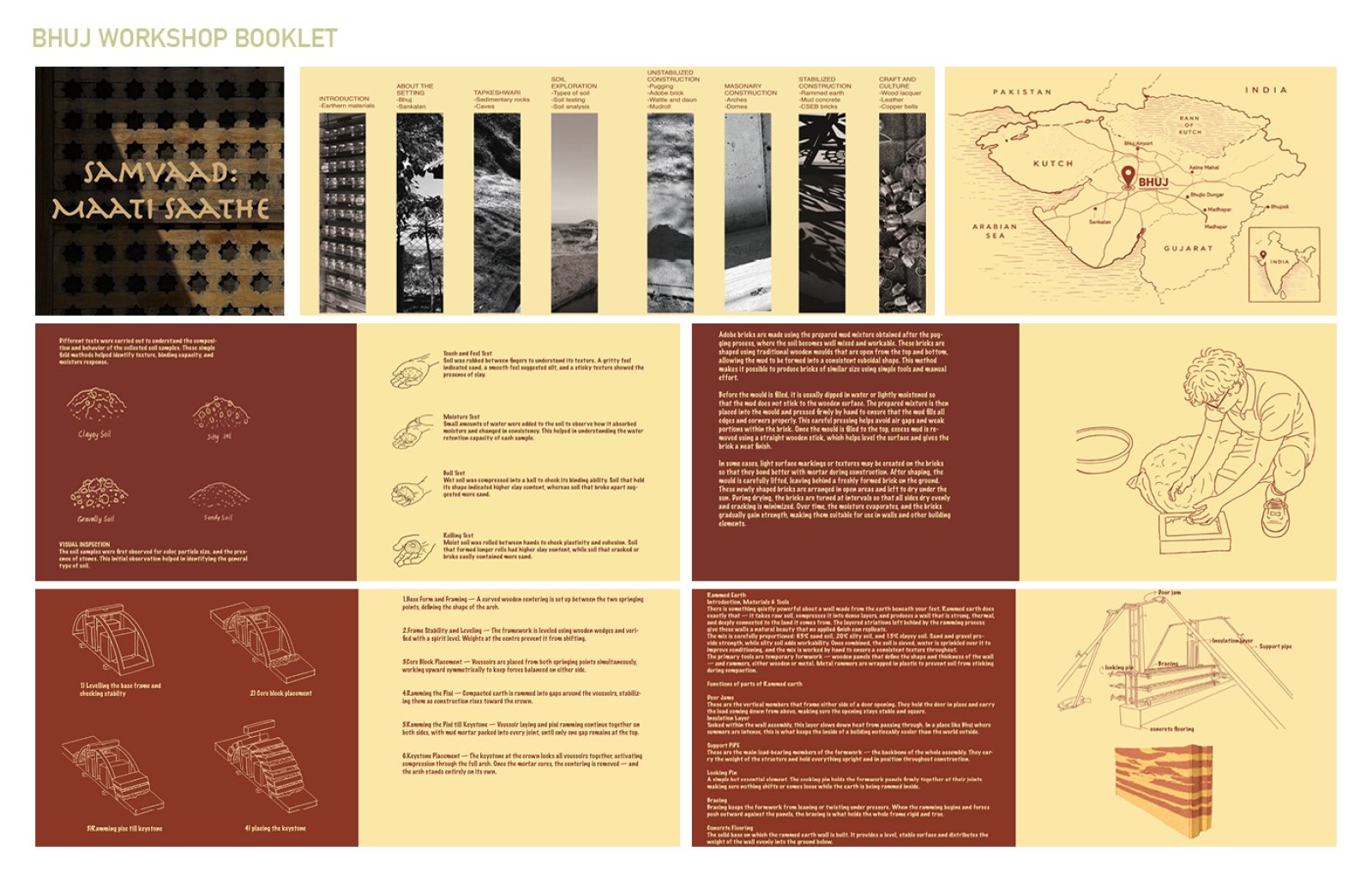
This workshop focused on learning about traditional materials, crafts, and construction practices in Bhuj, Kutch. Through site visits, material studies, hands-on activities, and documentation, I explored the use of earth, masonry, leather, copper, and other local materials. The experience helped me understand traditional building techniques and the relationship between materials, culture, and design.

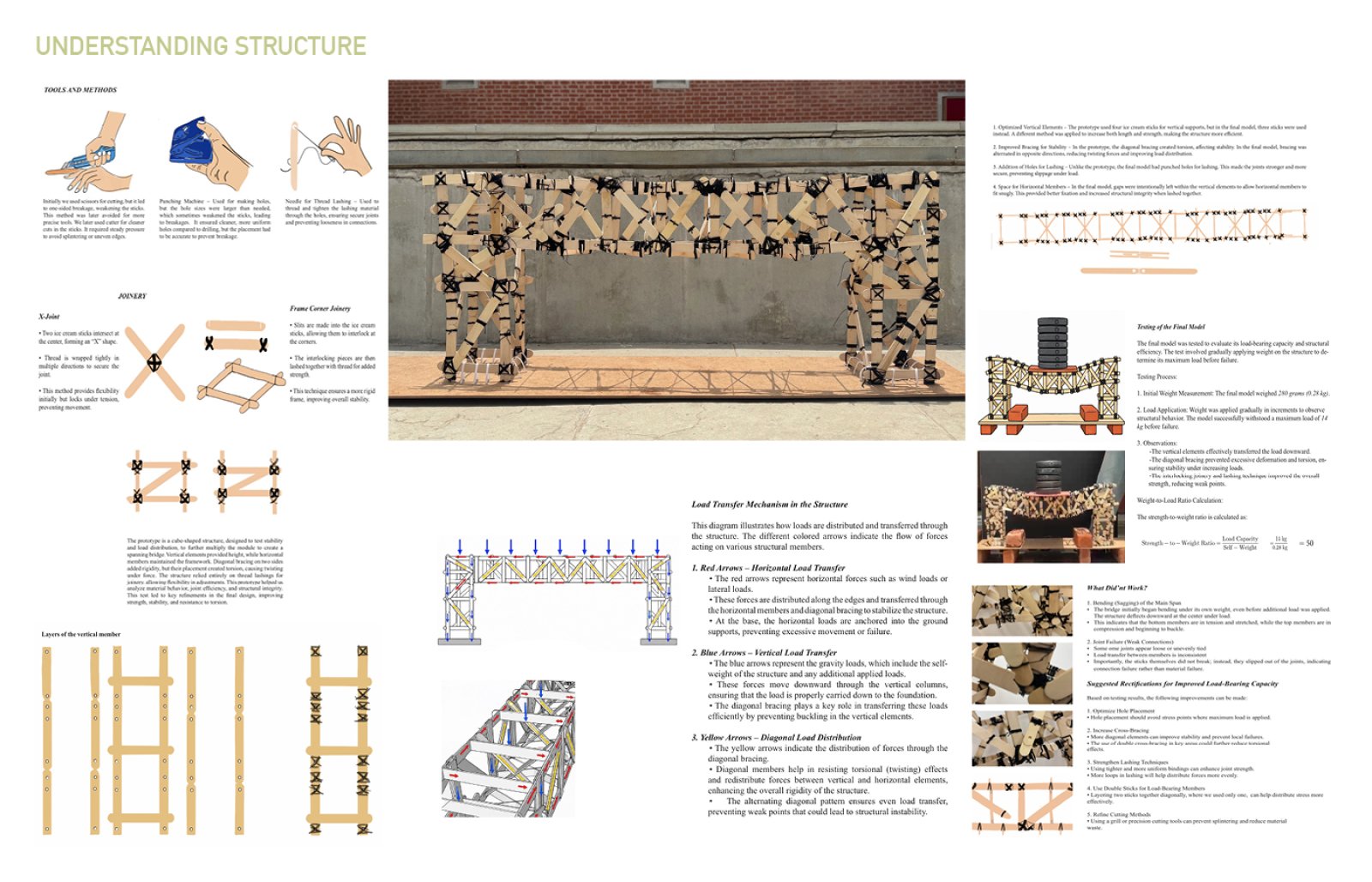
This module focused on understanding how structures carry and transfer loads. Through the design, construction, and testing of a structural model, I explored concepts such as tension, compression, stability, and load transfer. The exercise helped me understand structural behavior, material performance, and the factors that influence the strength and stability of a structure.

This module focused on understanding the city through mapping, observation, and spatial analysis. Through the preparation of base maps and the study of urban layers such as parking, building heights, and water distribution, I explored how different systems contribute to the functioning of the city. The exercise developed my skills in documentation, analytical mapping, visual representation, and model making while helping me understand the relationship between people, infrastructure, and the built environment.

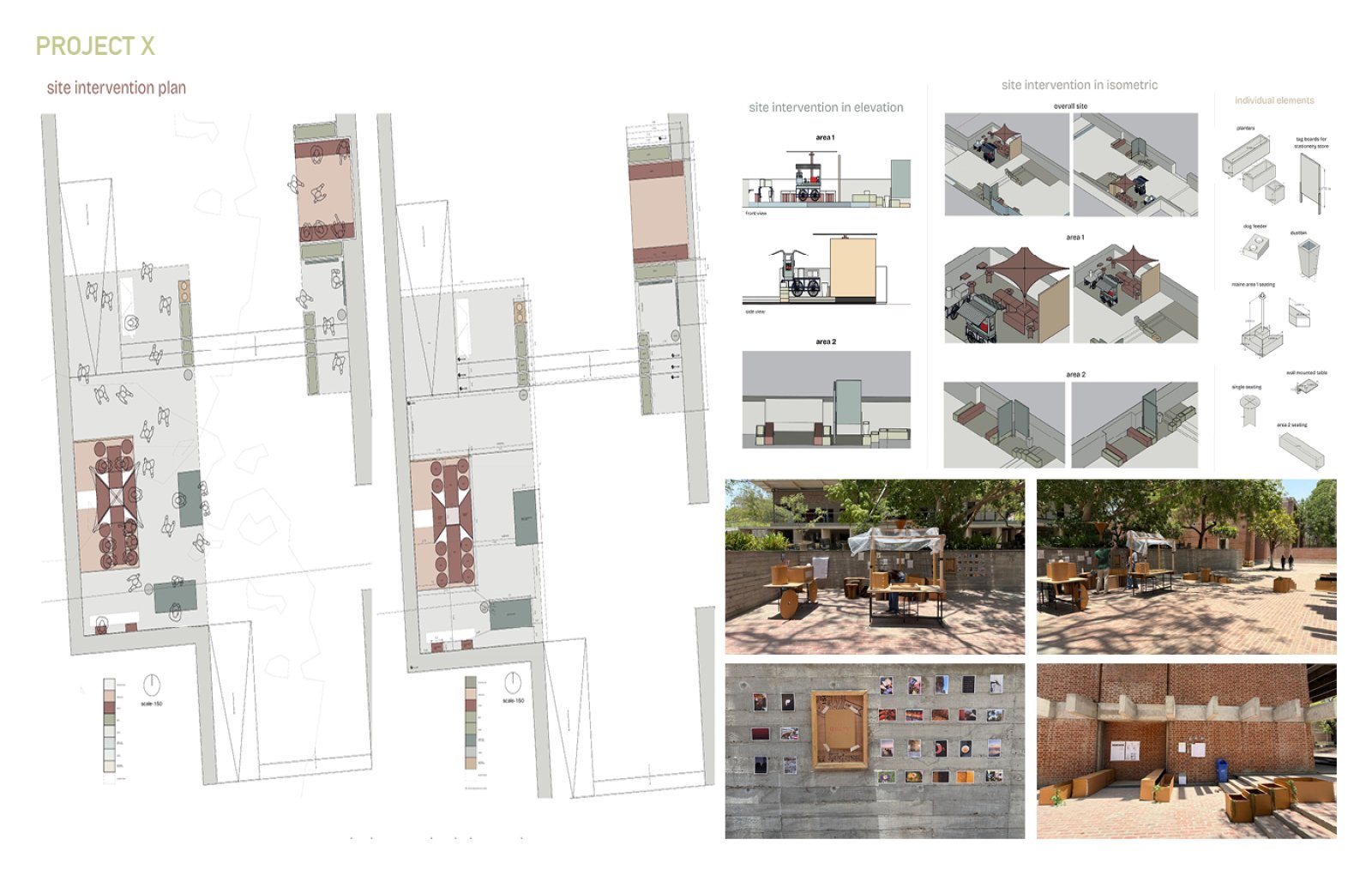
This module focused on designing and building a full-scale public space intervention through site observation, analysis, and prototyping. By studying user behavior, movement patterns, and spatial conditions, I developed and implemented a life-size installation that encouraged interaction and improved the overall experience of the site. The project helped me understand how design decisions can influence the way people use and engage with public spaces.

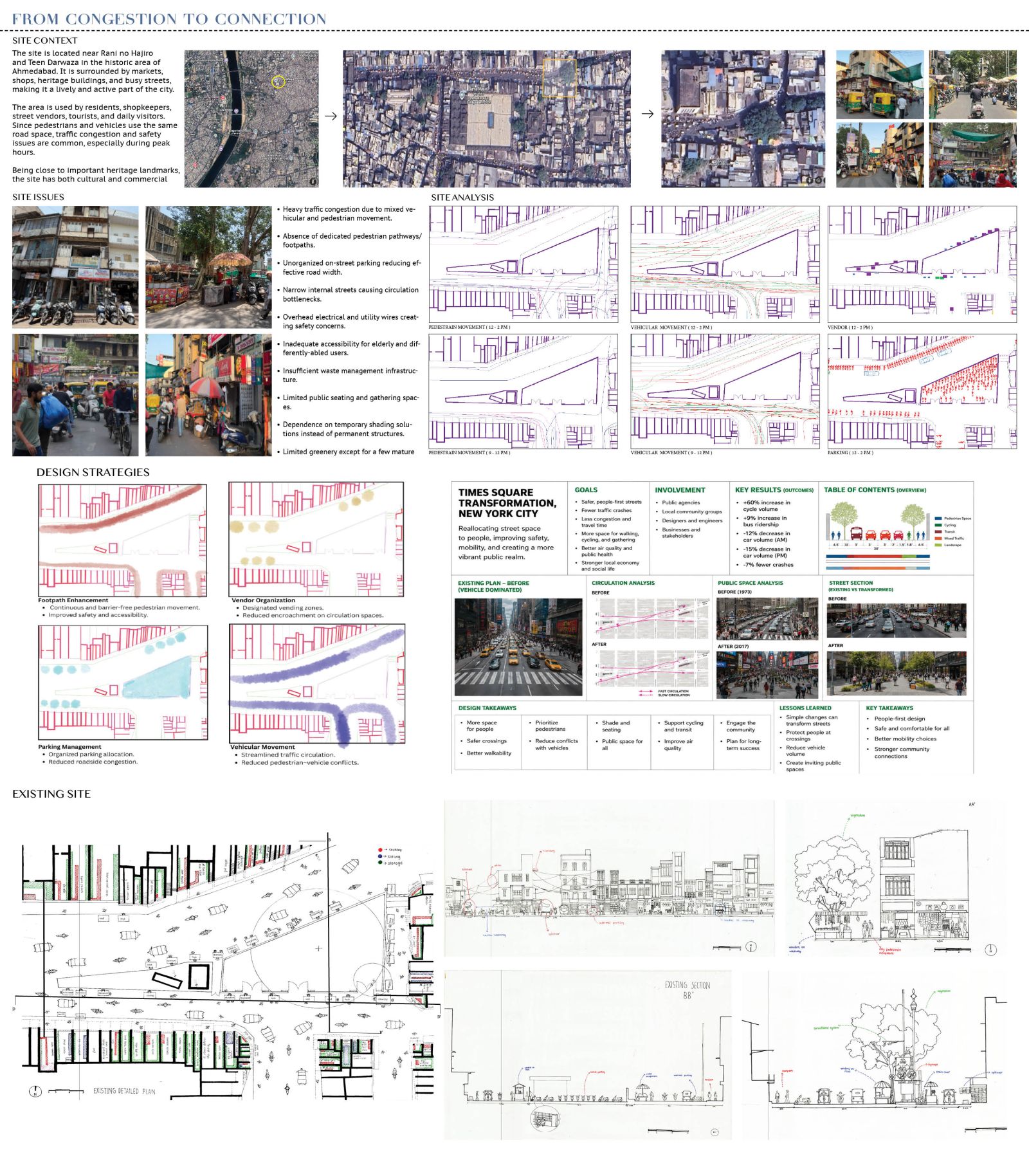
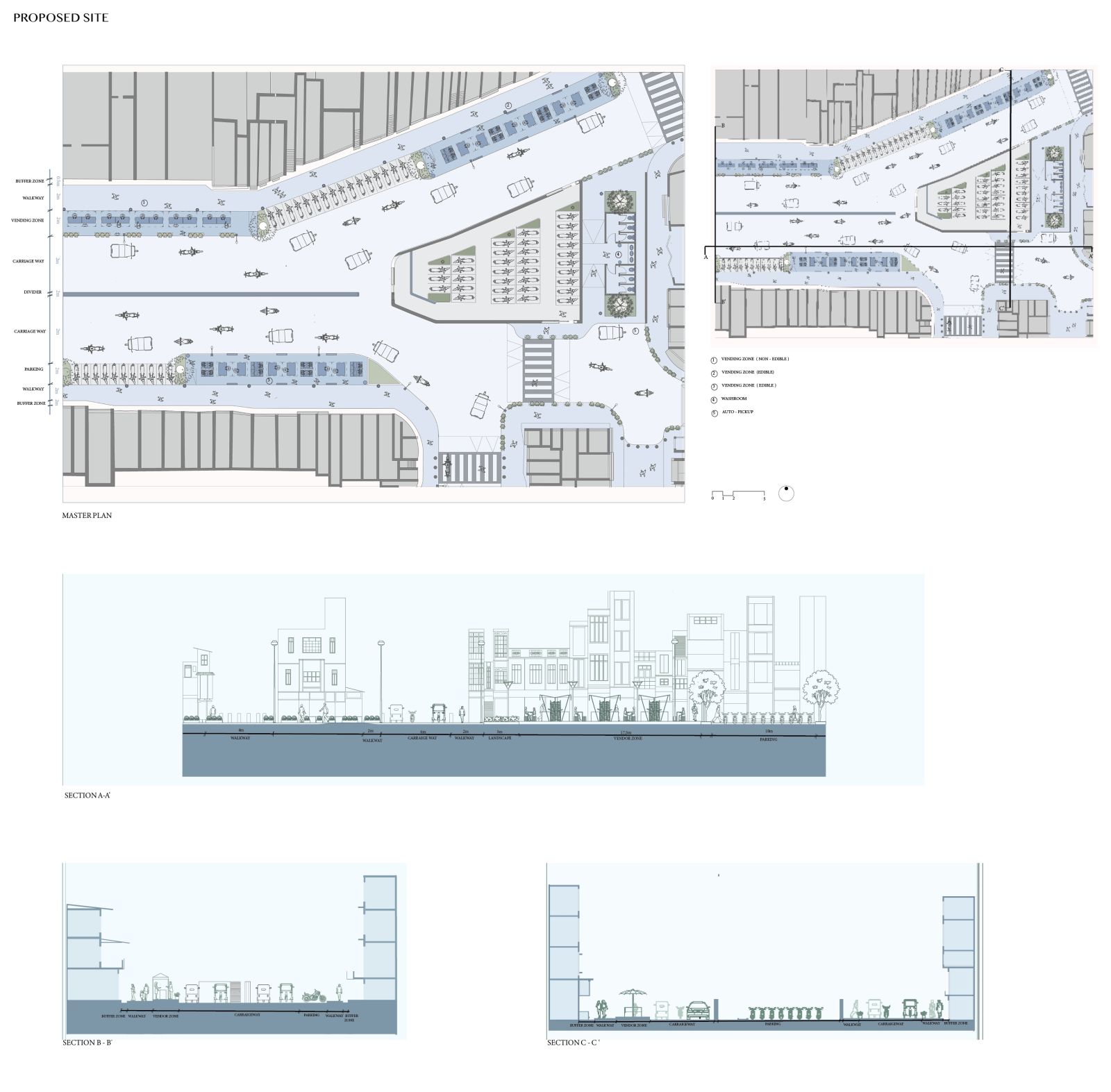
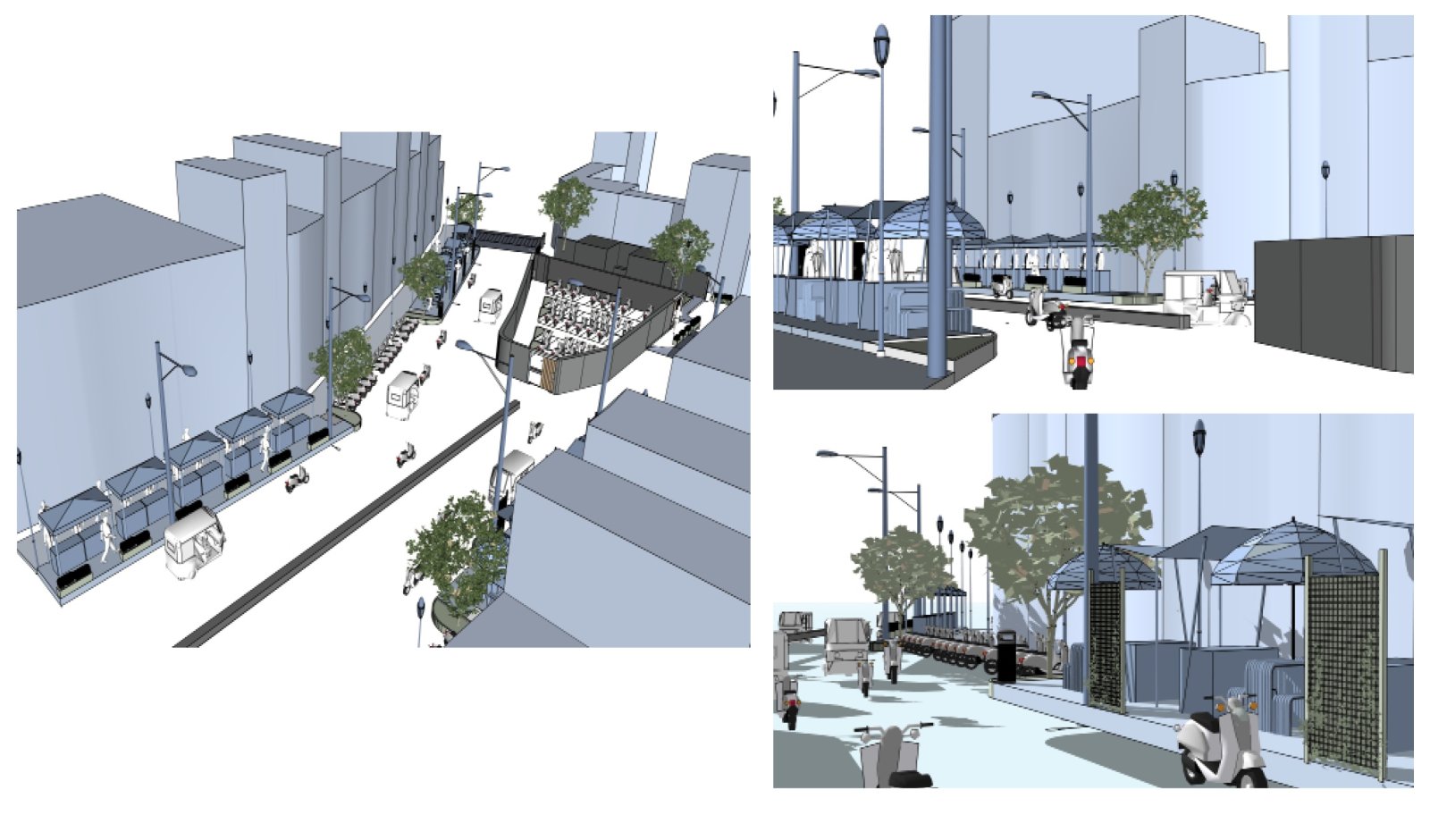
This module focused on identifying urban issues and opportunities through site analysis, observation, and documentation. By studying movement patterns, parking, vendors, and pedestrian activity, I developed design strategies aimed at improving circulation, public space quality, and user experience. The project strengthened my understanding of how thoughtful design interventions can transform congested urban areas into more organized, accessible, and people-friendly environments.

This module focused on identifying urban issues and opportunities through site analysis, observation, and documentation. By studying movement patterns, parking, vendors, and pedestrian activity, I developed design strategies aimed at improving circulation, public space quality, and user experience. The project strengthened my understanding of how thoughtful design interventions can transform congested urban areas into more organized, accessible, and people-friendly environments.

This module focused on identifying urban issues and opportunities through site analysis, observation, and documentation. By studying movement patterns, parking, vendors, and pedestrian activity, I developed design strategies aimed at improving circulation, public space quality, and user experience. The project strengthened my understanding of how thoughtful design interventions can transform congested urban areas into more organized, accessible, and people-friendly environments.