Rachna S

CFP001

UAR24207

The CEPT Foundation Programme studio is an introduction for students fresh out of school to the rigor and work habits required by an undergraduate degree at CEPT University. The studio is conceptualized as a series of sequentially planned exercises, through which students develop skills and abilities, which are then deployed to address increasingly complex problems falling into four broad categories: visualize and draw, make and learn, analyze and interpret and conceptualize and represent. The exercises are designed to provide both common and allied foundational skills for students across disciplines at CEPT, between which they maintain a balance.The studio is taught through intensive weekly modules, focusing on a particular skill or ability, and a process that emphasizes ongoing discussion and feedback in addition to expert faculty lectures.
Report Content

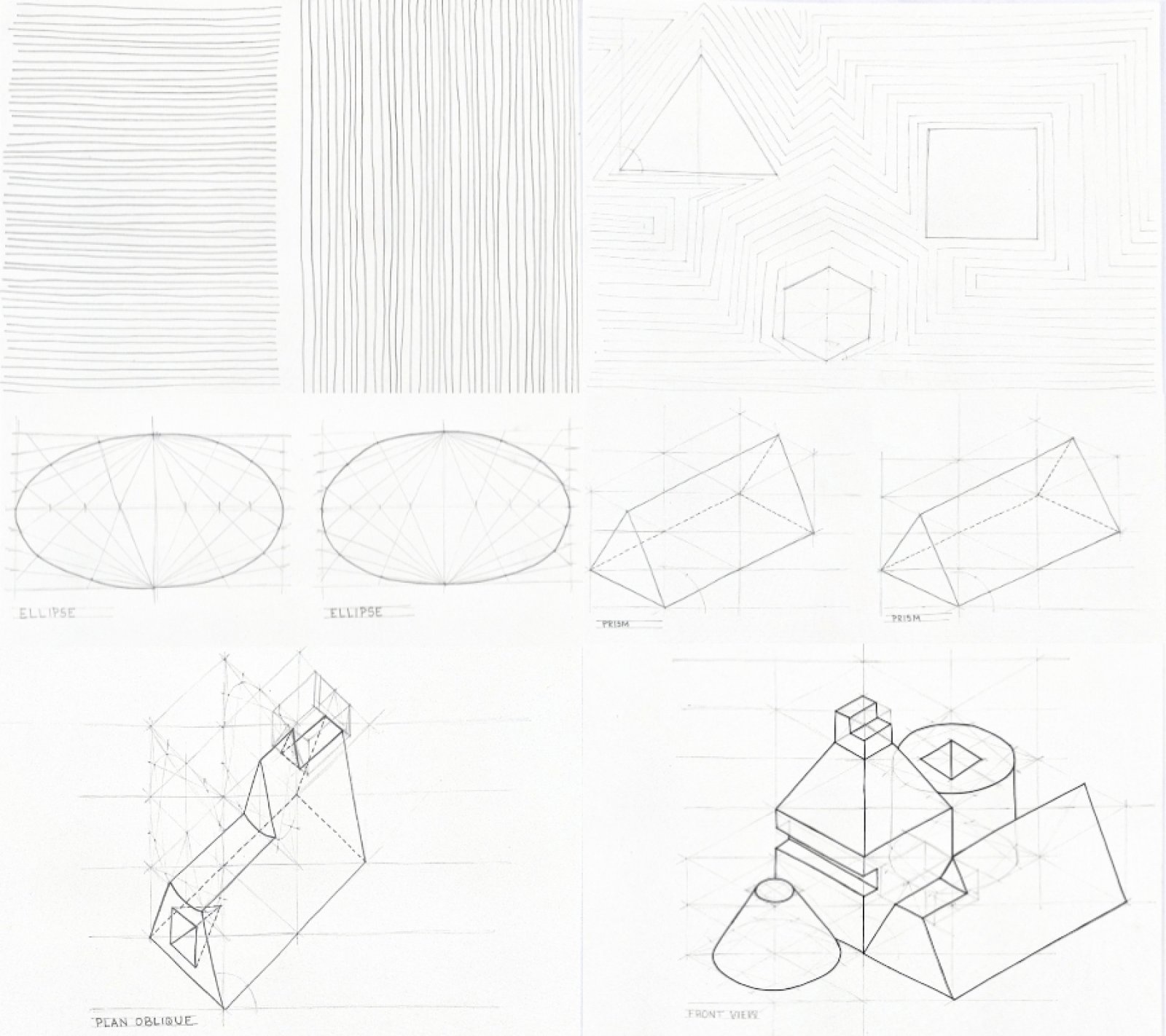
Freehand Drawing - Each sheet shows an example of different parts of the module, ranging from lines to 3D forms.

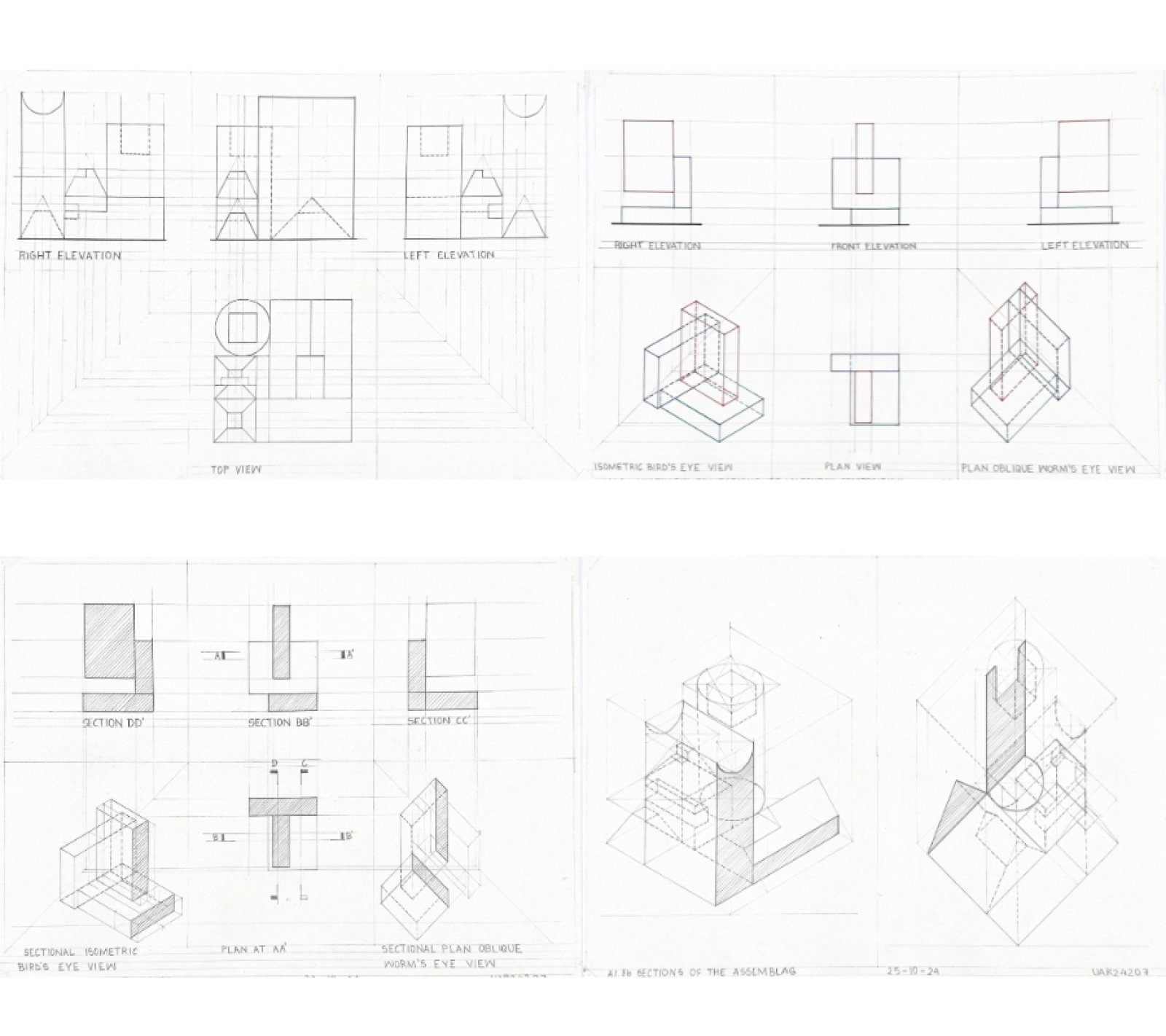
Technical Drawing - Show 3 matchboxes in different orientations and a composition of 3D subtracted forms in drawings of their plans, elevations and sections.

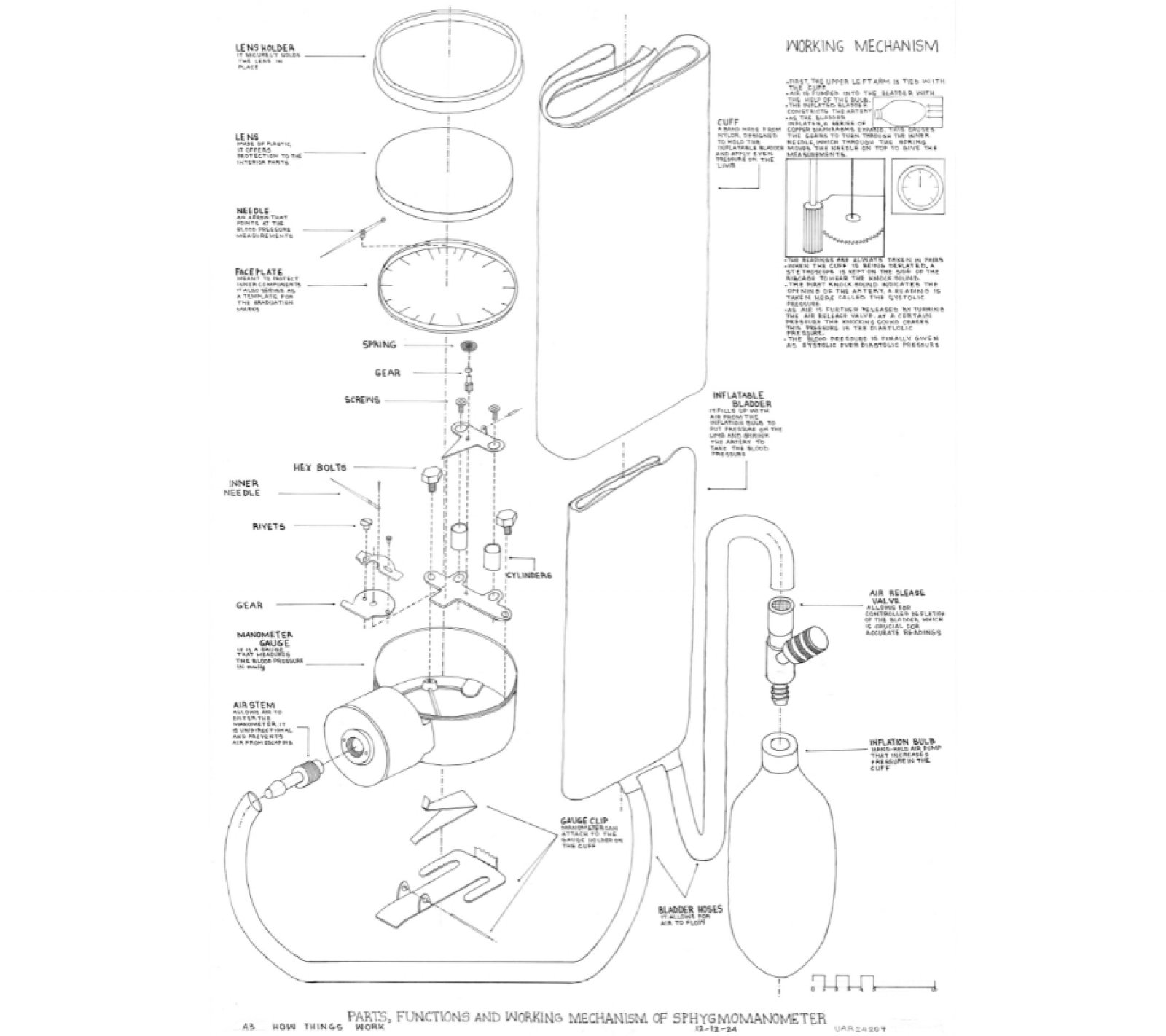
How Things Work - Shows the parts and working mechanism of a sphygmomanometer or more commonly known as a BP meter.

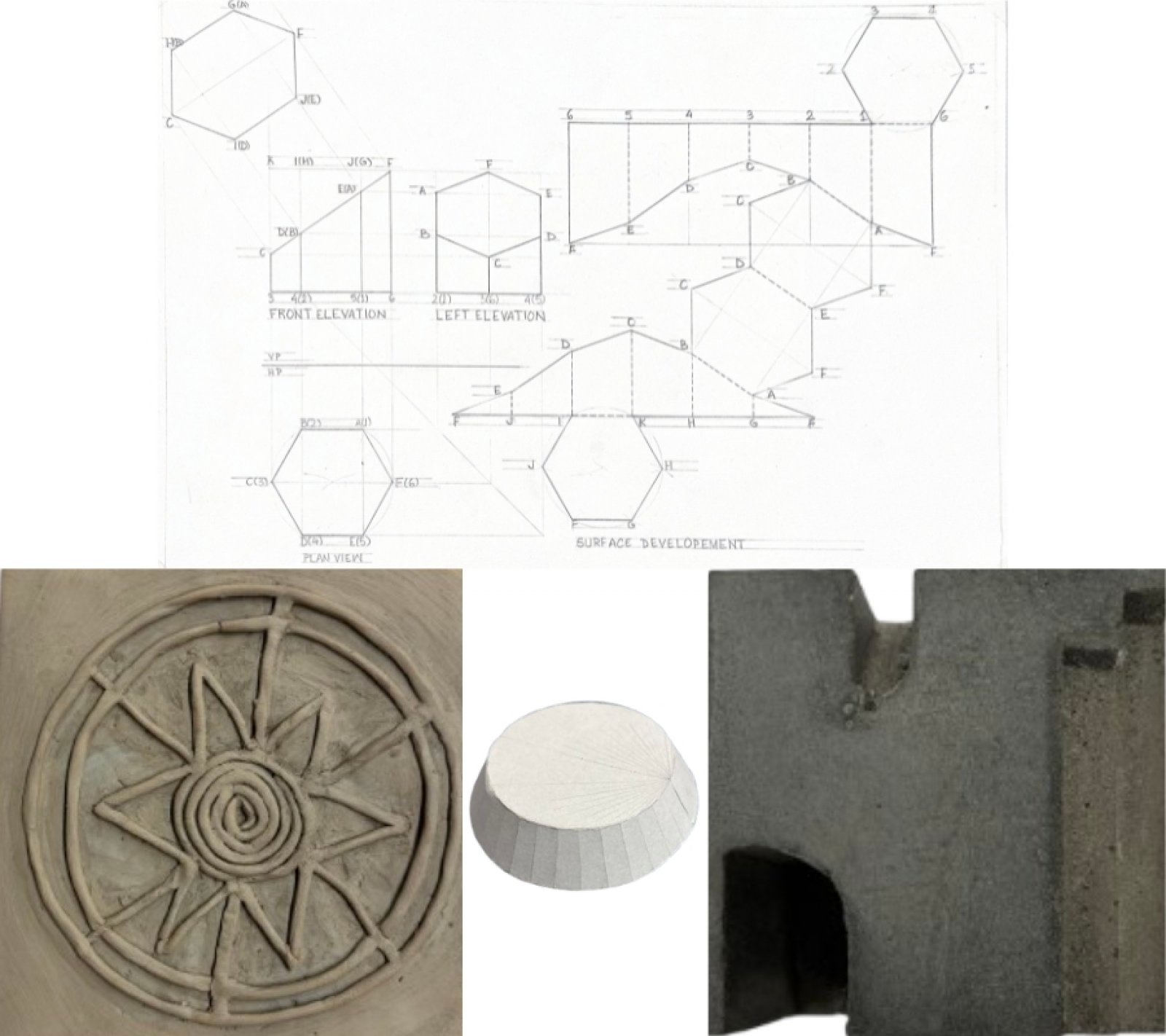
Model Making - Shows the models made up of different materials like clay, concrete and card paper. It also shows the surface development of the models made of card paper.

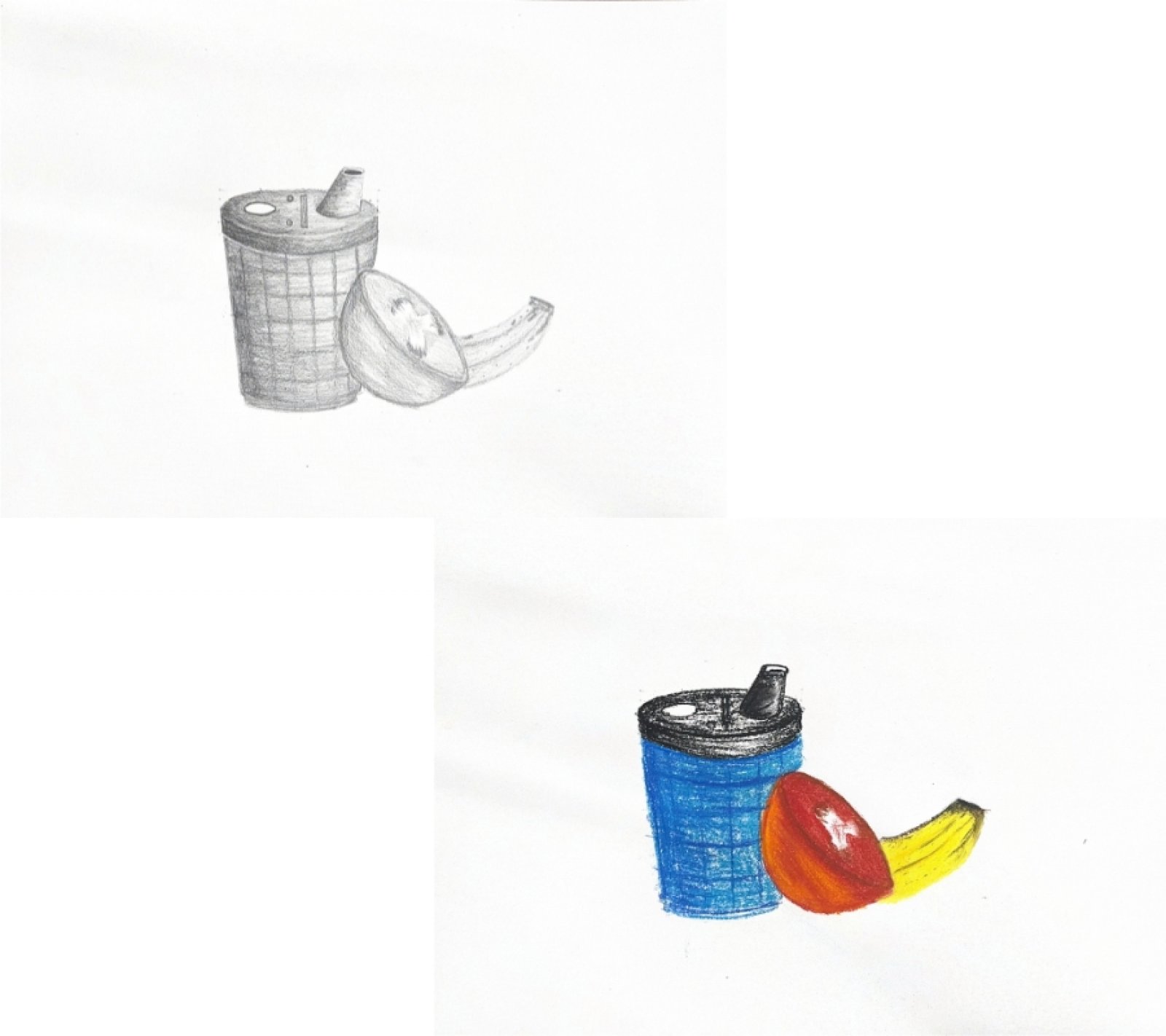
Quick Sketching - sketches with different mediums such as pencil, pen and soft pastels of a composition of different objects. Here the drawings show a composition of a chakki, banana and a cut piece of a tomato.

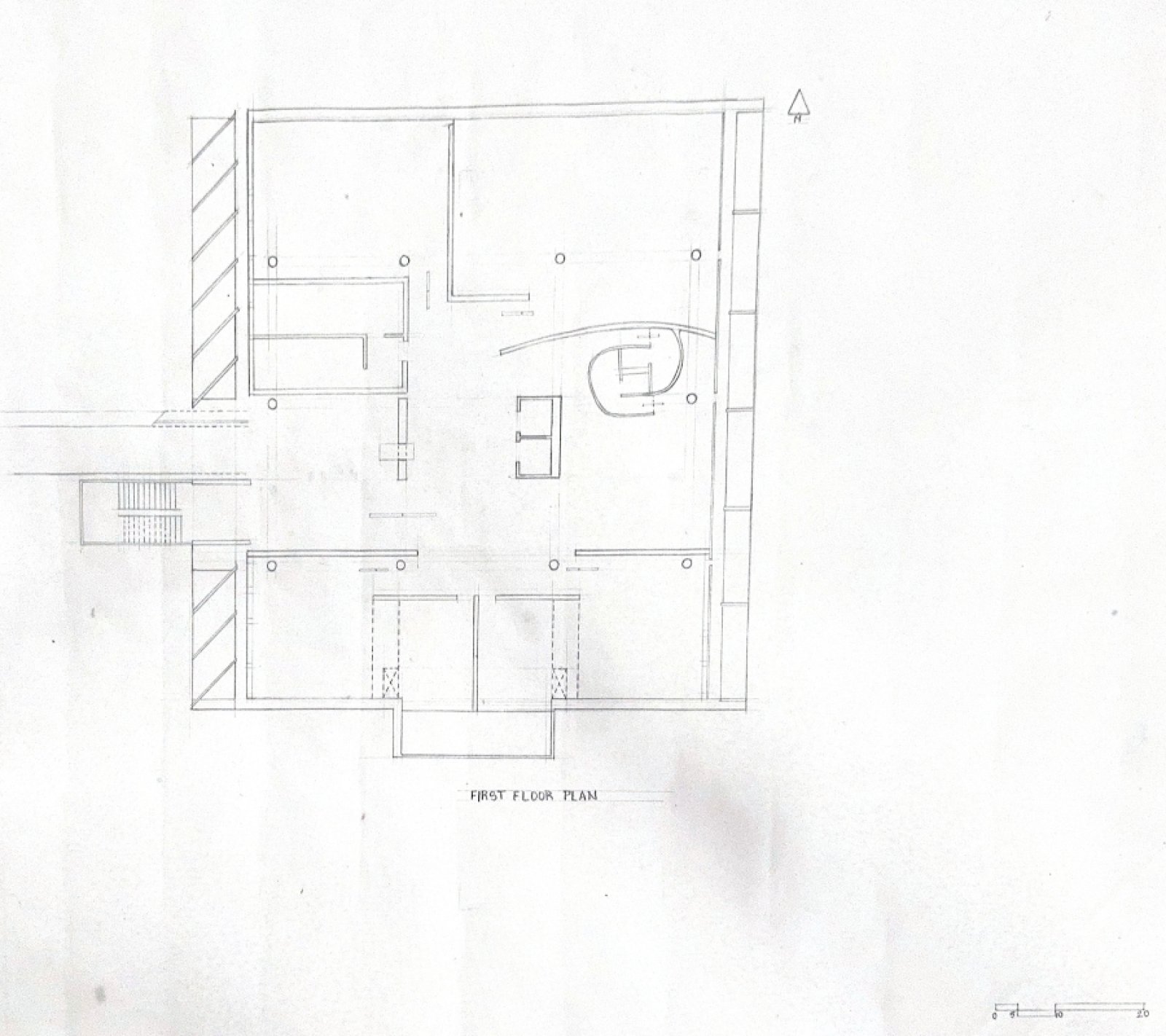
Visualisation - Shows the plan of the first floor of the Mill Owners' Association Building that gave me an understanding of how to correctly shows plans.

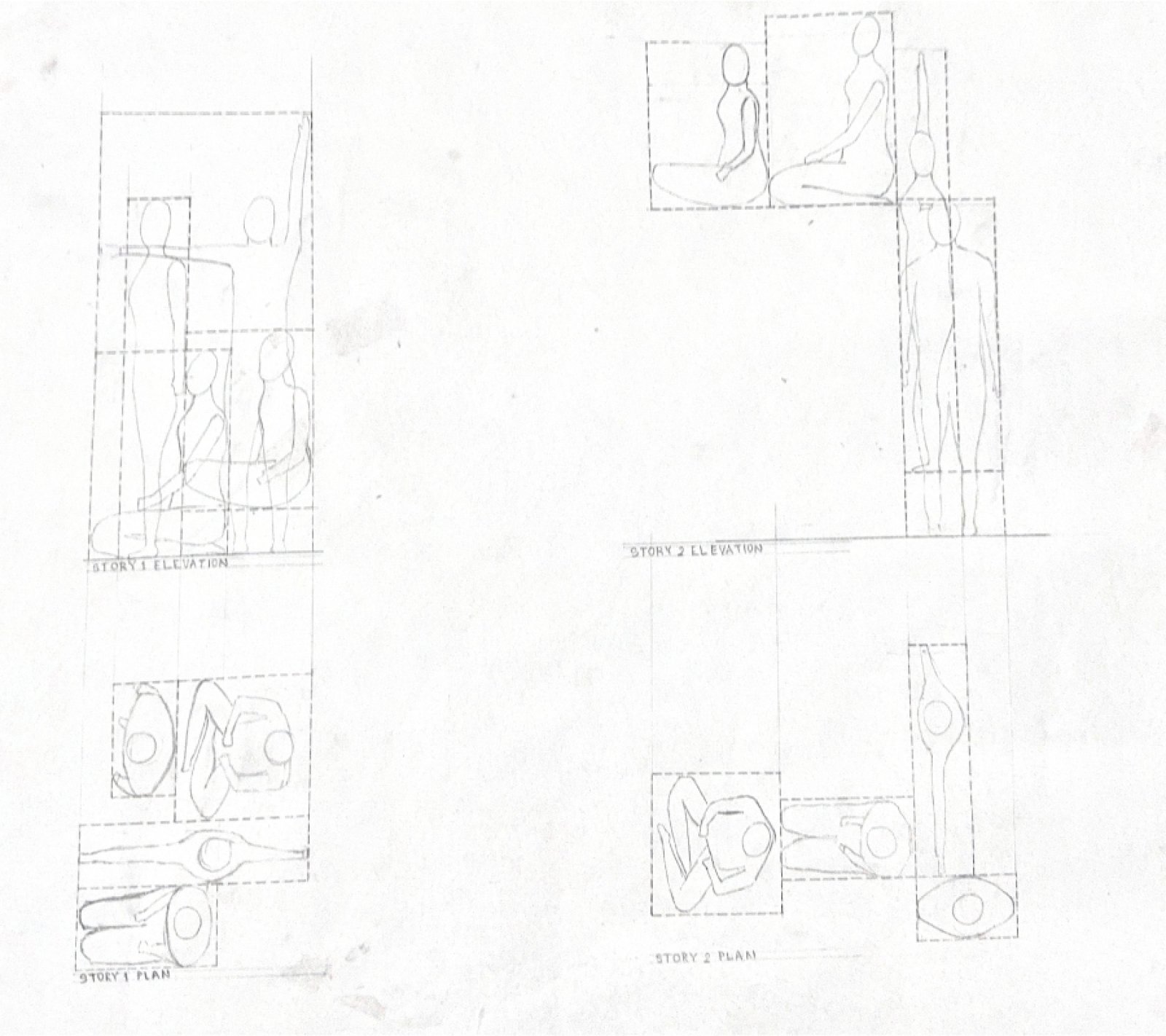
Body, Activities and Inhabitation - A composition of different poses like sitting, kneeling, standing and stretching and how much space each of them take.

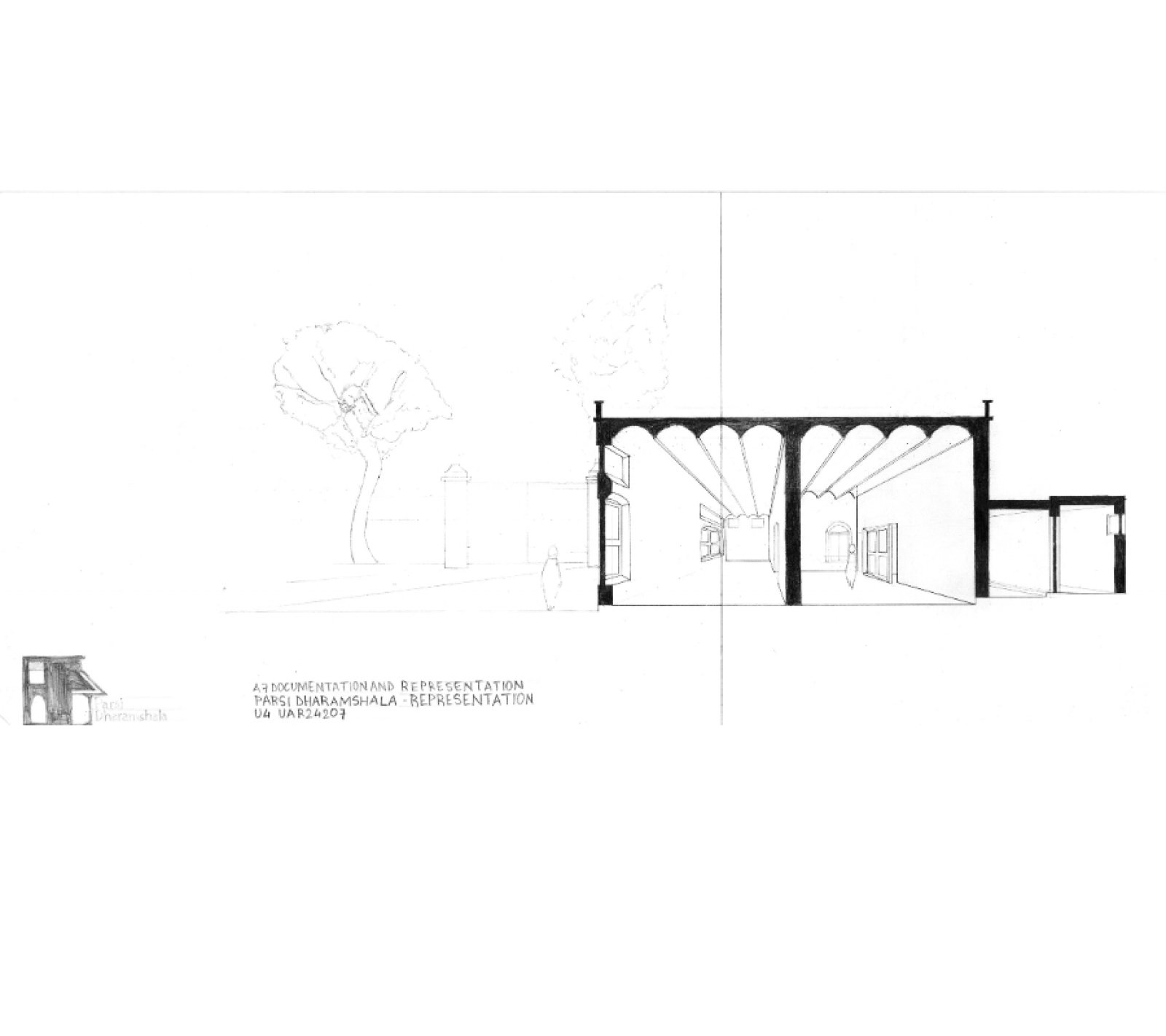
Documenting and Representing - A sectional perspective of Parsi Dharamshala which shows the outer and inner parts of the building and some human and animal activities.