Rashi Agarwal

CFP001

UAR24209

The CEPT Foundation Programme studio is an introduction for students fresh out of school to the rigor and work habits required by an undergraduate degree at CEPT University. The studio is conceptualized as a series of sequentially planned exercises, through which students develop skills and abilities, which are then deployed to address increasingly complex problems falling into four broad categories: visualize and draw, make and learn, analyze and interpret and conceptualize and represent. The exercises are designed to provide both common and allied foundational skills for students across disciplines at CEPT, between which they maintain a balance.The studio is taught through intensive weekly modules, focusing on a particular skill or ability, and a process that emphasizes ongoing discussion and feedback in addition to expert faculty lectures.
Report Content

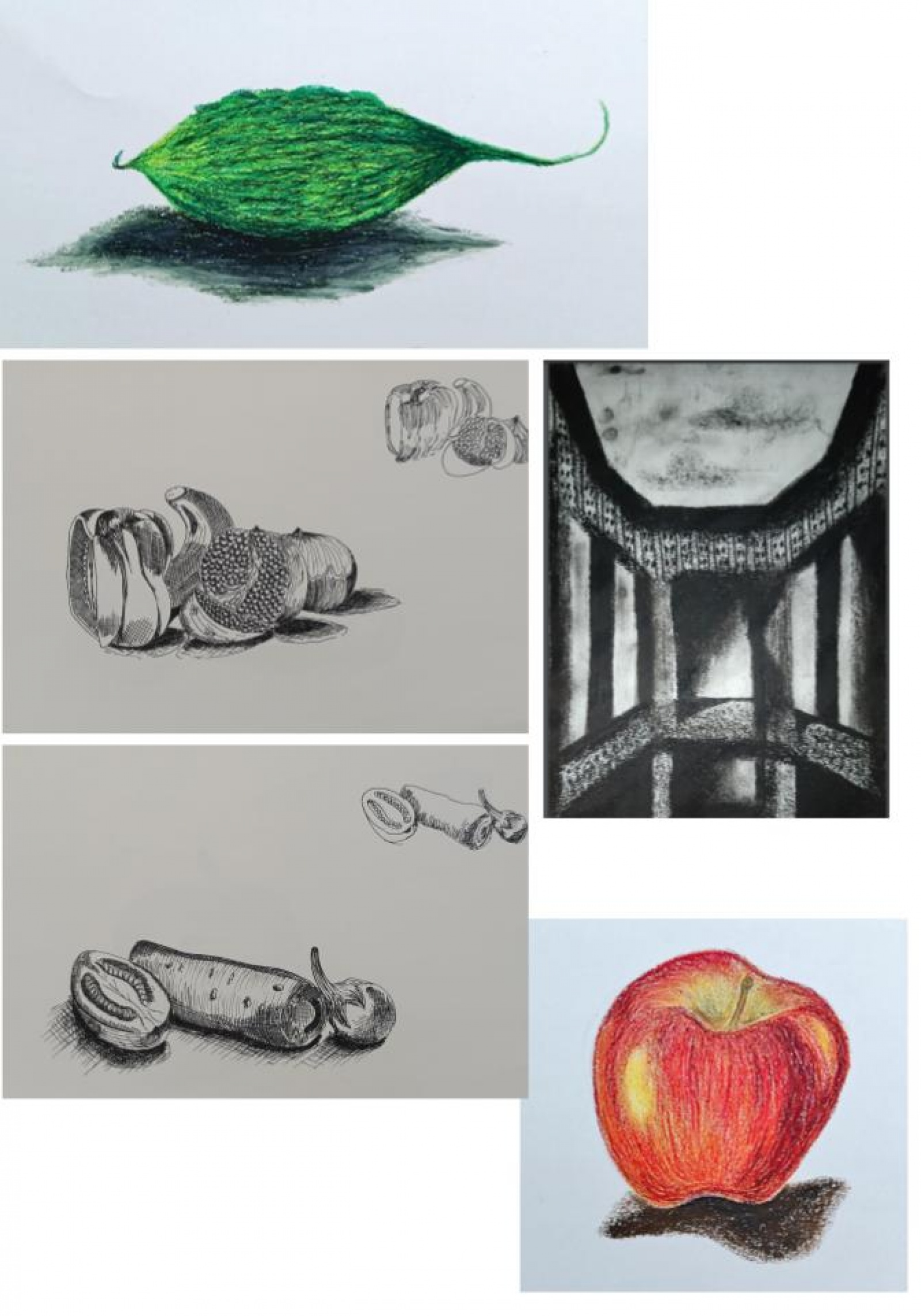
Sketches capturing light and shadow of different objects and spaces.

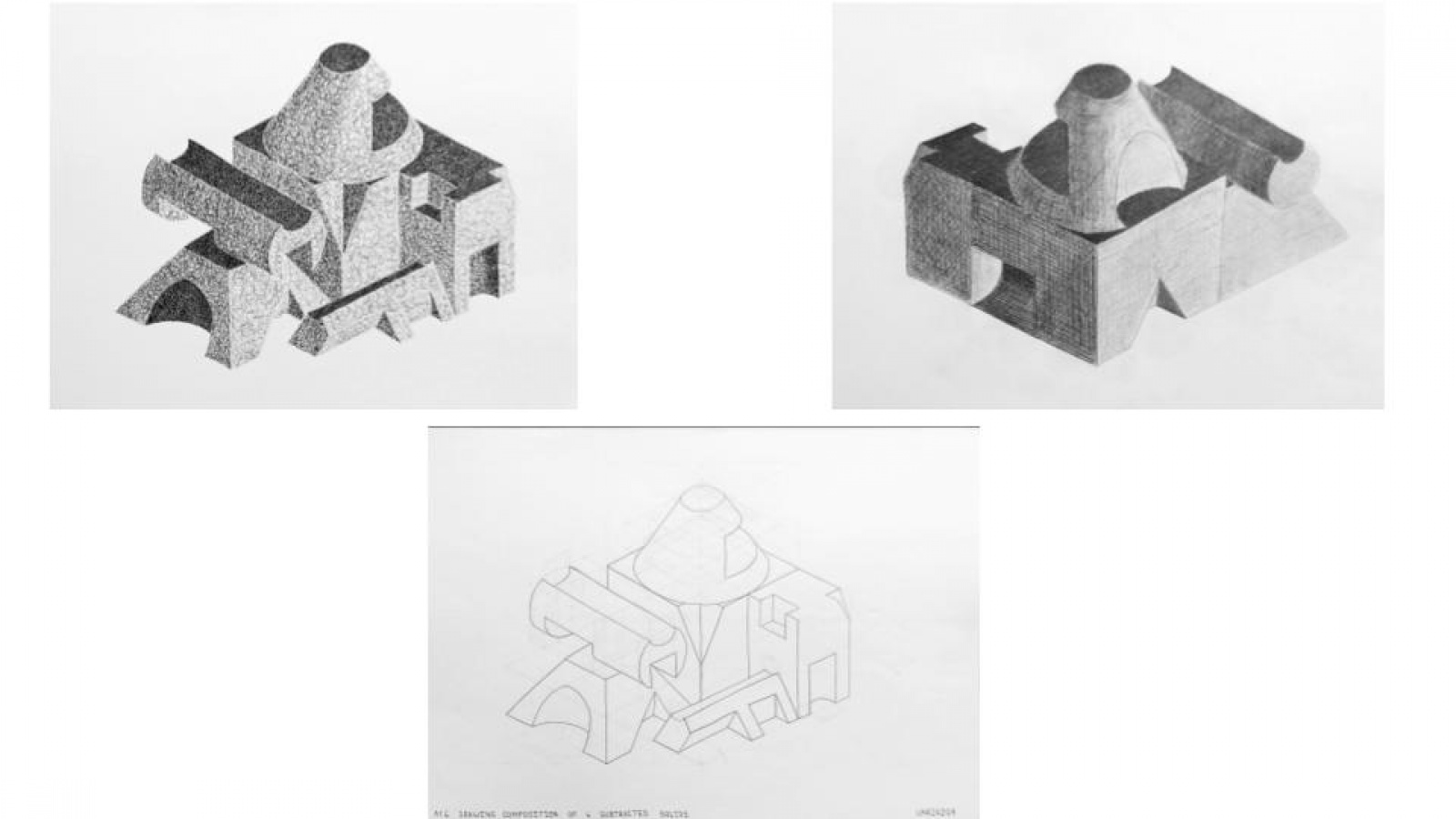
Composition of various subtracted forms along with hatching to show the effect of light and shadows.

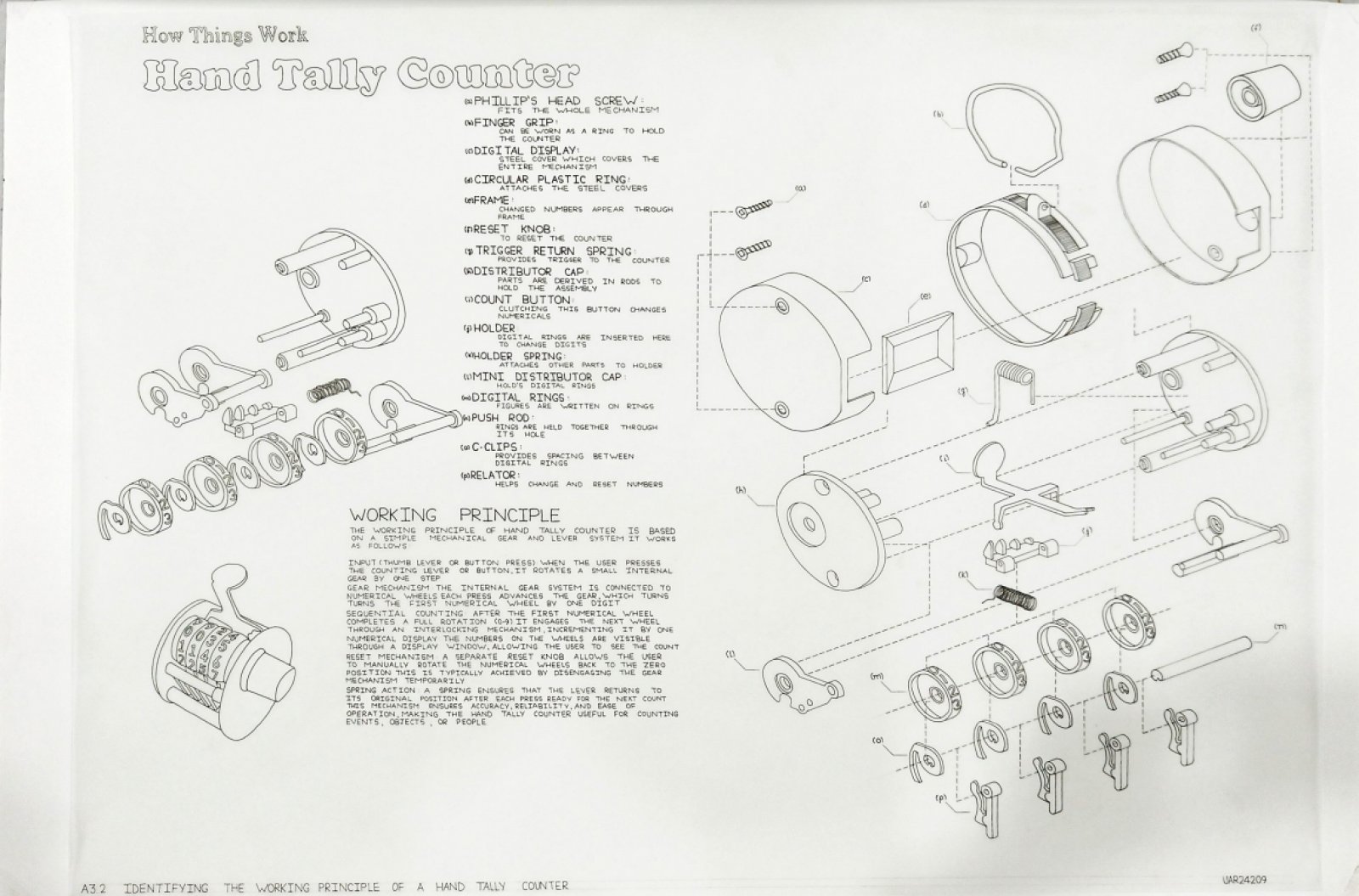
Exploded view of a hand tally counter with its parts exploded in the x as well as y axis. The function of each part is mentioned at the centre of the sheet along with the working principle of the tally counter.

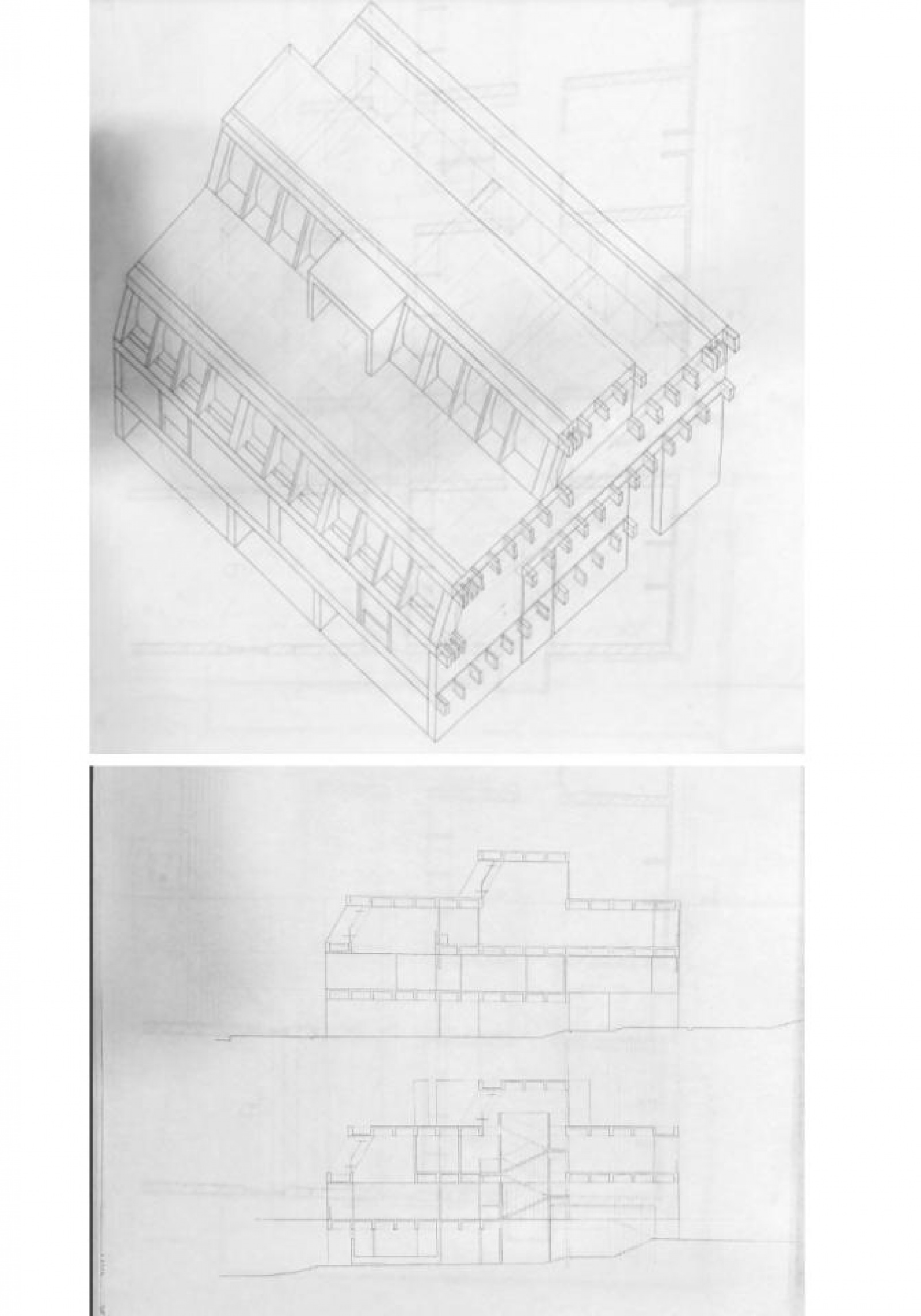
Axonometric view of the CEPT FA building in 1:100 scale from north-west direction. Below are two different sections of the building from the west.

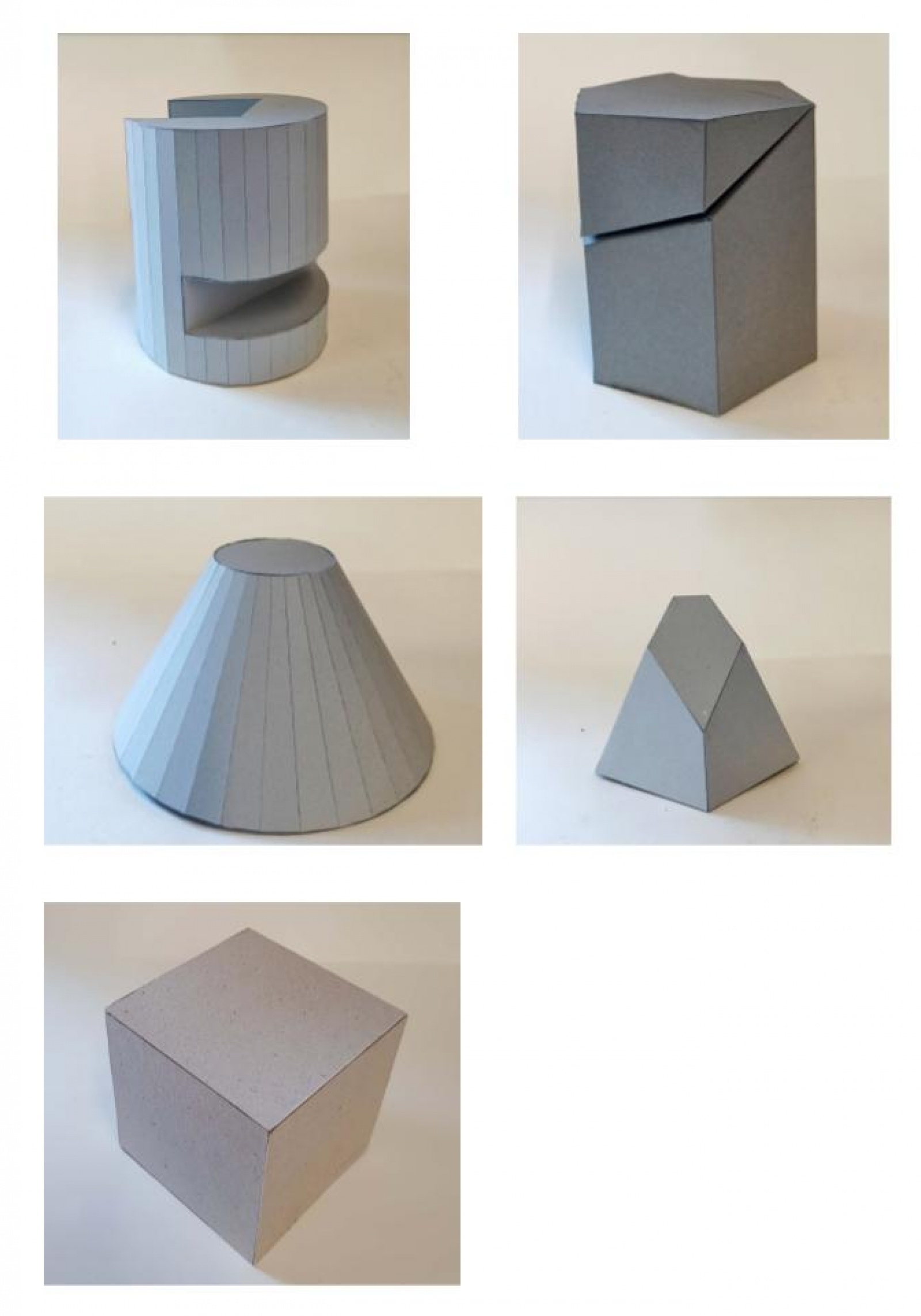
These are surface development models showcasing subtracted three dimensional forms. There is a cube at the bottom, the edges of whose surfaces are chamfered at 45 degree angle.

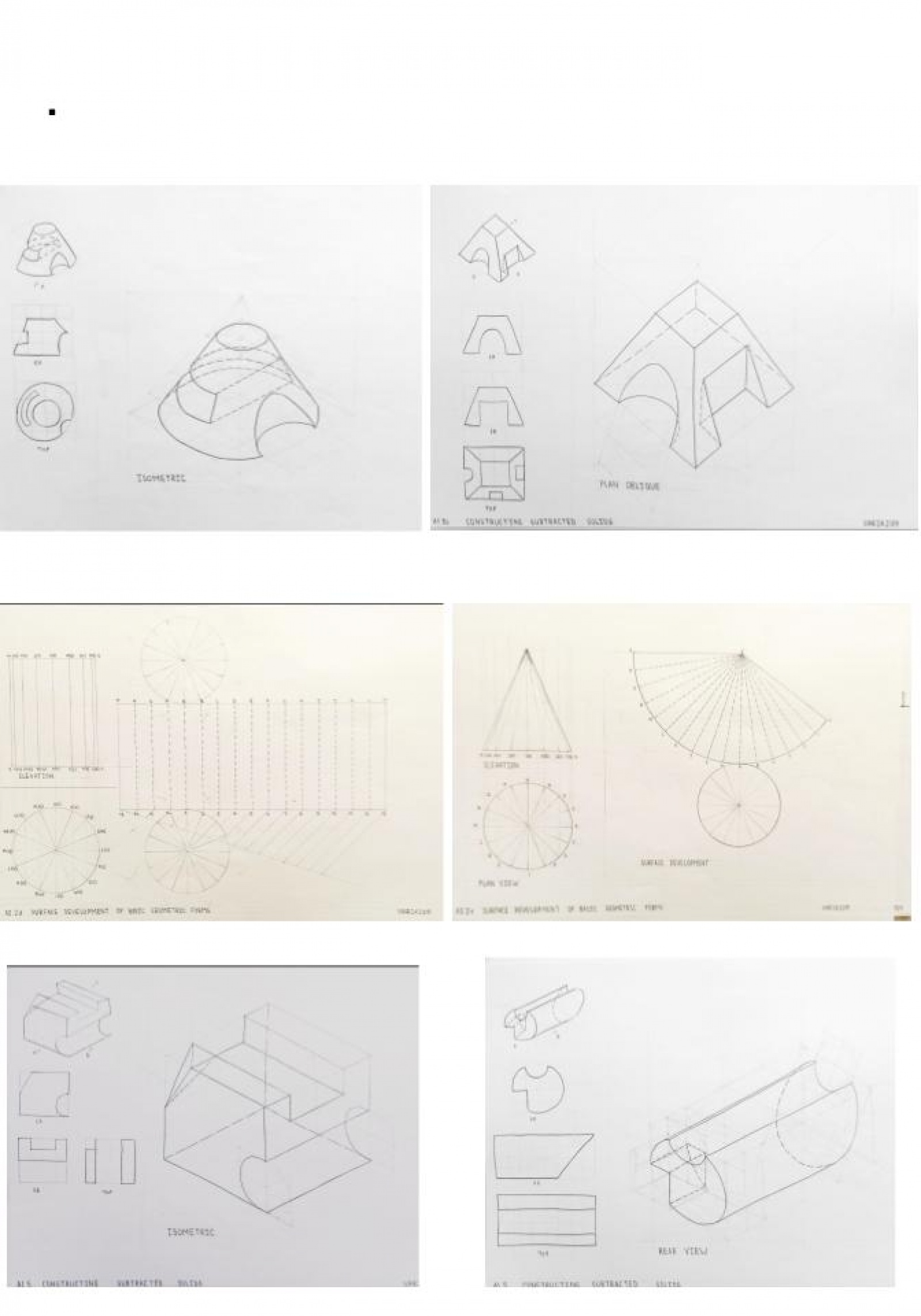
These are subtraction of forms as well as surface development sheets. The front elevation and plan view of the forms have been made on the left side of the sheet to gain more clarity.

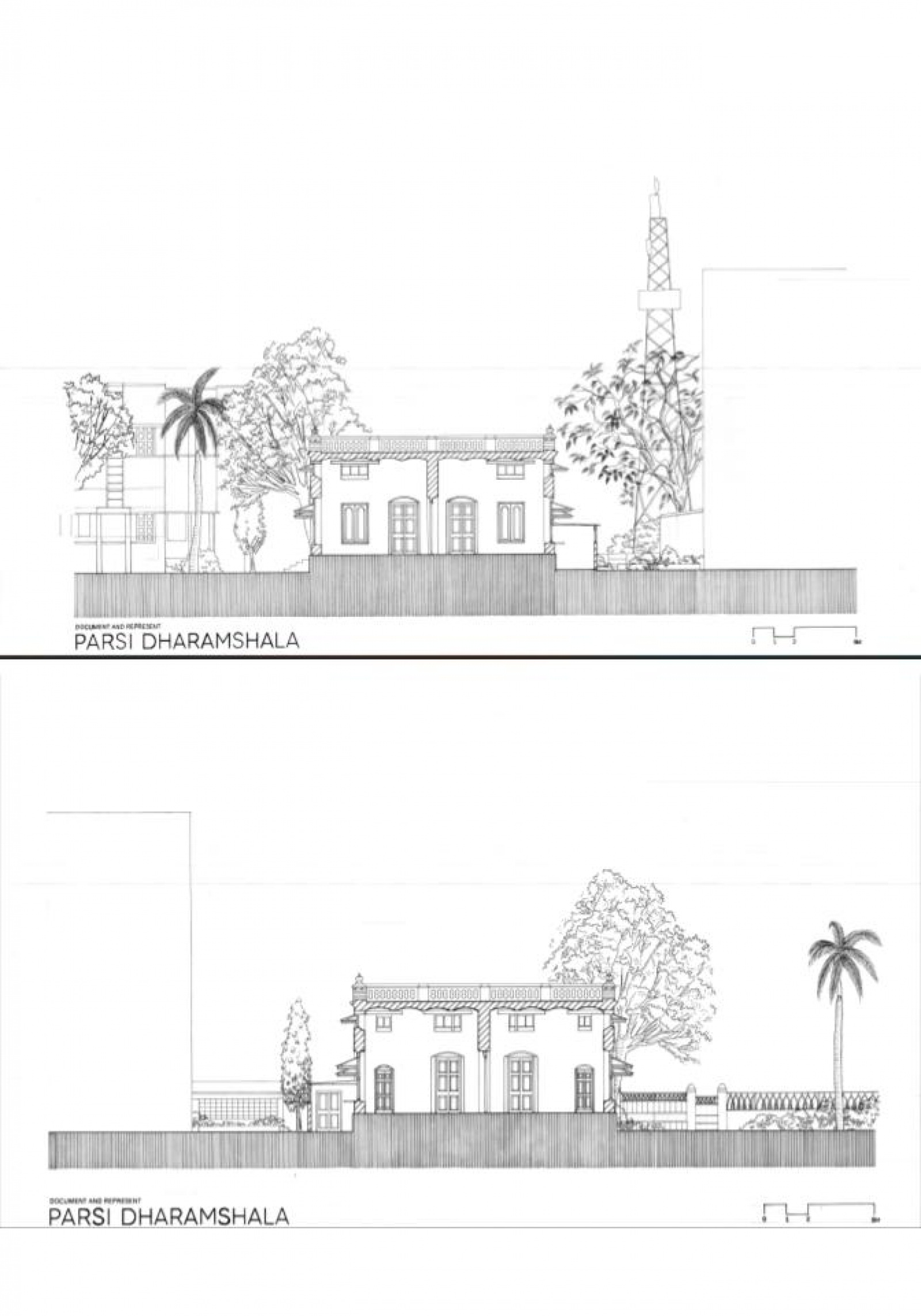
These are the sections of the two mirrored rooms on entering the Parsi Dharamshala from two different sides.

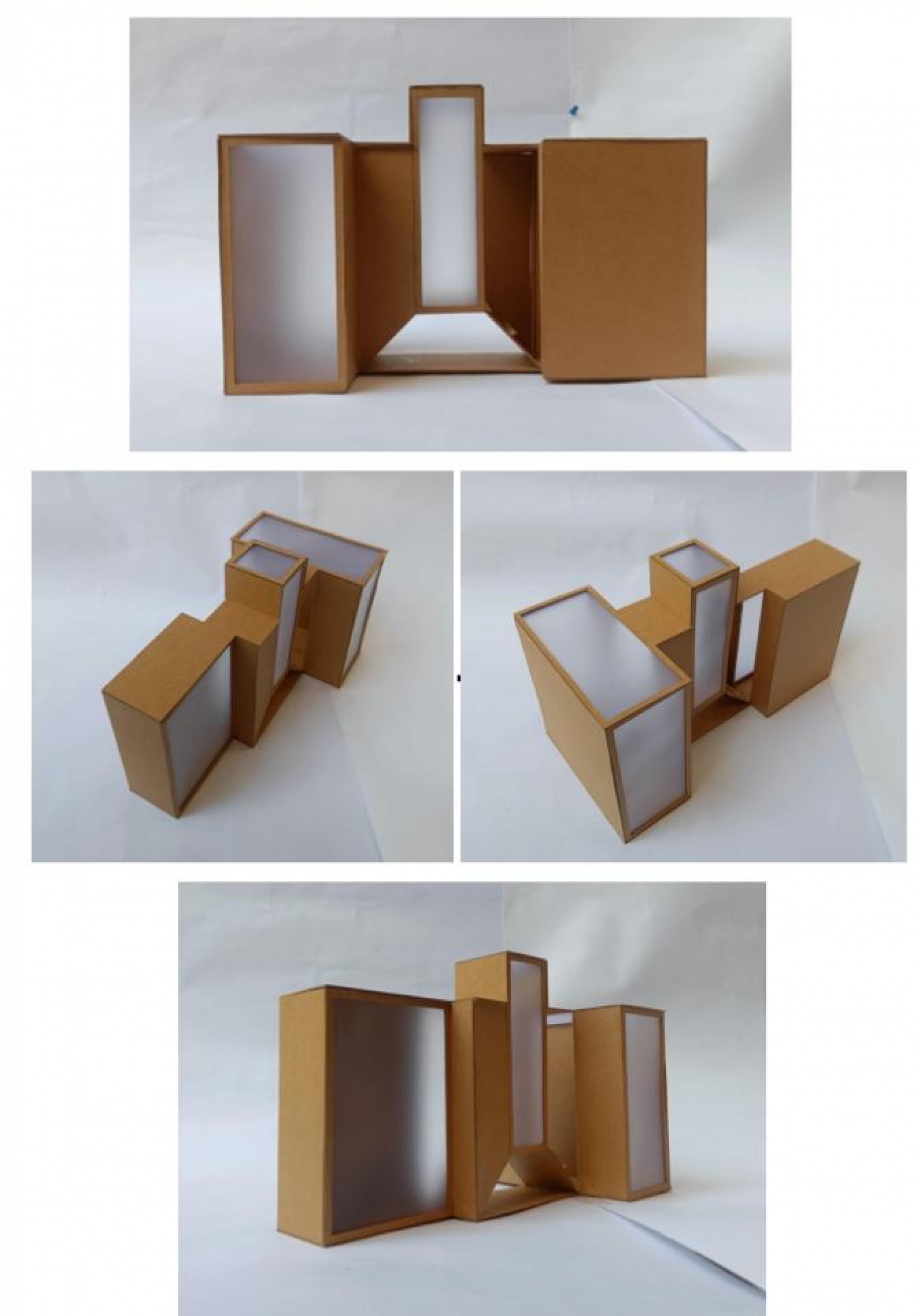
A model in allied studio for representing spaces for performing activities. Different materials have been used to show fully open, partially open and closed surfaces.

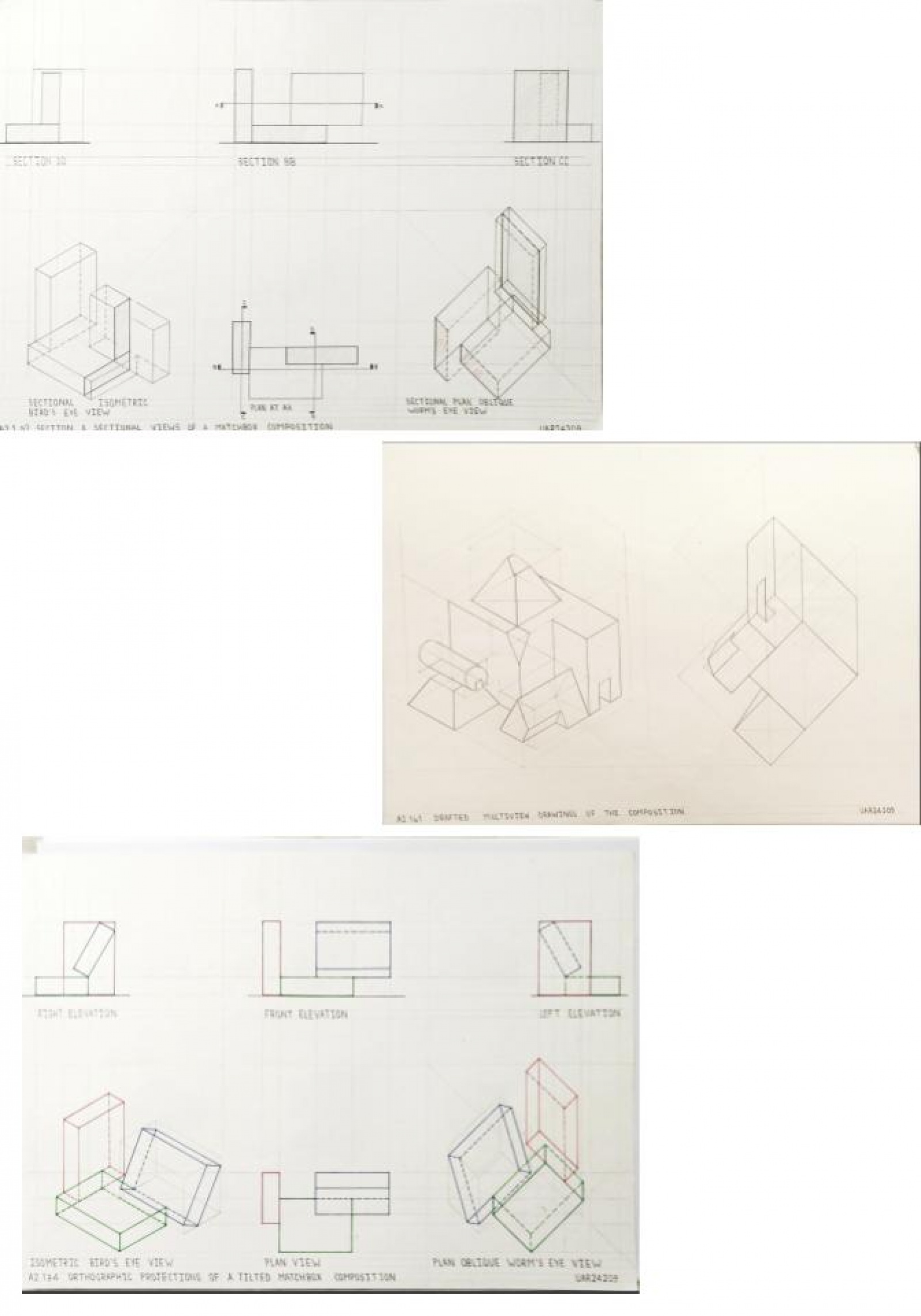
Technical drawings to understand composition of objects from different views.

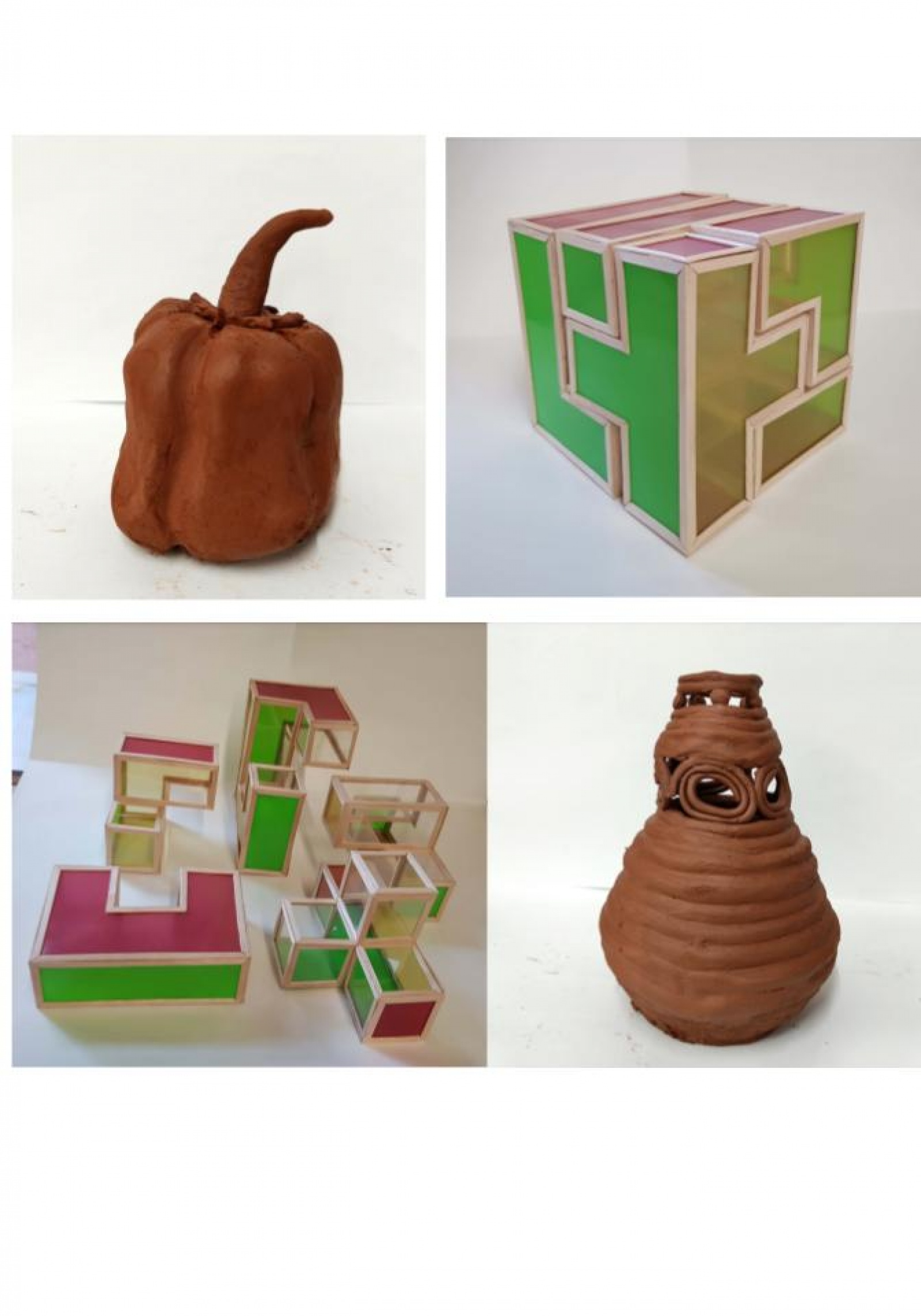
The soma cube and clay model representing creativity skills.