Sanah Charaya

CFP001

UAR24218

The CEPT Foundation Programme studio is an introduction for students fresh out of school to the rigor and work habits required by an undergraduate degree at CEPT University. The studio is conceptualized as a series of sequentially planned exercises, through which students develop skills and abilities, which are then deployed to address increasingly complex problems falling into four broad categories: visualize and draw, make and learn, analyze and interpret and conceptualize and represent. The exercises are designed to provide both common and allied foundational skills for students across disciplines at CEPT, between which they maintain a balance.The studio is taught through intensive weekly modules, focusing on a particular skill or ability, and a process that emphasizes ongoing discussion and feedback in addition to expert faculty lectures.
Report Content

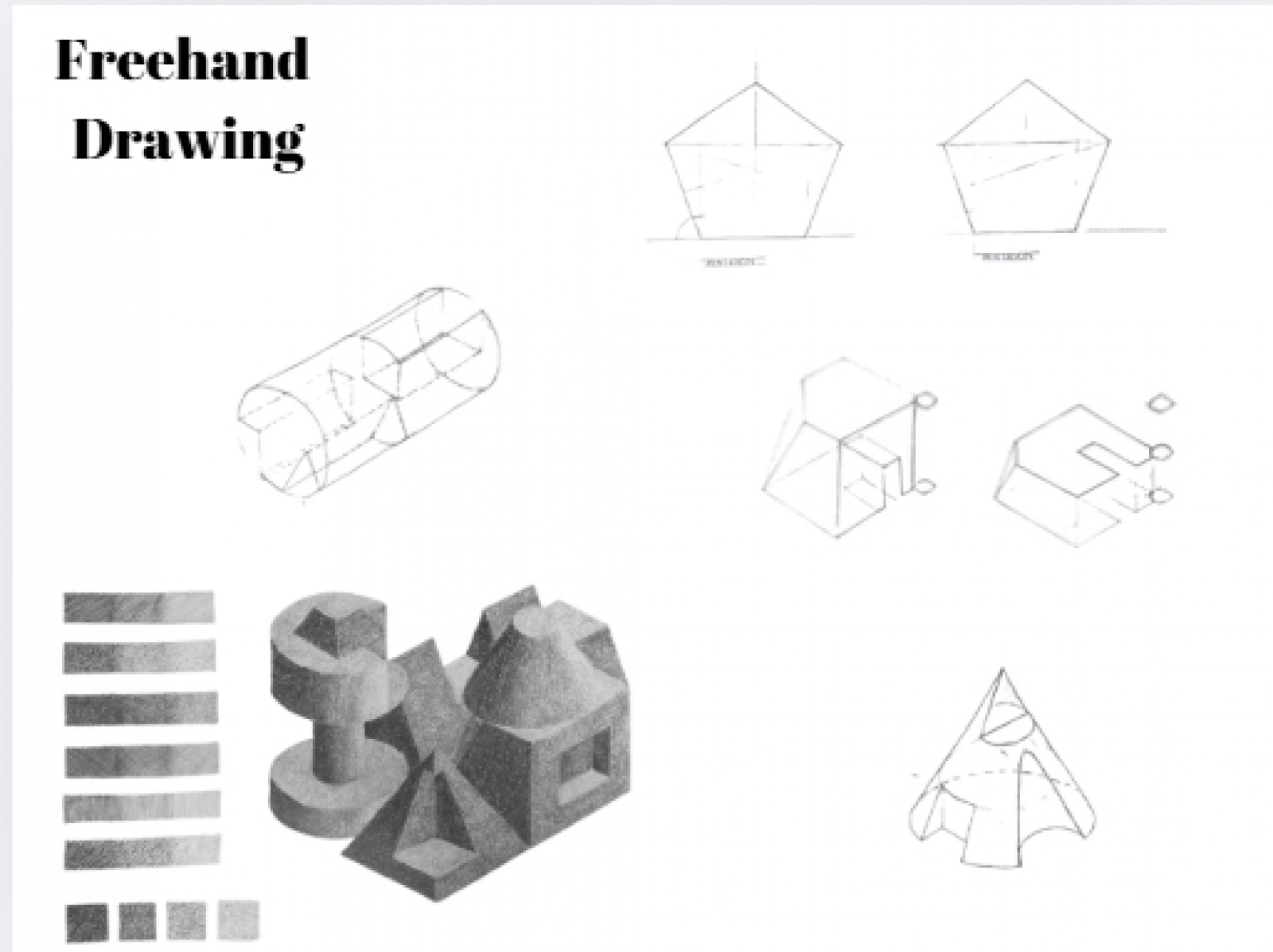
Freehand Drawing helped get an understanding of the hand-eye coordination by practicing accurate line control and proportion. Drawing basic shapes and forms in freehand developed the idea of how each construction goes and was useful in drawing real objects using constructions of proportionate drawings in Allied.

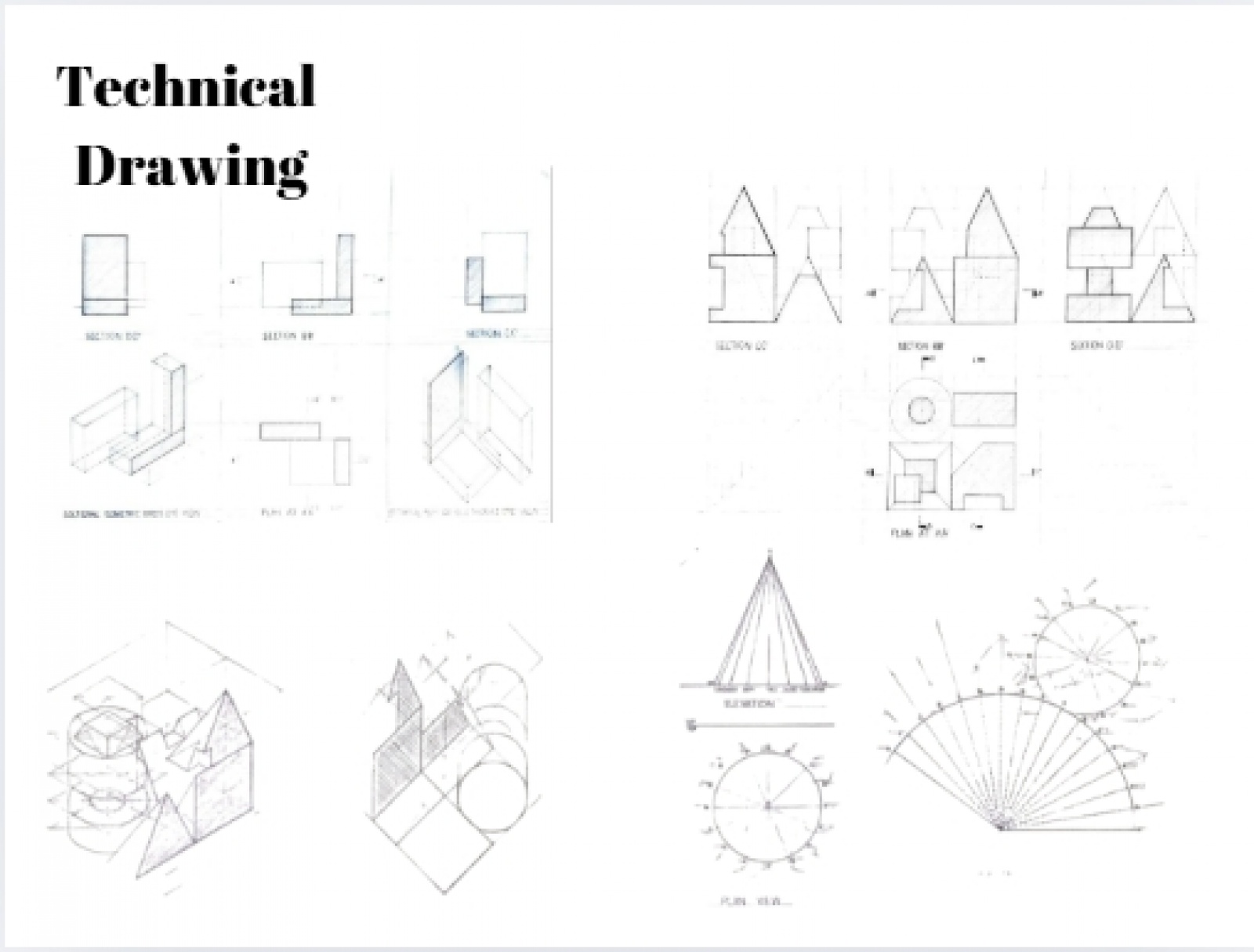
Technical Drawing aided in the use of all the drafting tools. These skills enabled the proper use of line intensity to convey depth and spatial relationships in plans, sections, and elevations.

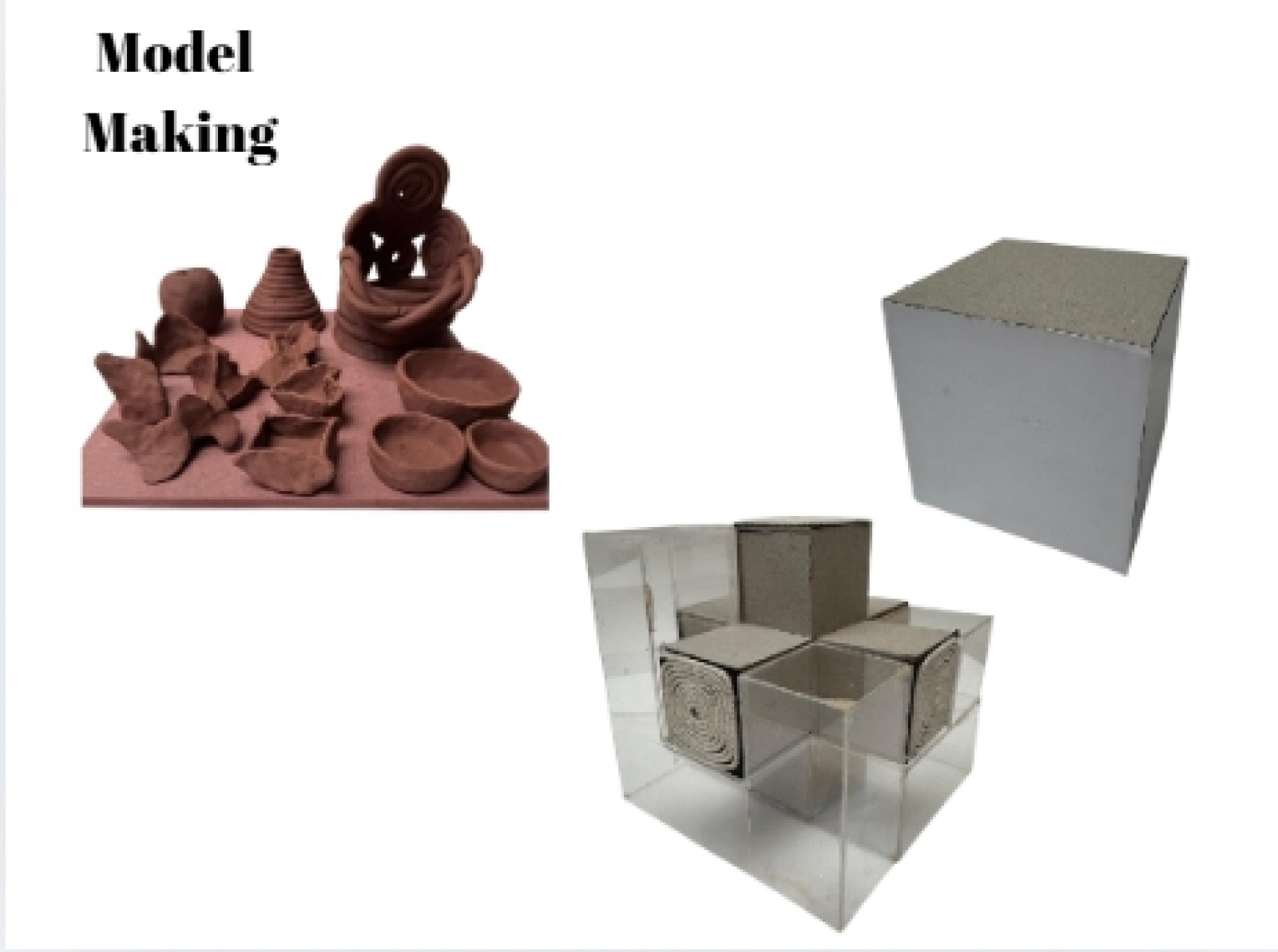
Model-making in the Common Studio provided a strong foundation for understanding materials and their properties. Creating the Soma Cube required experimentation; I chose an acrylic sheet for most of my cube, which, though challenging to cut and requiring patience, taught me the importance of precision and persistence.

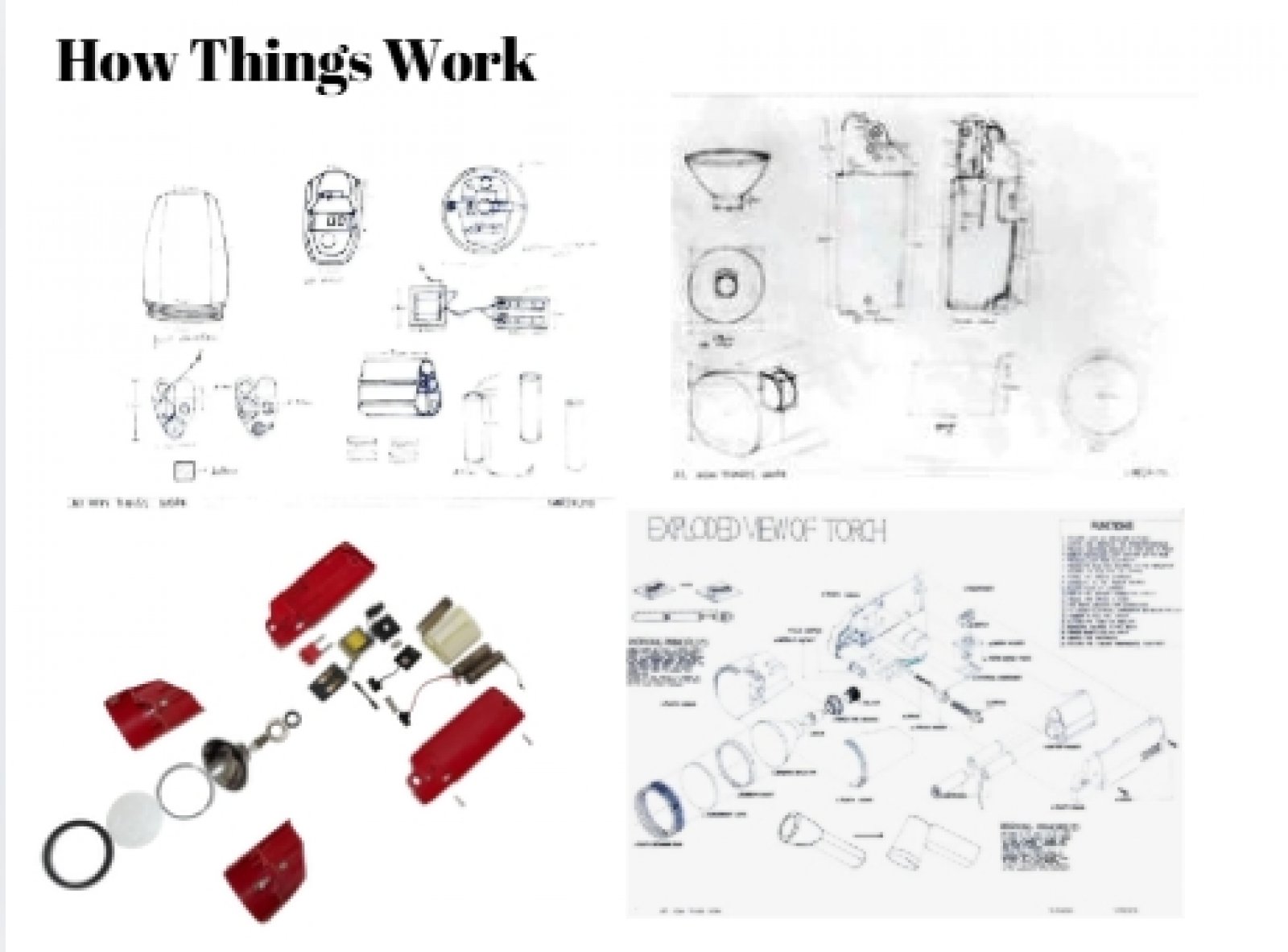
How Things Work helped develop a deep understanding of objects by representing their working principles clearly and systematically. It improved my drafting skills, especially with complex details, like the main body of the torch. Through visualization and creative implementation, I gained a better grasp of the object's functionality and structure, leading to a more precise and sound approach in design.

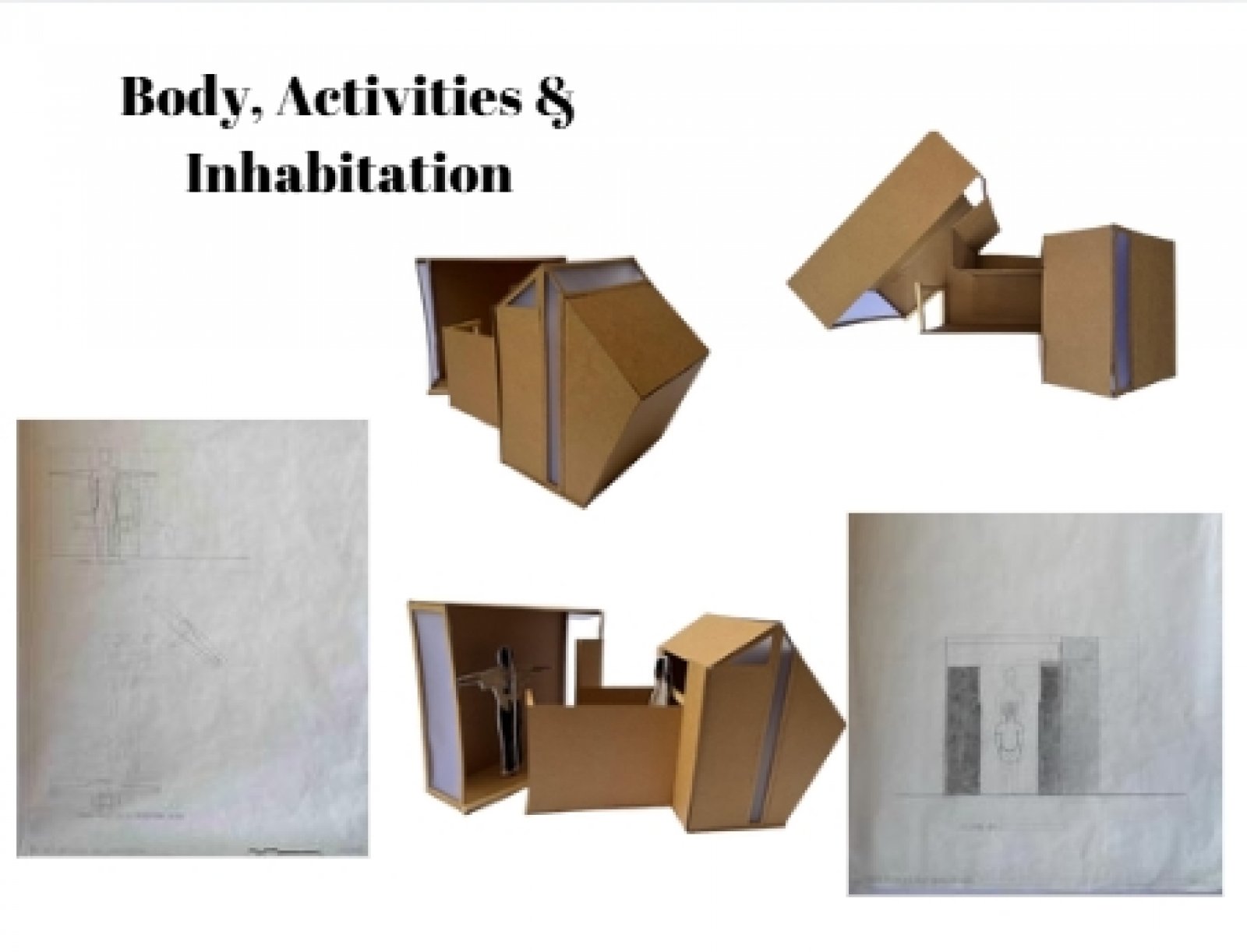
Gauging sizes help figure out the proper proportions of different objects in relation with their surroundings. This module in the Common studio helped figure out the proportions of any object or a space according to our own body measurements

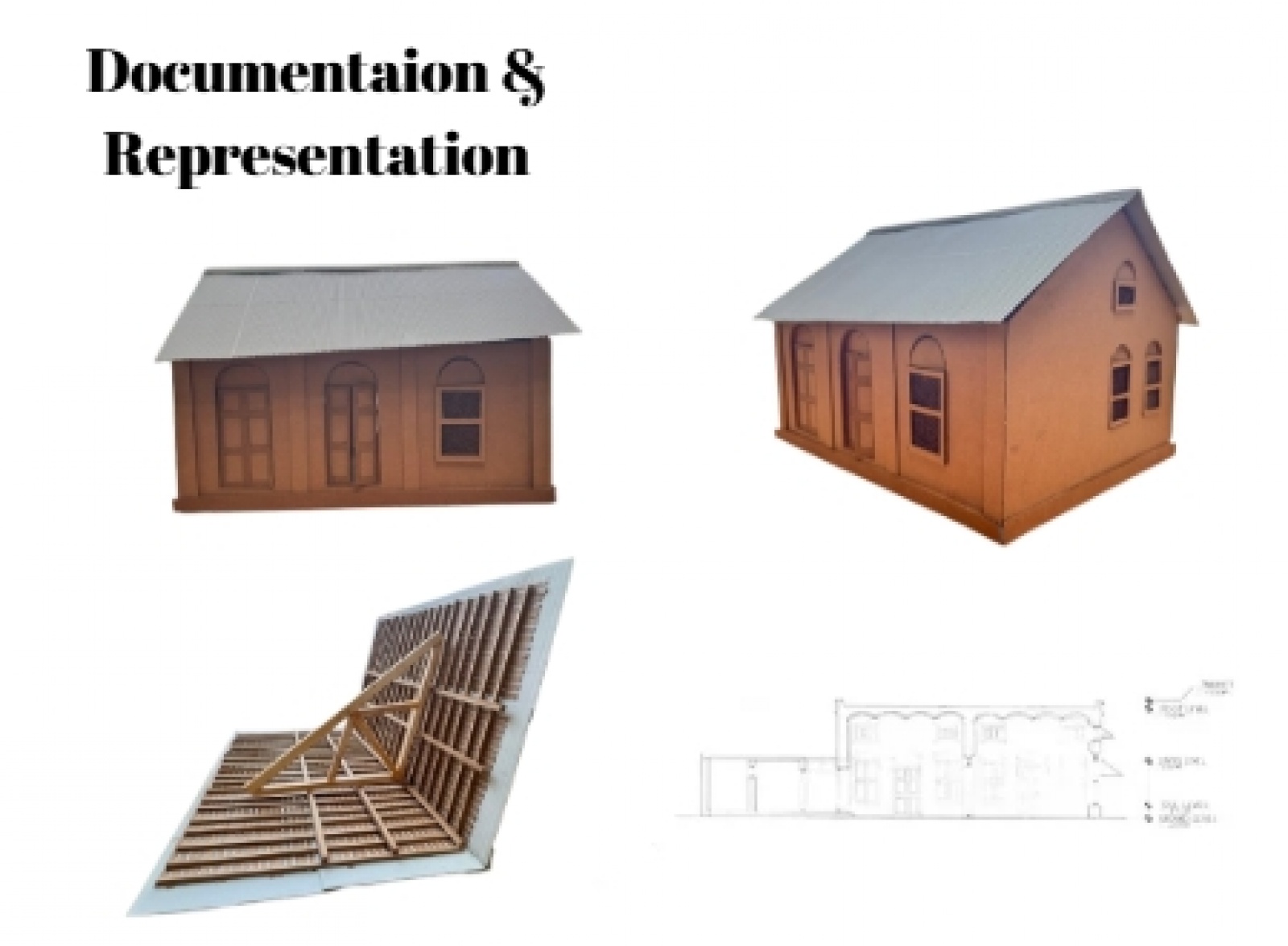
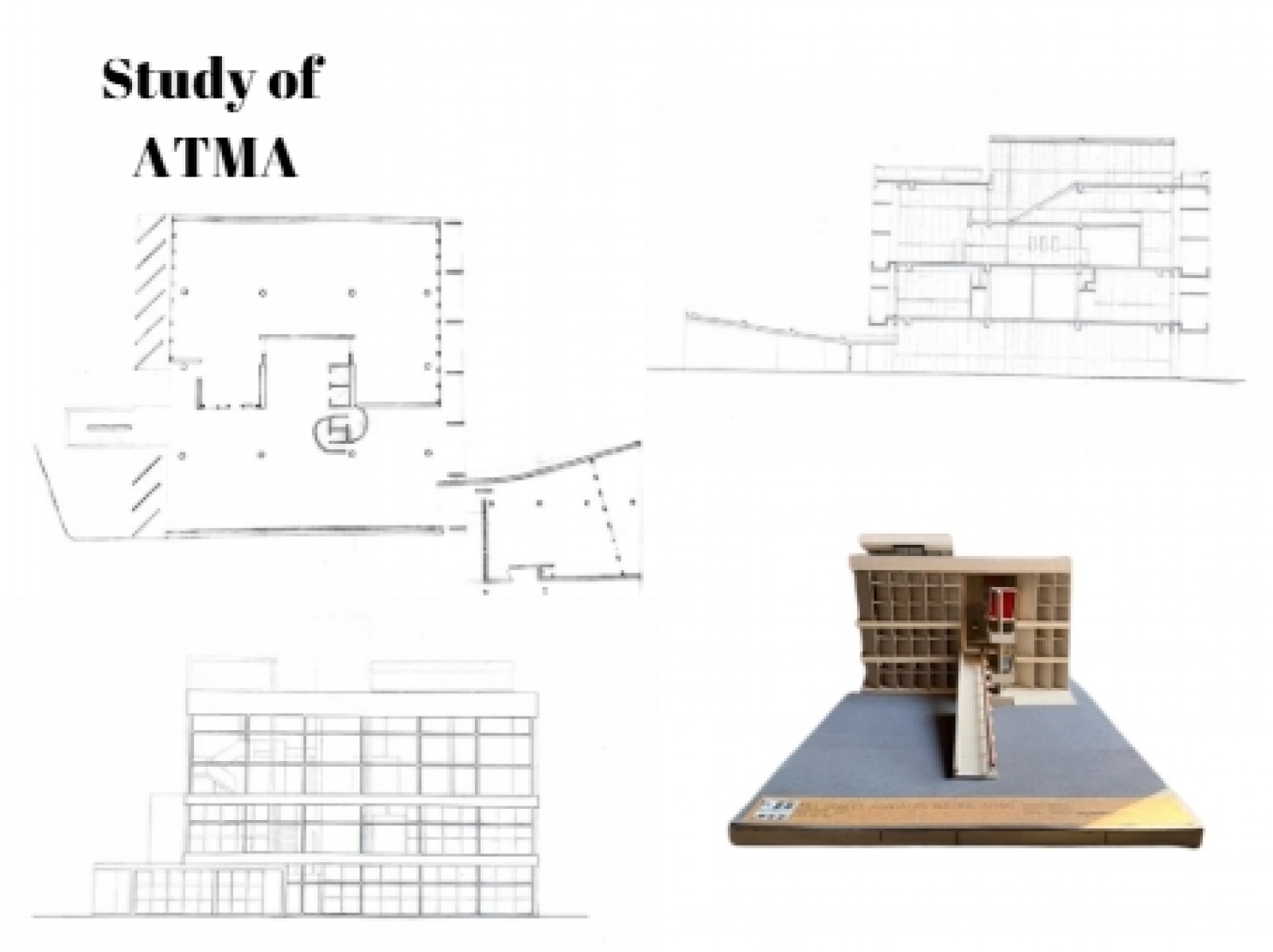
It helped attain an understanding of the site and make plans and sections according to the right measurements. This in turn helped make the model of one of the parts of the Parsi Dharamshala.

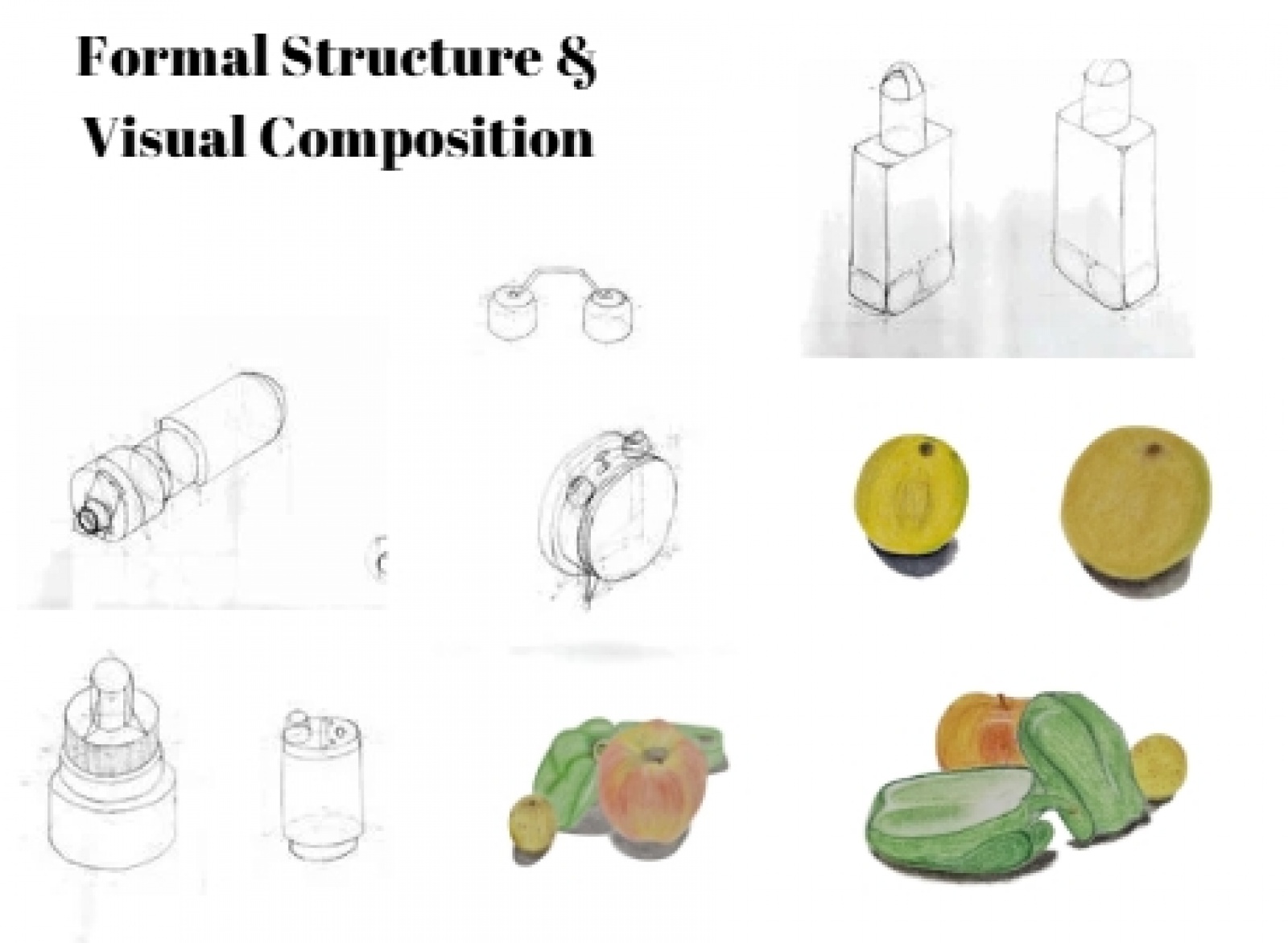
Drawing the objects with constructing each surface helped understand the proportion. During the subtraction of solids, the basic skill of visualization was attained. Sketching of fruits and vegetables proportionately was the main focus.

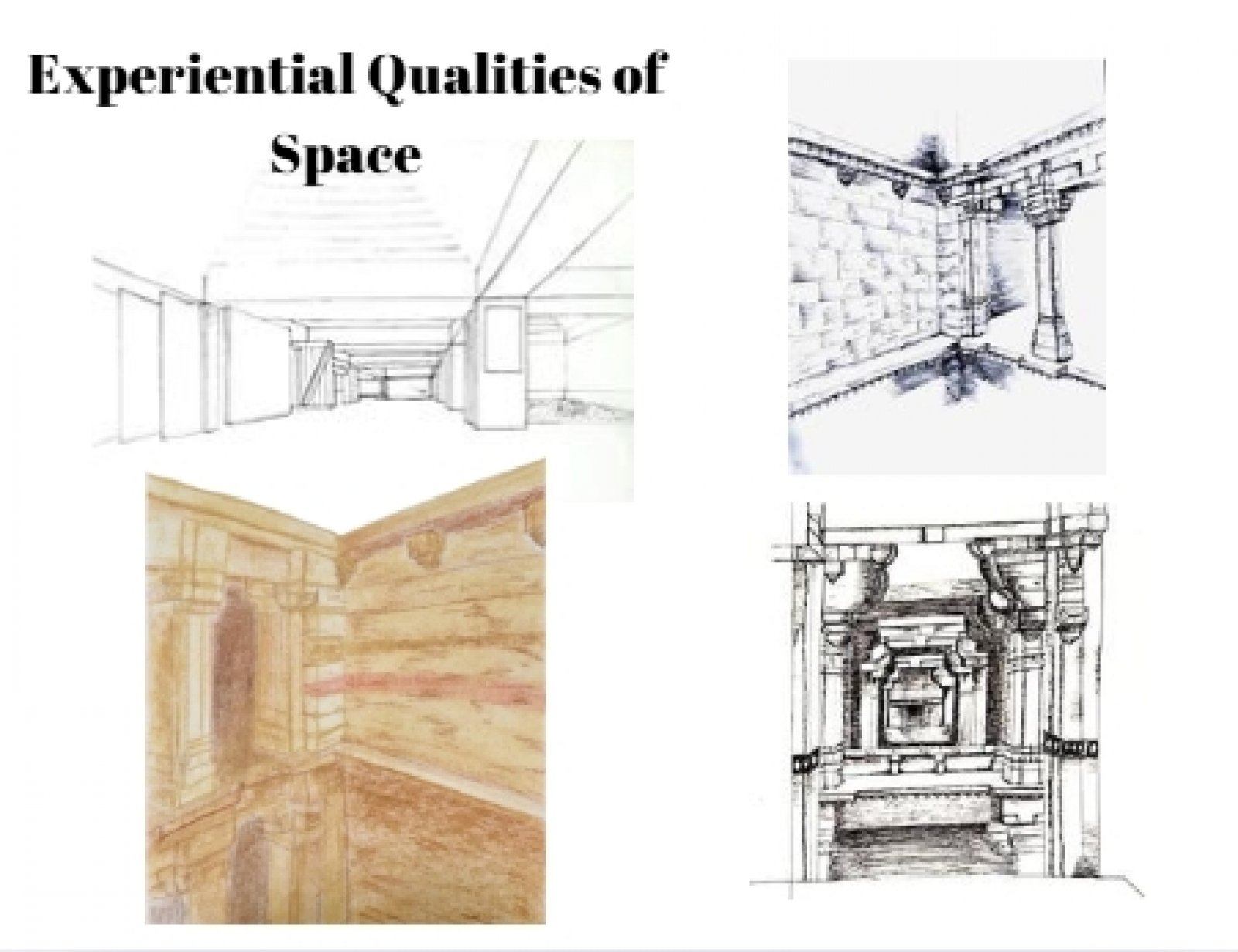
It develops a specific eye for observation and helps understand the module of ‘Observational Drawing’ and ‘Spatial structure and composition of space’ better. We used various mediums during live sketching to explore their unique characteristics and adaptability as shown in the pictures. This practice helped us experiment with diverse tools, such as pencils, charcoals, ink, and oil pastels, to effectively capture textures, light, and depth.

This experience was instrumental in the Allied Module, where the focus shifted from experimentation to selecting appropriate materials for specific projects, such as the model of the Mill Owner’s Association Building. Here, thinner materials facilitated surface development, making the process more efficient, while thicker materials provided better scale representation and structural stability.

It taught precision in the dimensions of the objects in relation to the measurements of our own body. The story creation done in the sheets helps figure out the space occupied by us and how the same space can be occupied doing other activities.