Sruthi Santhosh

CFP001

UAR24235

The CEPT Foundation Programme studio is an introduction for students fresh out of school to the rigor and work habits required by an undergraduate degree at CEPT University. The studio is conceptualized as a series of sequentially planned exercises, through which students develop skills and abilities, which are then deployed to address increasingly complex problems falling into four broad categories: visualize and draw, make and learn, analyze and interpret and conceptualize and represent. The exercises are designed to provide both common and allied foundational skills for students across disciplines at CEPT, between which they maintain a balance.The studio is taught through intensive weekly modules, focusing on a particular skill or ability, and a process that emphasizes ongoing discussion and feedback in addition to expert faculty lectures.
Report Content

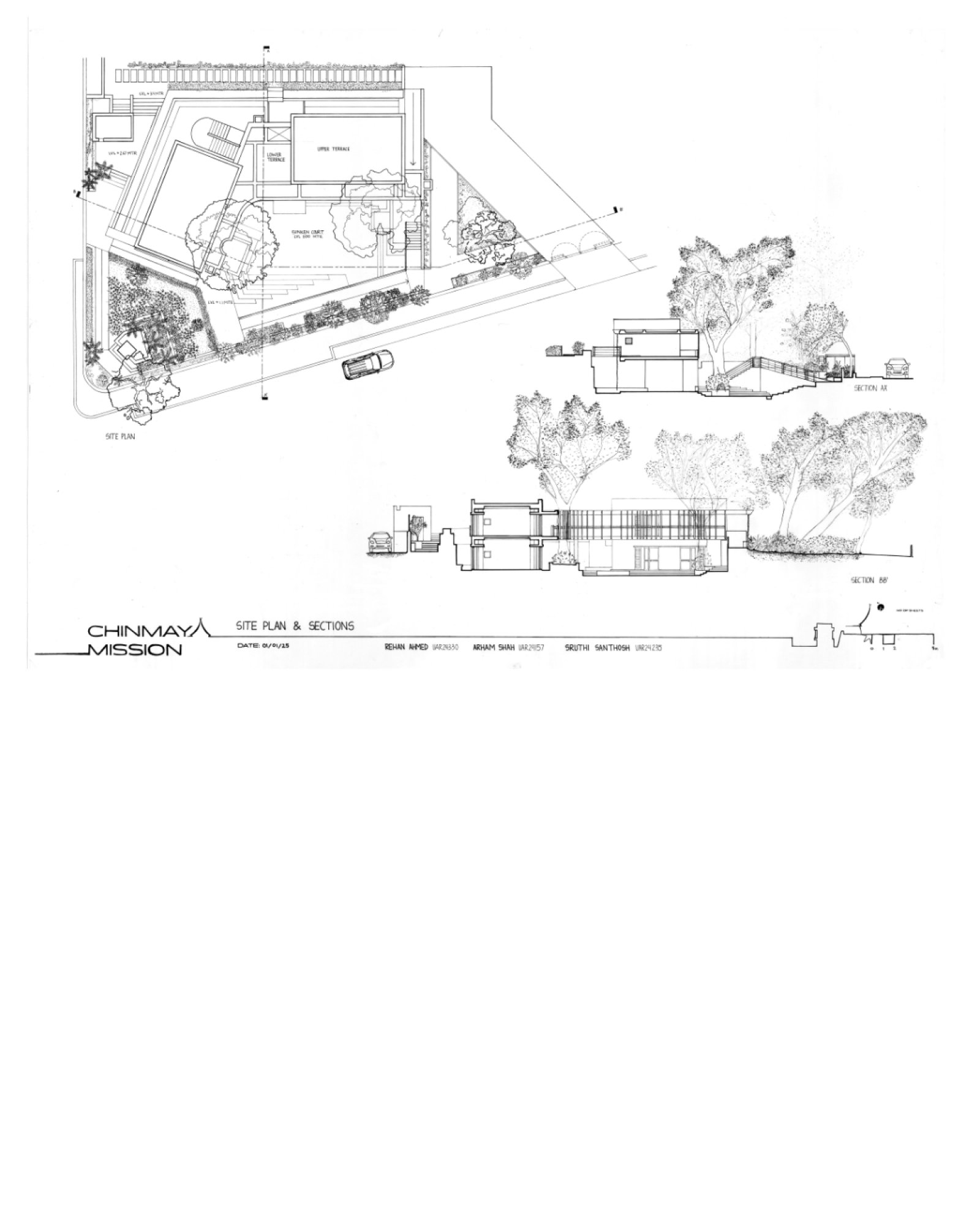
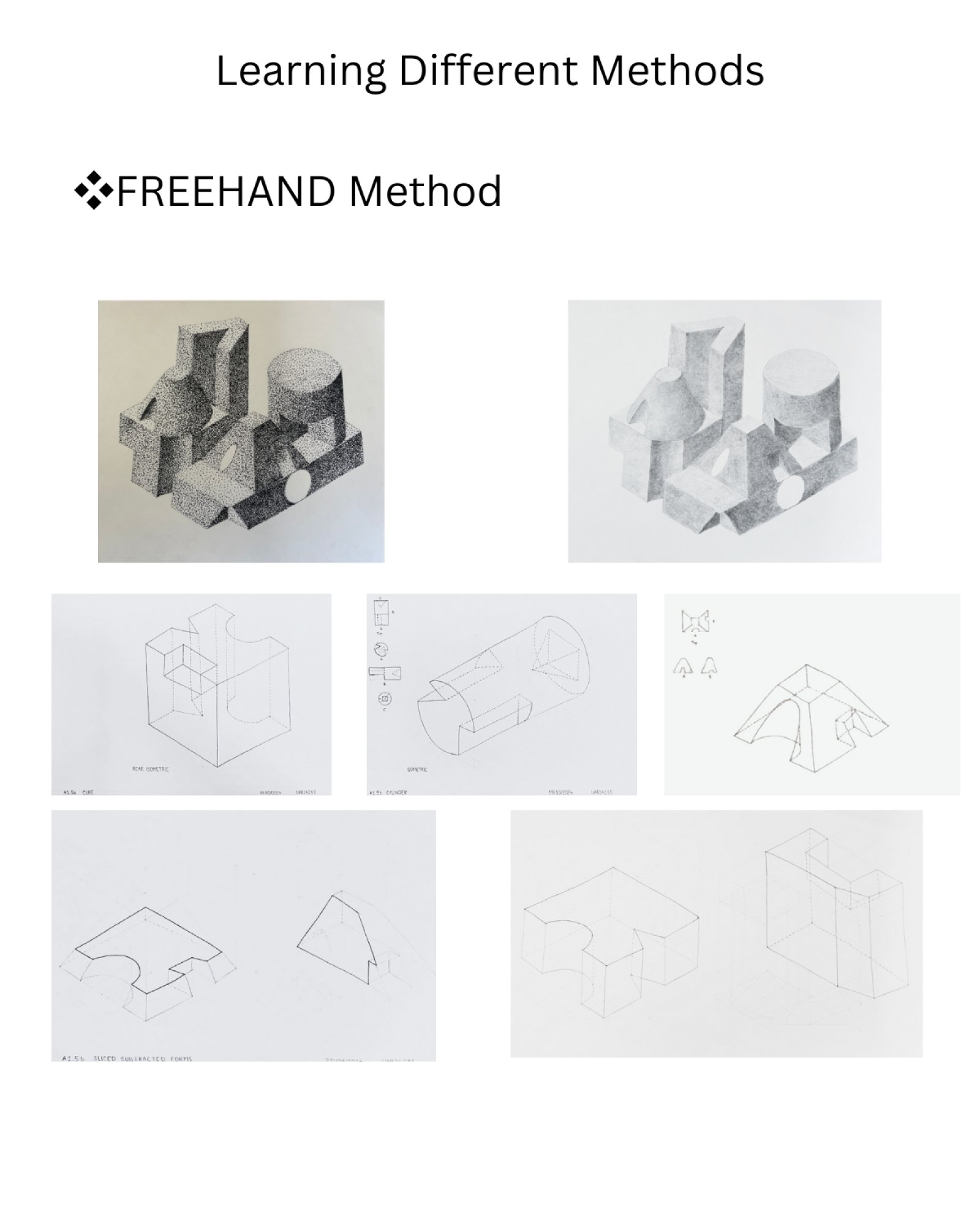
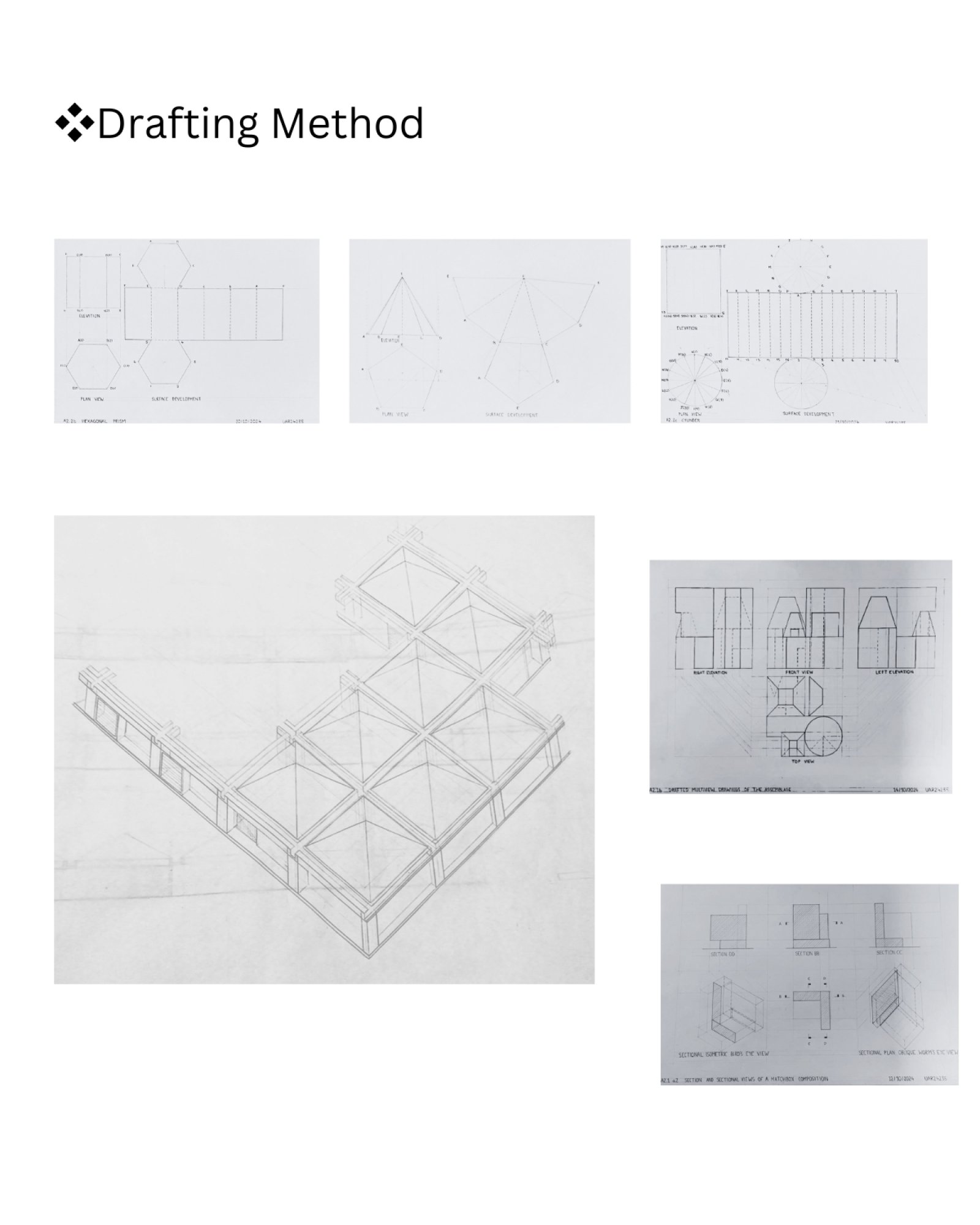
Learning this method transformed my drawing by improving line quality and accuracy in constructing shapes and forms freehand. It taught geometrical techniques, enabling precise articulation of ideas. Additionally, rendering techniques enhanced my ability to visualize and represent three-dimensional planes, providing a strong foundation to bring concepts to life.Learning drafting tools improved my accuracy in constructing views like bird’s-eye and worm’s-eye perspectives. Understanding line weights, measurement, and proportion refined my technical skills, enhancing depth and clarity in compositions. These techniques strengthened my ability to create precise, well-balanced drawings with improved accuracy and visual impact.

Learning drafting tools improved my accuracy in constructing .

Understanding line weights, measurement, and proportion refined my technical skills, enhancing depth and clarity in compositions.

These techniques strengthened my ability to create precise, well-balanced drawings with improved accuracy and visual impact.

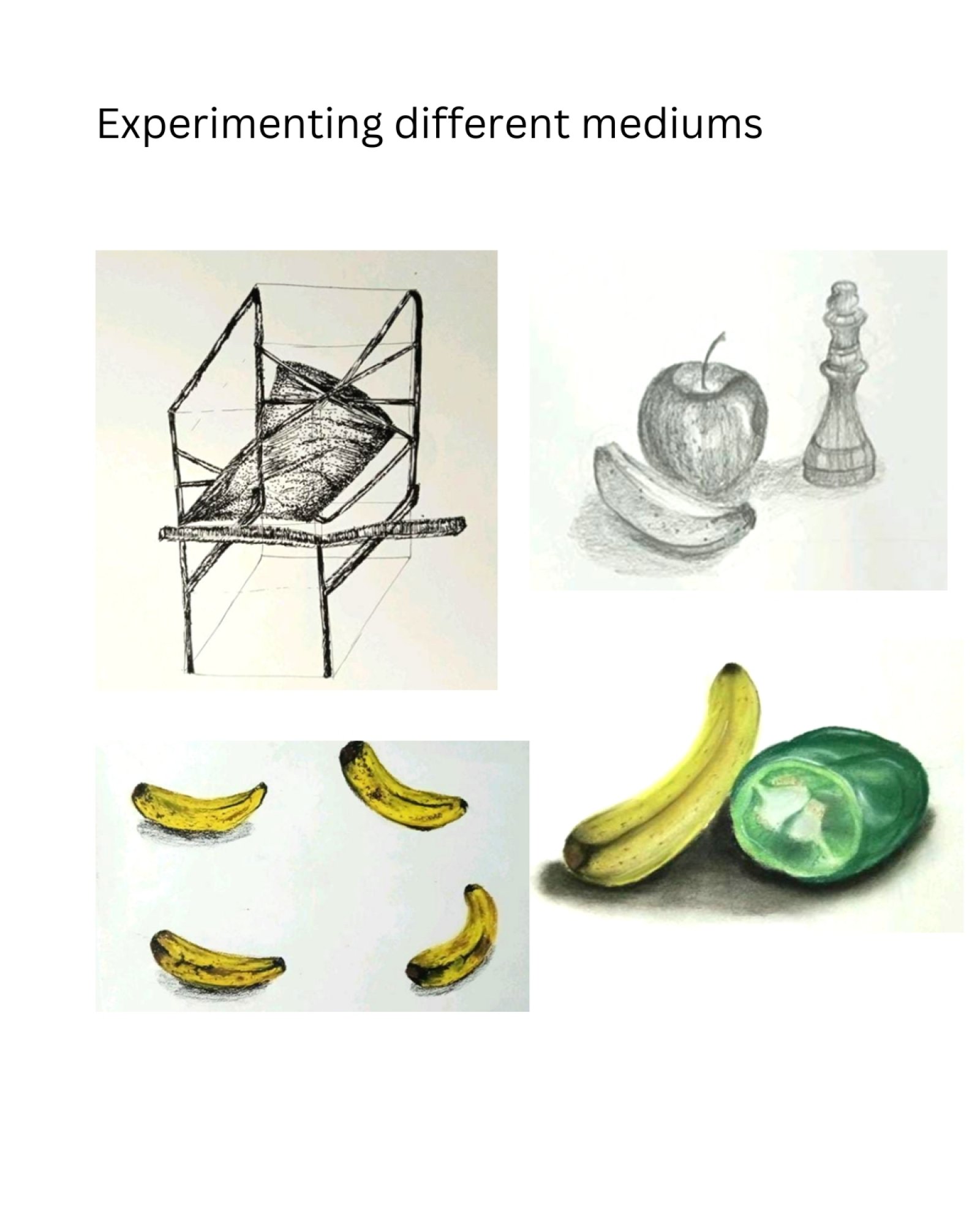
Exploring mediums like pencil, pen, pastels, ink, and charcoal broadened my creative skills. Observing references enhanced my understanding of depth, shadows, lighting, and texture.

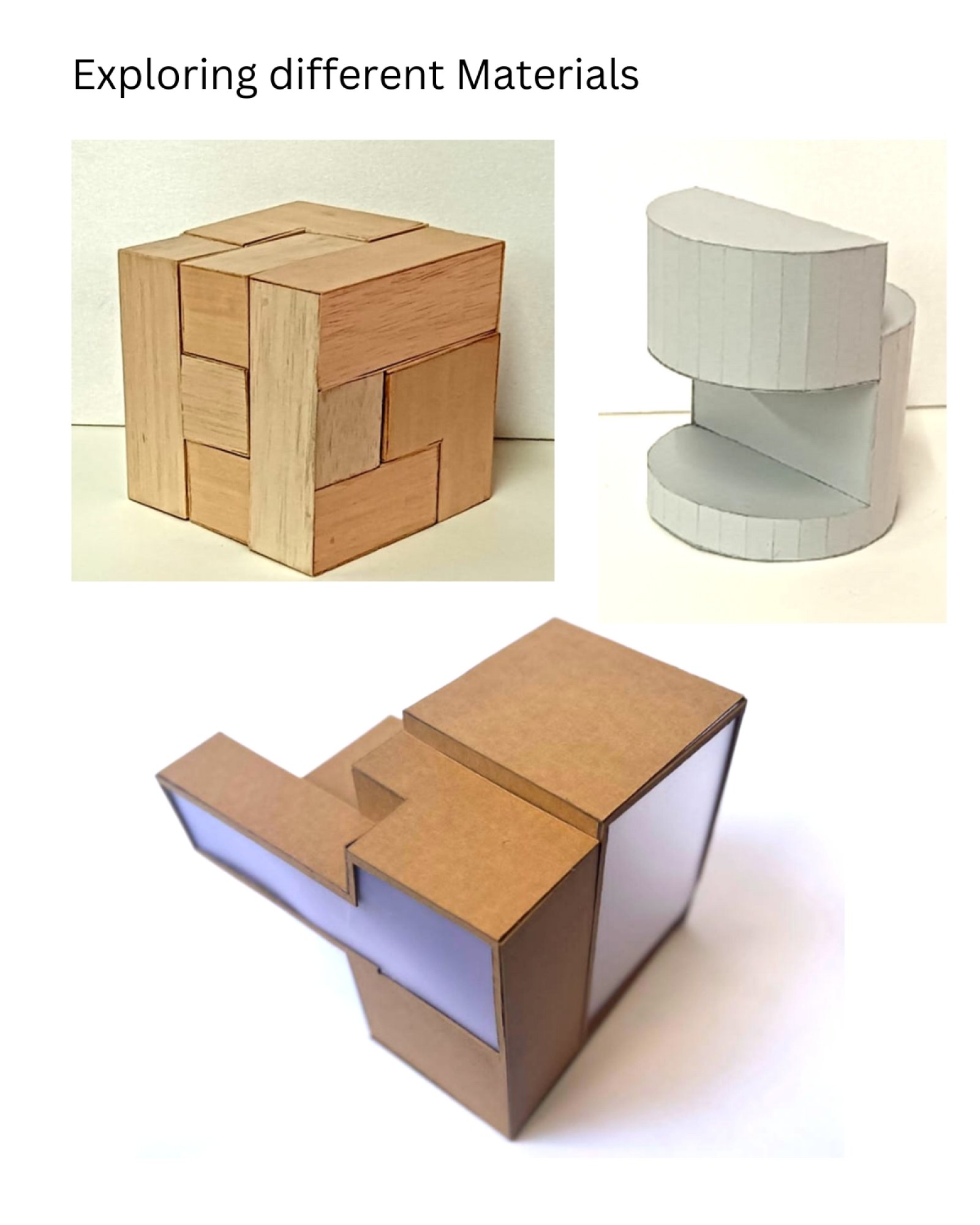
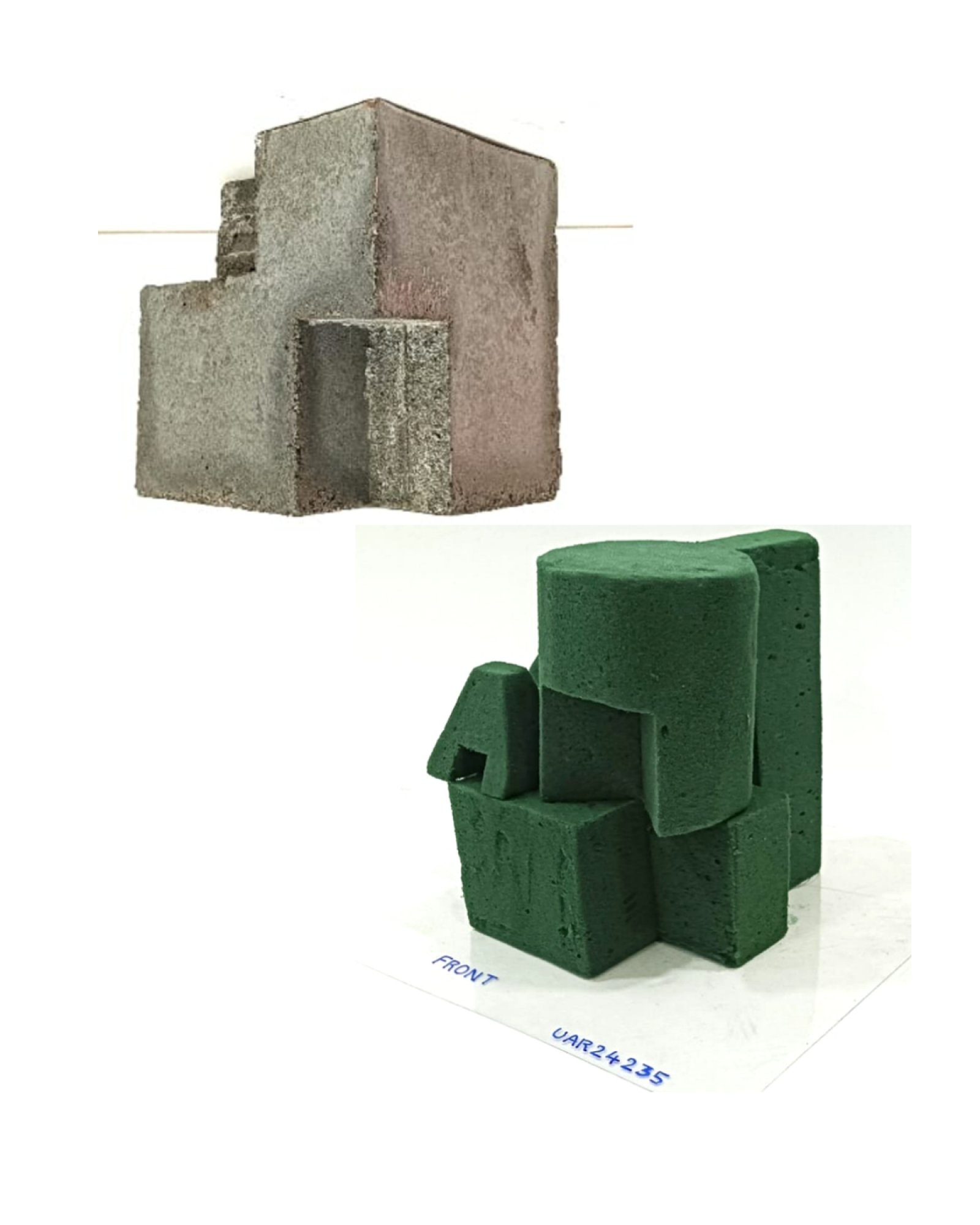
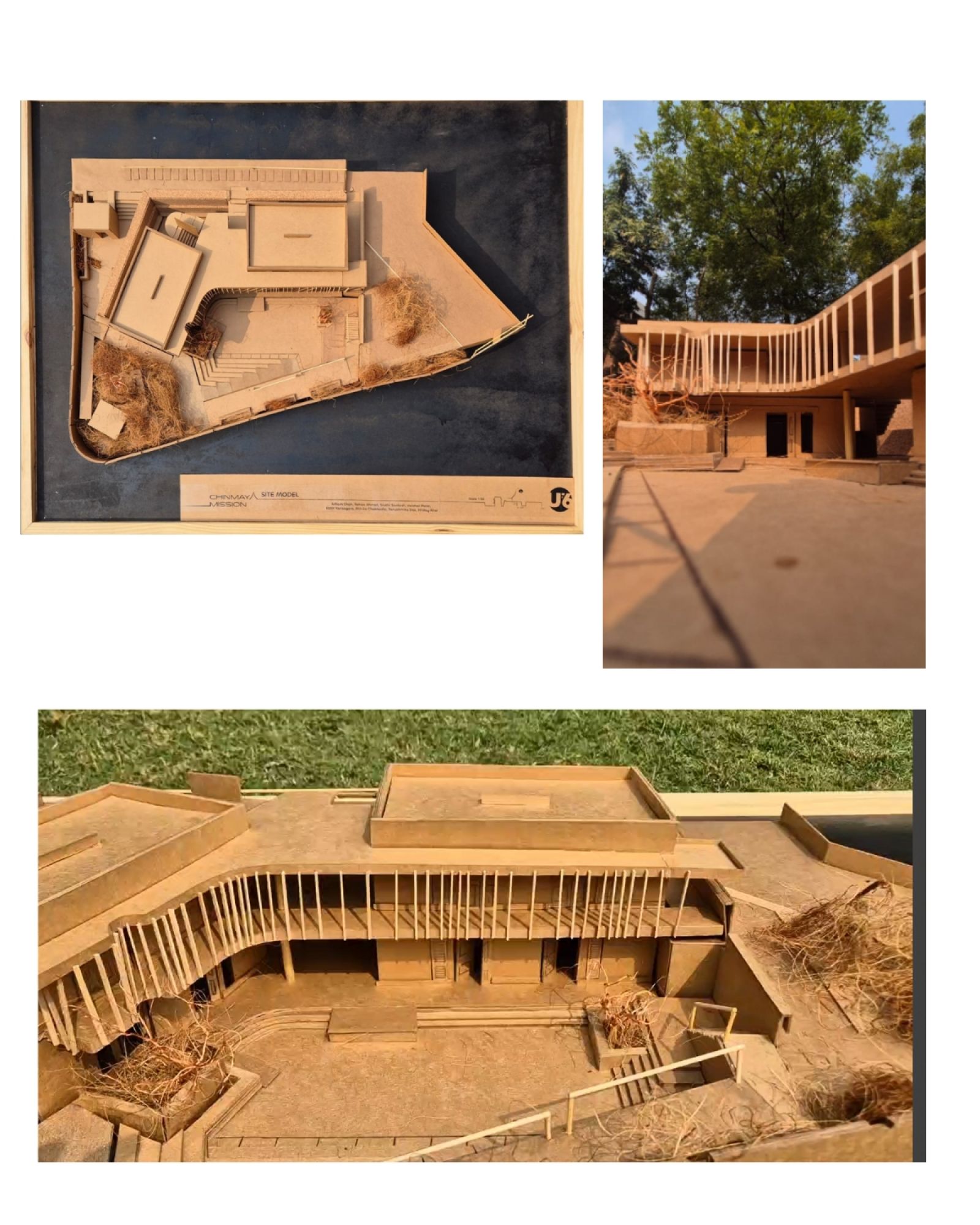
Material exploration enhanced my creativity and model-making skills. Using green foam, balsa wood, card paper, and concrete taught me to choose materials based on design needs.

This process improved my precision, control, and ability to capture details accurately, emphasizing texture and color variations while mastering different materials effectively.

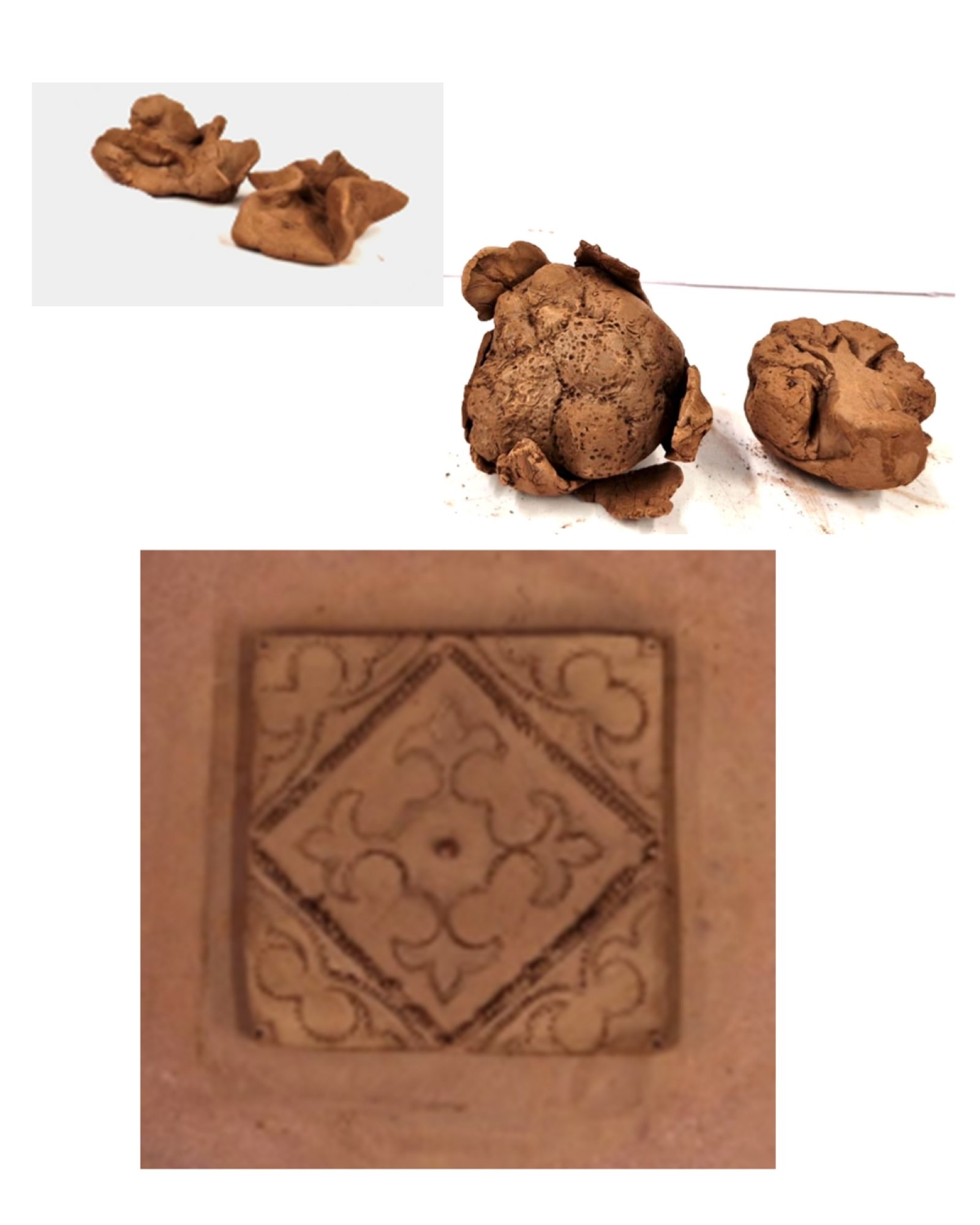
In my first clay modeling experience, I explored pinched, coiled, and sculpted forms, learning techniques like water control, rolling, shaping, and texturing. This process provided a solid understanding of form creation and material behavior, enhancing my ability to work effectively with clay to achieve different textures and structures.

Model-making is more than representation—it's a tool for spatial thinking. Balancing precision and creativity, we explore scale, proportion, and materials to bring ideas to life.