Soham Dhanappa Chanshetti

CFP001

UBD24104

The CEPT Foundation Programme studio is an introduction for students fresh out of school to the rigor and work habits required by an undergraduate degree at CEPT University. The studio is conceptualized as a series of sequentially planned exercises, through which students develop skills and abilities, which are then deployed to address increasingly complex problems falling into four broad categories: visualize and draw, make and learn, analyze and interpret and conceptualize and represent. The exercises are designed to provide both common and allied foundational skills for students across disciplines at CEPT, between which they maintain a balance.The studio is taught through intensive weekly modules, focusing on a particular skill or ability, and a process that emphasizes ongoing discussion and feedback in addition to expert faculty lectures.
Report Content

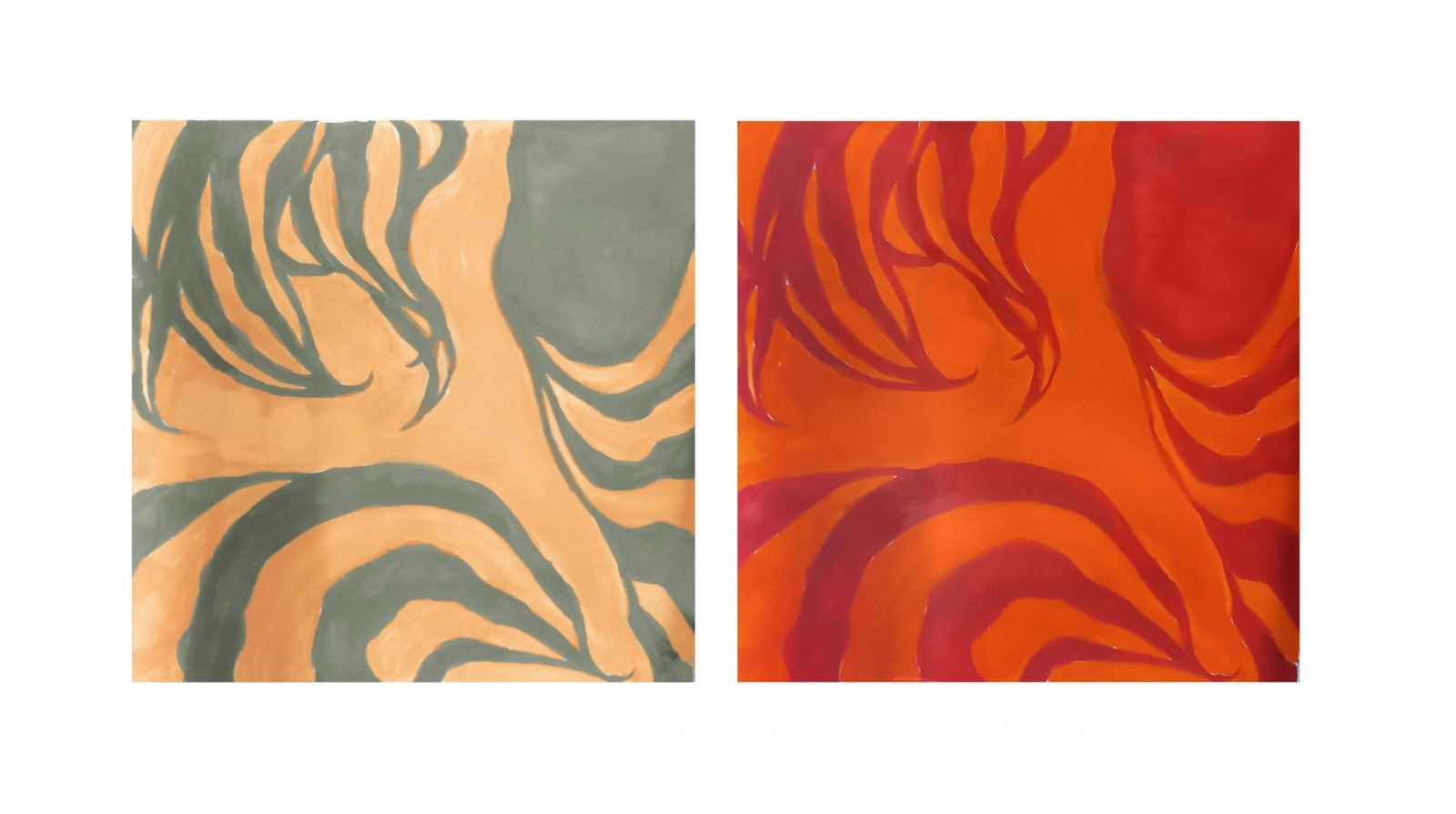
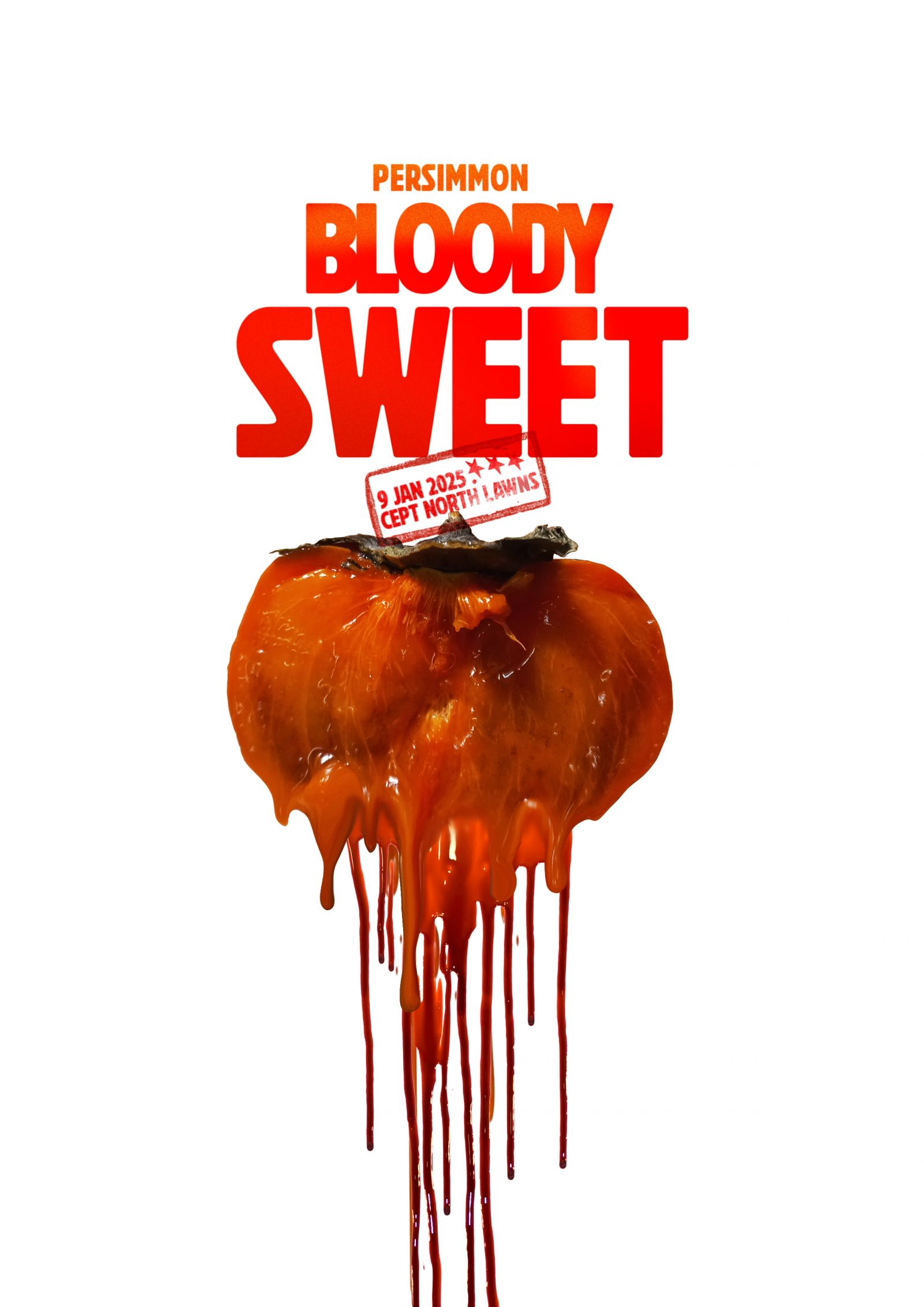
The persimmon's rich and diverse nature is presented with the color scheme. The vibrant oranges or red hues stimulate the fruit's sweetness as well as ripeness. From the vibrant orange flesh to the greater hues of the skin and stem, the fruit's subtle color changes show all of its details. The pictures show a color theory and abstraction view of Persimmon. To make the second extract identical, some tracing was done in addition to the freehand drawing. Since the more natural and cold colors have been chosen while the other one shows brilliant, warm hues, Fig. 1.1 illustrates the color concept of muted. The drawing is made at scale of 1818 centimeters which projects a very small part of persimmon fruit on an A4 sized cartagded paper. 5 frames of 1515 centimeters were made using a card frames sheet with different dimensions and they were placed above any 5 sketches out of which one was finalized, which helped to make compositions. Poster colors were used to paint the drawing. Different

The poster were made referring the gold ratio to make to more and more public attract .. To show a distinct division between the subject or its surroundings, I used an extreme contrast between the persimmon's bright orange color and the white background. As a result, the persimmon becomes the main attraction right away. By setting the dripping juice below the persimmon, it builds a visual link across each other and highlights the fruit's action.

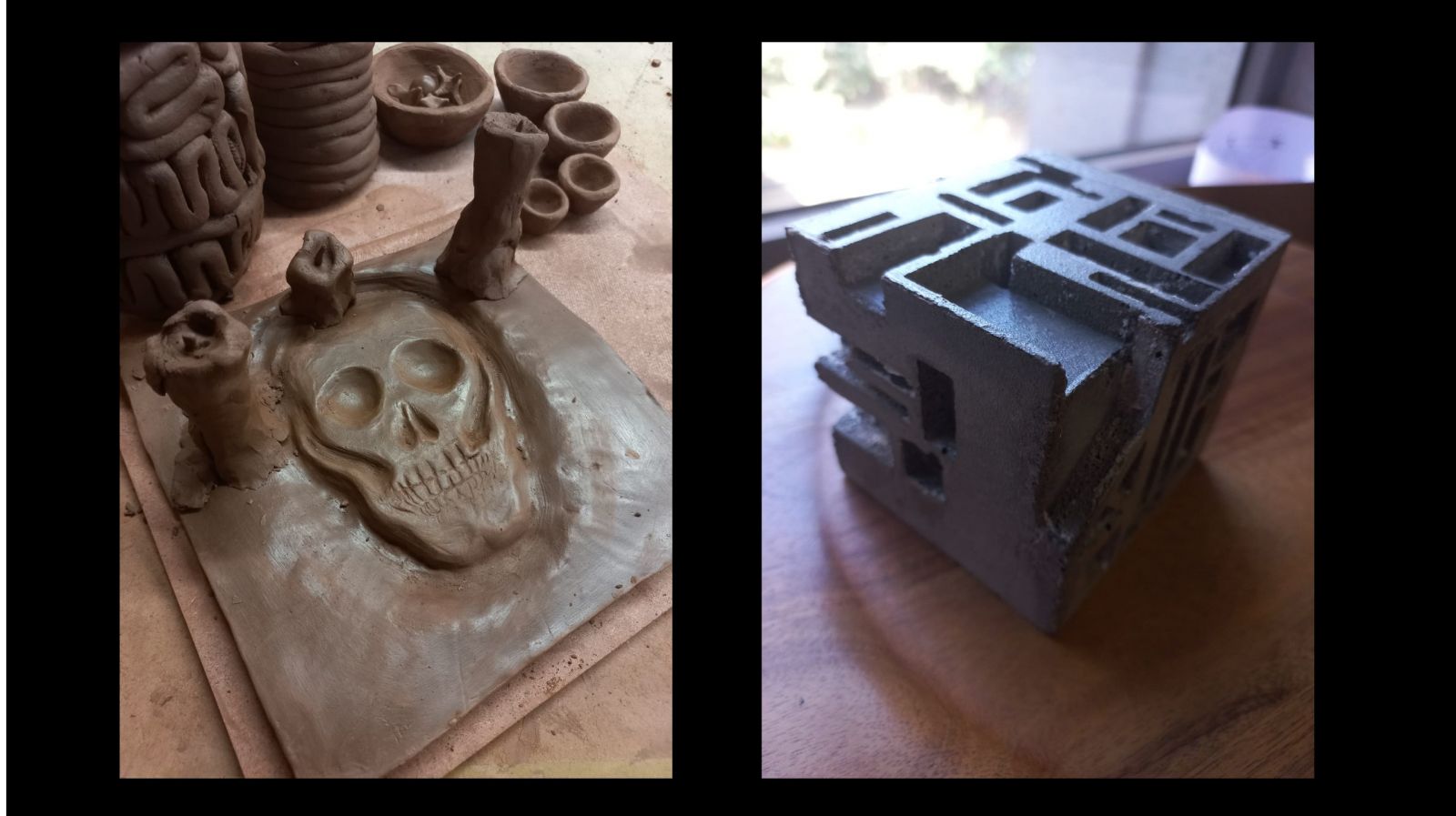
I created models out of buff board, terracotta clay, and ivory paper in order to understand the characteristics of various materials. Each model was a evaluation of the abilities I acquired at each phase. This reminded me of the assembly model I had created. I was able to compare the same materials after working with a range of them, which improved my comprehension of their characteristics. I now understand which materials are more appropriate for particular uses.

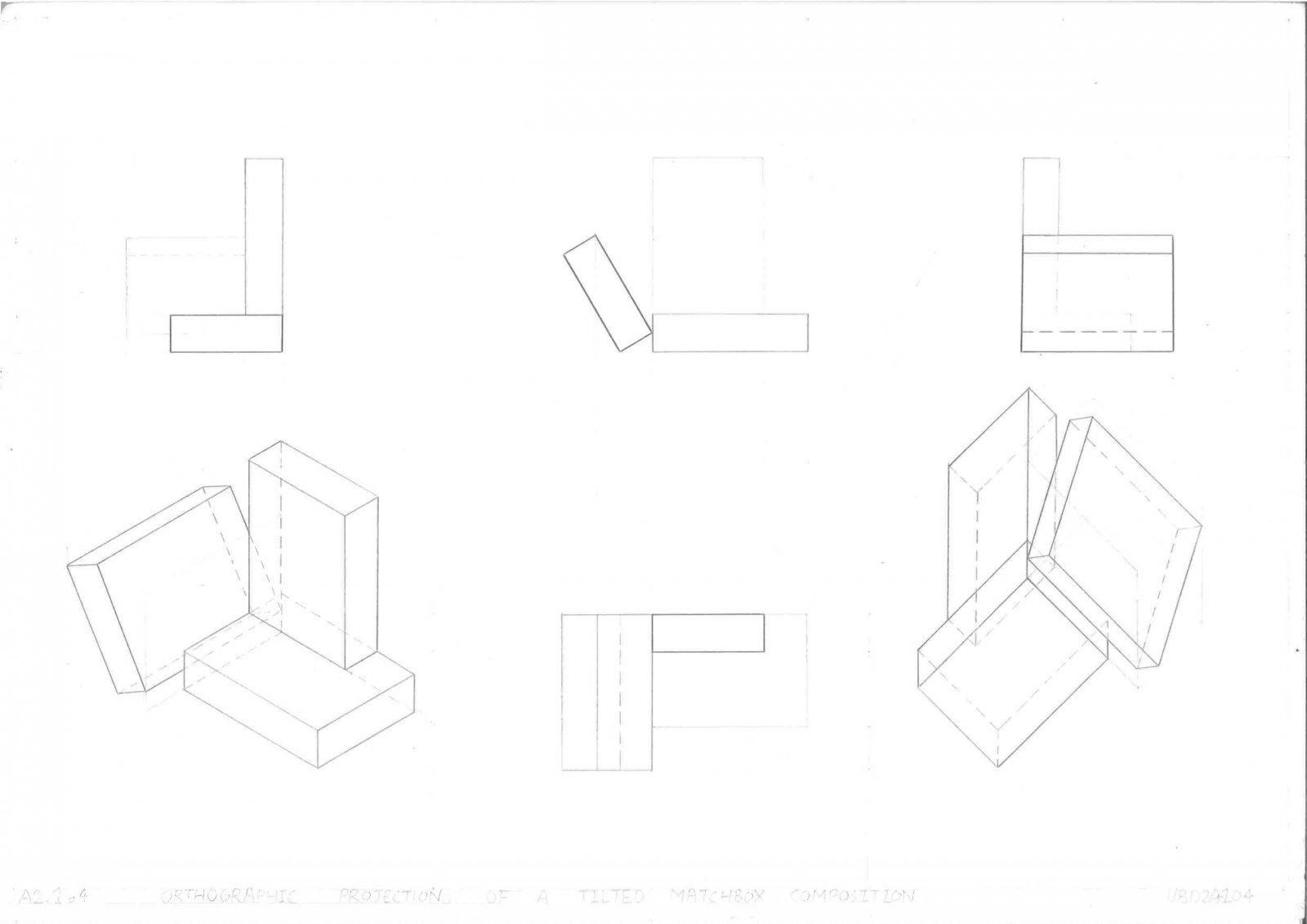
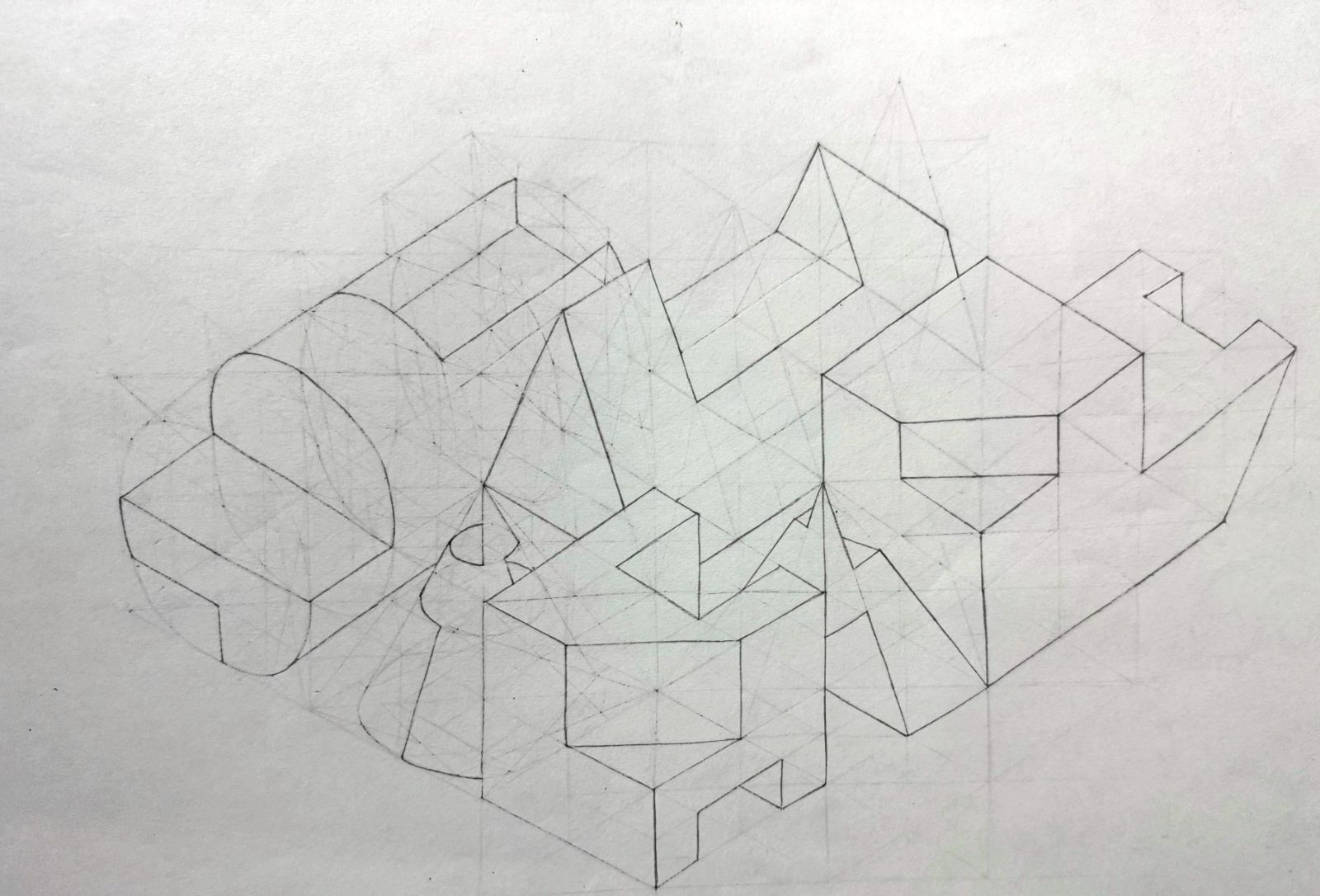
Drafting was introduced in this module. For the first time, we worked with tools and learned how to design several perspectives of a three-dimensional composition, such as the plan view, the front elevation, the left and right elevation, the views at 30 and 45 degrees, etc

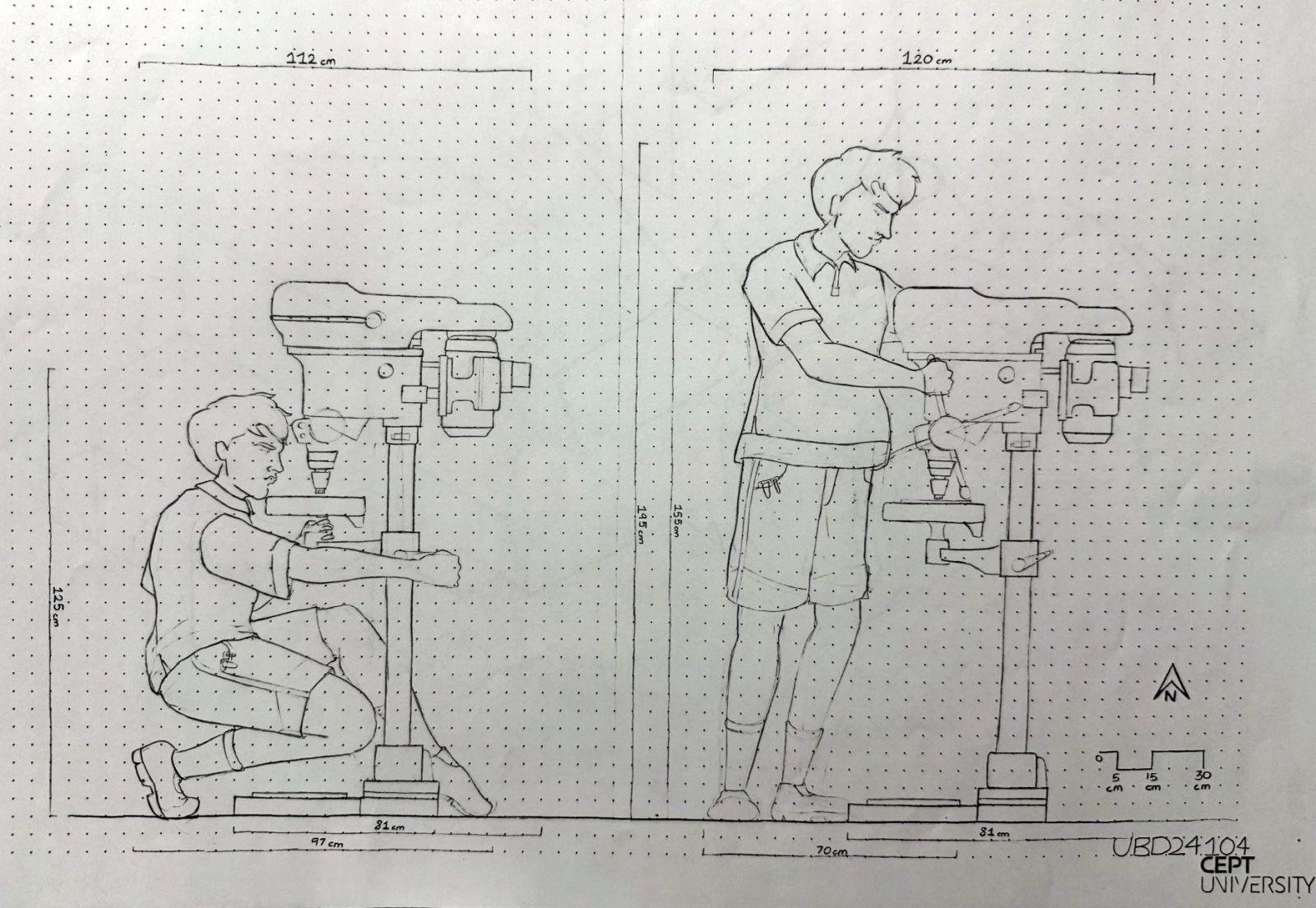
I used my body as a measuring instrument to measure the objects, rooms, and open space as part of the "Gauging Sizes" module. I then made drawings and elevations of the items. The initial section of the module measured walking speed and body composition in order to estimate objects and space. Using both gauged and real measurements, the body units are converted to actual dimensions and shown in 1:25 or 1:50 scale once the space has been surveyed. I learned that I can measure the space around me with only my body and don't require tape or any other tools during the entire size estimation procedure

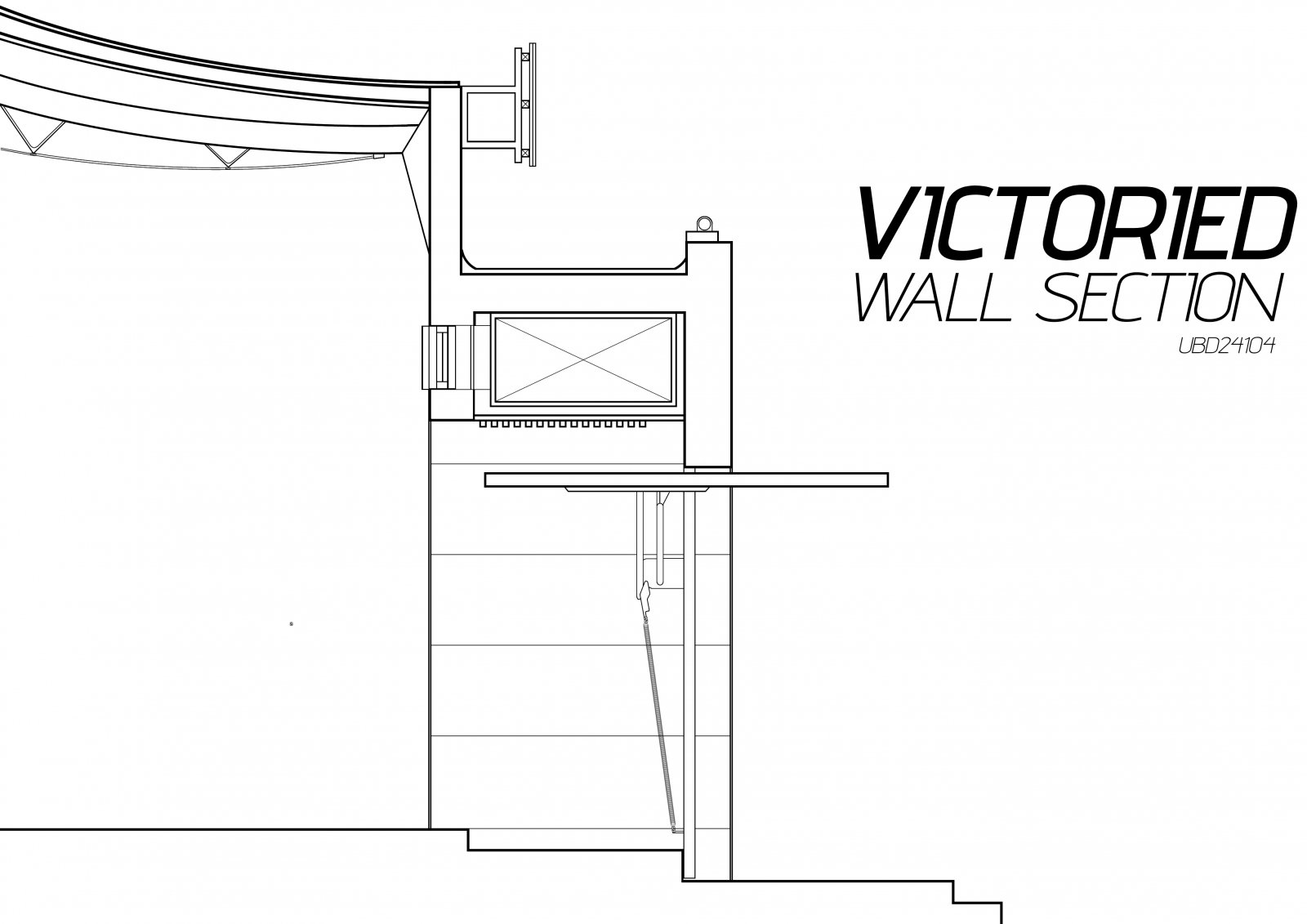
We were given a wall section to record and find details and then had to present it as part of the Documenting and Presenting module. To prevent angle errors, we first used the triangulation method to measure the location. After measuring the whole wall, we created a set of drawings that included site sections, plans, and elevations. I also sketched a part of the wall to better comprehend the structural intricacies. We then created a sectional model of the location for the depiction as it gives one a notion of its size.

.

The Freehand Drawing module included activities that improved my hand-eye coordination and cognitive capacity. As the name implies, freehand sketching challenged me to construct lines, shapes, forms, and assemblages using just a wooden pencil and no further equipment, such as an eraser. This entire program helped me improve my hand control so I could draw shapes and straight lines without making any mistakes. Drawing straight lines with the same intensity in both horizontal and vertical directions, as well as a gradient of intensities, was the first task in the module.

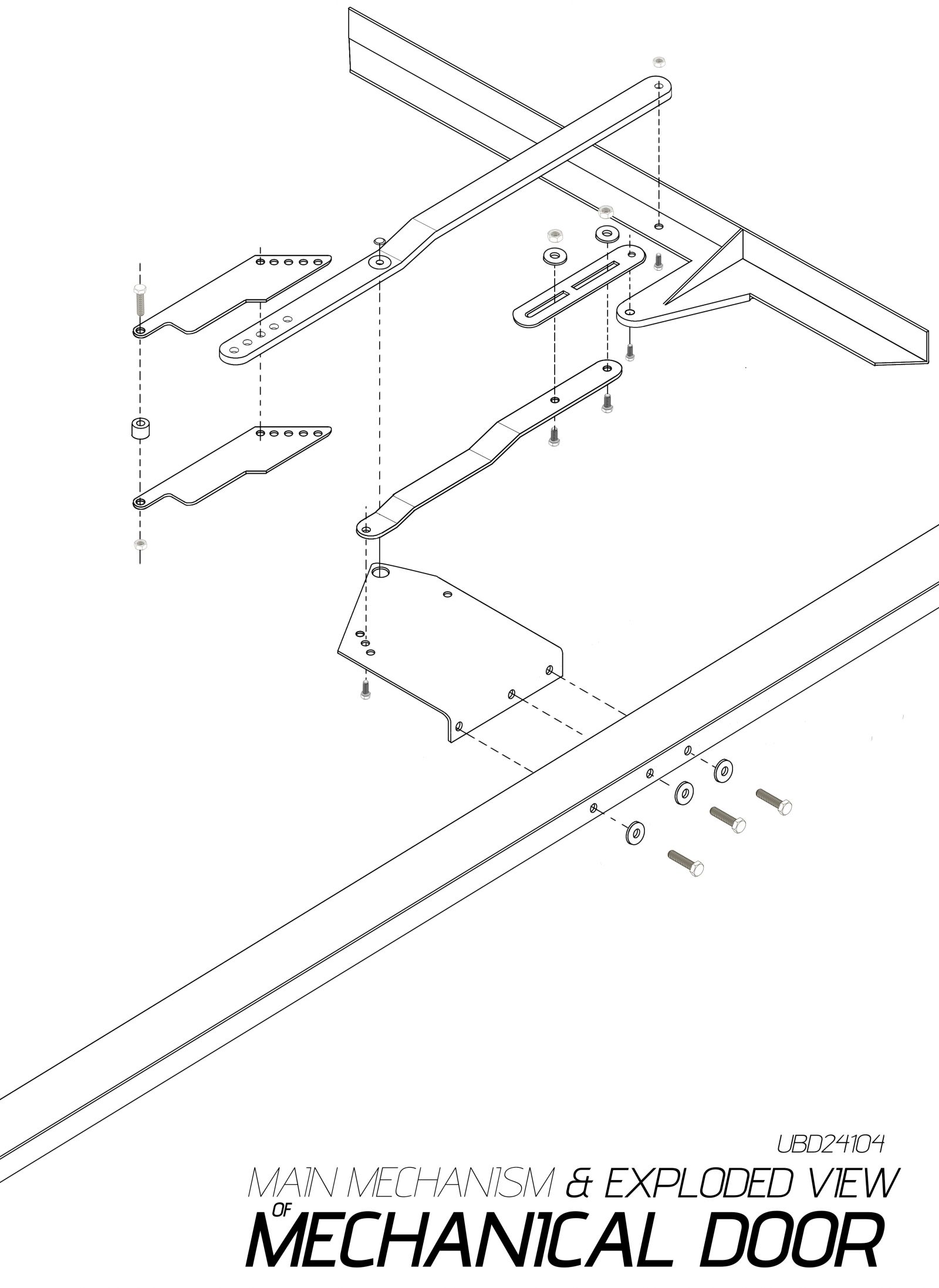
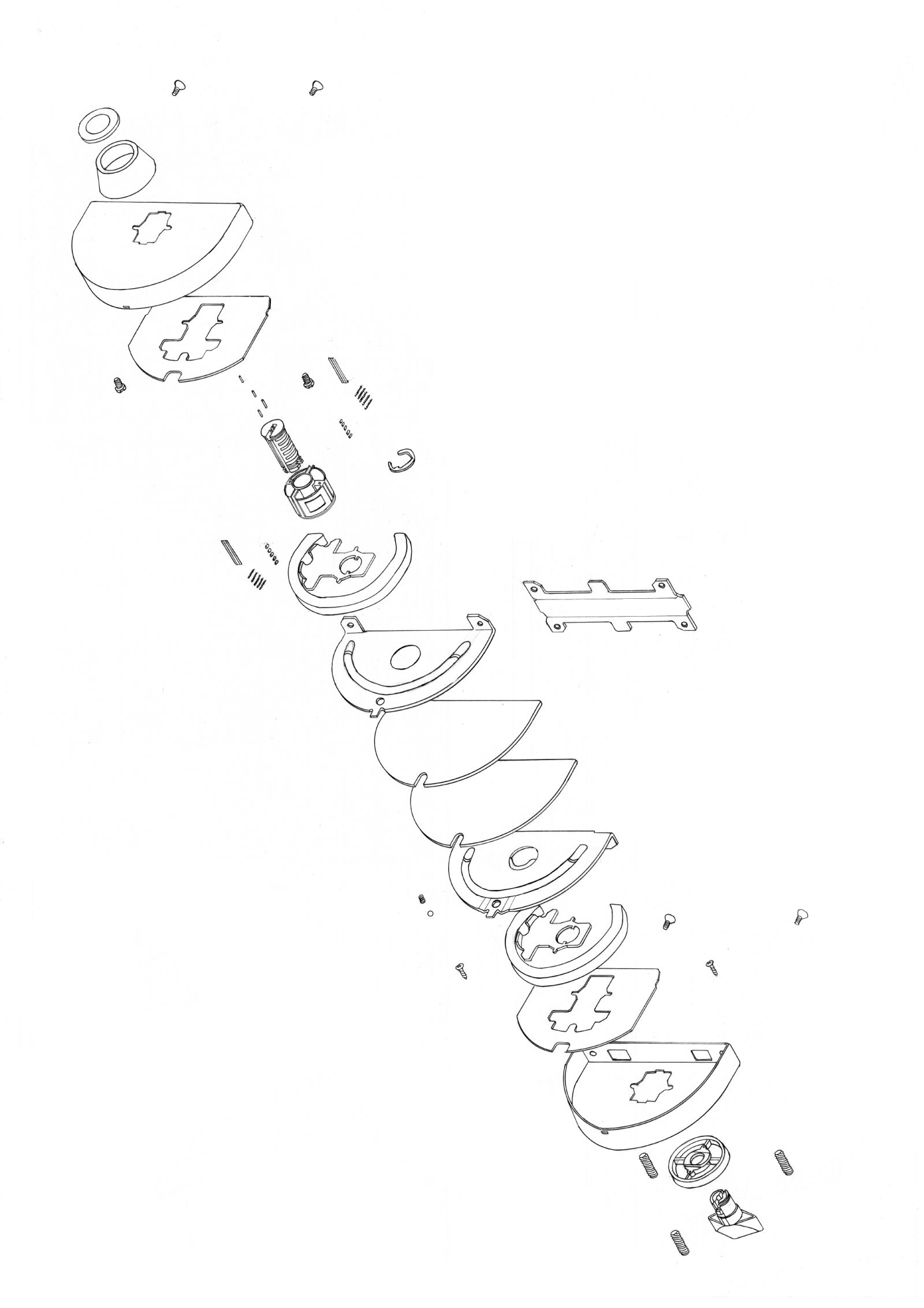
As part of the "How Things Work?" module, I worked on creating an exploded visualization of the mirror door lock so that I could better comprehend its parts and operation. Disassembling the parts that comprised the whole mirror door lock was the first task in the module. I then measured each component and, depending on its size, sketched it at a set angle on a 1:1 or 2:1 scale. I was able to establish a central axis as a result. The parts must be shown in a way that makes it obvious how they should be put together. Additionally, one may comprehend the specifics, the purpose of each component, and how the lock works by examining the illustrations.

.