Delina Leichal Raajkumari

CFP001

UBD24137

The CEPT Foundation Programme studio is an introduction for students fresh out of school to the rigor and work habits required by an undergraduate degree at CEPT University. The studio is conceptualized as a series of sequentially planned exercises, through which students develop skills and abilities, which are then deployed to address increasingly complex problems falling into four broad categories: visualize and draw, make and learn, analyze and interpret and conceptualize and represent. The exercises are designed to provide both common and allied foundational skills for students across disciplines at CEPT, between which they maintain a balance.The studio is taught through intensive weekly modules, focusing on a particular skill or ability, and a process that emphasizes ongoing discussion and feedback in addition to expert faculty lectures.
Report Content

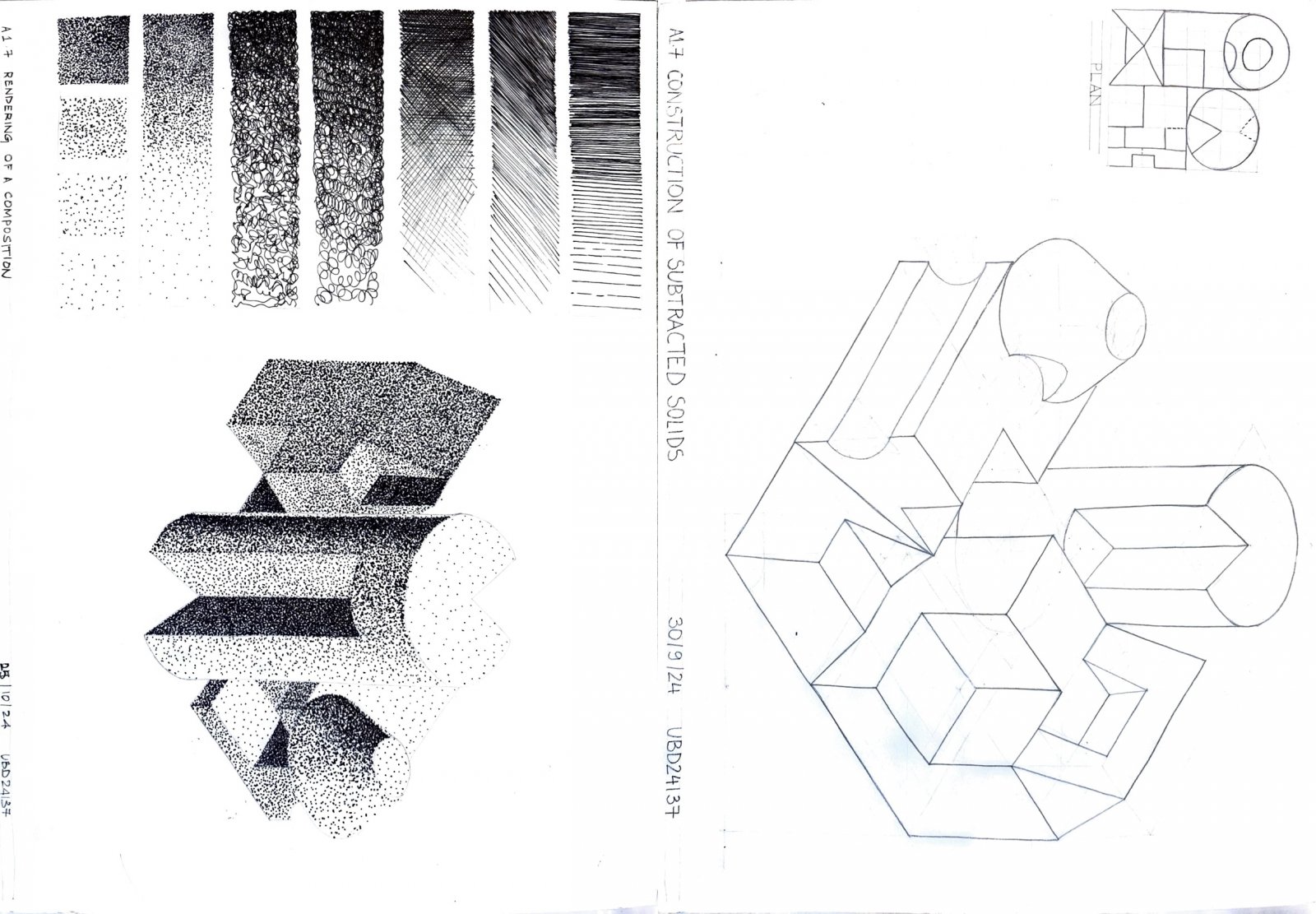
A1. Freehand Drawing The first module built foundational skills in line work, precision, and spatial awareness. Through observation, I explored form, light, and shadow, enhancing my ability to deconstruct complex shapes and understand visual relationships.

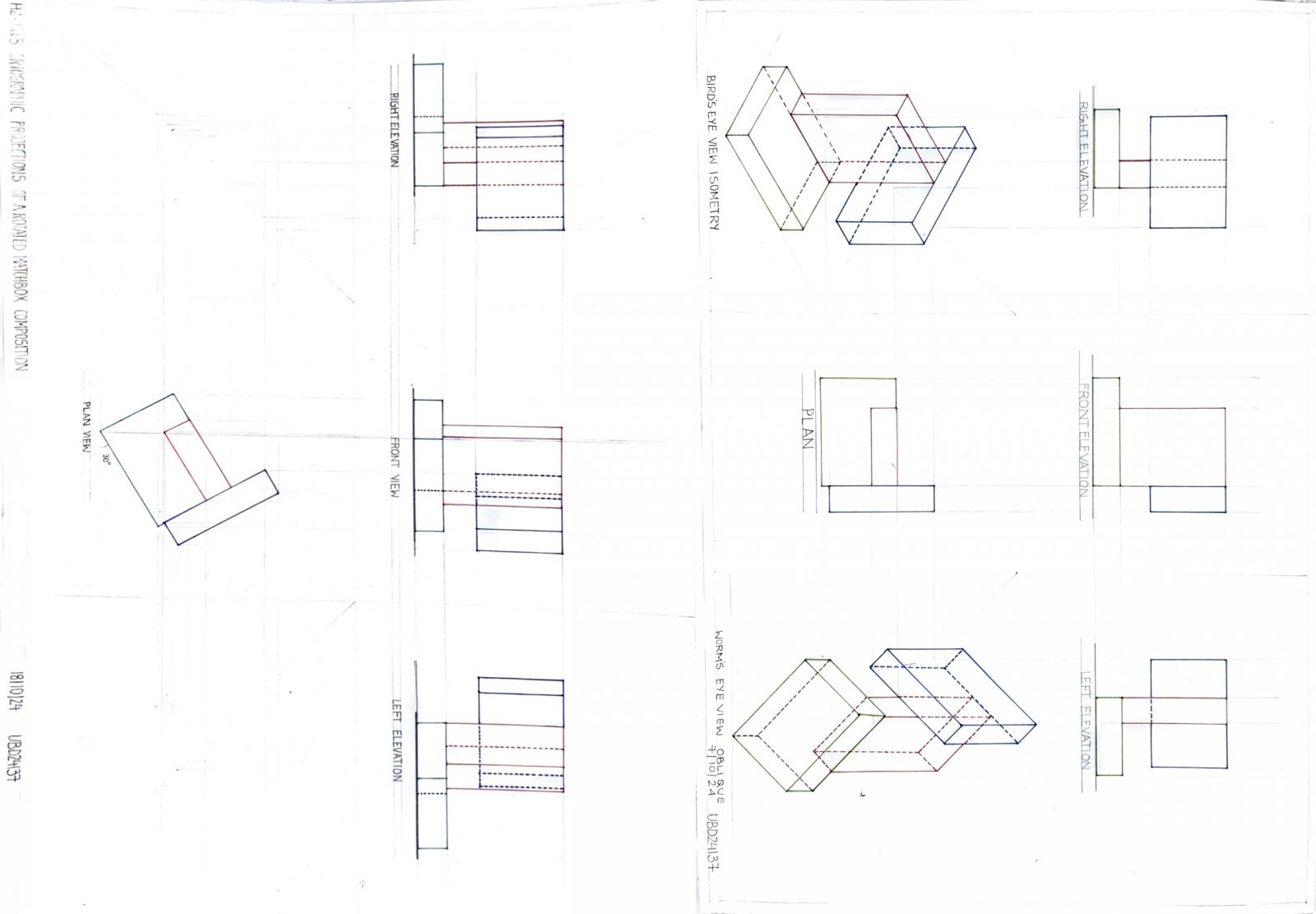
A2. Technical Drawing This module highlighted the role of observation in drafting, focusing on shapes, proportions, and details. From simple matchbox compositions to assemblages, I learned to break down complex forms into basic structures and translate them accurately onto paper. While an introduction to technical drawing, the observational skills gained laid a strong foundation for precisely representing intricate structures.

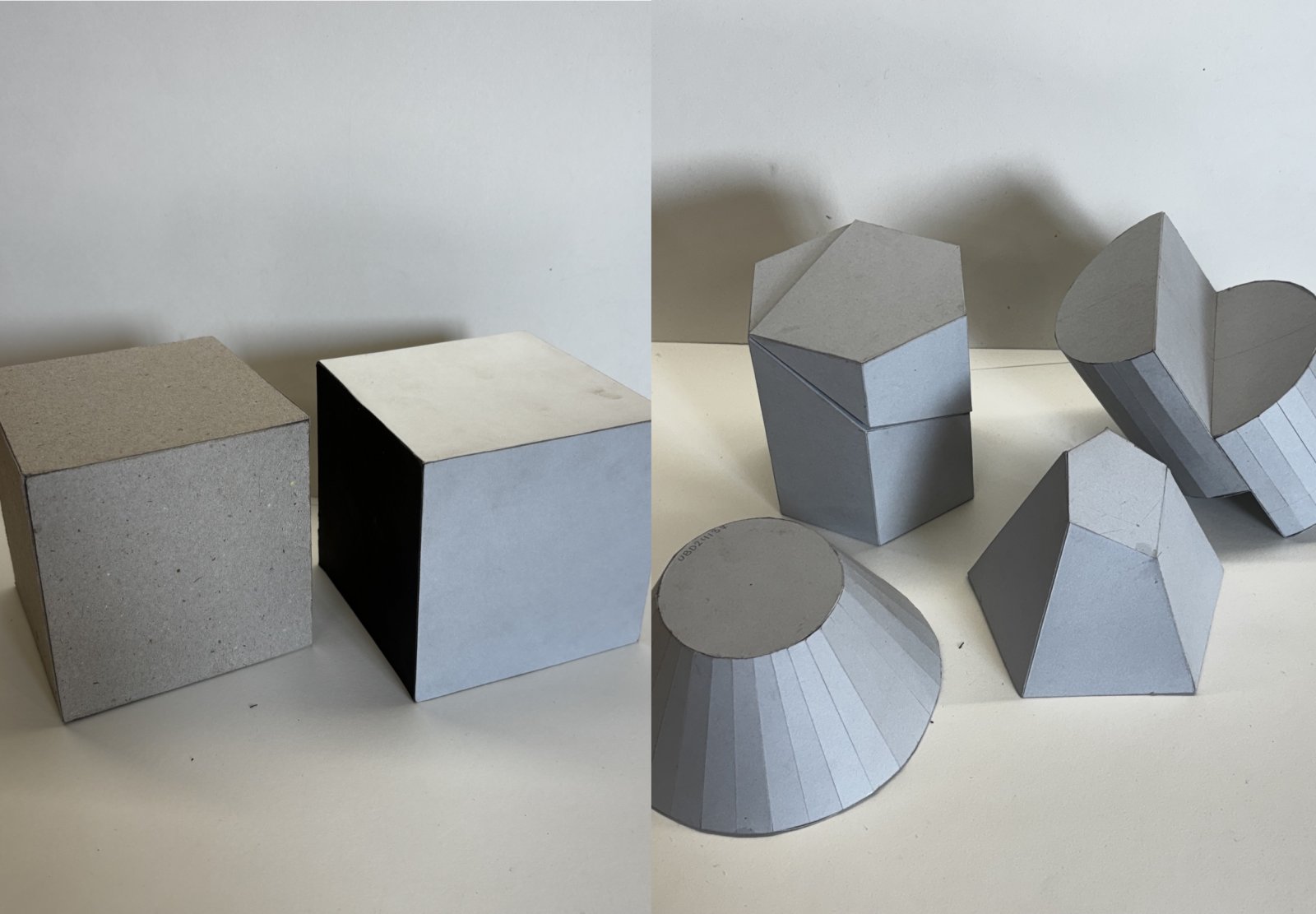
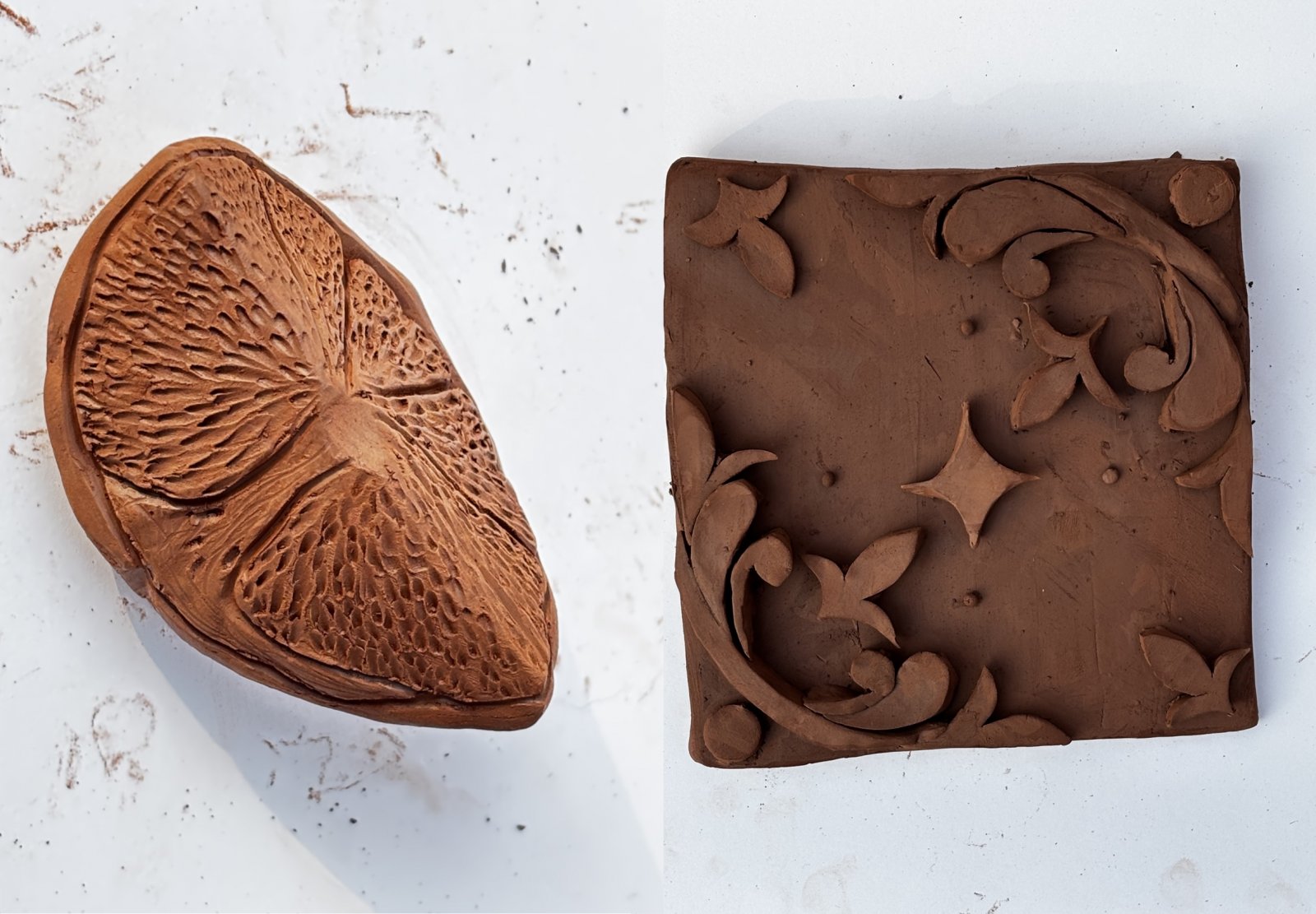
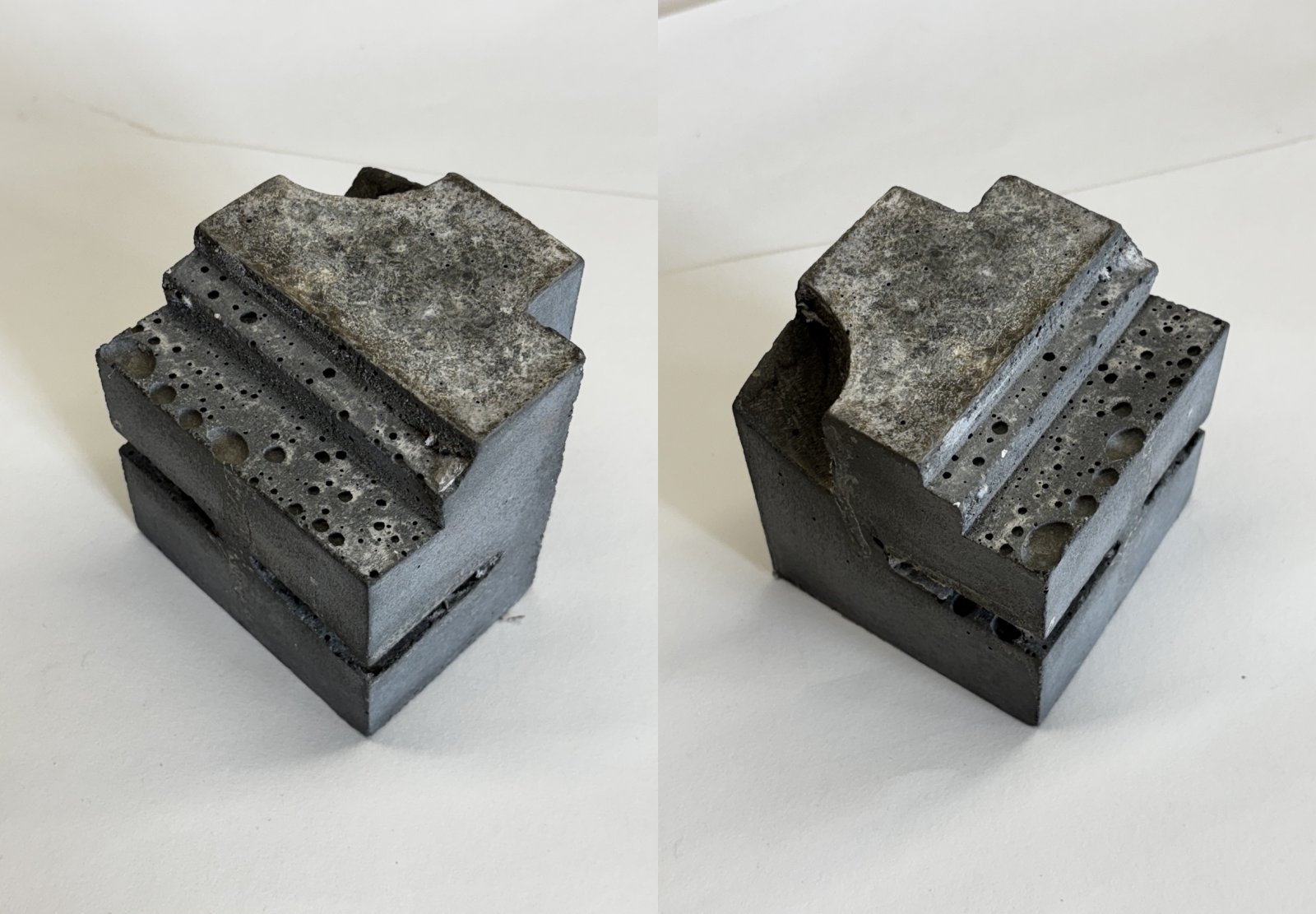
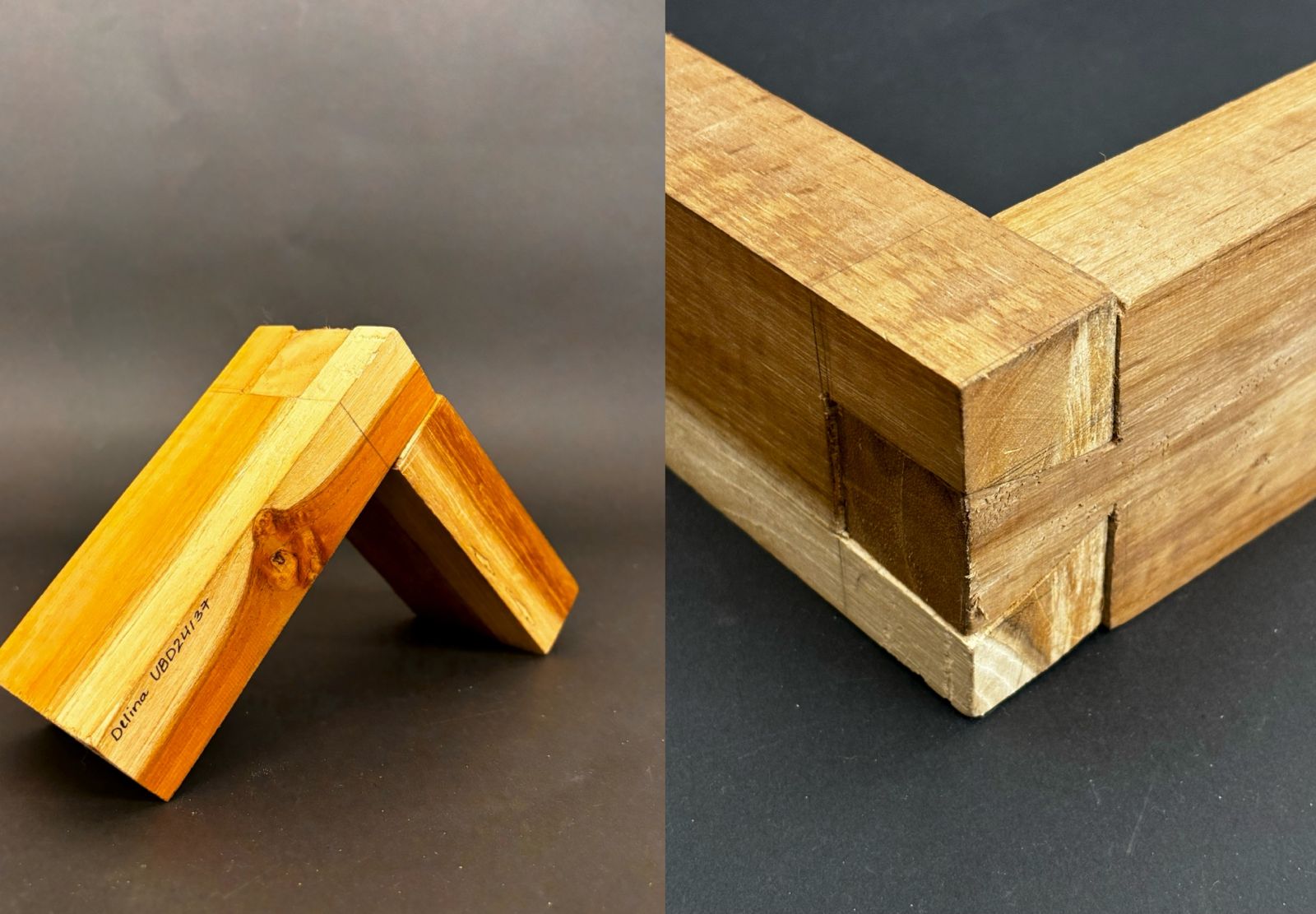
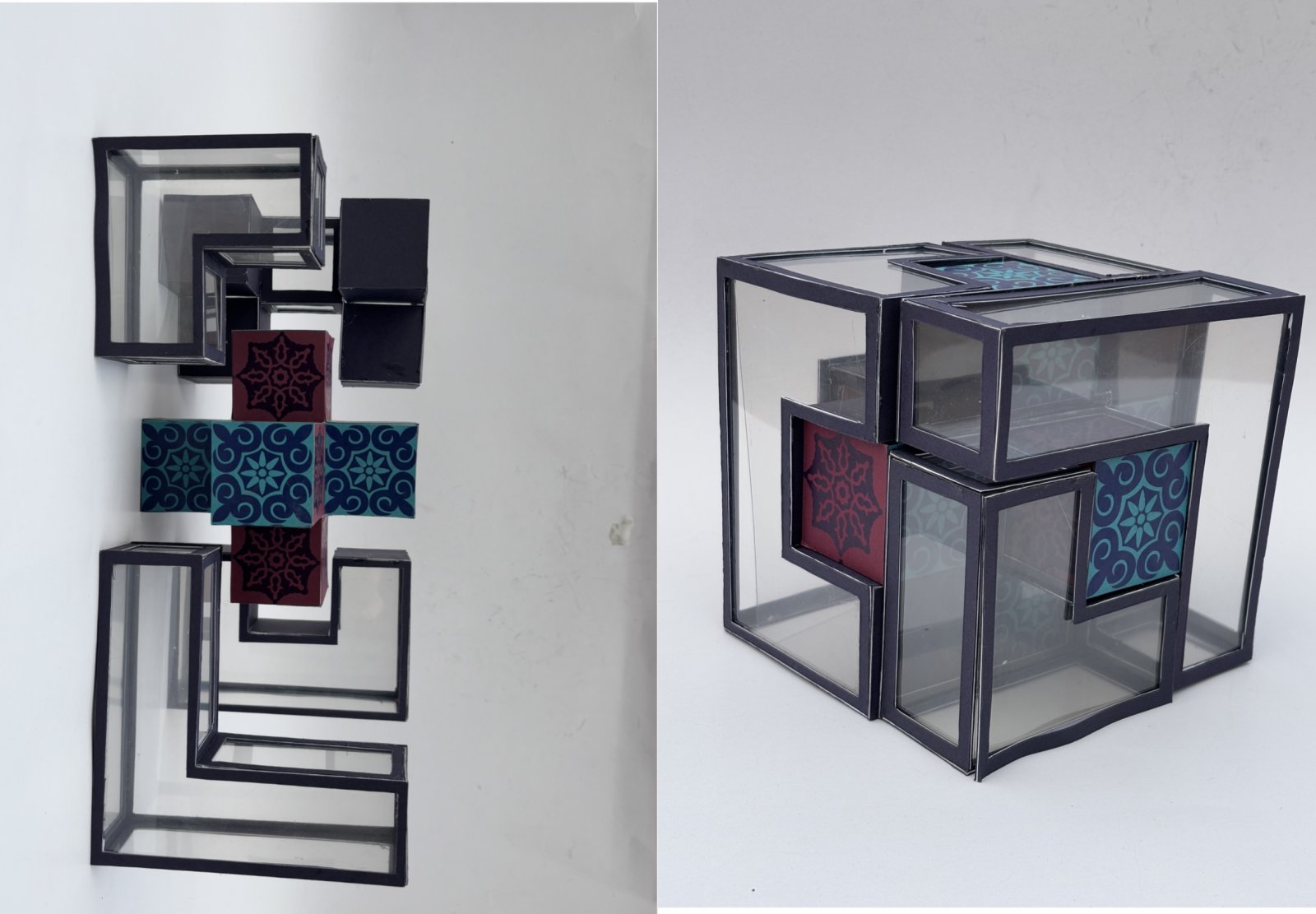
C3. Model Making Exploring various materials to understand how to shape and manipulate in various forms, model making as a module explored how form can take shape through diverse methods and techniques while keeping in mind how materials interact with one another

C1.2a Making a Cube, C1.1 Surface development of subtracted solids

C1.3b Making of clay forms

C1.3a Casting of micro concrete

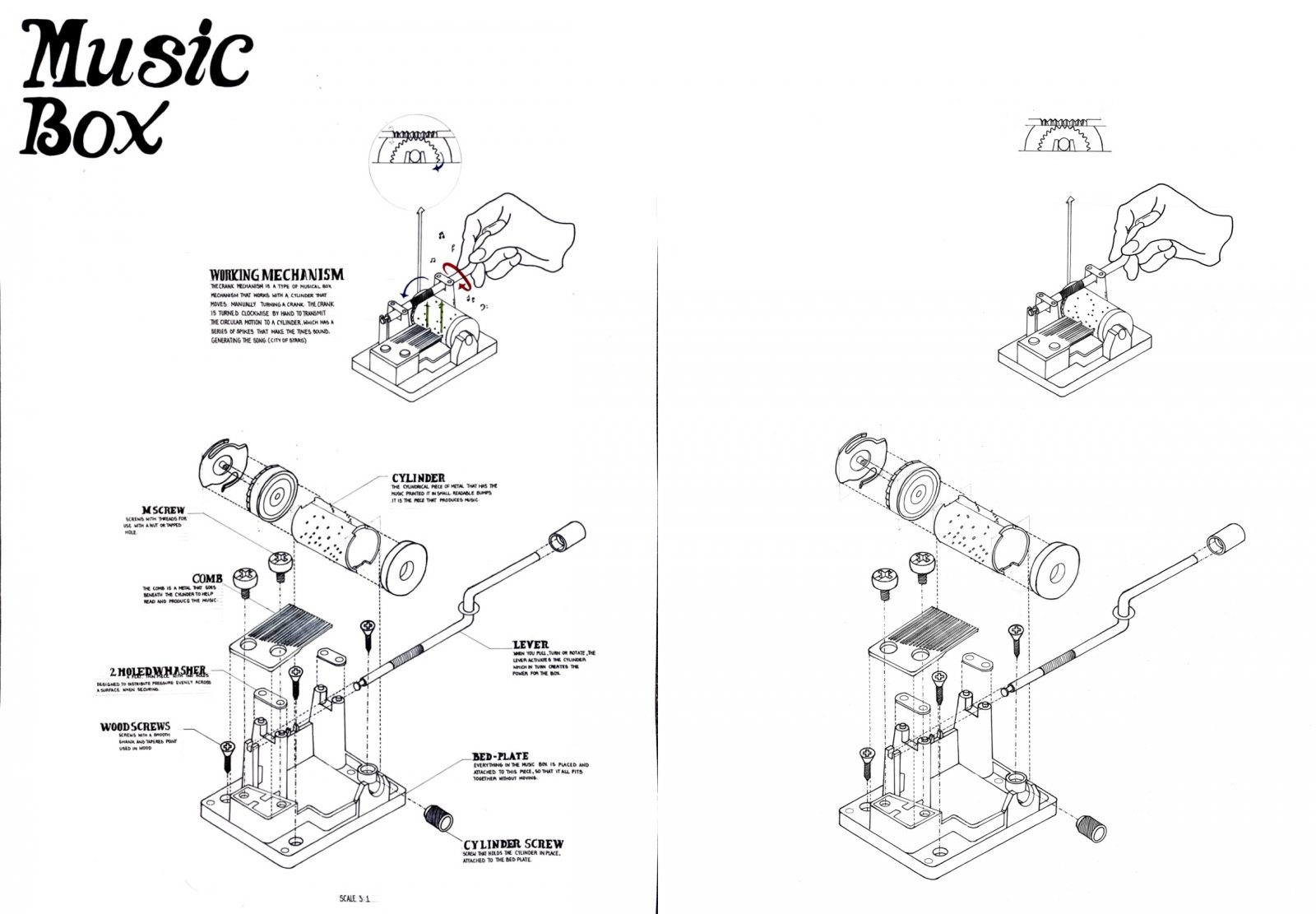
A3. How Things Work The How Things Work Module emphasises observation to understand design and functionality. By disassembling a music box, I uncovered intricate details—gears, pins, and mechanisms—showcasing meticulous craftsmanship. This process highlighted how every small component plays a crucial role in its operation, deepening my appreciation for thoughtful design.

A3. How Things Work The How Things Work Module emphasises observation to understand design and functionality. By disassembling a music box, I uncovered intricate details—gears, pins, and mechanisms—showcasing meticulous craftsmanship. This process highlighted how every small component plays a crucial role in its operation, deepening my appreciation for thoughtful design.

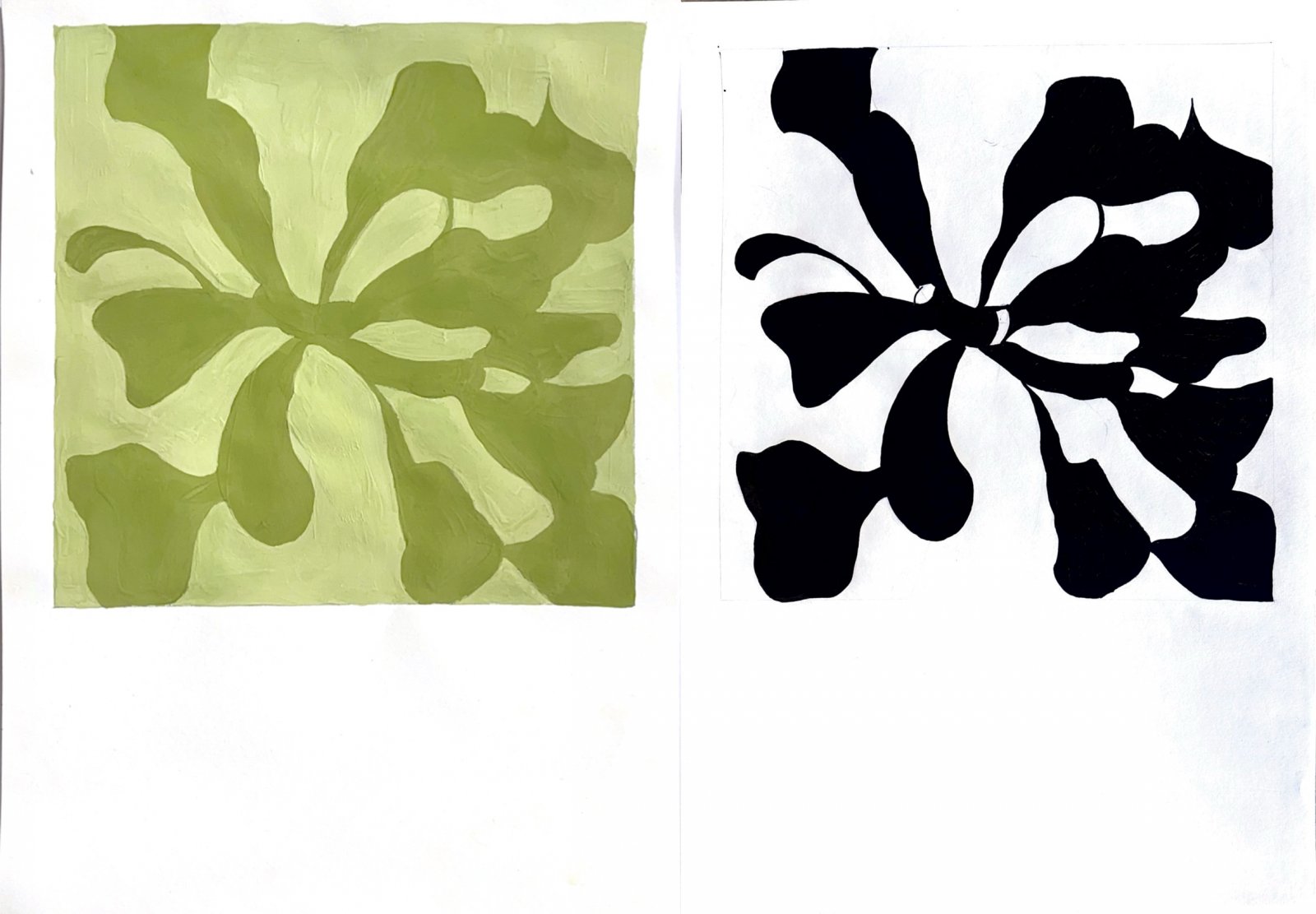
BD2. Visual Interpretation The Visual Interpretation module emphasized observation in visual communication, exploring shapes, colors, textures, and composition. By studying fruits and flora, I applied design principles to create abstract visuals, refining aesthetic appeal. This shift from precision to creativity highlighted how observation bridges practicality with artistry, enhancing conceptual expression.

BD2. Iterations of posters for Visual Interpretation