Aanya Saurin Shah

CFP001

UUR24148

The CEPT Foundation Programme studio is an introduction for students fresh out of school to the rigor and work habits required by an undergraduate degree at CEPT University. The studio is conceptualized as a series of sequentially planned exercises, through which students develop skills and abilities, which are then deployed to address increasingly complex problems falling into four broad categories: visualize and draw, make and learn, analyze and interpret and conceptualize and represent. The exercises are designed to provide both common and allied foundational skills for students across disciplines at CEPT, between which they maintain a balance.The studio is taught through intensive weekly modules, focusing on a particular skill or ability, and a process that emphasizes ongoing discussion and feedback in addition to expert faculty lectures.
Report Content

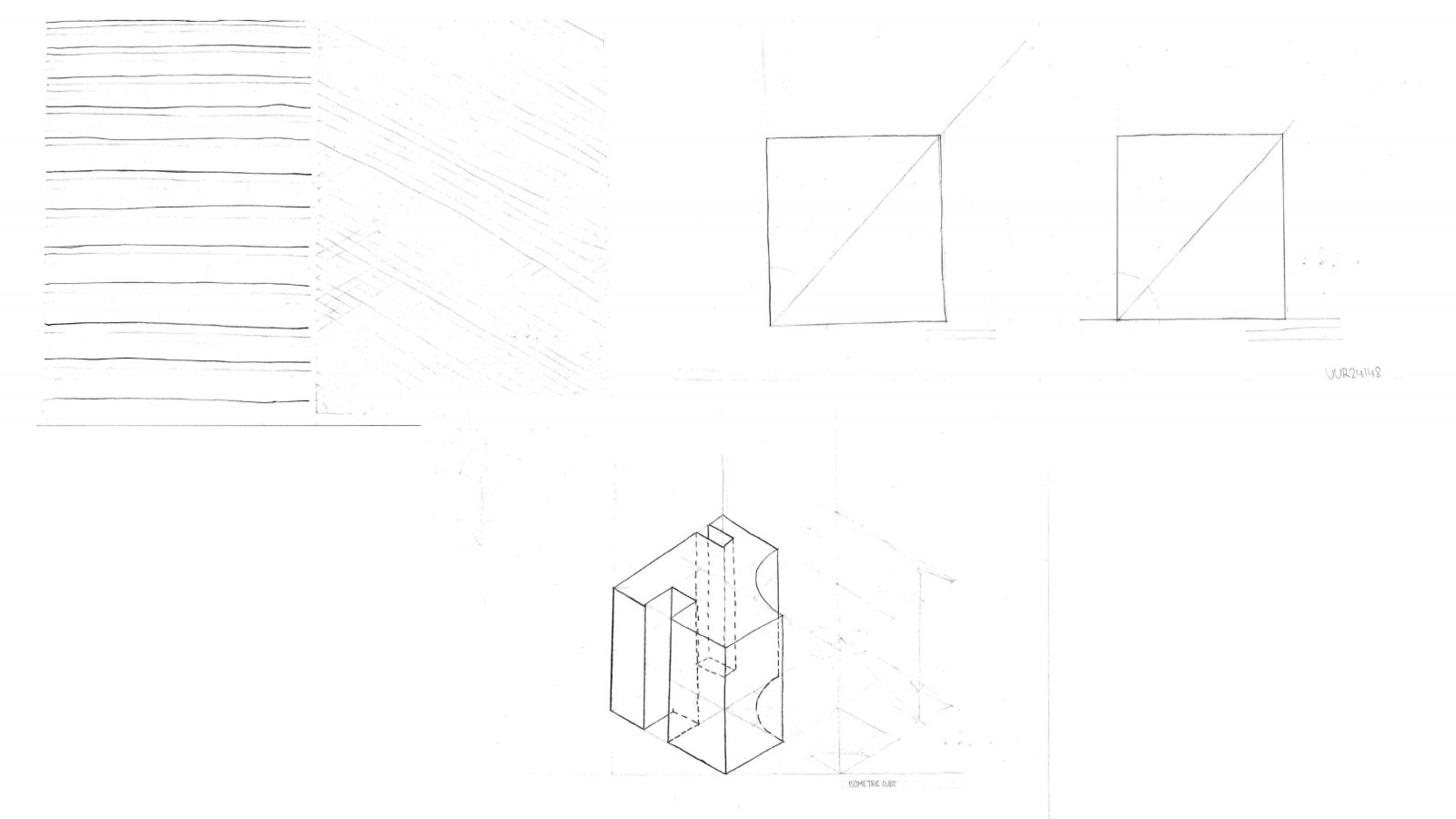
The freehand drawing module helped me hone my observational skills, capturing basic lines shapes, forms and textures with clarity and accuracy.Through repetitively practicing these basic skills like drawing lines and shapes and understanding the use of different line weights and types I learnt how to represent my drawings in a readable way. The feedback I received highlighted the importance of proportion and line quality for me to accurately represent my visualization through observational drawing.

By building on these foundational skills, the technical drawing module expanded my understanding of visualization of complex figures by introducing perspective in orthographic and isometric projections of real life shapes and forms curated by myself. These helped me deepen my understanding of perspective and spatial relationships between real world objects like shown in the matchbox projection sheets

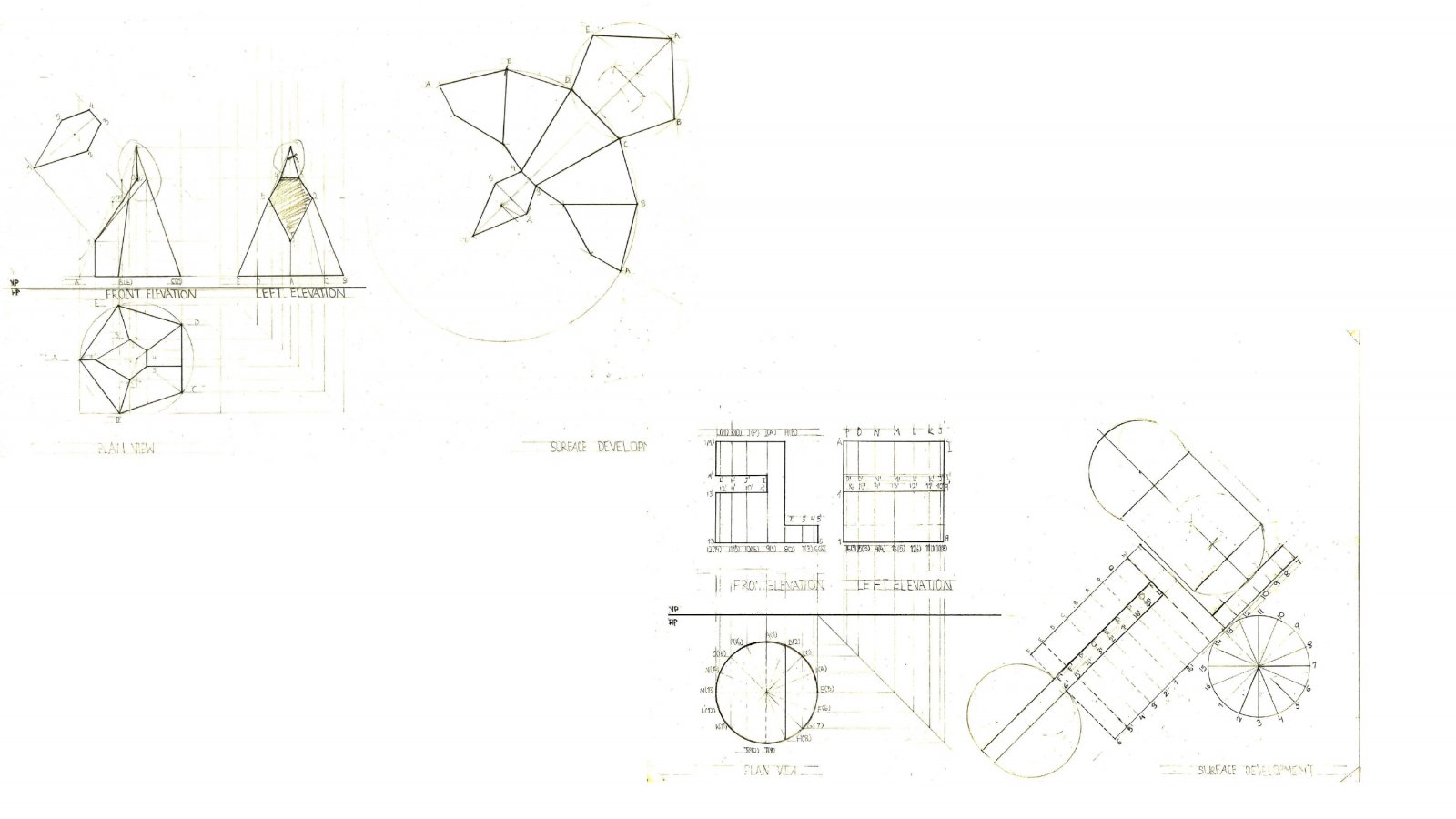
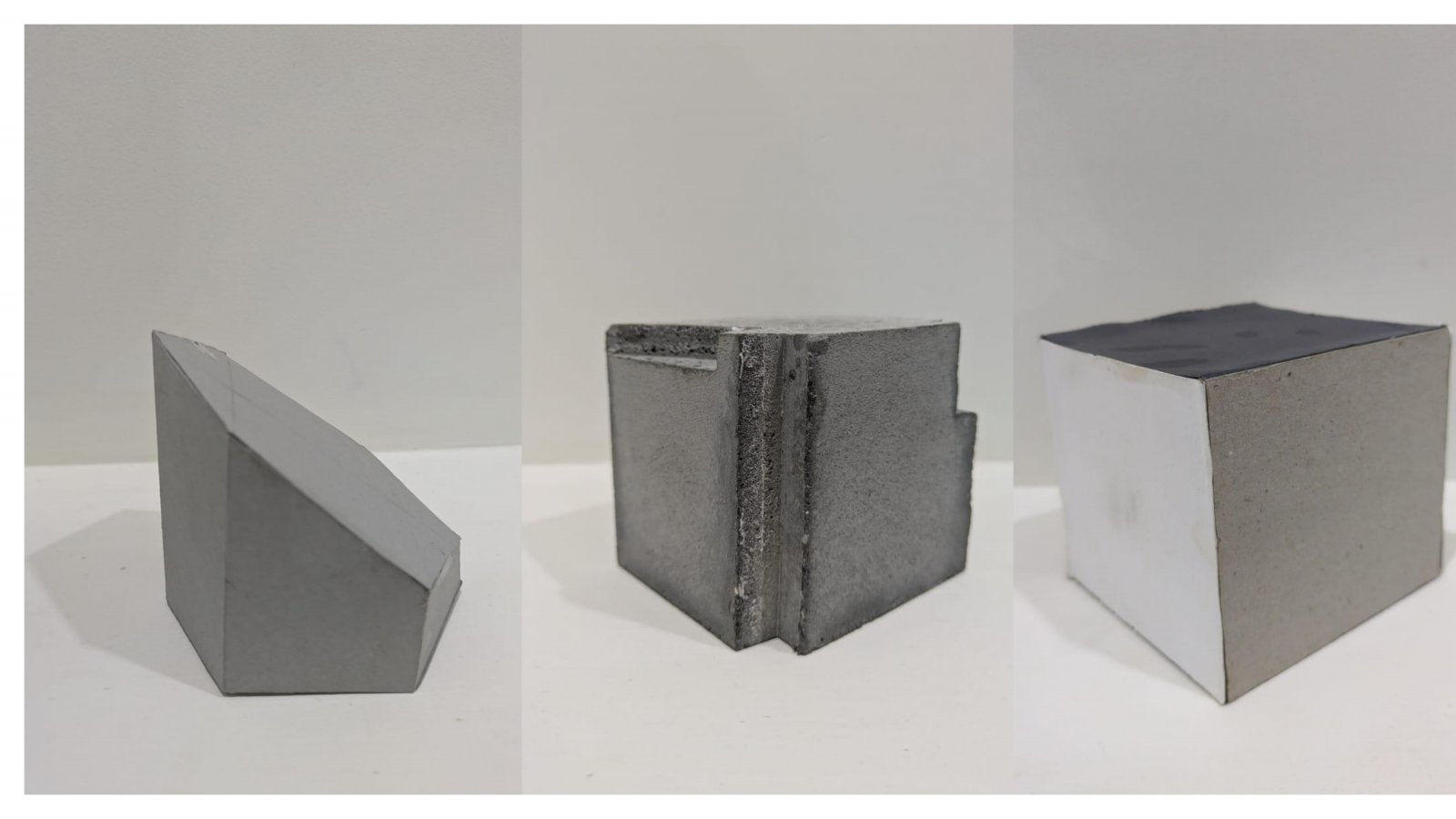
T he model making exercise utilized my ability to articulate my ideas in 2d forms to conceptualize and represent them in 3d forms by creating ideation sheets and practice models as a start. For example, to create the microcement cube I utilized my skills of line weights, types and isometric and orthographic models to create an ideation sheet which showed clearly how all my subtractions would look for the mold of the cube as shown in the sheet provided. This made it easier to execute making the mold through readable guidelines I had created. Similarly the how things work module utilized my skills to project complex shapes in isometric views and create projections to represent my object in a detailed manner where all of its parts could be seen and showcased in max imum detail. My observation skills were utilized to capture minute details like the number of spokes on a wheel and my visualization skills were needed to curate a well arranged sheet where my work could be

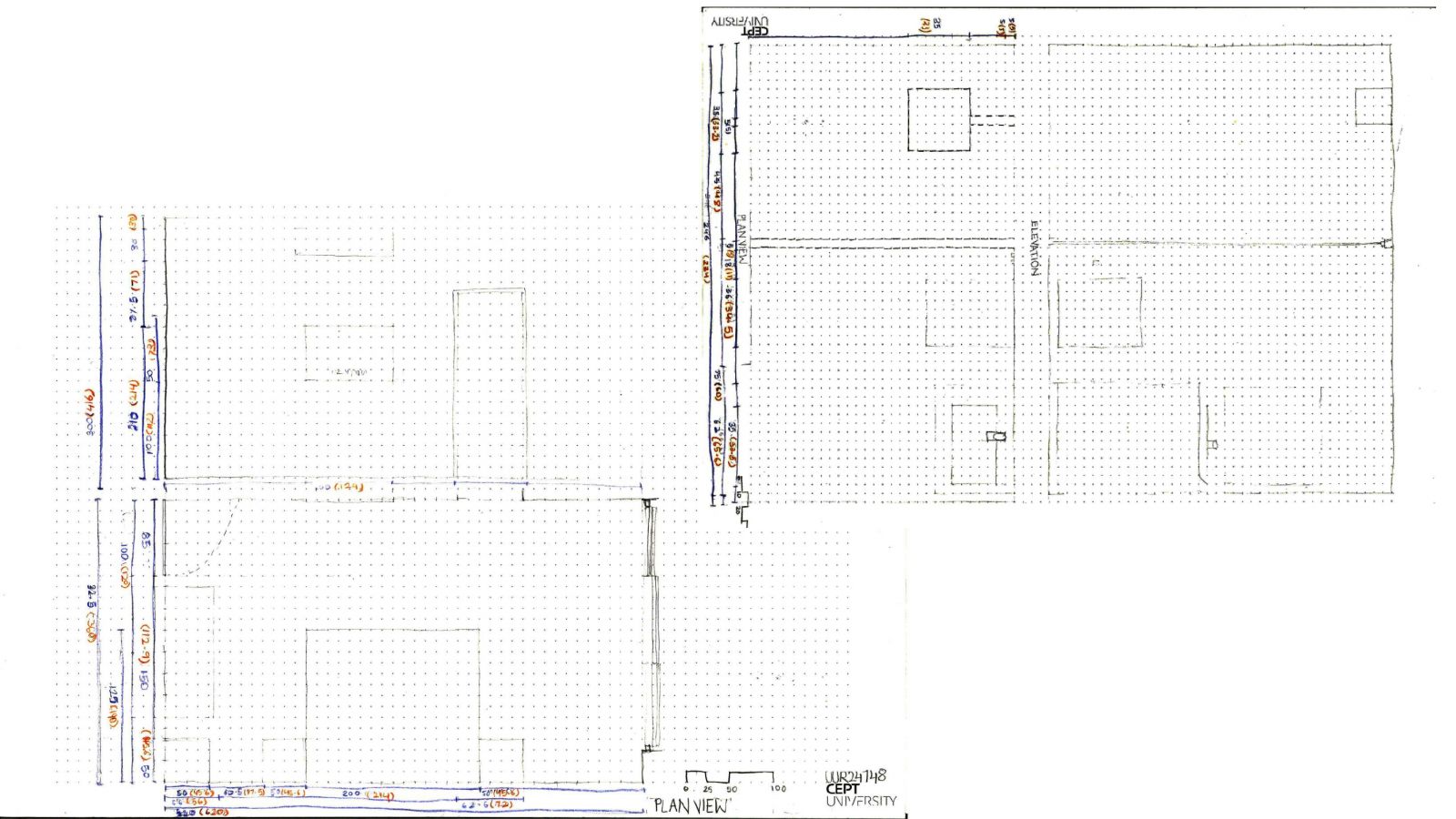
T he gauging sizes exercises utilized my understanding of spatial awareness and proportions to approximate measurements by visualizing them in a timely manner. My ability to create elevations and views of a space helped me represent my findings articulately. The exercise also utilized my visualizations skills to create an articulated sheet which displayed all the information I had gathered and showed all the projections needed to understand the objects and spaces. Due to the scale of the spaces used in this work I had to create my drawing freehand in person while representing them in such a manner that all important details were visible and understandable like the use of line weights and types in my sheet for the elevation and plan of my bathroom.

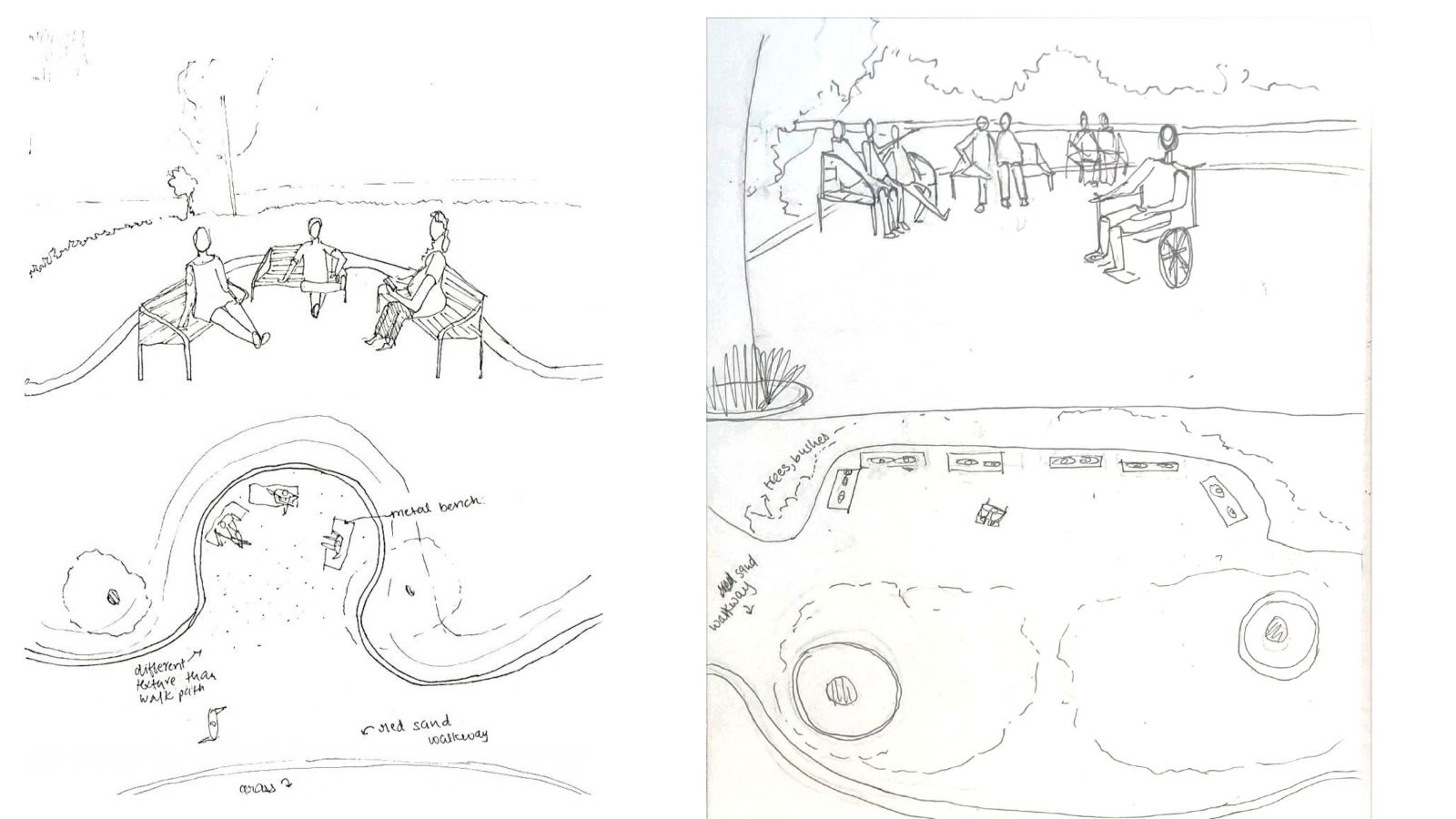
These sketches for the urban observation module helped me recognize , articulate and express the important aspects of an urban environment and the human behaviour aspect of any environment.