Your browser is out-of-date!
For a richer surfing experience on our website, please update your browser. Update my browser now!
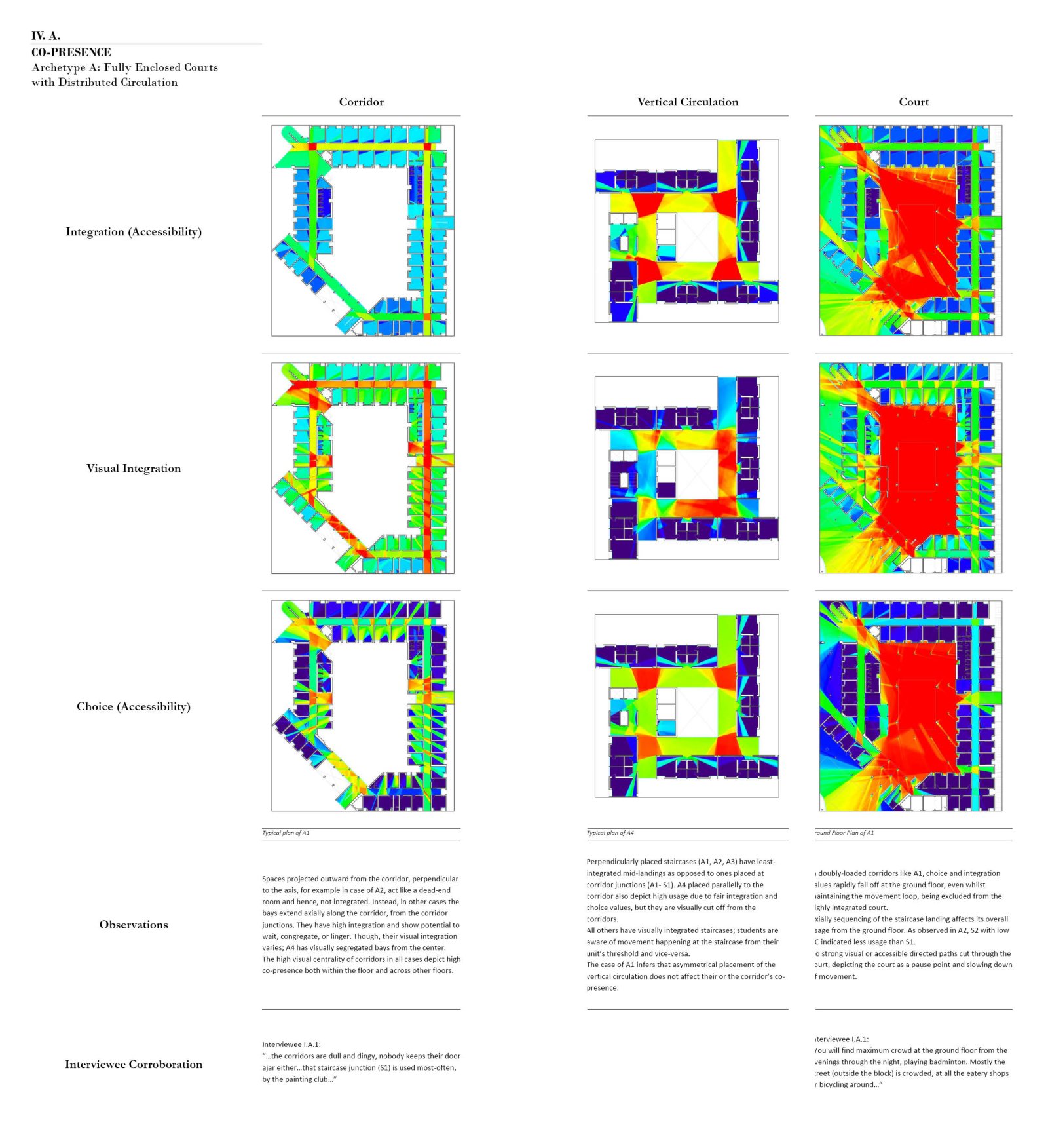
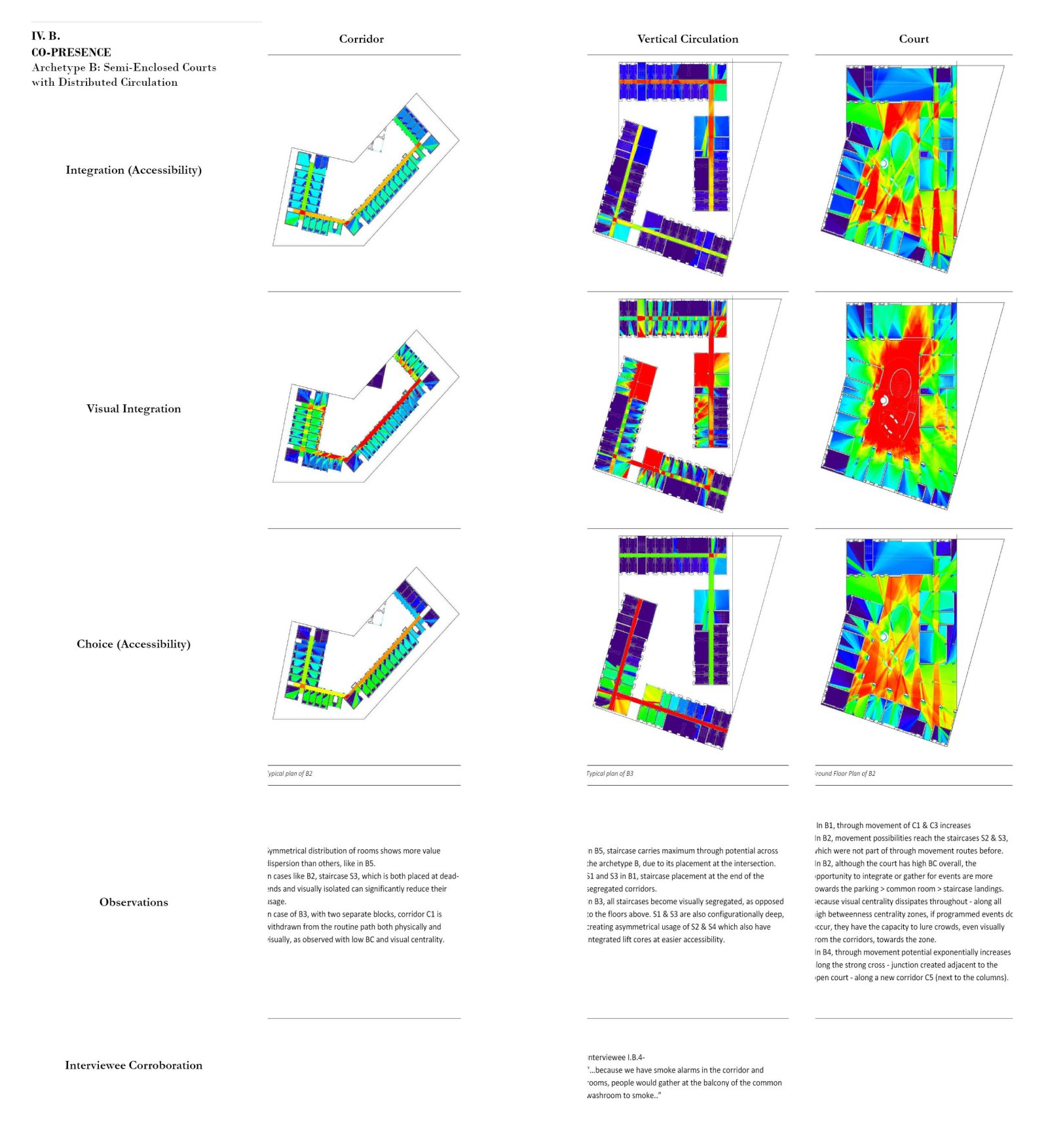
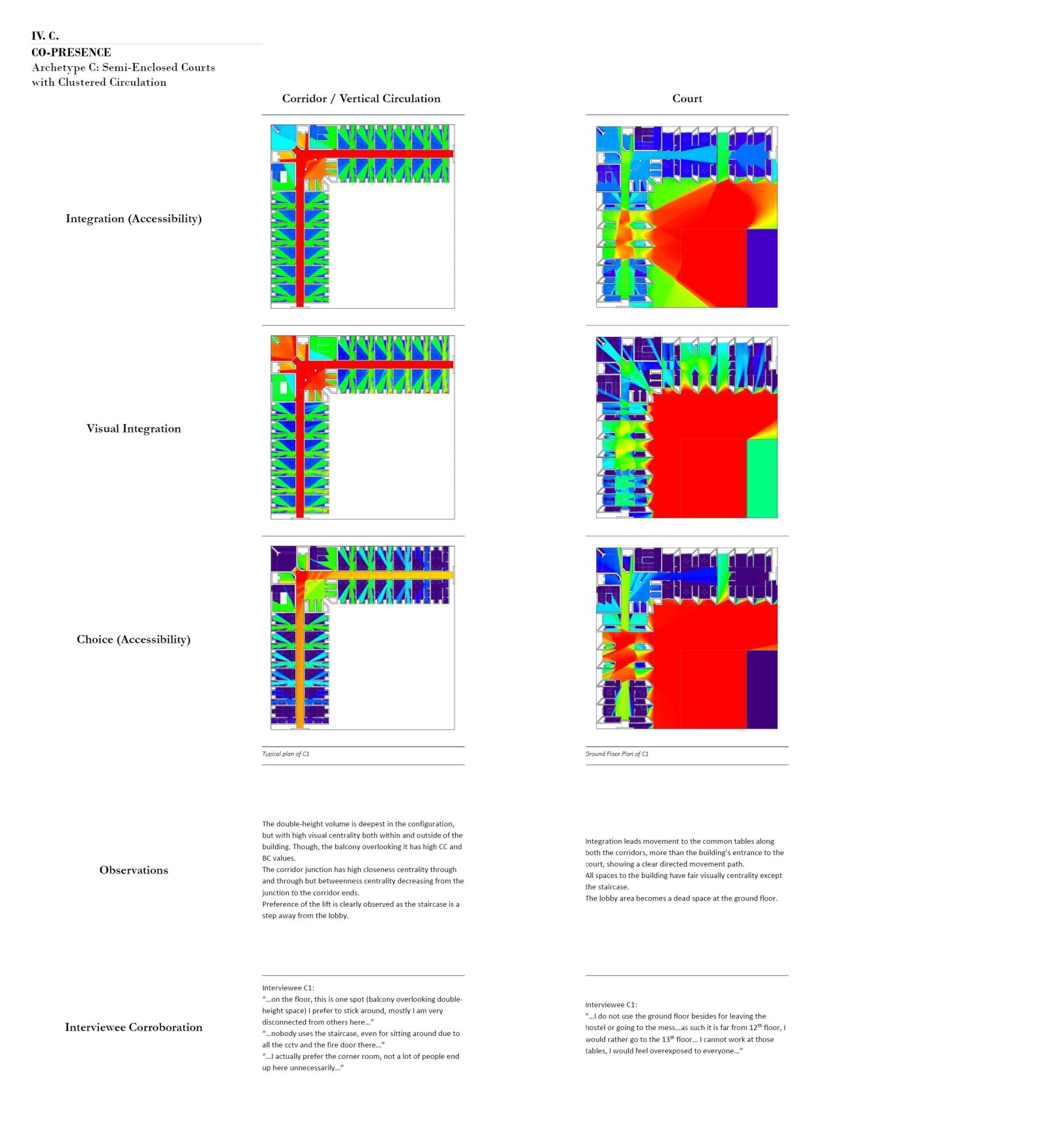
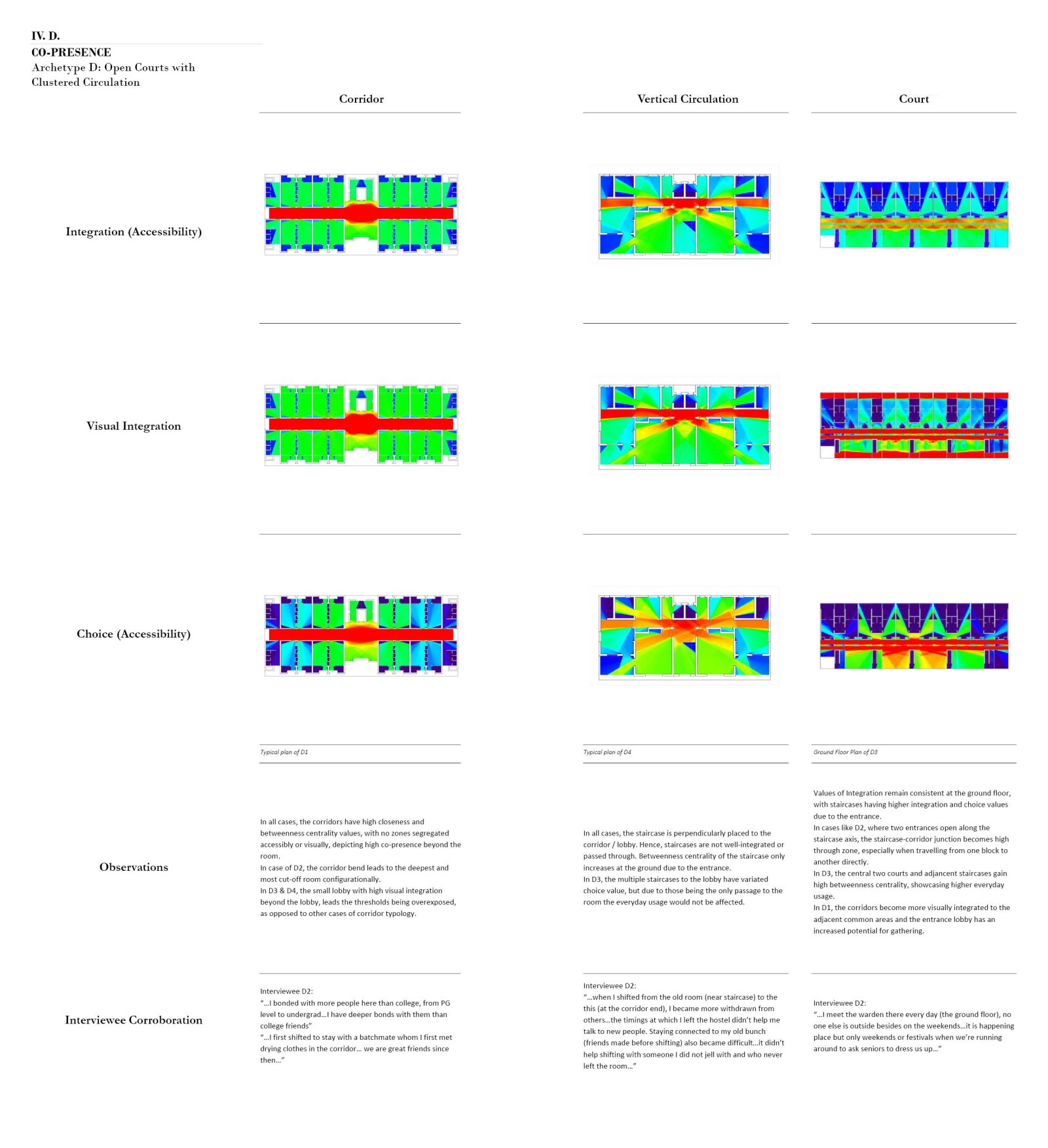
This study examines how hostel spatial configuration shapes co-presence, chance encounters, and selective withdrawal among mobile student populations. Using Space Syntax and Isovist analyses alongside interviews and participatory mapping, it investigates how corridors, courts, stair cores, junctions, and micro-geometries influence movement, awareness, and refuge. Findings show that everyday interactions often emerge in staircase landings, corridor edges, balcony thresholds, and visually buffered niches, which act as probabilistic encounter fields or zones of retreat. By revealing these socio-spatial logics, the study highlights circulation spaces as central interfaces structuring interaction and solitude, urging greater attention to visual configuration in designing contemporary hostels.
View Additional Work