Your browser is out-of-date!
For a richer surfing experience on our website, please update your browser. Update my browser now!
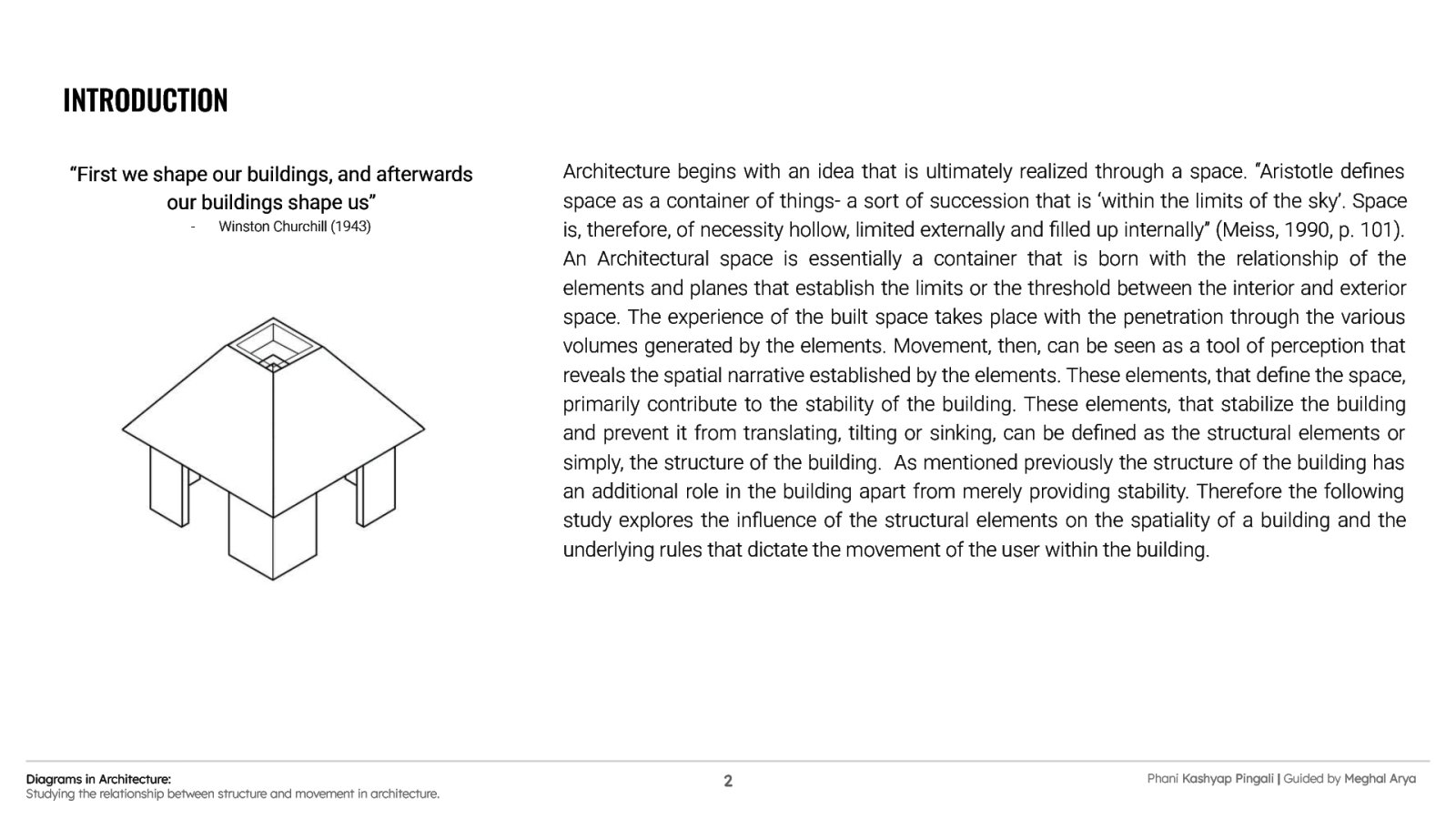
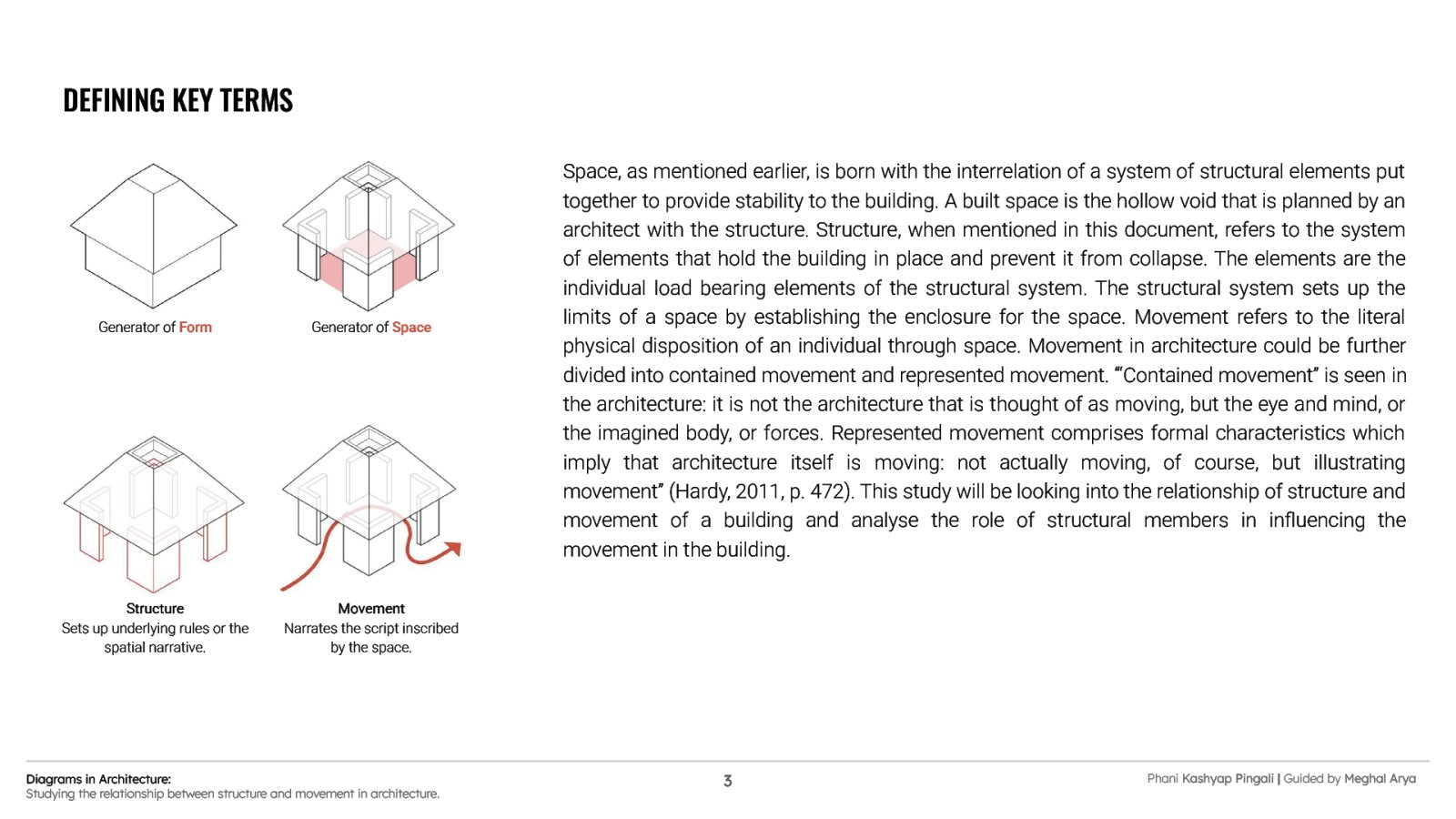
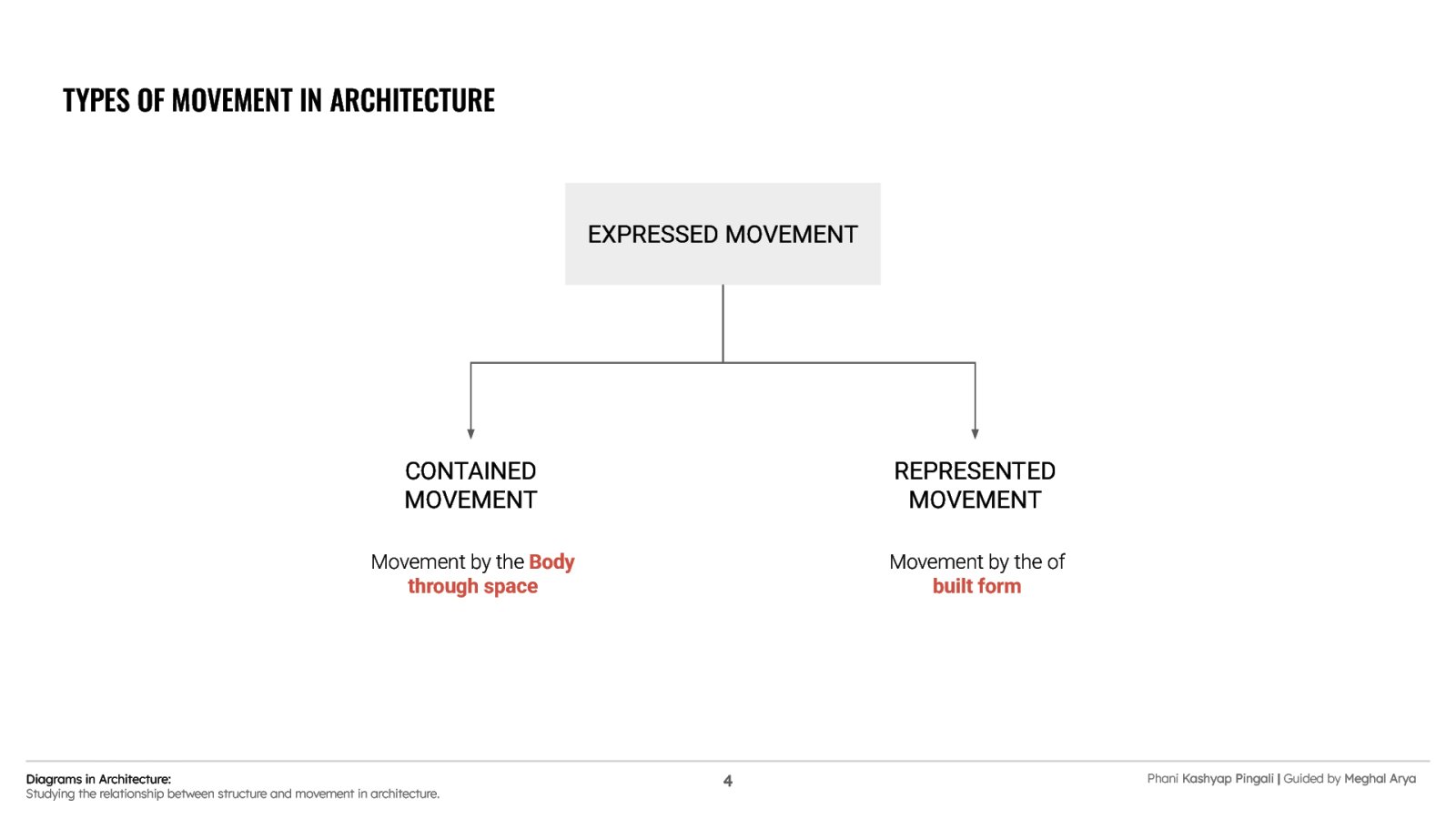
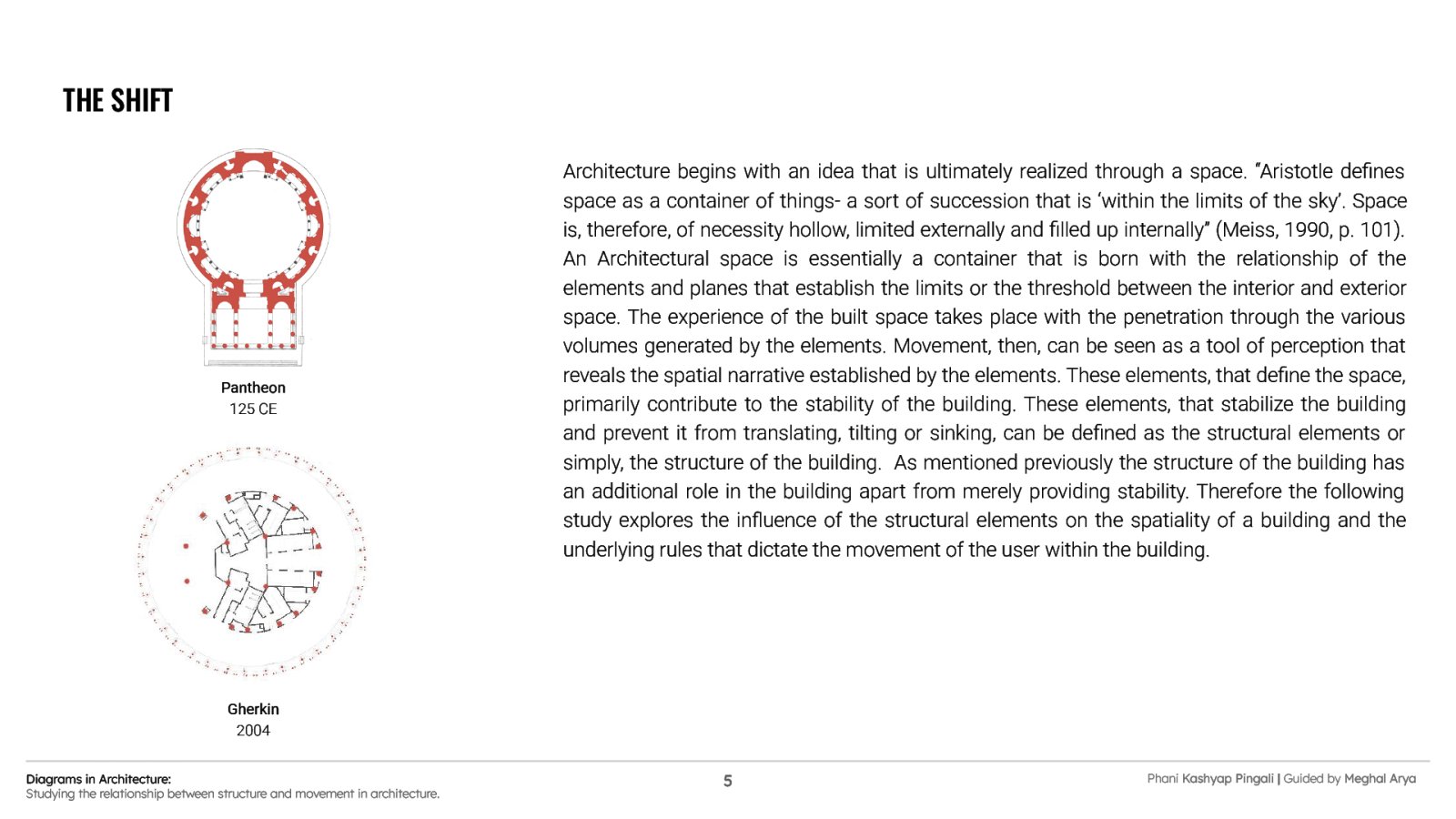
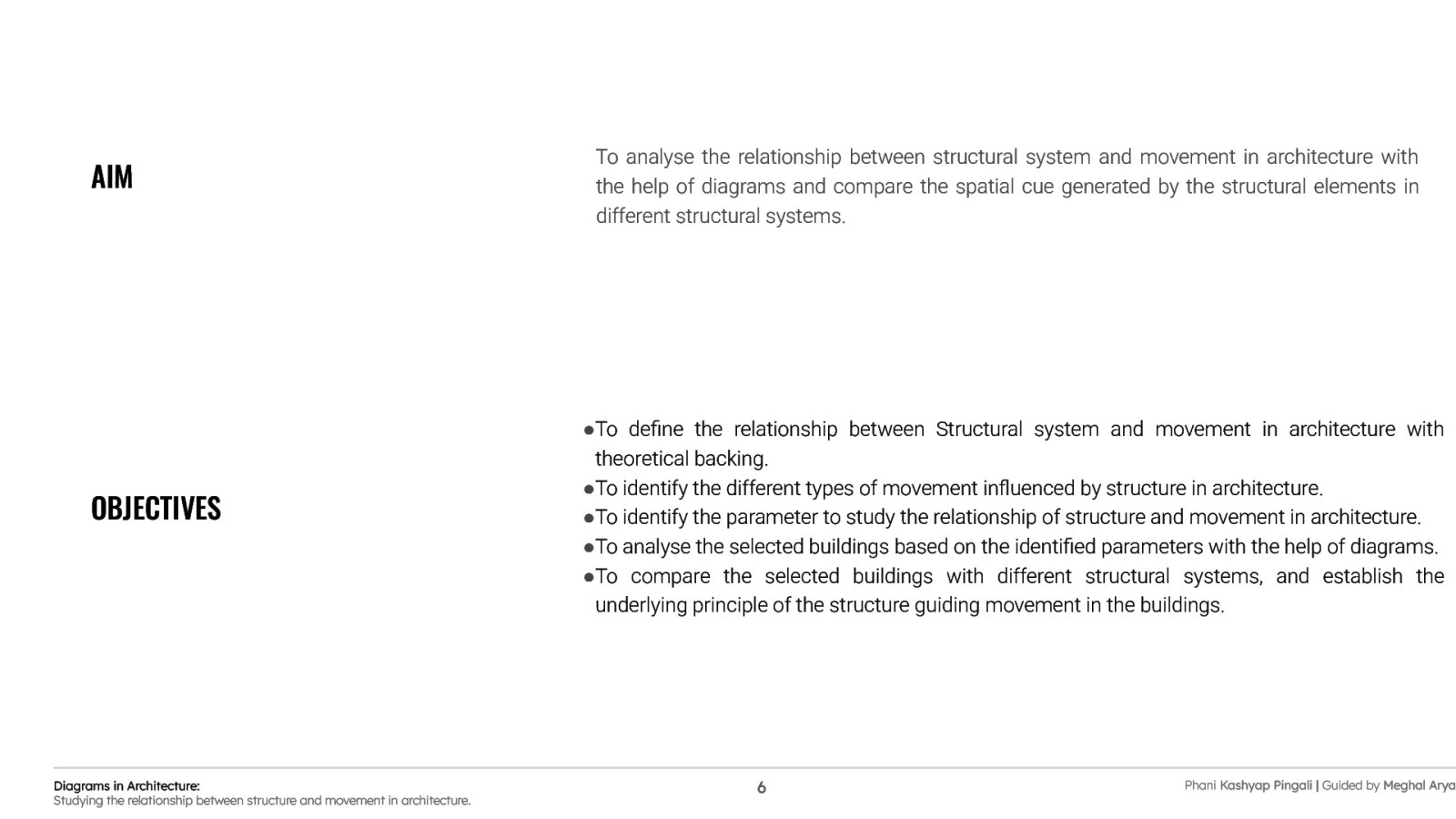
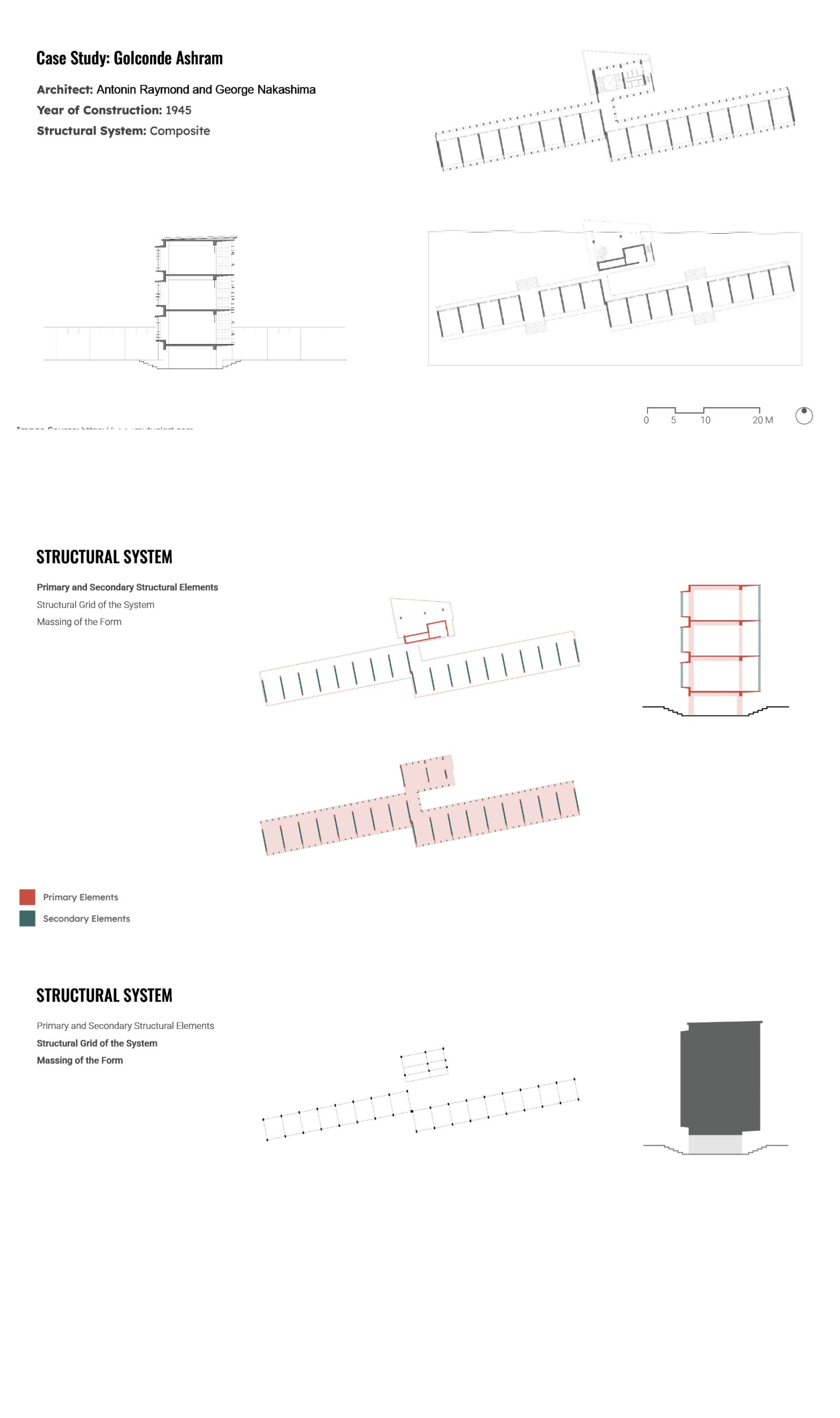
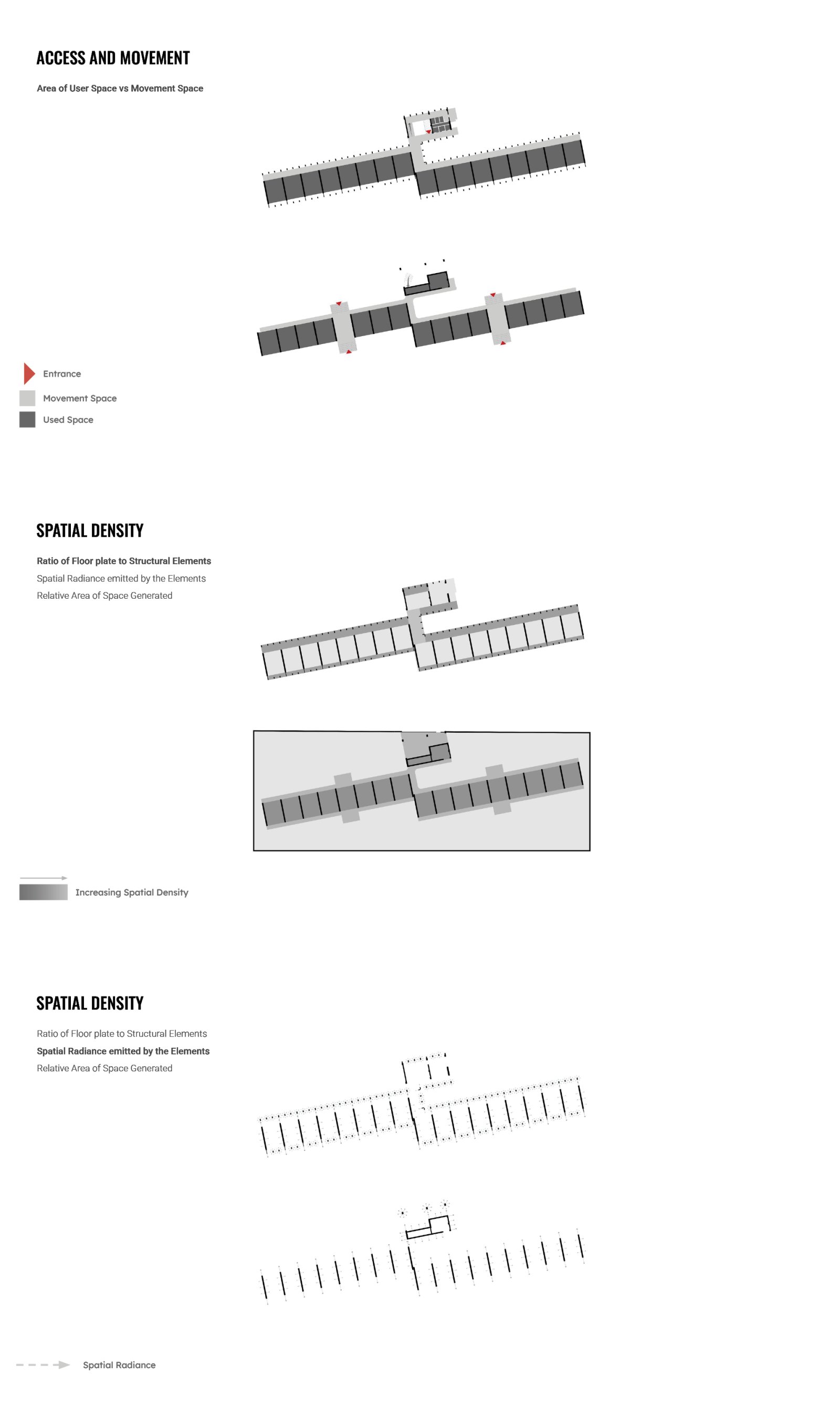
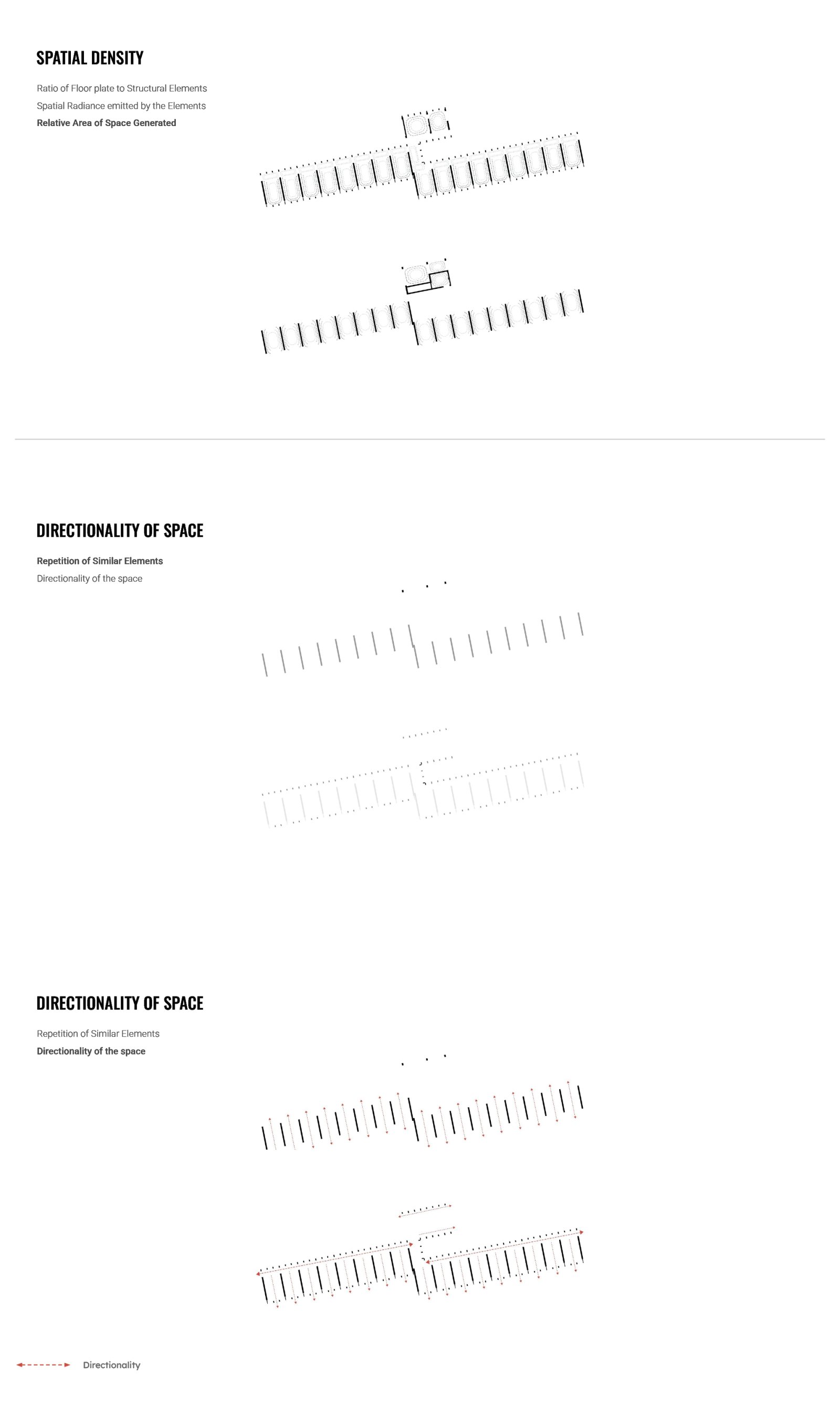
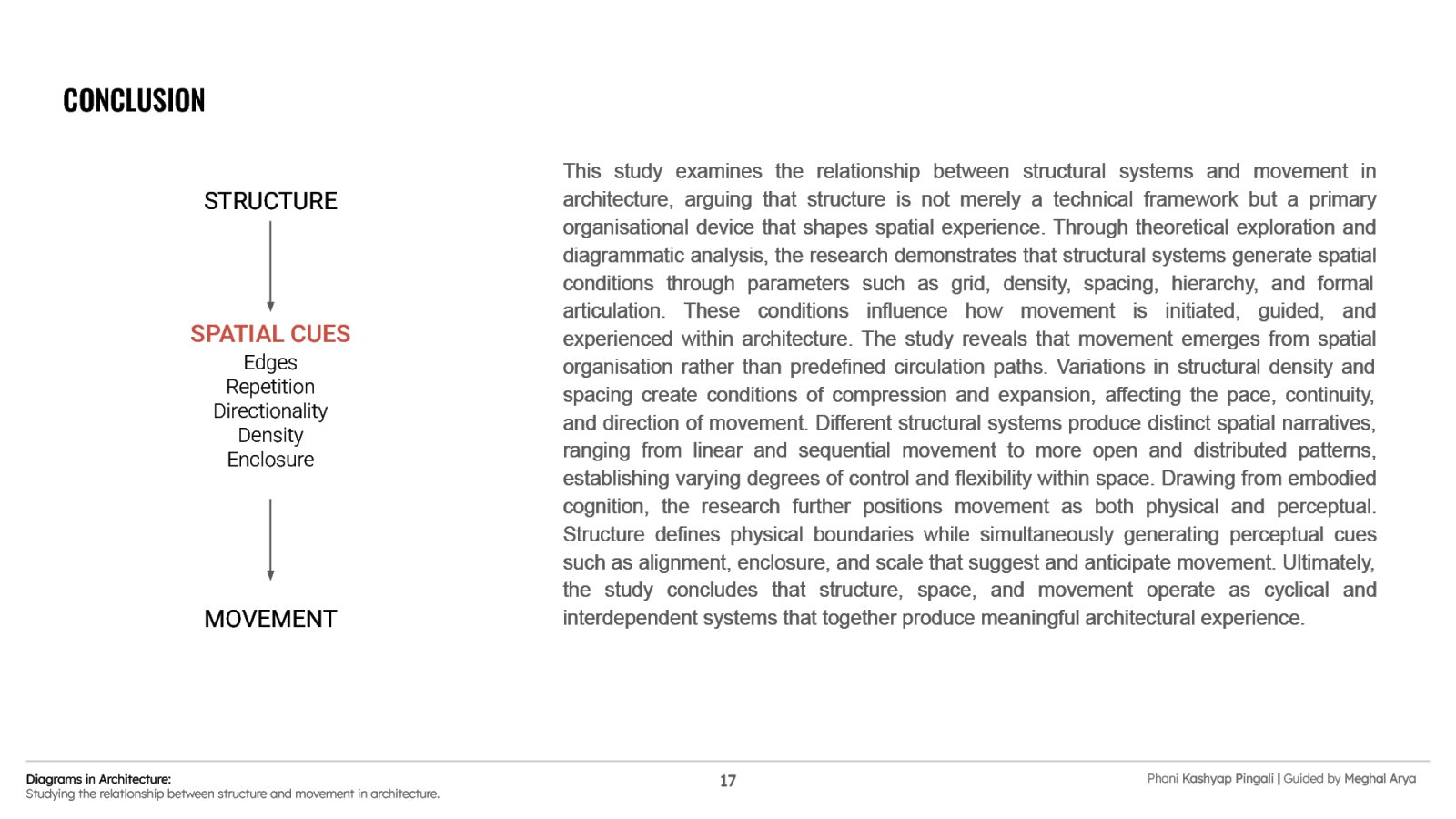
This dissertation investigates the relationship between structural systems and movement in architecture, positioning structure not only as a means of stability but as an active agent in shaping spatial experience. The study begins by establishing space as a condition generated through the arrangement of structural elements, where movement becomes the primary medium through which this space is perceived and understood. By defining key terms such as structure, space, and movement, the research builds a conceptual foundation that frames movement as both a physical and perceptual phenomenon. The historiographic inquiry traces the evolution of structural systems and their impact on spatial possibilities, highlighting a shift from dense, restrictive configurations to open and flexible environments. This transition establishes how advancements in materials and construction techniques have progressively altered the nature of movement within built space. The study further extends into the domain of visual arts to understand movement as a perceptual construct, drawing parallels between compositional strategies in art and spatial organisation in architecture. A theoretical framework is developed to examine how structural systems generate spatial fields, organise relationships, and establish spatial order. Within this framework, movement is understood as emerging from the underlying rules embedded in structural configurations. These rules influence directionality, density, and thresholds, thereby shaping how users navigate and experience space. The research employs a diagrammatic methodology to analyse selected case studies across different structural systems and contexts. Through parameters such as structural organisation, circulation, spatial density, directionality, and thresholds, the study abstracts and compares spatial conditions to reveal patterns of movement. The findings demonstrate that movement is not imposed but emerges from the interaction between structural logic and human perception. Ultimately, the dissertation argues that structure, space, and movement exist in a dynamic and interdependent relationship. By revealing the spatial narratives embedded within structural systems, the study contributes to a deeper understanding of architecture as an experiential and temporal discipline.