Your browser is out-of-date!
For a richer surfing experience on our website, please update your browser. Update my browser now!
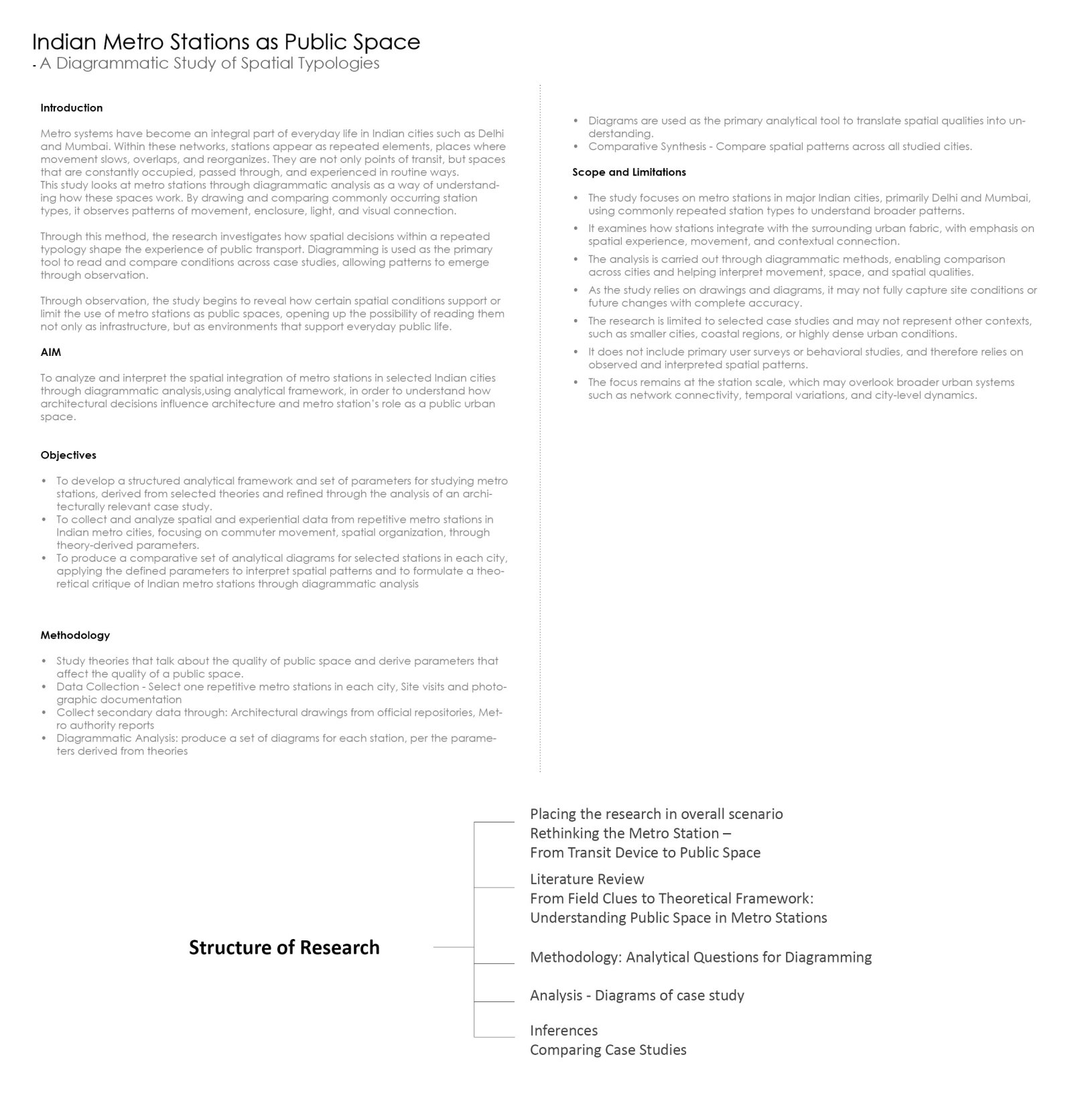
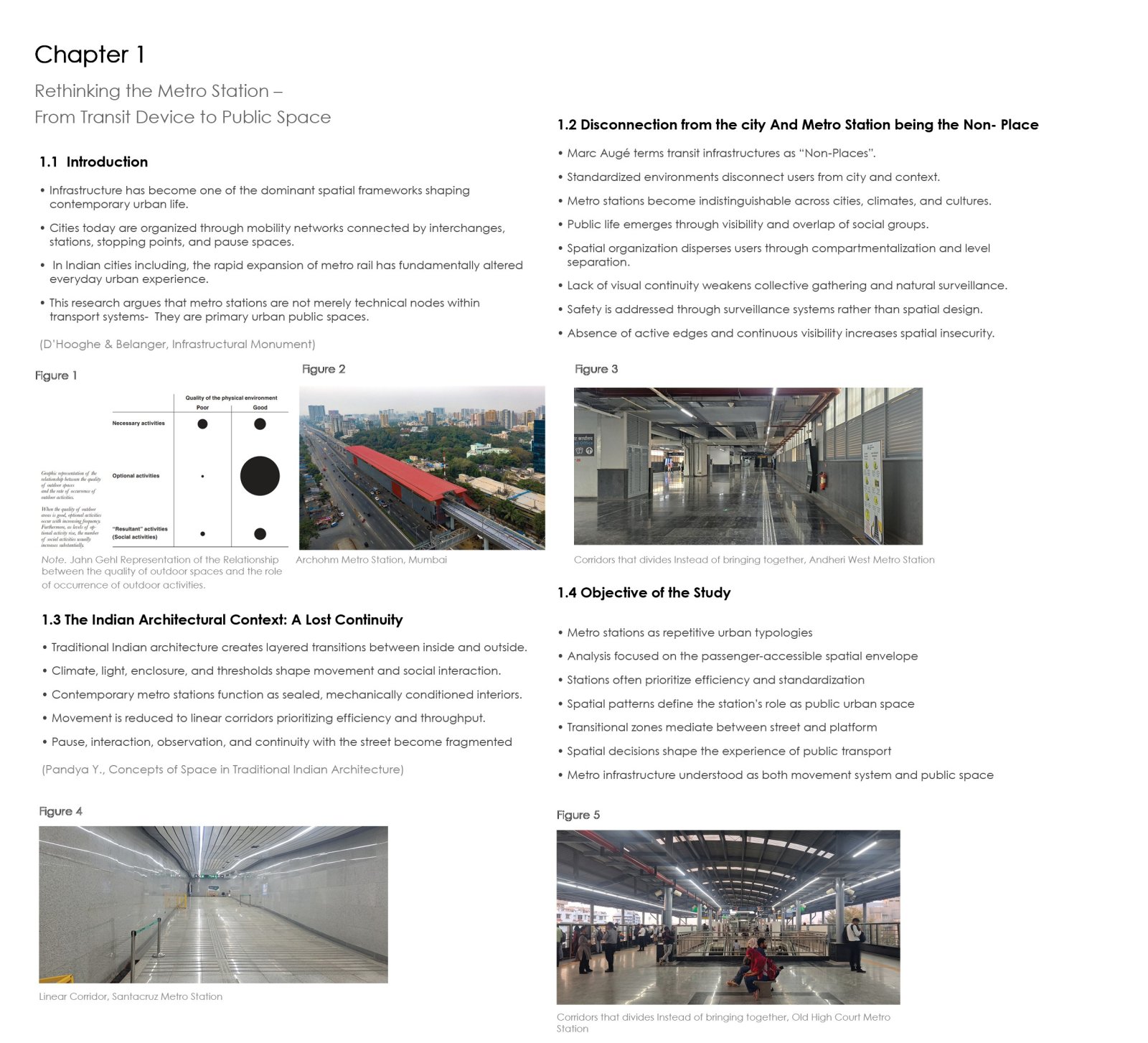
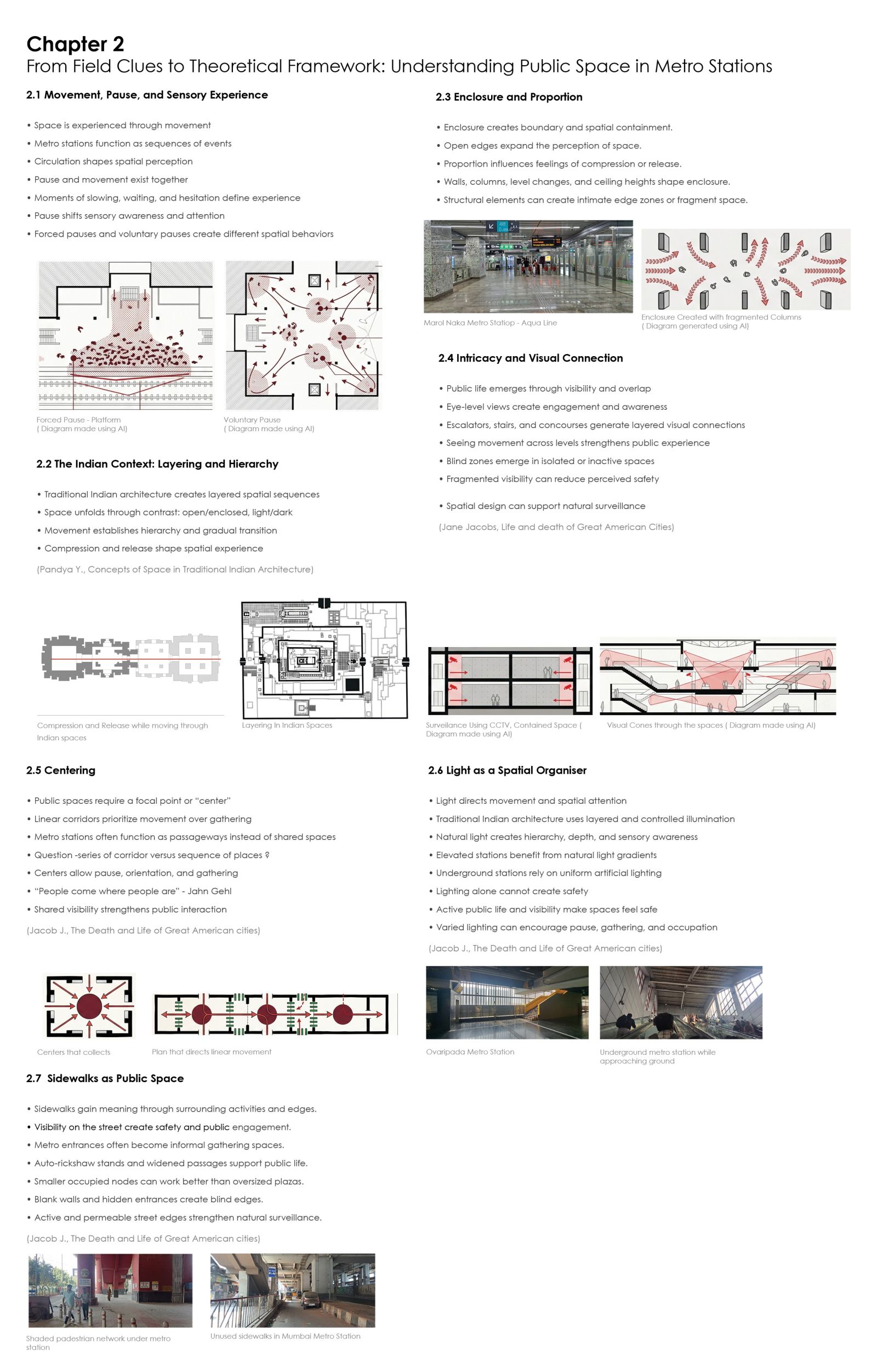
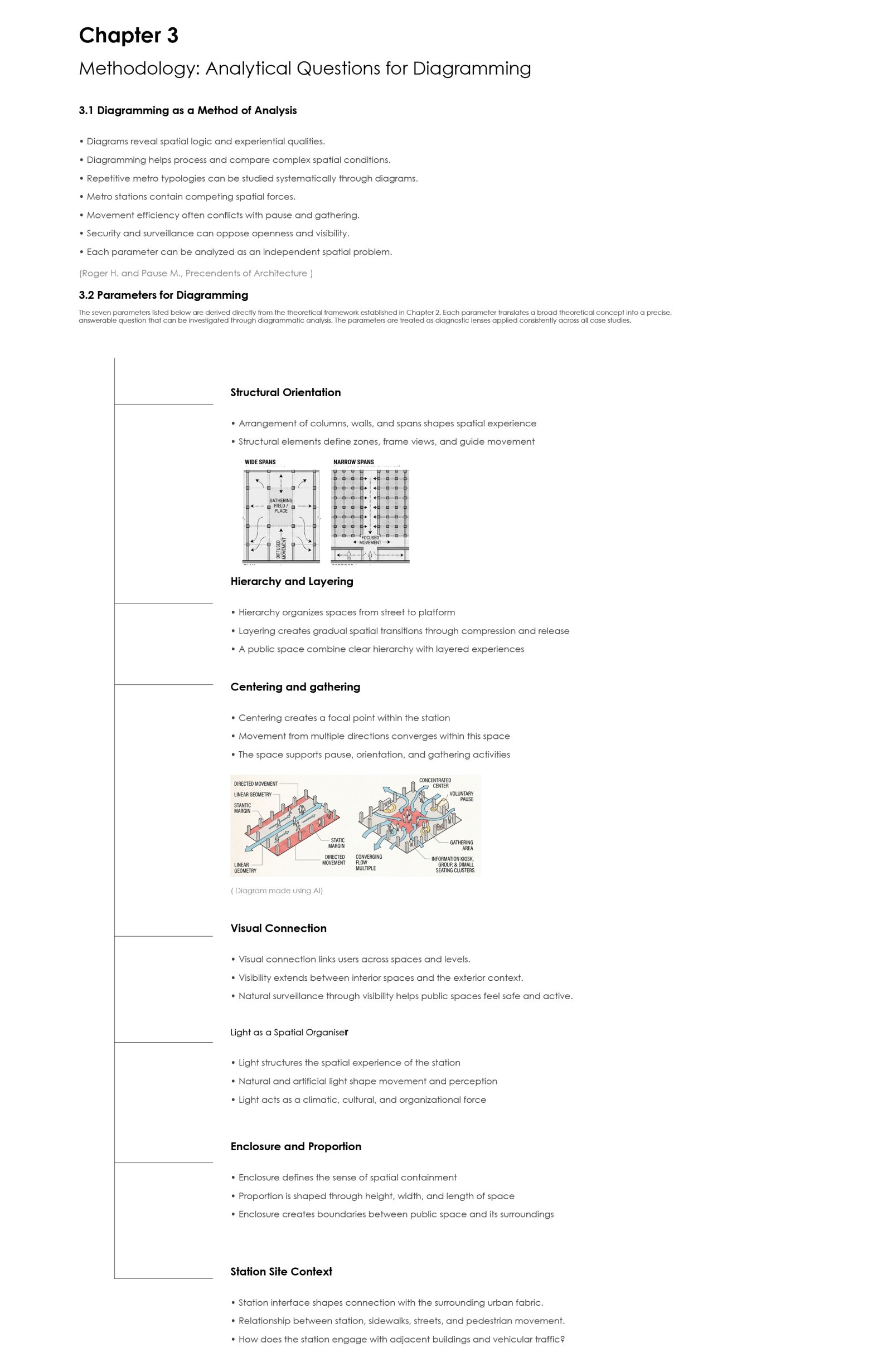
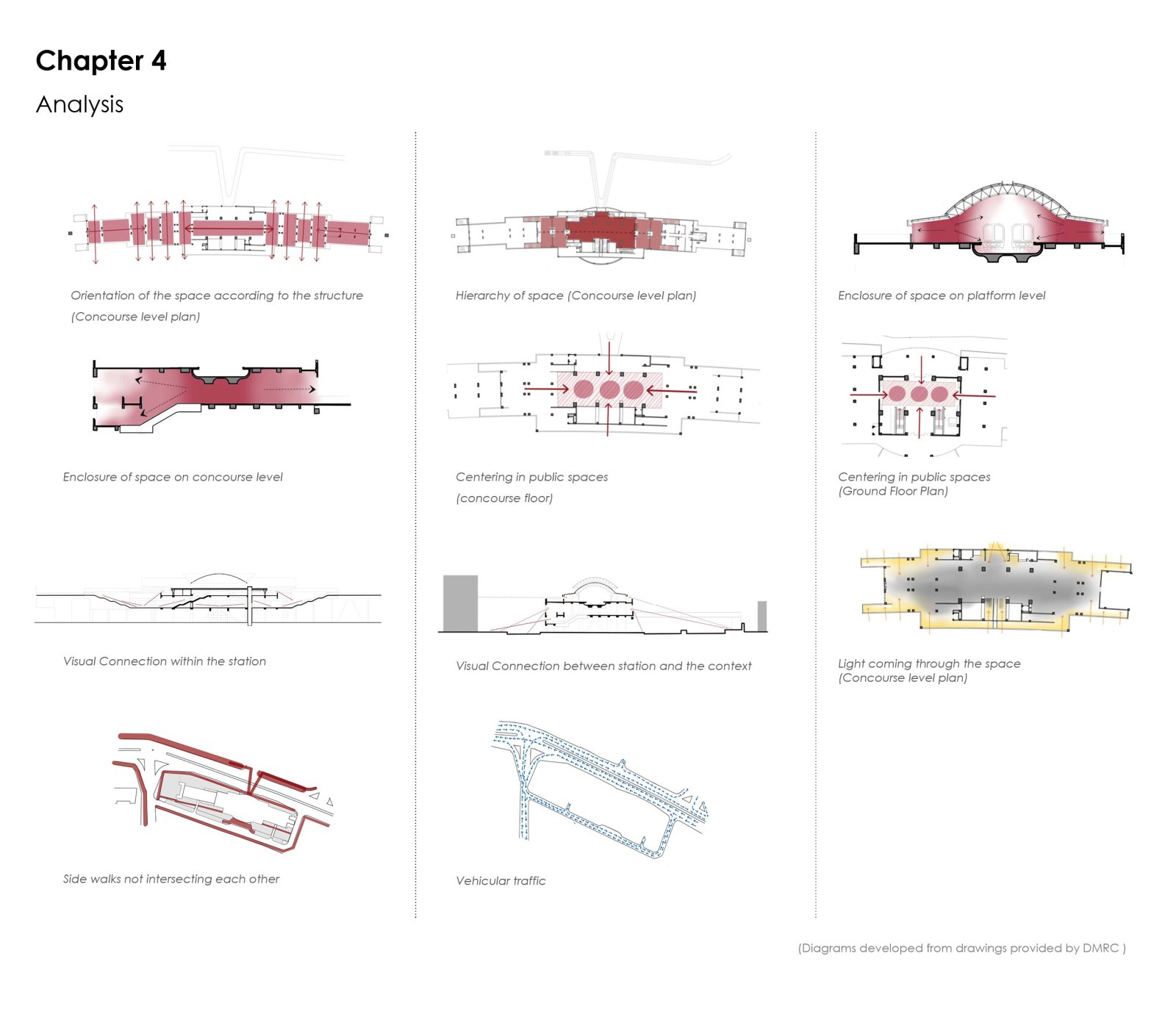
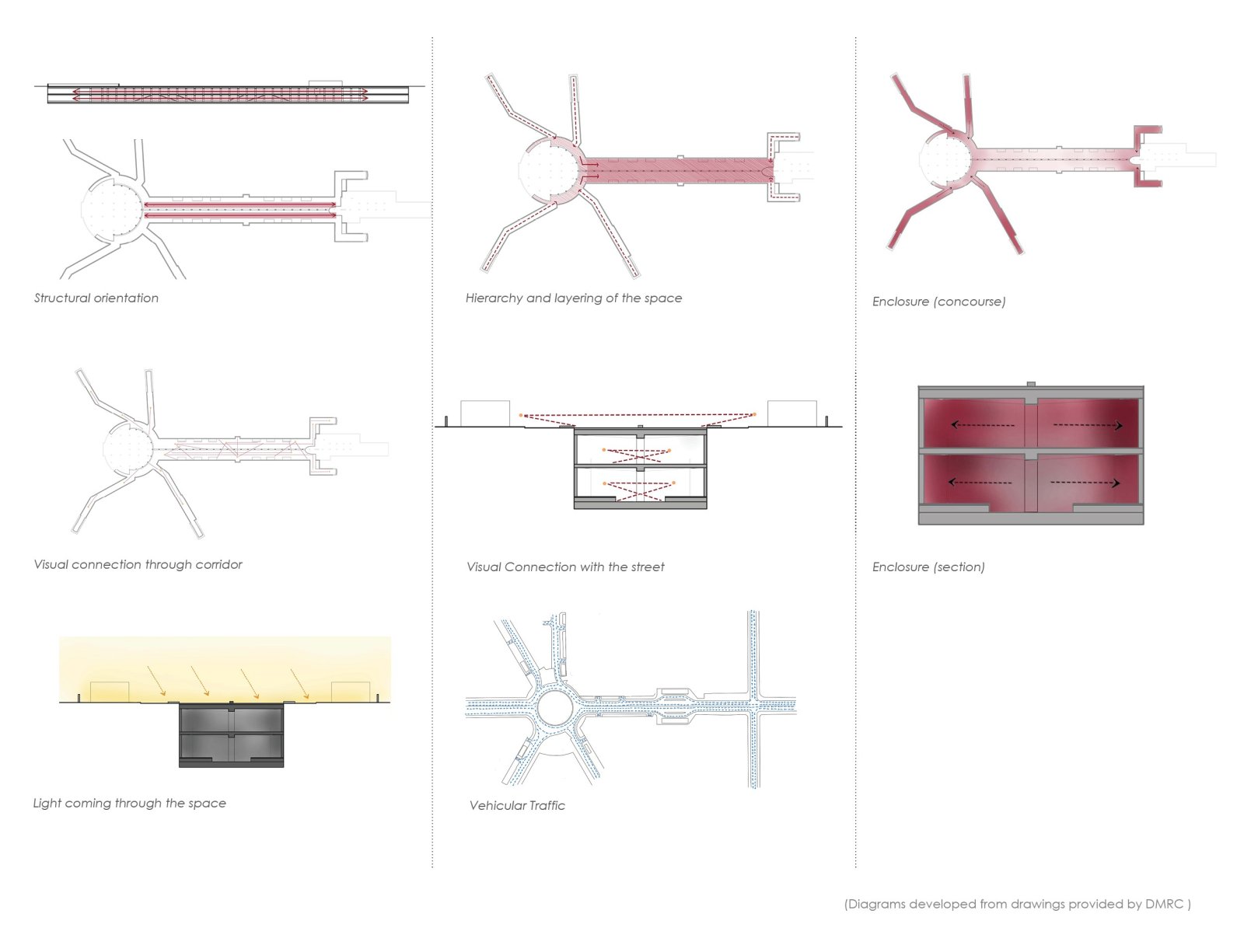
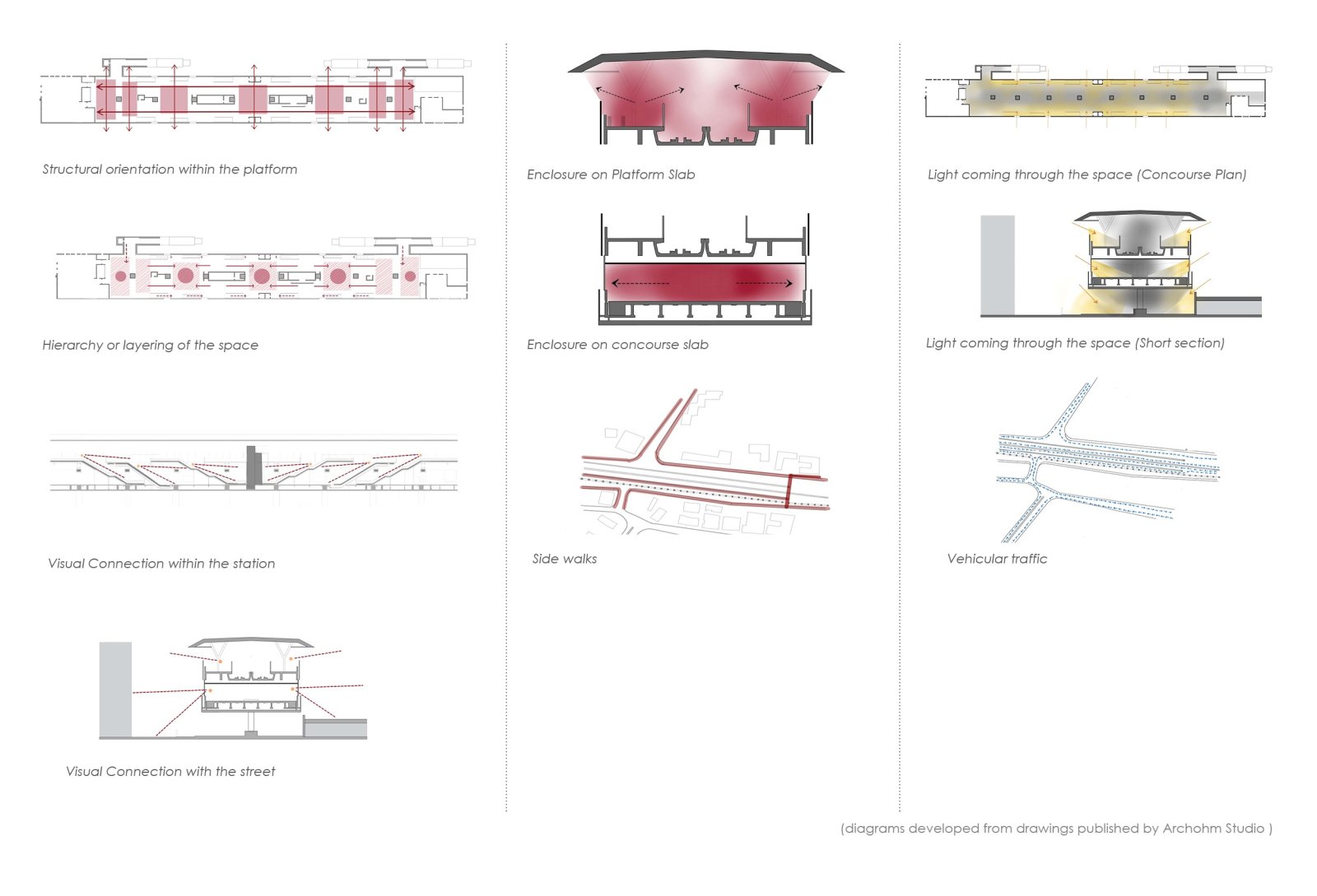
Infrastructure has become a dominant framework shaping contemporary urban life through networks of mobility, interchanges, and stations. Across Indian cities, the rapid expansion of metro rail has transformed everyday urban experience. This research argues that metro stations are not merely technical transport nodes but significant public spaces, though rarely designed as such. Often engineered for efficiency and standardization, they function as “non-places,” disconnected from urban and architectural identity. Through diagrammatic analysis, this study examines how spatial decisions within repetitive Indian metro typologies either reinforce anonymity or enable meaningful public urban experience.