Your browser is out-of-date!
For a richer surfing experience on our website, please update your browser. Update my browser now!
Abstract
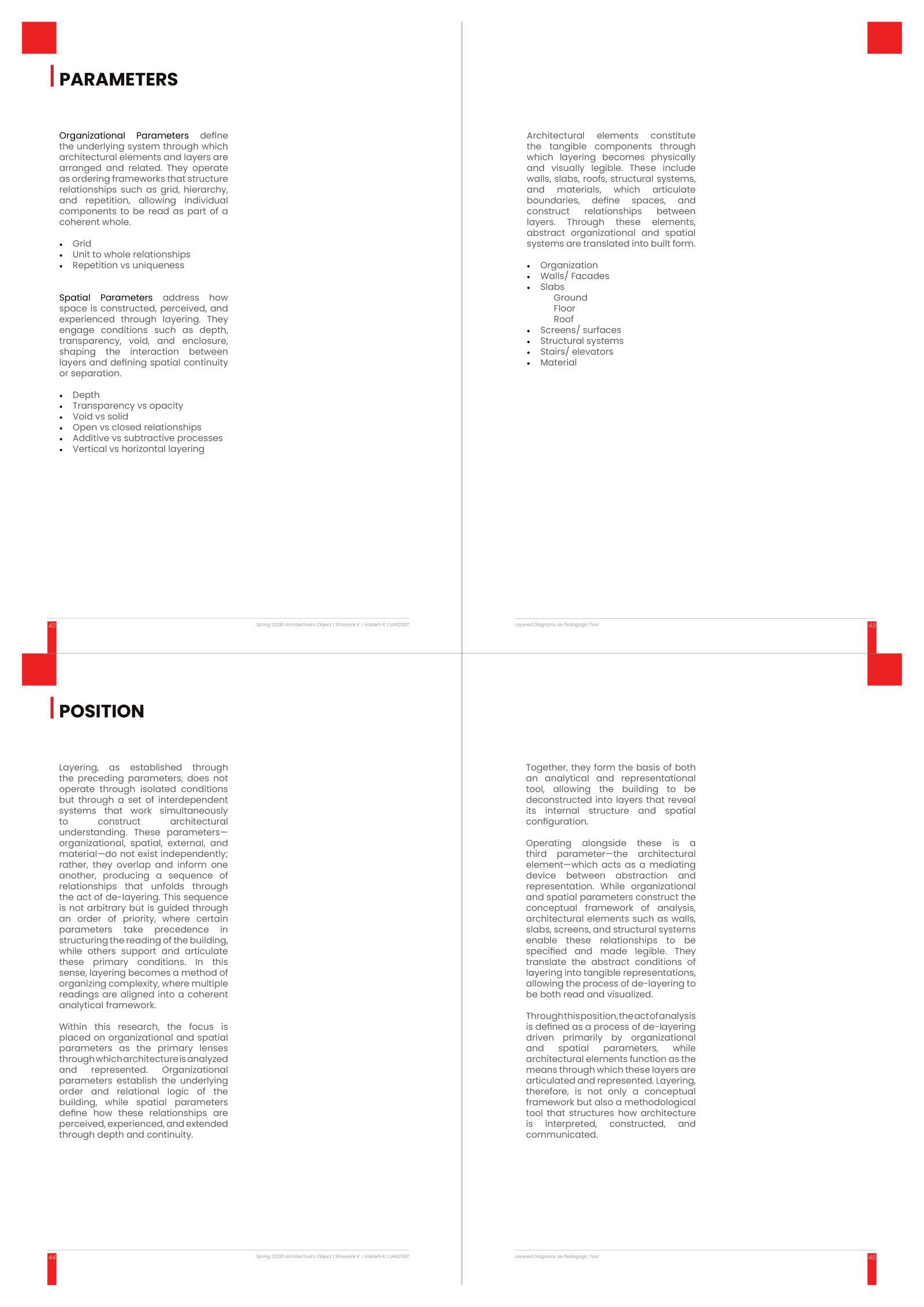
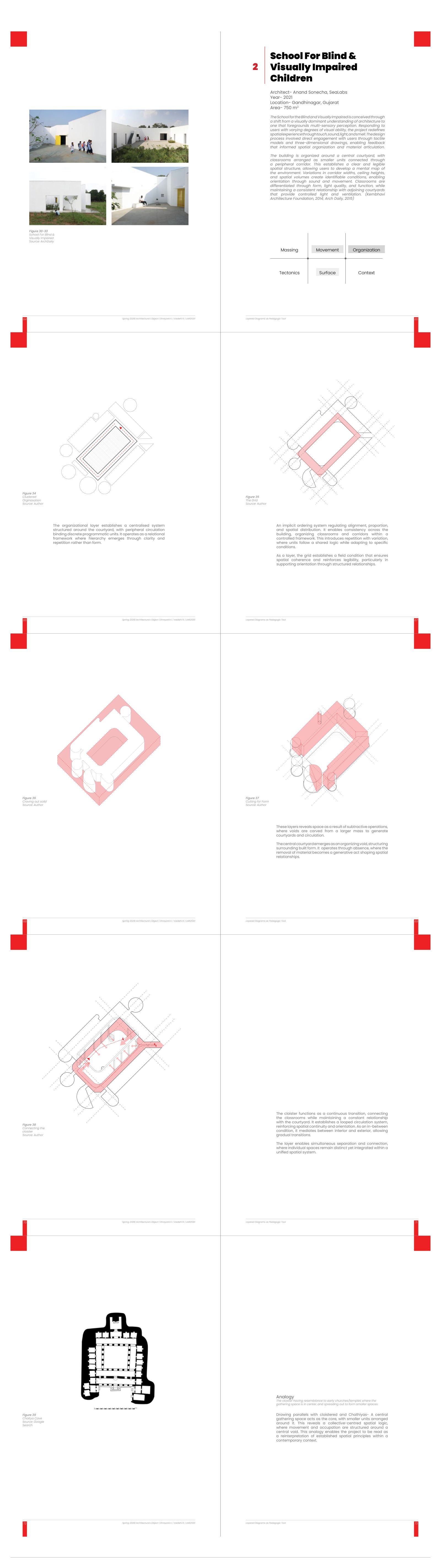
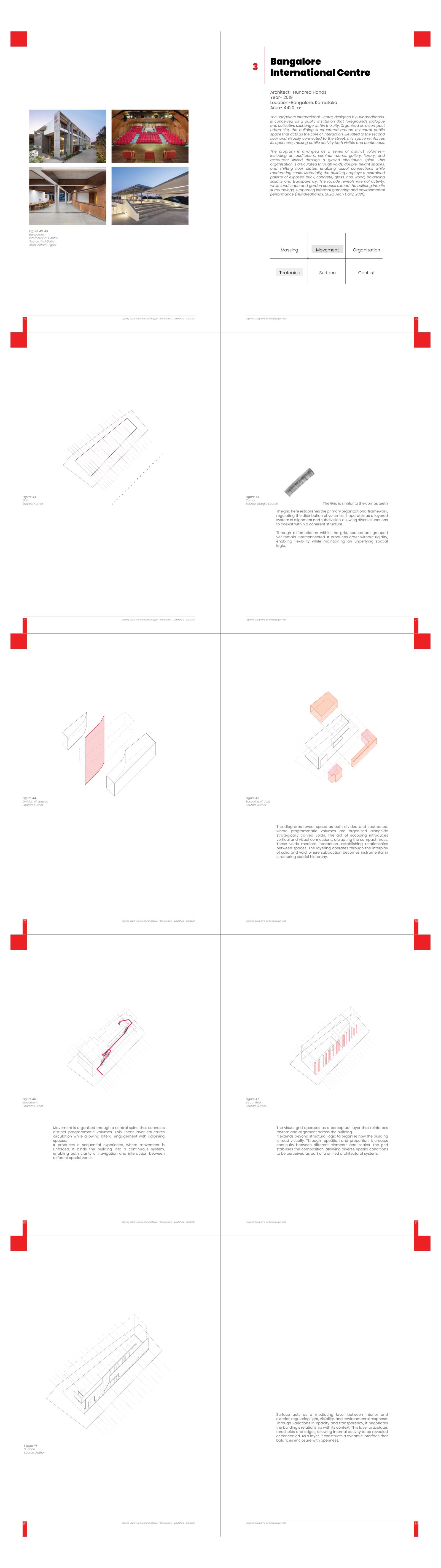
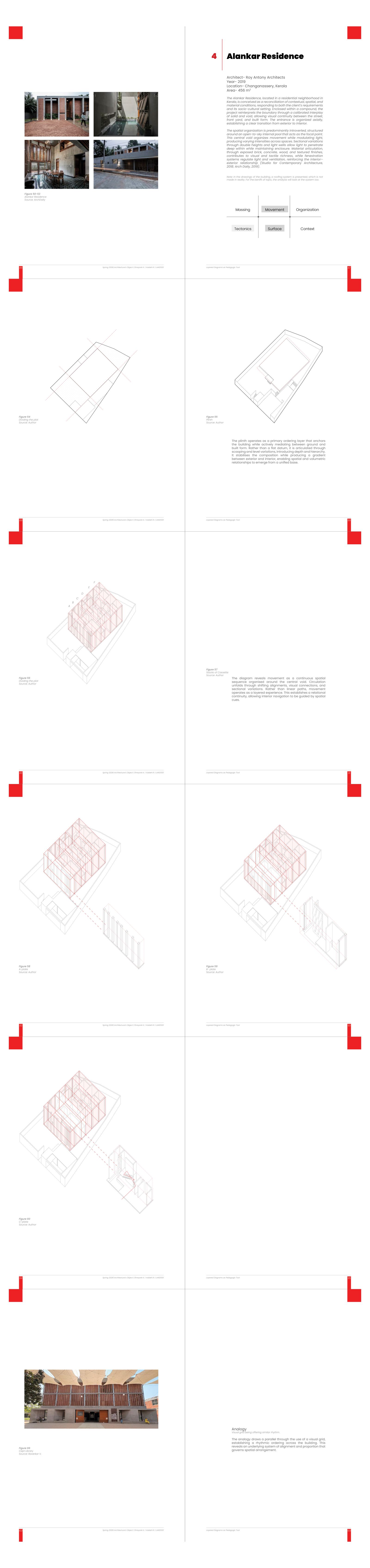
This research investigates architecture through the lens of layered diagrams, positioning them as tools to decode and understand the underlying logic of the architectural works. Rather than understanding it as a resolved object, the study approaches architecture as a system of relationships, where spatial and organizational conditions interact to form a larger unit. Within this framework, layering is understood as an analytical operation that helps to construct the understanding of architecture through the processes of addition-subtraction and superposition-superimposition, allowing the building to be interpreted as a series of interrelated strata. The research adopts a method of de-layering, where these case studies from contemporary India are analyzed through parameters that help to define, understand, and teach the layers involved in architecture. These parameters establish the primary framework for analysis, while diagrams act as the medium through which these conditions are represented. Through this approach, the study aims to understand and be able to teach architecture through diagrams, acting like a pedagogic tool.