Your browser is out-of-date!
For a richer surfing experience on our website, please update your browser. Update my browser now!
While Ahmedabad is often associated with the modernist legacy of Corbusier, Kahn, and Doshi, other architectural histories remain overlooked.
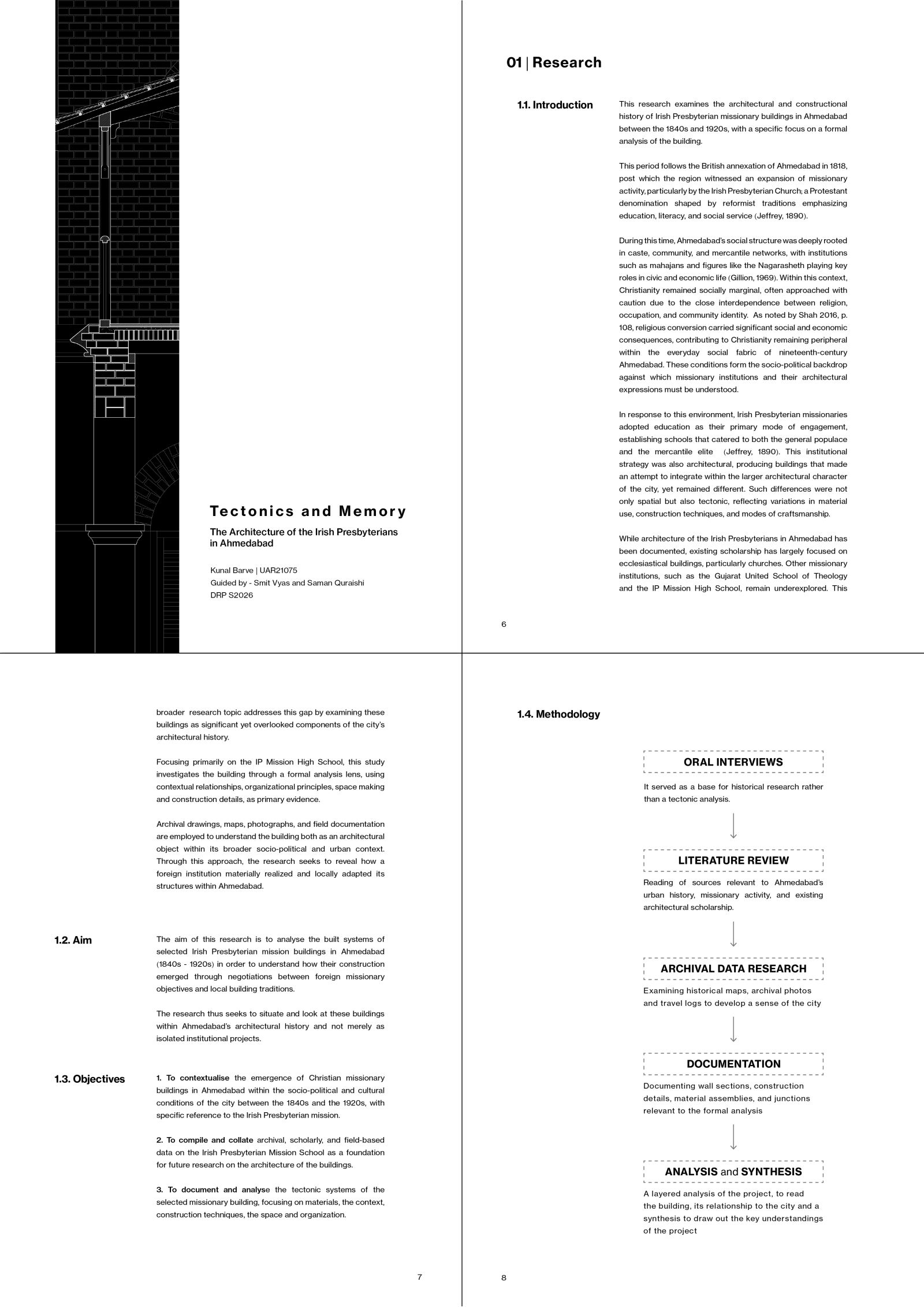
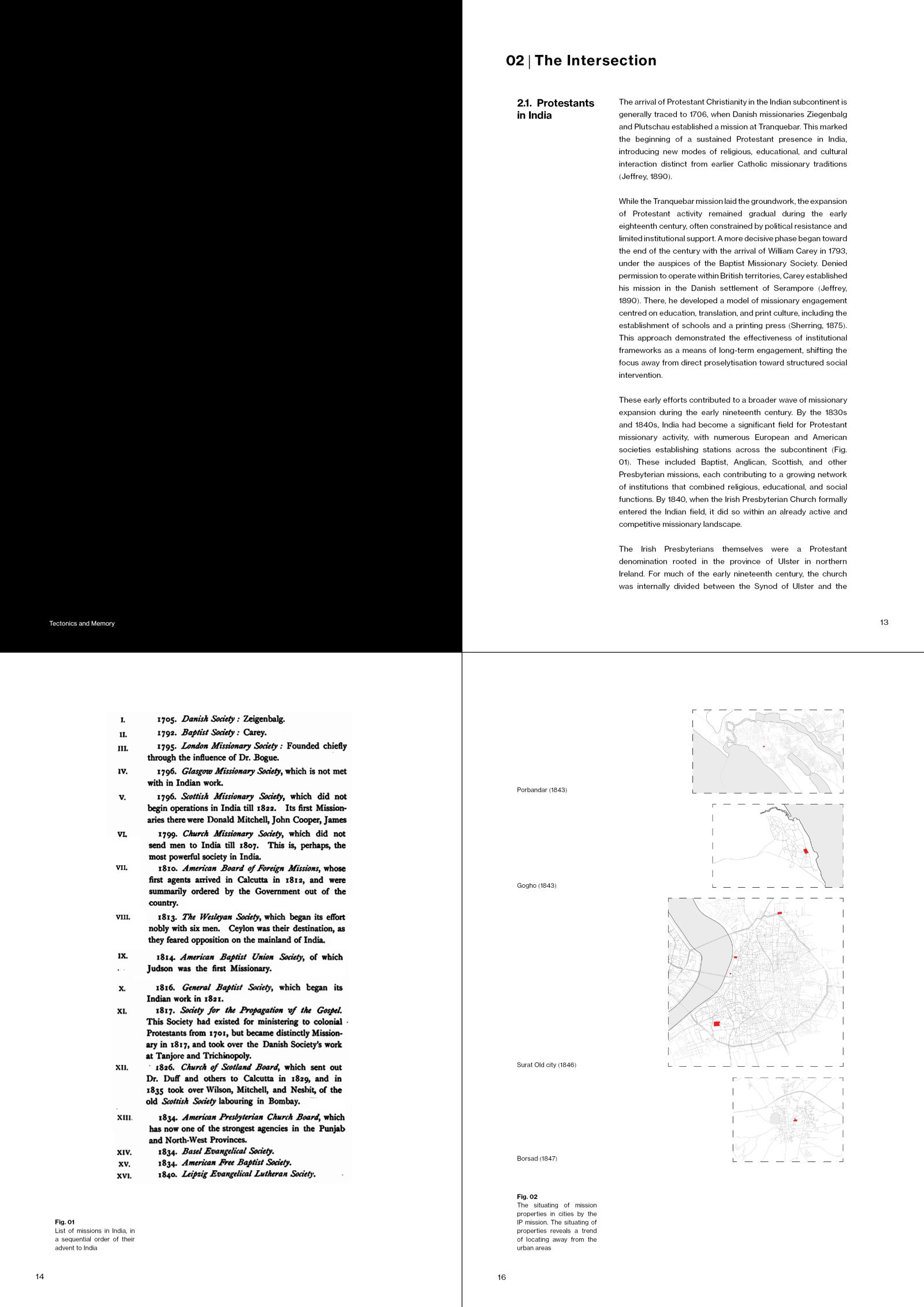
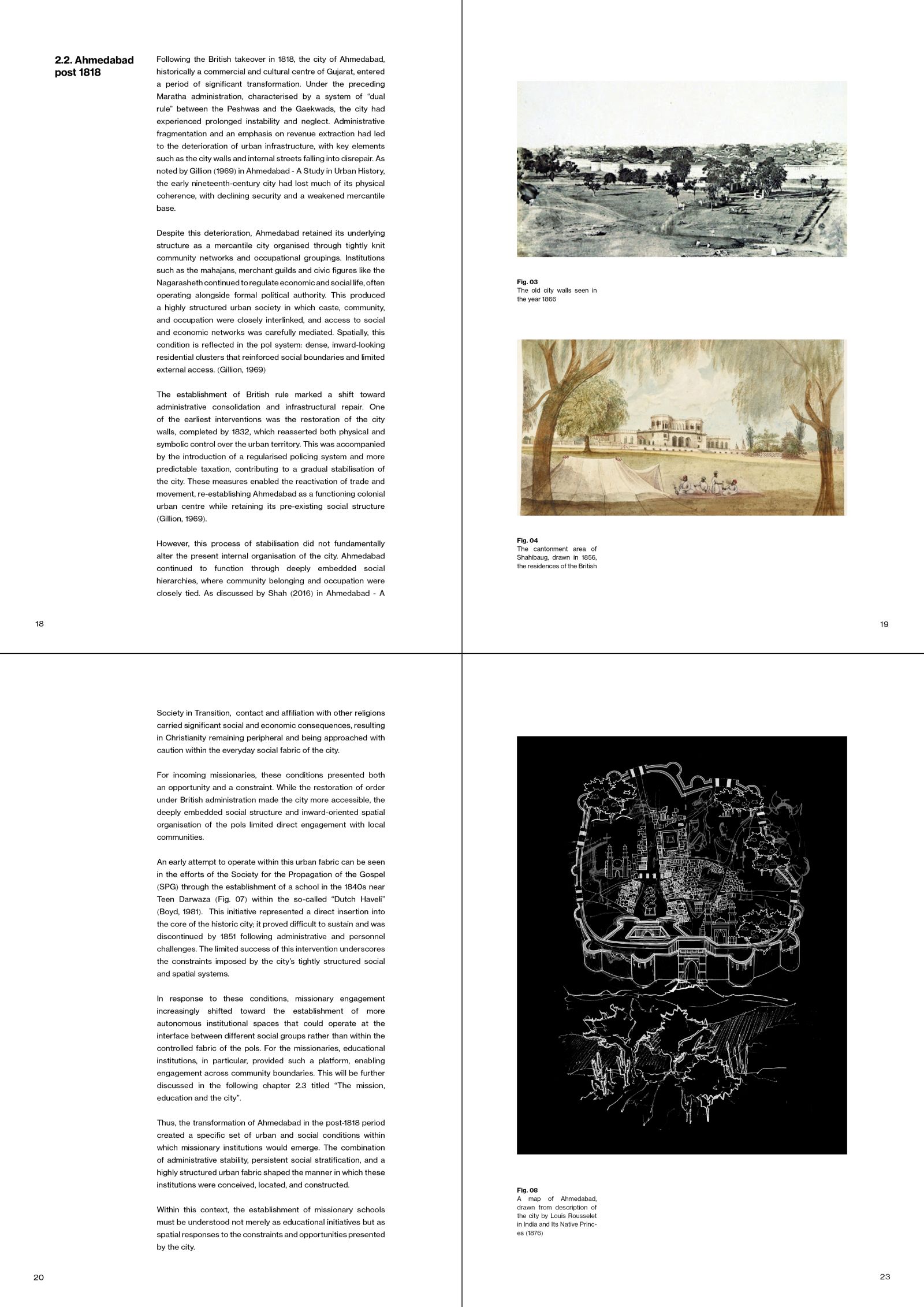
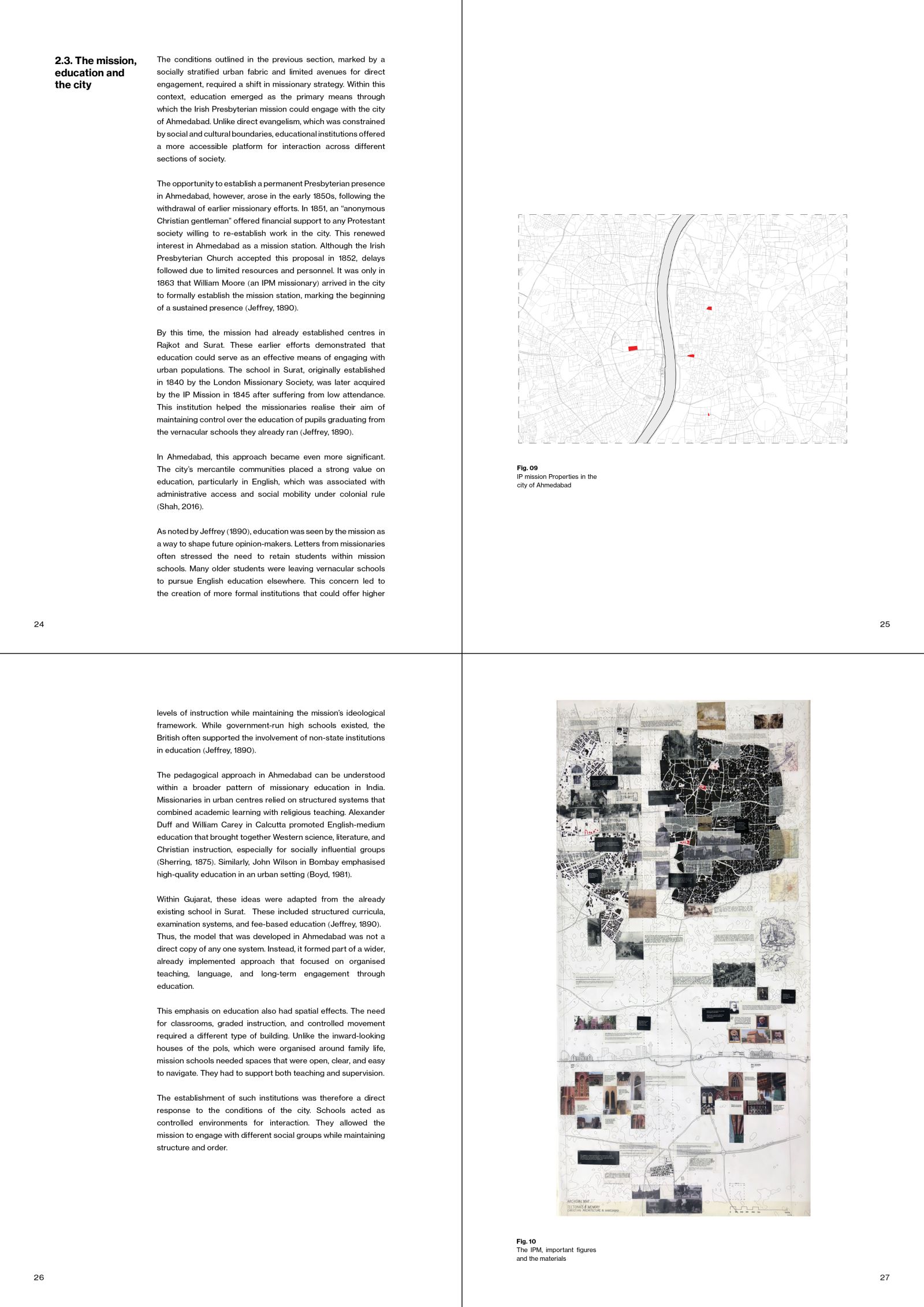
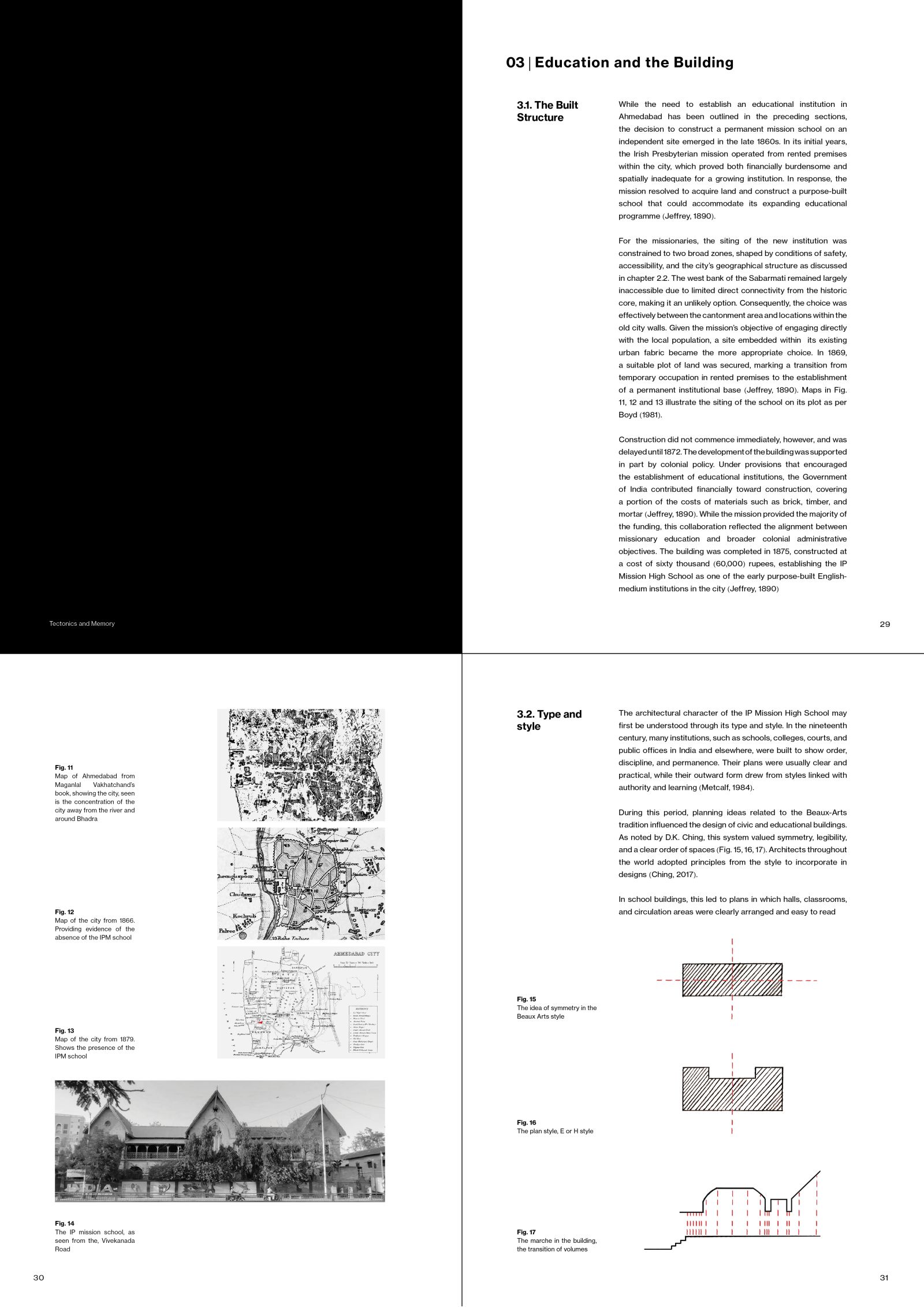
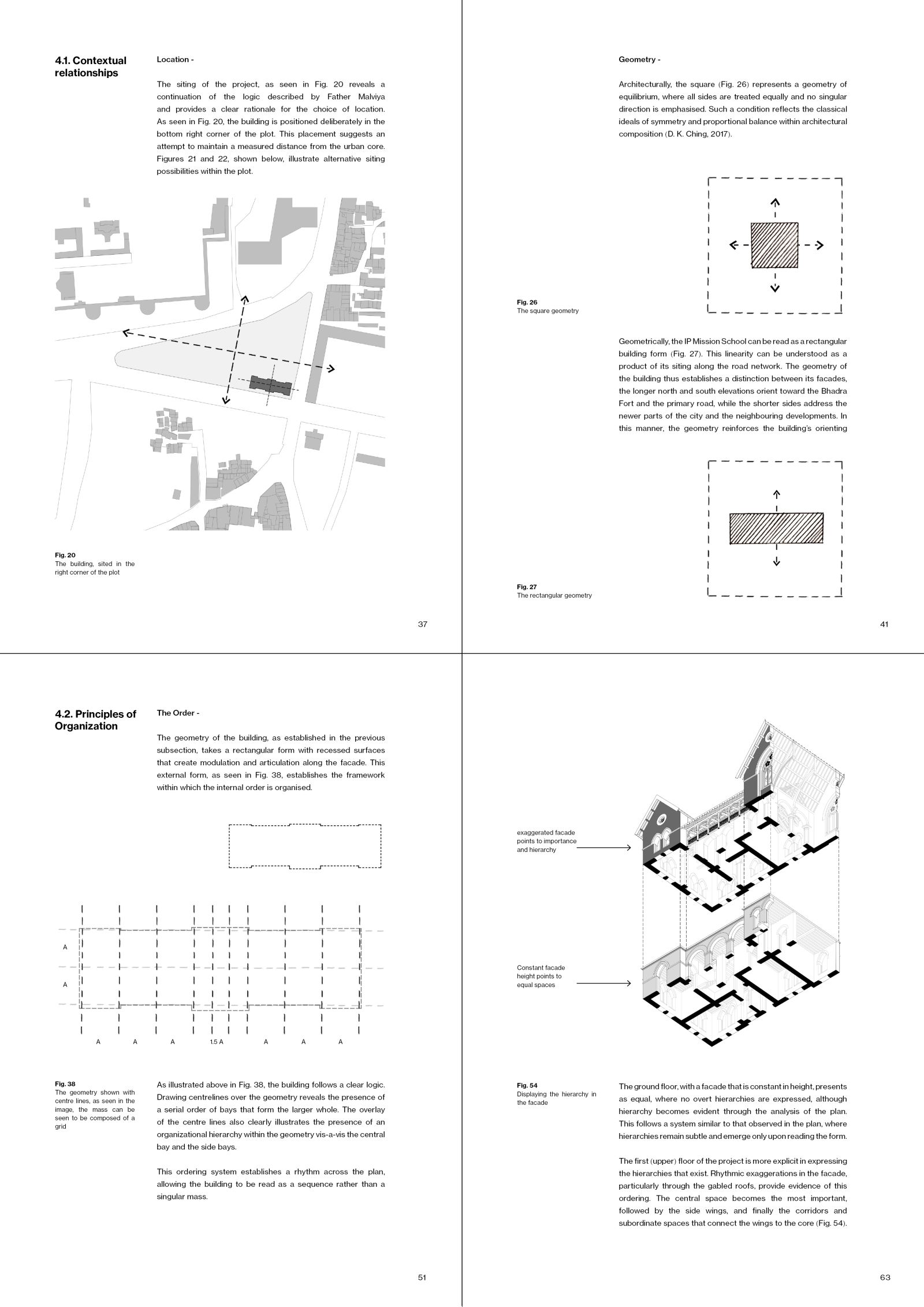
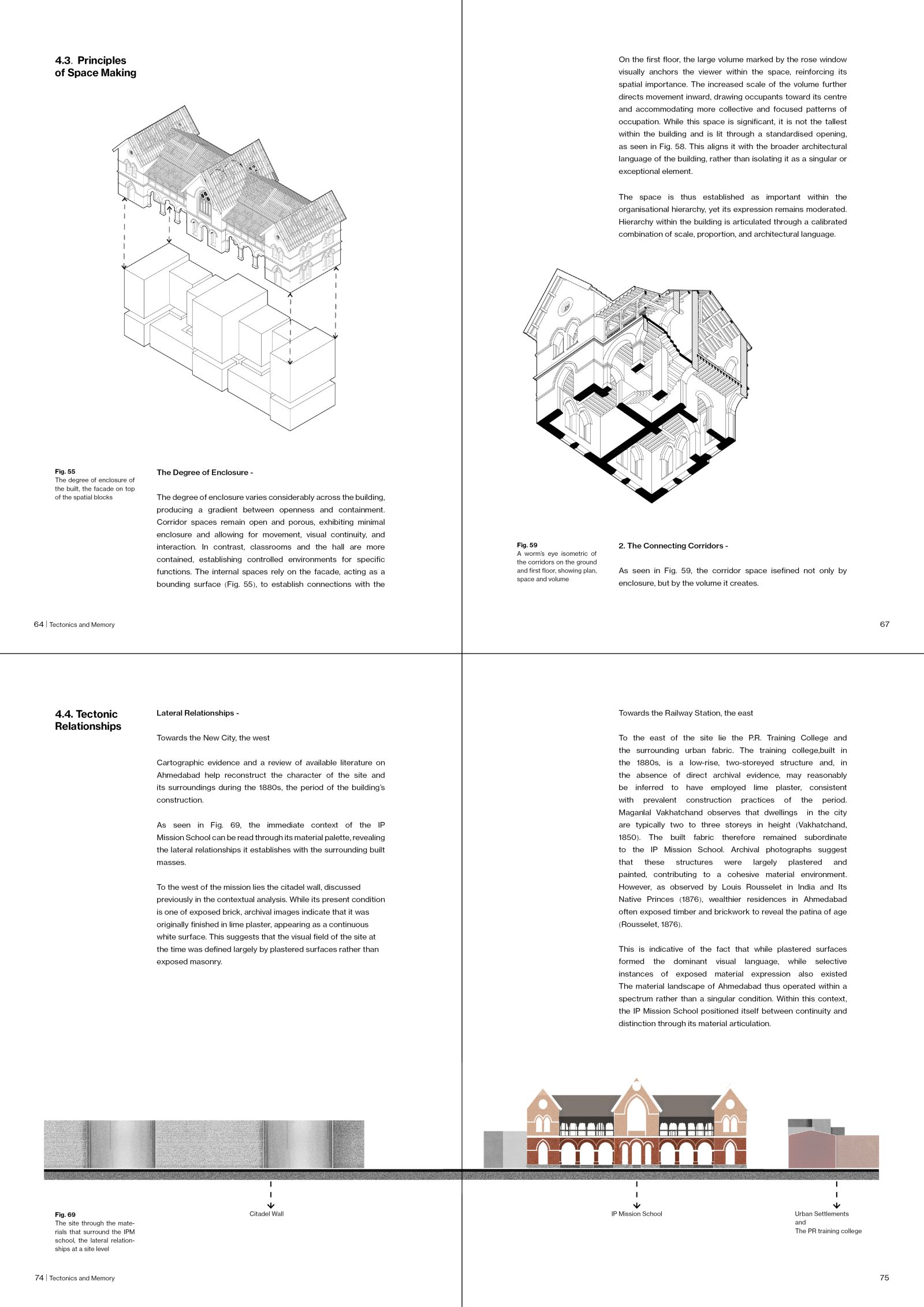
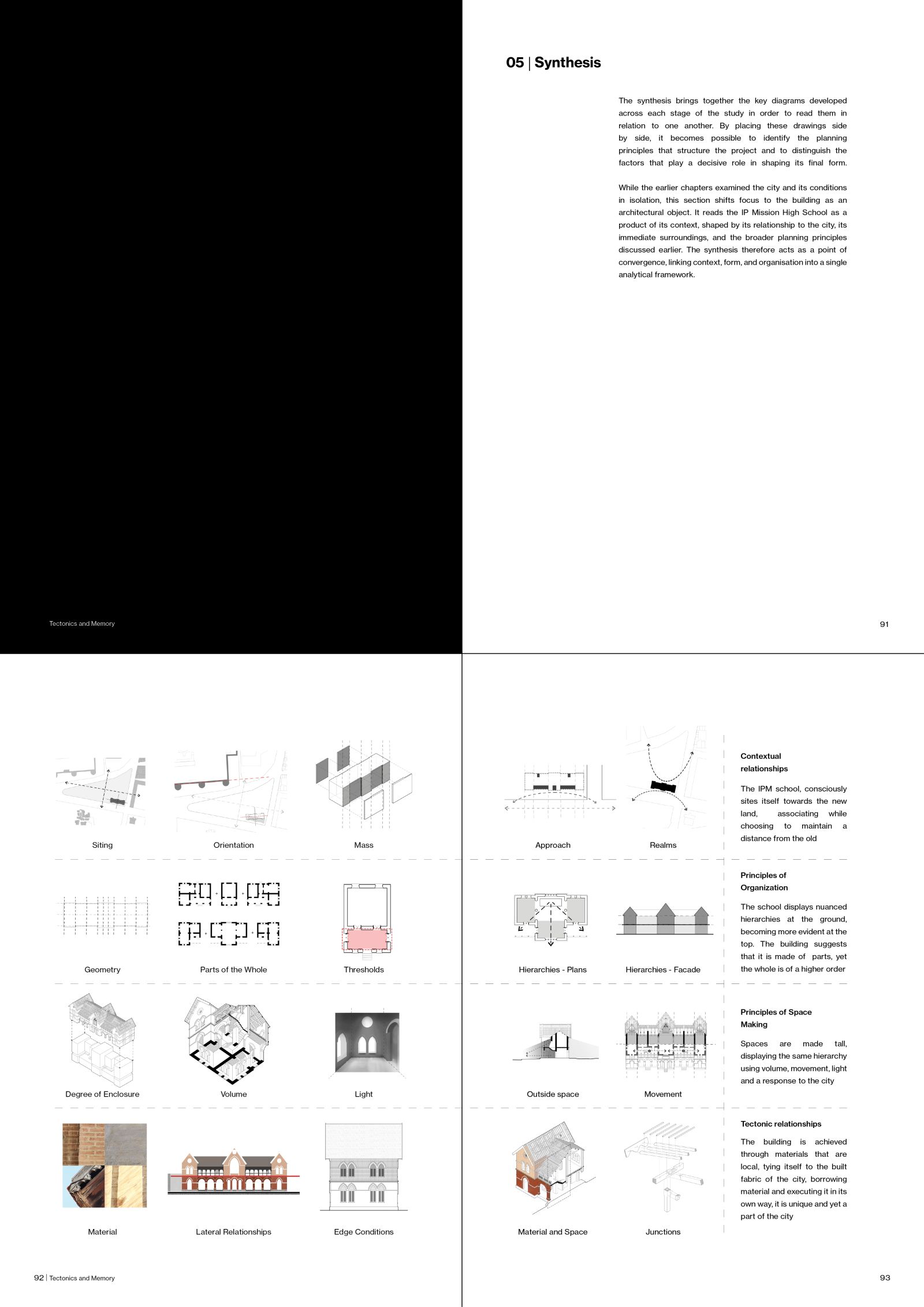
This research investigates these overlooked histories through the lesser-studied IP Mission High School, using it as a case study to examine architecture as a negotiated act. Built by a missionary institution within a changing nineteenth-century city, the school mediates between imported institutional ideals and local materials, craft traditions, and urban realities.
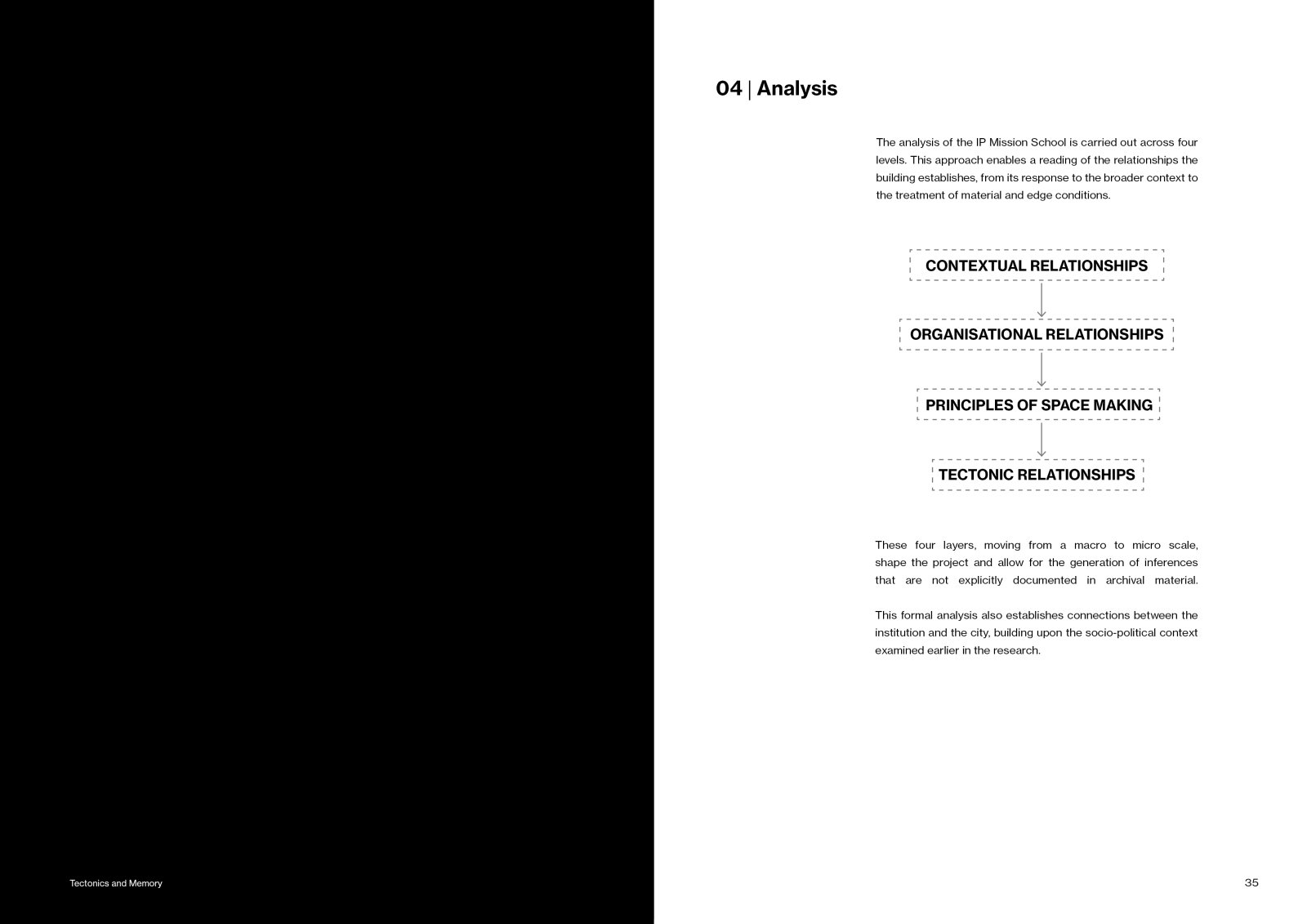
Through archival study and formal analysis, the project reveals how planning, tectonics, and spatial organisation emerged through this very encounter of missionary ideals and the evolving city. The building is read not as an isolated object, but as evidence of architecture formed through cultural and material negotiation.