Your browser is out-of-date!
For a richer surfing experience on our website, please update your browser. Update my browser now!
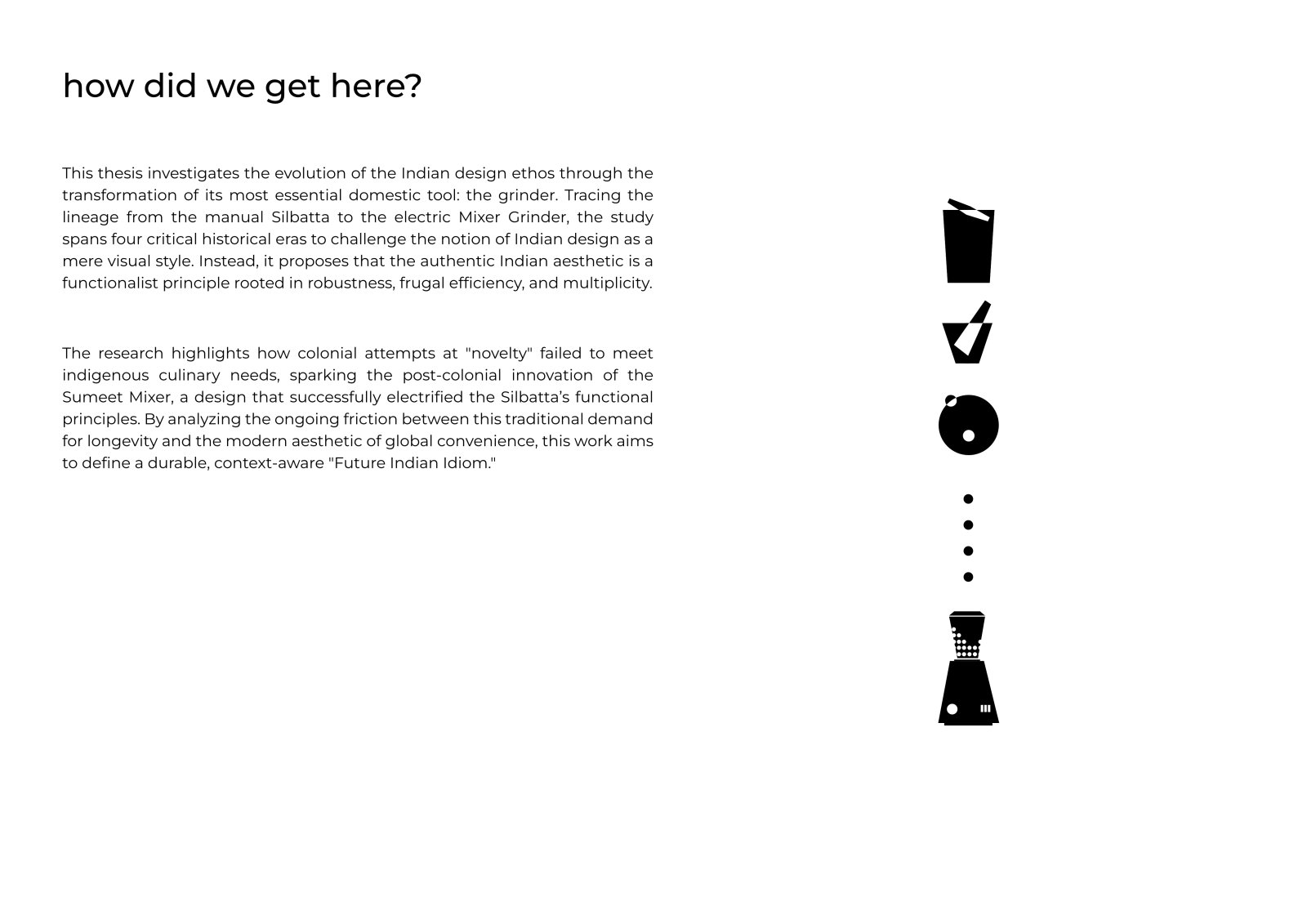
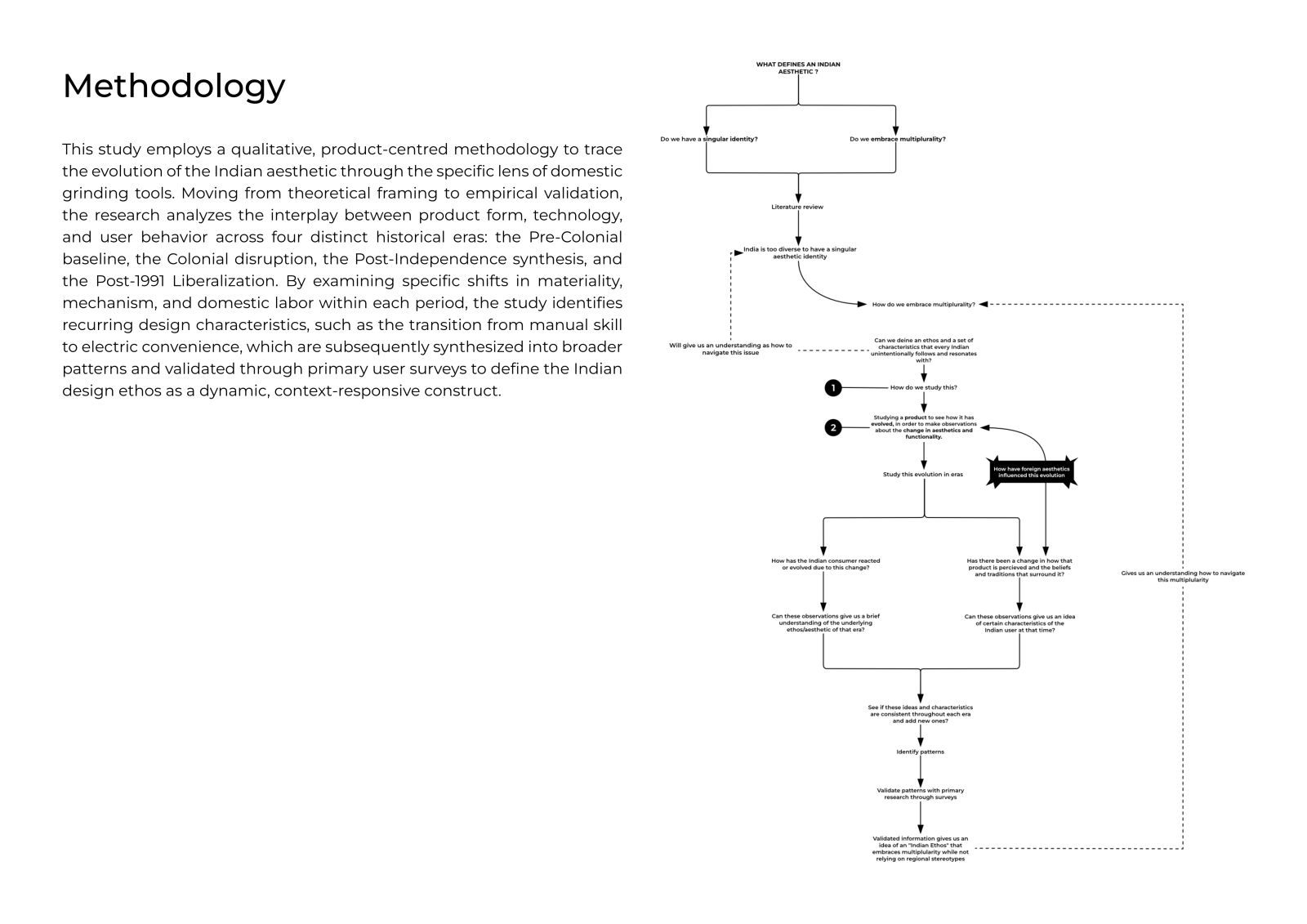
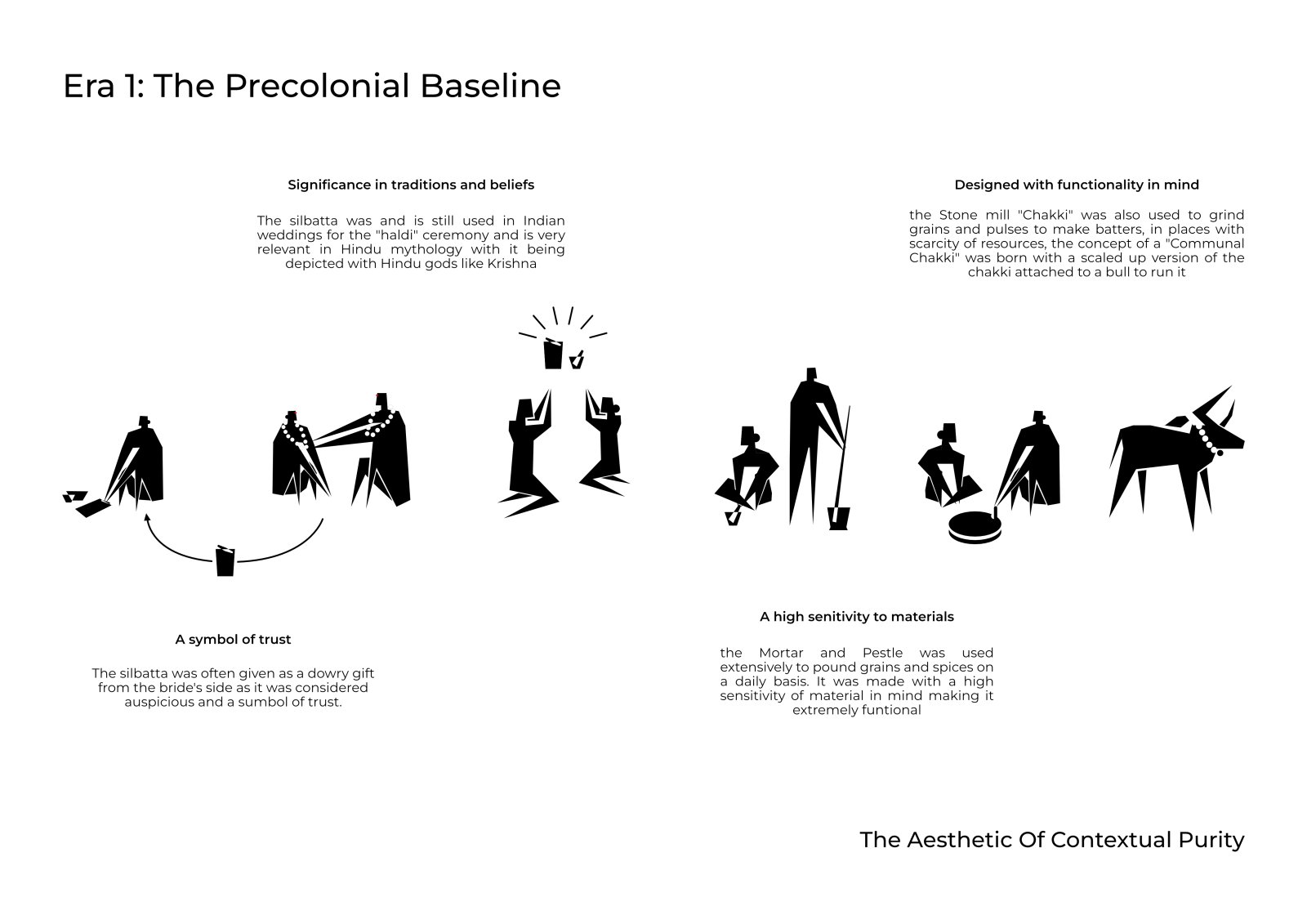
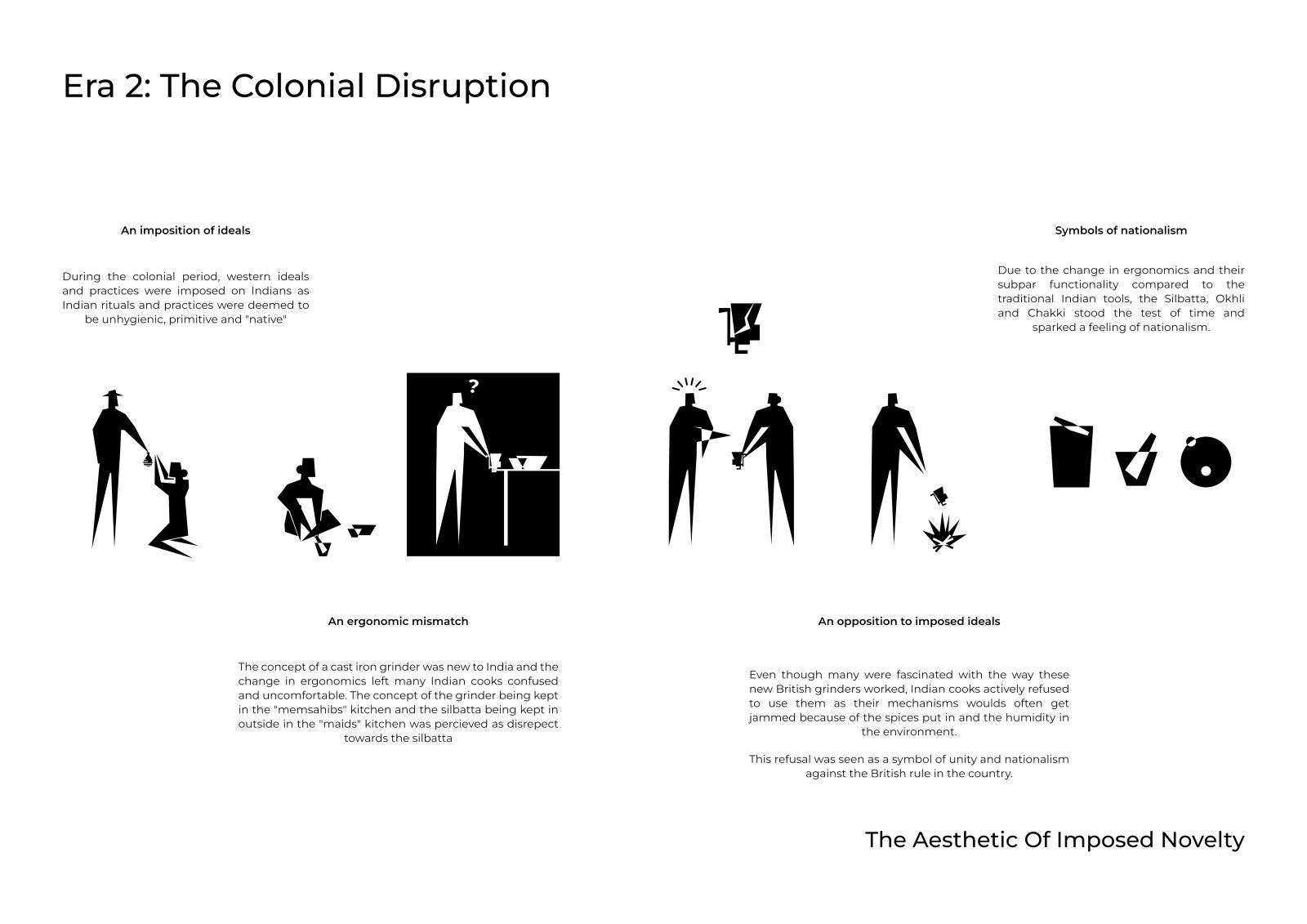
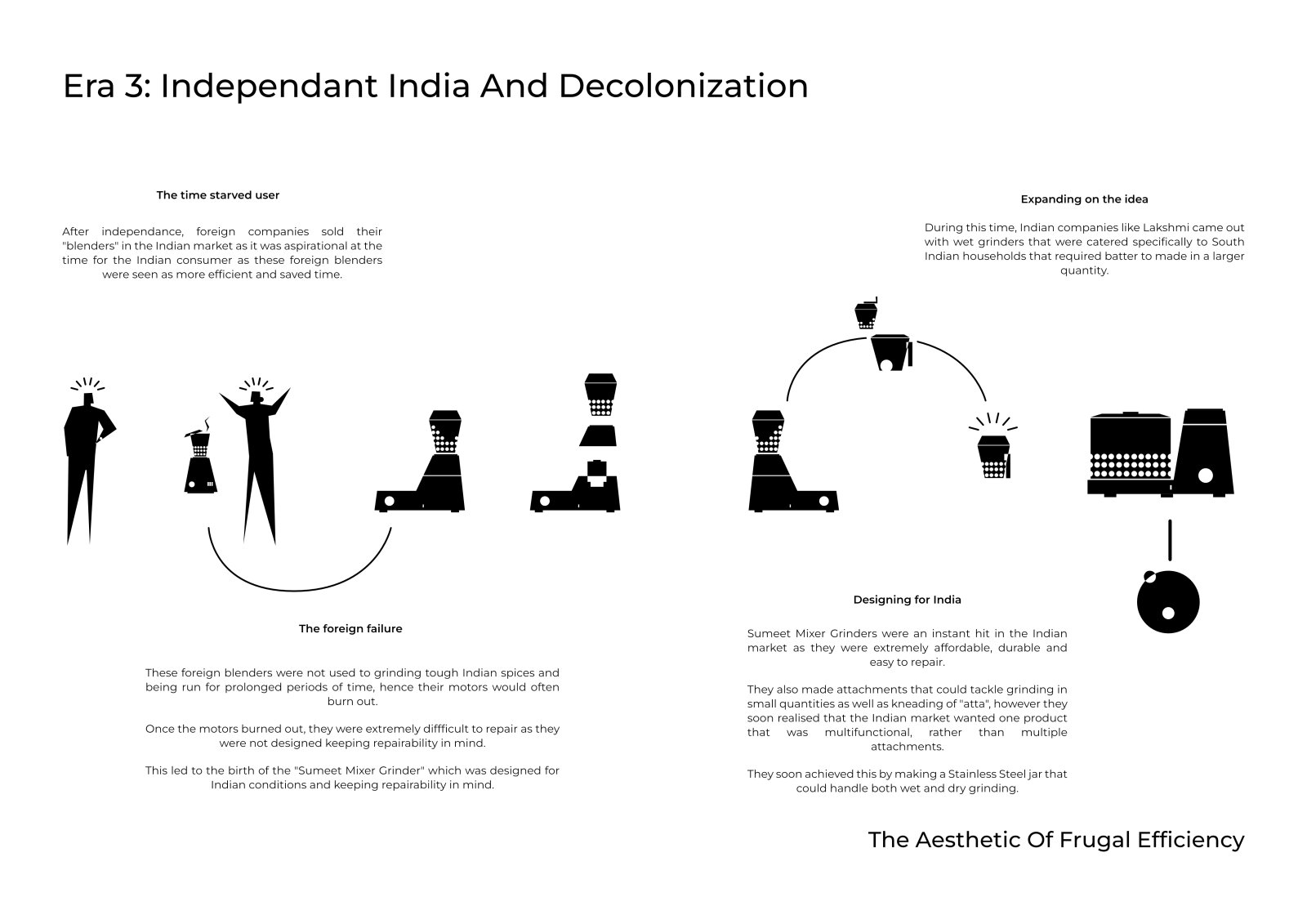
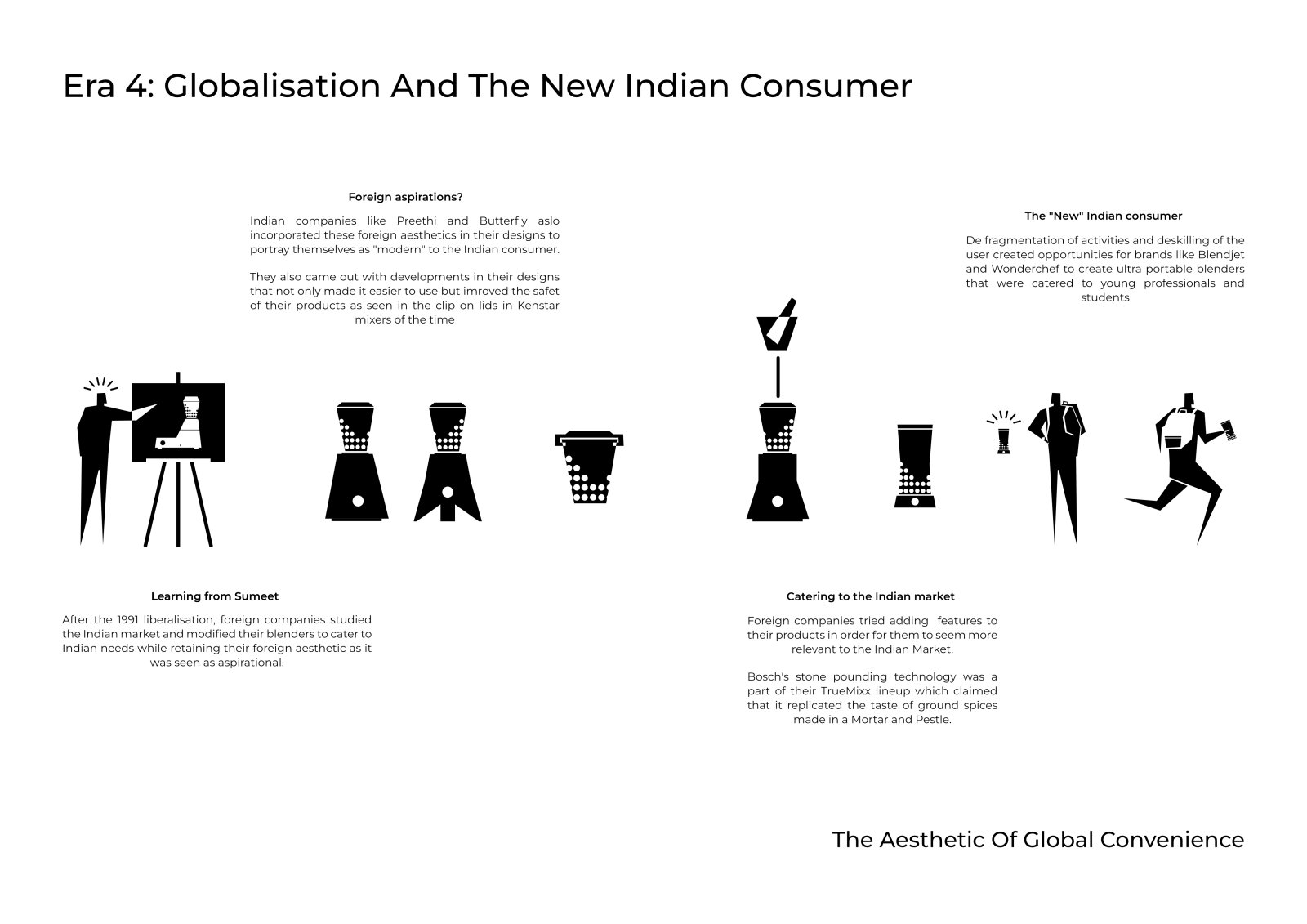
This paper investigates the evolution of Indian product design through the lens of domestic grinding tools across four historical eras. It proposes that the Indian aesthetic is a functionalist principle defined by robustness and multiplicity, rather than visual style. Using qualitative analysis and user surveys, the study traces the failure of colonial "imposed novelty" and the triumph of the post-colonial Sumeet mixer, which successfully electrified traditional needs. Findings indicate that despite the modern shift toward global convenience, the authentic Indian design ethos remains rooted in frugal efficiency. The paper concludes that successful Indian design demands powerful multifunctionality and enduring durability.