Your browser is out-of-date!
For a richer surfing experience on our website, please update your browser. Update my browser now!
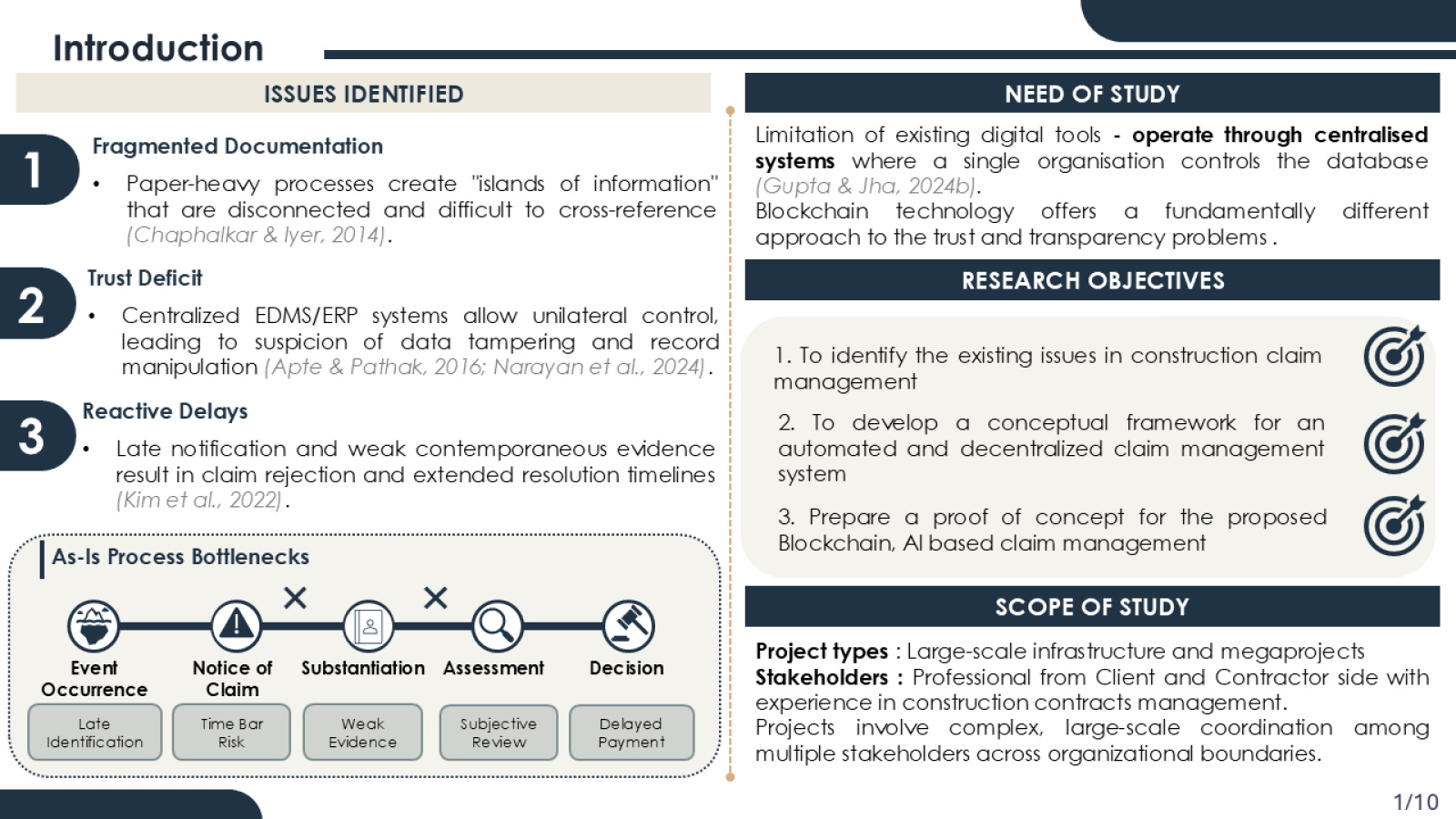
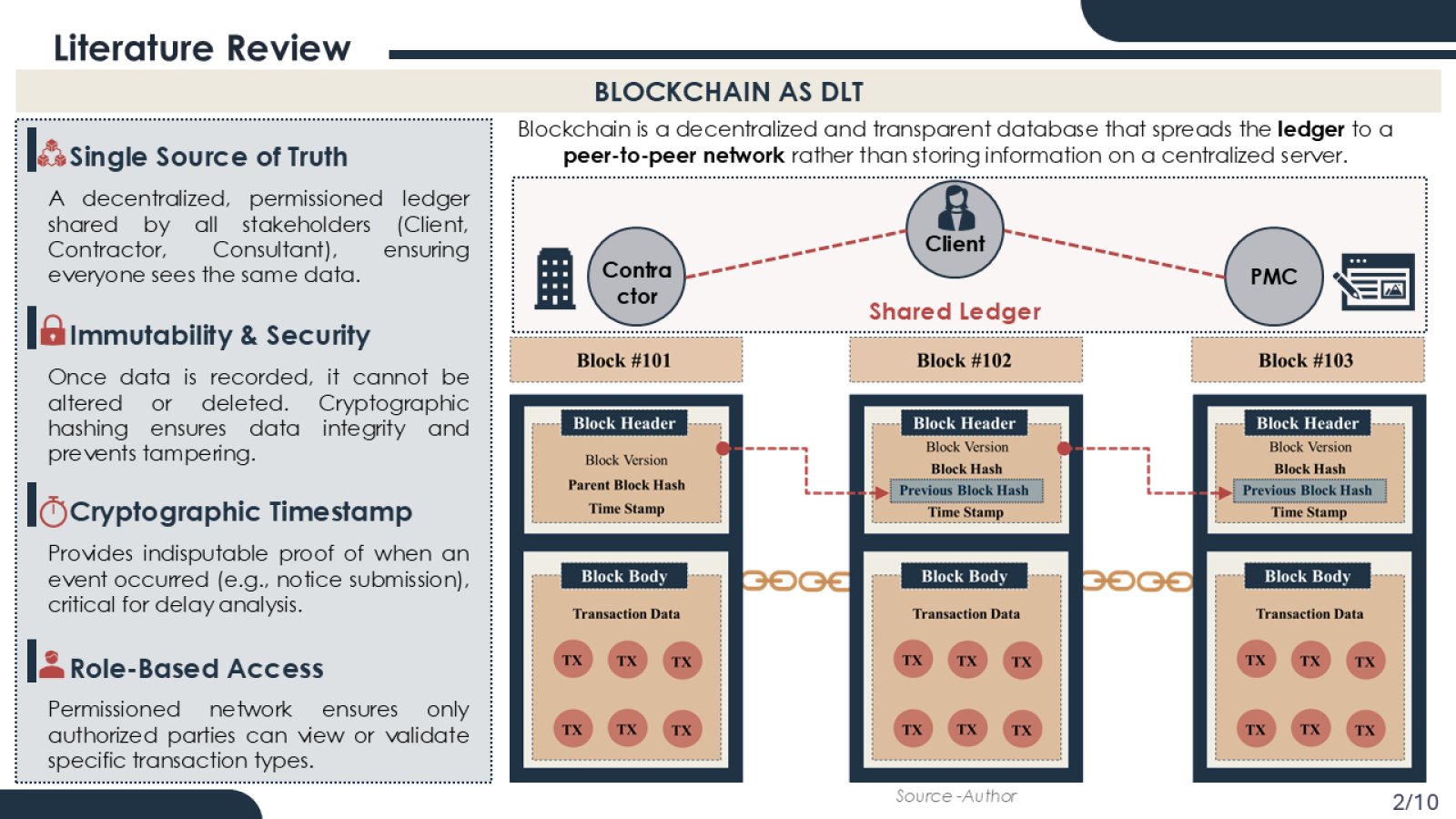
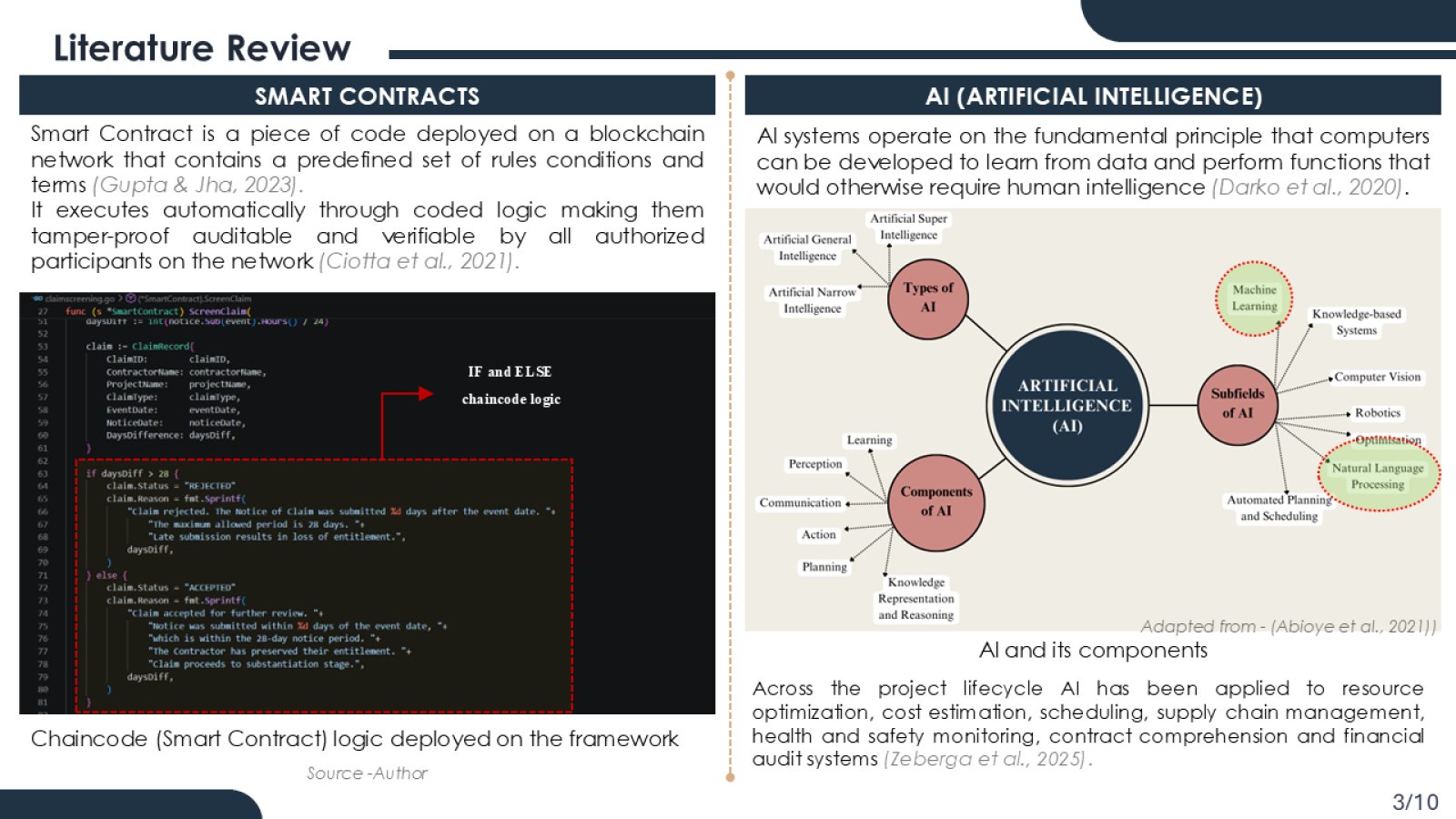
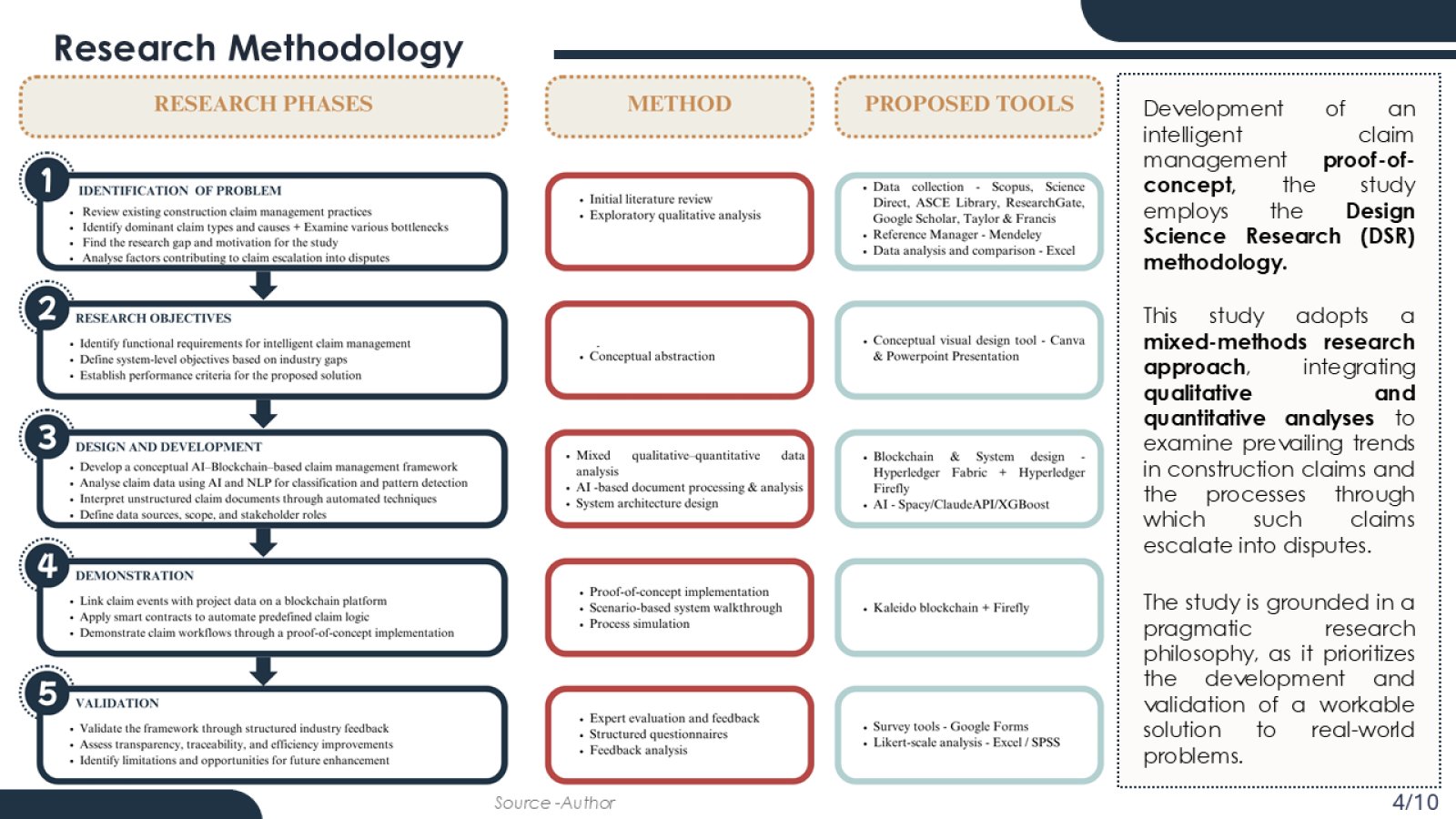
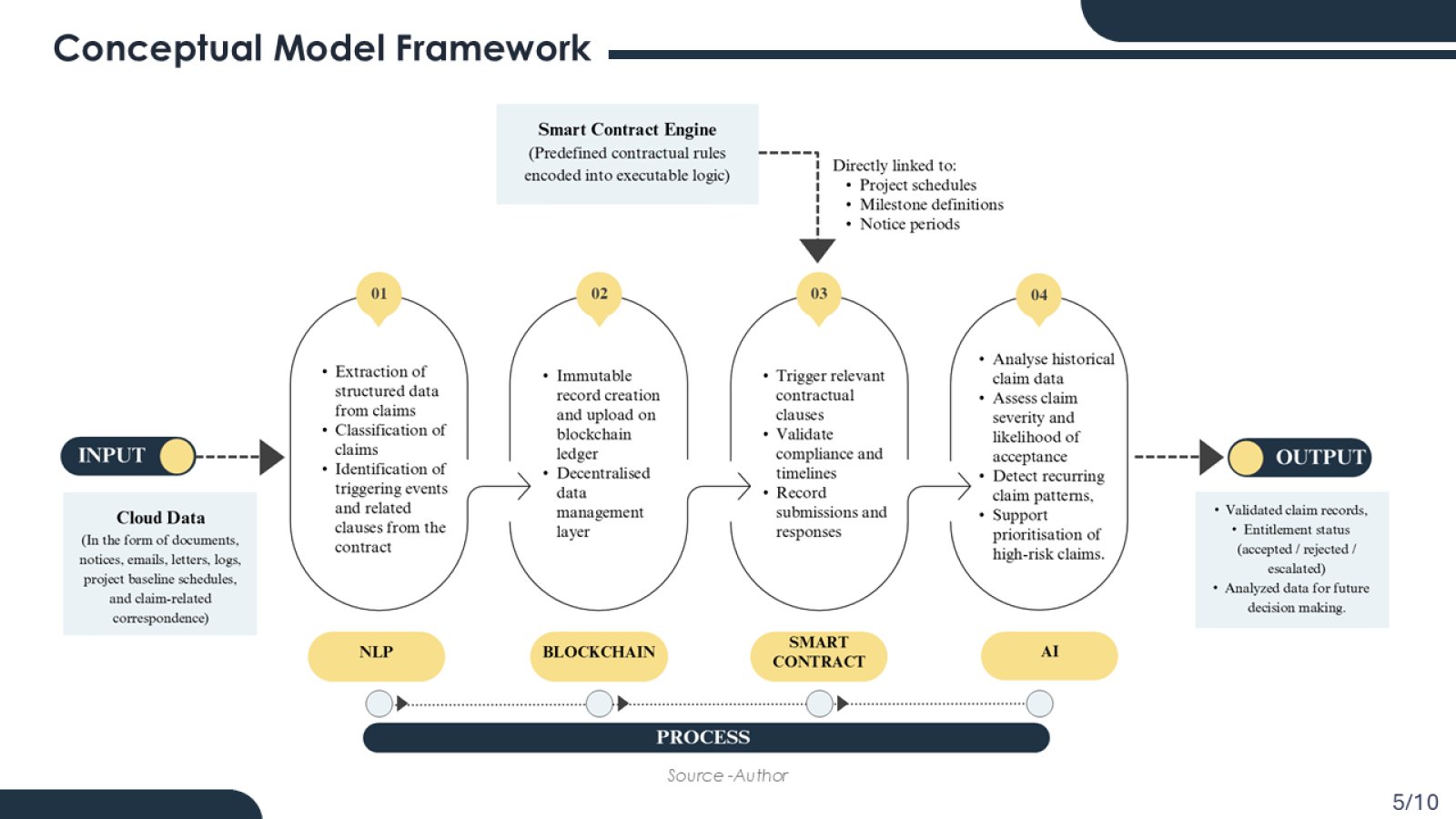
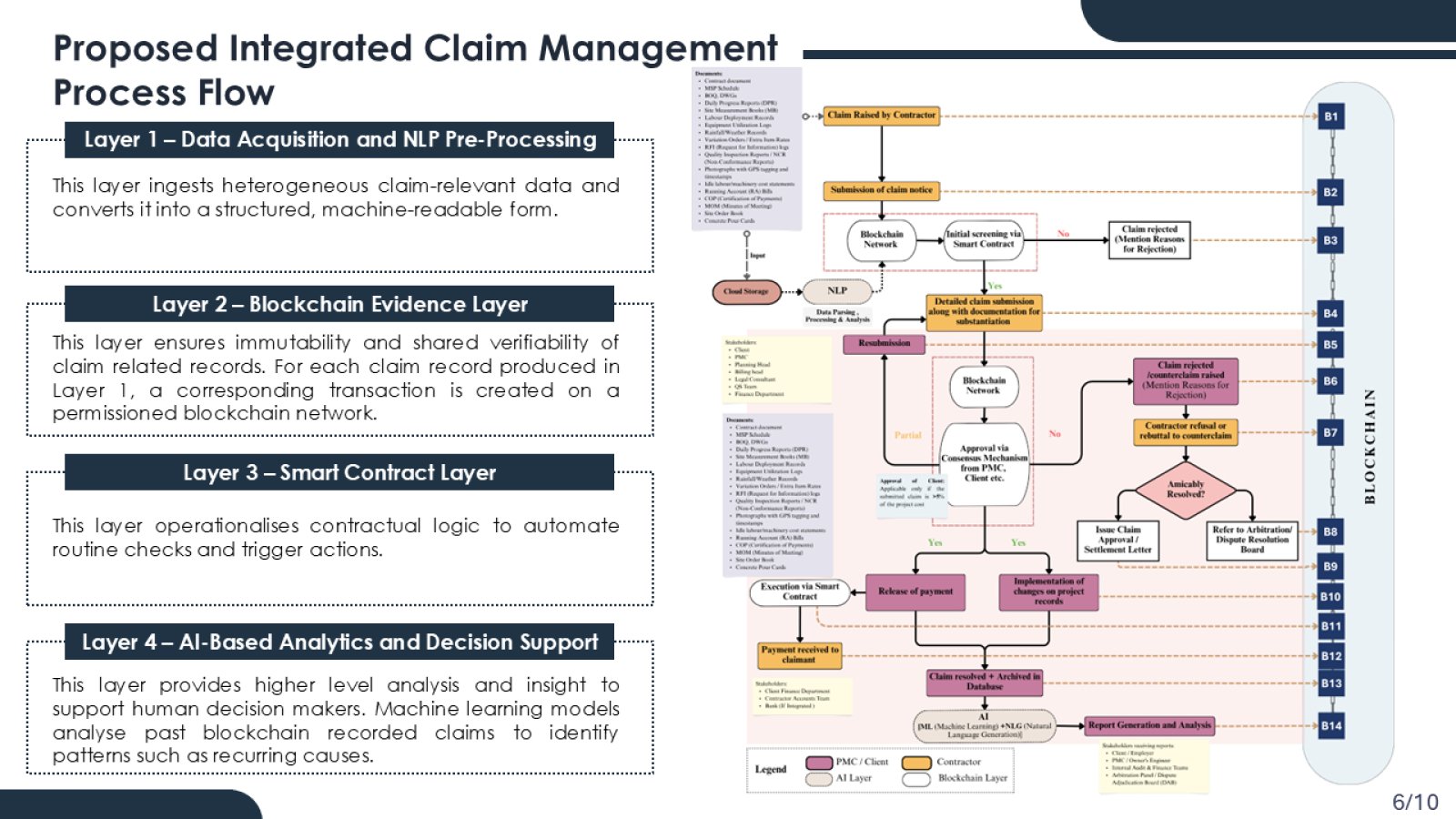
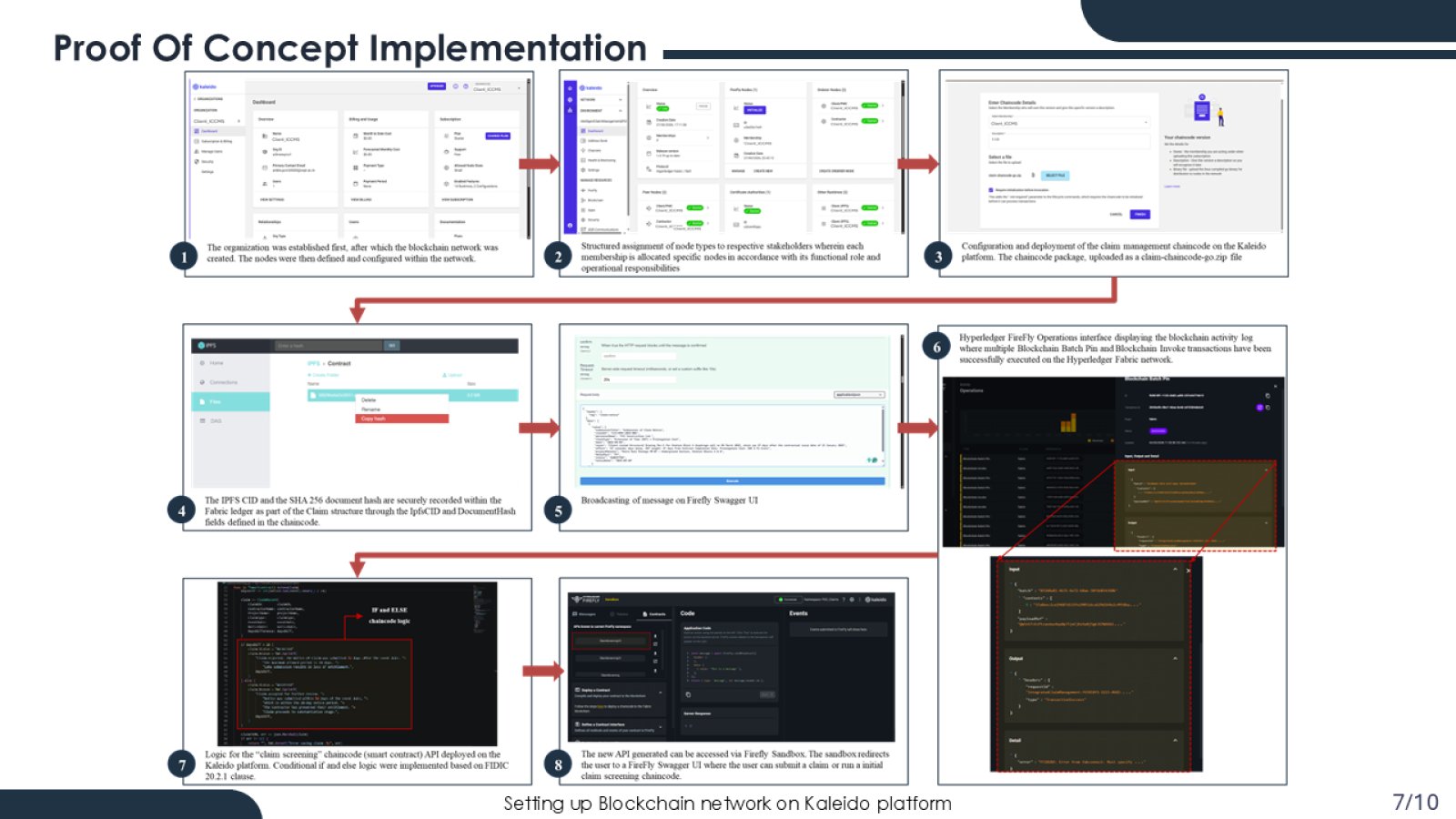
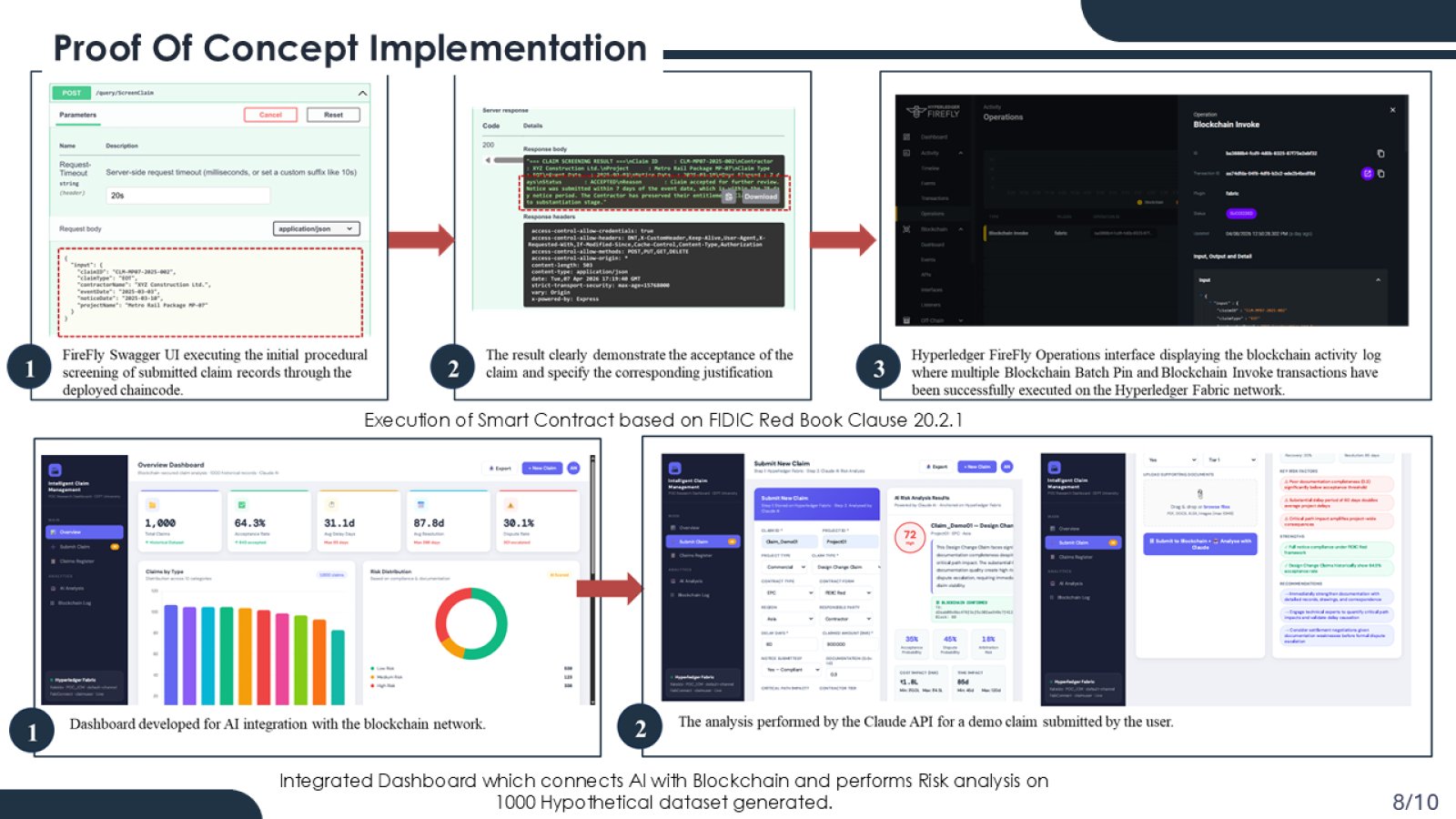
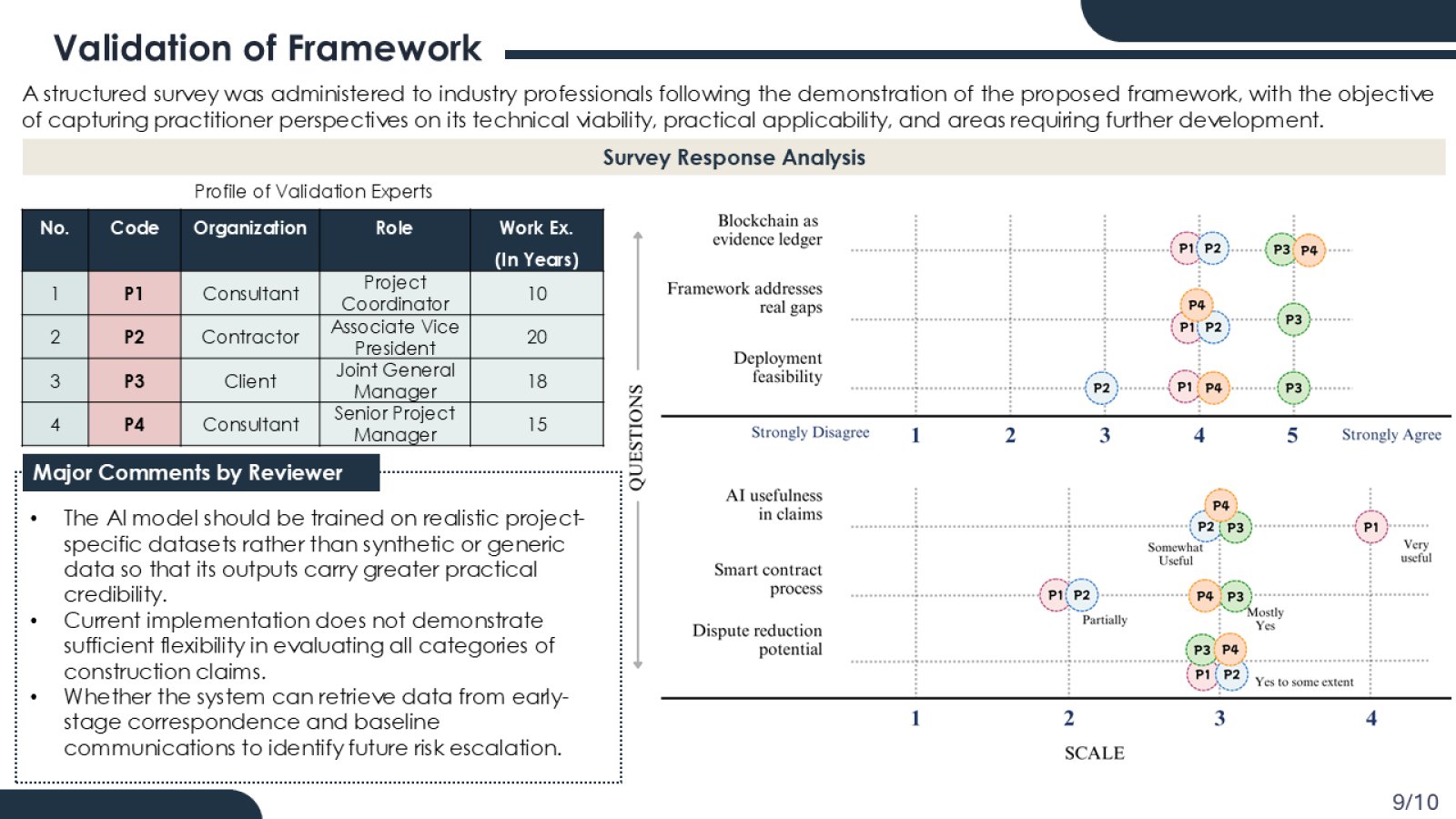
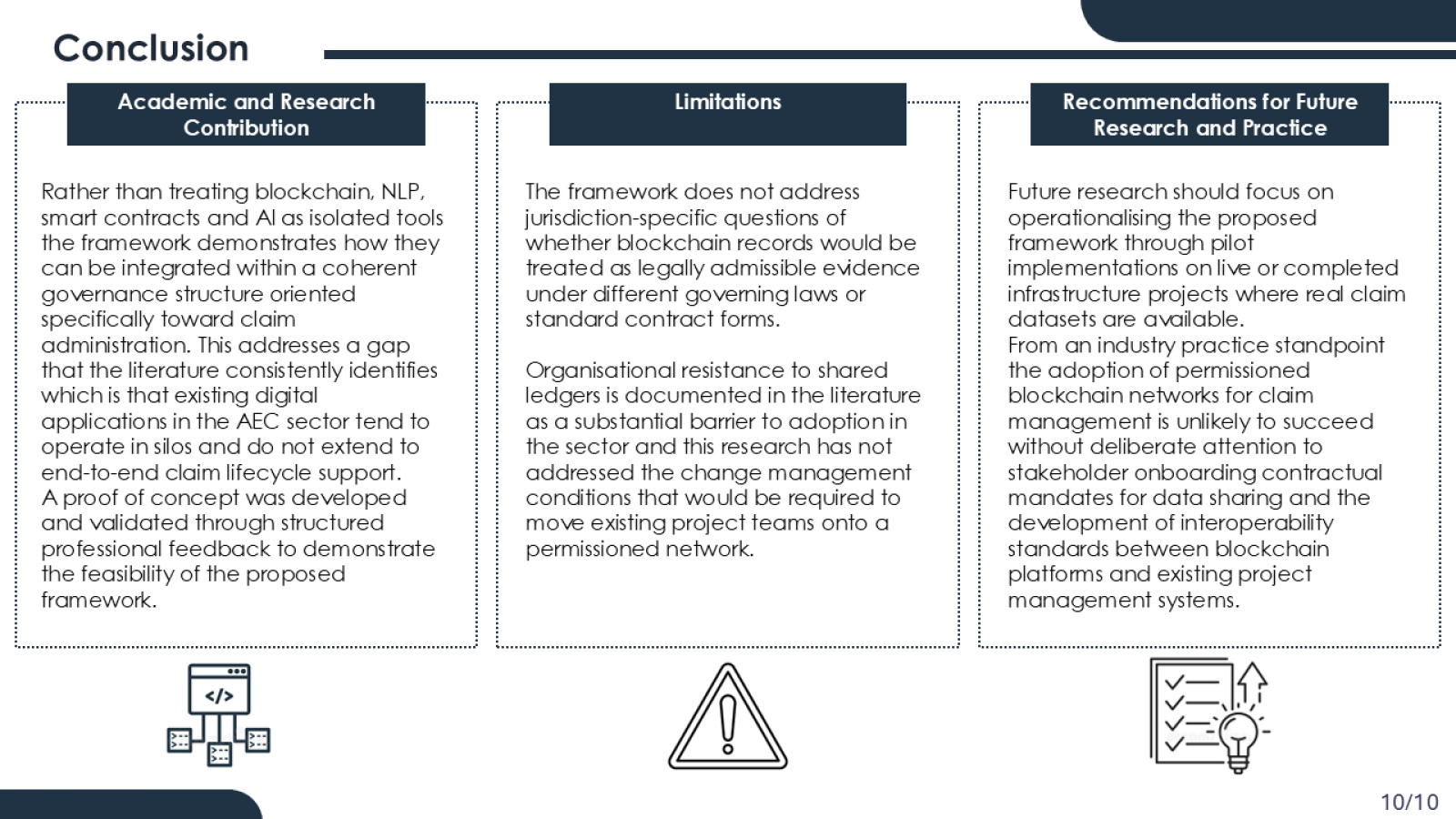
Construction claim management remains one of the most persistent sources of time and cost overruns in the industry. Fragmented record-keeping, centralised data control and the near-total absence of a shared verifiable evidence trail mean that approximately 38% of claims are rejected not on merit but because authenticated documentation simply does not exist at the moment of adjudication. This structural failure is not new. It has been documented across projects and jurisdictions for decades without meaningful resolution. The present study addresses this gap through a four-layer conceptual framework that integrates cloud-based data repositories with natural language processing, a blockchain evidence layer, smart contract automation and AI-based analytics. The first layer handles data acquisition and NLP pre-processing, converting unstructured project correspondence and claim narratives into structured records linked to contract clauses and project schedules. The second layer commits document hashes and claim records to a permissioned blockchain network, producing an immutable and timestamped evidence trail that no single party can alter. The third layer applies smart contract logic to verify procedural compliance including notice periods and documentation completeness, and to trigger automated alerts. The fourth layer deploys machine learning models to assess claim severity, predict success likelihood and generate decision support outputs for negotiation or adjudication. A proof of concept was developed on the Hyperledger Fabric protocol via the Kaleido platform to demonstrate practical feasibility. The proposed system moves claim management away from reactive paper-based processes toward a proactive, data-driven and trust-centred approach that operates on shared and independently verifiable records.