Your browser is out-of-date!
For a richer surfing experience on our website, please update your browser. Update my browser now!
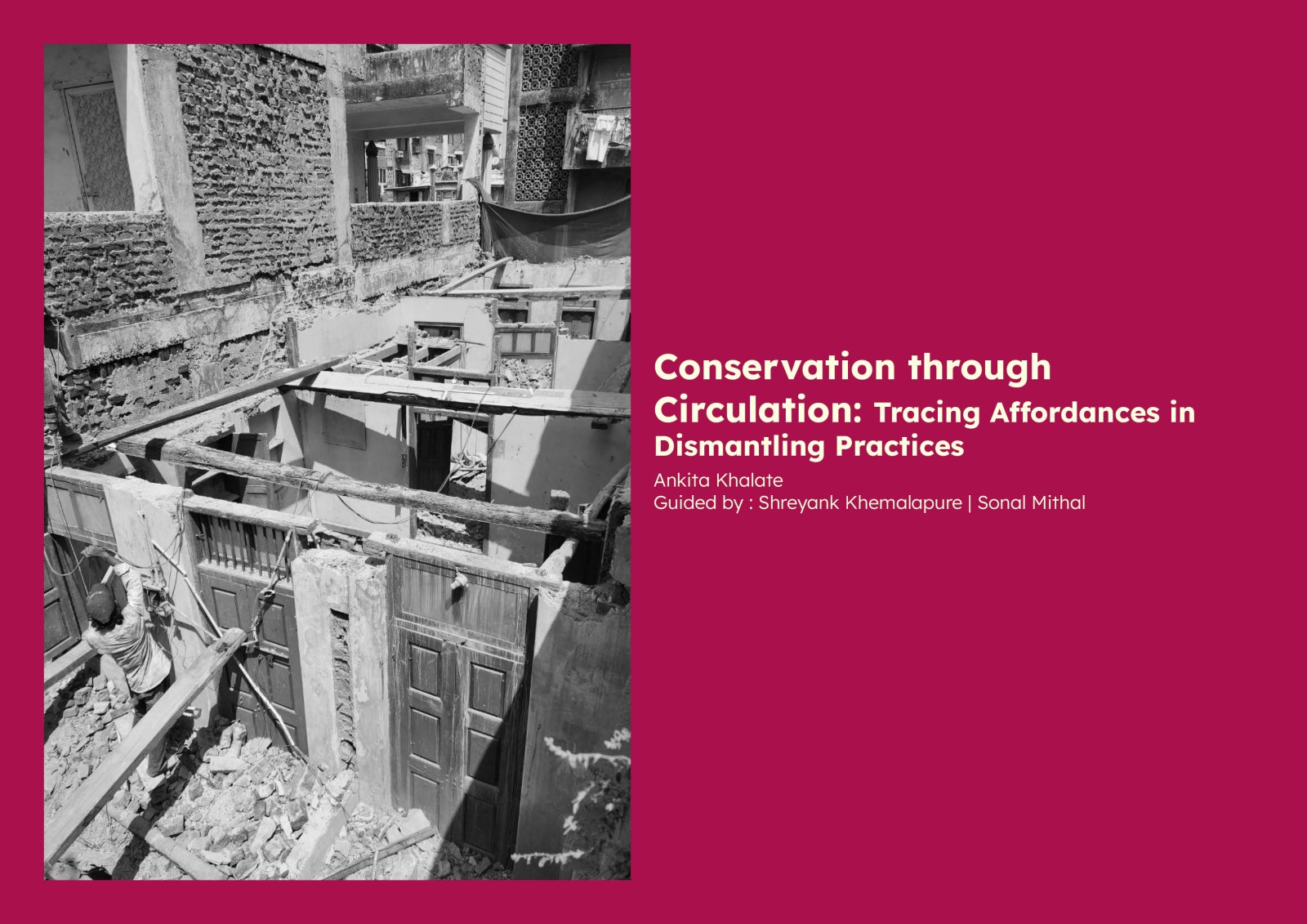
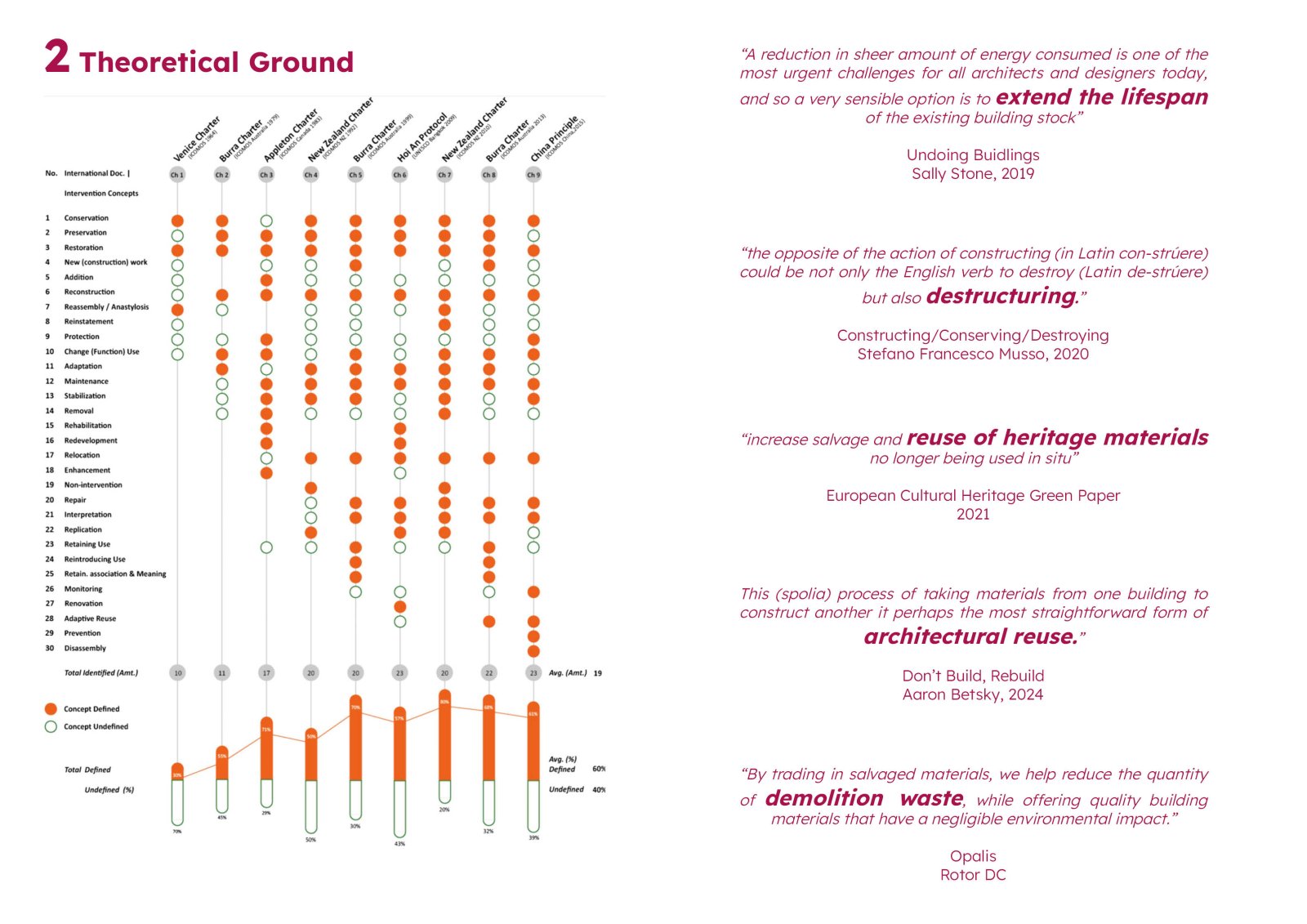
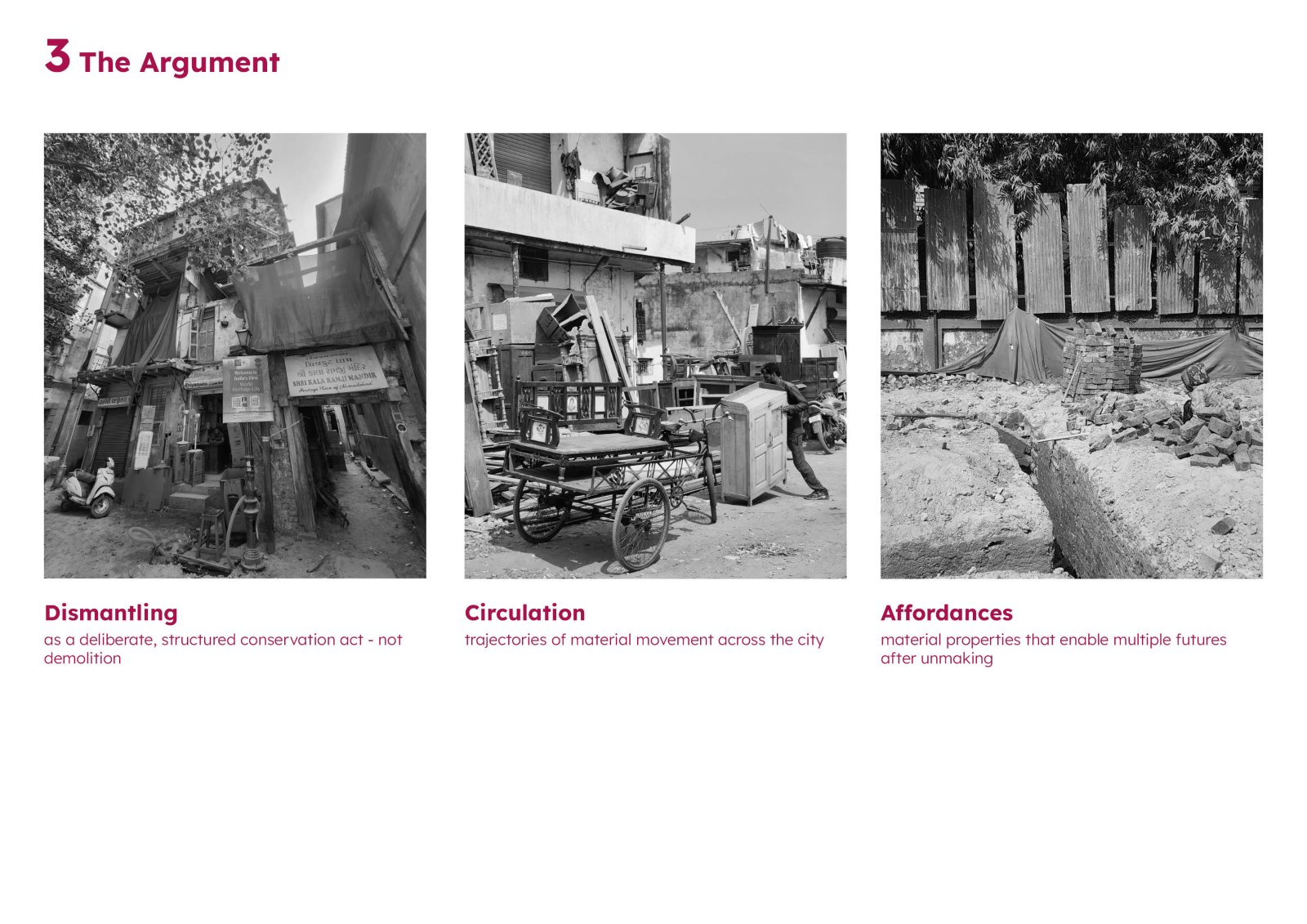
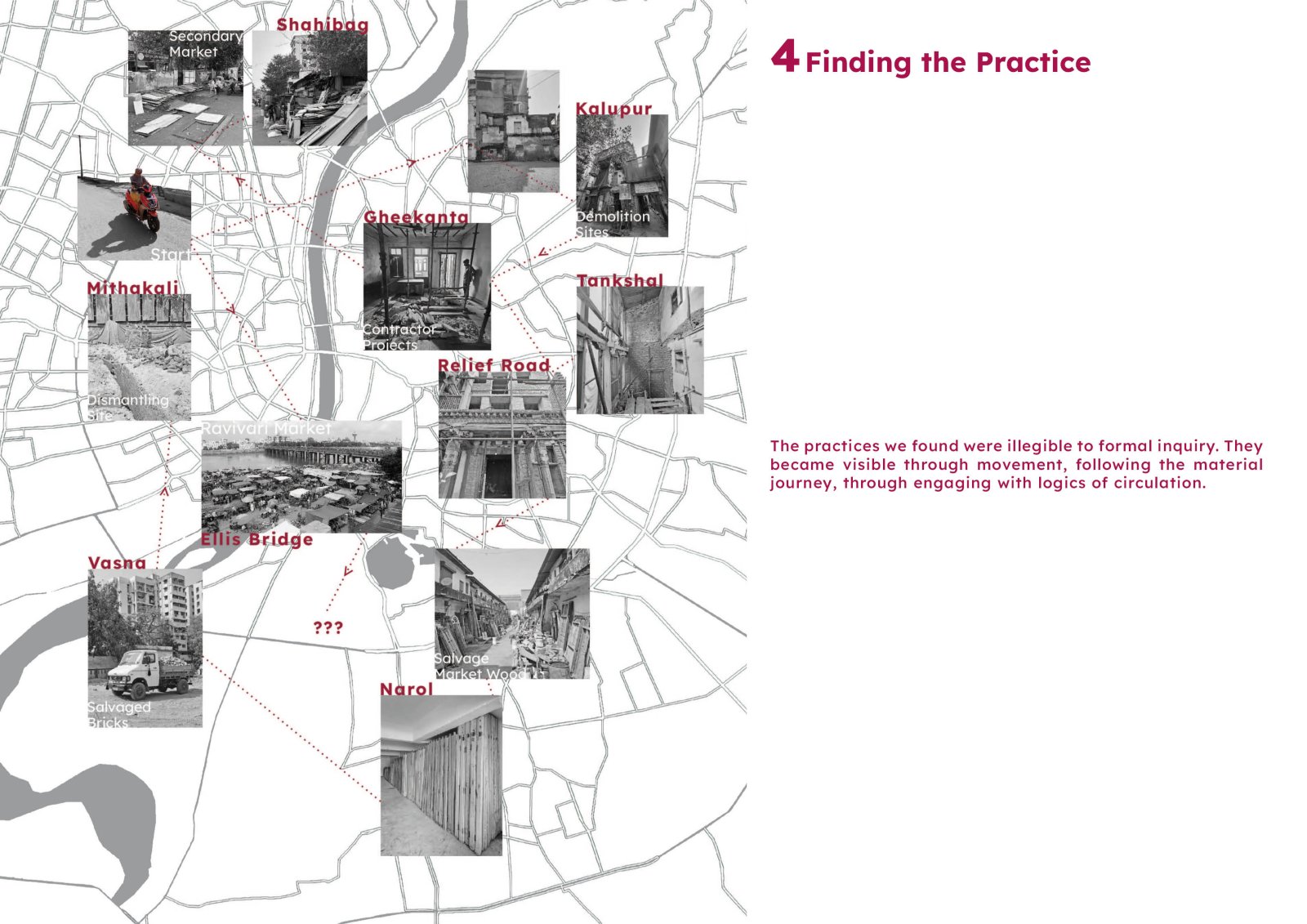
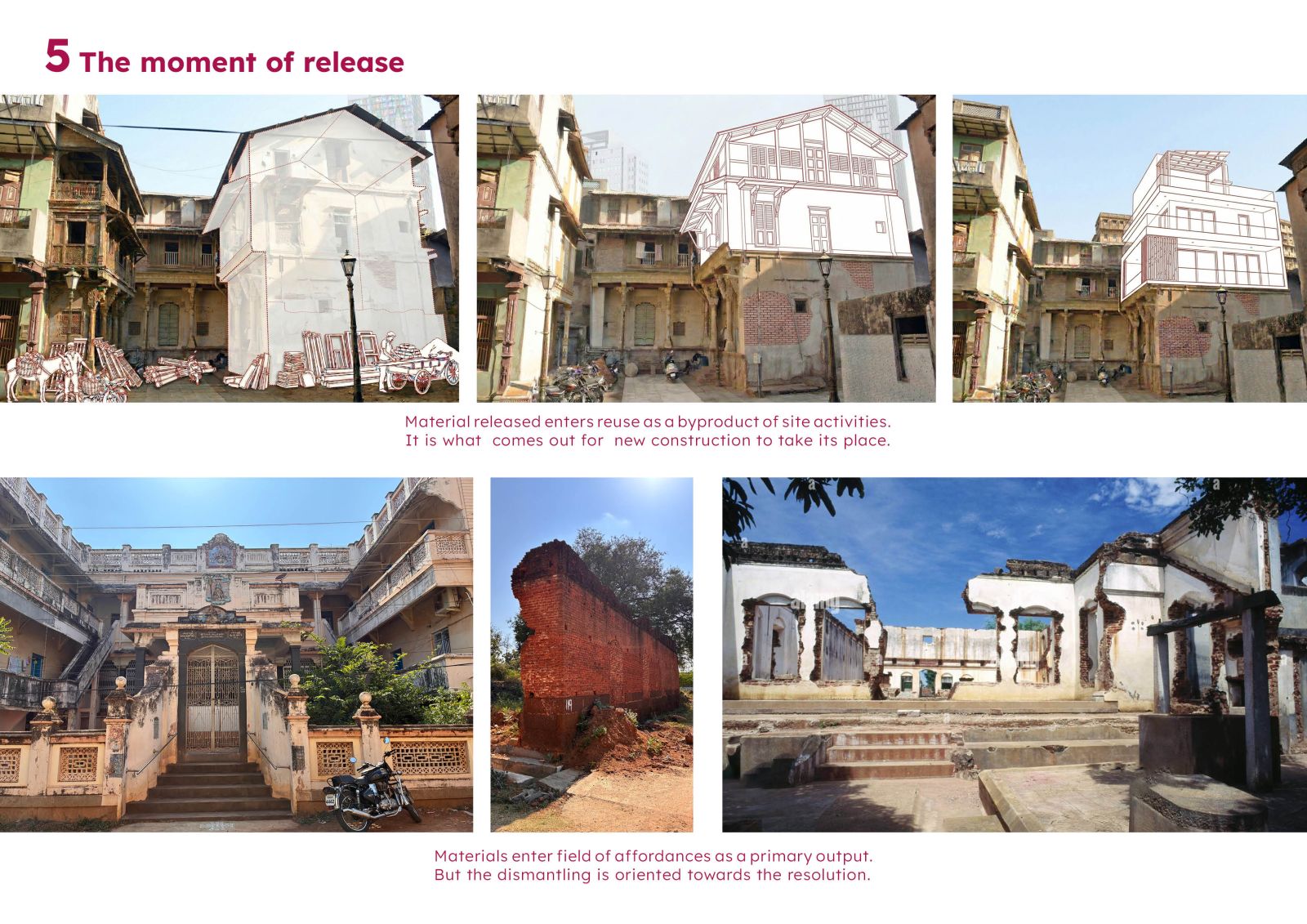
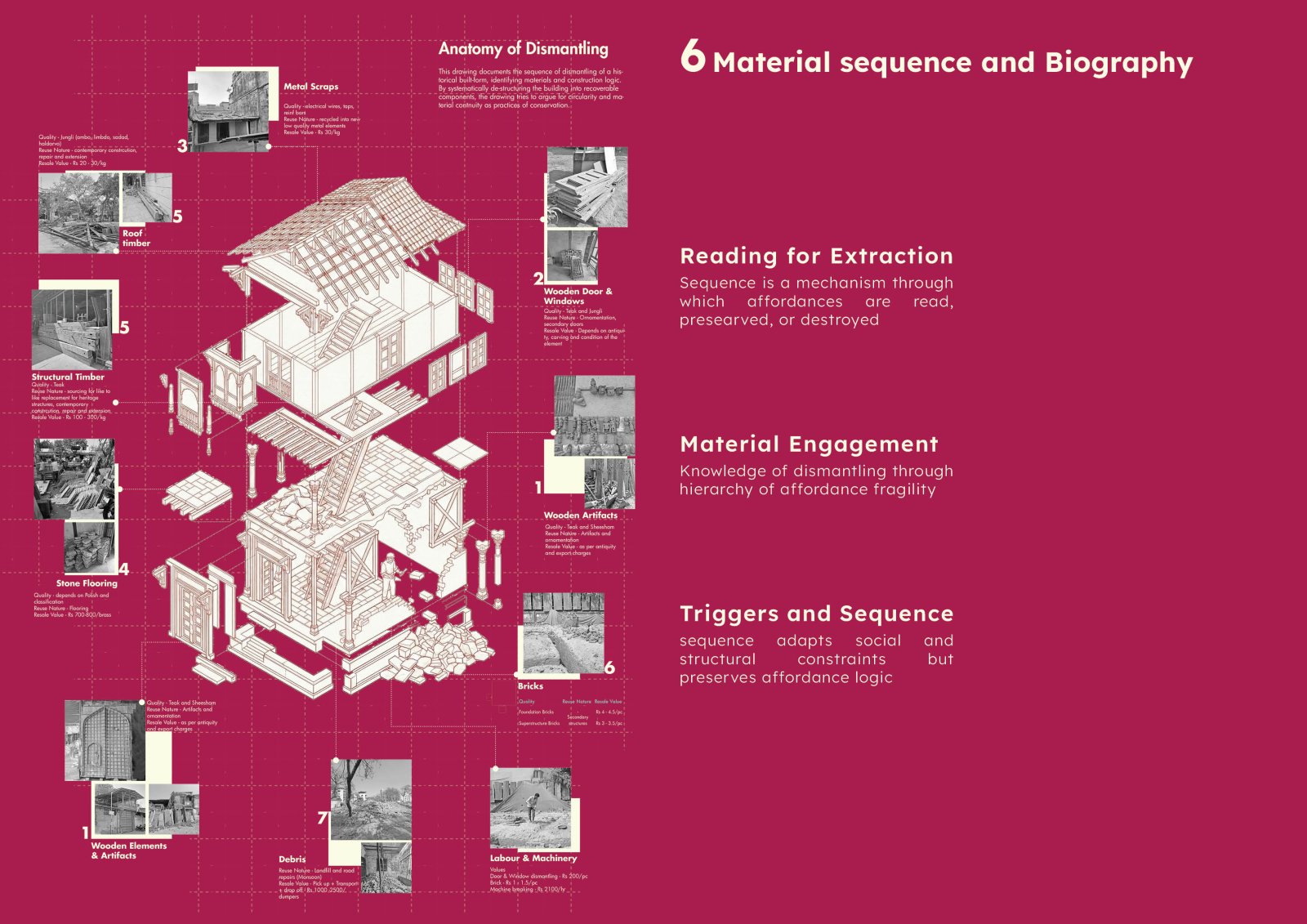
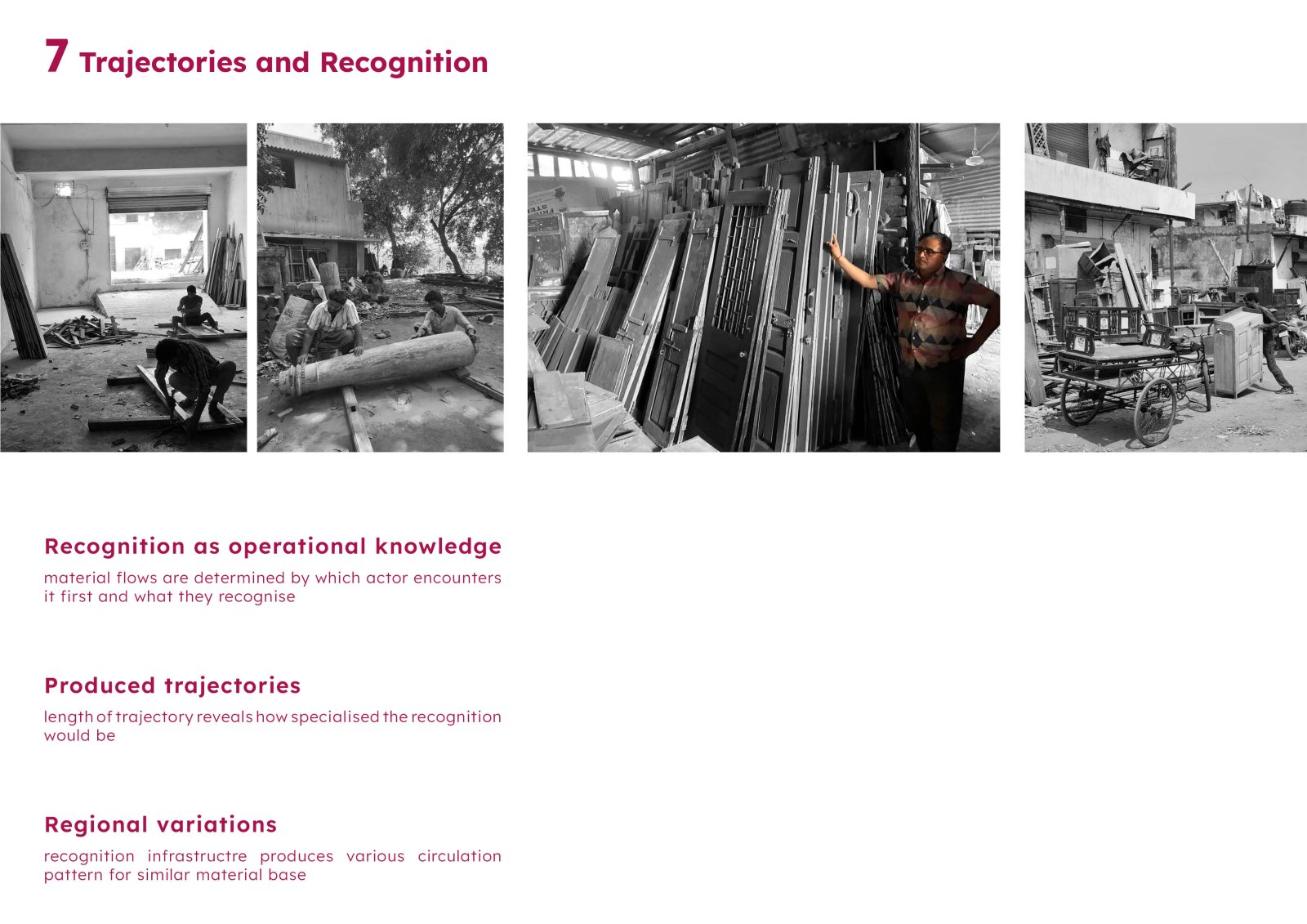
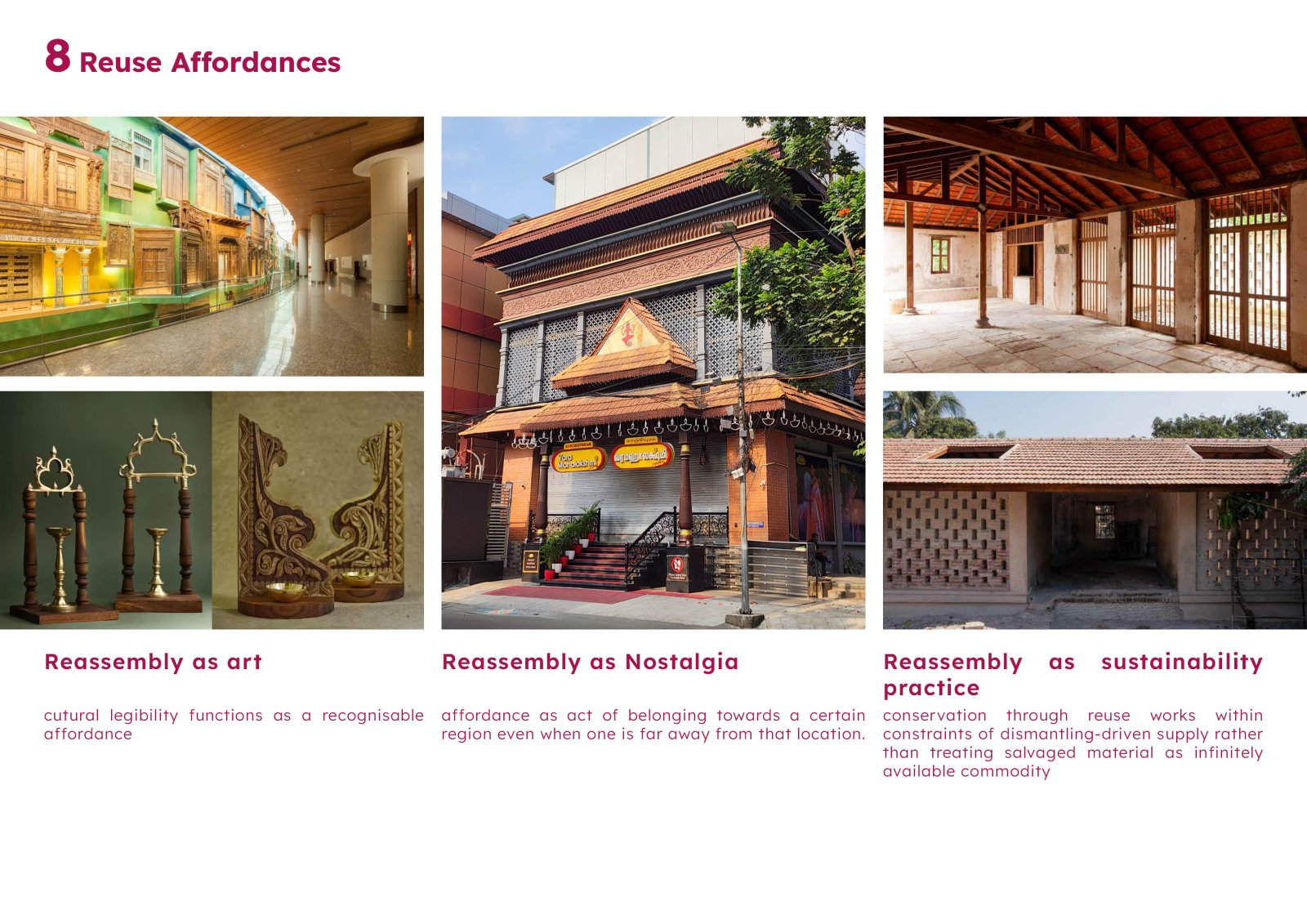
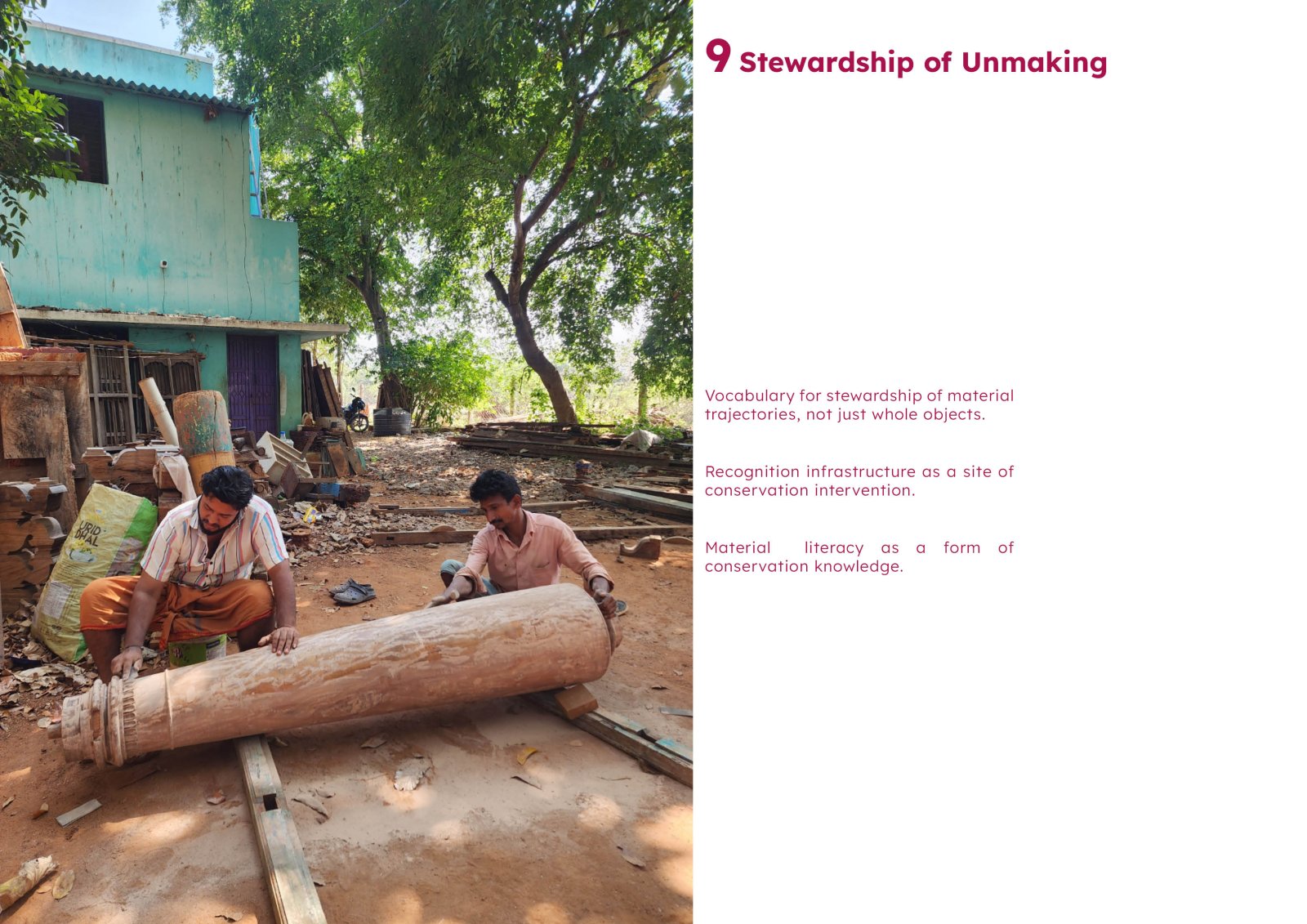
This research examines what happens to architectural materials when buildings are consciously dismantled, proposing that conservation can operate through material circulation. While conservation discourse has developed extensive vocabularies for maintaining intact objects/buildings, it has not adequately theorized stewardship of materials after intentional unmaking. This gap matters as developmental pressures, fragmented ownership, and maintenance costs drive building demolition at increasing rates, releasing significant material volumes that can be circulated. The research elaborates on de-structuring as a distinct conservation vocabulary. It is intentional unmaking that releases material from one configuration so other futures remain possible. It positions circularity as material consequence. Adapting affordance theory from ecological psychology, it proposes that material capacities are relational; produced through encounters between what fragments can do and the knowledge of actors who handle them. Through fieldwork across three regions in India: Ahmedabad, Chettinad, and Surat; the research traces material trajectories from dismantling sites through dealer networks through reuse contexts. It reveals that dismantling operates through sophisticated sequences based on affordances of the fragments. Different actors like the dismantling community, dealers, fabricators, brokers, contractors possess different recognition capacities that determine material routing. The central contribution of this research is demonstrating that conservation already operates at scale through informal material networks that keep fragments operationally alive beyond fixed objects. It elaborates on how the discipline can support, expand, and strengthen the practice of dismantling and its infrastructure. Finally, it reframes conservation continues after unmaking, as a stewardship of material trajectories.