Your browser is out-of-date!
For a richer surfing experience on our website, please update your browser. Update my browser now!
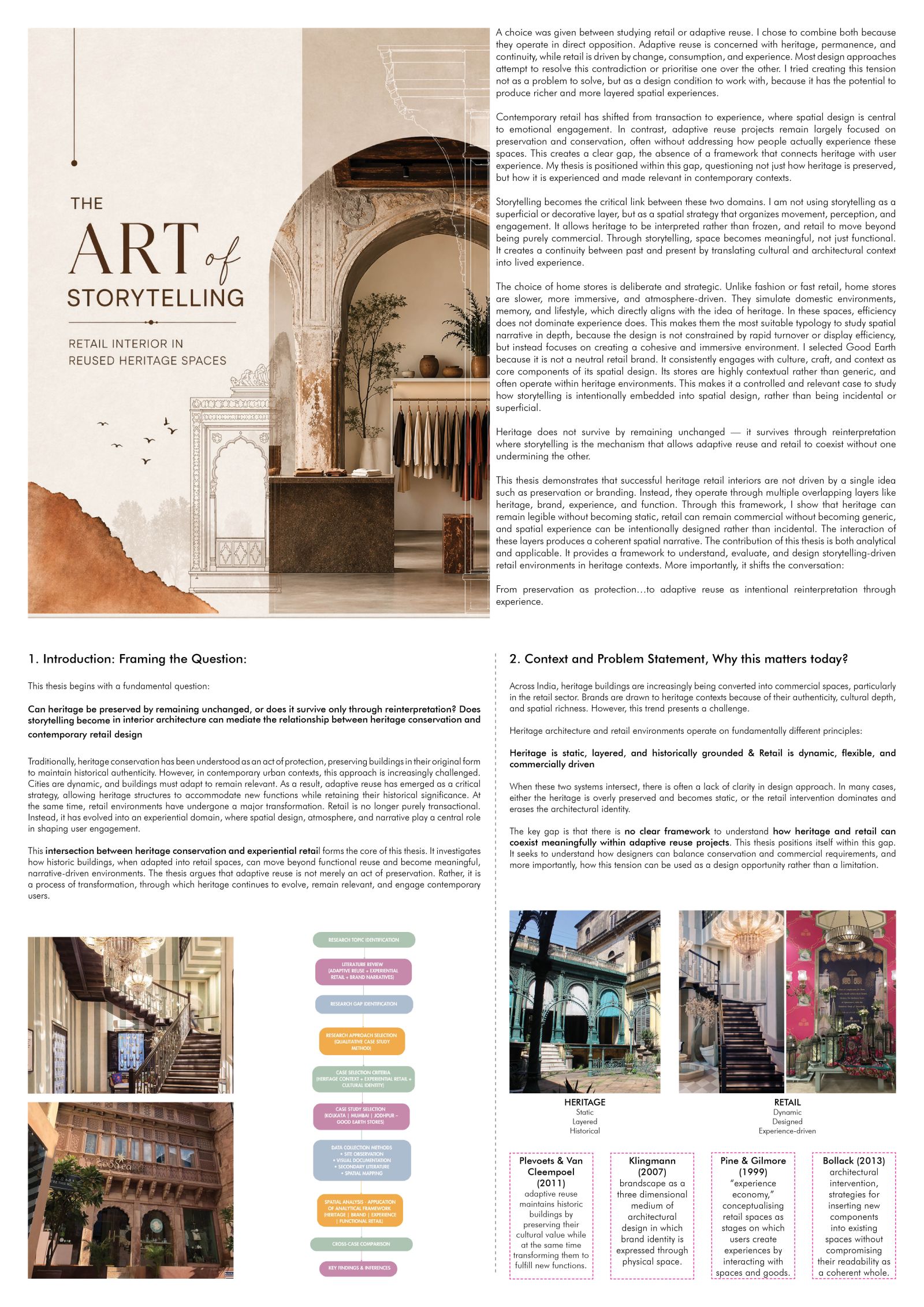
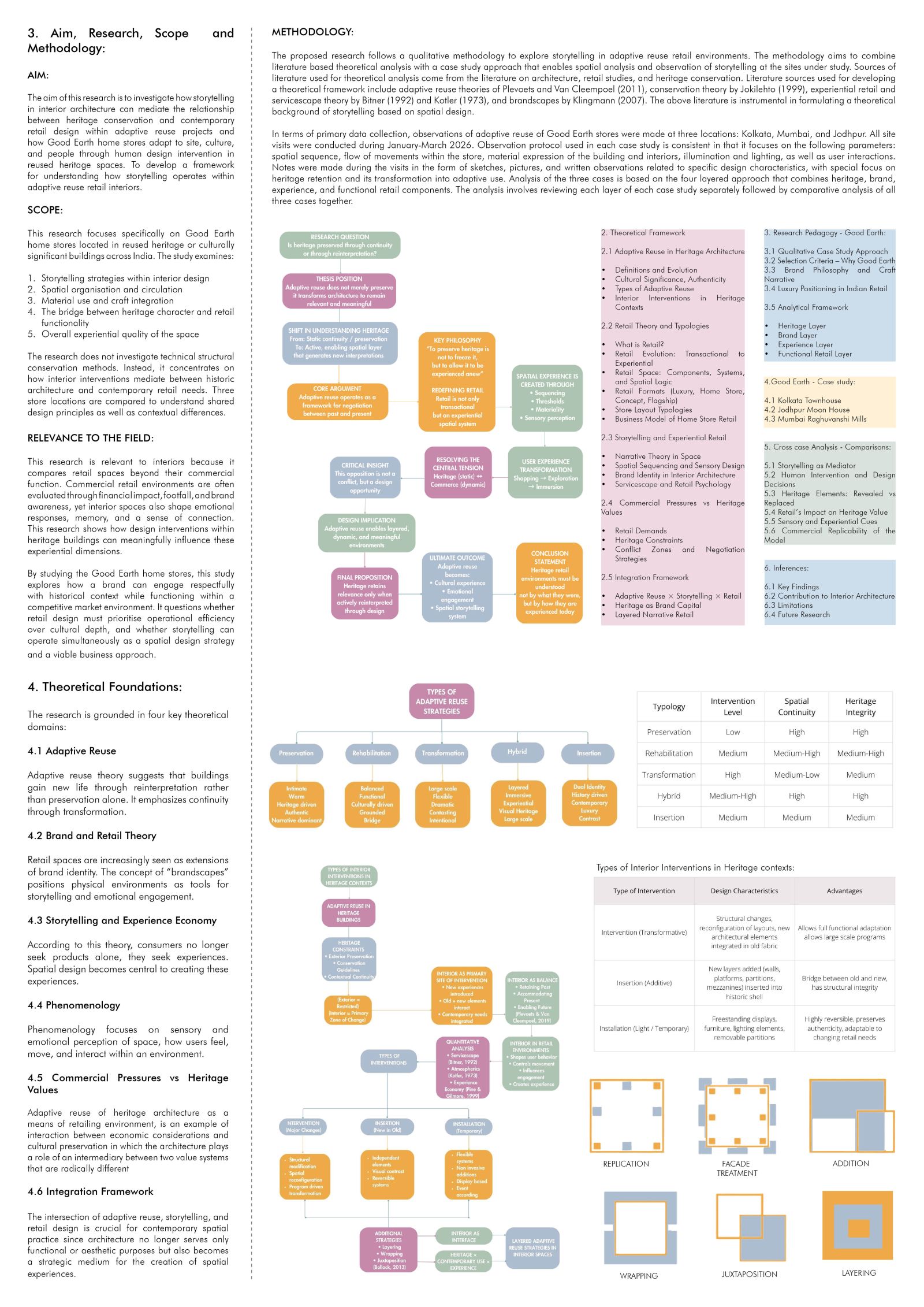
Many cities today contain historic buildings rich with identity, craftsmanship, memory, and cultural significance. Adaptive reuse gives these structures new life instead of allowing them to be demolished. However, a challenge emerges when heritage buildings are transformed into retail spaces. Retail demands flexibility, branding, storage, lighting, and efficiency, while heritage requires sensitivity, preservation, and respect for history.
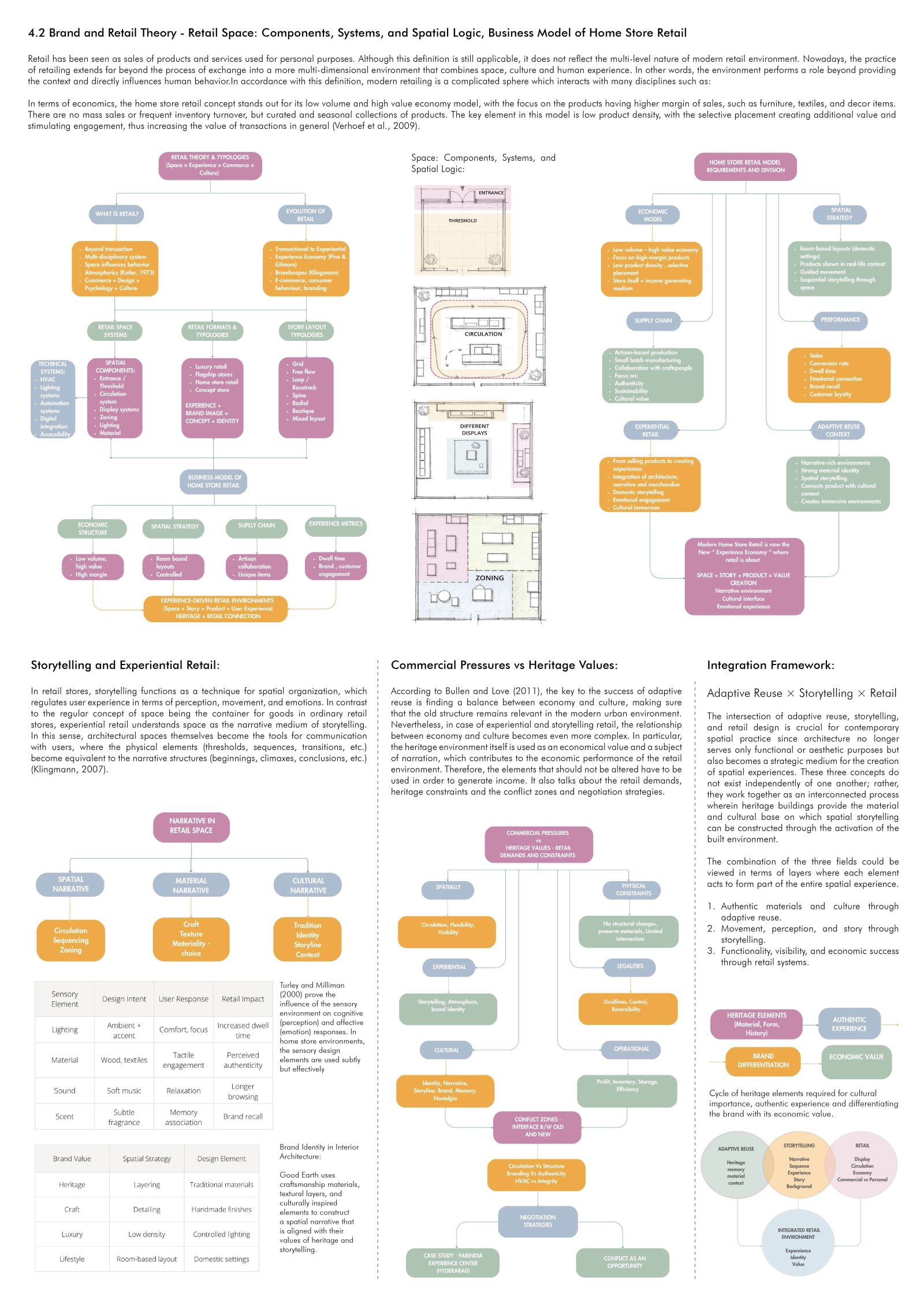
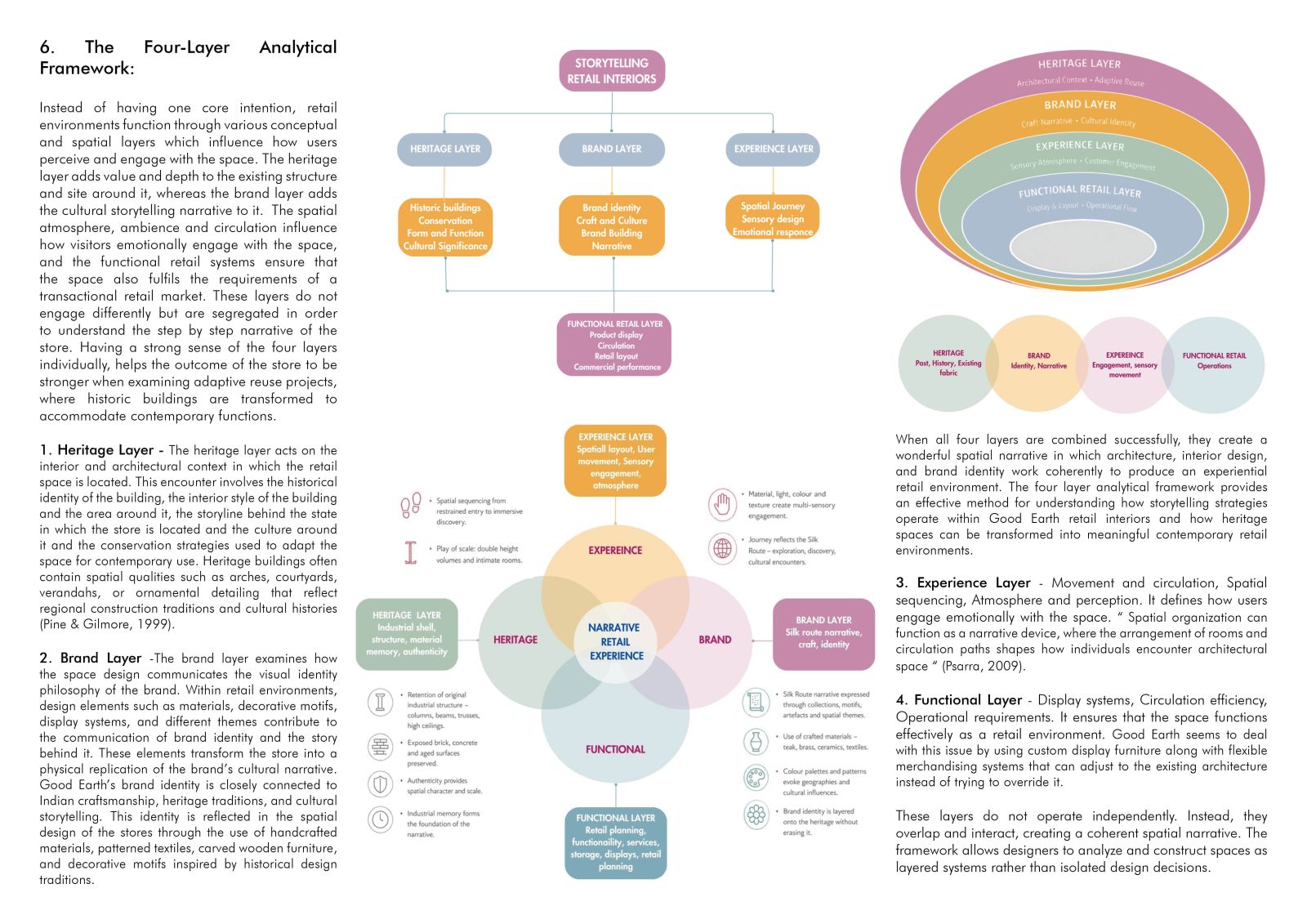
Today, many retail interiors are driven primarily by commercial performance, often resulting in repetitive and standardized spaces. In contrast, storytelling retail focuses on creating meaningful experiences through materials, lighting, spatial sequencing, and atmosphere. Rather than hiding the building’s history, the design integrates it into the narrative of the space.
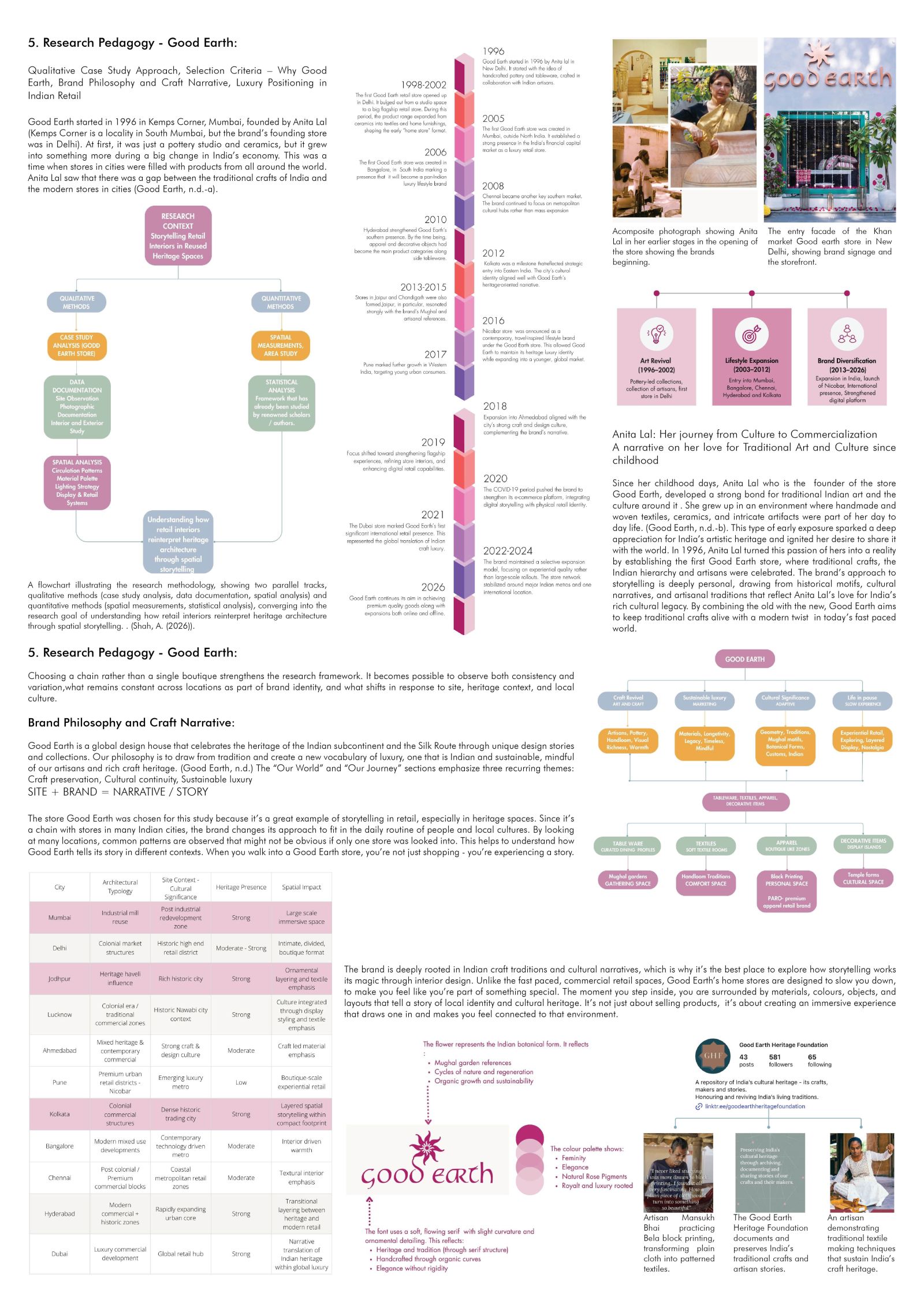
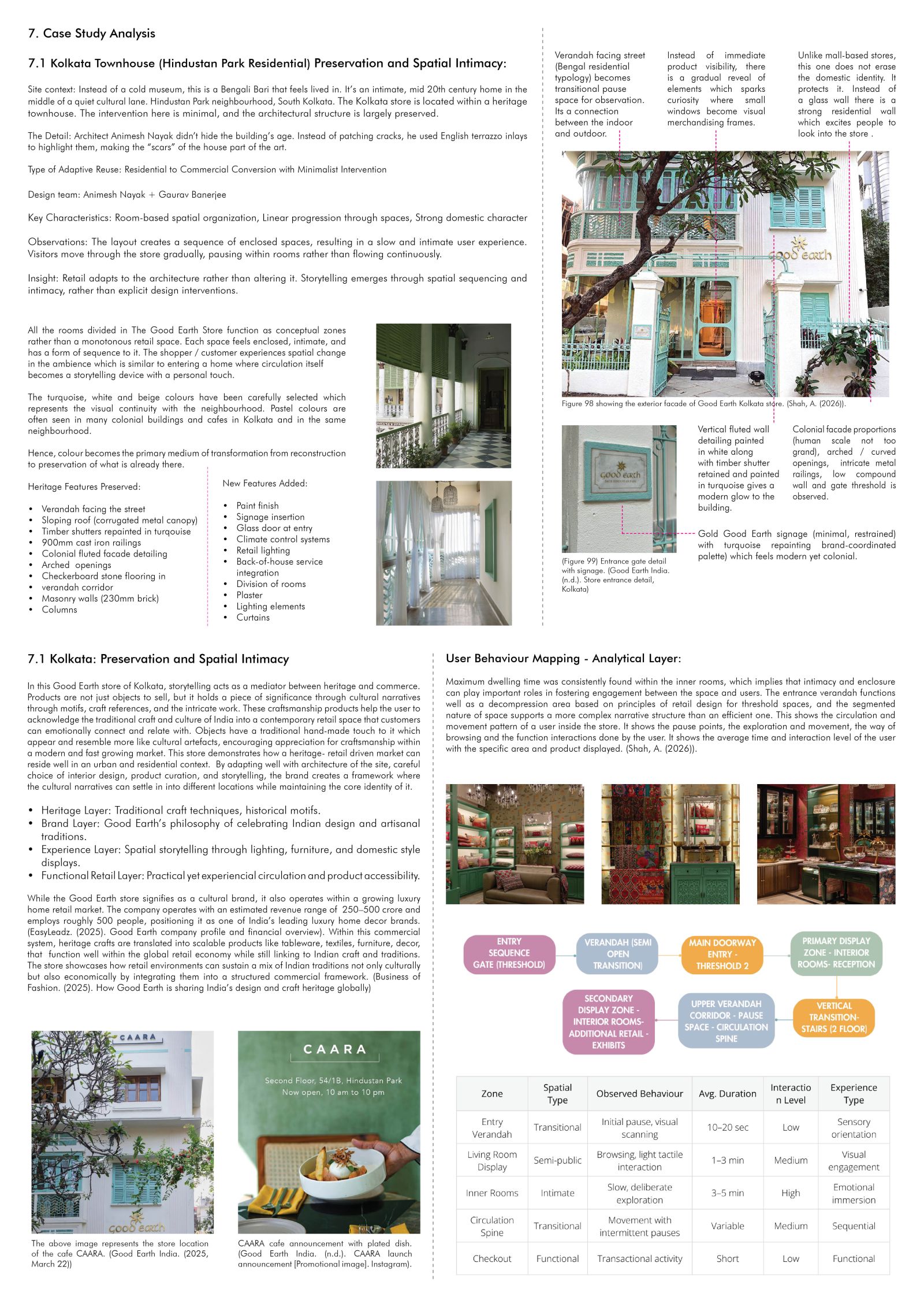
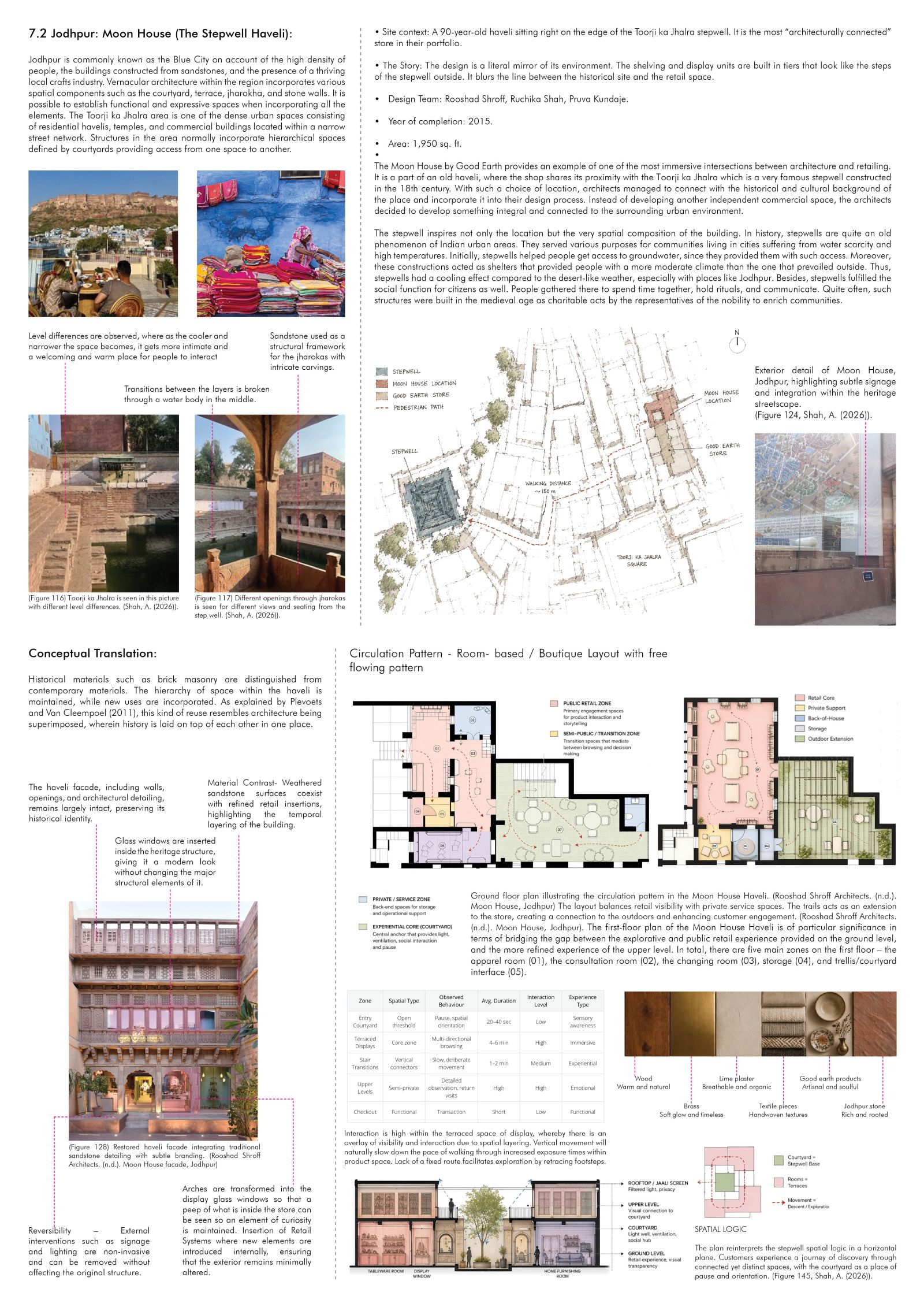
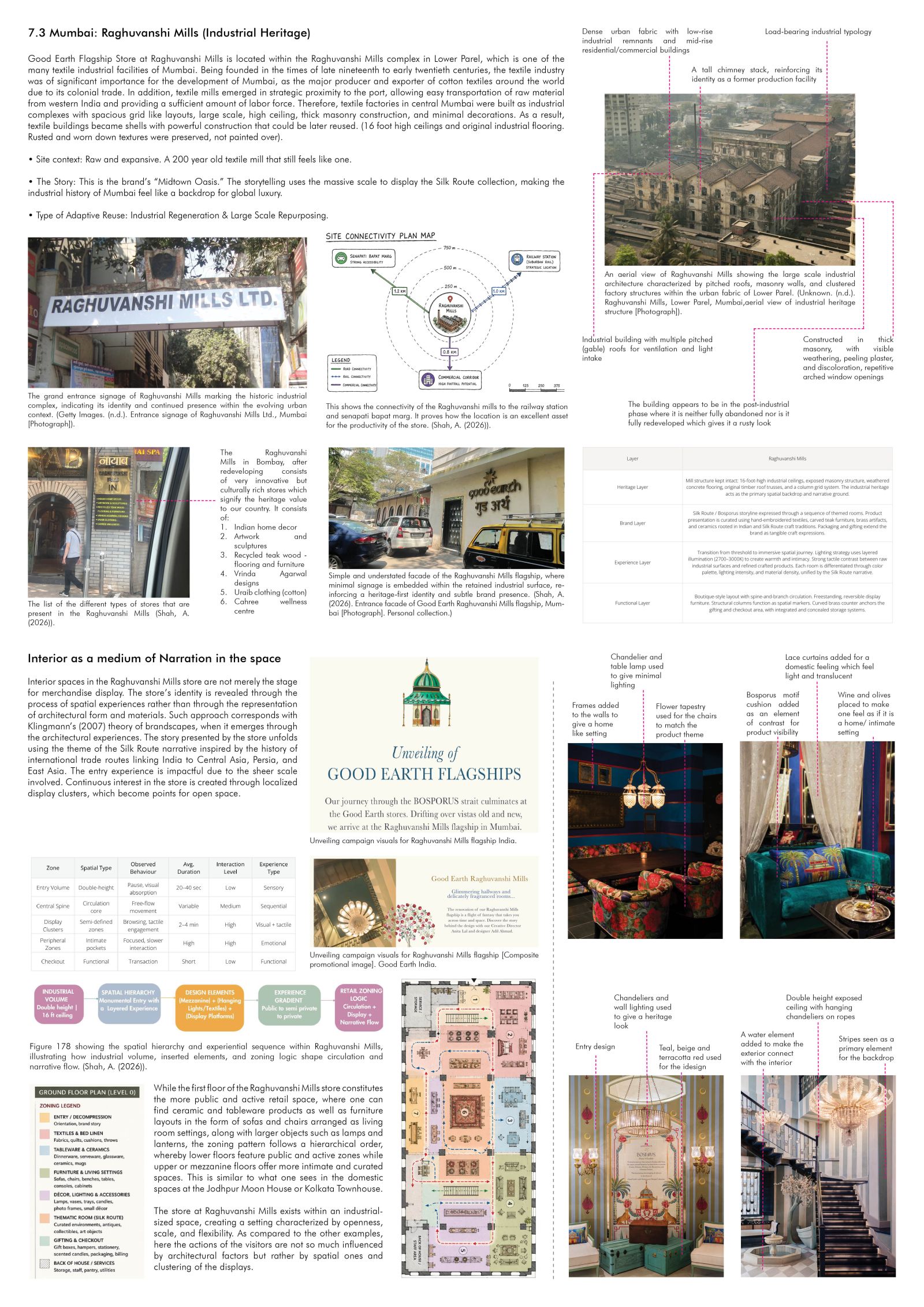
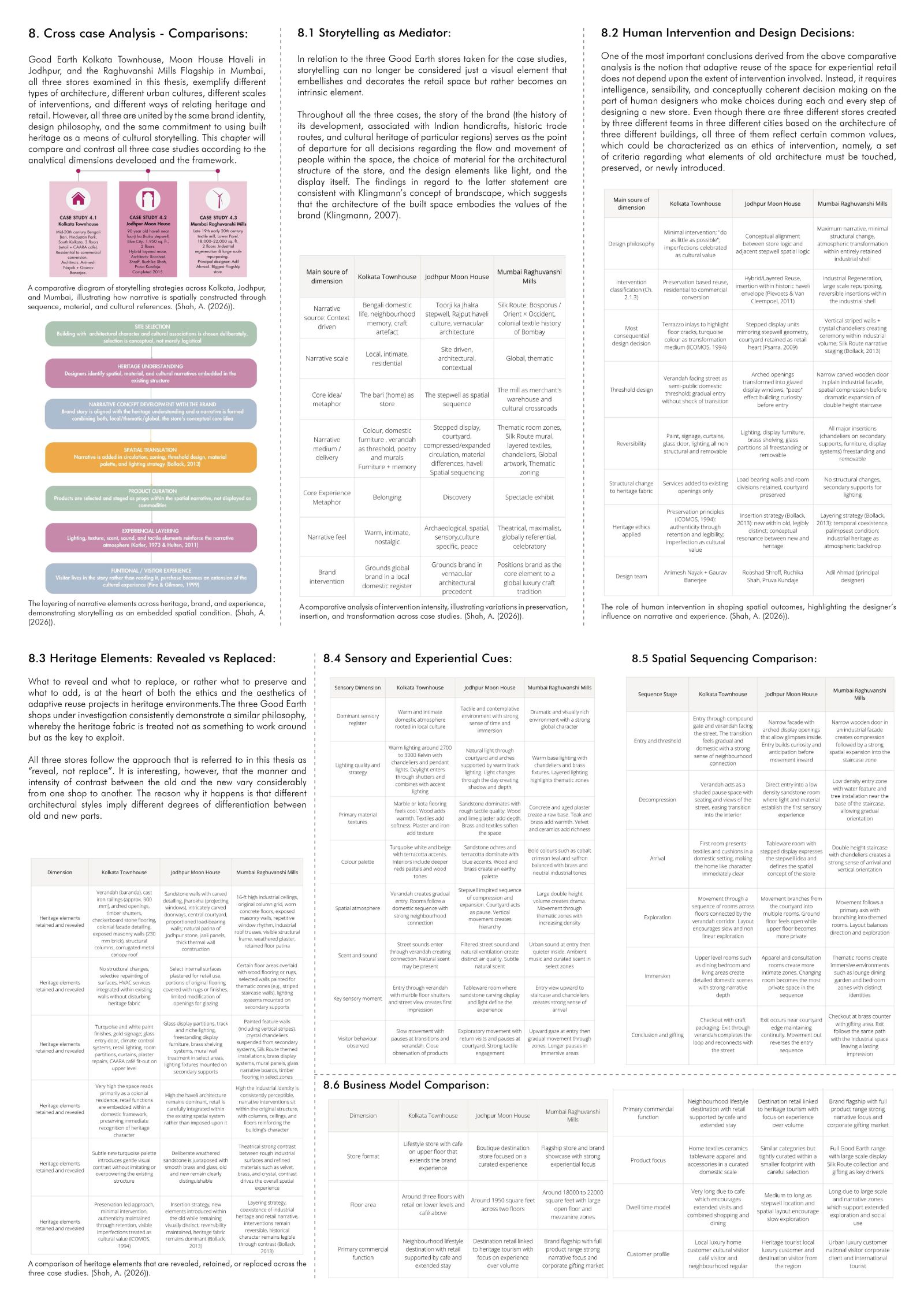
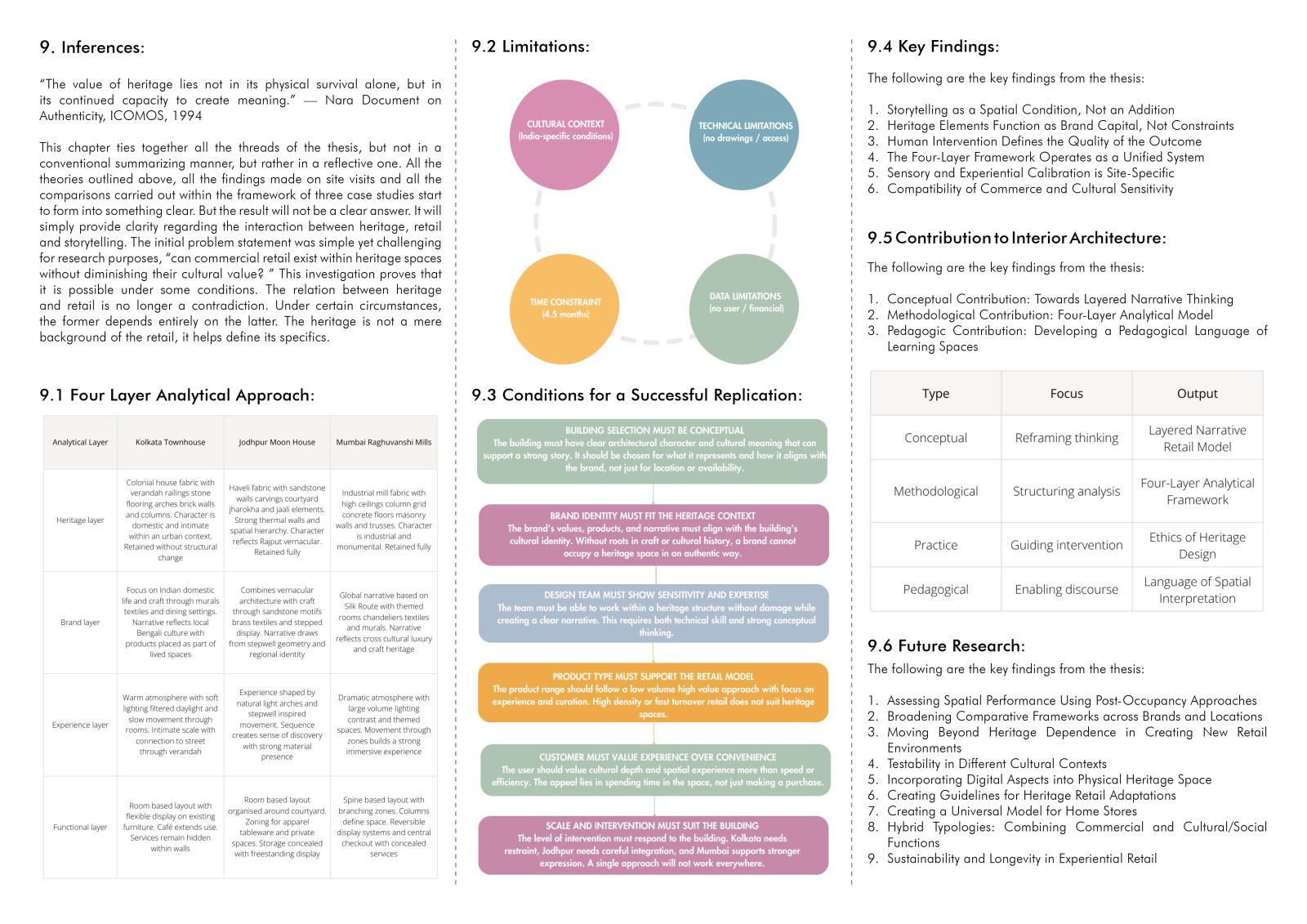
This research explores how interior architecture can balance commercial success with cultural sensitivity through the adaptive reuse of heritage buildings. Using multiple Good Earth home stores as case studies, the thesis examines how brand identity remains consistent while each store responds uniquely to its local culture, architecture, and context. This thesis investigates whether retail interiors can move beyond efficiency to create spaces that feel rooted, immersive, and emotionally connected to their surroundings.