Your browser is out-of-date!
For a richer surfing experience on our website, please update your browser. Update my browser now!
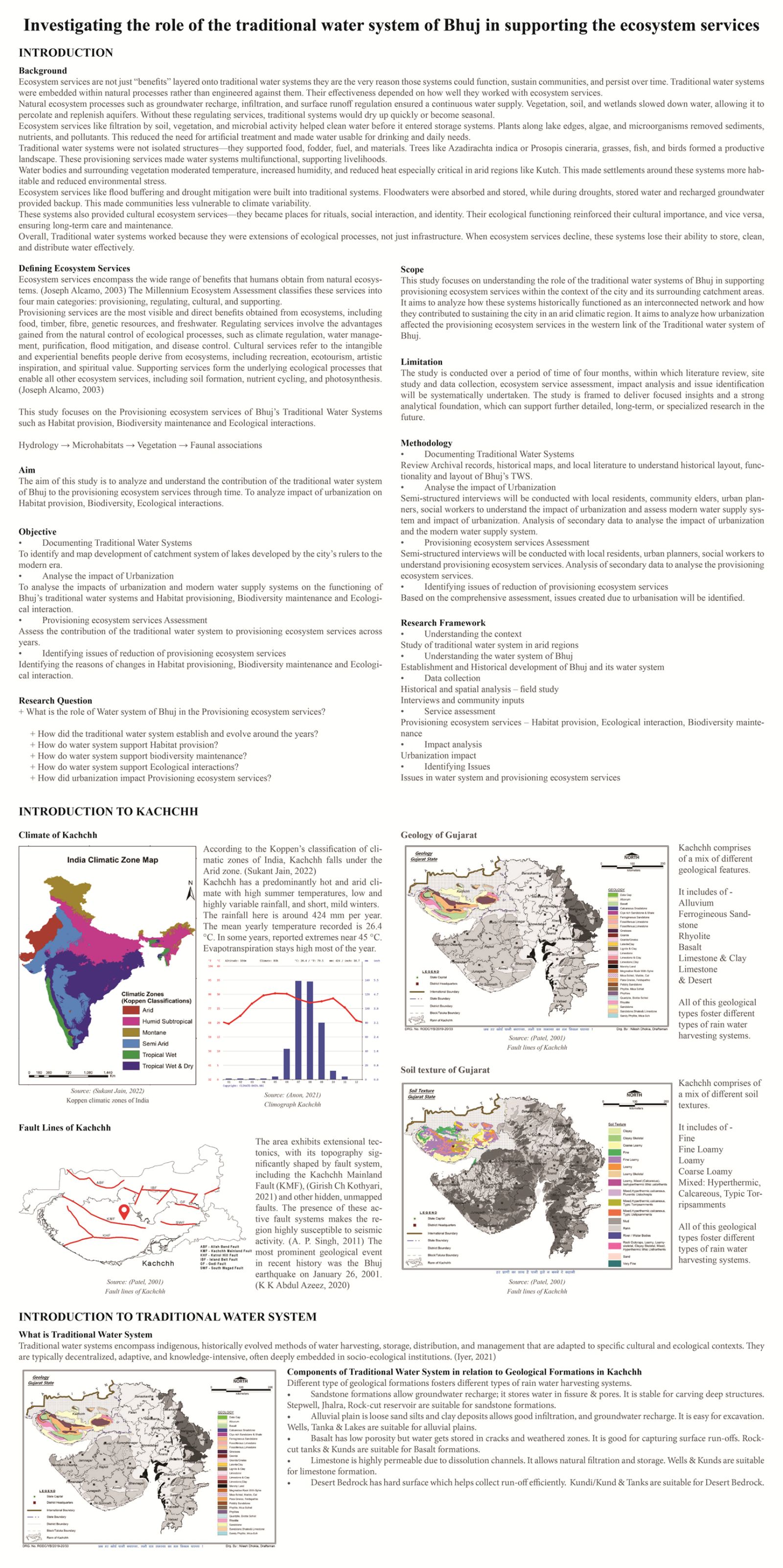
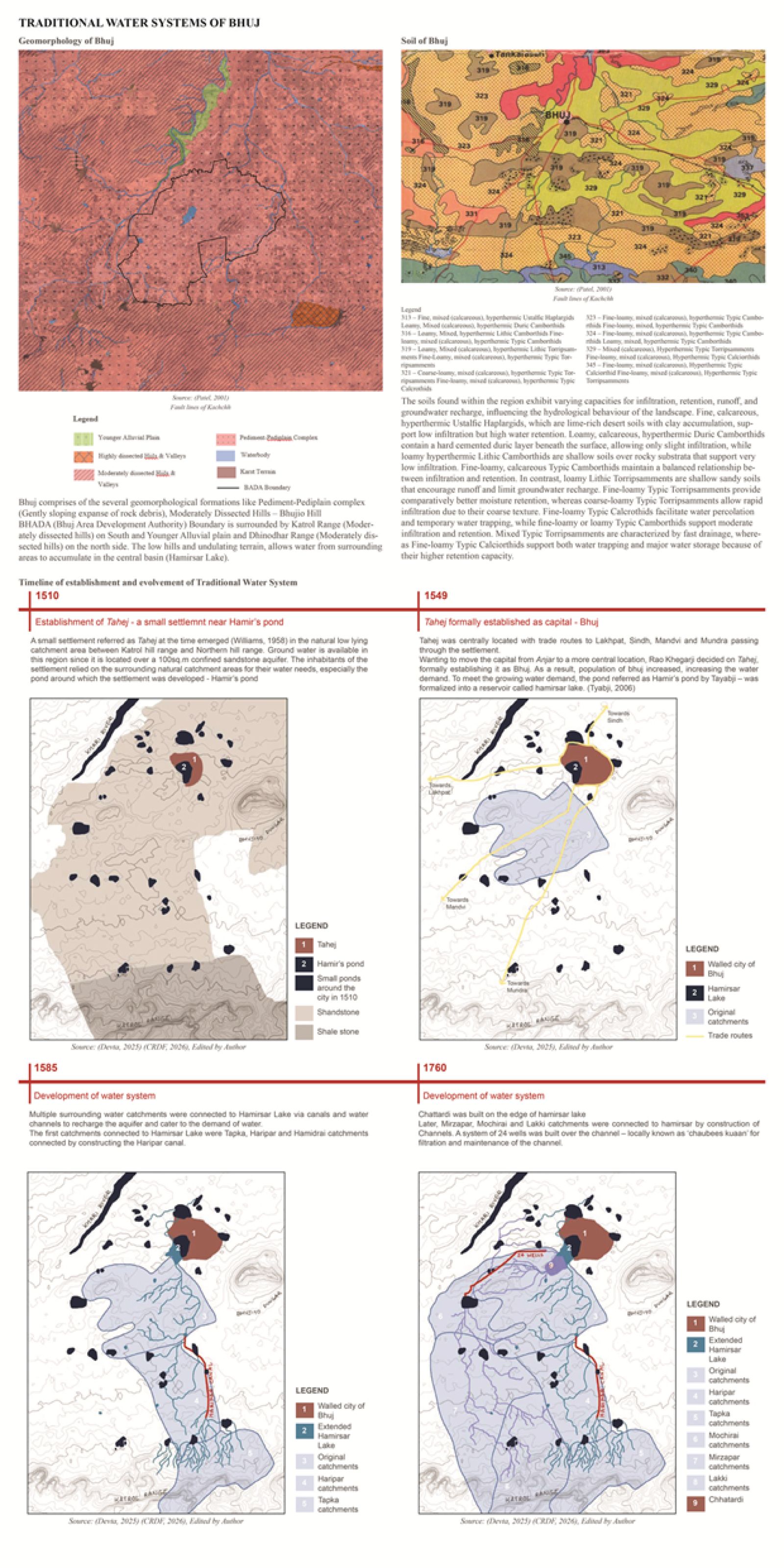
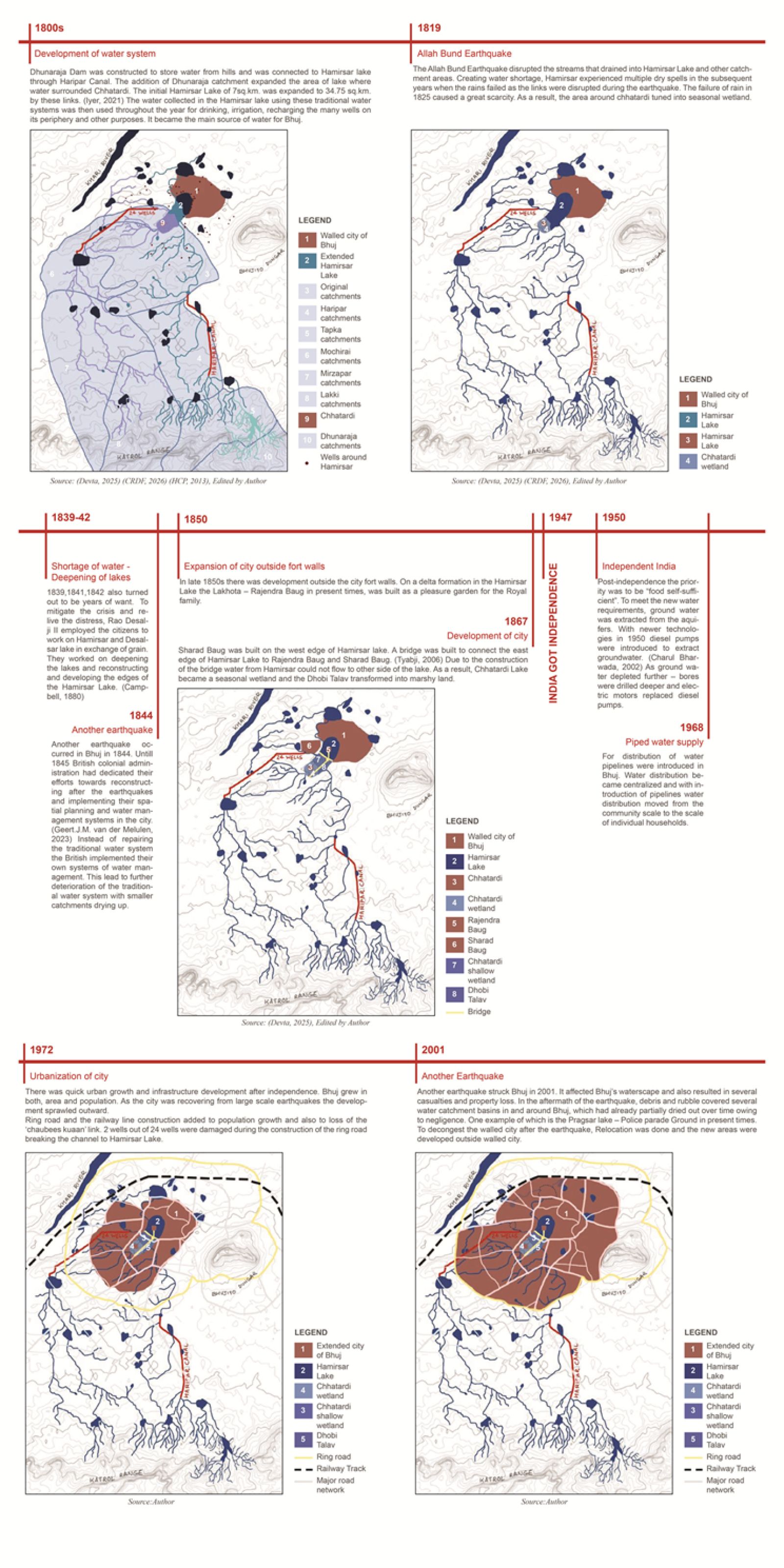
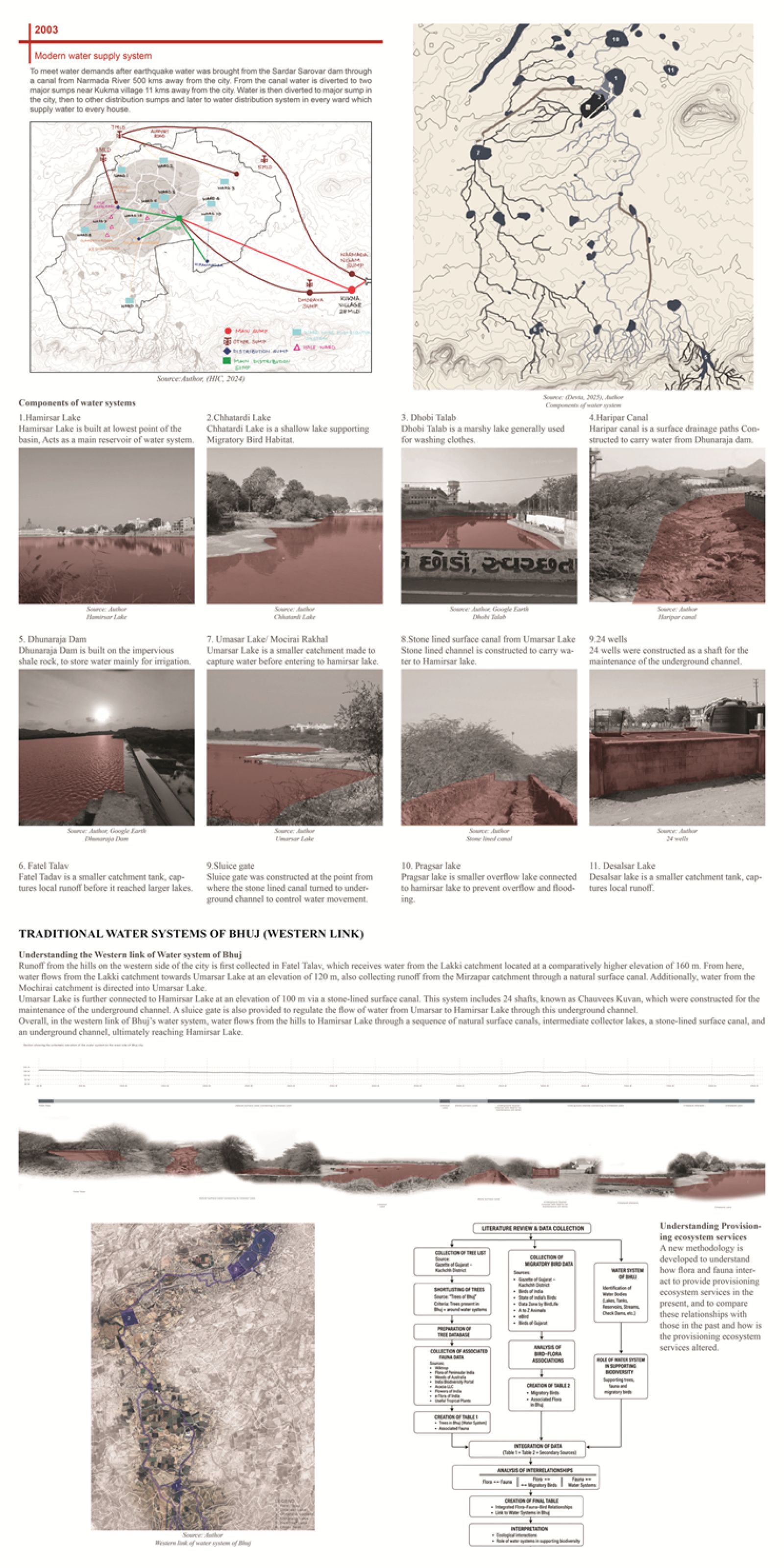
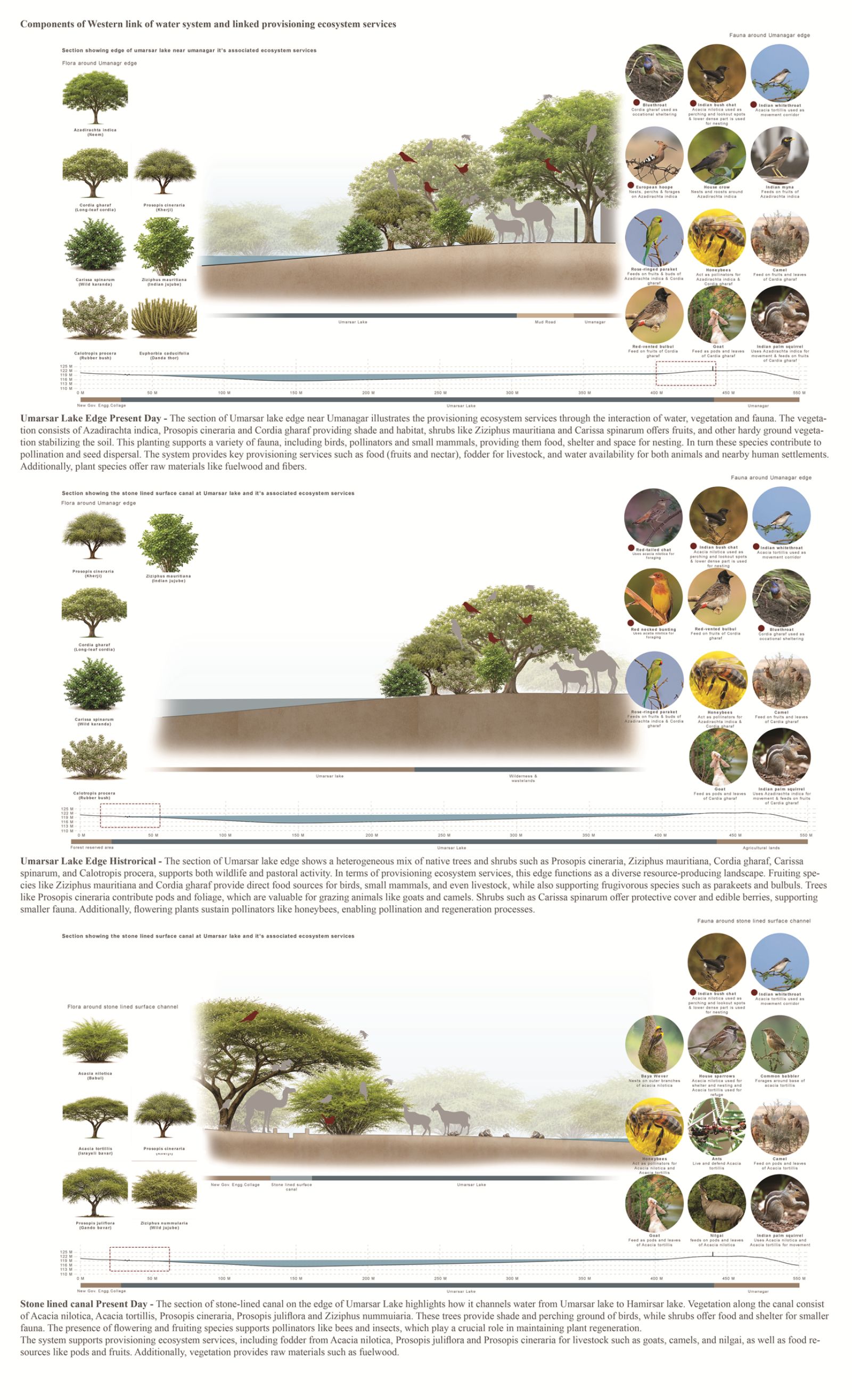
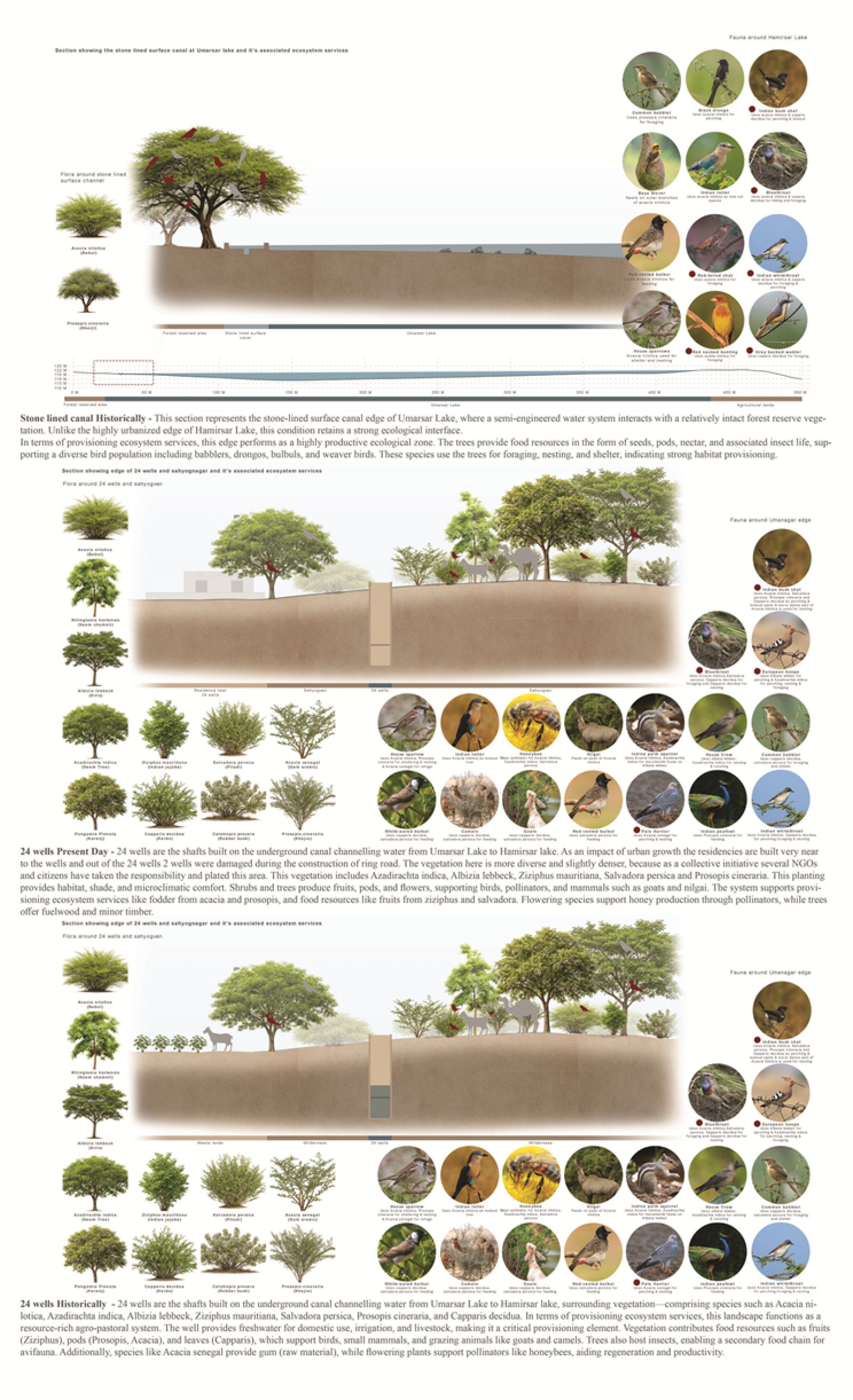
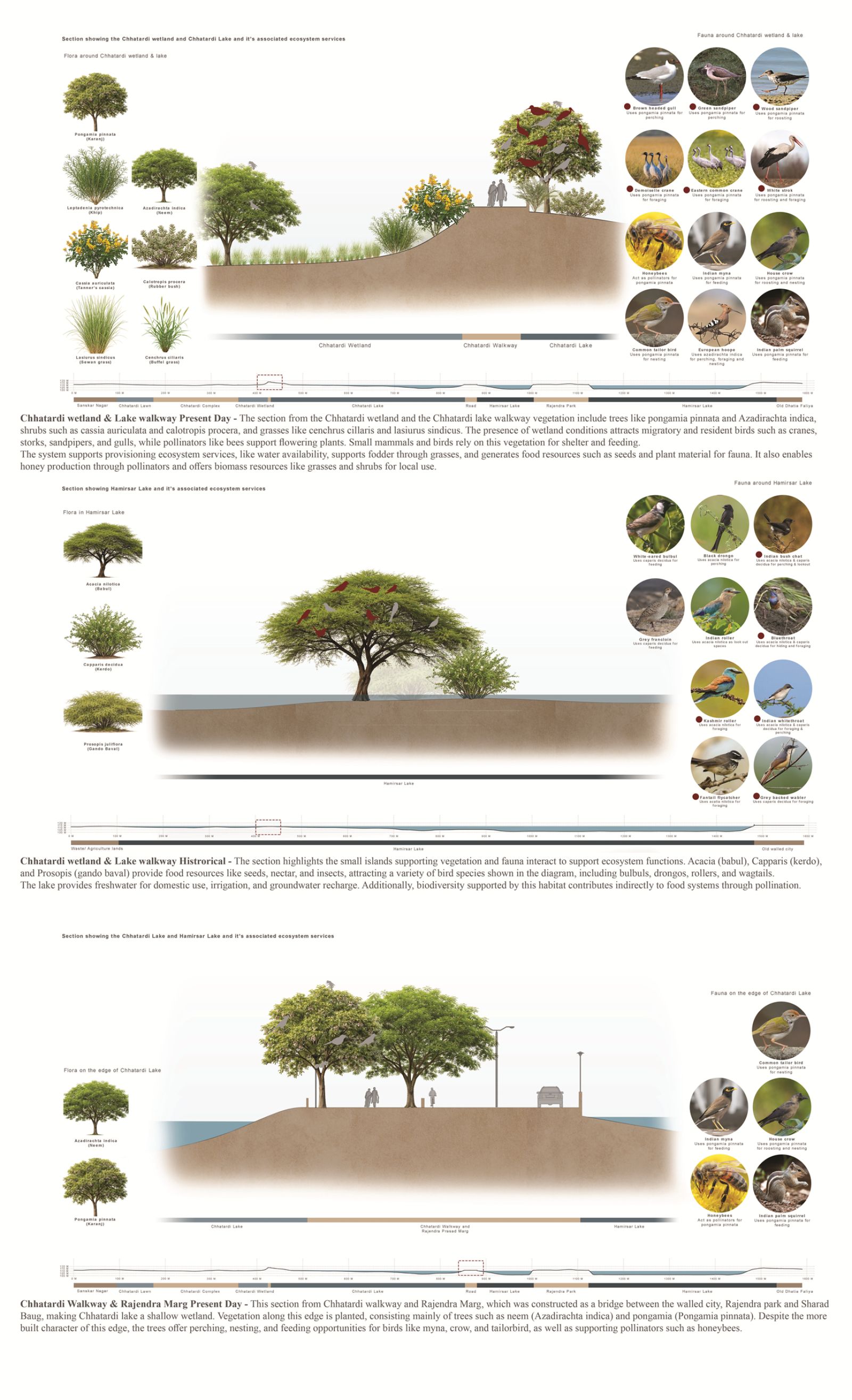
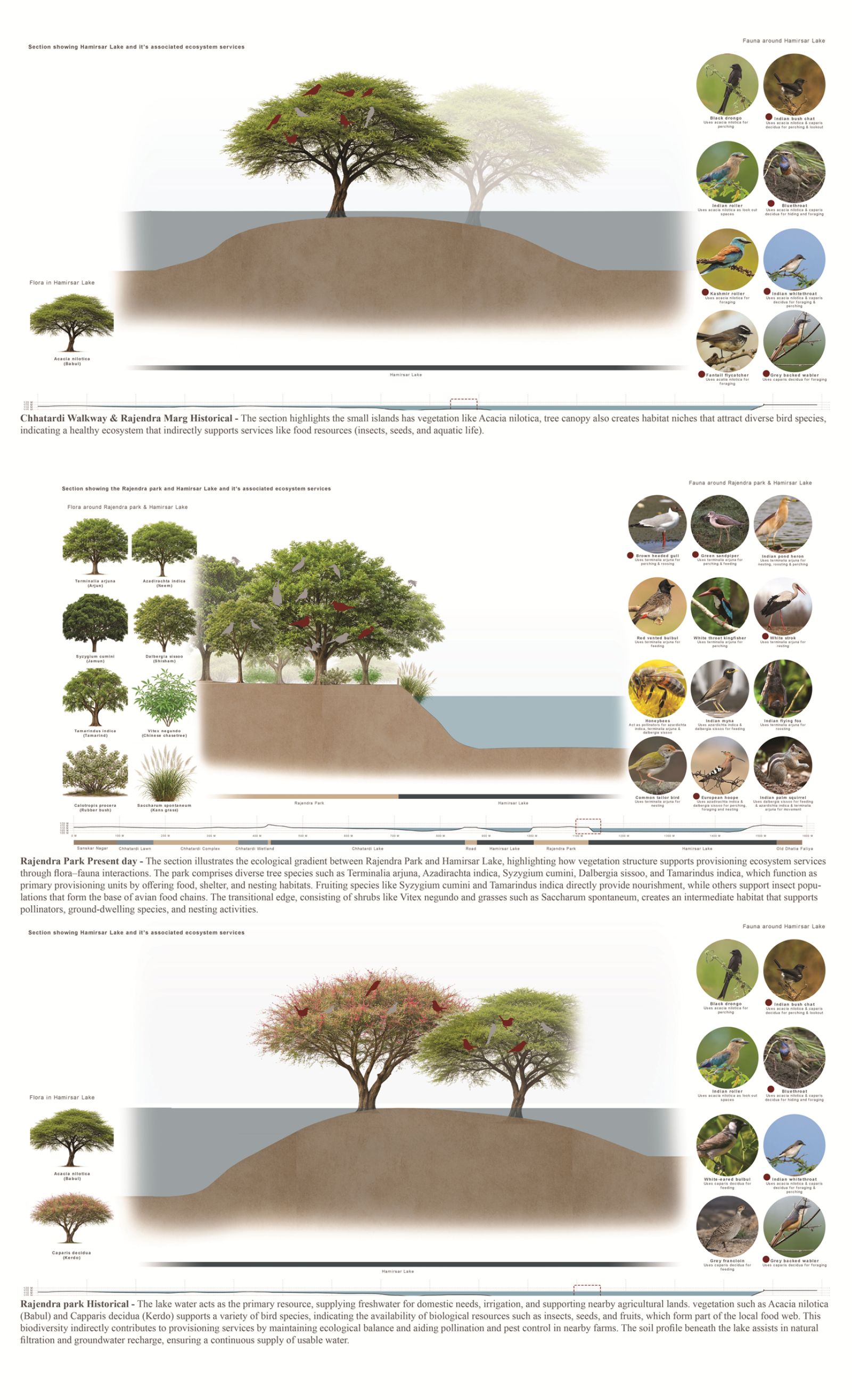
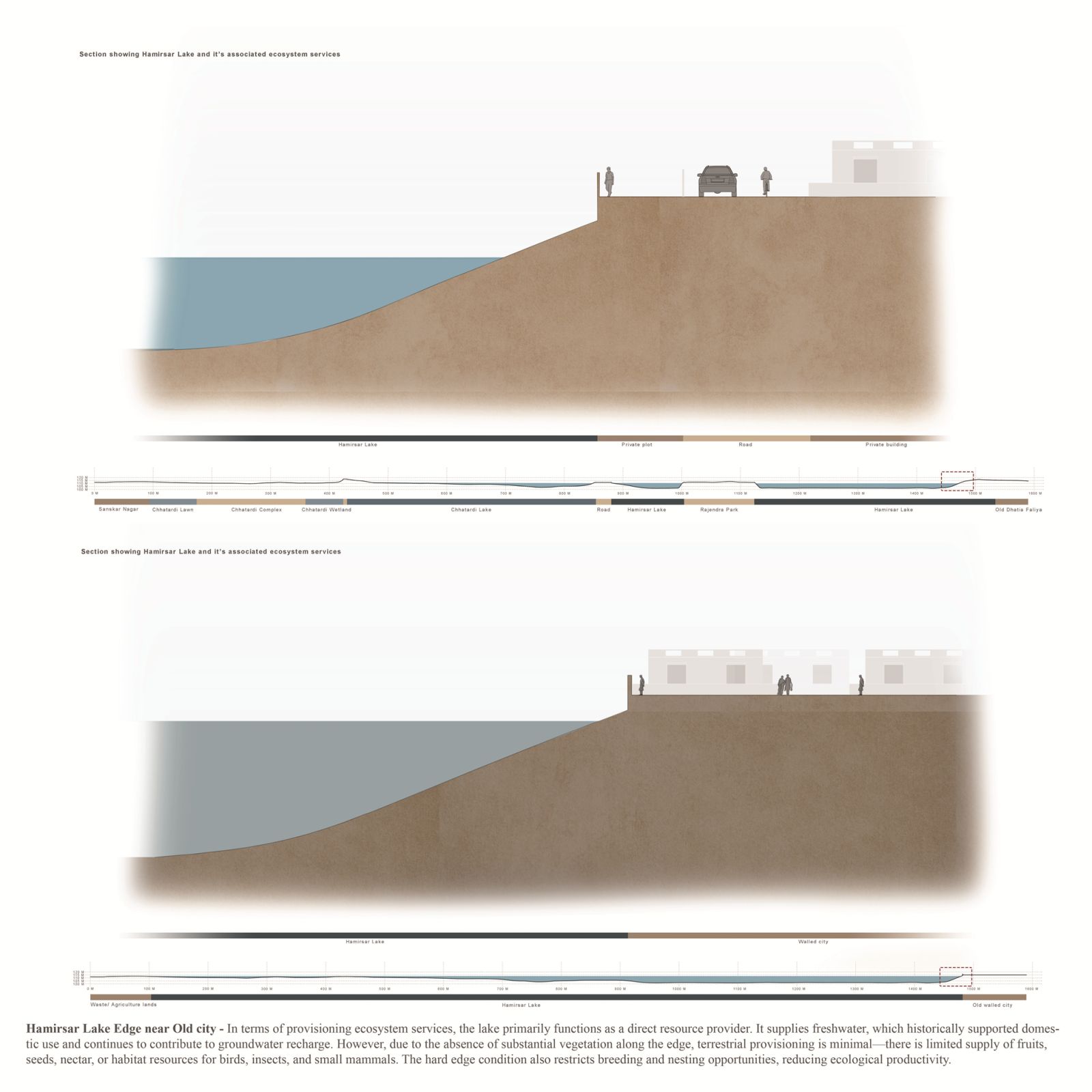
Traditional water systems in arid regions like Bhuj historically functioned as integrated socio-ecological networks, supporting water management, biodiversity, and habitat provision. This study examines Bhuj’s traditional water system, focusing on the ecological relationship between Umarsar Lake and Hamirsar Lake. Using archival research, mapping, field observations, and interviews, the research traces the transformation of these interconnected landscapes. Findings show that urbanization has fragmented water networks and surrounding open lands, reducing ecological connectivity, habitat quality, and biodiversity. The study emphasizes the need to reinterpret traditional water systems as integrated landscape infrastructures linking hydrology, ecology, and urban development.
View Additional Work