Your browser is out-of-date!
For a richer surfing experience on our website, please update your browser. Update my browser now!
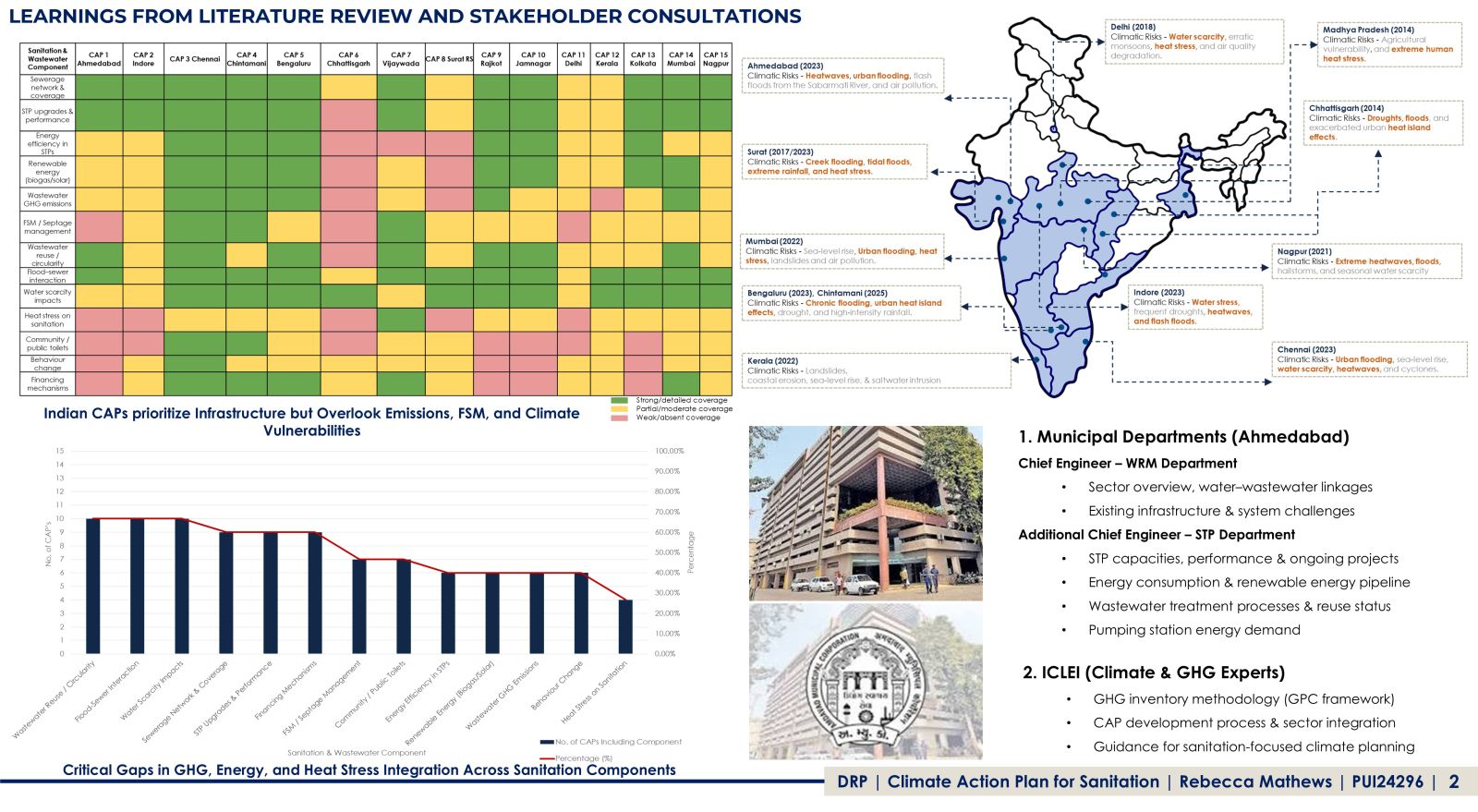
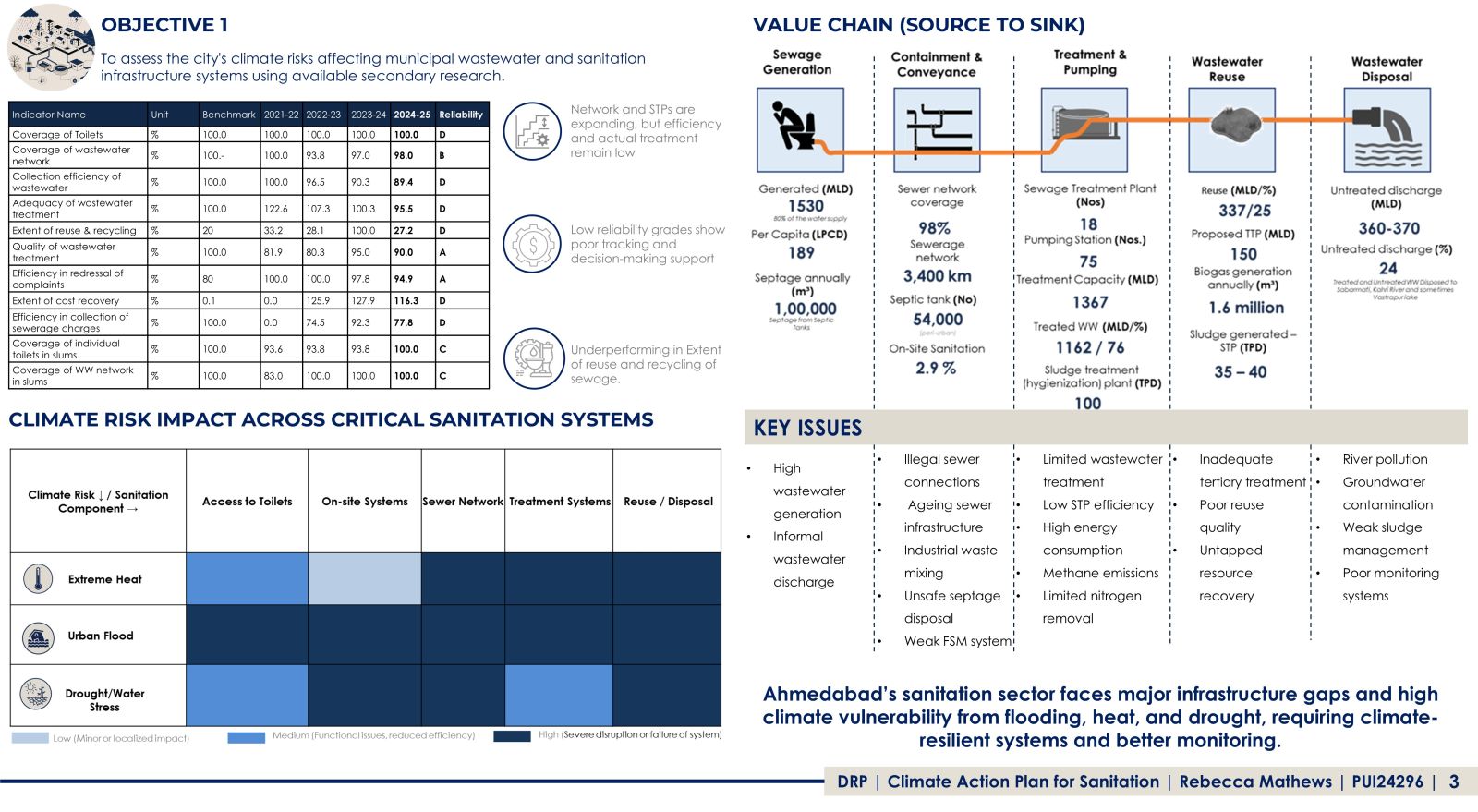
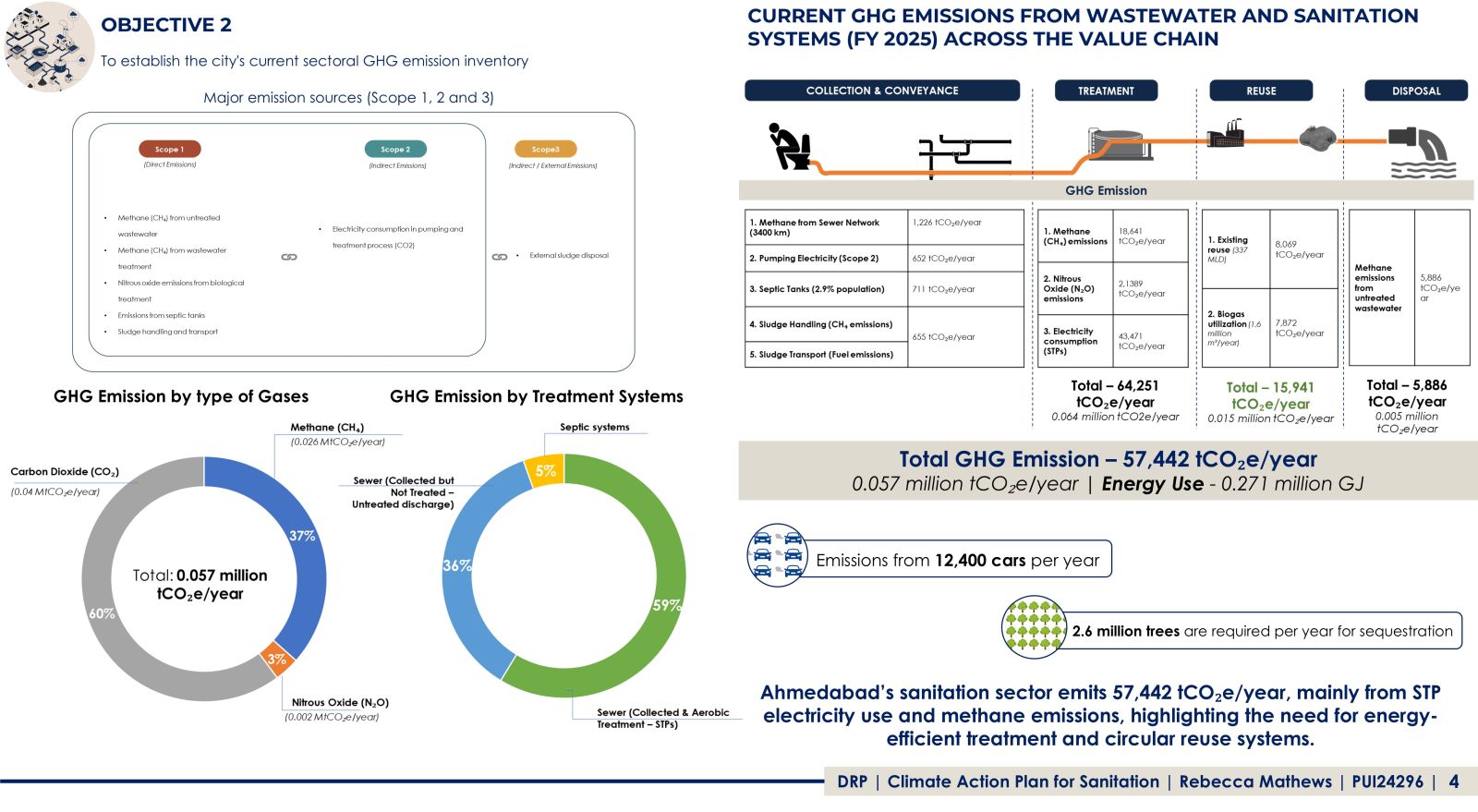
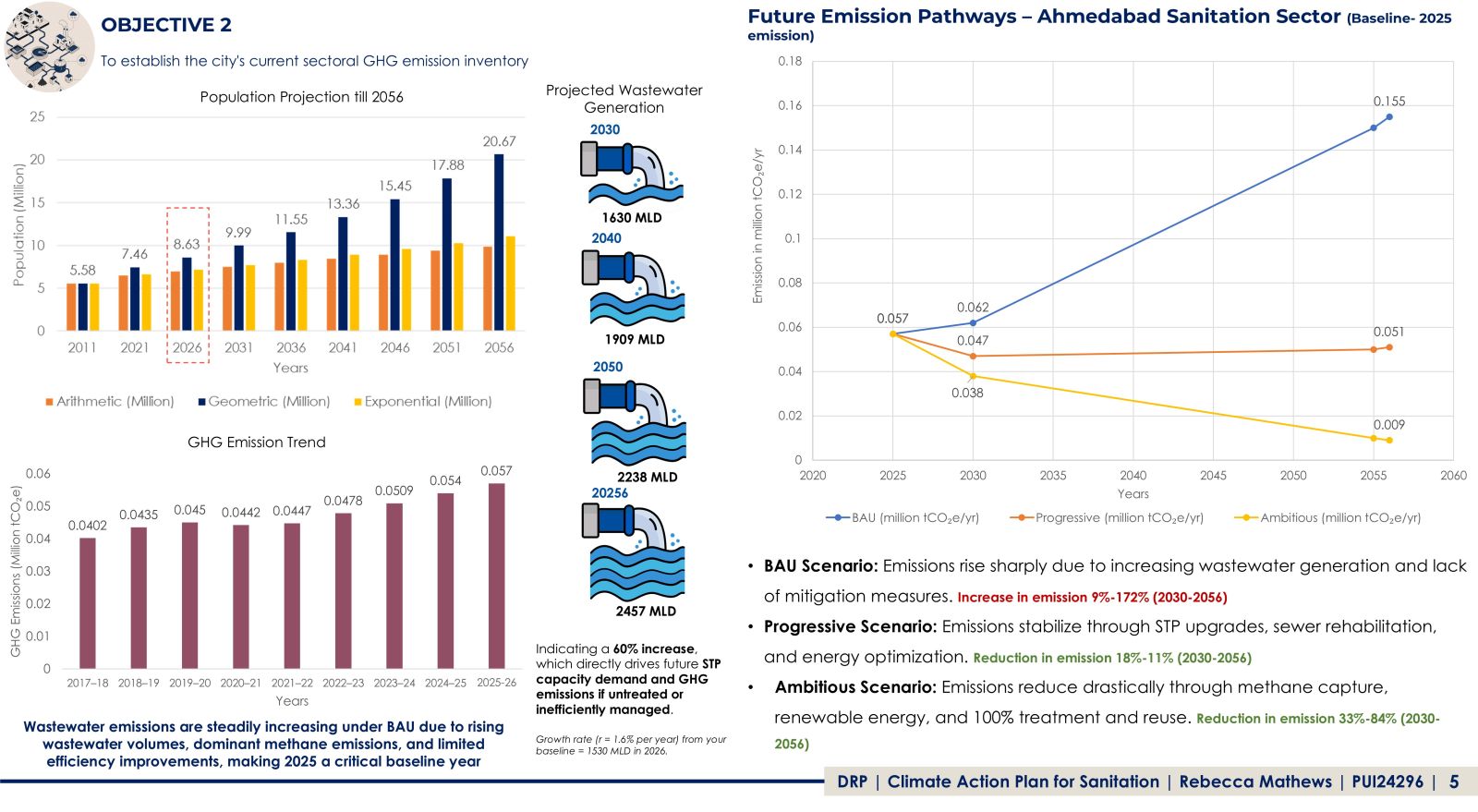
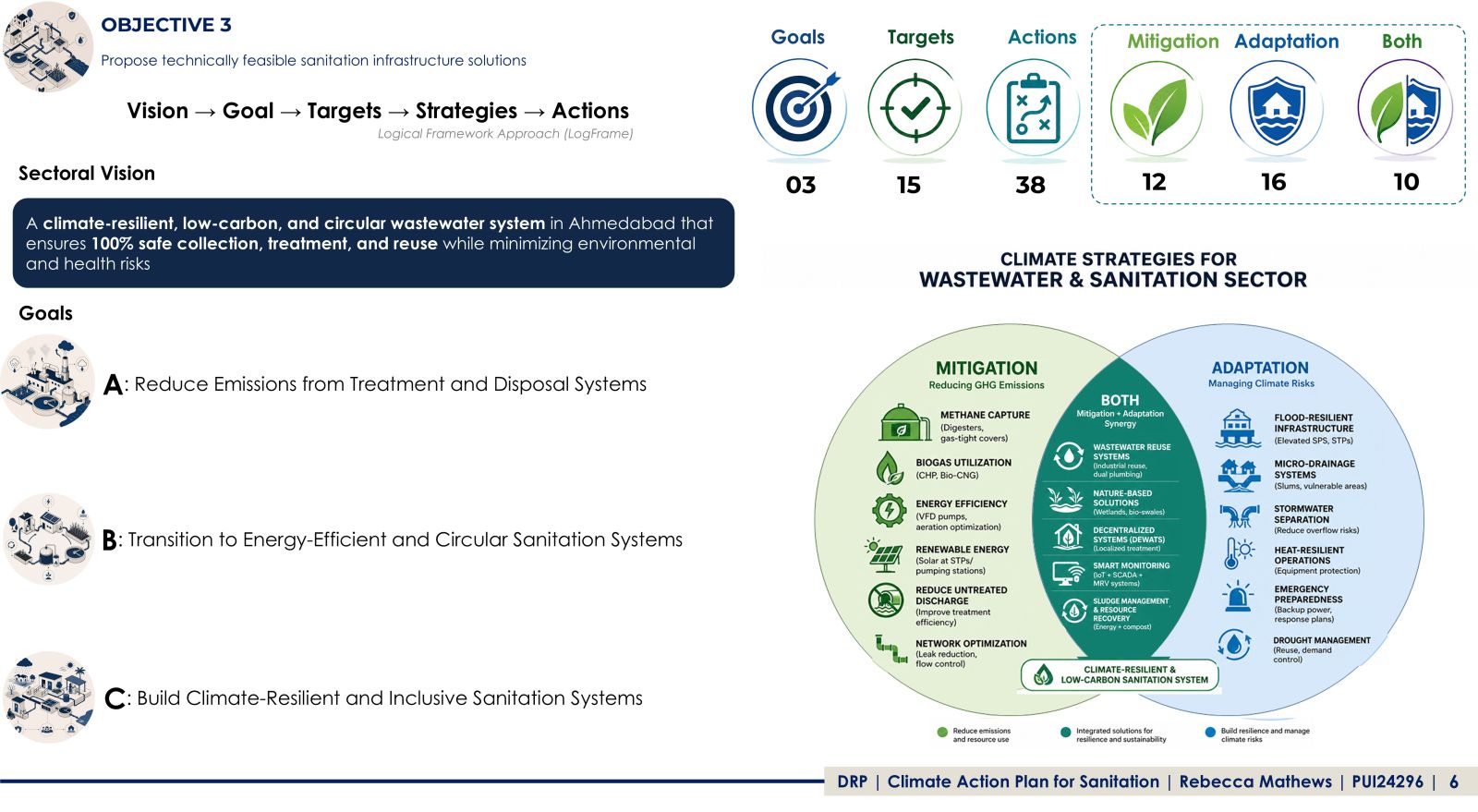
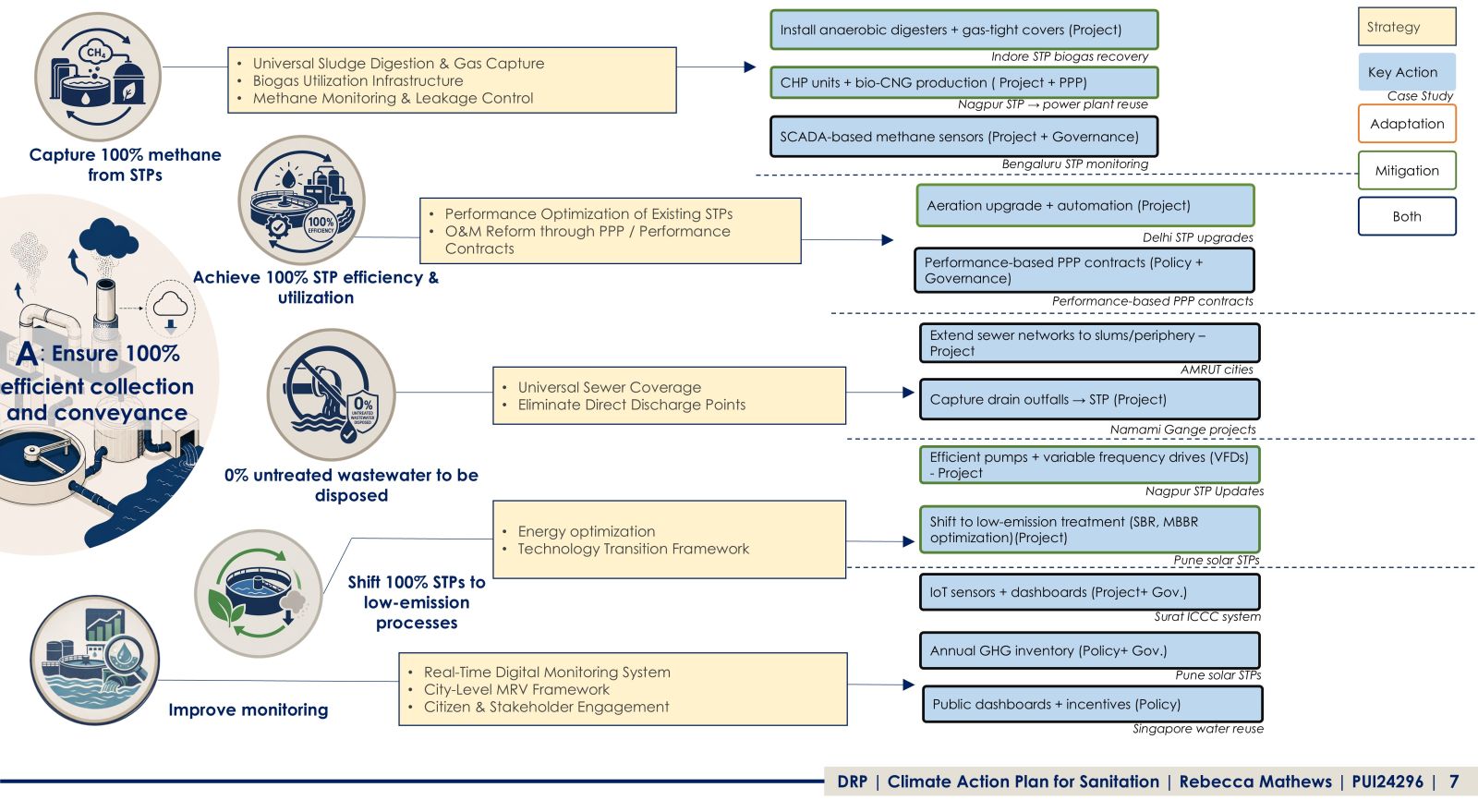
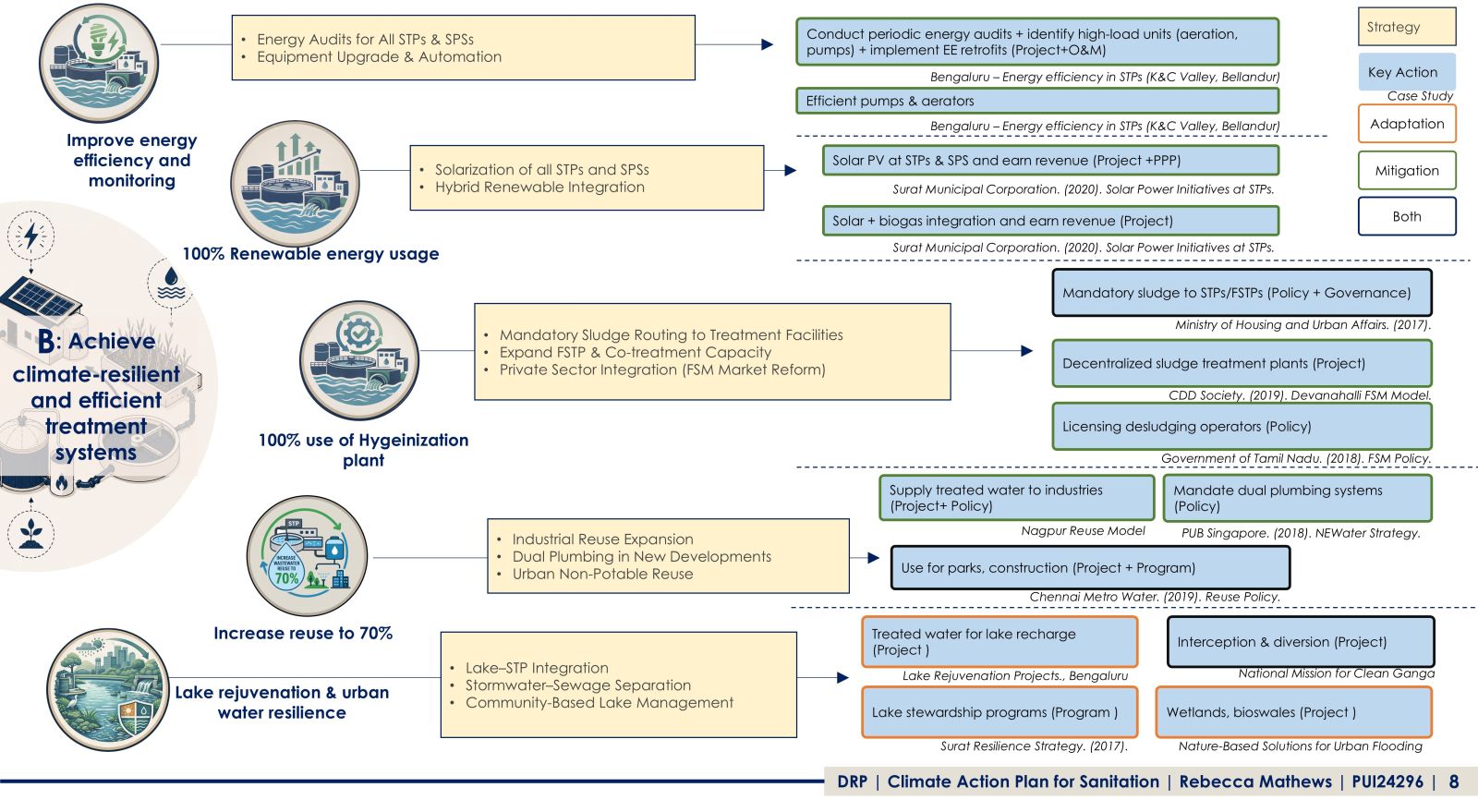
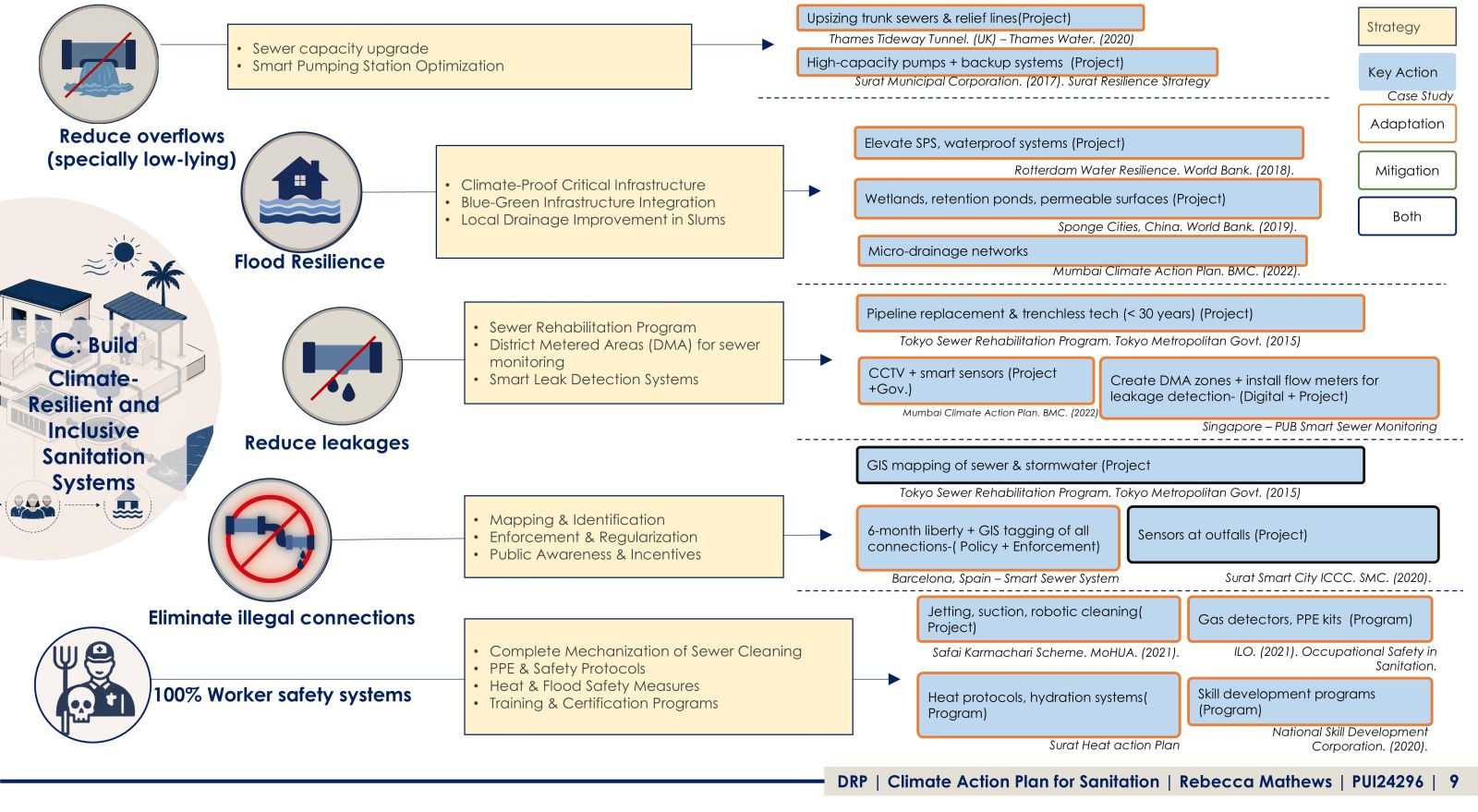
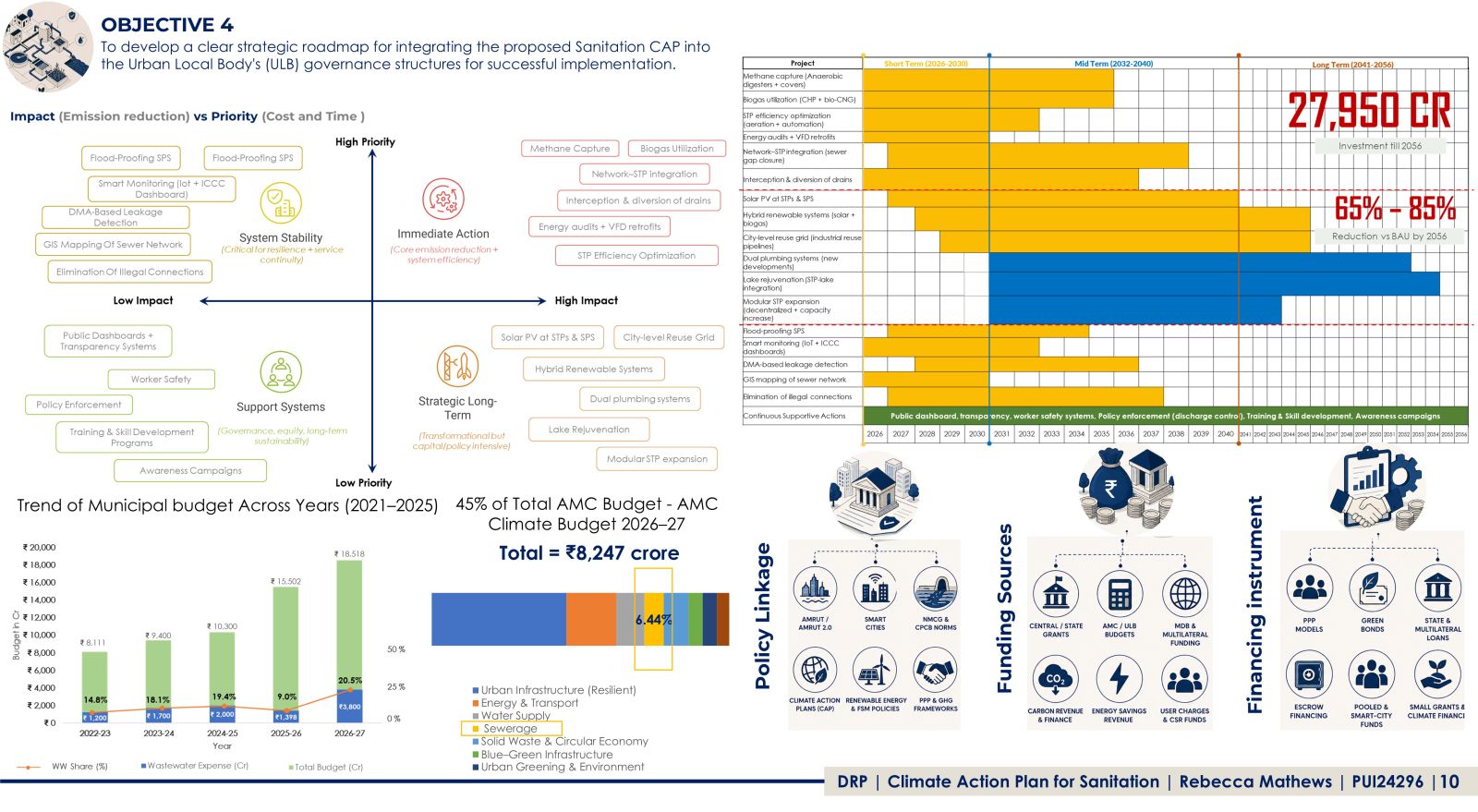
A robust and actionable climate sanitation plan is critical to protecting India’s development, as highlighted by the Intergovernmental Panel on Climate Change Sixth Assessment Report. India faces severe climate risks including heat stress, changing monsoons, and coastal flooding, threatening public health, the environment, and urban infrastructure. Sanitation systems are vulnerable to these impacts and also contribute to greenhouse gas emissions. Therefore, City Sanitation Climate Action Plans must rely on local research to identify climate risks, service gaps, and emission hotspots, ensuring resilient, low-carbon, and health-focused sanitation interventions.
View Additional Work