Your browser is out-of-date!
For a richer surfing experience on our website, please update your browser. Update my browser now!
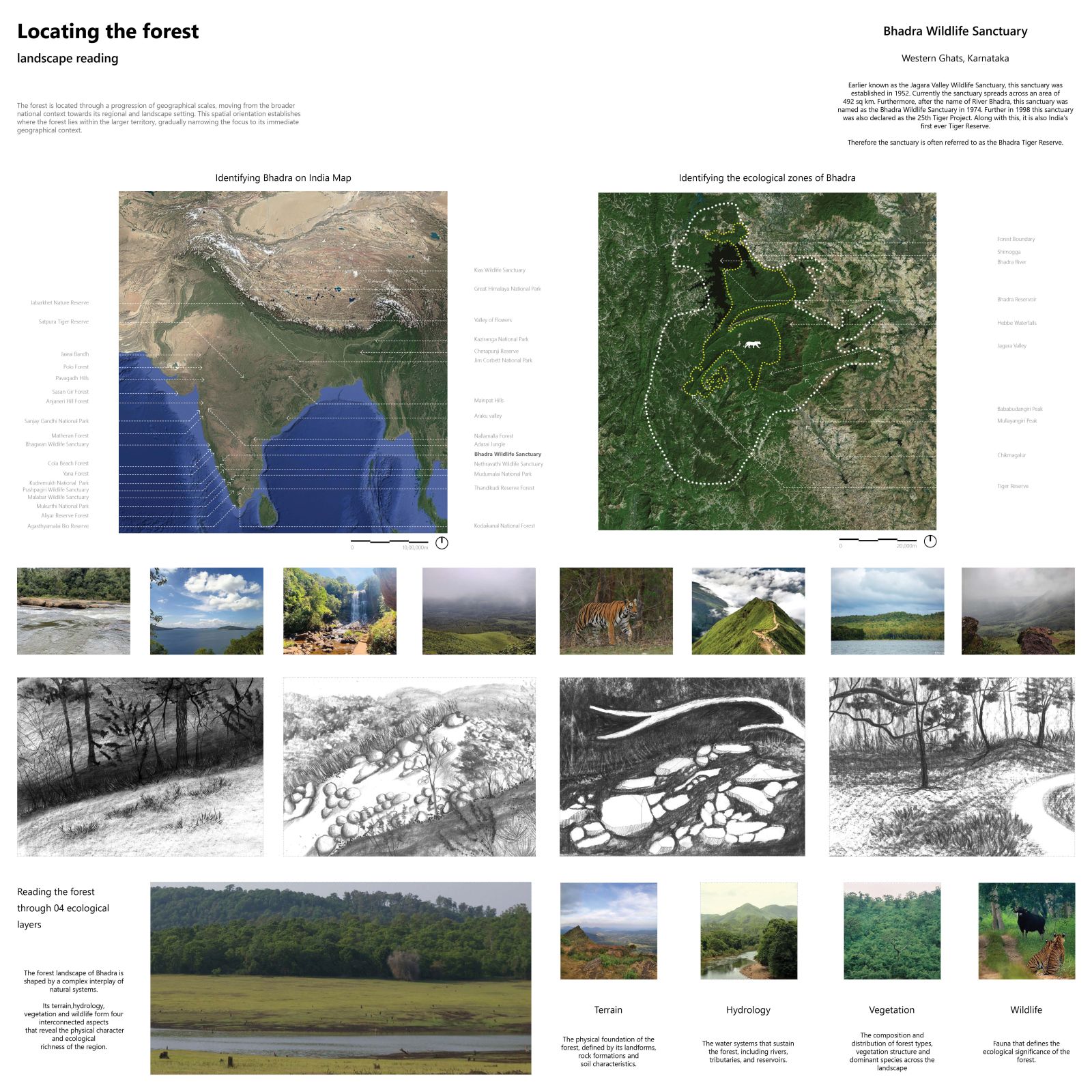
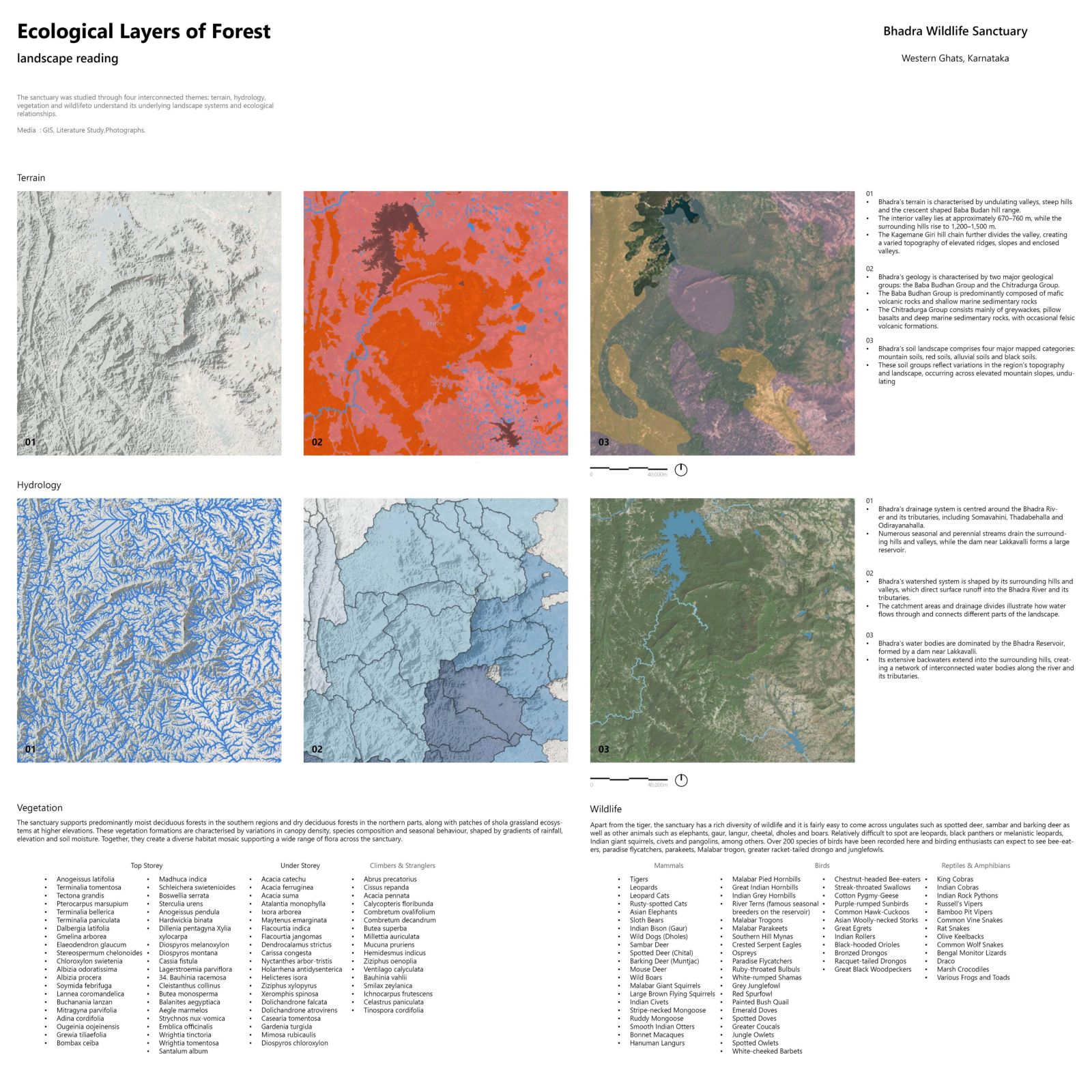
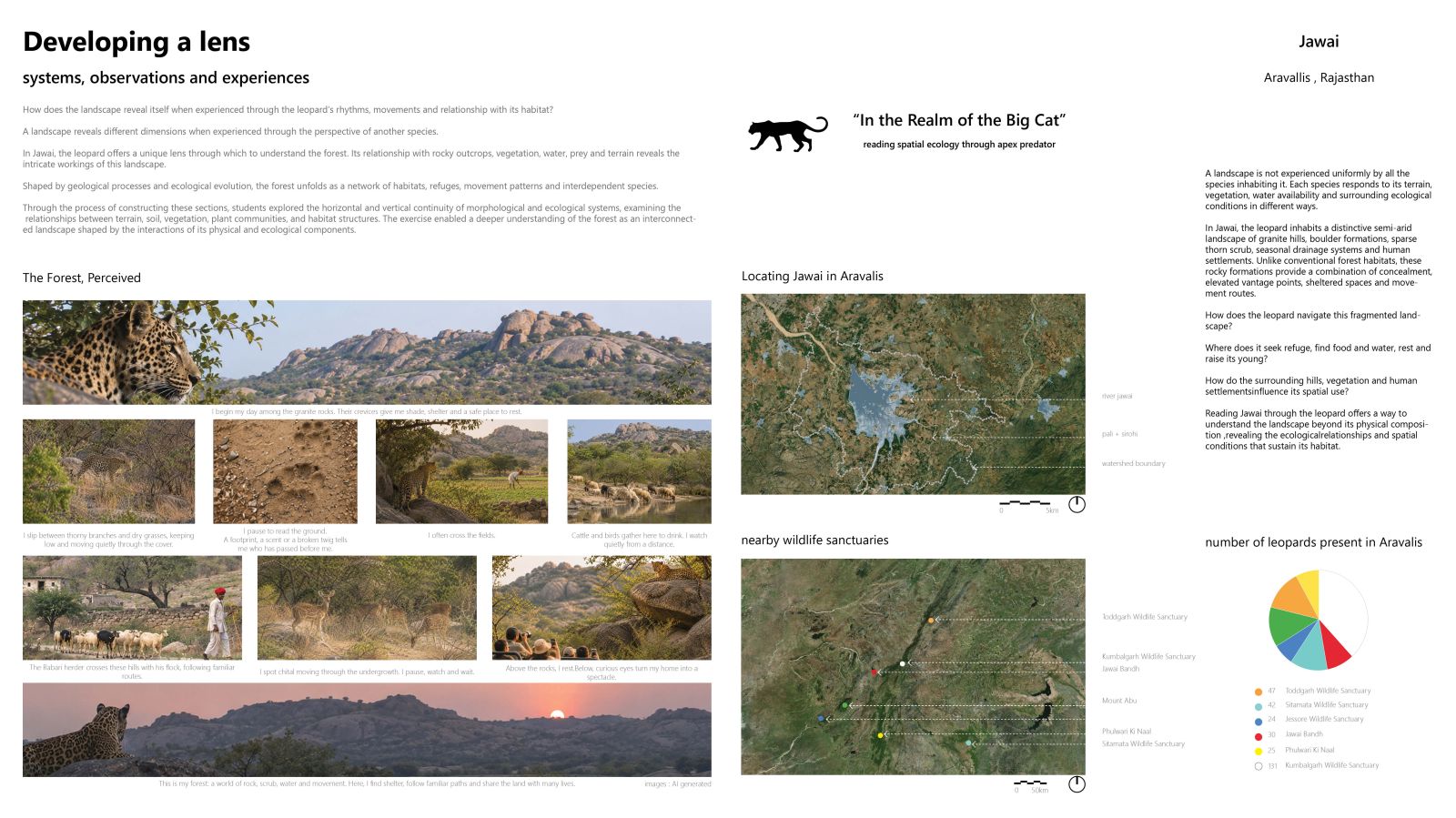
A landscape is not experienced uniformly by all the species inhabiting it. Each species responds to its terrain, vegetation, water availability and surrounding ecological conditions in different ways.
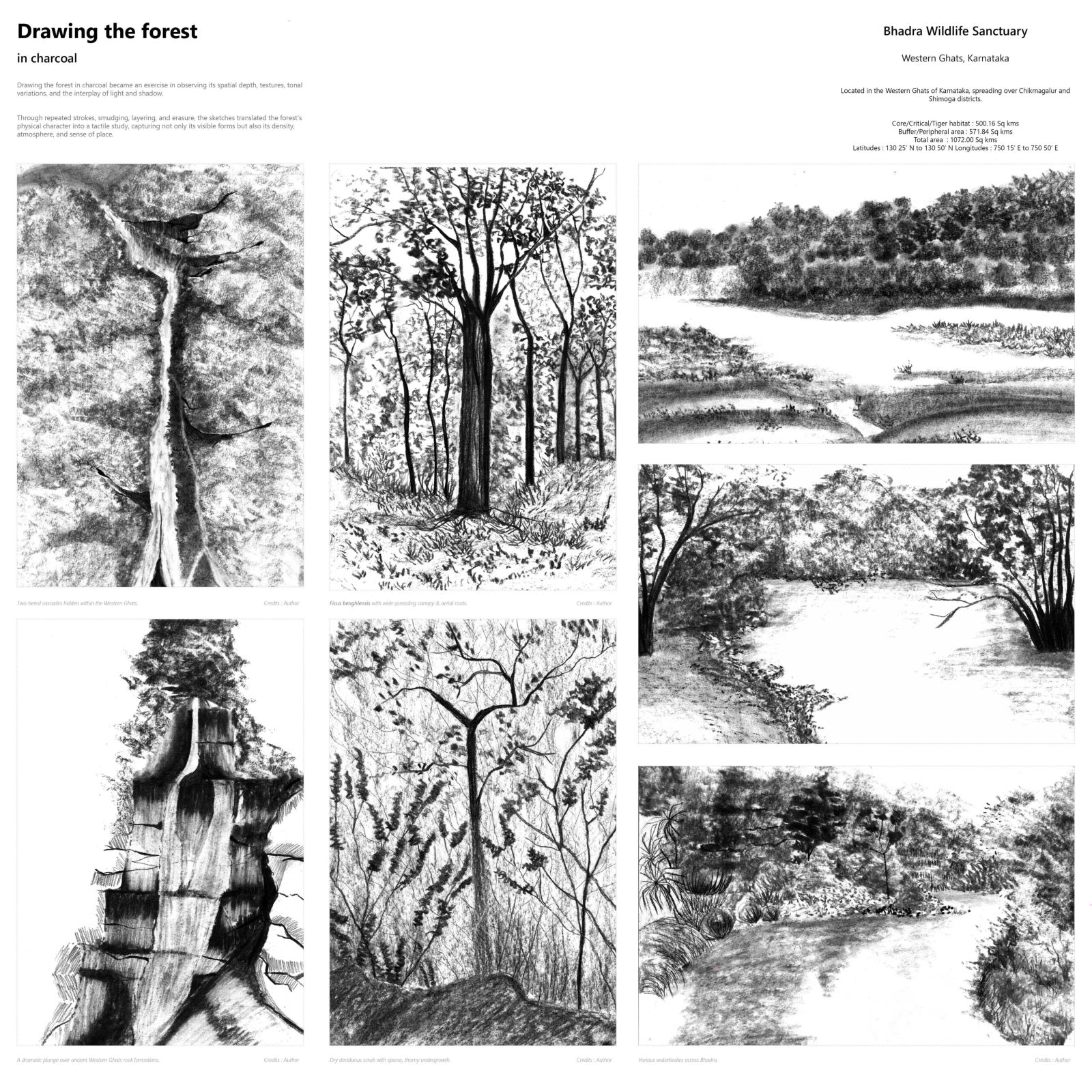
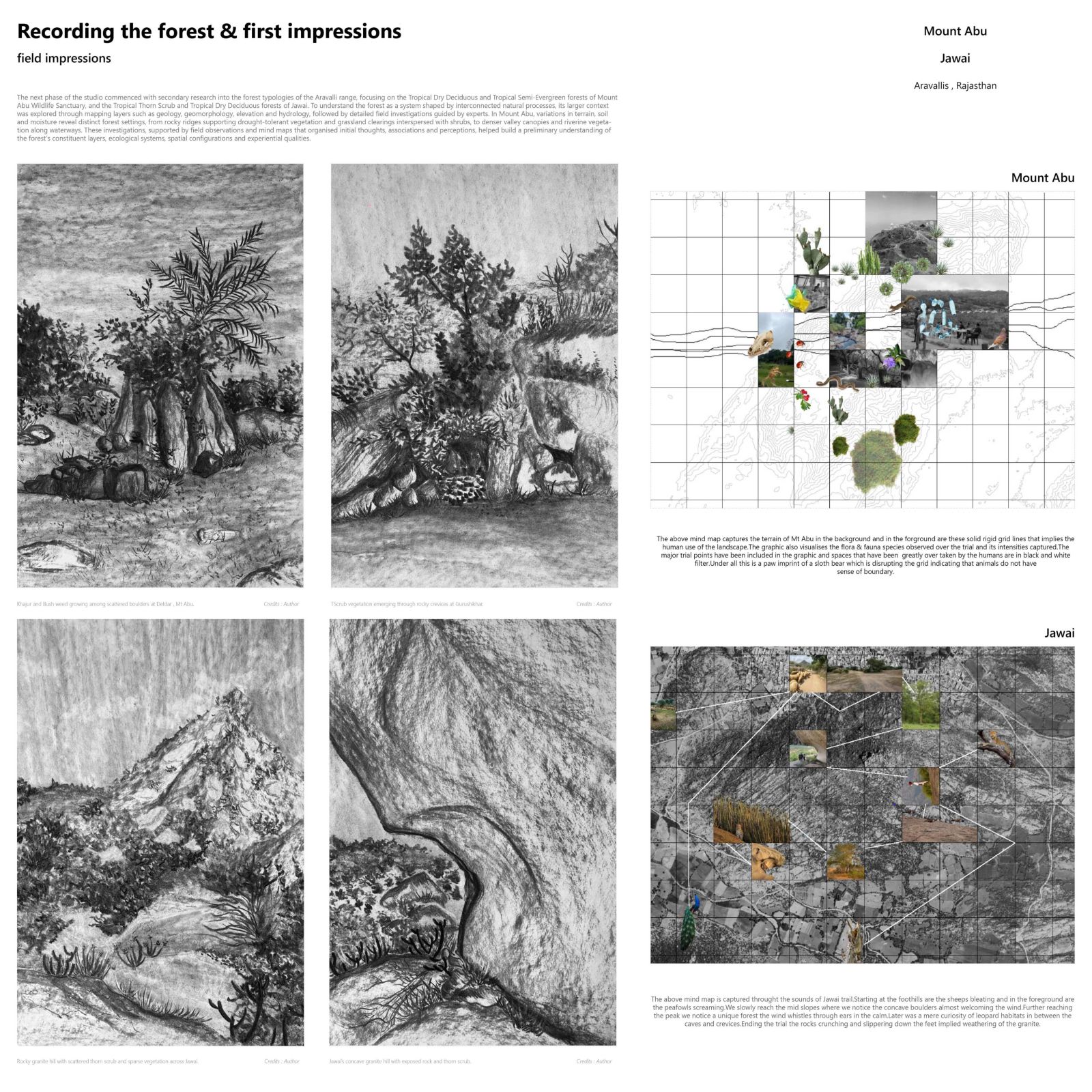
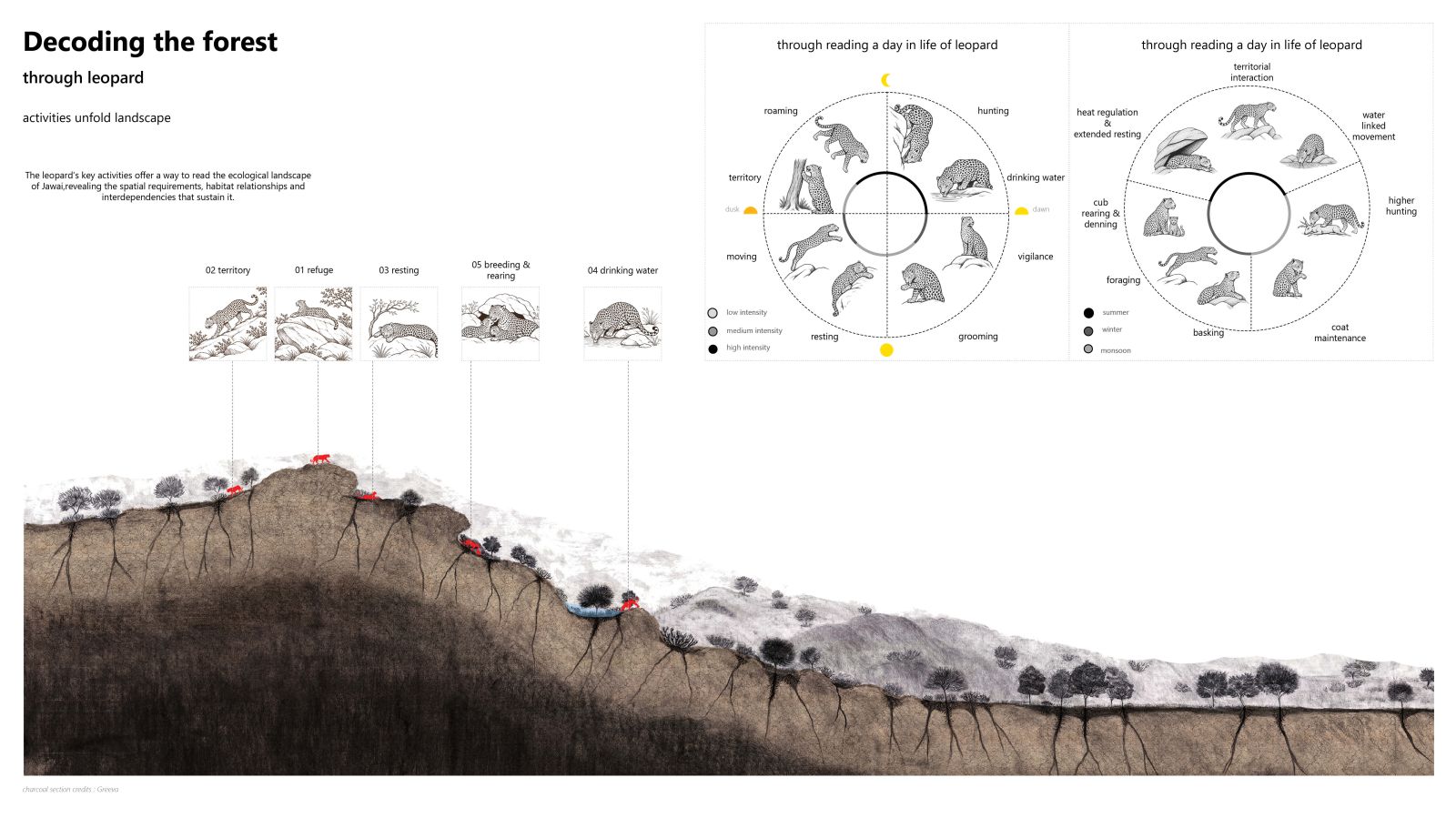
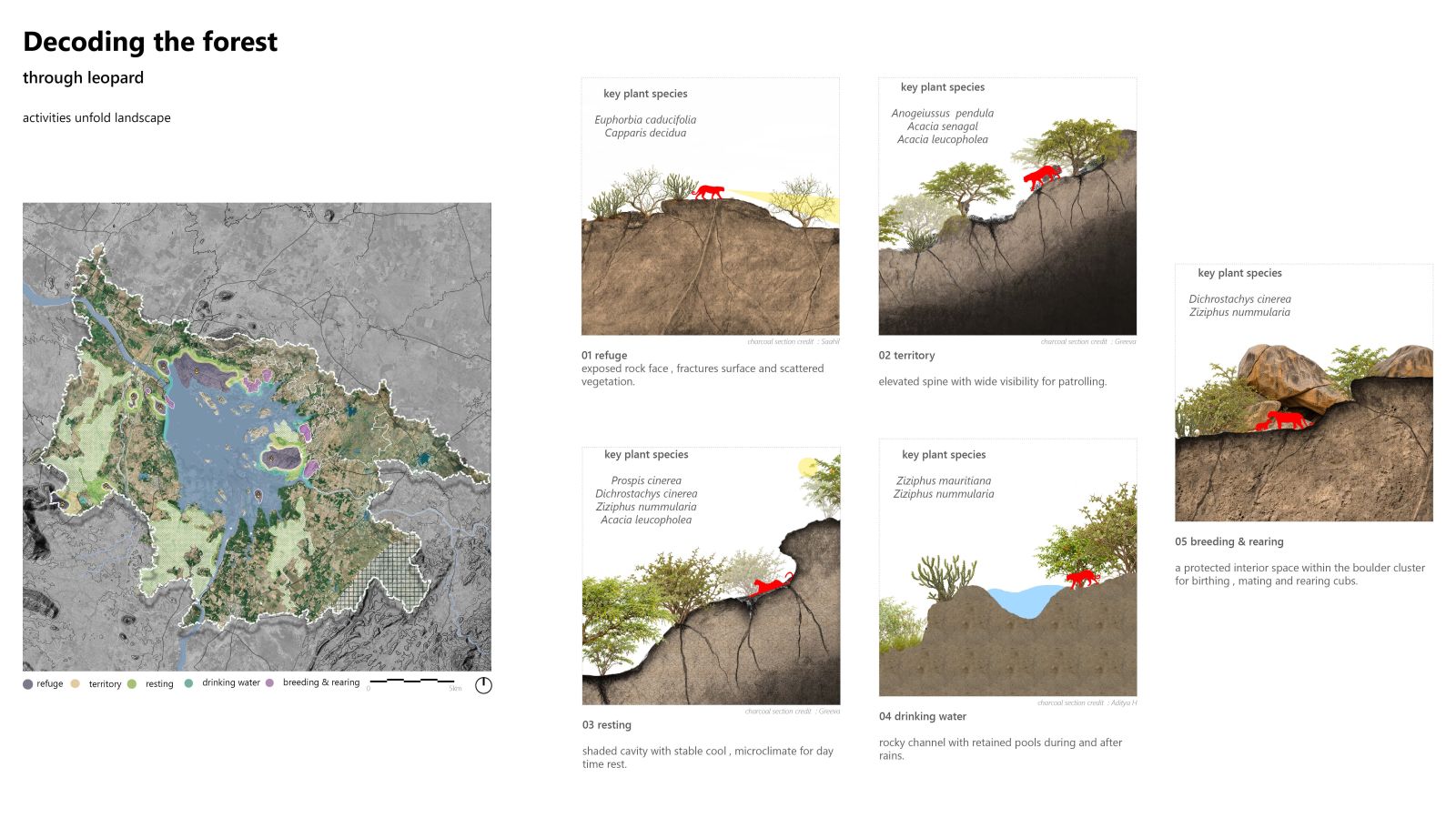
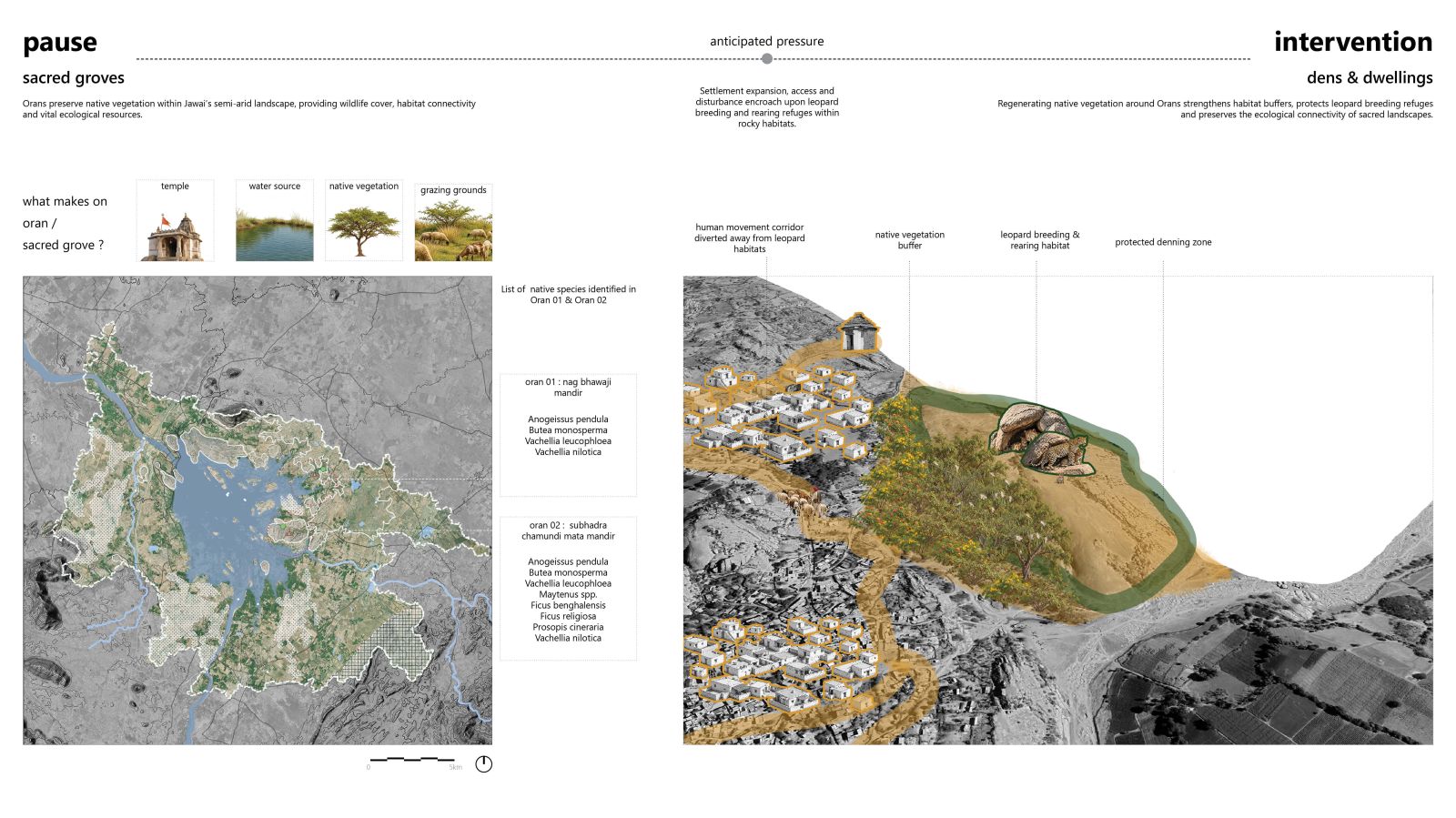
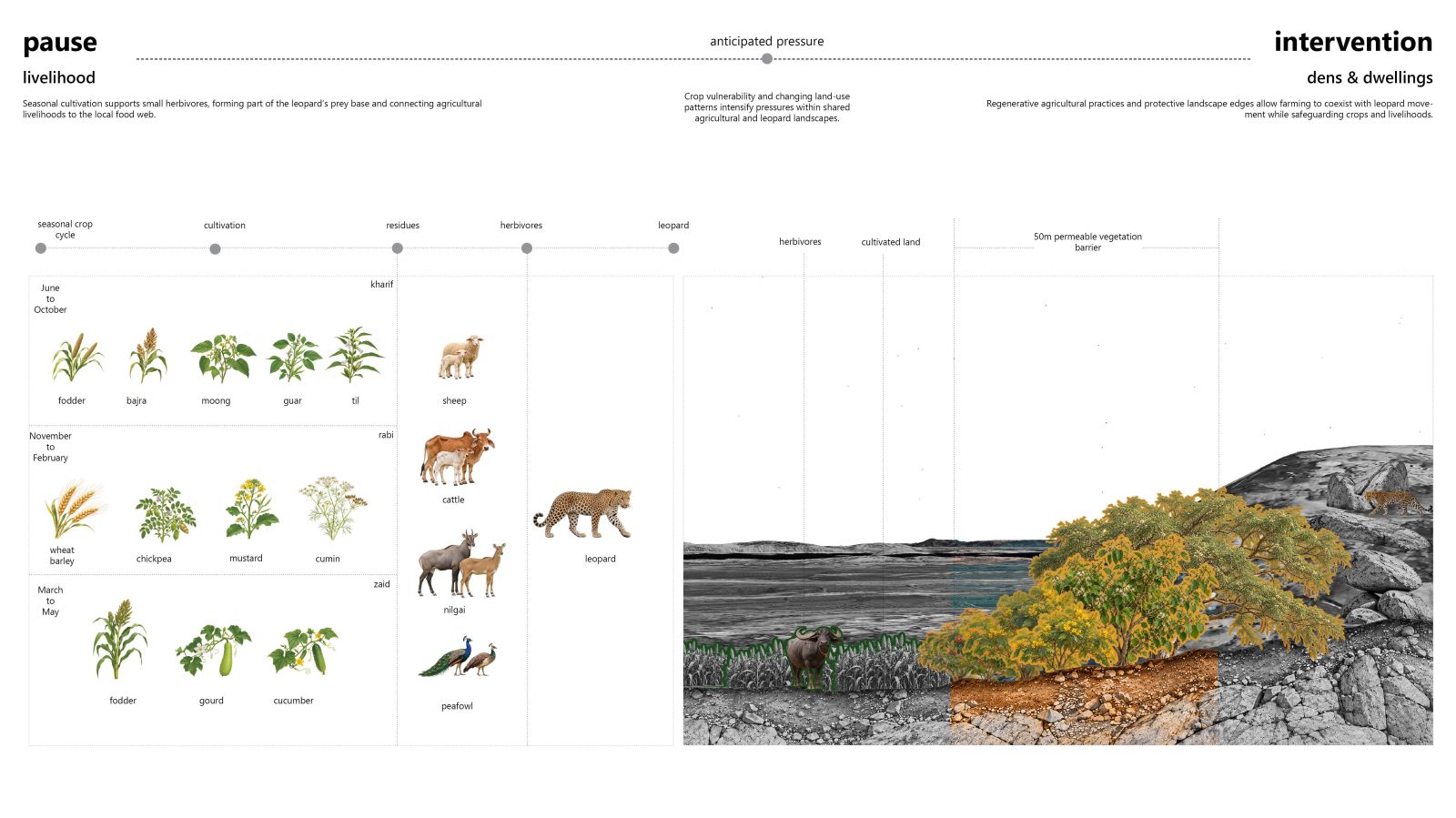
In Jawai, the leopard inhabits a distinctive semi-arid landscape of granite hills, boulder formations, sparse thorn scrub, seasonal drainage systems and human settlements. Unlike conventional forest habitats, these rocky formations provide a combination of concealment, elevated vantage points, sheltered spaces and movement routes.
How does the leopard navigate this fragmented landscape?
Where does it seek refuge, find food and water, rest and raise its young?
How do the surrounding hills, vegetation and human settlements
influence its spatial use?
Reading Jawai through the leopard offers a way to understand the
landscape beyond its physical composition ,revealing the ecological
relationships and spatial conditions that sustain its habitat.