Your browser is out-of-date!
For a richer surfing experience on our website, please update your browser. Update my browser now!
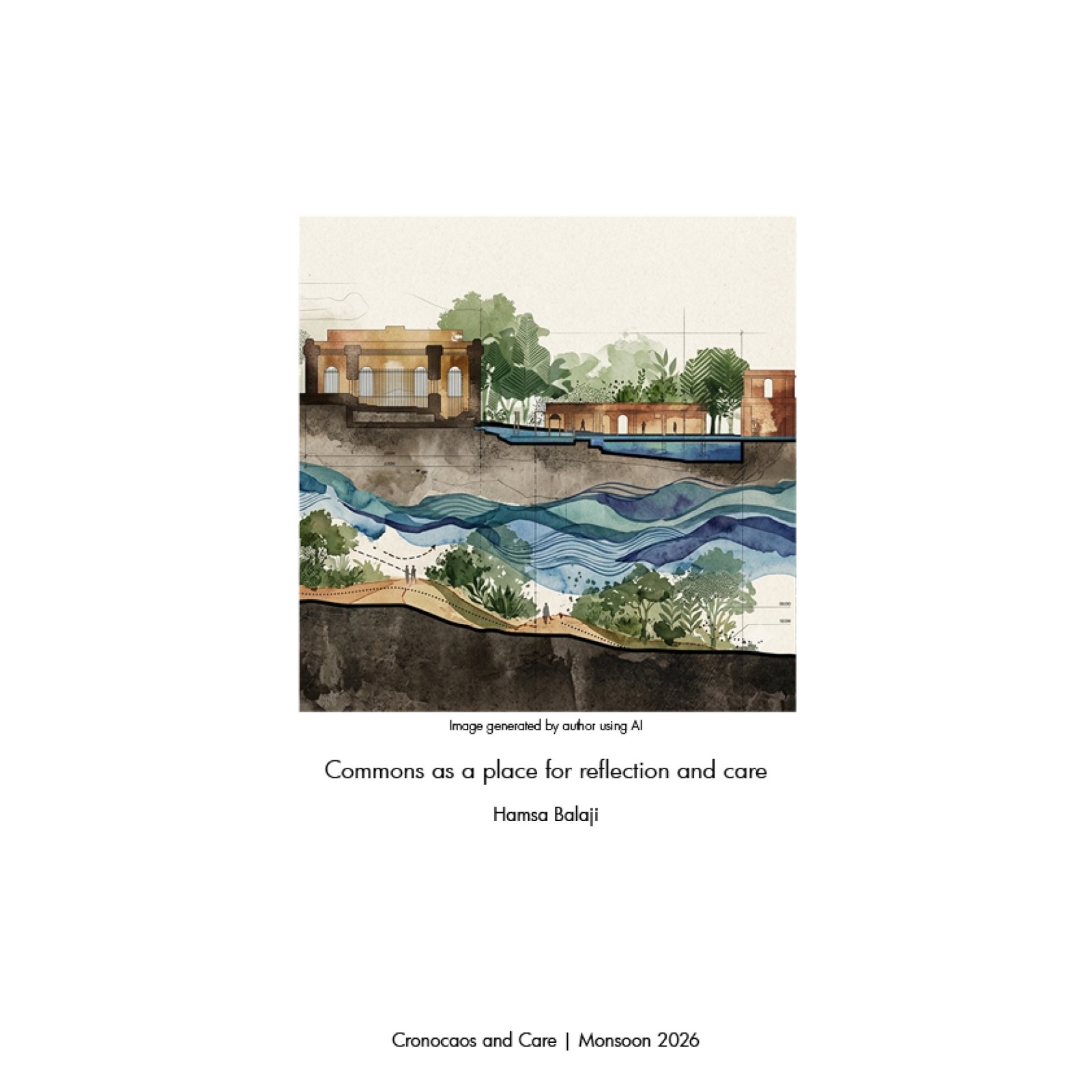
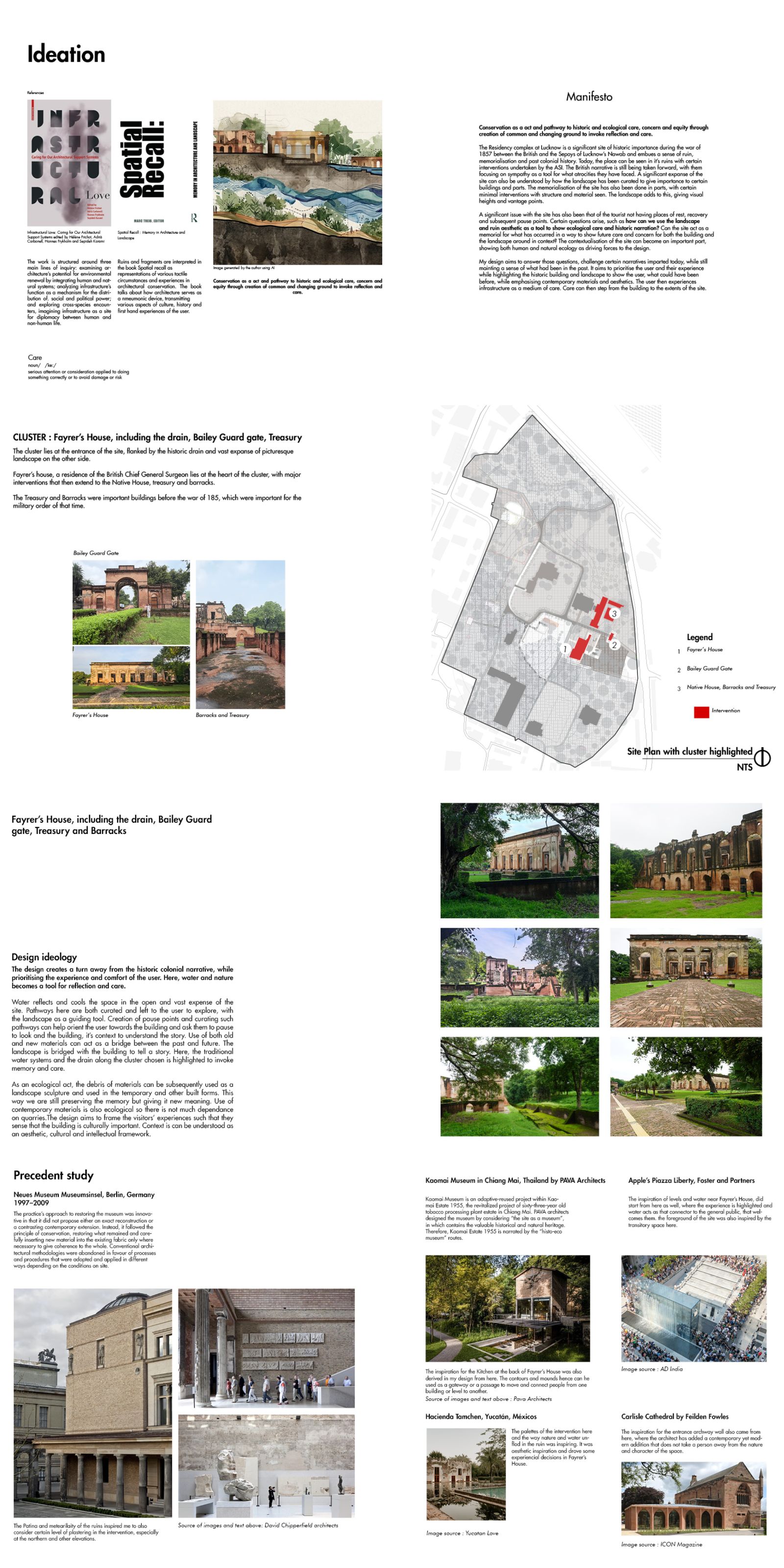
Conservation as an act and pathway to historic and ecological care, concern and equity through creation of common and changing ground to invoke reflection and care.
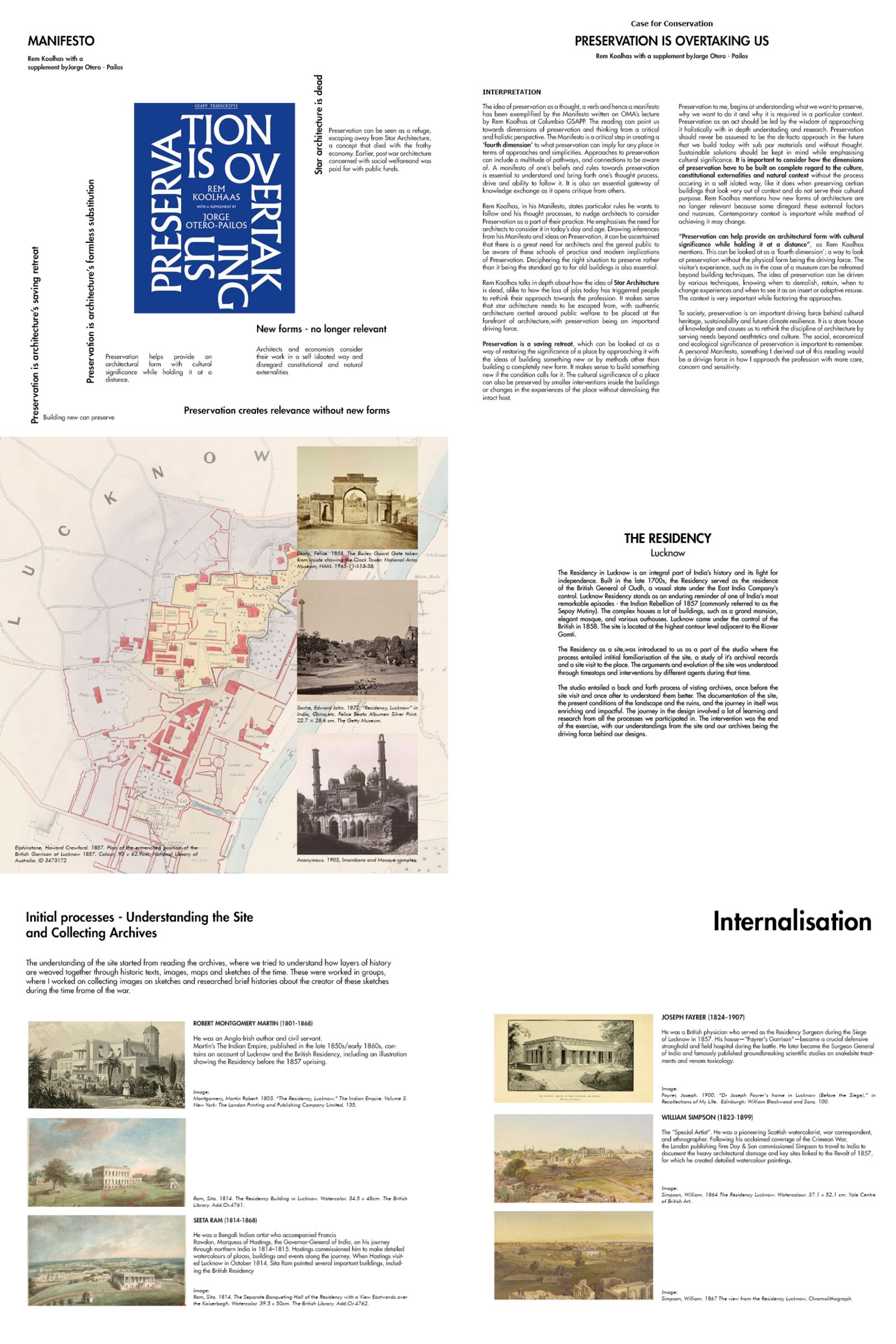
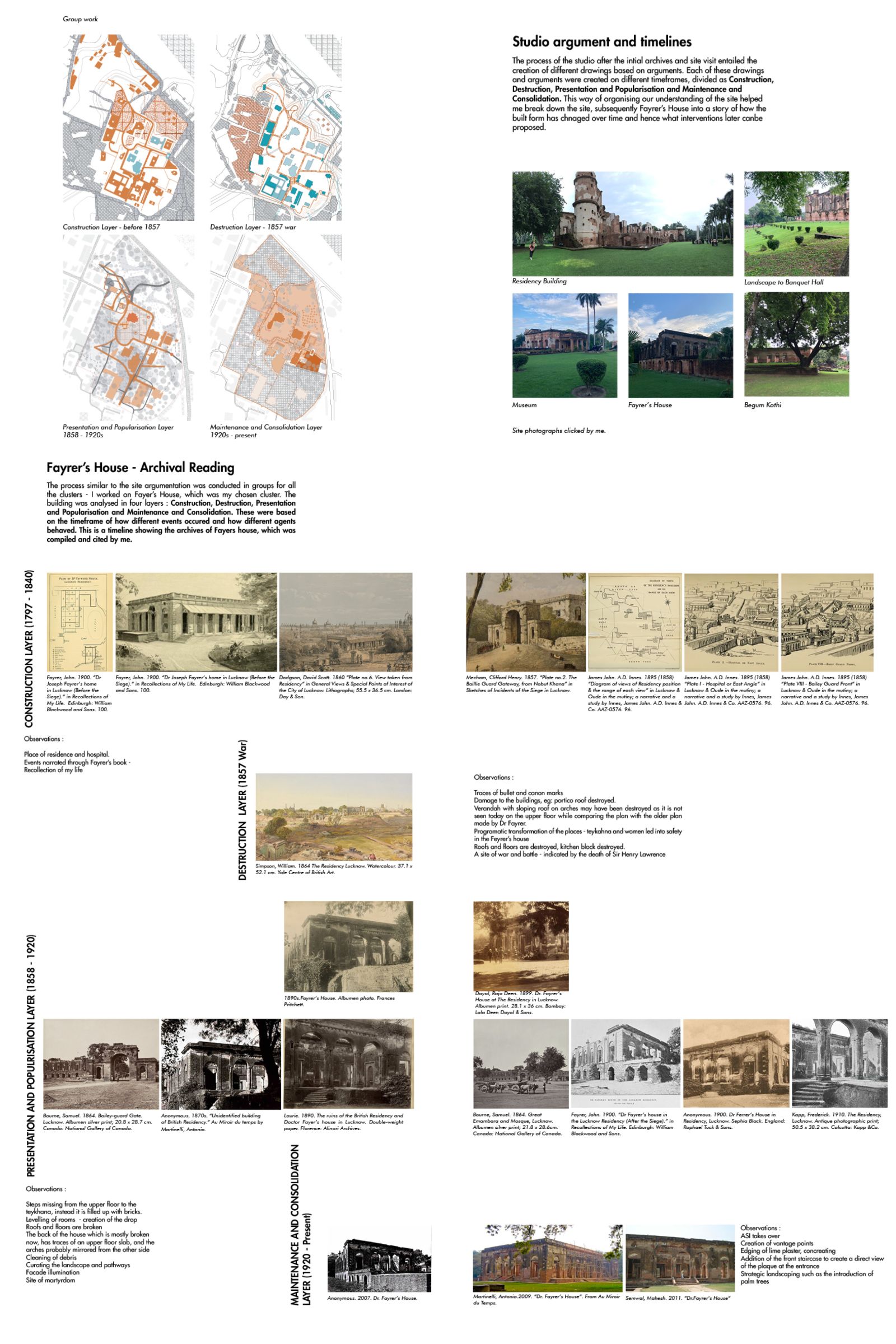
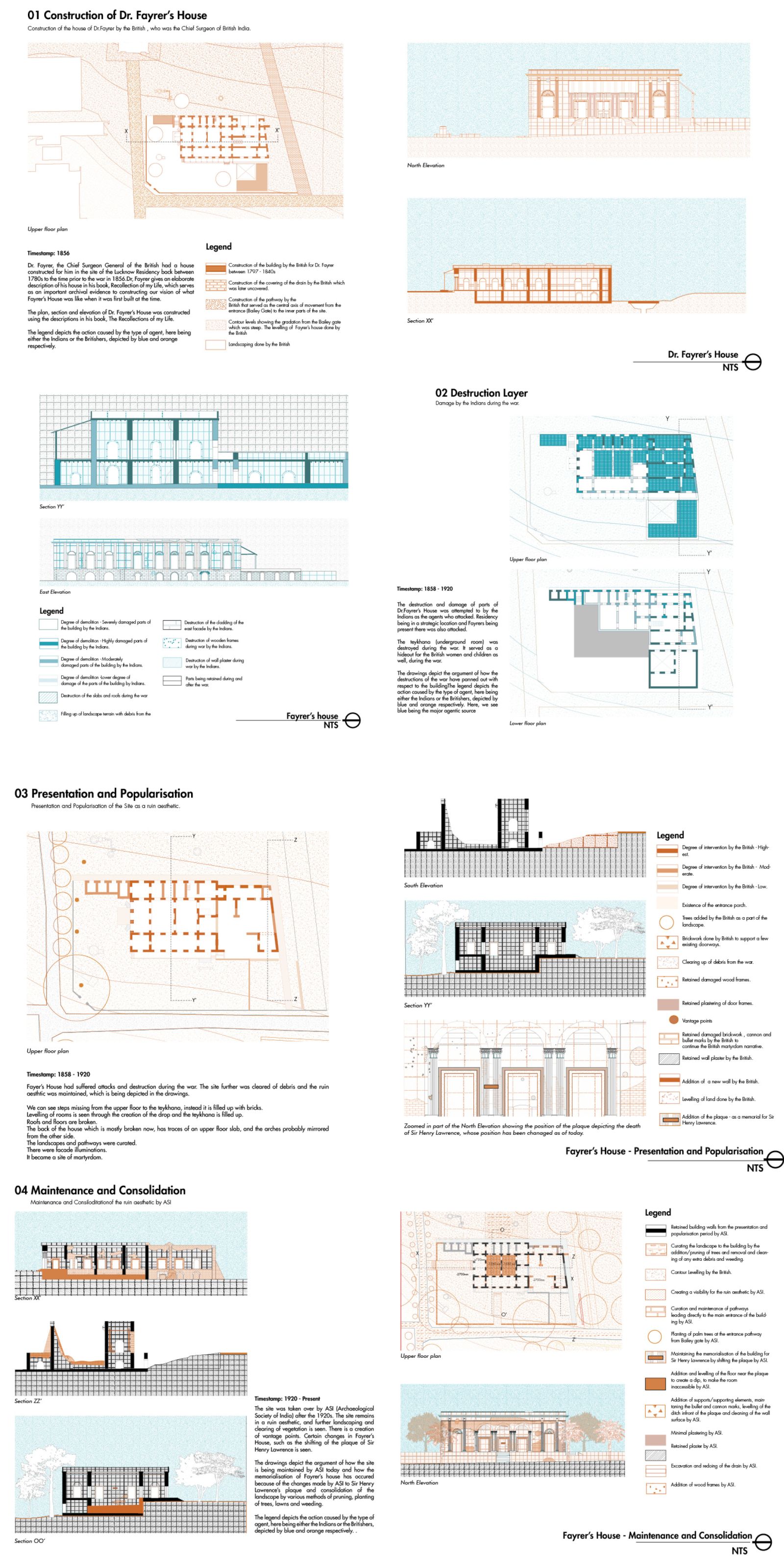
The Residency complex at Lucknow is a significant site of historic importance during the war of 1857 between the British and the Sepoys of Lucknow’s Nawab and embues a sense of ruin, memorialisation and past colonial history.
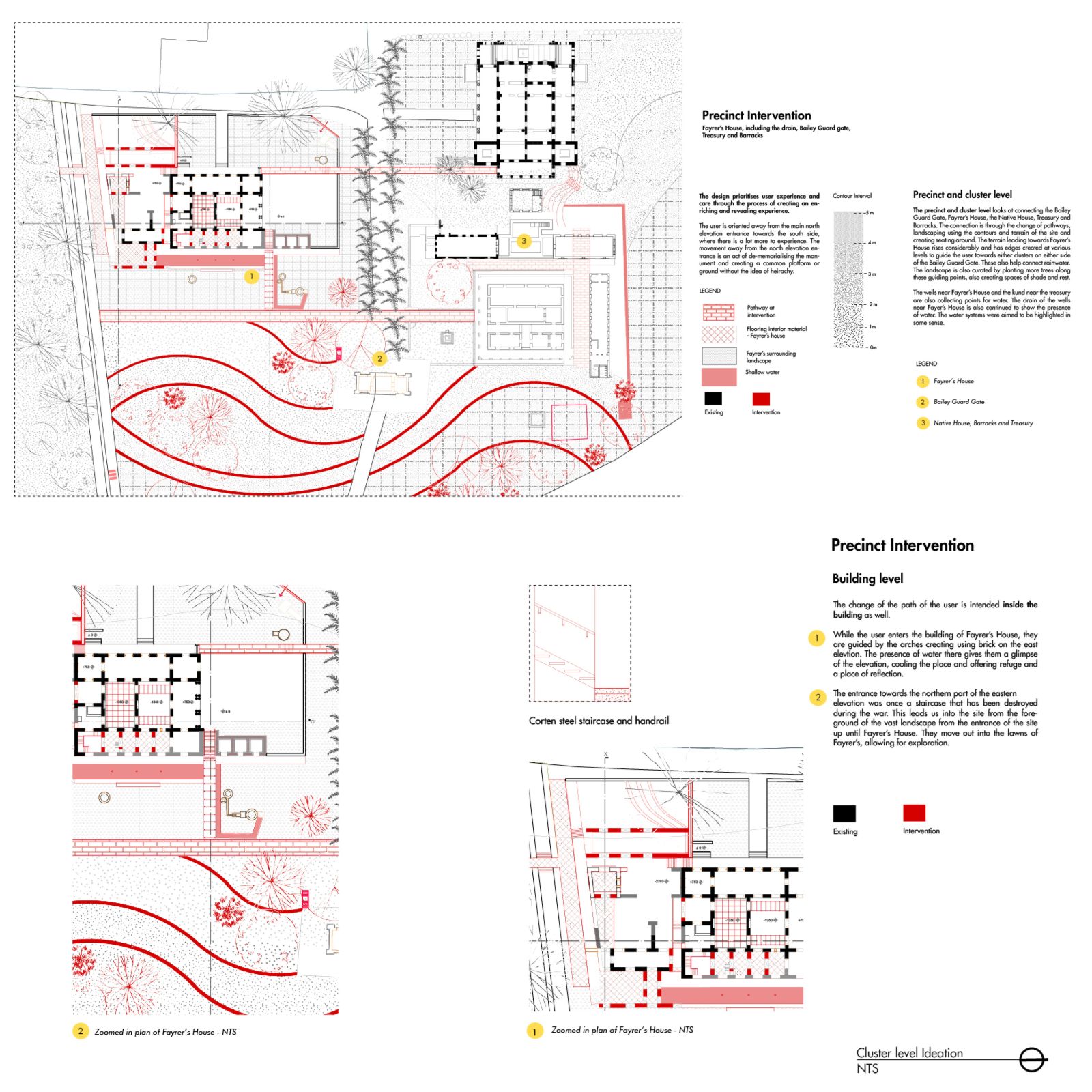
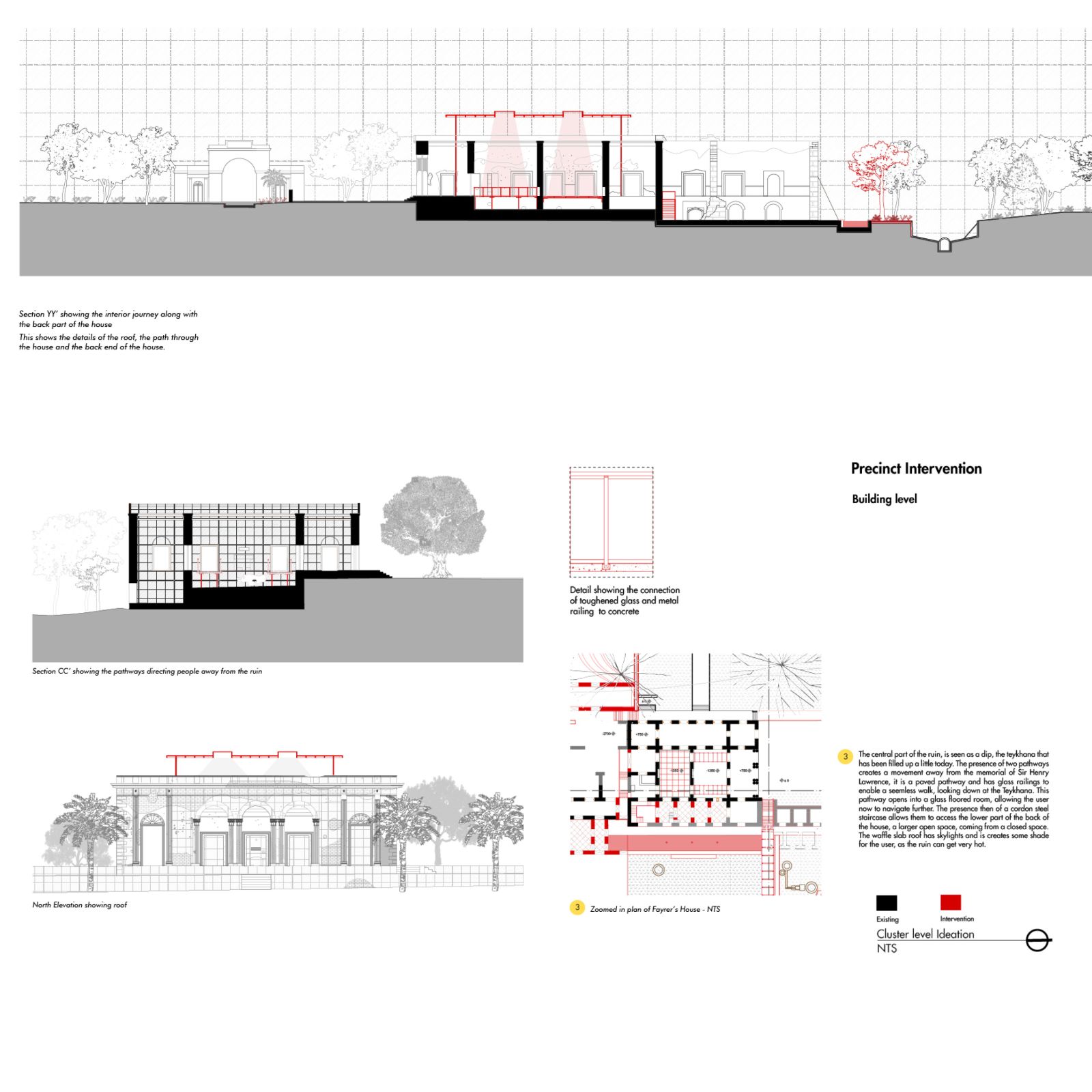
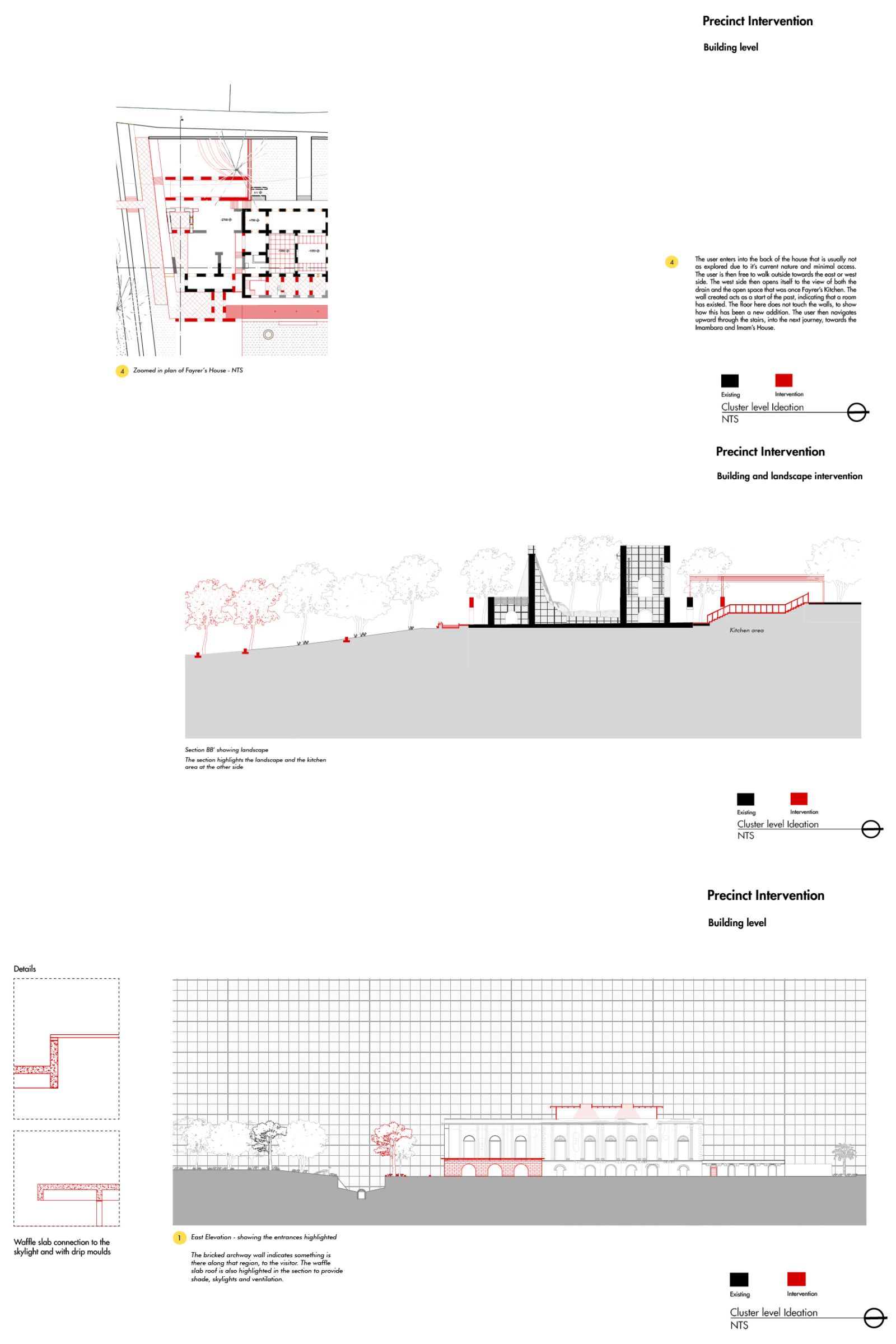
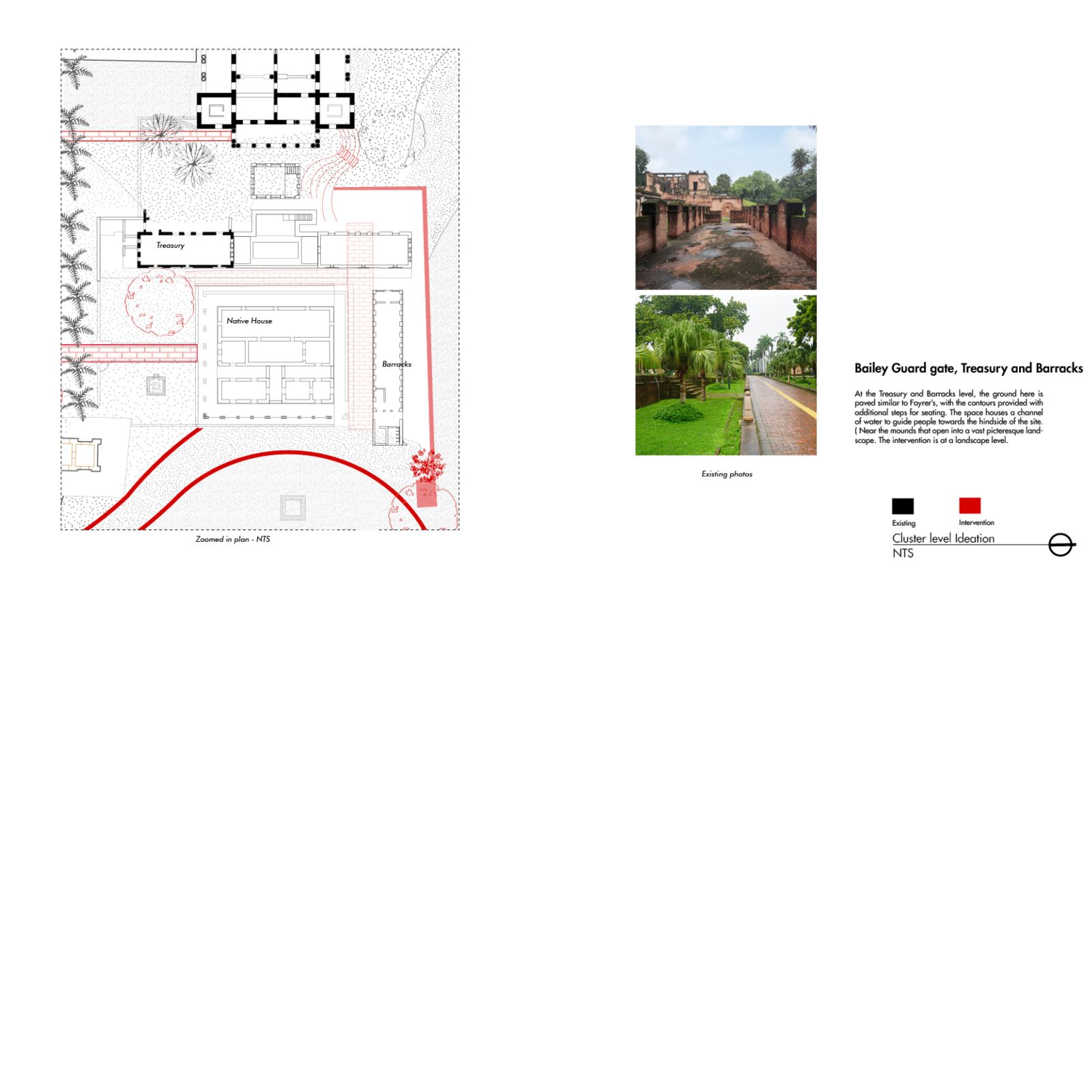
Through understanding the present condition and ruins of the site, a question arises as to how landscape and the ruin aesthetic can act as a tool to show ecological care and historic narration? A significant issue with the site has been that of the tourist not having places of rest, recovery and pause. My design aims to answer those questions, challenge certain narratives imparted today, prioritise the user and their experience while highlighting the neglected historic memory of the site, particularly Dr. Fayrer’s House and the neighbouring context.