Your browser is out-of-date!
For a richer surfing experience on our website, please update your browser. Update my browser now!
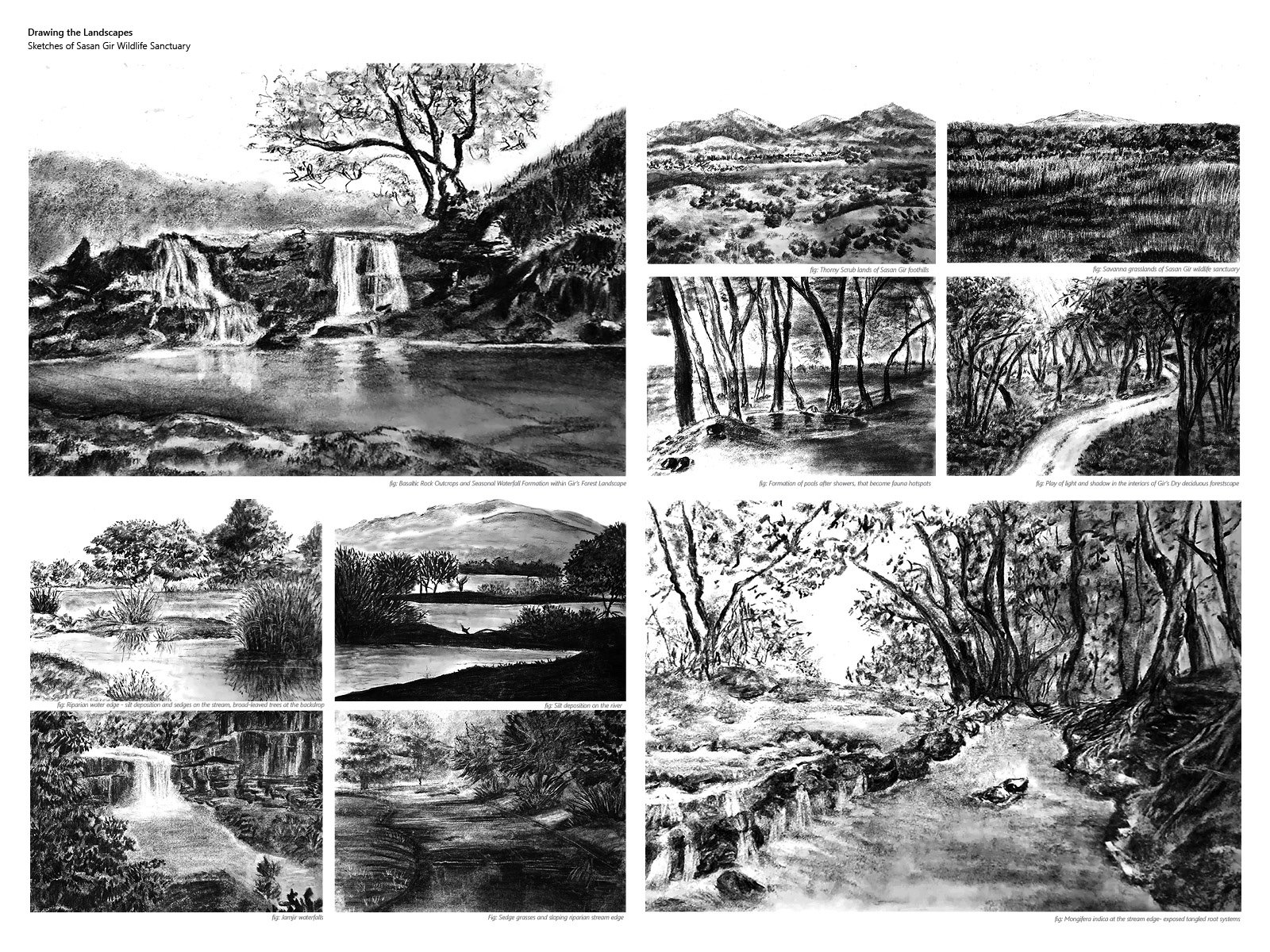
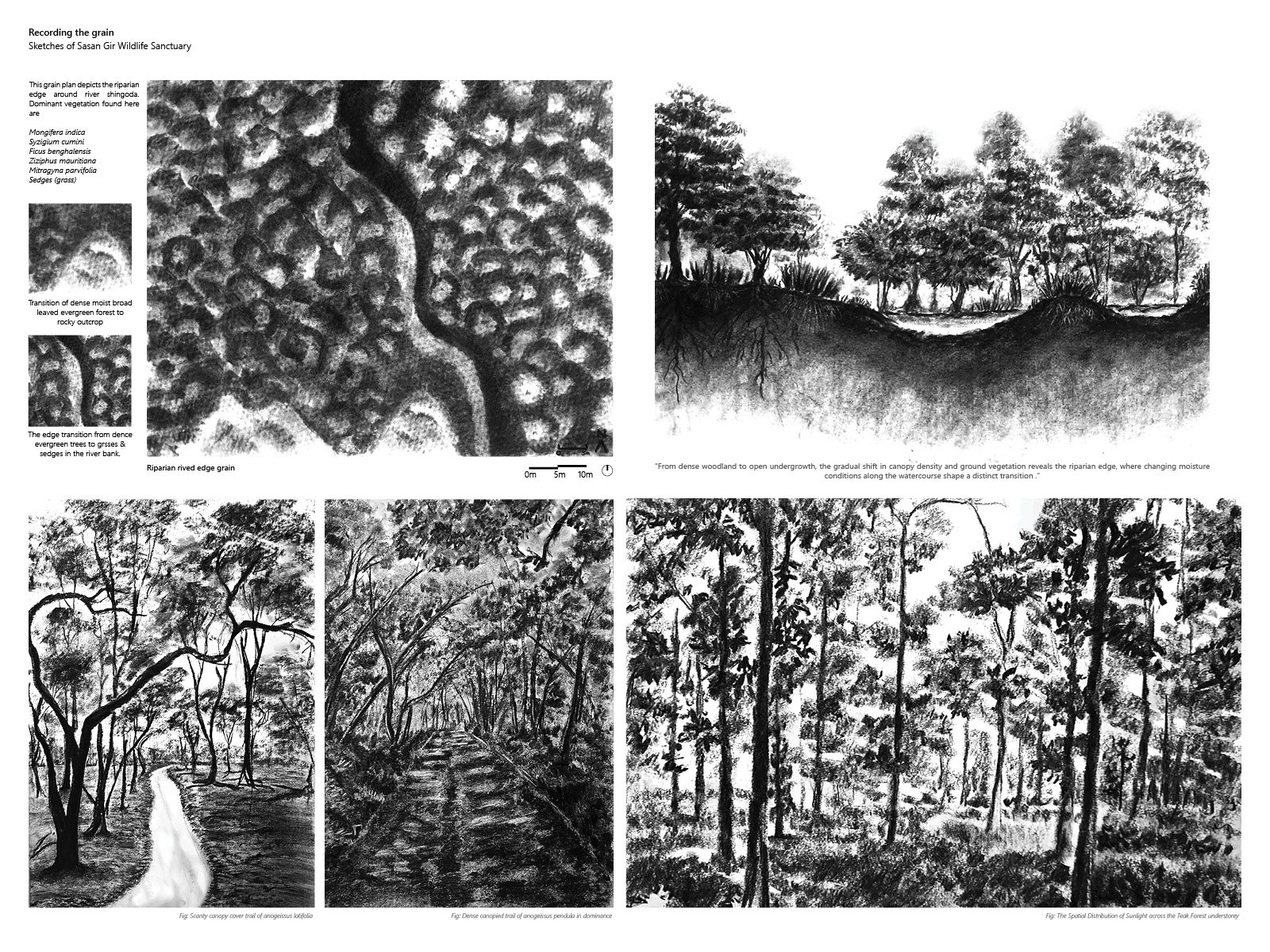
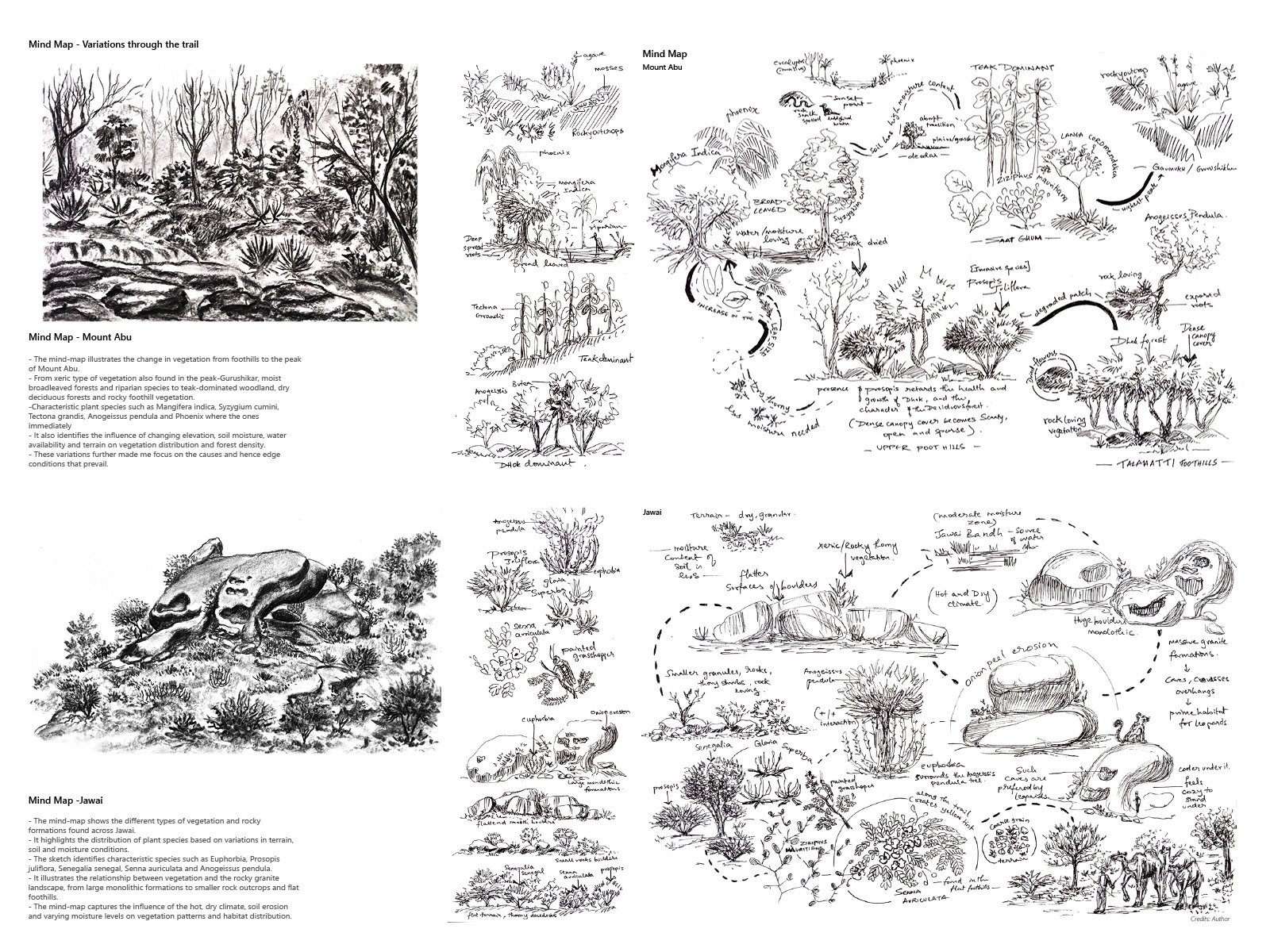
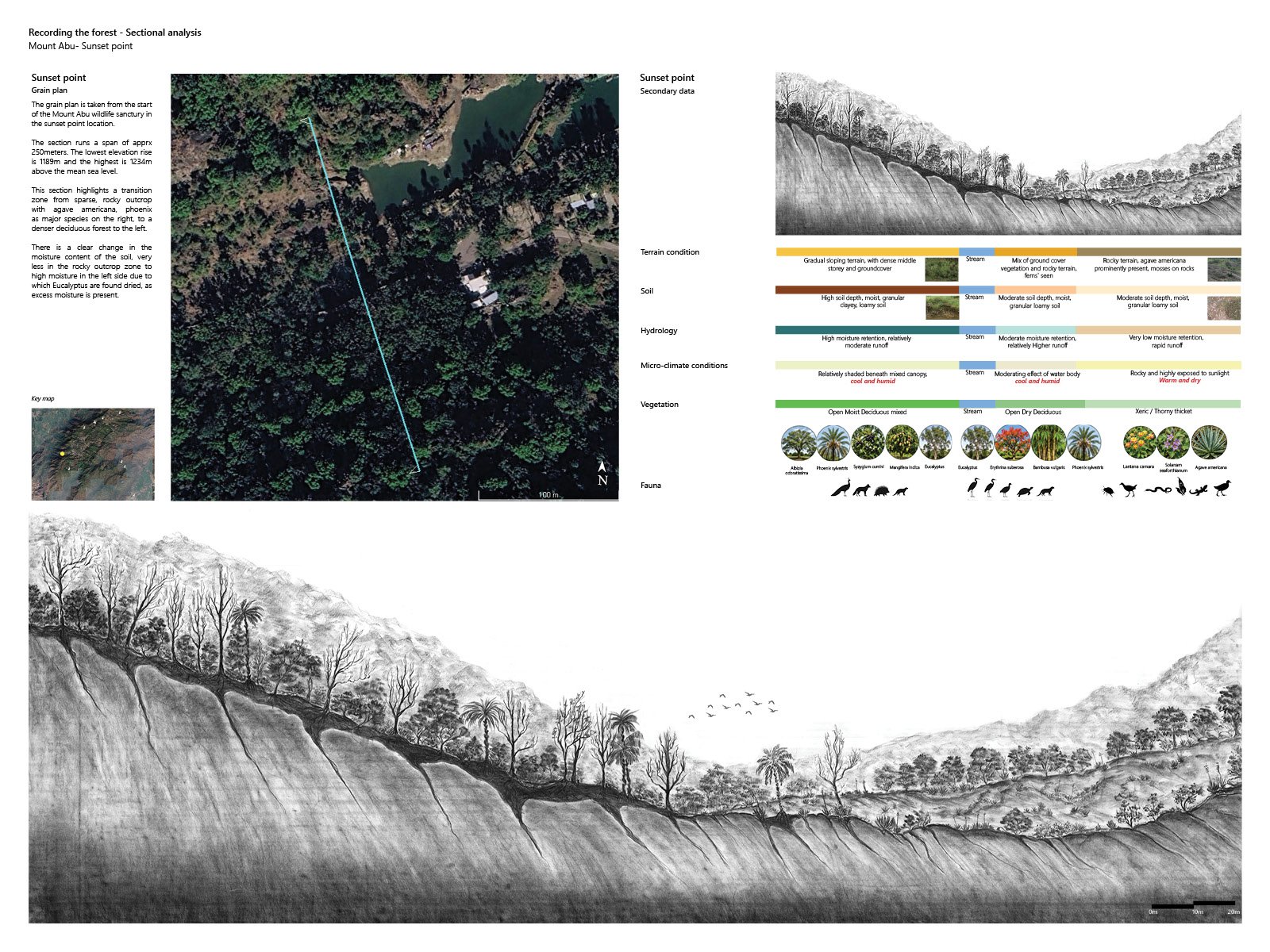
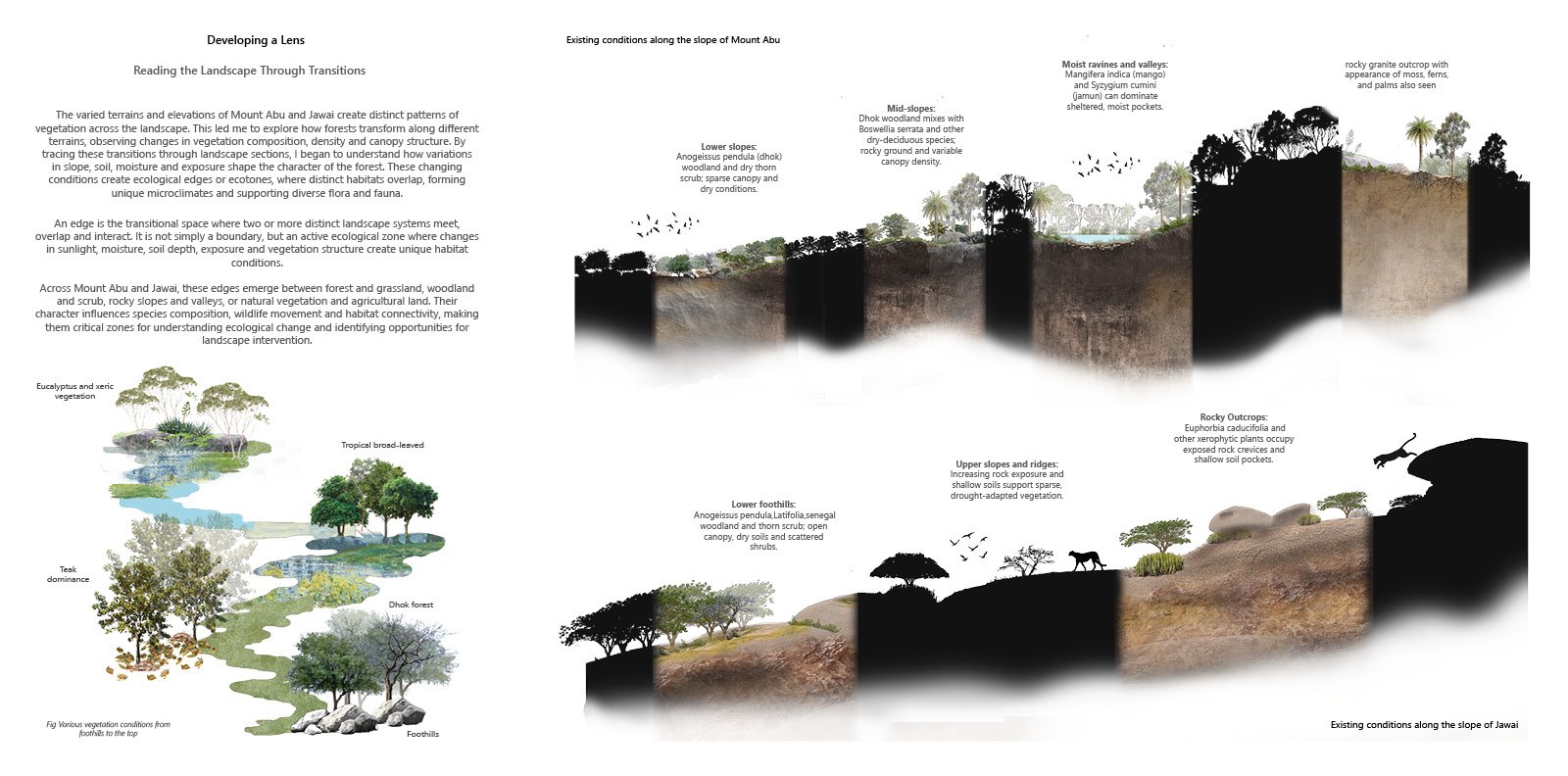
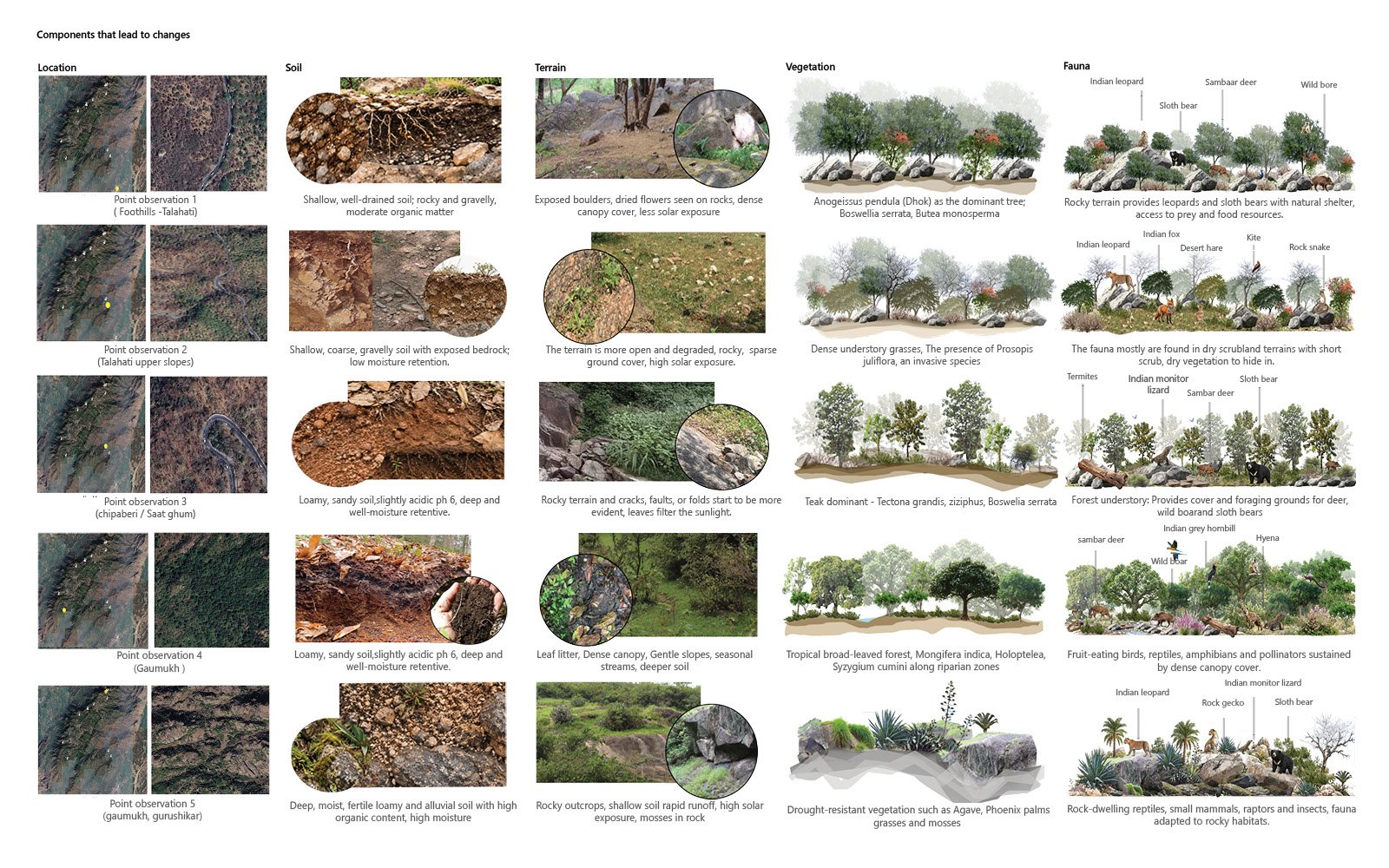
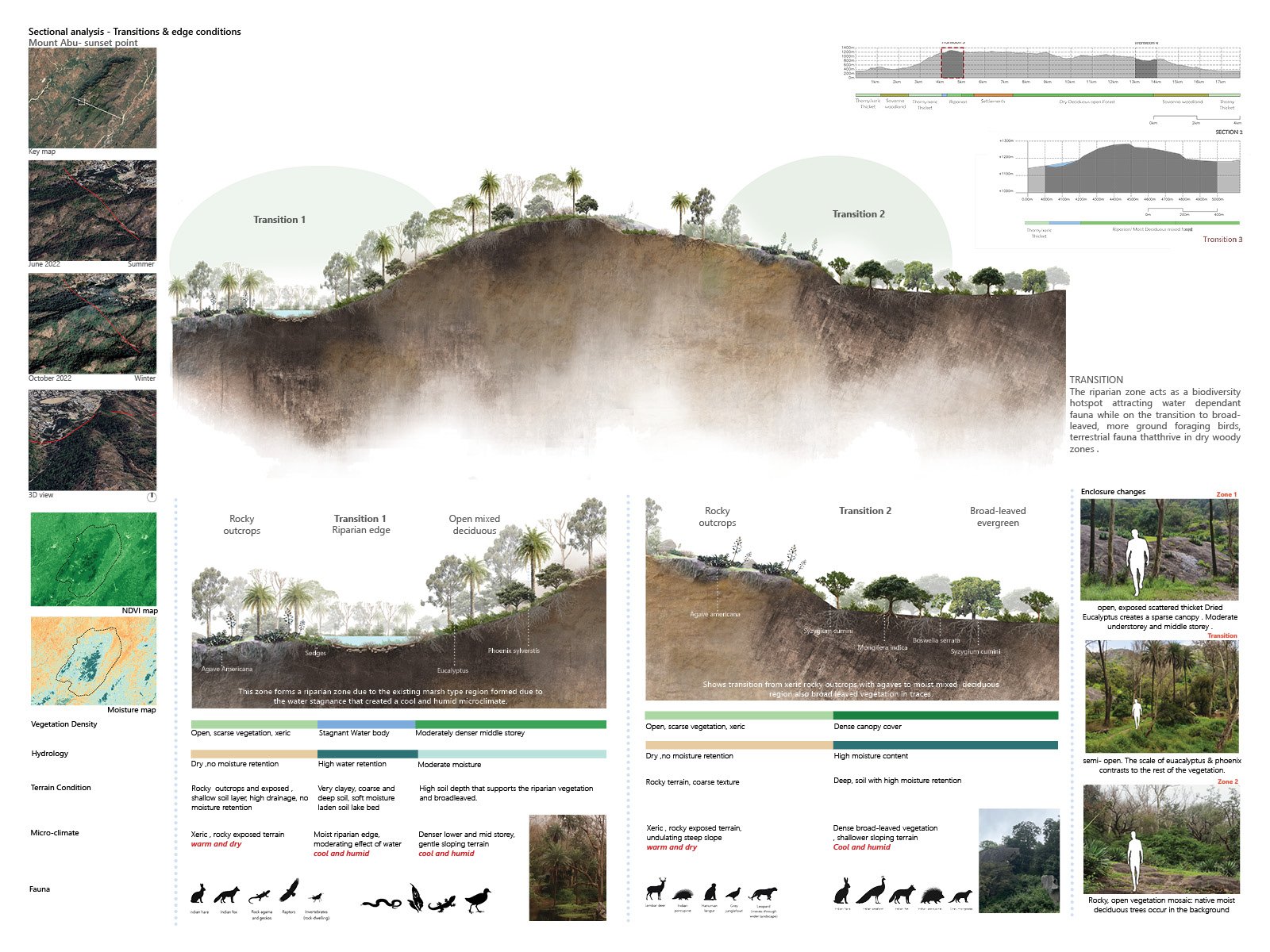
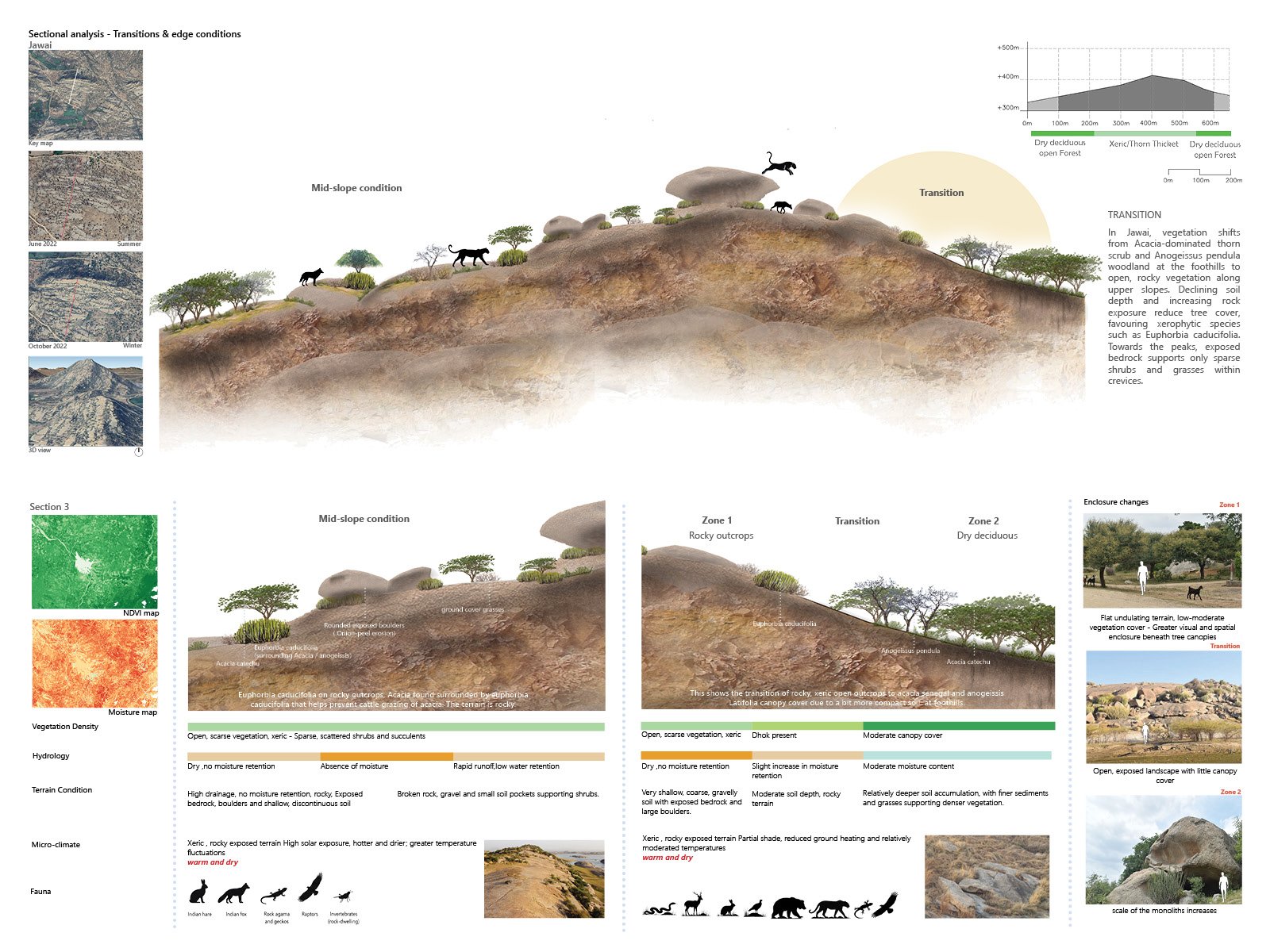
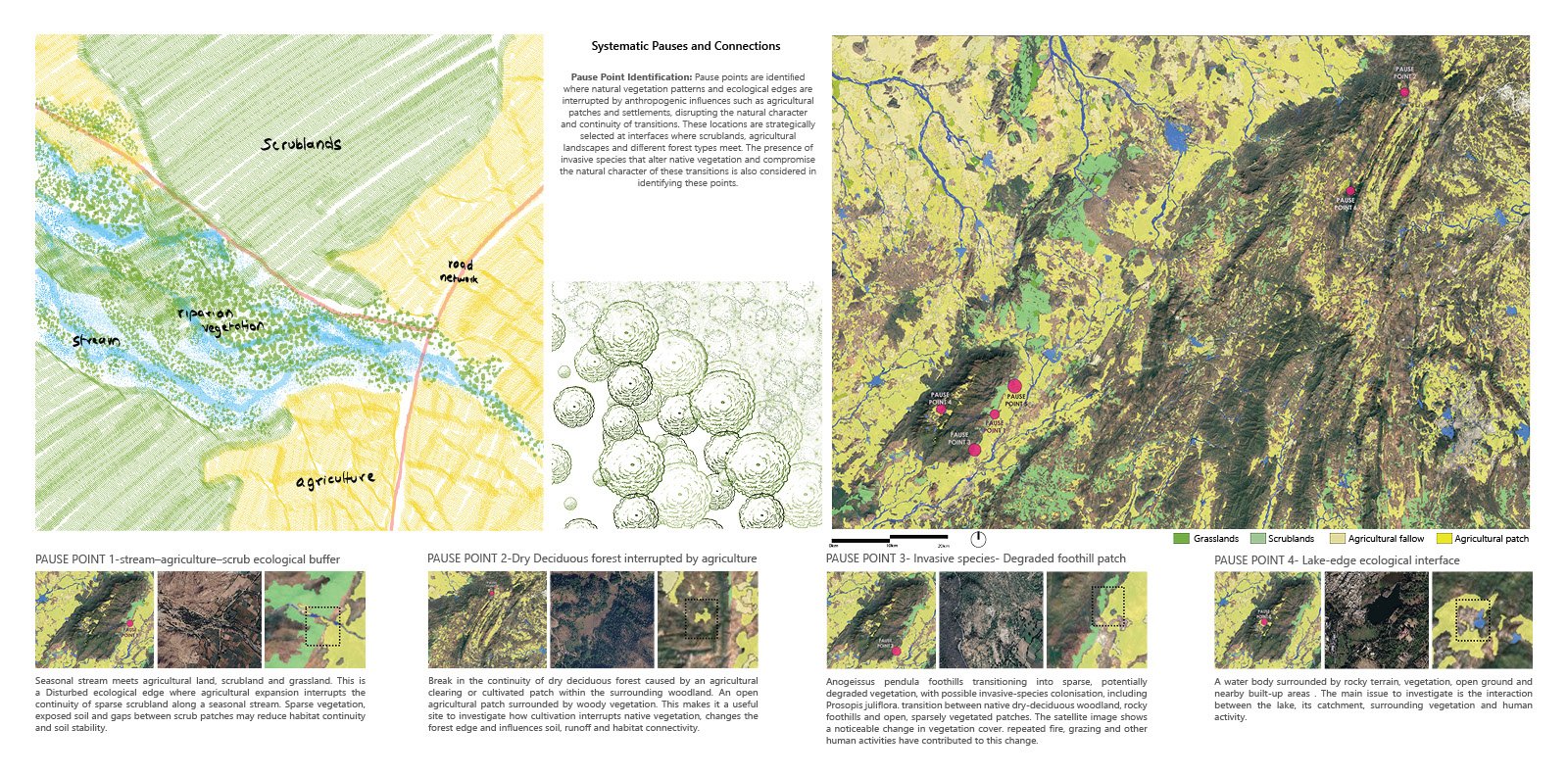
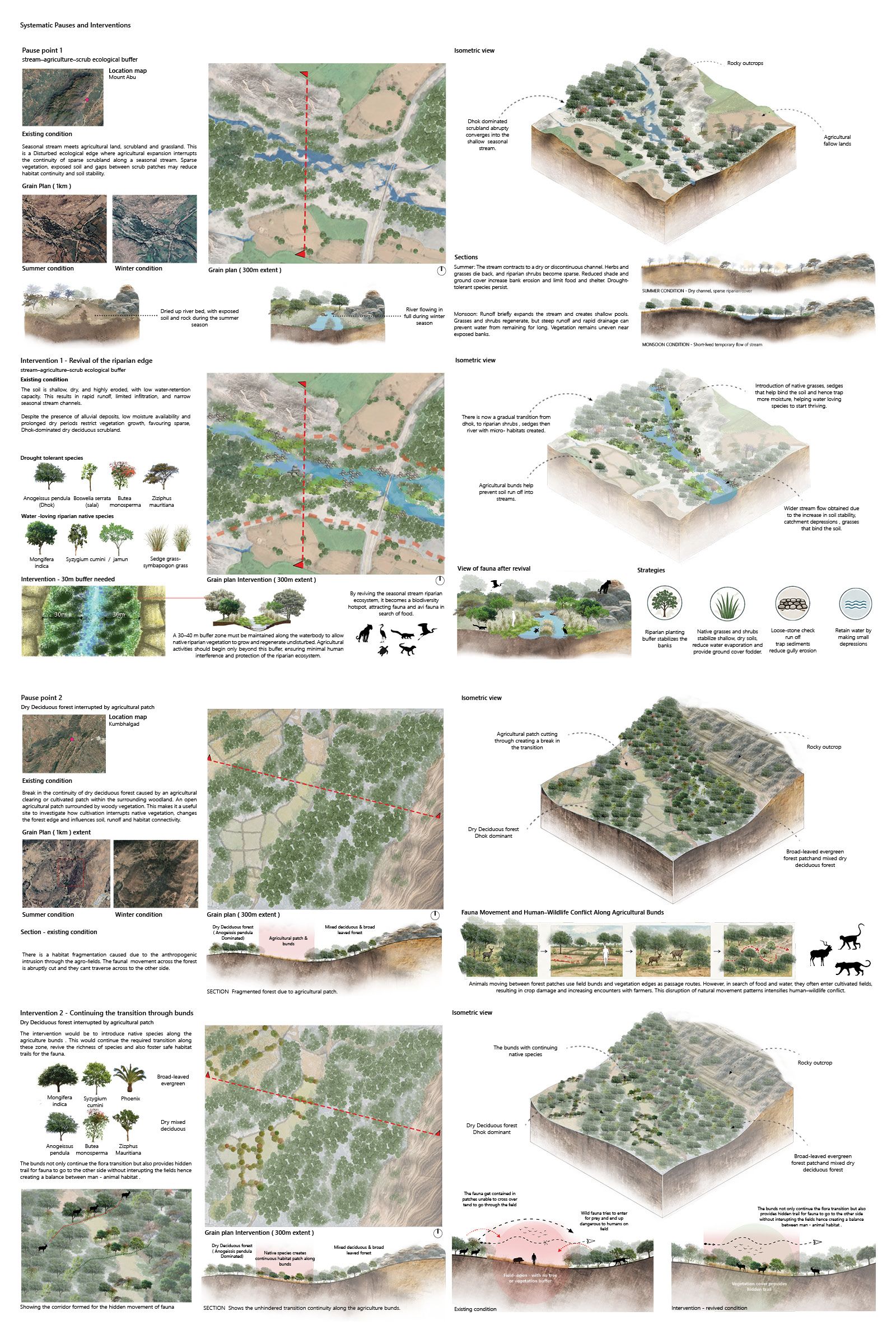
A forest is not a continuous, uniform landscape but a dynamic ecological system shaped by transitions between different habitat types. Its character evolves with changes in topography, soil depth, moisture, sunlight and vegetation structure. Across Mount Abu and Jawai, these transitions emerge where forests meet woodlands, scrublands, grasslands, rocky slopes and agricultural landscapes. These edges are active ecological zones where species composition, habitat conditions and wildlife movement shift. By decoding the forest through its transitions, this study seeks to understand the processes shaping these landscapes, identify ecological disturbances and recognise opportunities for landscape-level intervention, while revealing the interconnectedness of diverse ecological habitats.
View Additional Work