Your browser is out-of-date!
For a richer surfing experience on our website, please update your browser. Update my browser now!
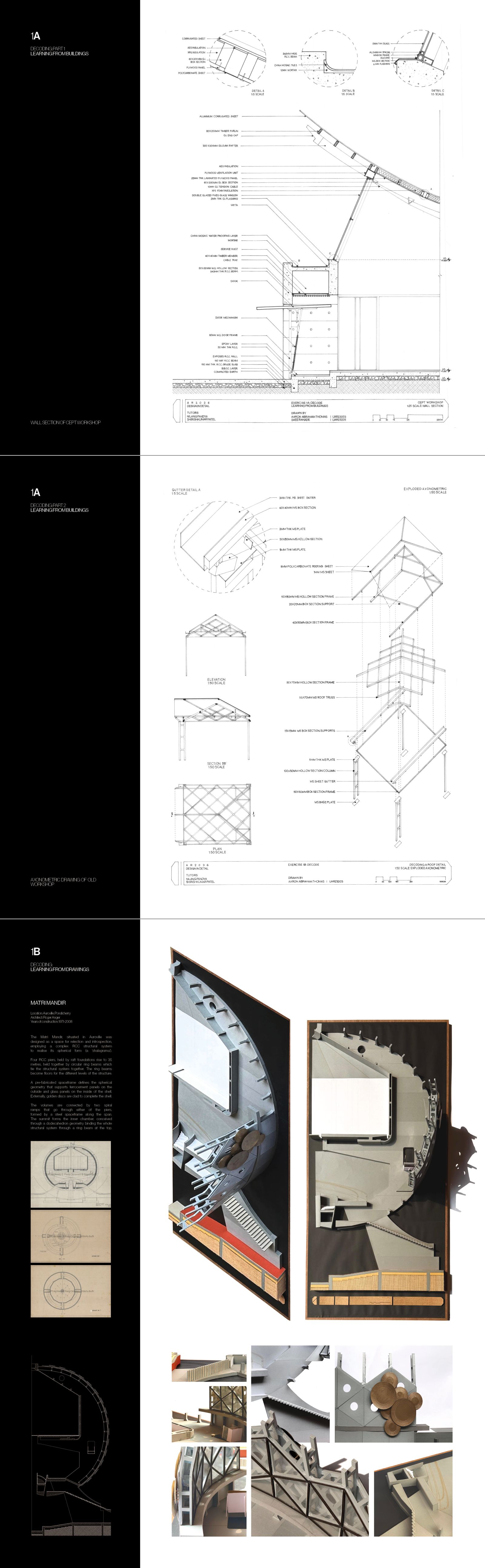
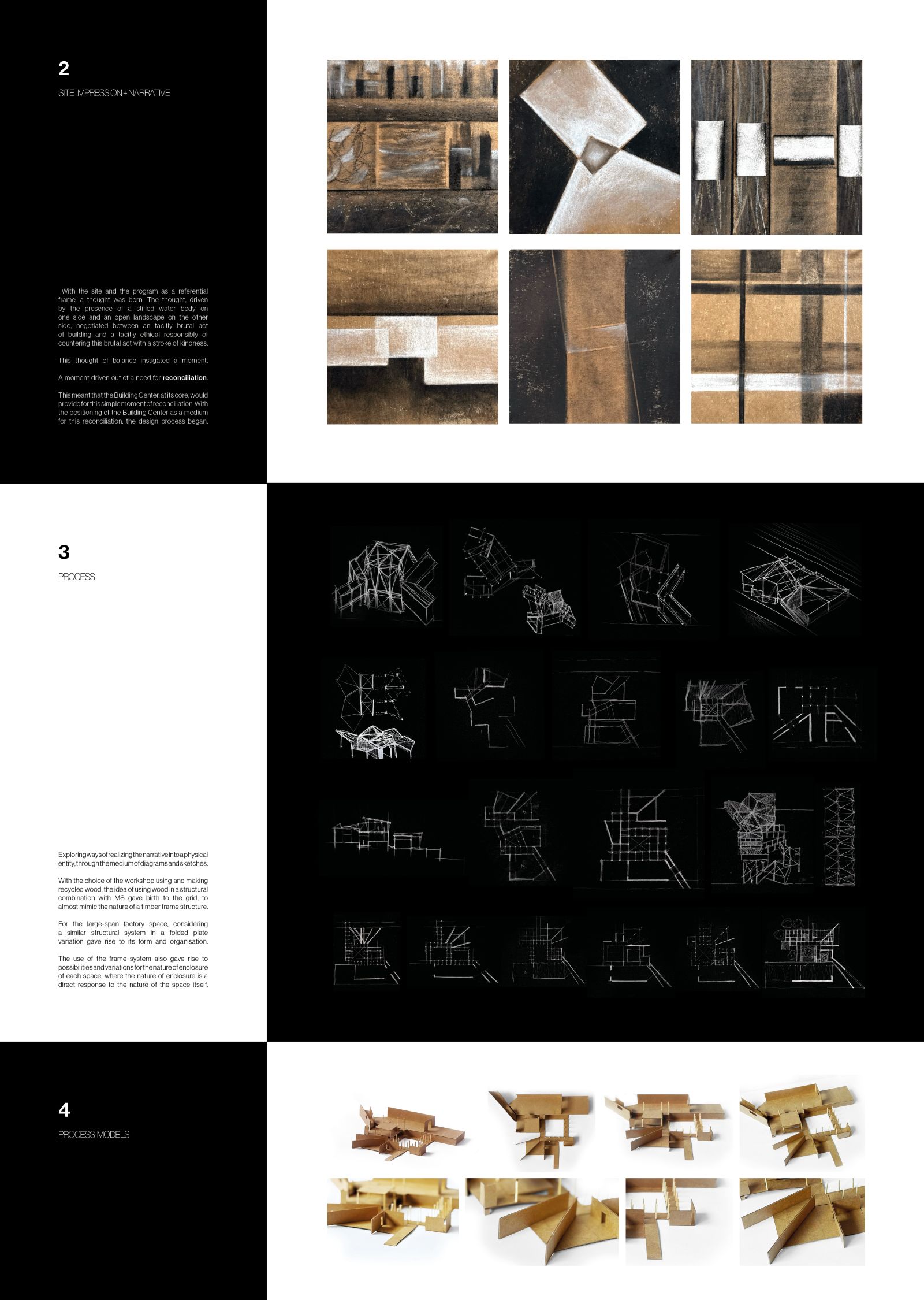
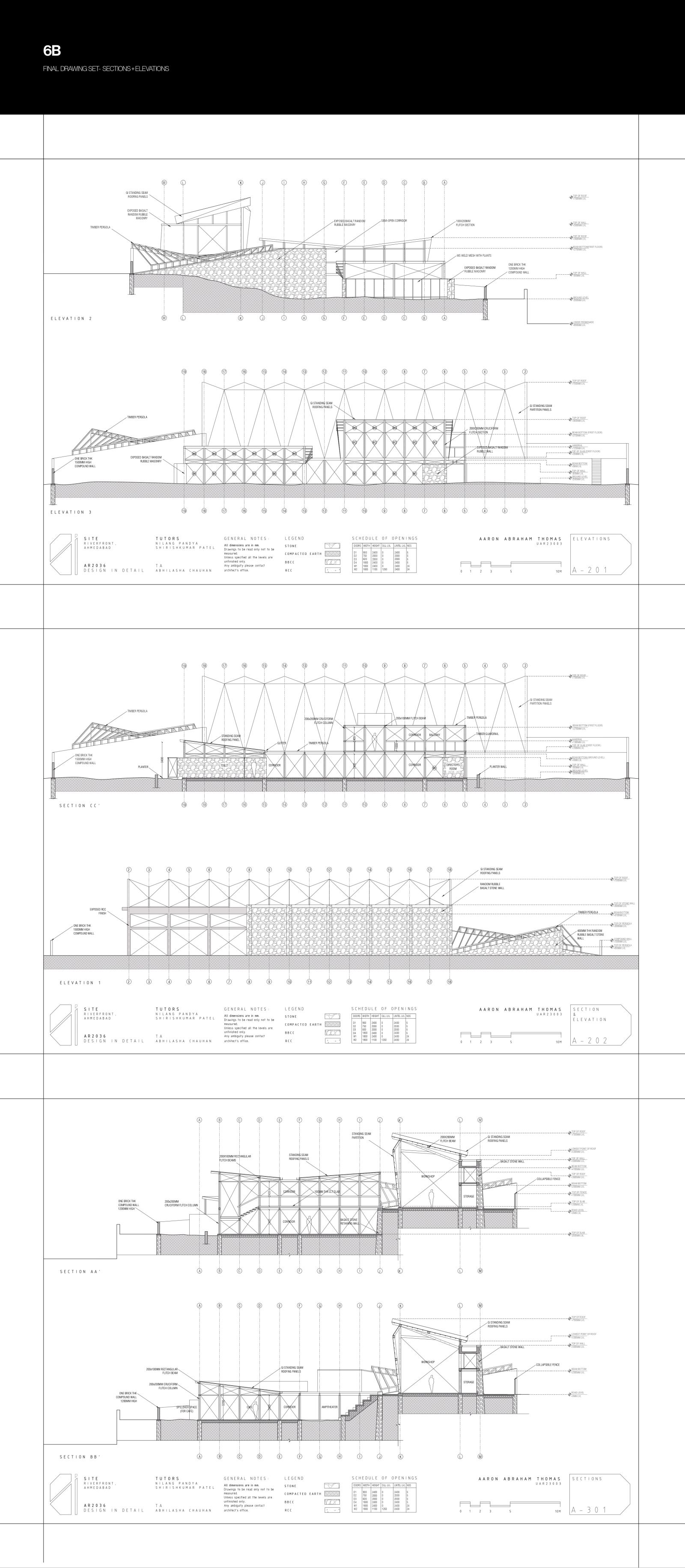
The Building Center, situated along the banks of the Sabarmati, reflects on reconciliation as an architectural condition, between force and care, permanence and adaptation, extraction and renewal. Acknowledging the inherent violence embedded within the act of building, the project seeks not to misleadingly conceal this reality, but to balance it through acts of restraint and reciprocity. The Building Center, here, becomes an act of negotiation: between what is taken and what is returned.
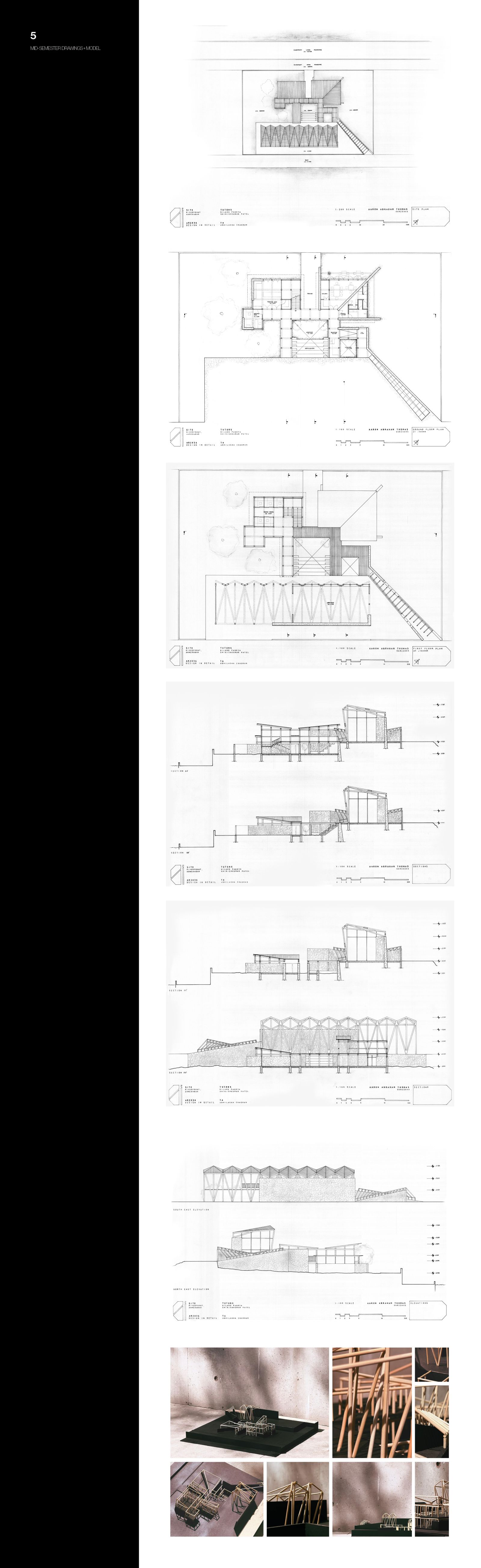
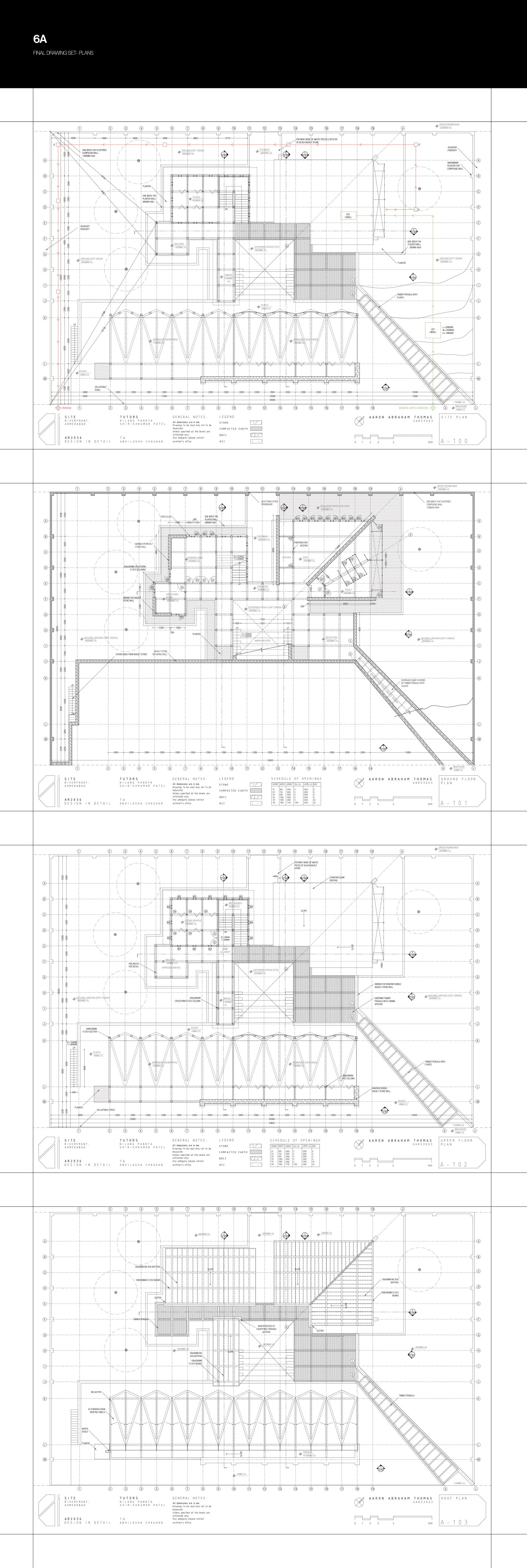
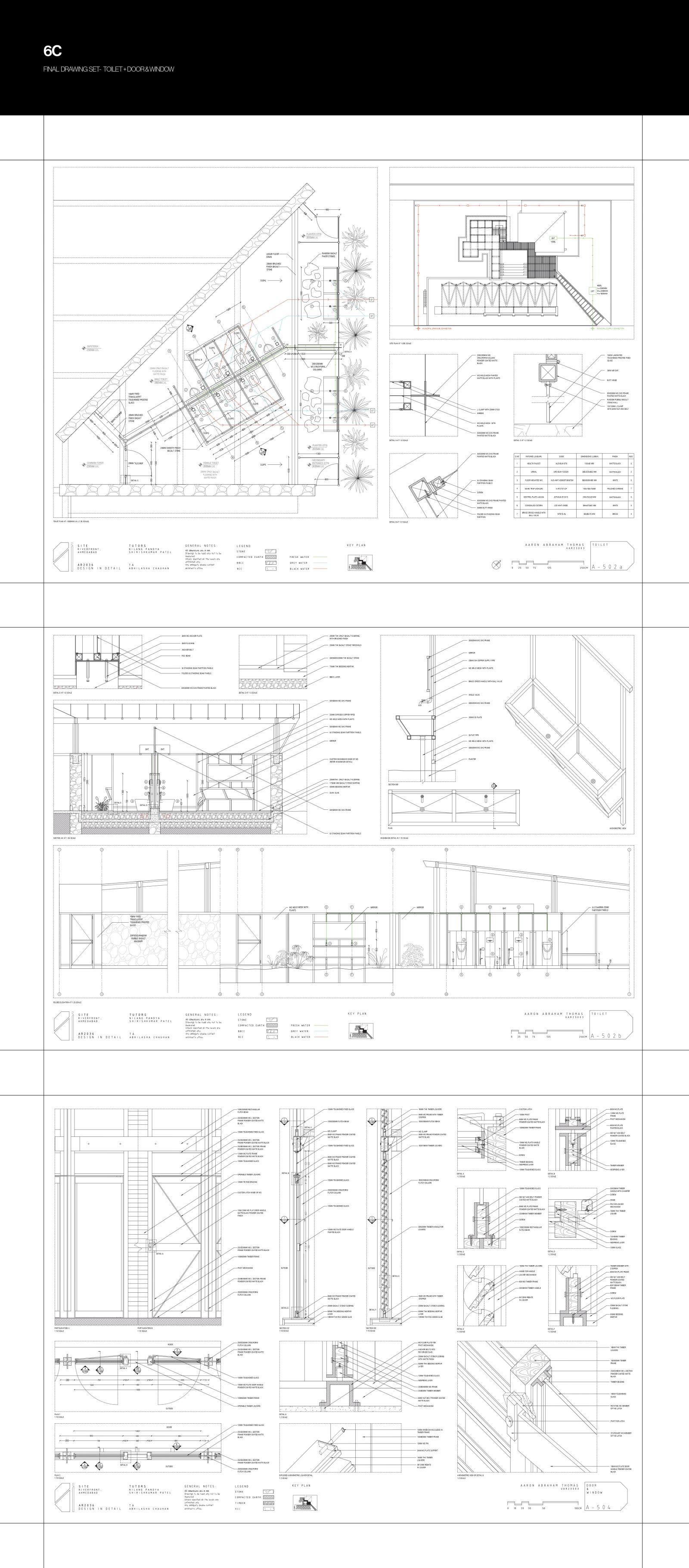
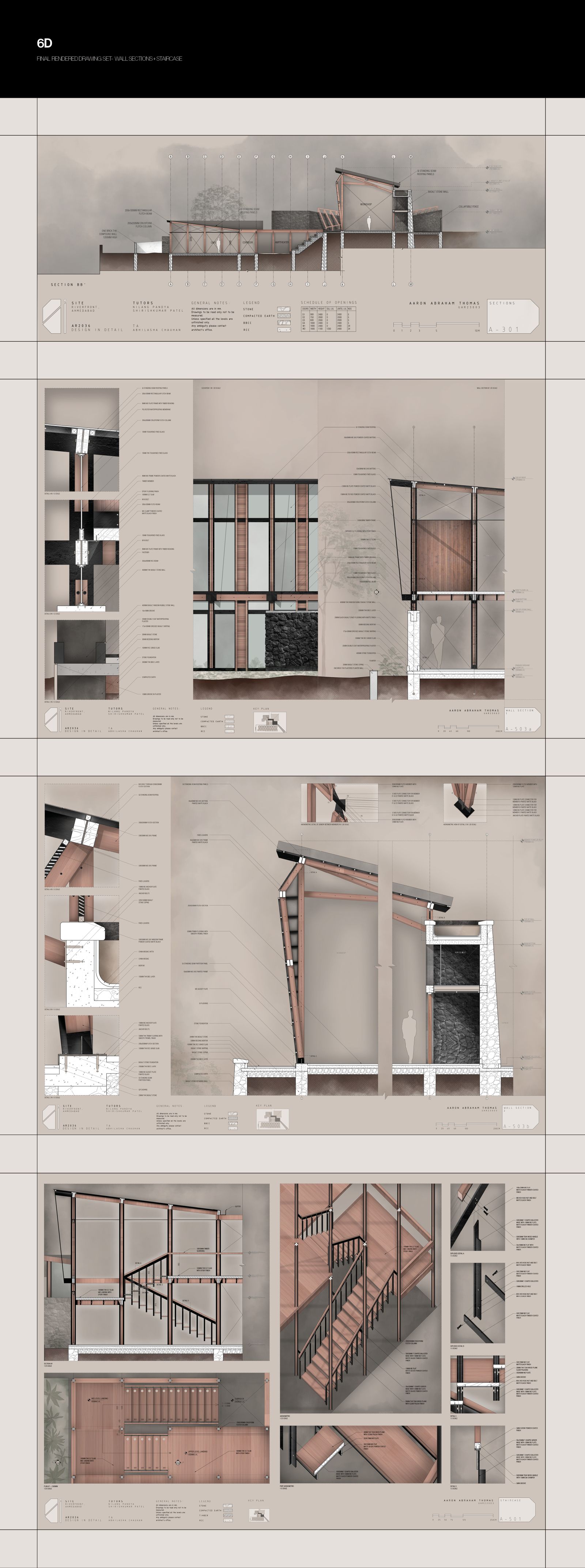
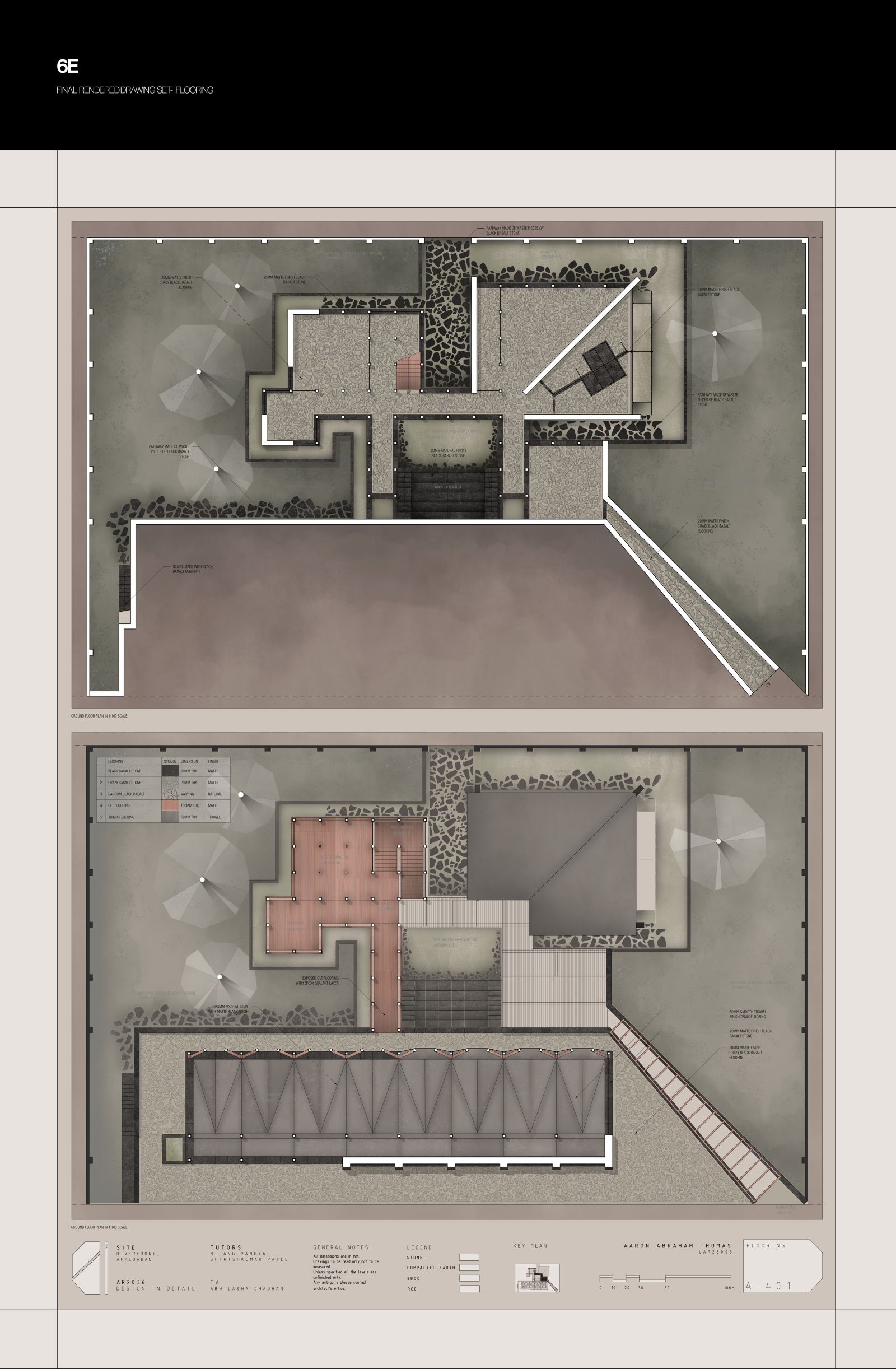
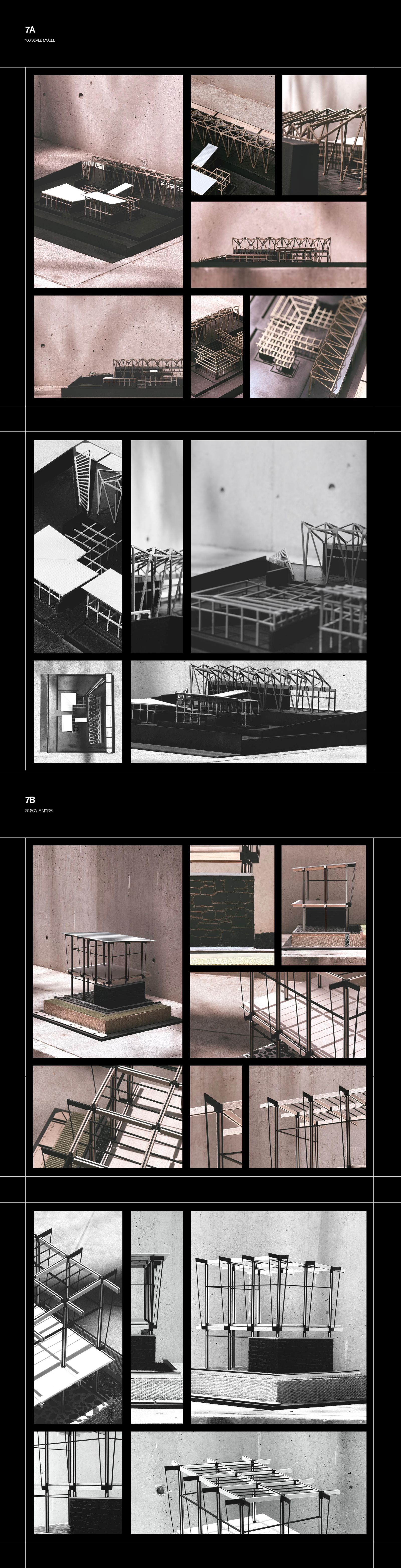
A rigorous 2×2 metre grid establishes an underlying order, an almost severe discipline within which spaces are allowed to shift, overlap, and evolve. The structural language draws from the logic of the flitch system, where engineered timber and steel exist in mutual dependence, each reconciling and compensating for the weaknesses and strengths of the other. Re-engineered wood, composed of fragmented remnants bound into renewed form, becomes both material and metaphor, suggesting that broken parts may still find coherence, meaning, and strength within a larger framework.
The Building Center inevitably proposes reconciliation not as resolution, but as an ongoing negotiation of coexistence and an architecture shaped by mediation, ultimately leading to a condition of 'Aletheia Praxis', which is the art of revealing truth through practice.