Your browser is out-of-date!
For a richer surfing experience on our website, please update your browser. Update my browser now!
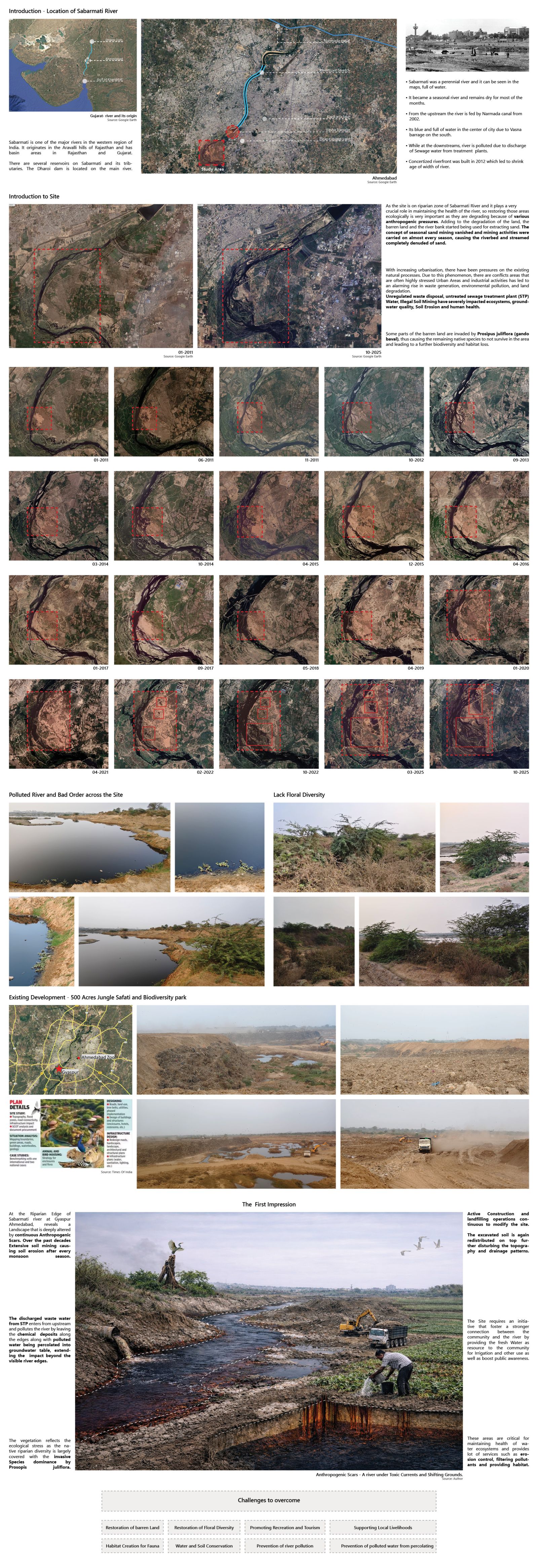
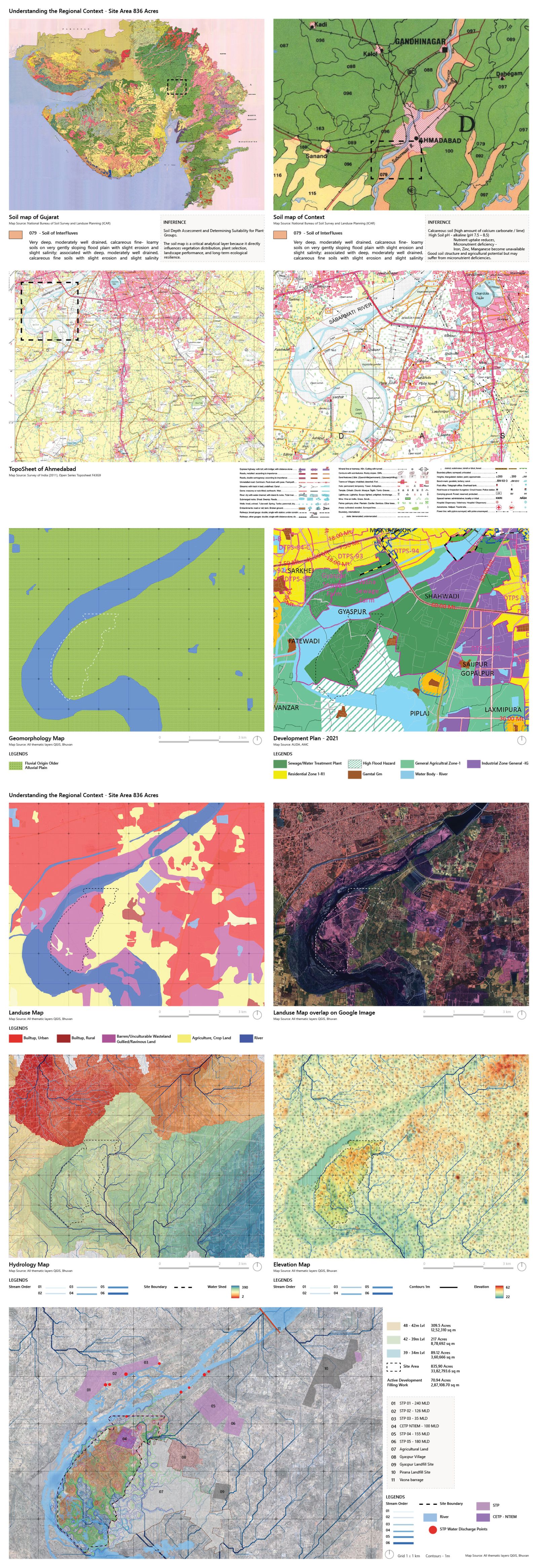
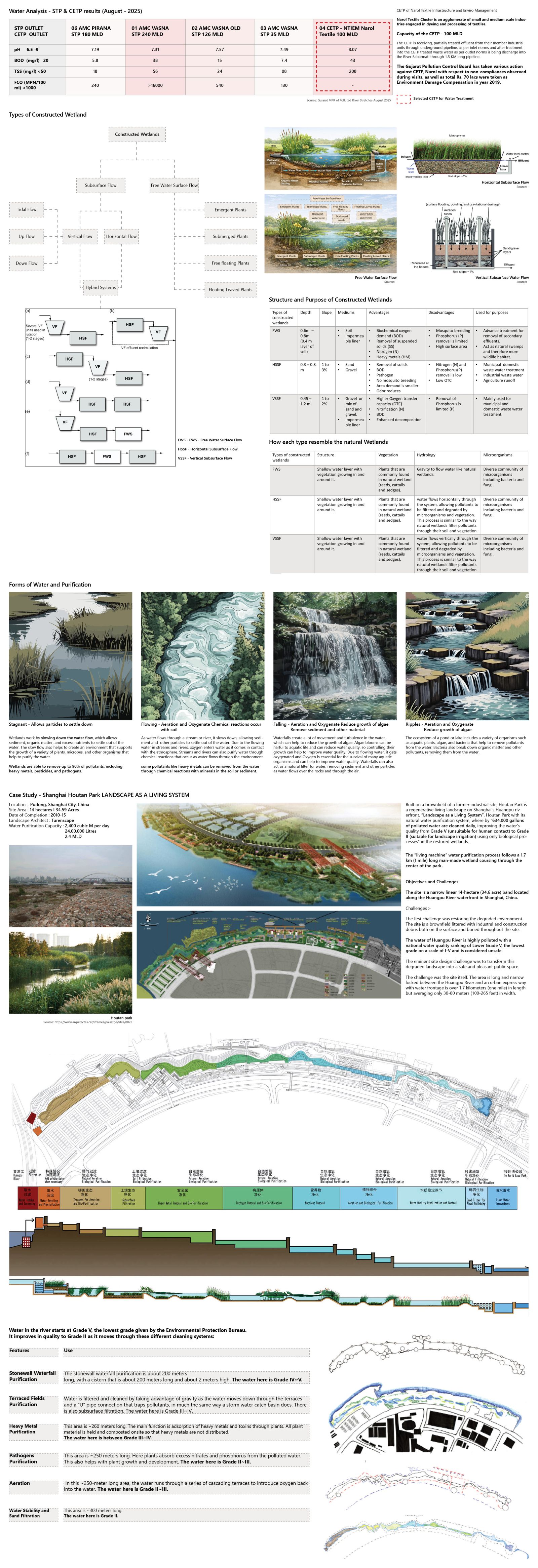
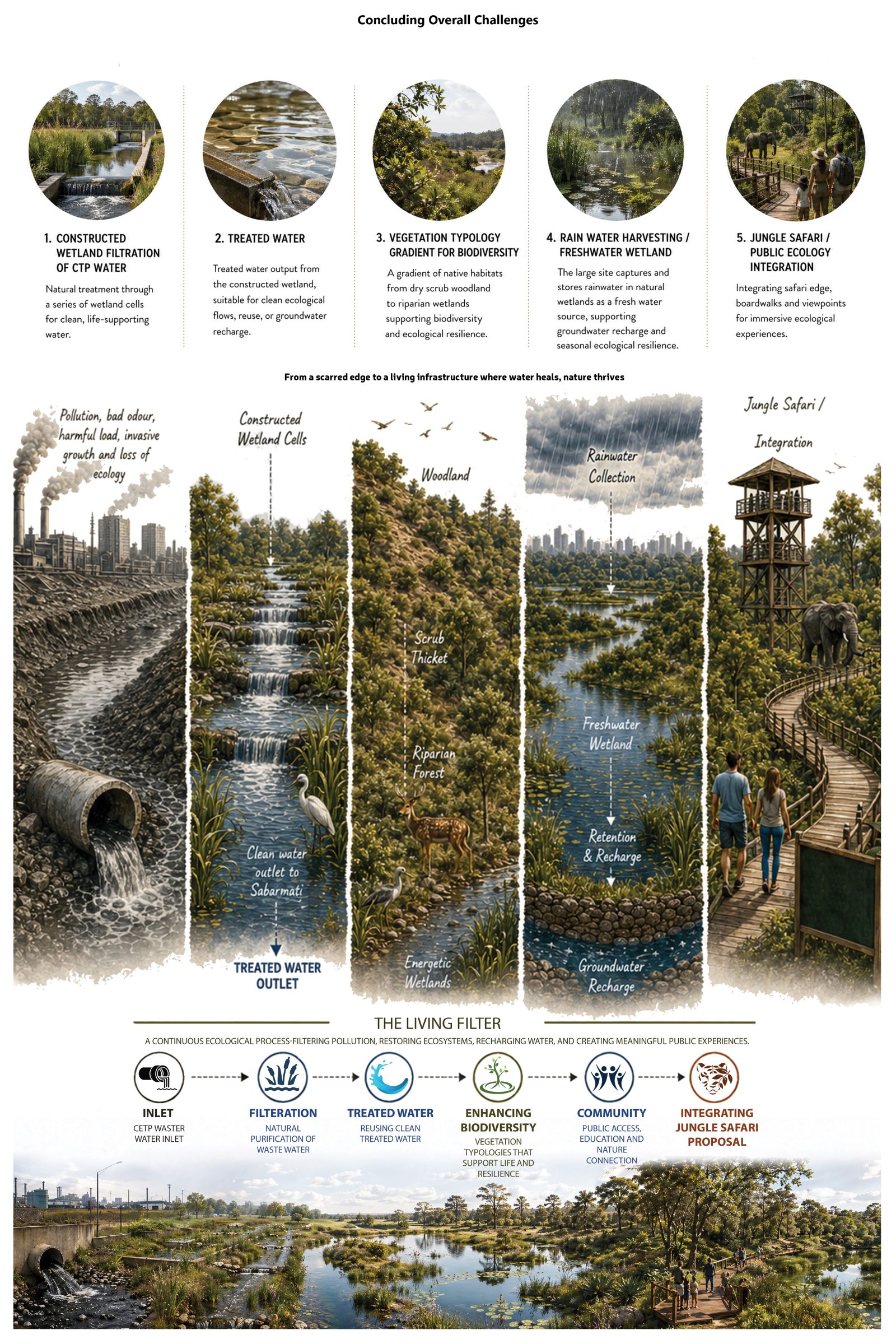
Rapid urbanization and industrial expansion have placed significant pressure on natural ecosystems, particularly in riparian zones. The Study area at the Sabarmati River has undergone severe degradation due to unregulated waste disposal, untreated sewage discharge, illegal sand mining, and invasive vegetation growth. These anthropogenic pressures have disrupted natural hydrological processes, degraded soil quality, reduced biodiversity, and adversely affected groundwater systems.
The study area lies within a critical riparian corridor that plays a vital role in maintaining the ecological health of the river. However, continuous sand extraction has stripped the riverbed of its natural sediment balance, while invasive species such as Prosopis juliflora have outcompeted native flora, leading to habitat loss and ecological imbalance.
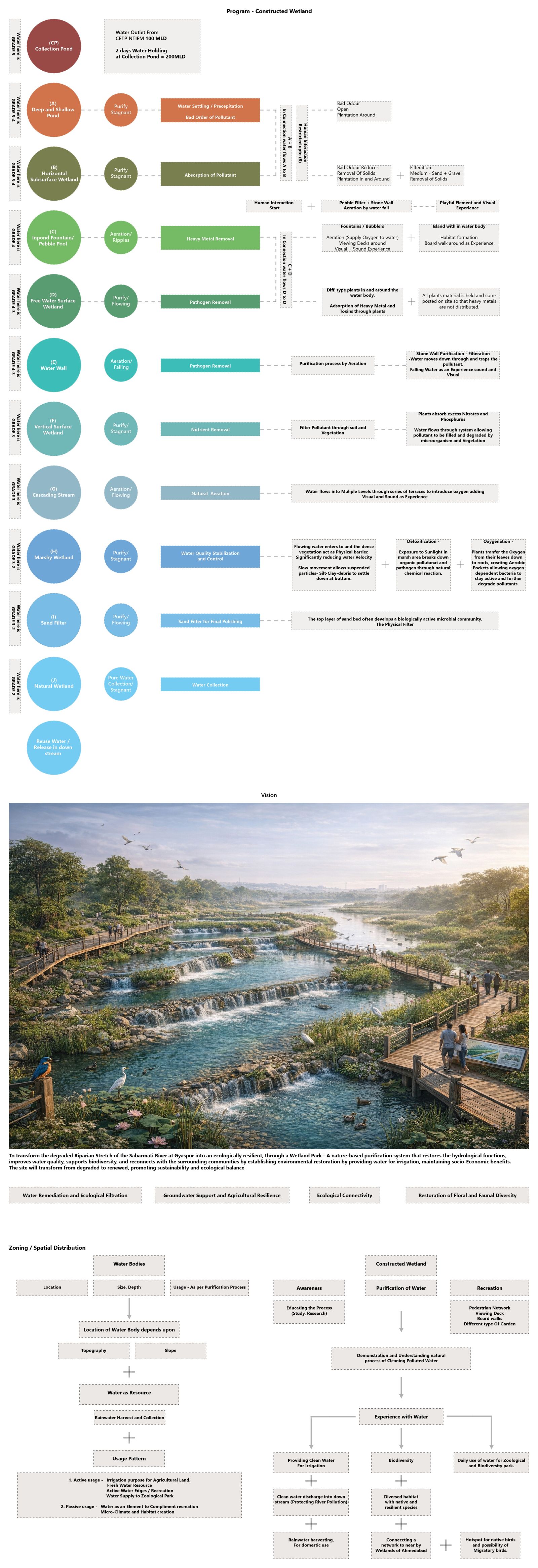
At present, the area is characterized by barren land, polluted water systems, and fragmented ecosystems, making it both environmentally vulnerable and spatially underutilized.