Your browser is out-of-date!
For a richer surfing experience on our website, please update your browser. Update my browser now!
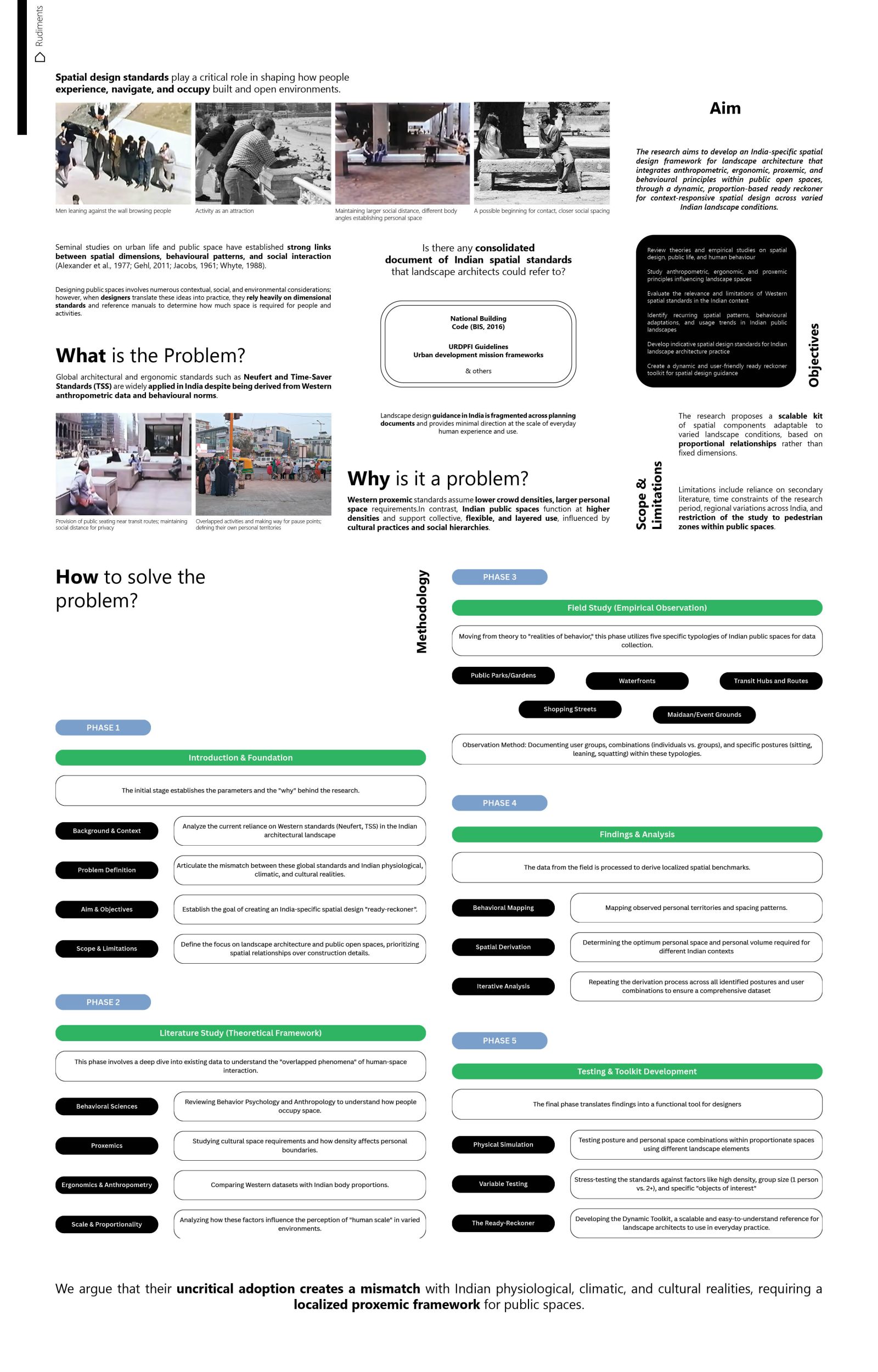
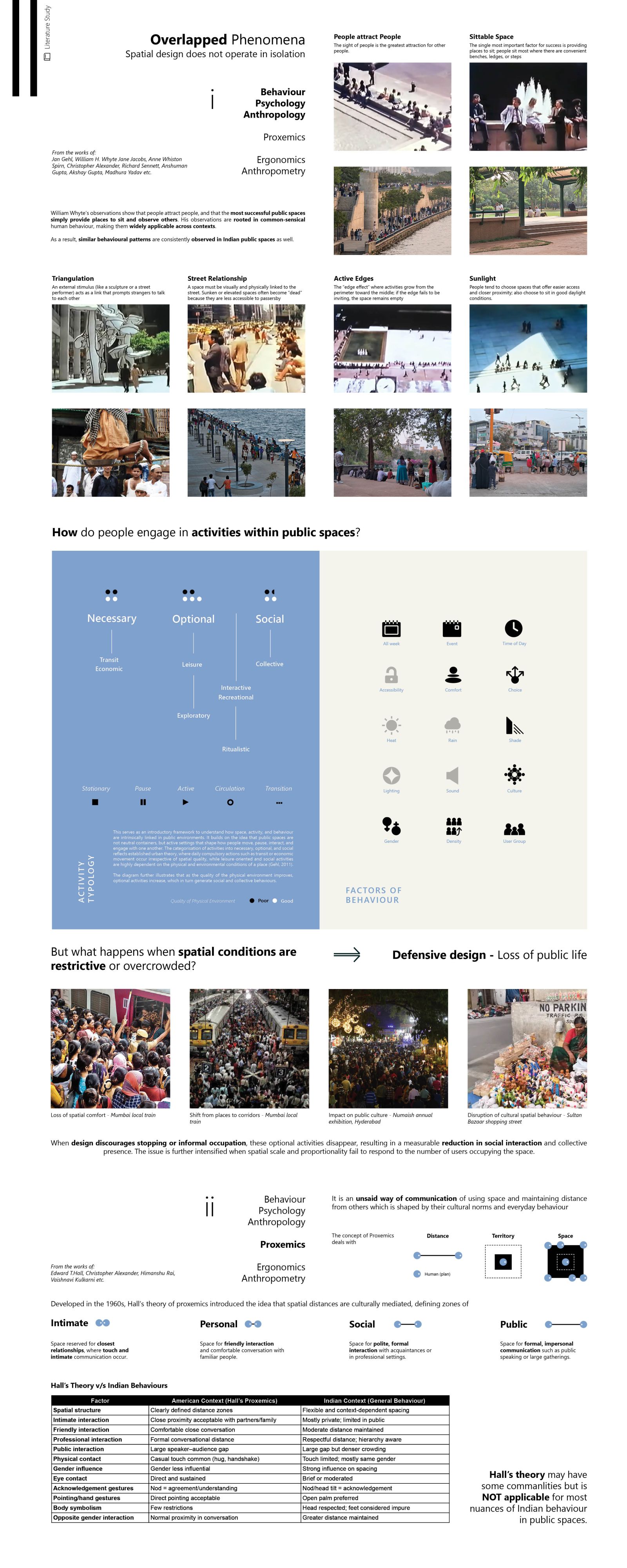
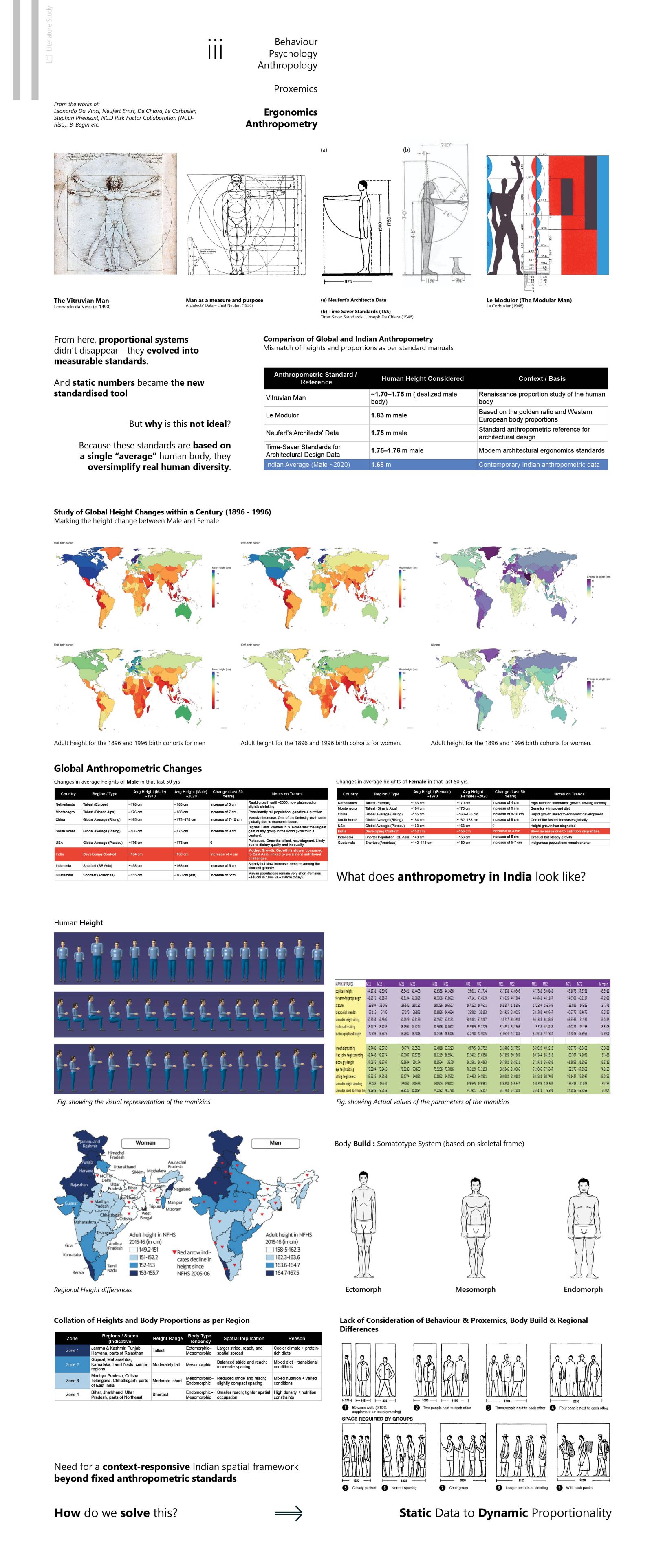
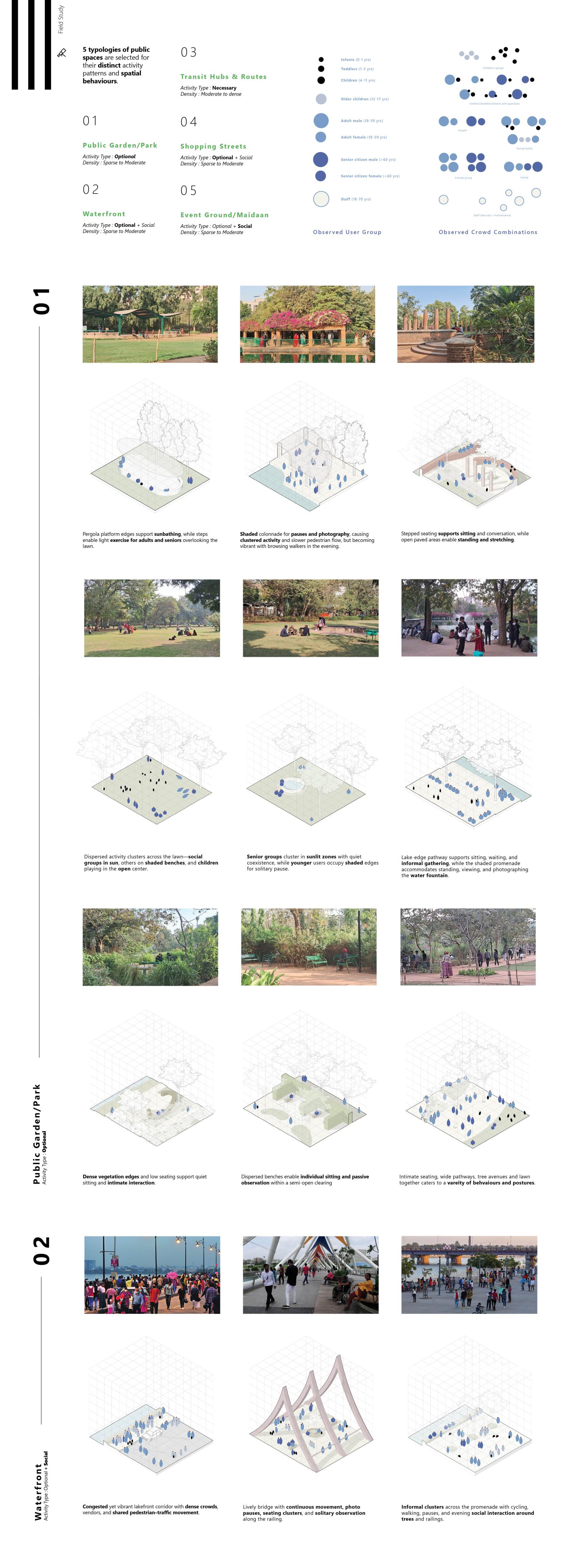
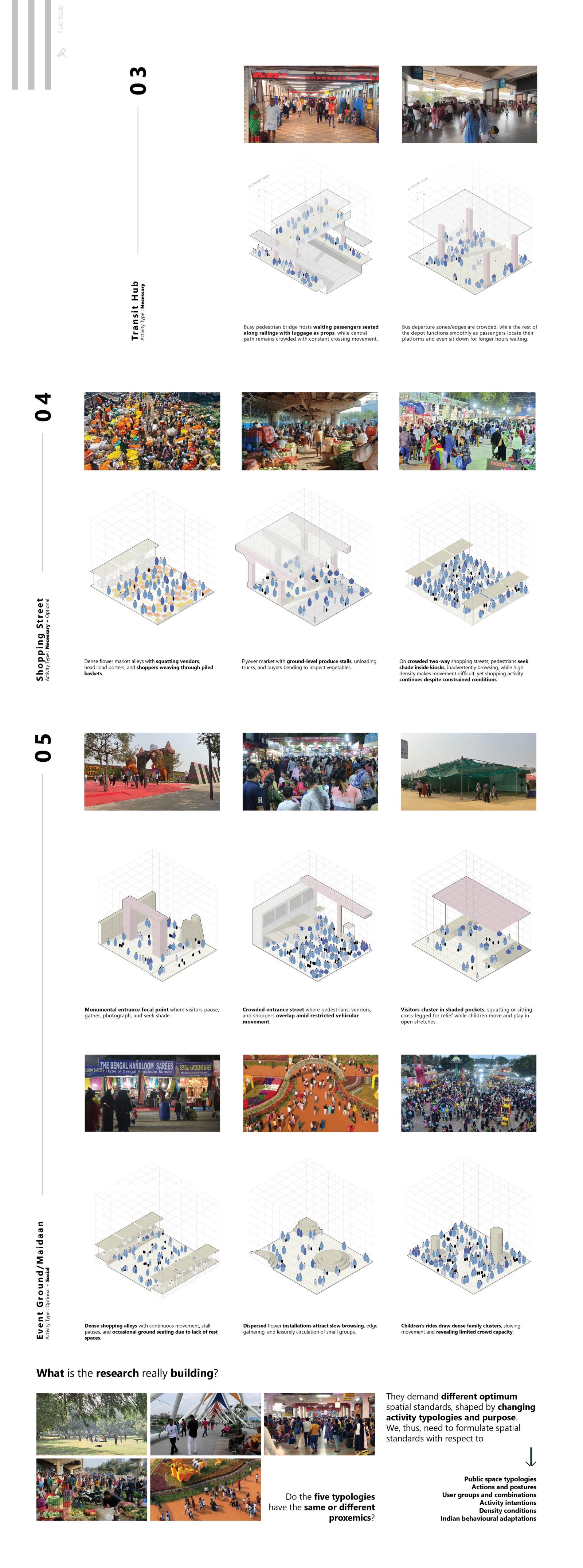
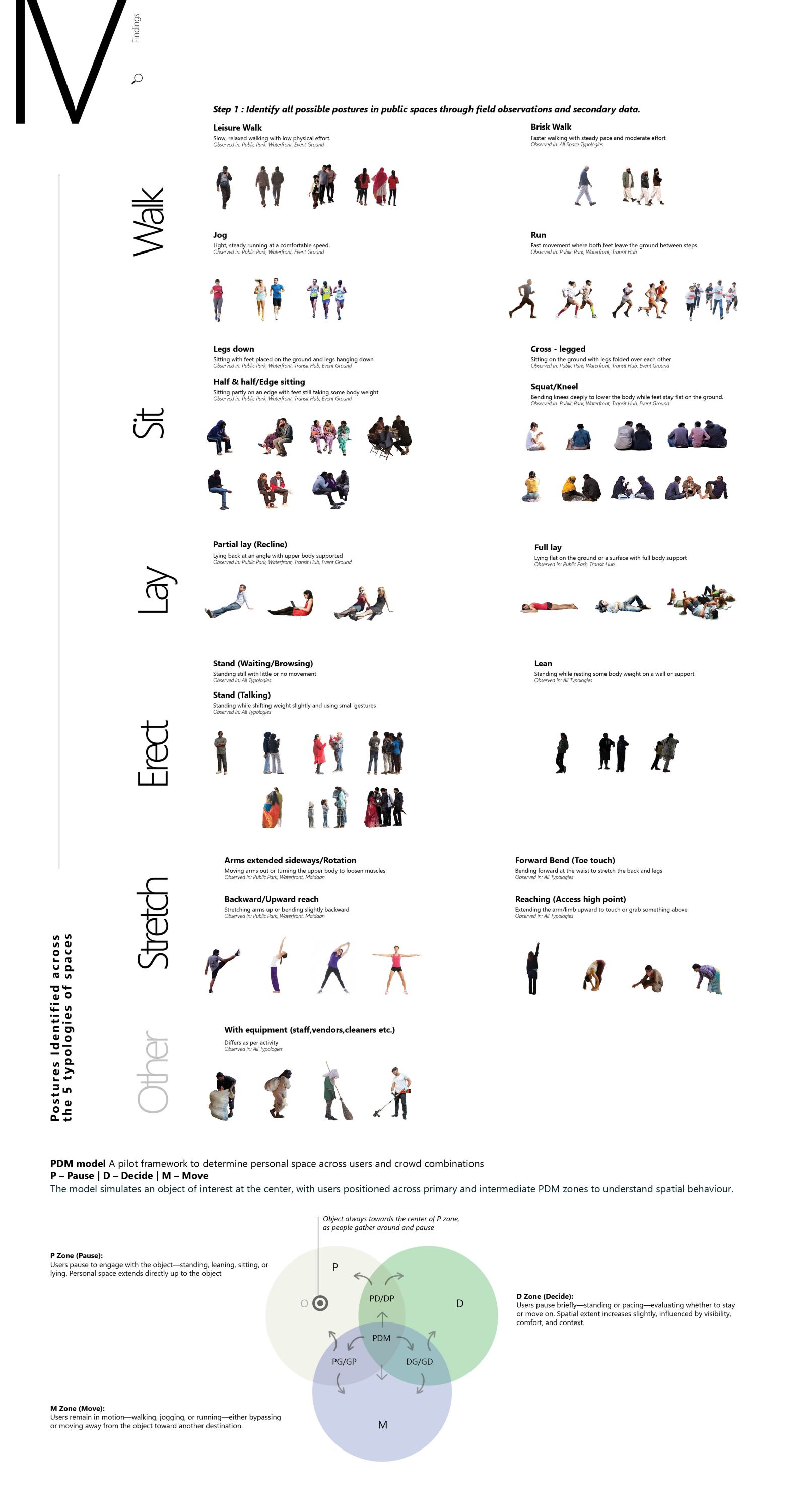
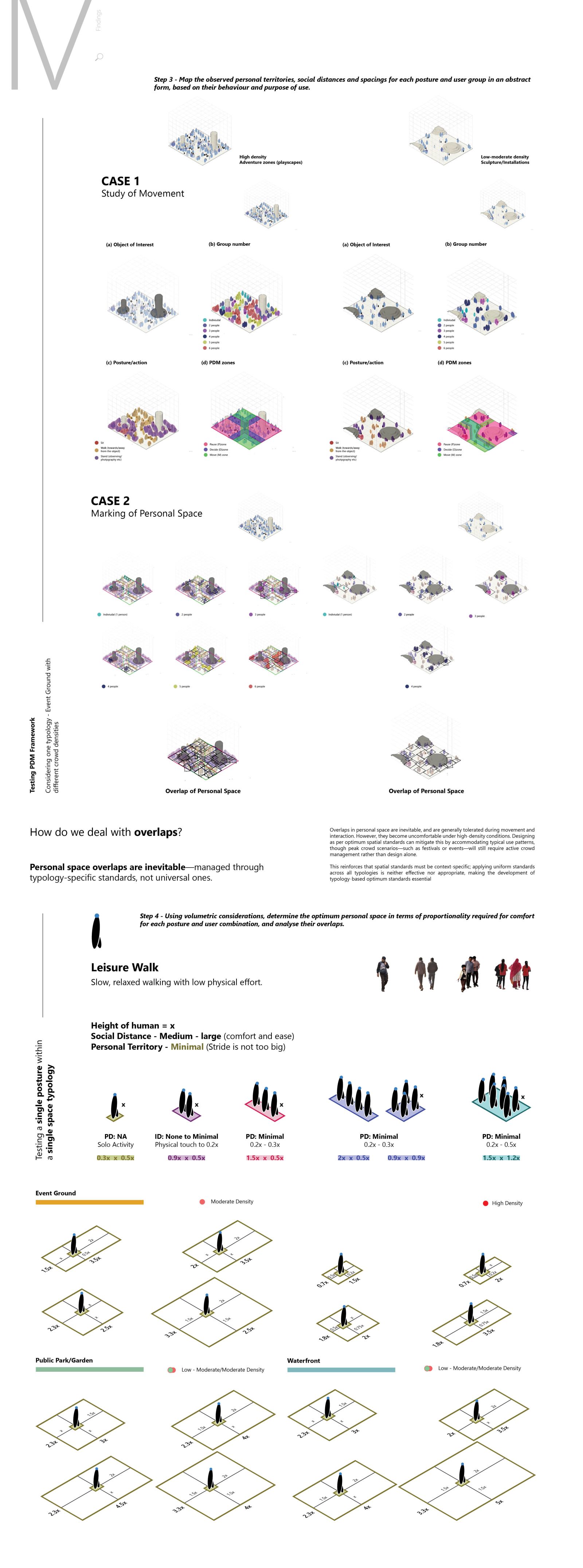
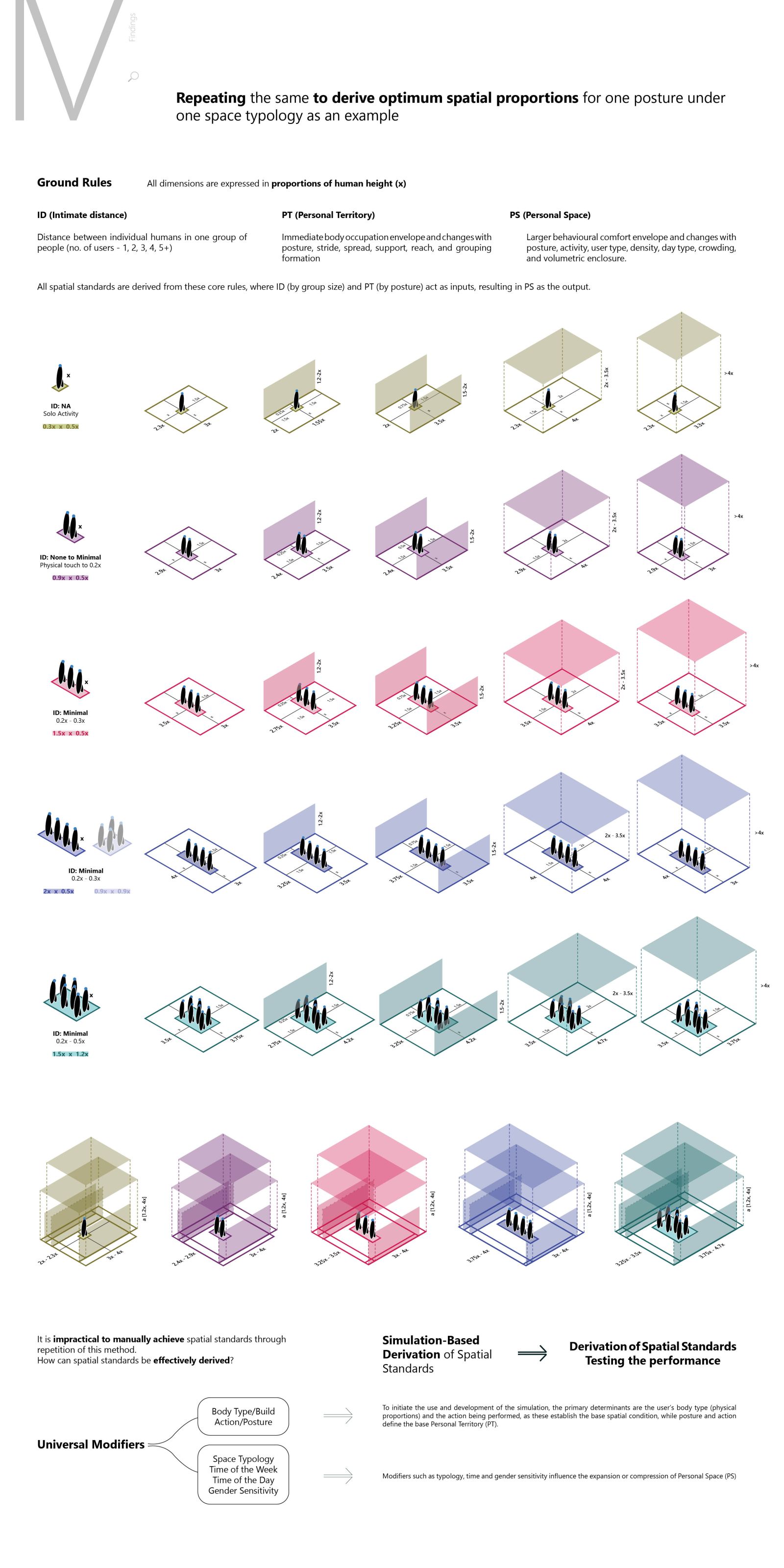
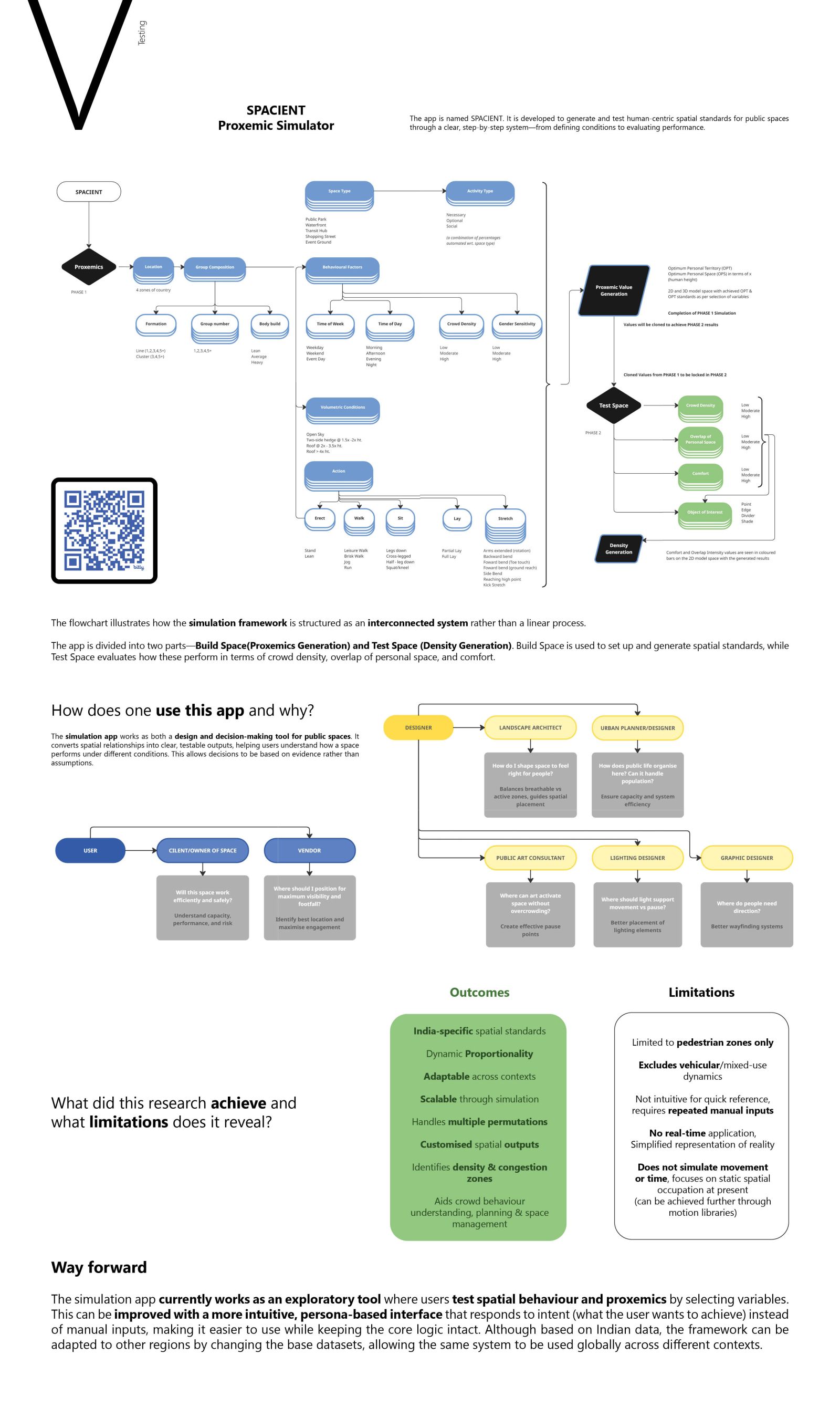
Global architectural standards such as Neufert's Architect's Data, Time-Saver Standards etc., are widely applied in India despite being derived from Western anthropometric and behavioural norms. These standards primarily emphasise fixed anthropometric dimensions for repeatability and standardisation, often overlooking physiological variation, proxemics, behavioural sciences, climate, and cultural patterns. However, Indian public spaces function under different spatial, social, and environmental conditions, making direct application inadequate. Existing manuals also provide limited landscape architecture spatial guidance. This research argues for a context-responsive Indian spatial framework integrating anthropometric, climatic, behavioural, and proxemic considerations to support effective, inclusive, and adaptable public space and landscape architecture design practices.