Your browser is out-of-date!
For a richer surfing experience on our website, please update your browser. Update my browser now!
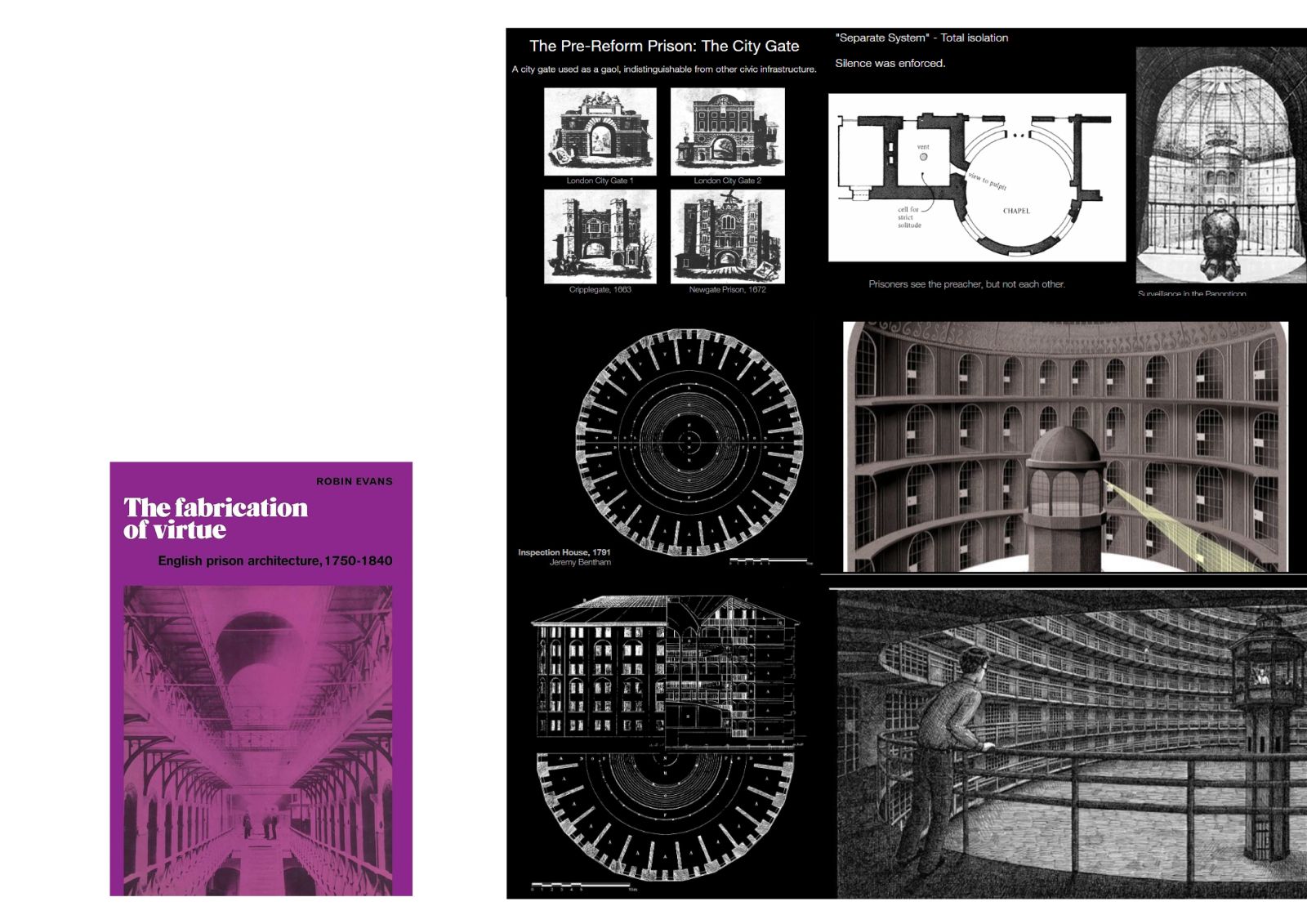
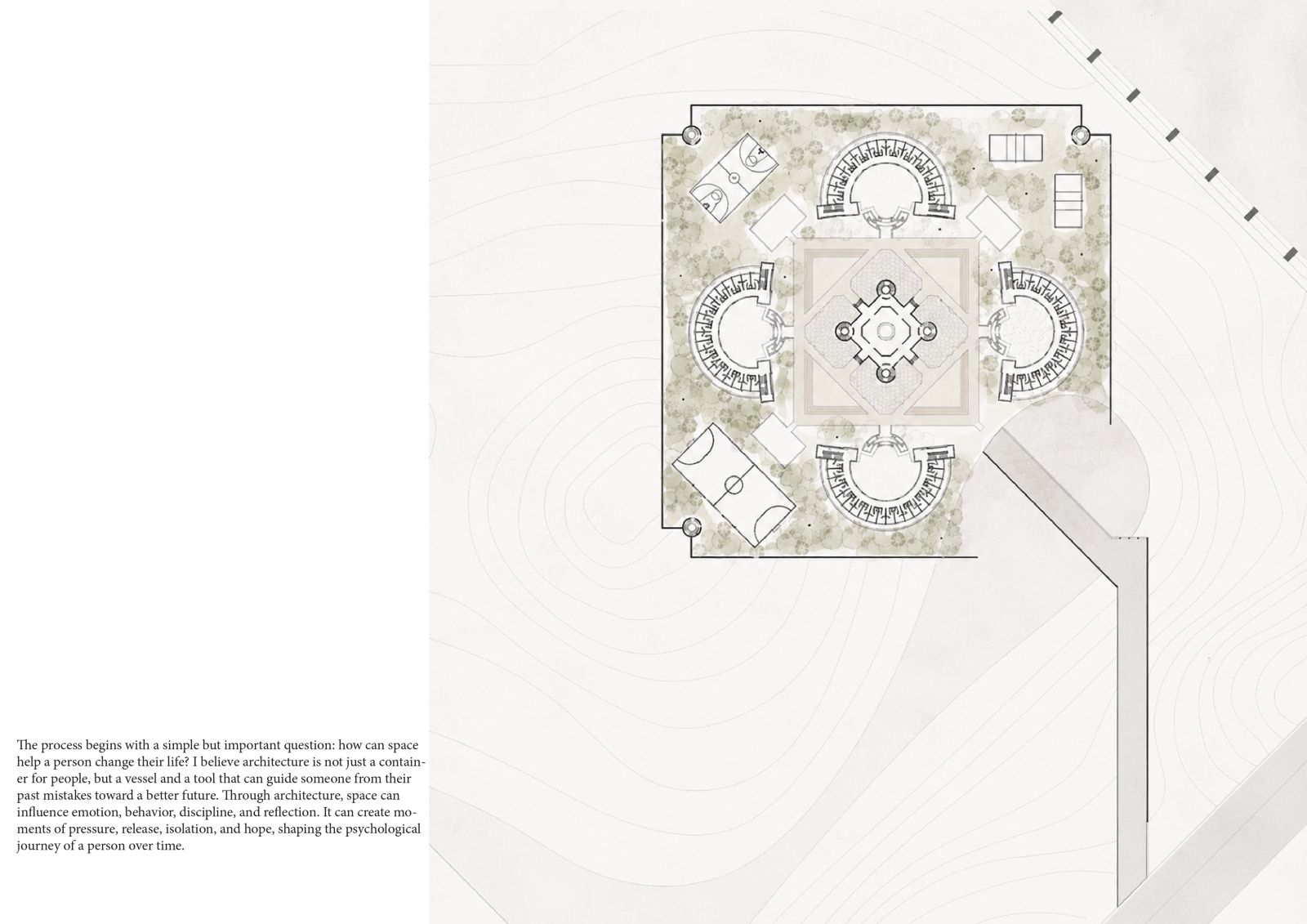
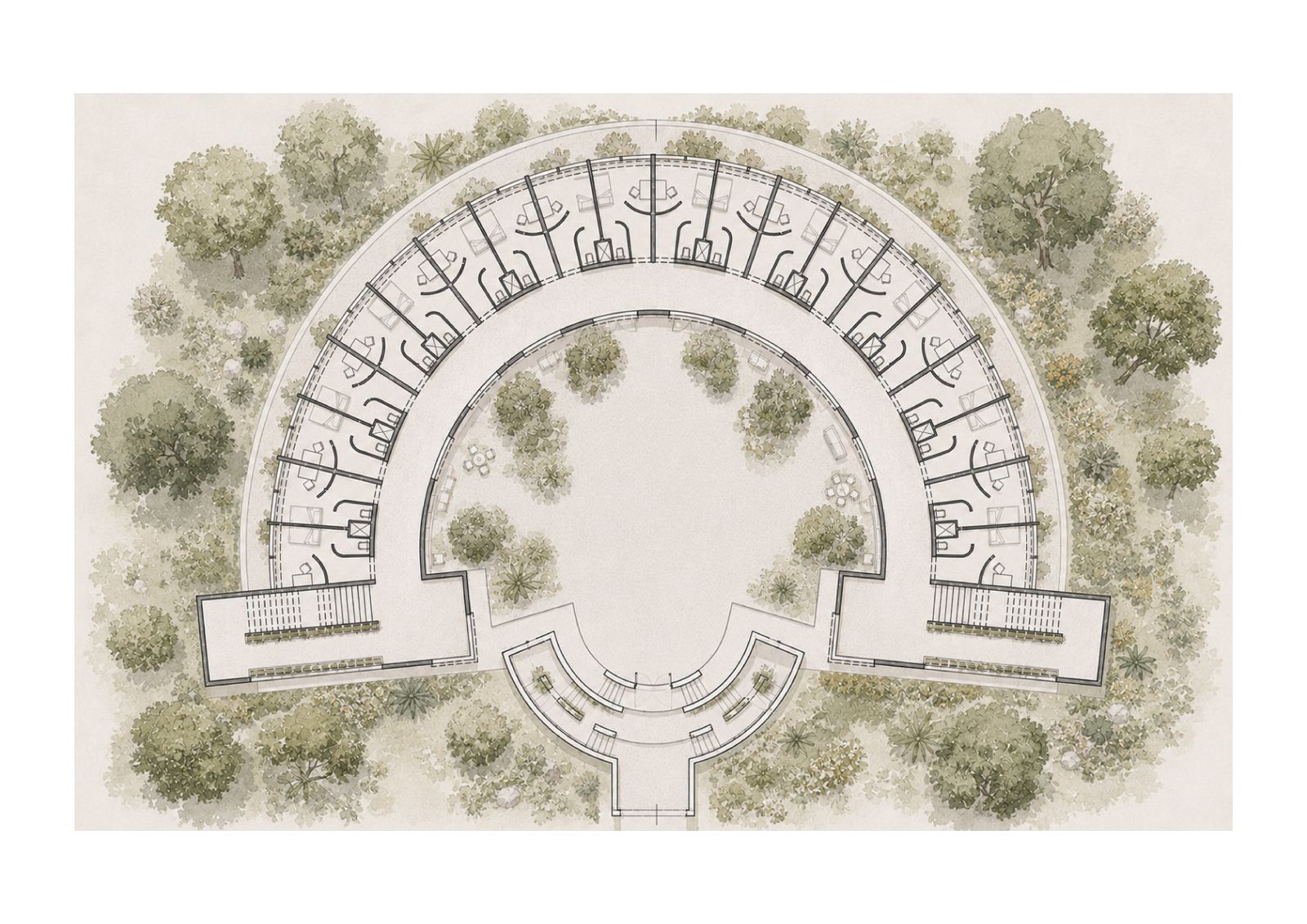
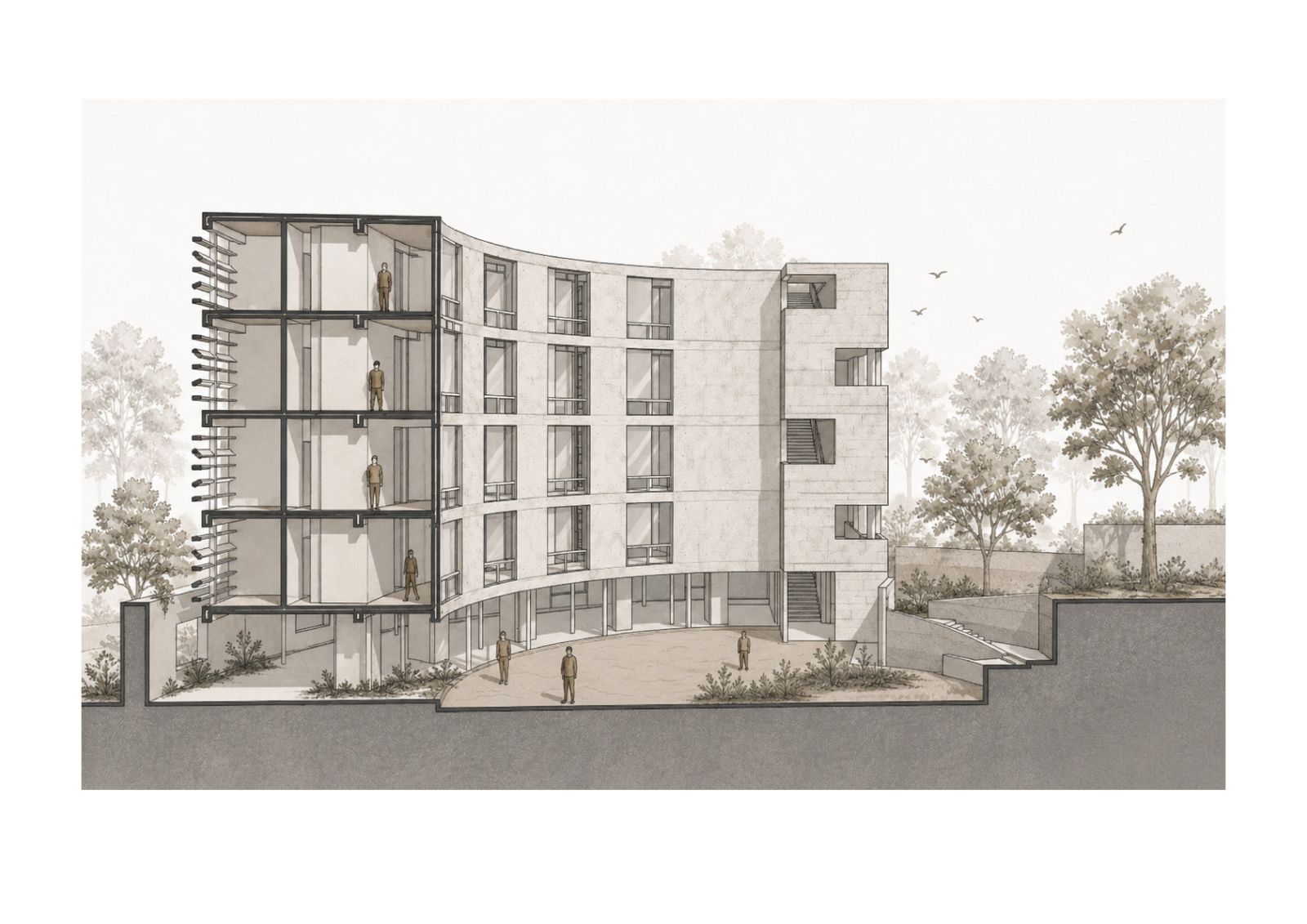
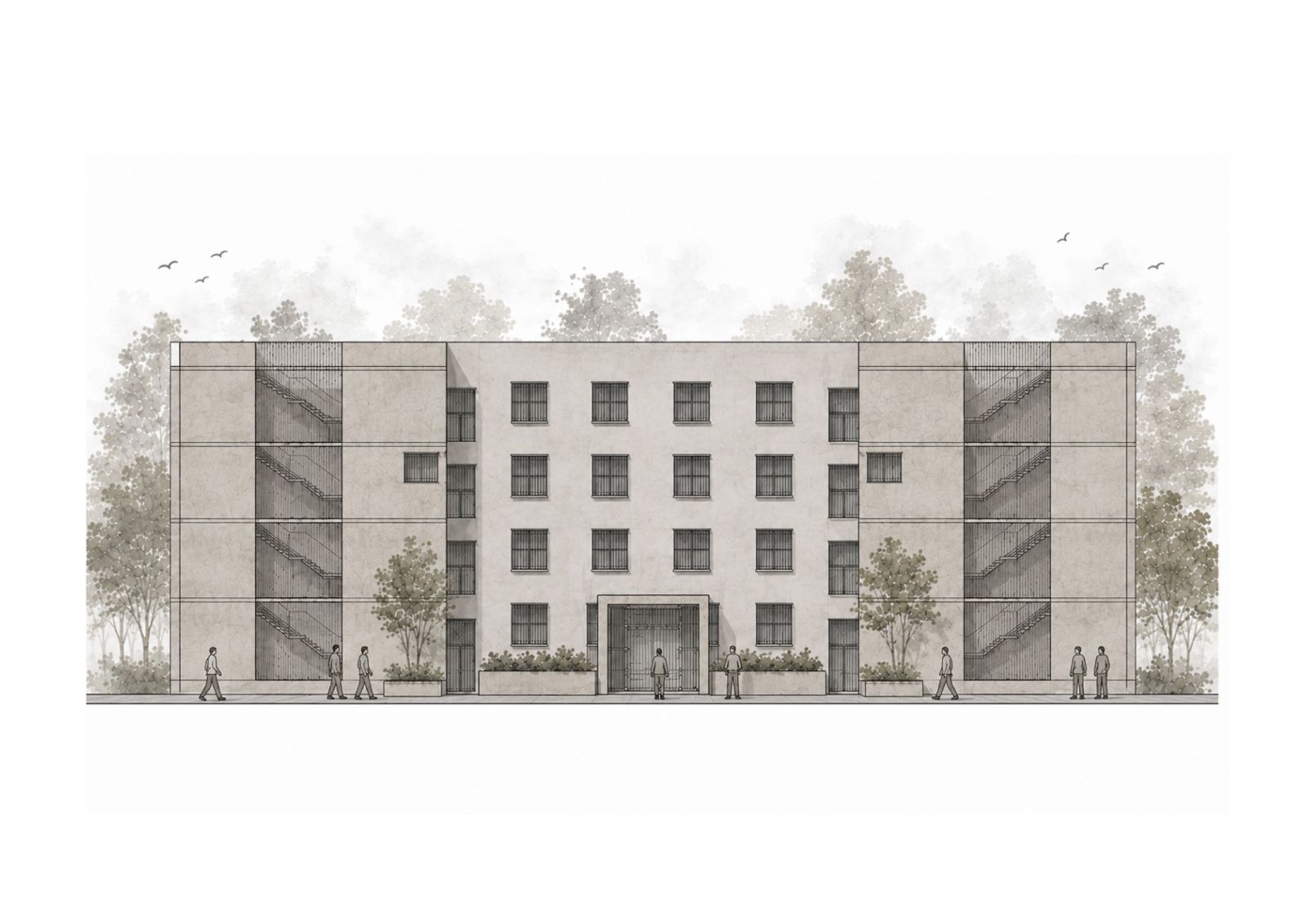
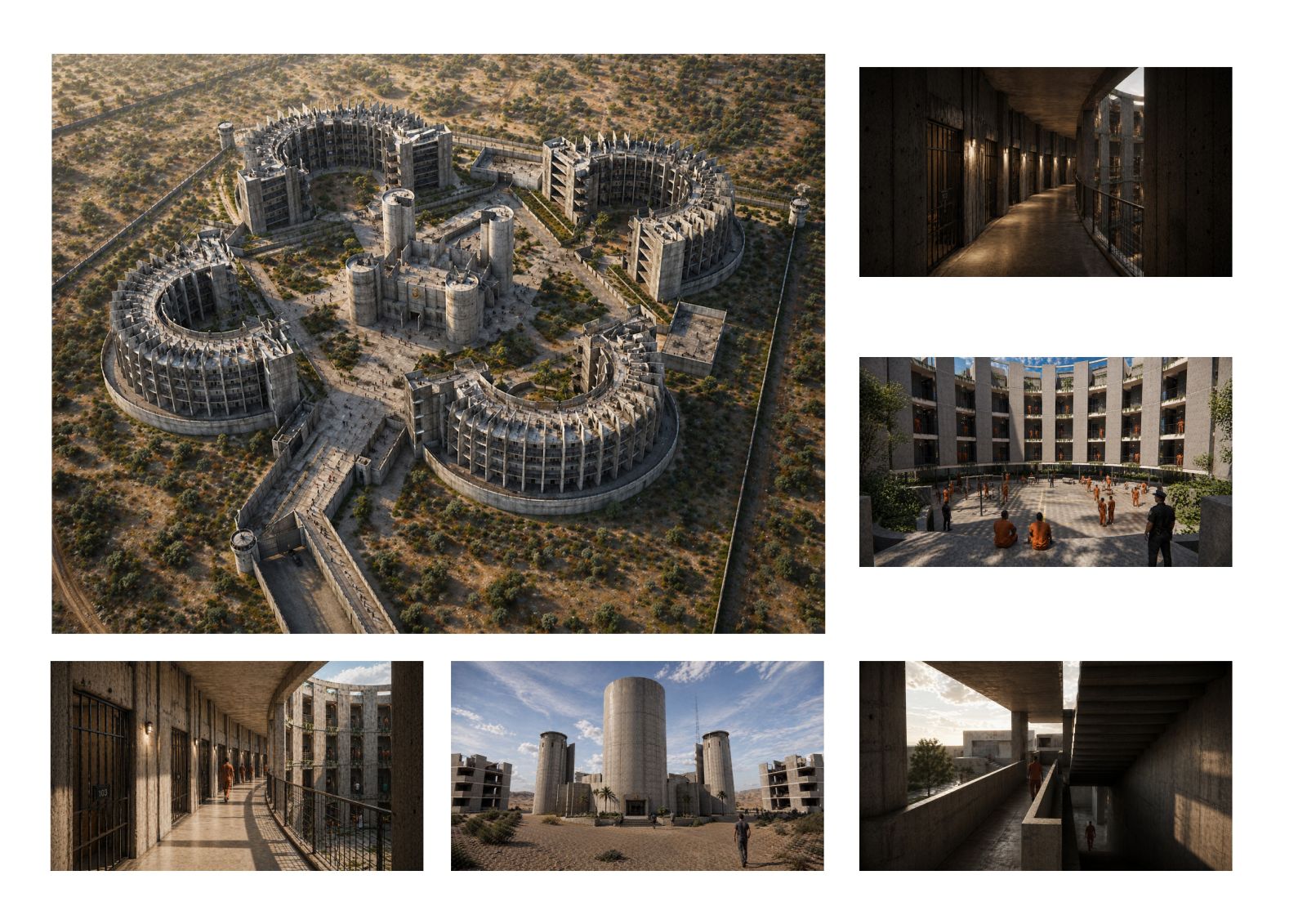
The process begins with a simple but important question: how can space help a person change their life? I believe architecture is not just a container for people, but a vessel and a tool that can guide someone from their past mistakes toward a better future. Through architecture, space can influence emotion, behavior, discipline, and reflection. It can create moments of pressure, release, isolation, and hope, shaping the psychological journey of a person over time. By studying case studies such as the Panopticon, the project began to explore the geometry of the circle and the power it holds within institutional spaces. In the circular form, the center controls the periphery; the core becomes the operator of both the seen and the unseen. This relationship between observation and control became the foundation of the spatial language. The intention was to balance two opposing atmospheres — containment and release — creating a constant tension between compression and openness throughout the prison experience. The cell design uses geometry and compression to dictate the prisoner’s experience. Upon entering, the threshold immediately feels tight, with tapering walls pulling the occupant’s focus inward toward the center. The plan is divided into three strict zones, predetermining a rigid order of daily activities. Within the sleeping area, the bed is placed perpendicular to an inwardly curving wall, physically and psychologically confining the occupant. The curved wall holds the prisoner in place, while a distant opening toward the front window creates a subtle sense of release and longing. A final corner zone faces inward, forming a quiet and focused area for reflection and study. The larger prison plan originates from a circular geometry that is bisected and pulled apart to create a central void. This “in-between” space introduces a moment of hope, temporarily relieving the tension created by the enclosing circular walls. The journey finally concludes at a terminal square placed at the end of the axis. While the circle acts as a restrictive container, the square becomes a psychological release point — a rare moment of openness, leisure, and breathing room within the rigid structure of the prison.