Your browser is out-of-date!
For a richer surfing experience on our website, please update your browser. Update my browser now!
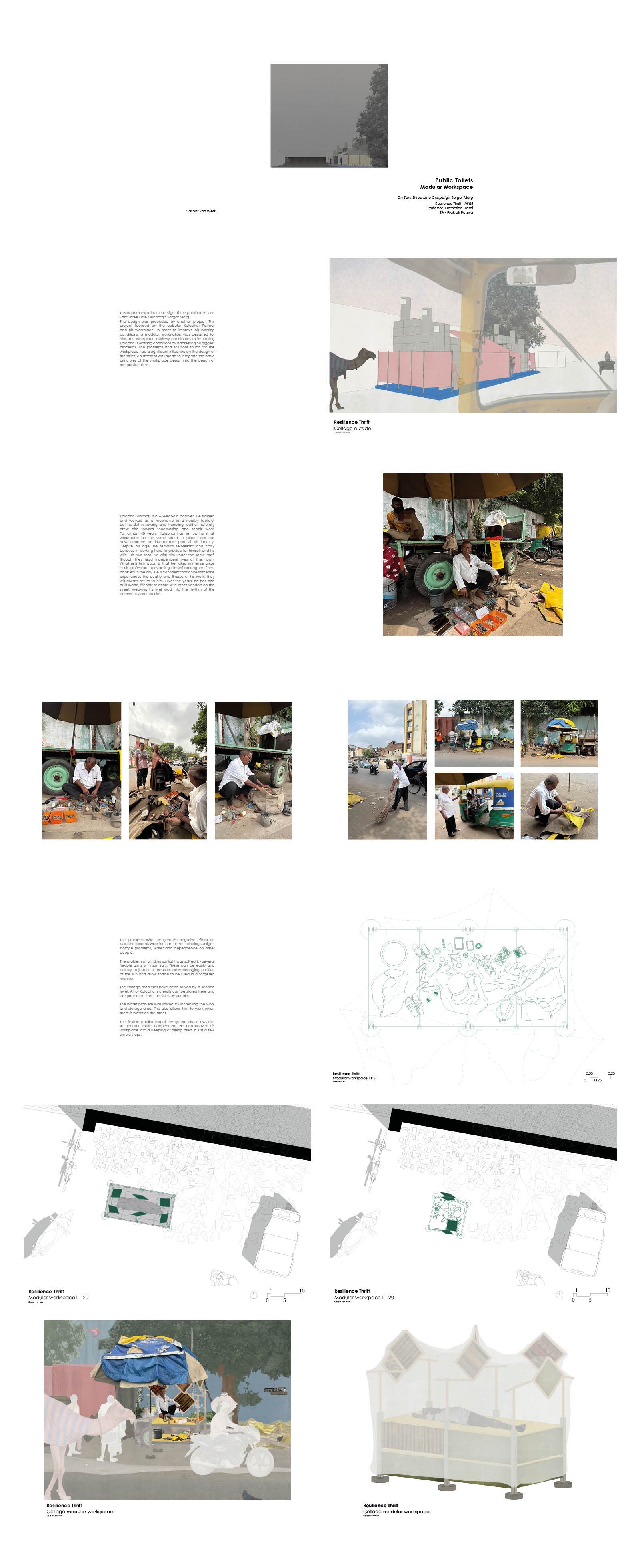
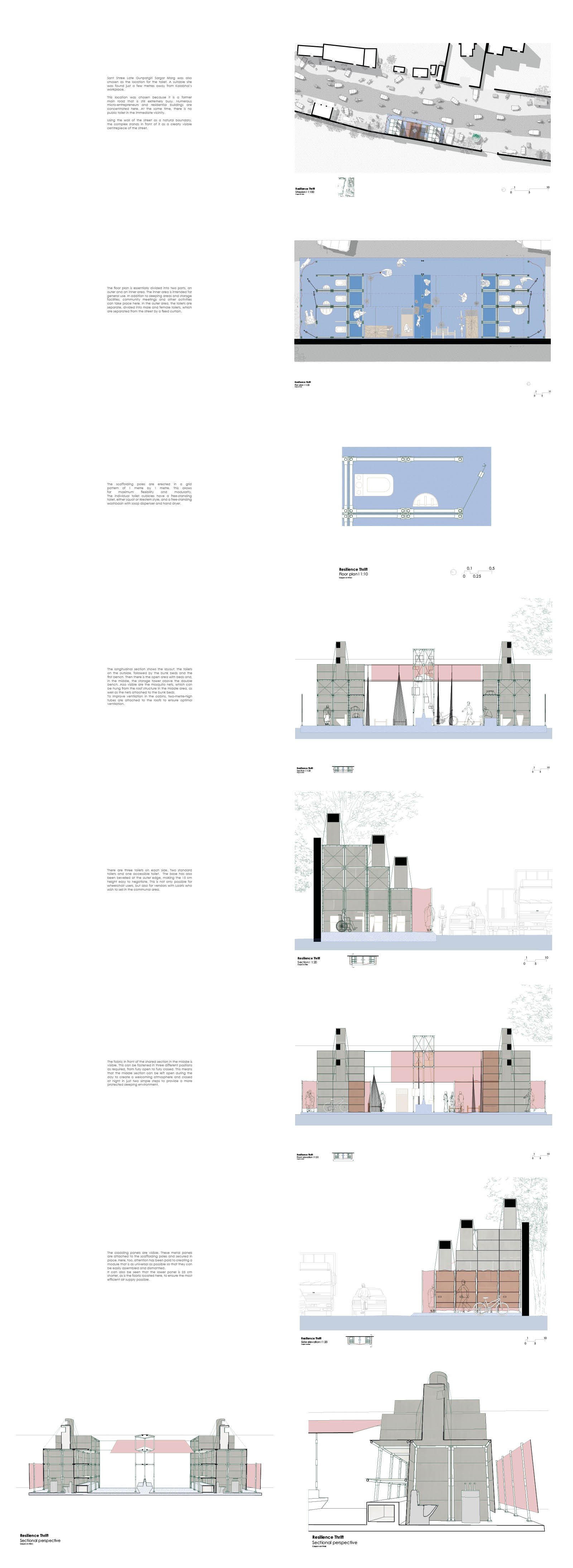
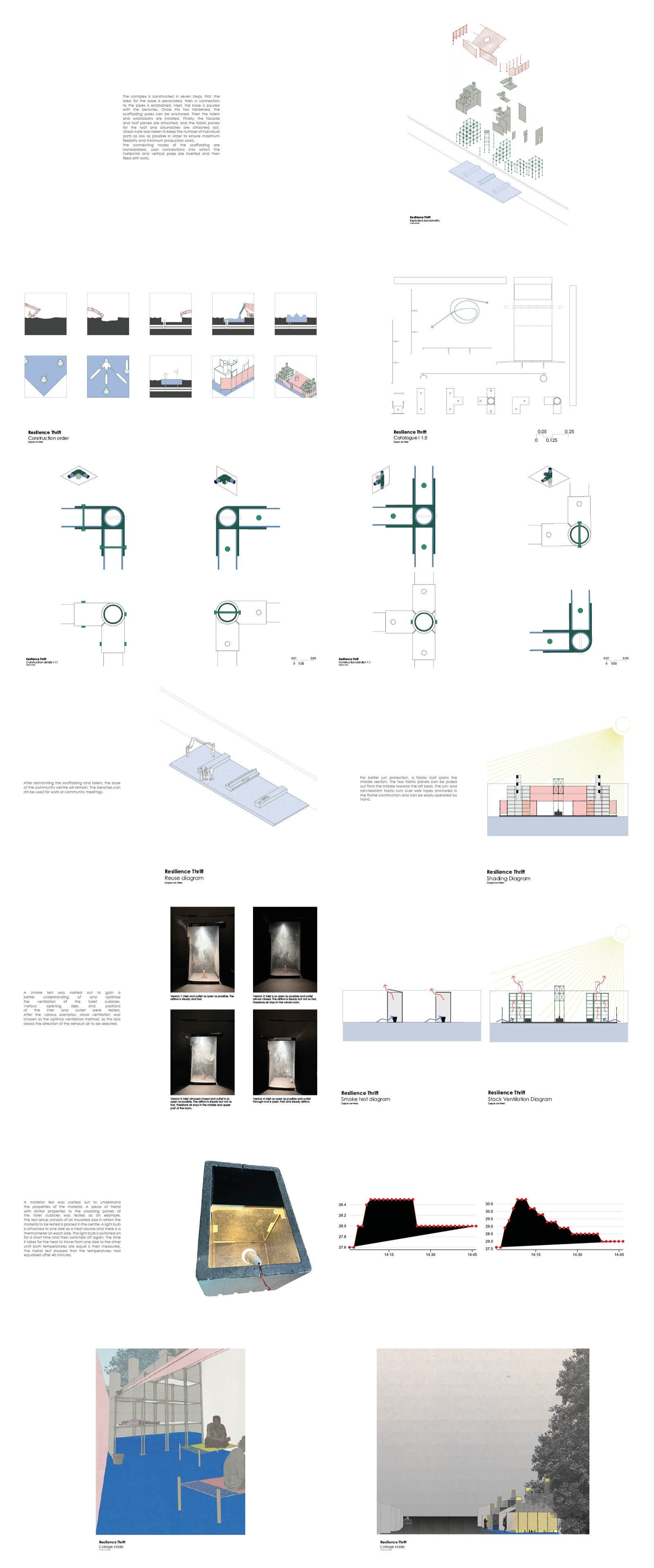
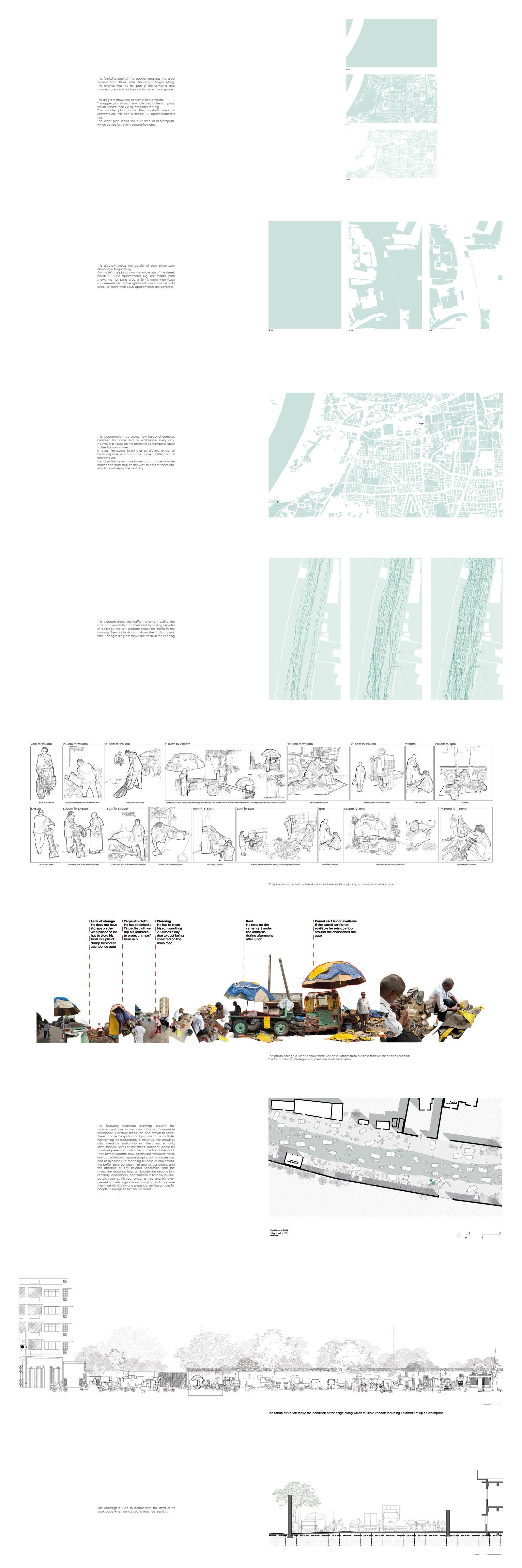
The consequences of climate change – droughts, rising temperatures, increased flood events, water crisis, depleted groundwater levels and many more – have affected millions of people in India. On top of this, urbanization increases disasters’ severity by adding population to cities whose infrastructure services are already limited. The urban poor, settling in the areas lacking infrastructure services, are the most vulnerable to climate-induced disasters and events. Many of Ahmedabad’s low-income settlements are at a high risk of flooding, facing shortages of freshwater supplies and other essential resources. Informal settlements are densely populated, poorly ventilated, and often made from corrugated metal and plastic sheets, which cannot defend against the vagaries of natural calamities or increasingly adverse heat conditions. The intersection of poor construction quality with settlement locations concentrated on sites of elevated exposure to climate disasters drastically increases risks to these populations. Climate-sensitive diseases like diarrhoea, dengue fever, chikungunya and malaria, dehydration, heat cramps, heat exhaustion, and heat stroke are on a rise in such areas. This studio works together with SAATH to co-create local solutions to help these communities adapt and build their own resilience through design research and built pilot projects. The FA studio will be taught as a pair with a BUD studio. In the architectural studio we will concentrate in the first 12 weeks on analysing and engaging at an architectural scale to understand how exposure to climatic risk is not distributed evenly across buildings in informal settlements and to design modifications that mitigate conditions in the most extreme cases. We will begin by studying groups of houses to identify those least equipped to cope with climatic events and conditions. The analysis will include heat measurements as well as an architectural evaluation. We will then be selecting individual buildings as sites for which students will design retrofits to enhance passive climatic resilience. These will be discussed with the residents within the community, developed or modified, and then prototyped (at cept) to measure their effectiveness. The data from such testing can support future implementation on site. We will be engaging with the urban design studio at various points in this process to understand how socio-political factors and urban level analysis and architectural scale responses can inform each other. In weeks 12 - 16 we will be designing new buildings incorporating principles, strategies and devices from the first part of the semester. These are yet to be determined but may include new build housing solutions or community level infrastructural proposals emerging from the work of the BUD students in the first part of the semester.