Your browser is out-of-date!
For a richer surfing experience on our website, please update your browser. Update my browser now!
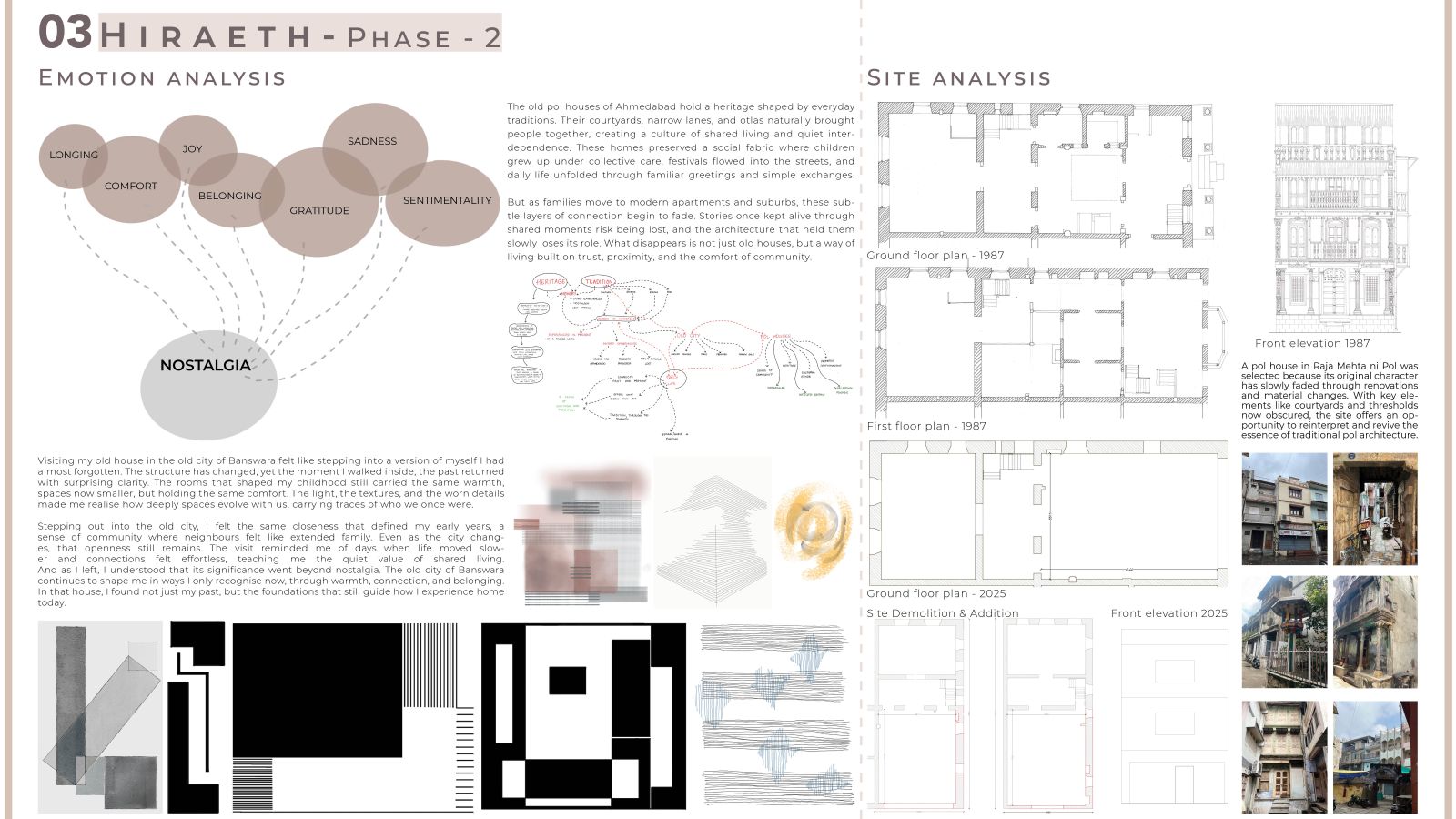
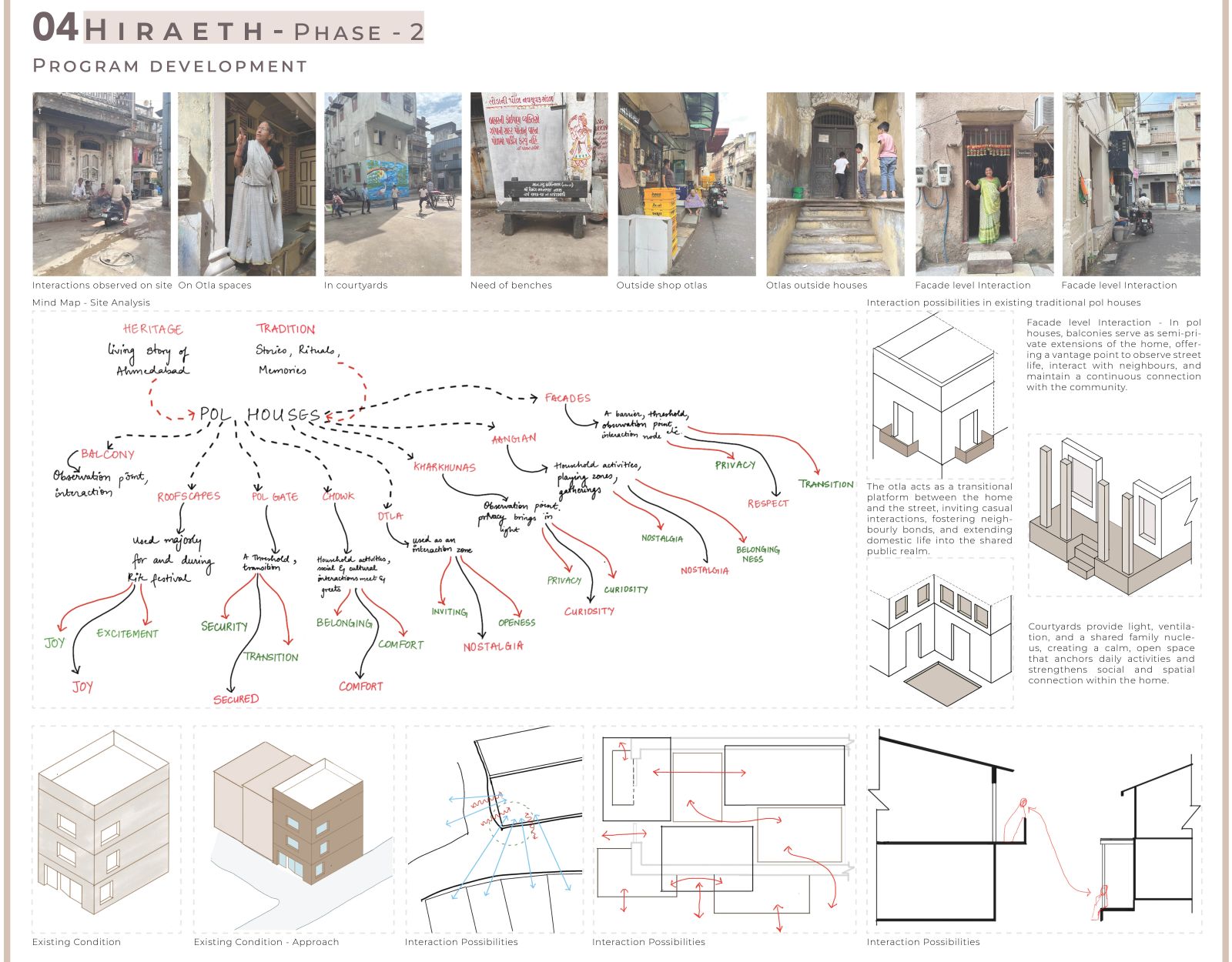
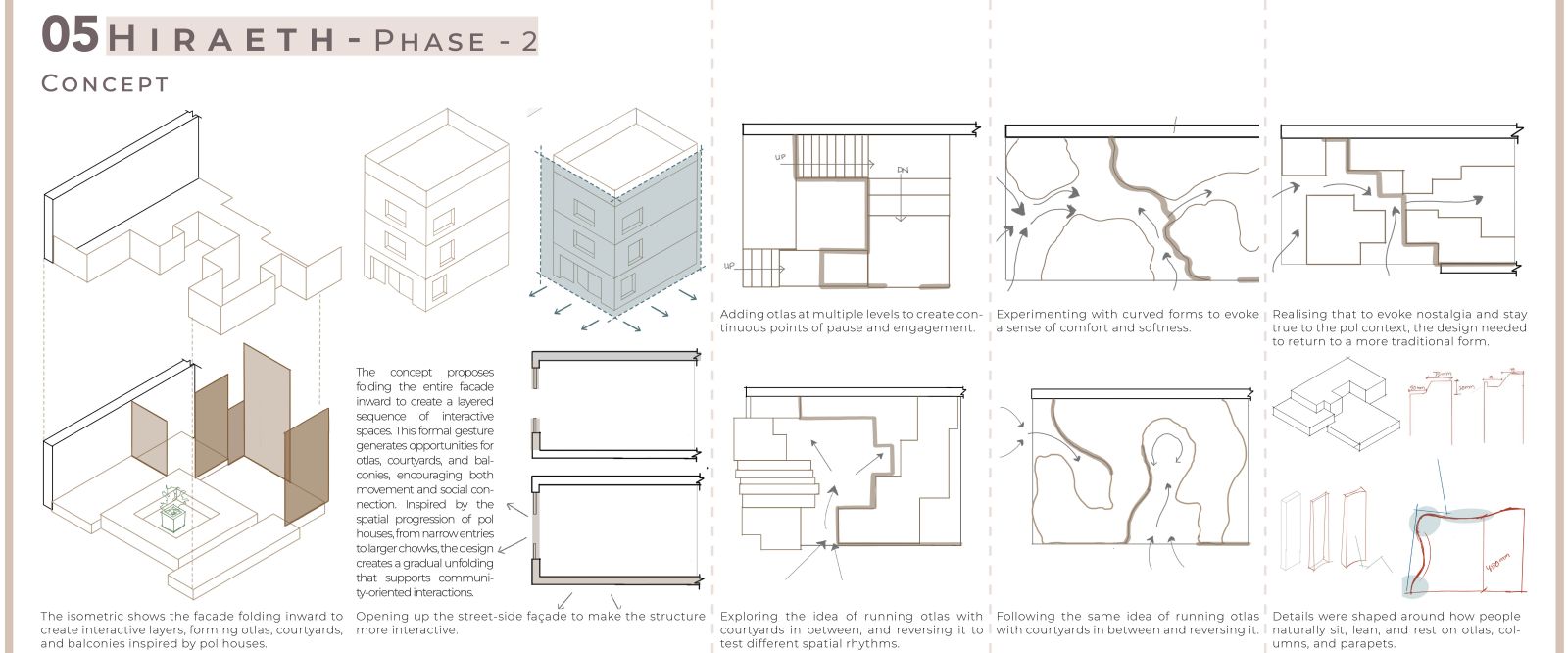
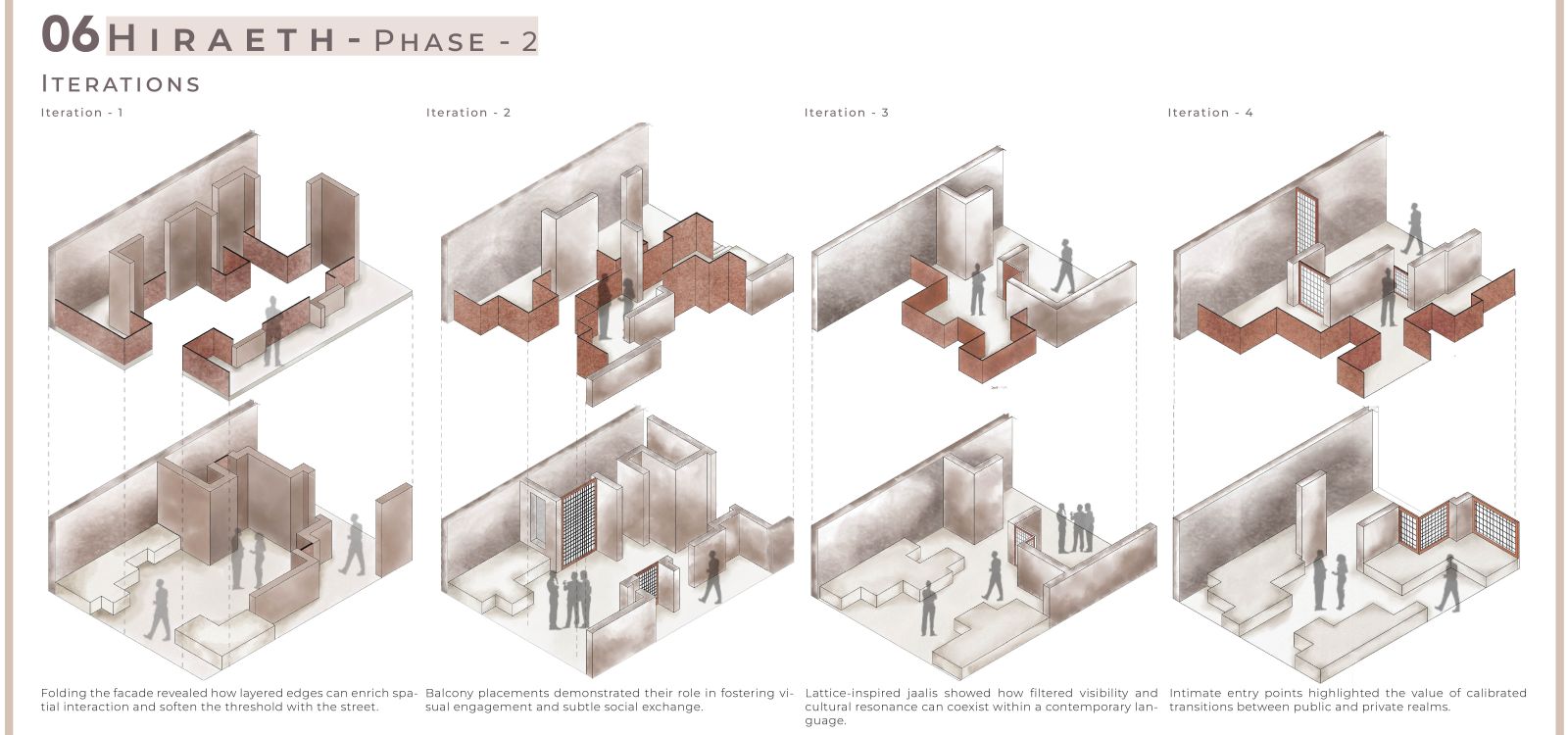
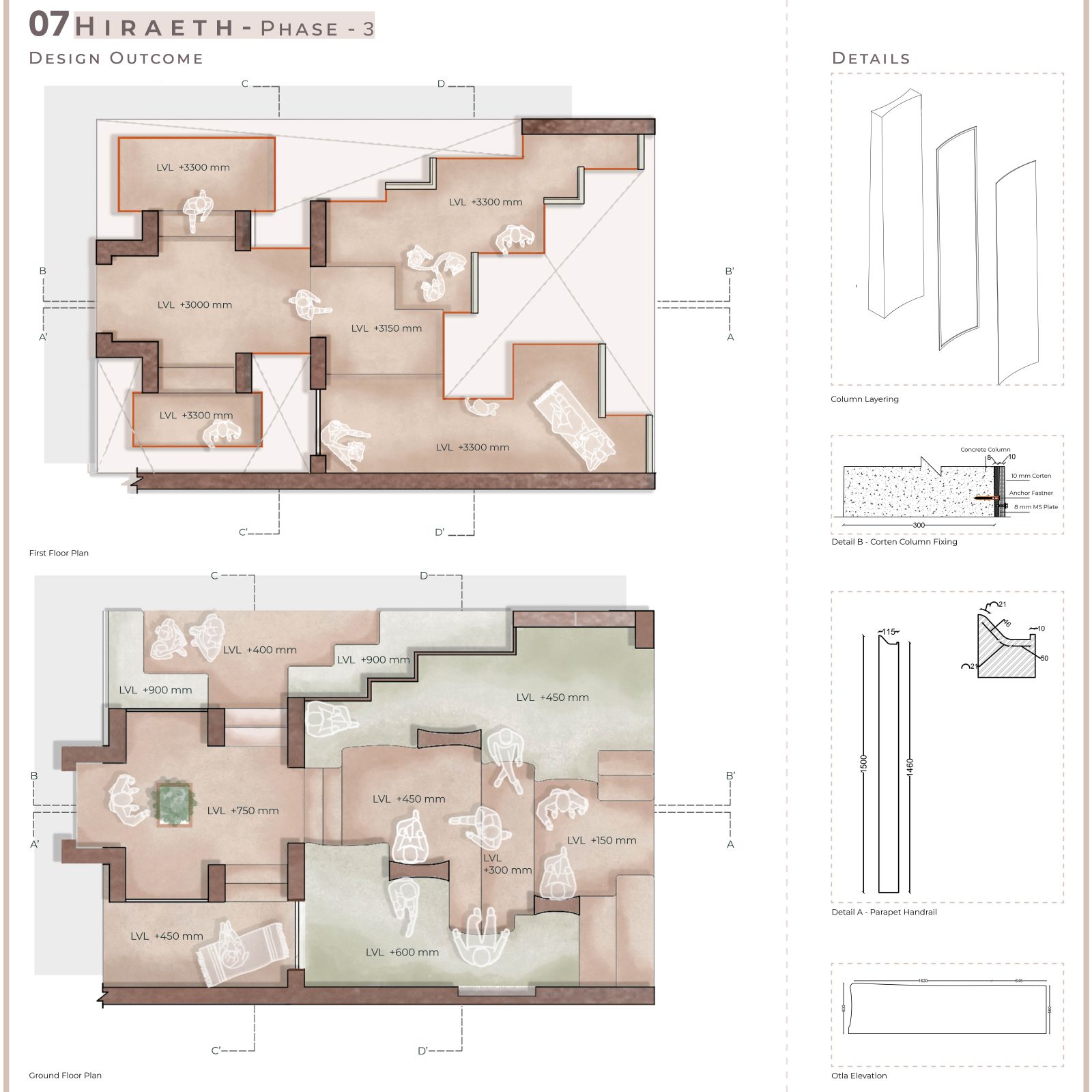
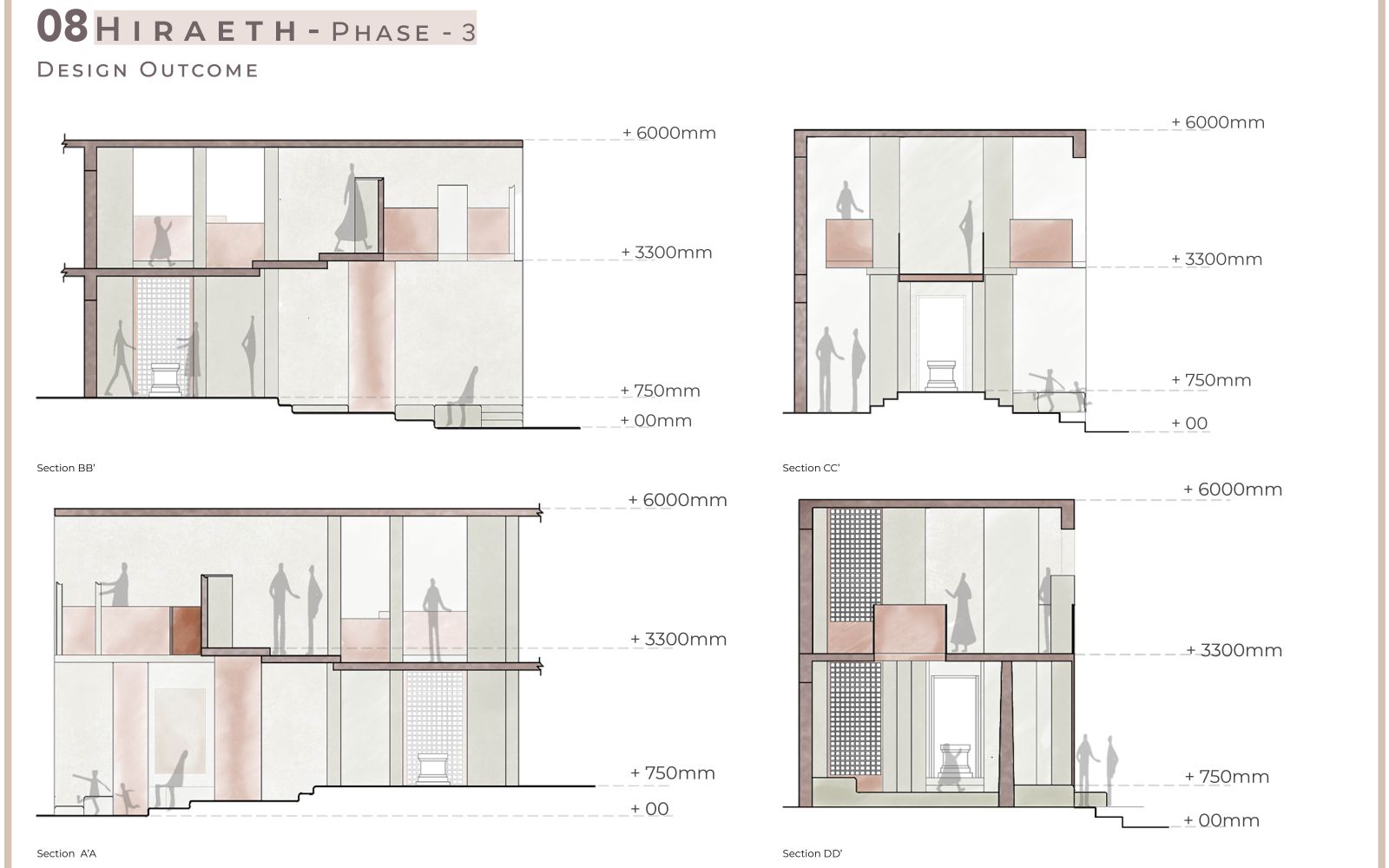
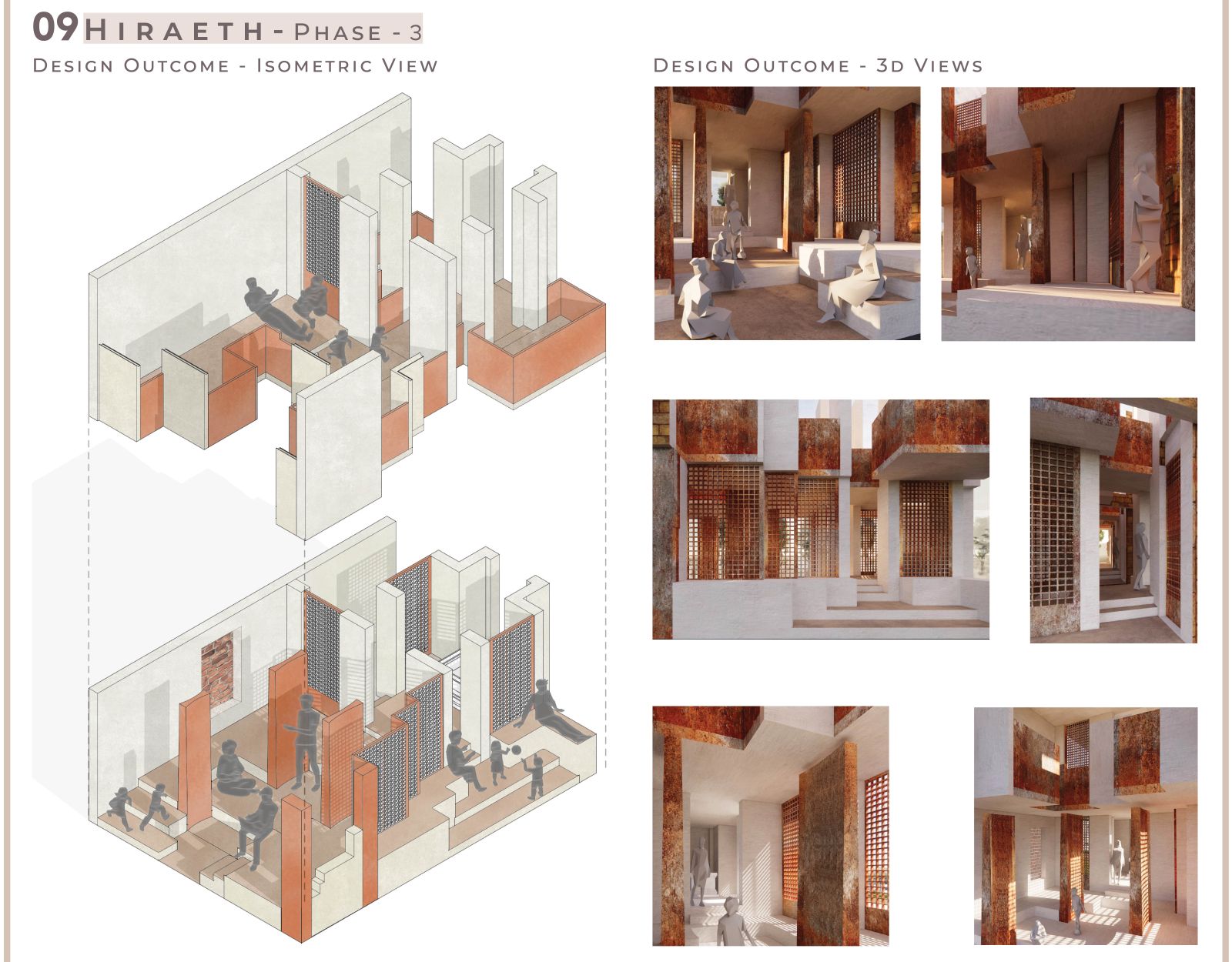
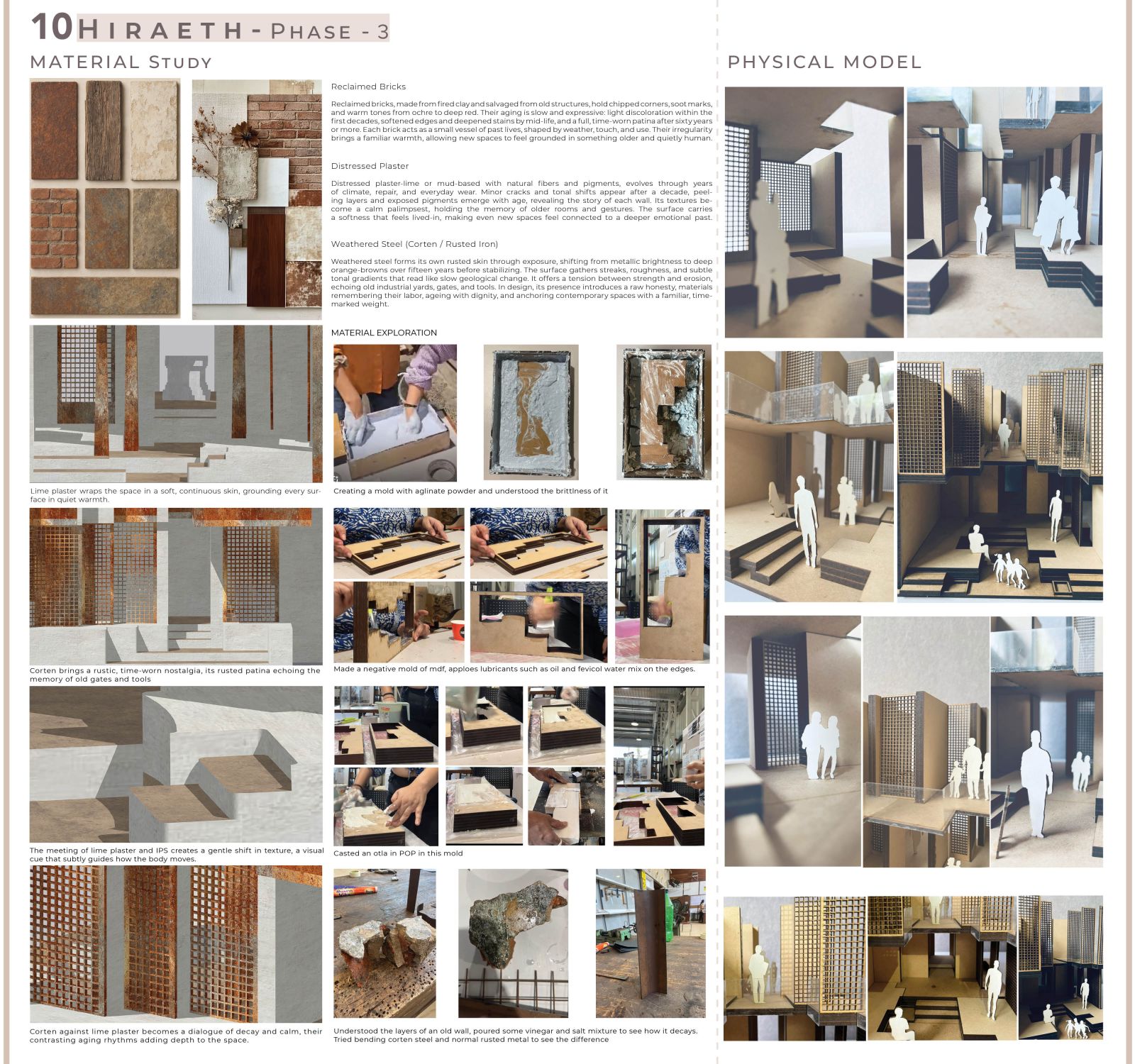
Walking into the pol has never felt like a simple act of arrival. It is always a small immersion into a street that behaves more like a shared room, into thresholds that feel conversational, into corners that seem to remember people even before people arrive. This project grows out of that feeling. The social life of the pol isn’t an afterthought for me; it is the structure itself. Over the years, I’ve watched that life thin out in small but telling ways - otlas replaced, chowks tightened, balconies closed, and the effortless interactions that once stitched the neighbourhood together becoming quieter. This project responds to this slow erasure by trying to understand why these everyday encounters matter, and how design can nurture them again without disturbing what still survives. I spent time watching how people naturally claim space, how men settle on otlas to talk, how children slip between houses and create their own territories, how old women lean out from balconies to witness the day, how women run tiny home-shops that blur private and public life. These moments became my guide. Rather than designing new “elements,” I focused on strengthening these informal social pockets. A bench isn’t a bench here; it is a way to give interaction a place to land. A widened threshold becomes an invitation. A small recess in a wall becomes a reason to pause. Every gesture in the project aims to support the behaviours already embedded in the pol. Materially, I stayed close to the language of the place, lime, terracotta, timber, soft edges, and surfaces that invite touch and age with grace. The interventions slip in quietly; they don’t compete with the existing fabric but lean into it, acknowledging its memory.
View Additional Work