Your browser is out-of-date!
For a richer surfing experience on our website, please update your browser. Update my browser now!
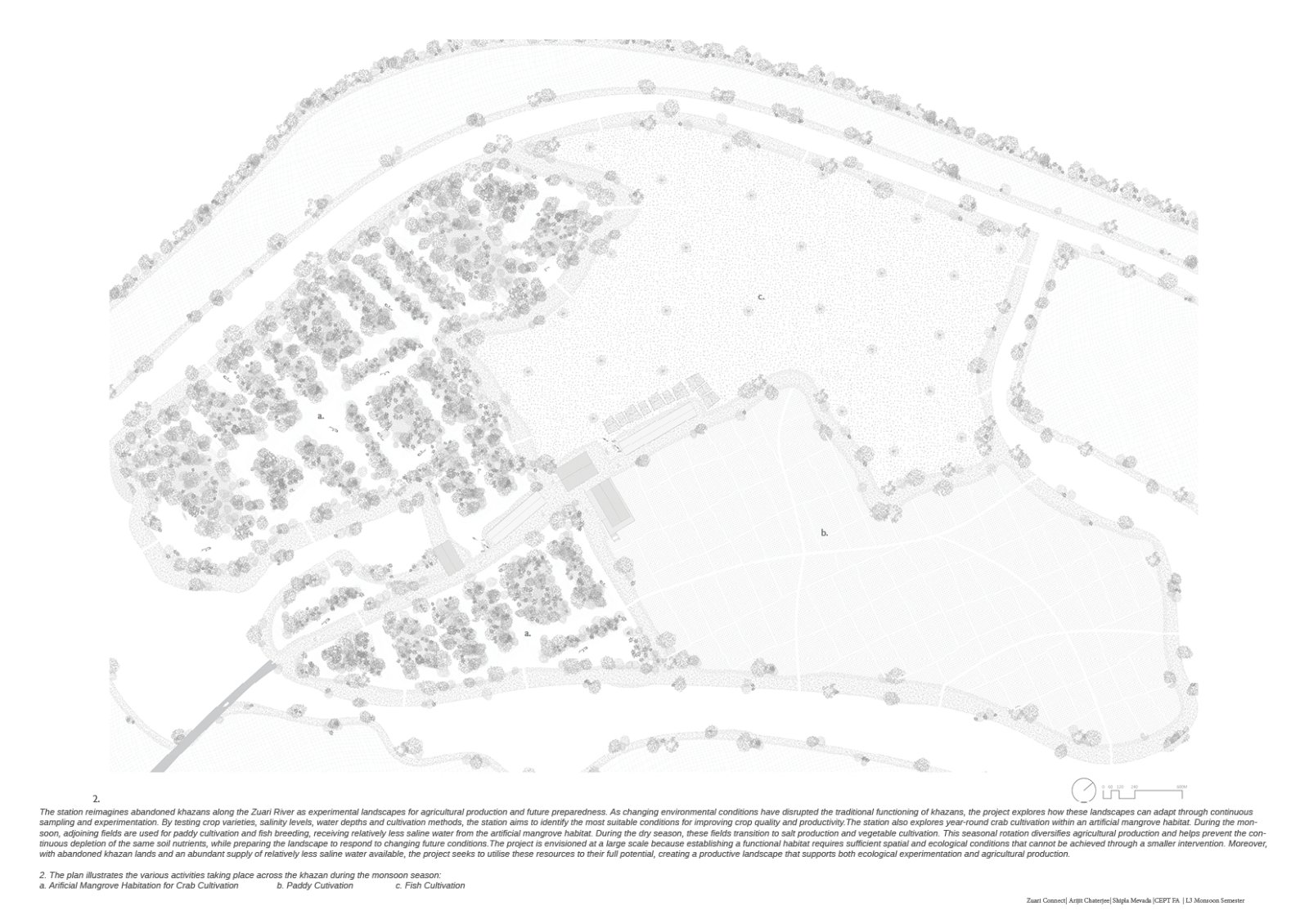
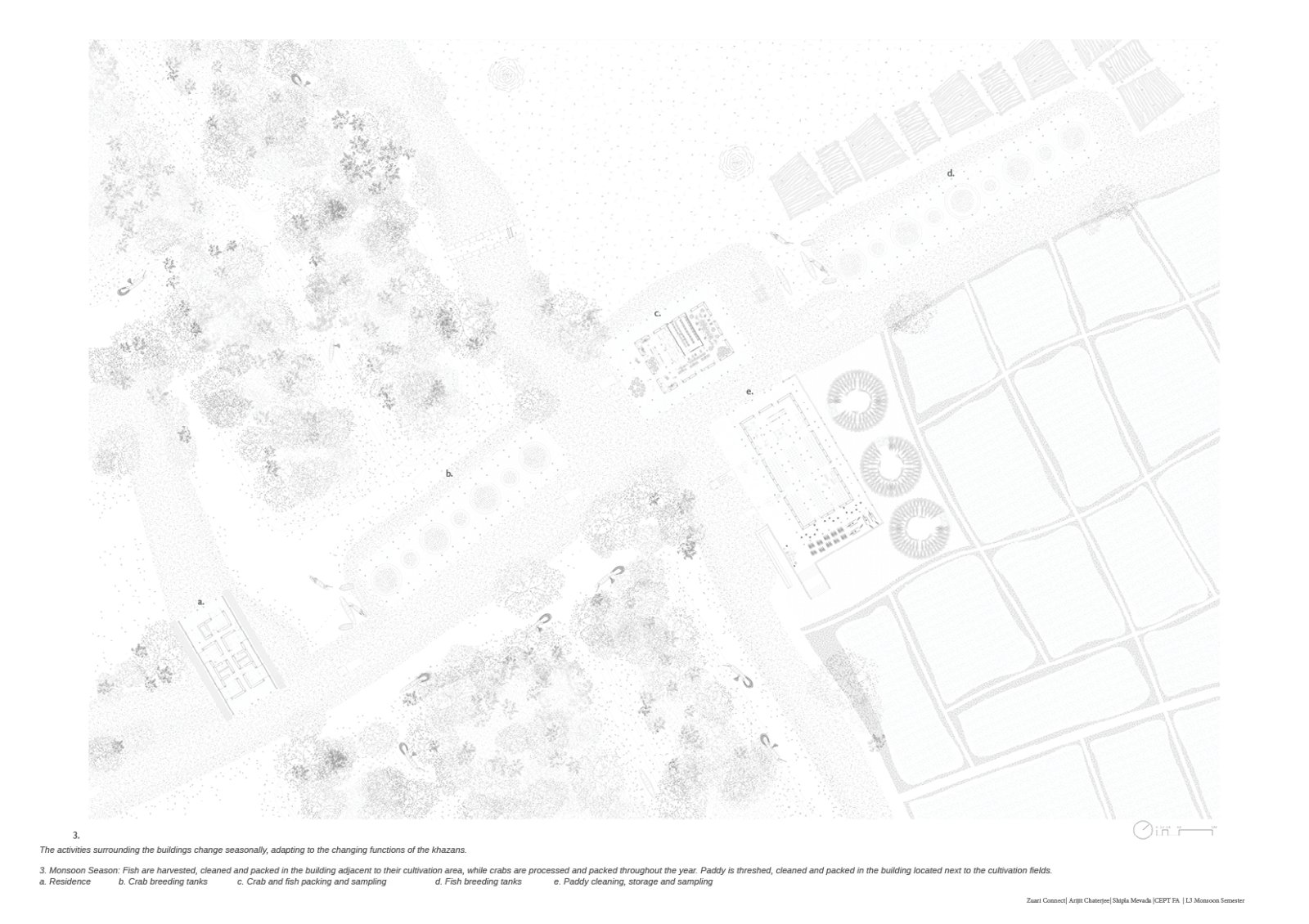
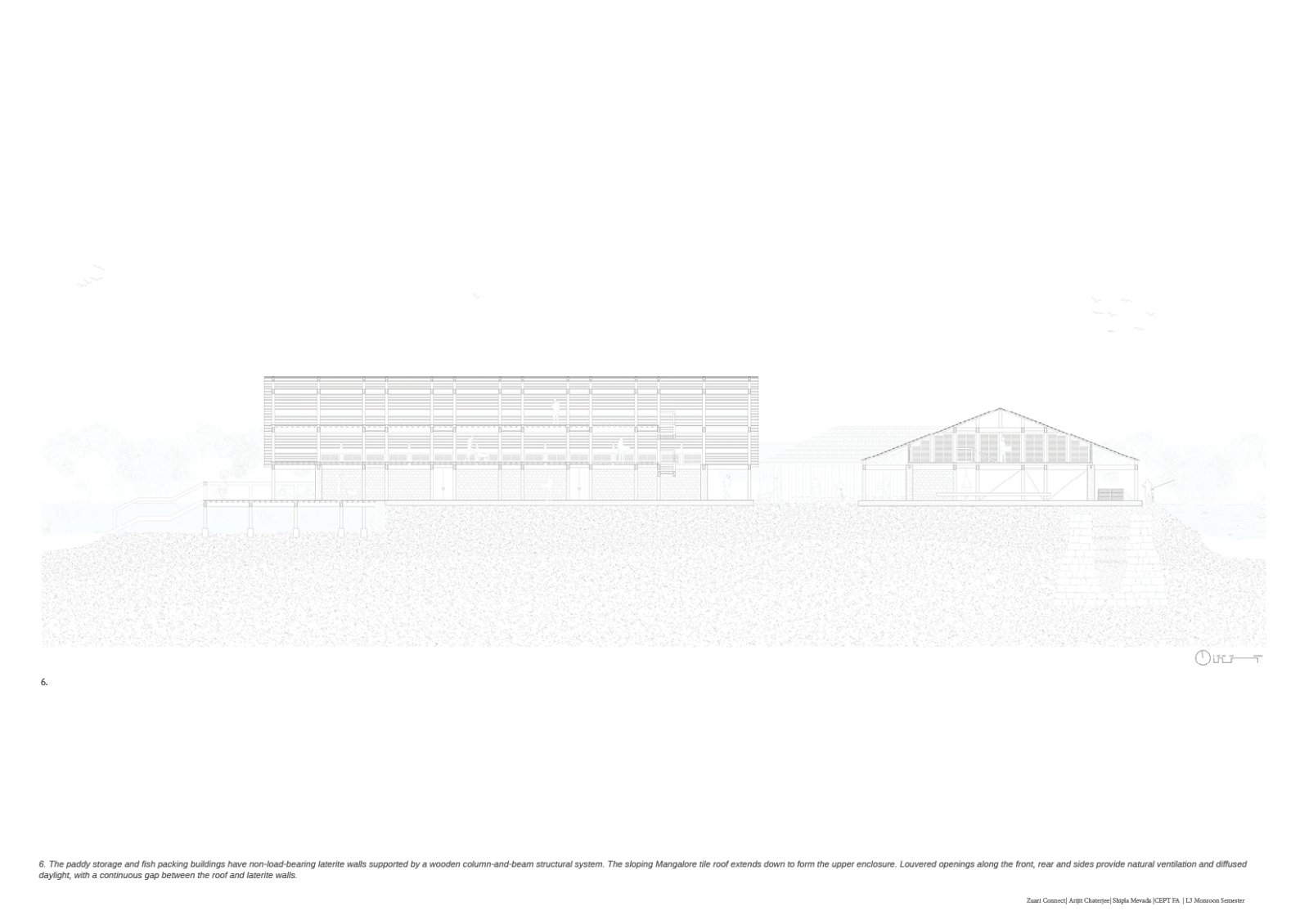
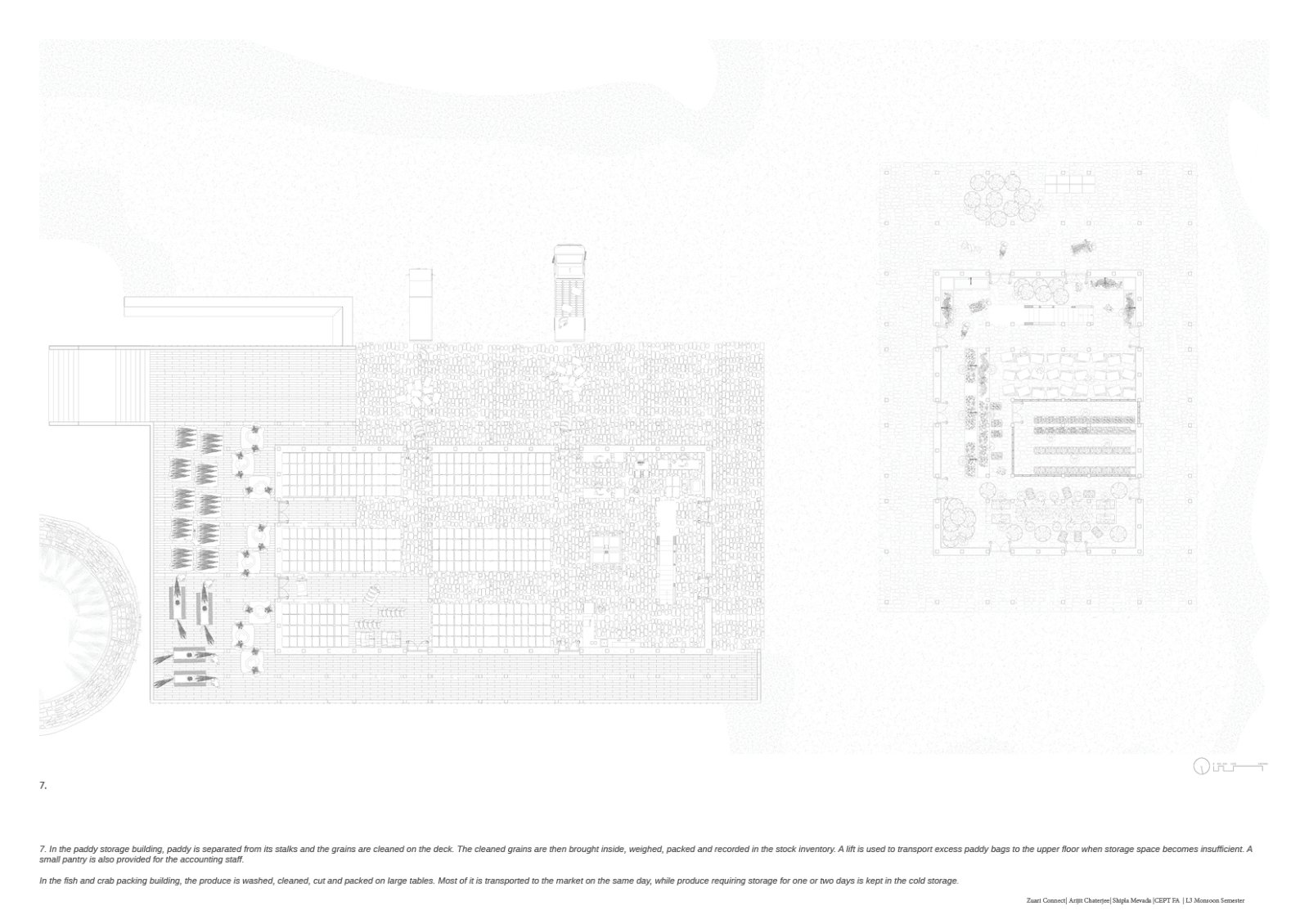
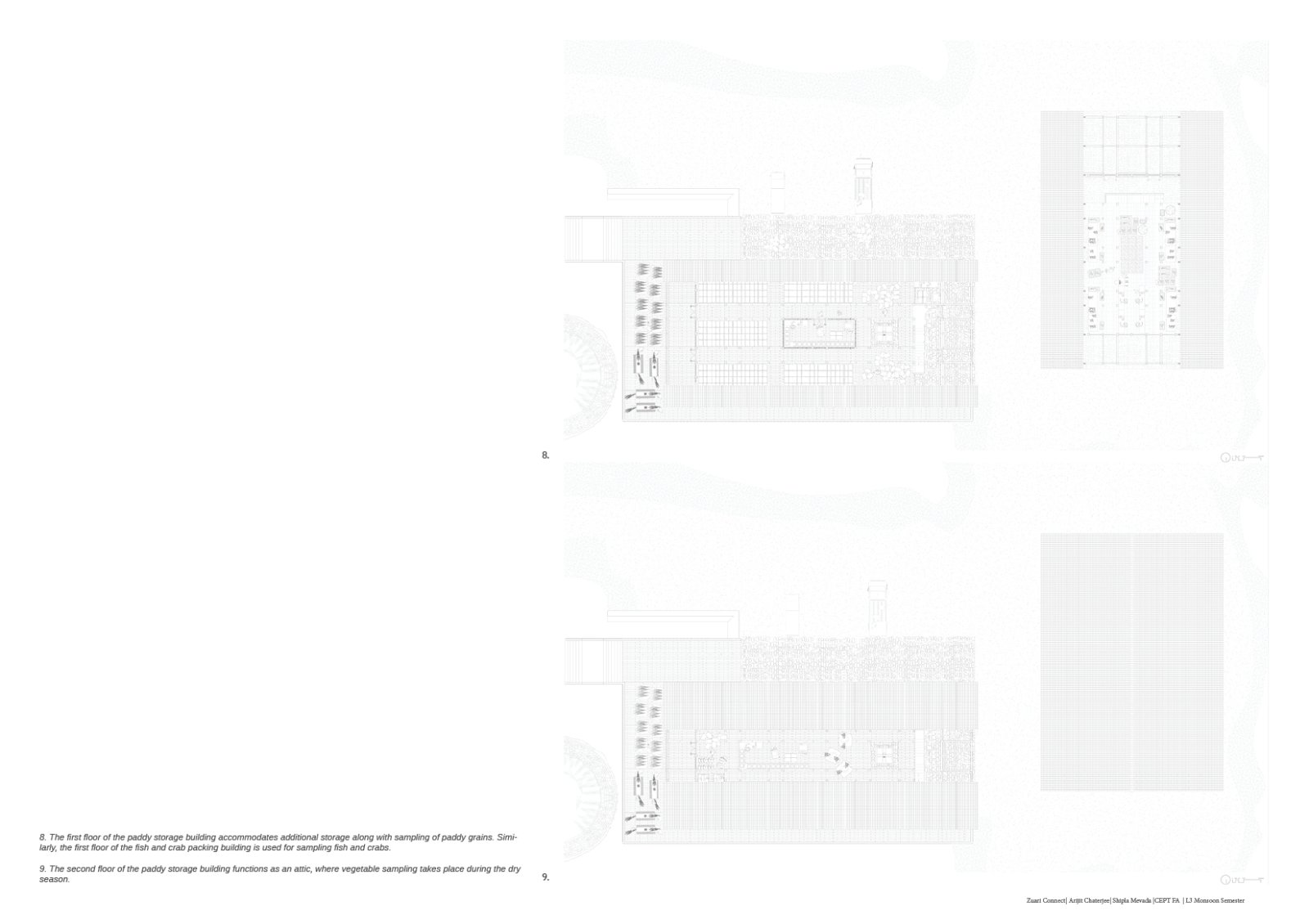
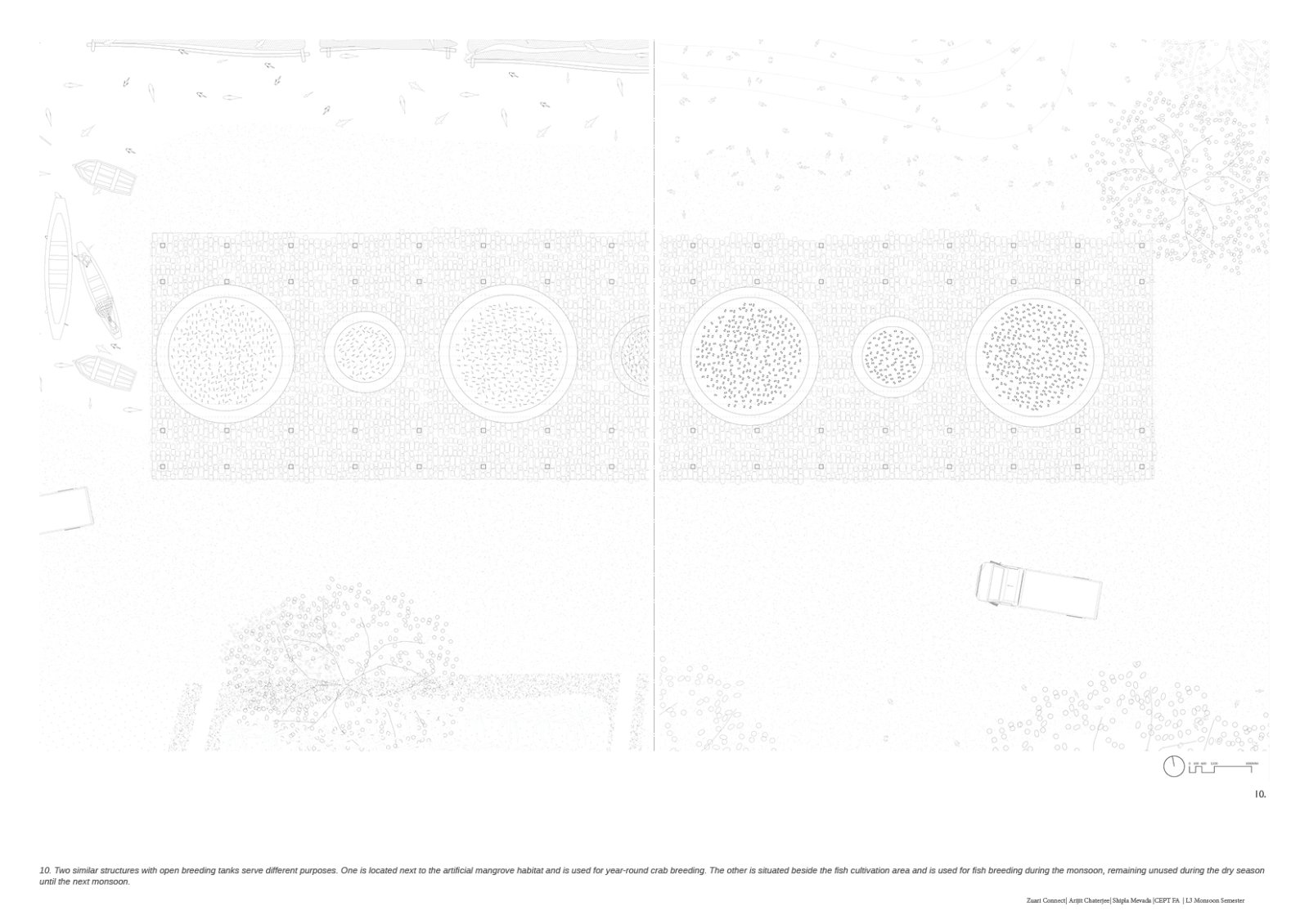
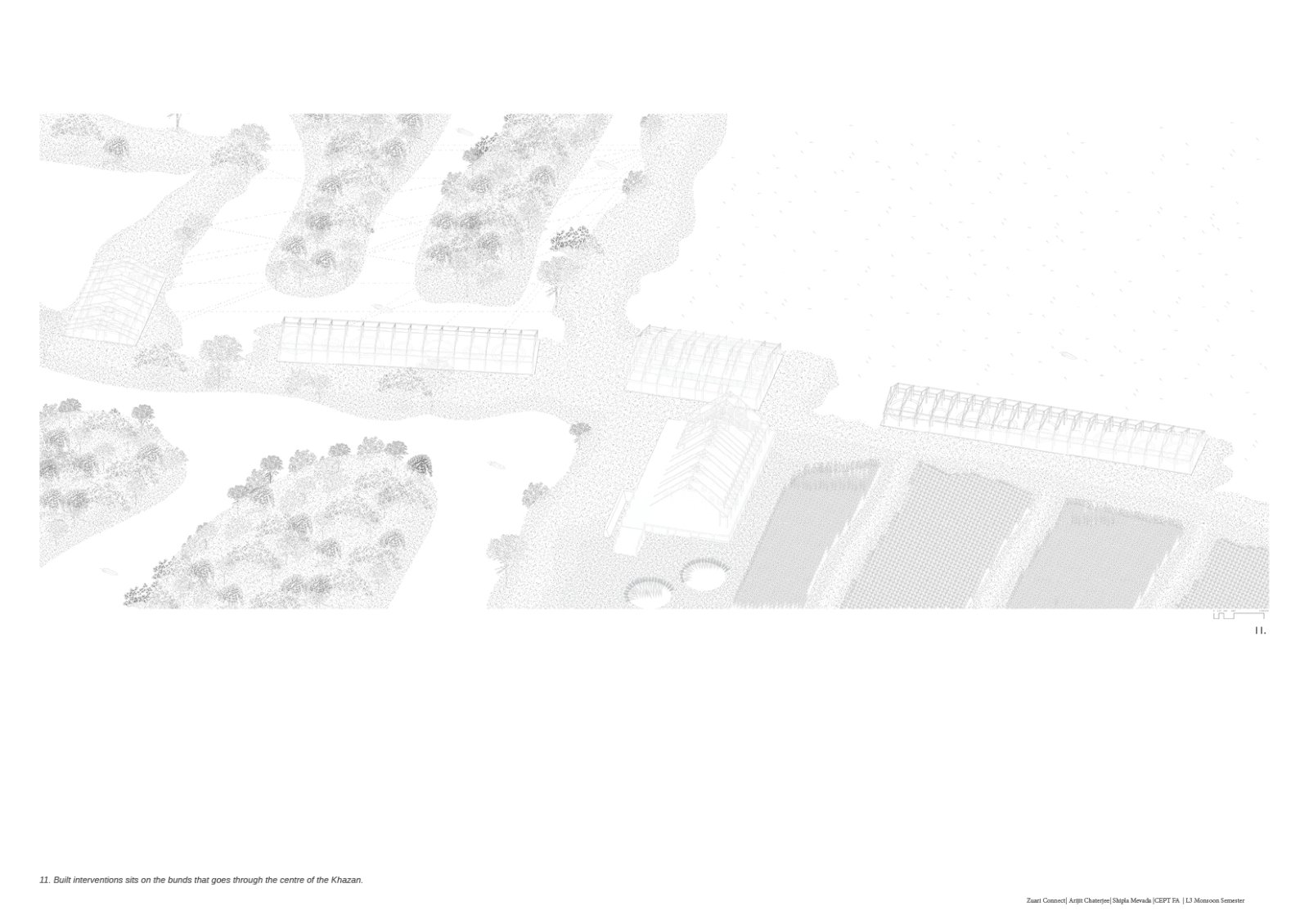
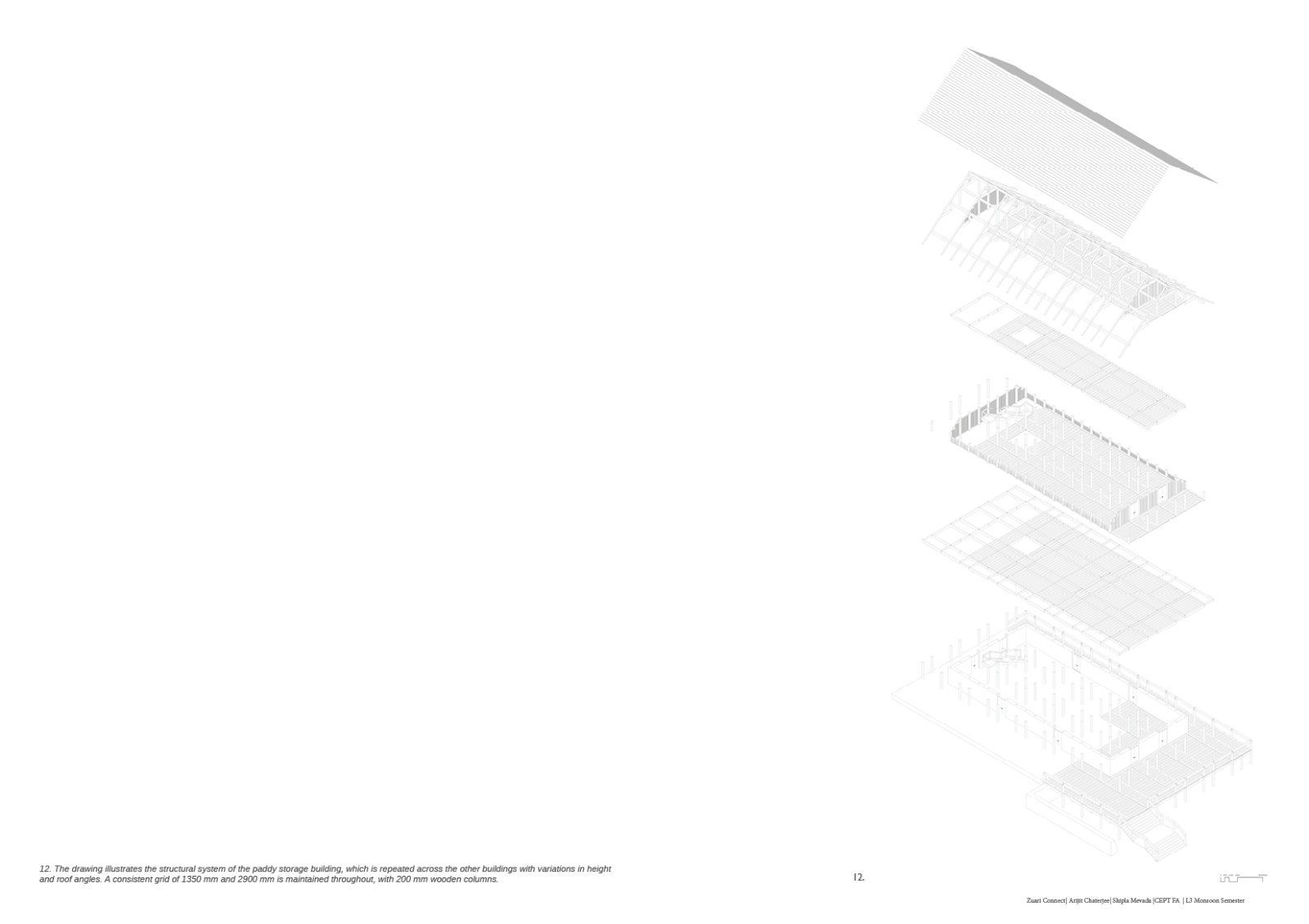
The station reimagines abandoned khazans along the Zuari River as experimental landscapes for agricultural production and future preparedness. As changing environmental conditions have disrupted the traditional functioning of khazans, the project explores how these landscapes can adapt through continuous sampling and experimentation. By testing crop varieties, salinity levels, water depths and cultivation methods, the station aims to identify the most suitable conditions for improving crop quality and productivity. The station also explores year-round crab cultivation within a manmade mangrove habitat. During the monsoon, adjoining fields are used for paddy cultivation and fish breeding, receiving relatively less saline water from the manmade mangrove habitat. During the dry season, these fields transition to salt production and vegetable cultivation. This seasonal rotation diversifies agricultural production and helps prevent the continuous depletion of the same soil nutrients, while preparing the landscape to respond to changing future conditions. The project is envisioned at a large scale because establishing a functional habitat requires sufficient spatial and ecological conditions that cannot be achieved through a smaller intervention. Moreover, with abandoned khazan lands and an abundant supply of relatively less saline water available, the project seeks to utilise these resources to their full potential, creating a productive landscape that supports both ecological experimentation and agricultural production.