Your browser is out-of-date!
For a richer surfing experience on our website, please update your browser. Update my browser now!
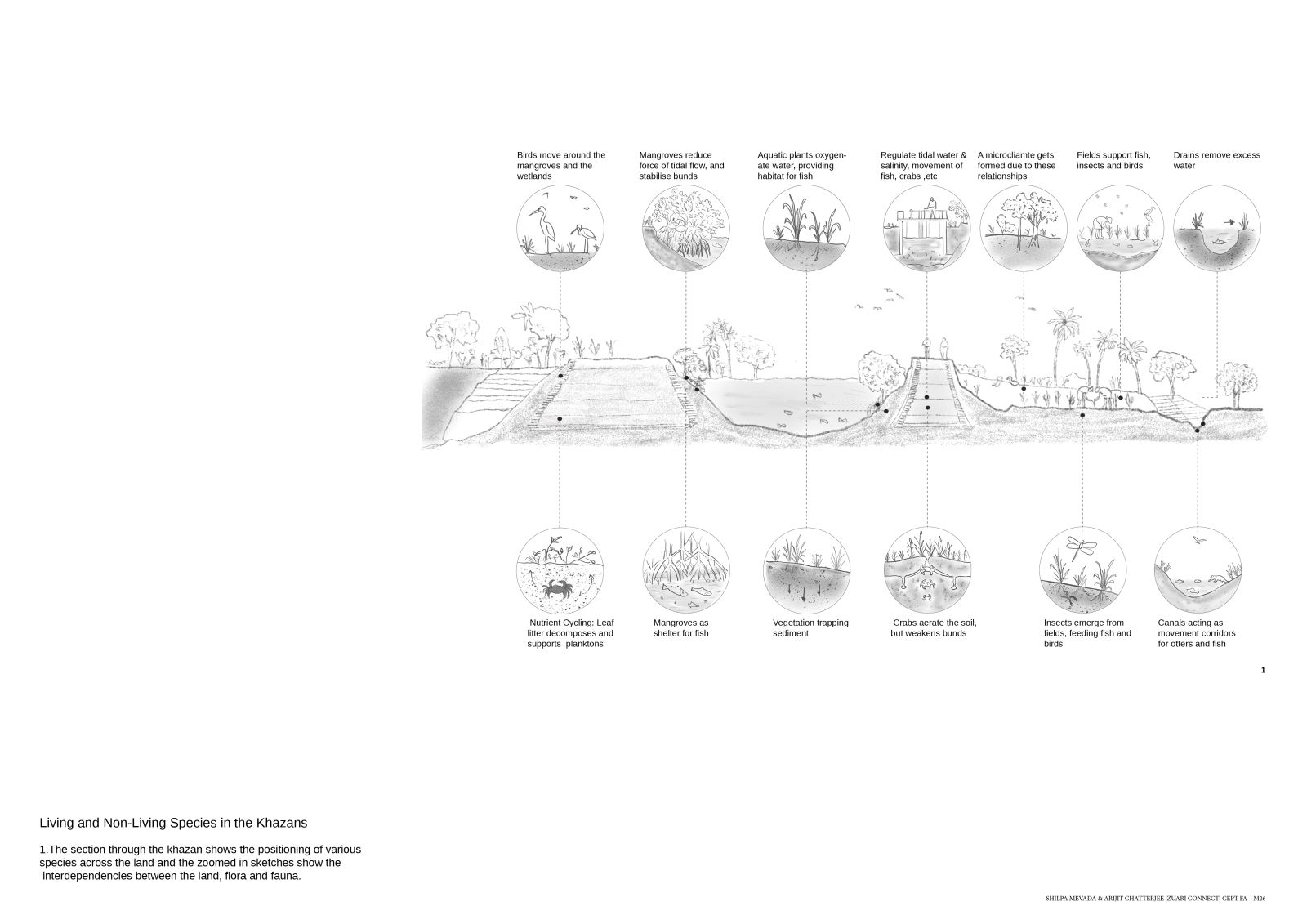
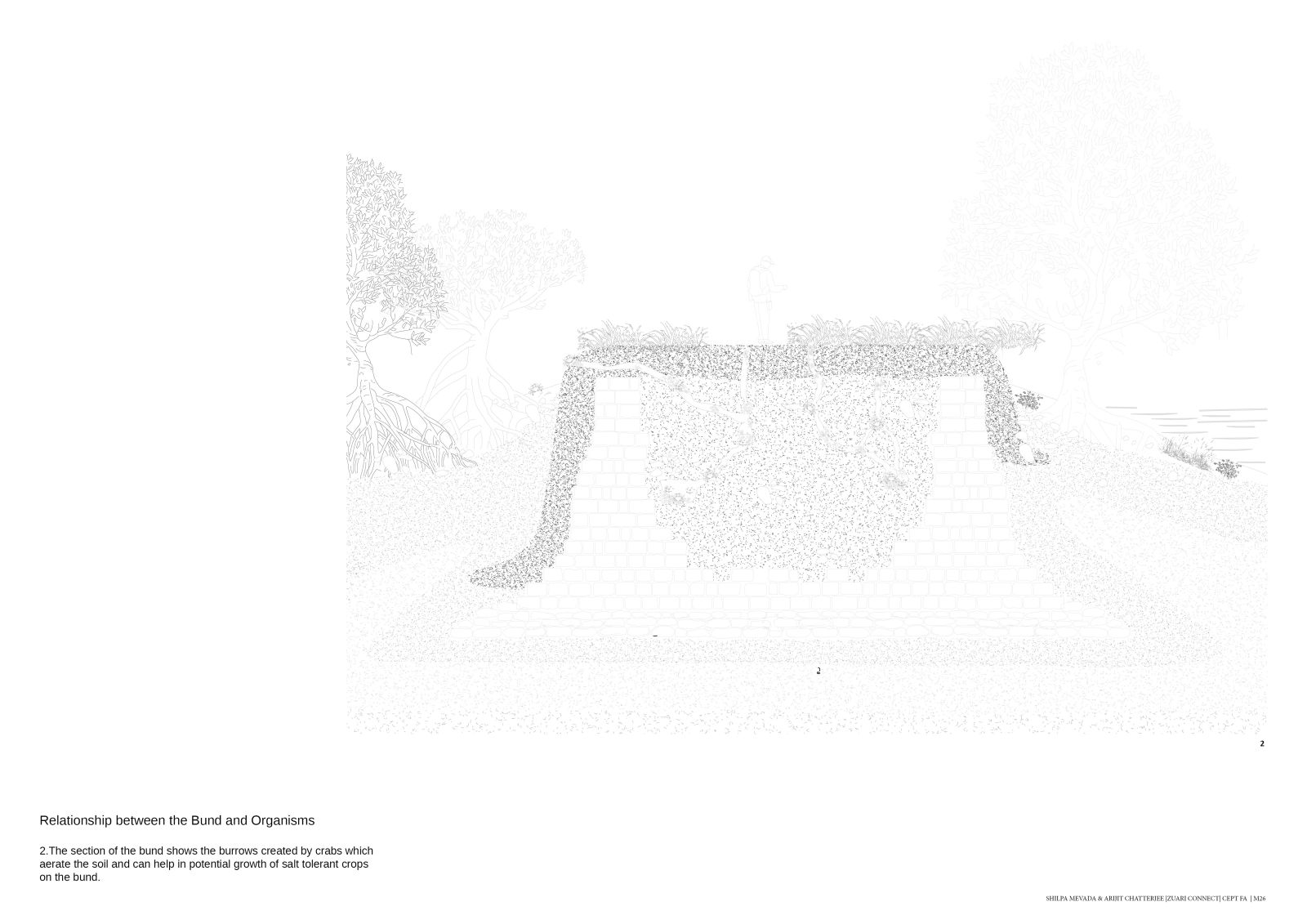
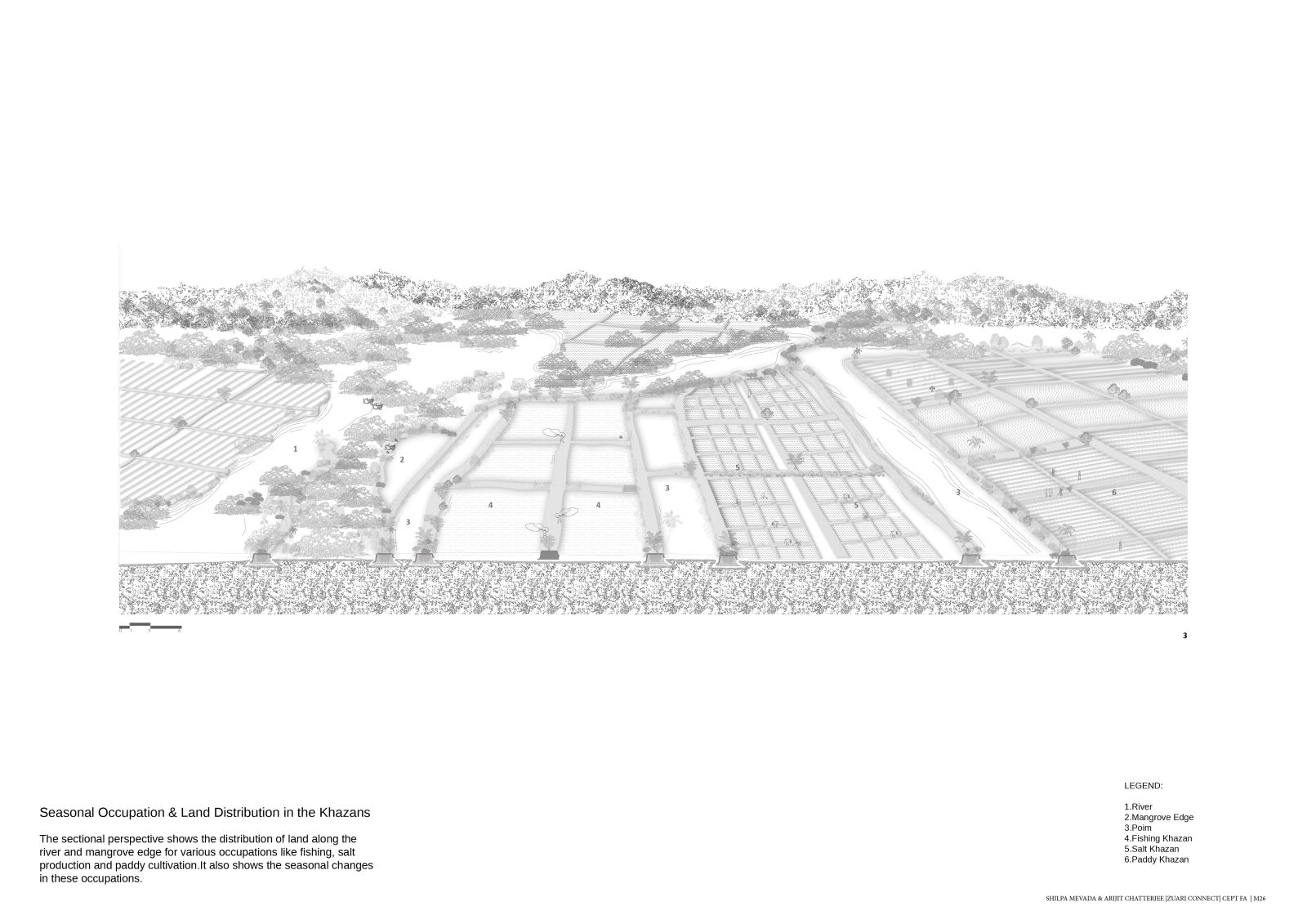
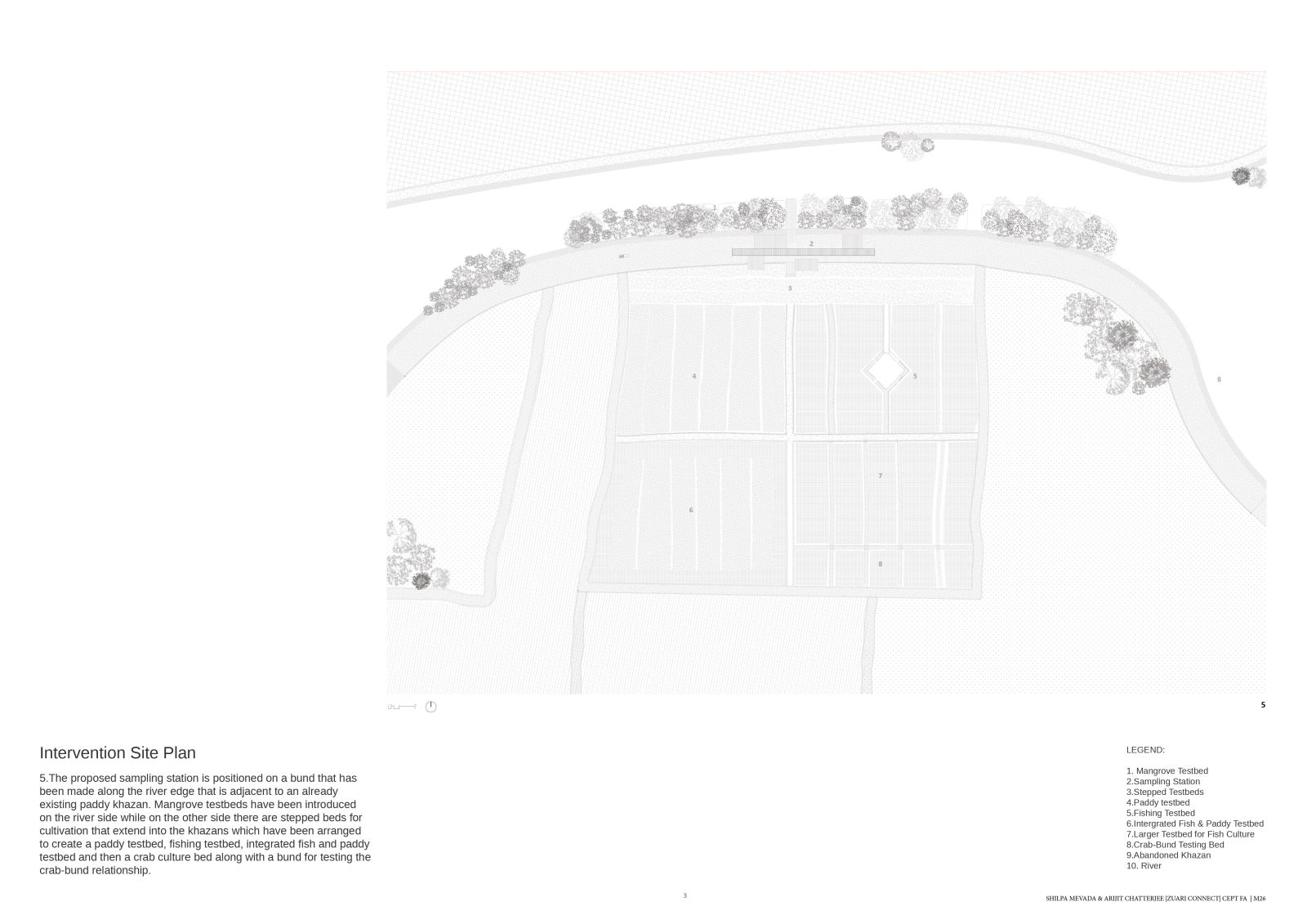
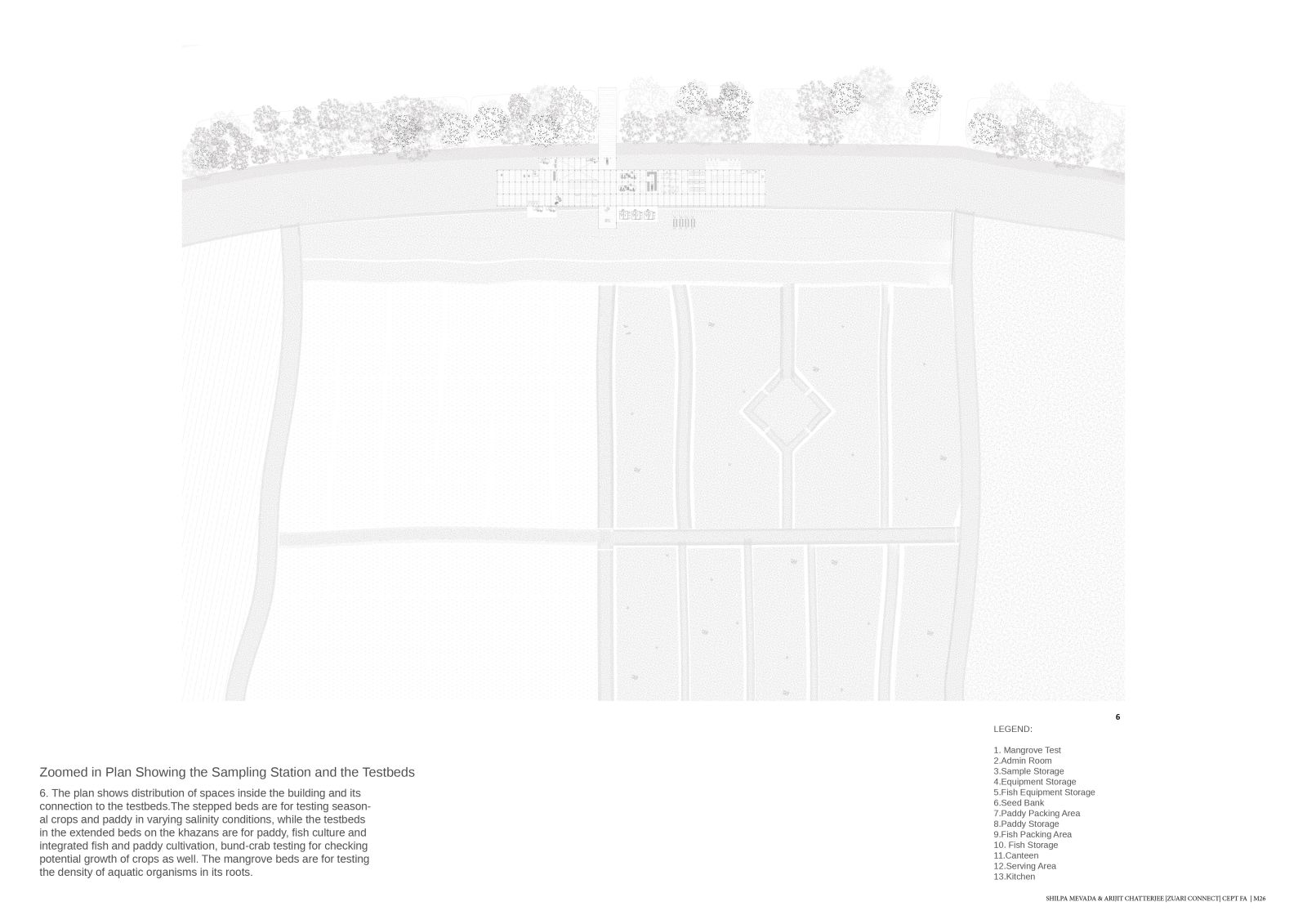
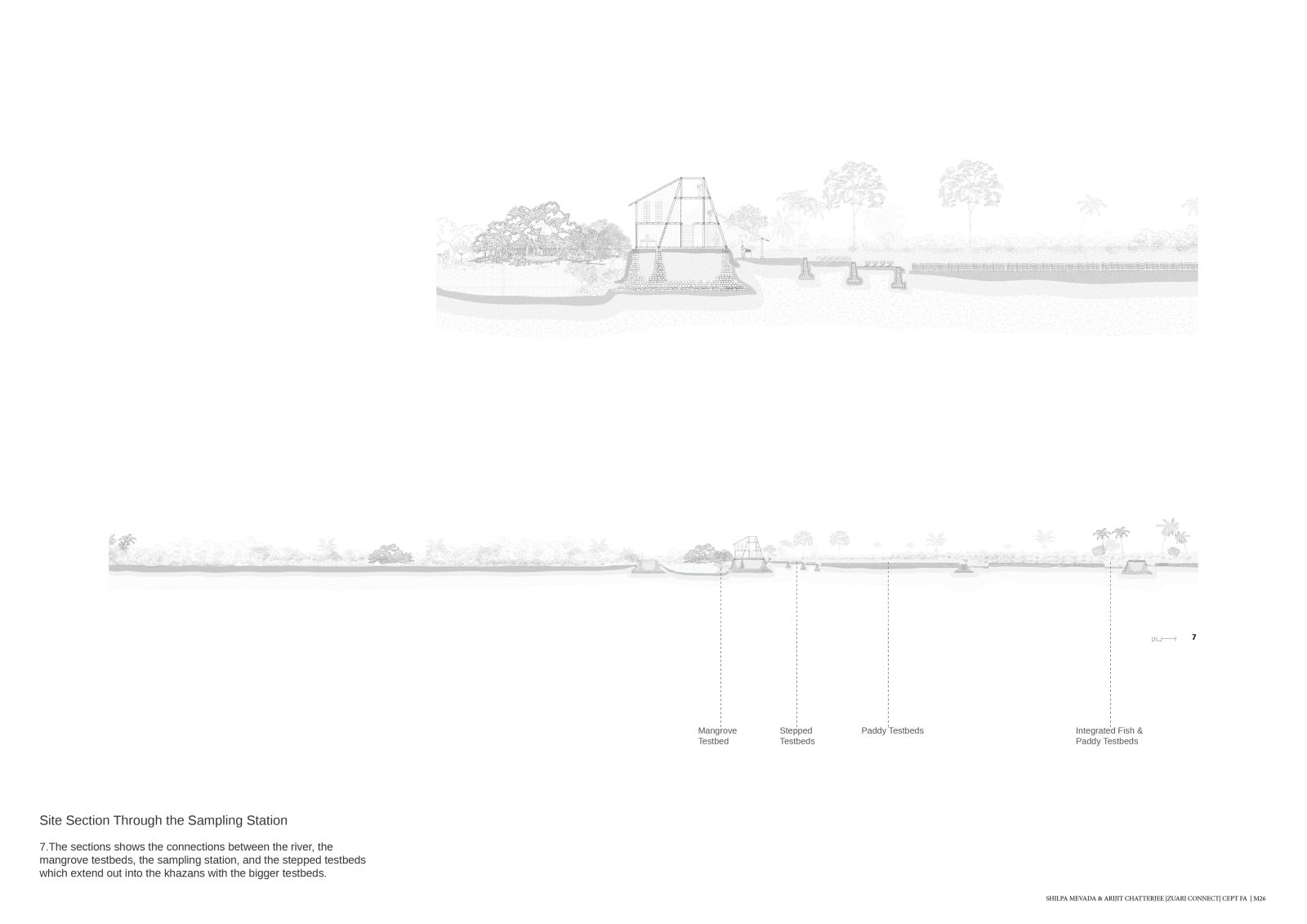
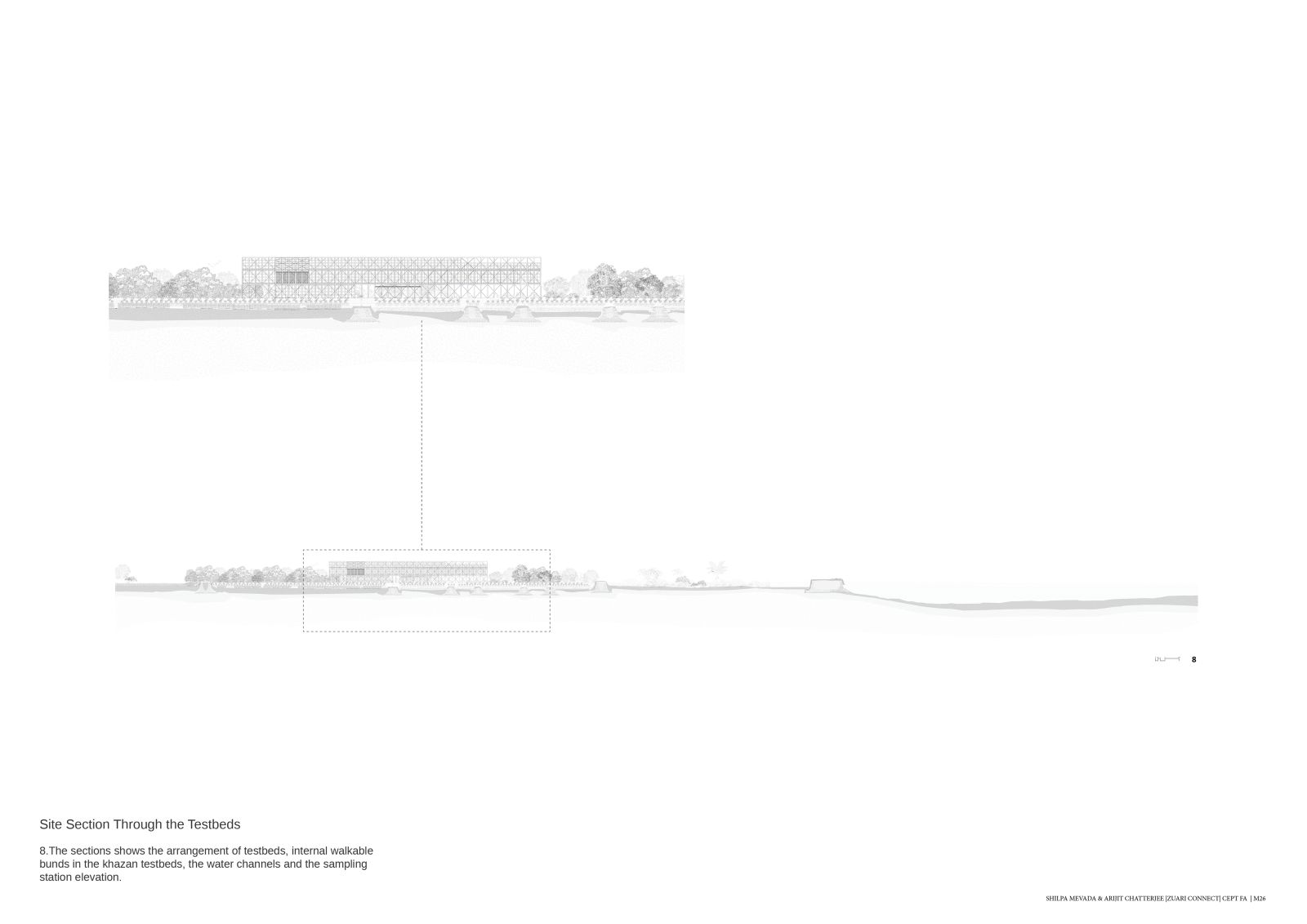
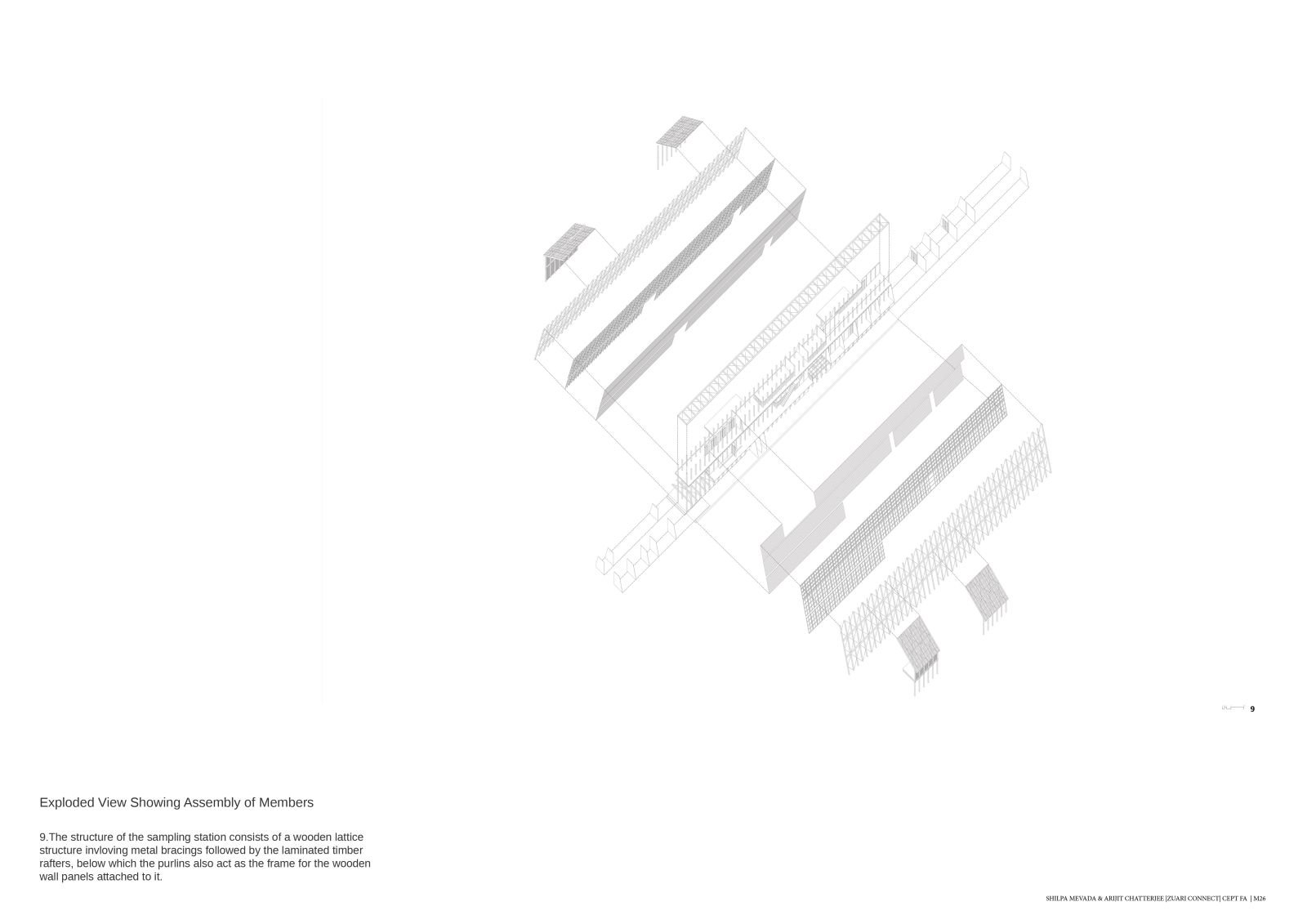
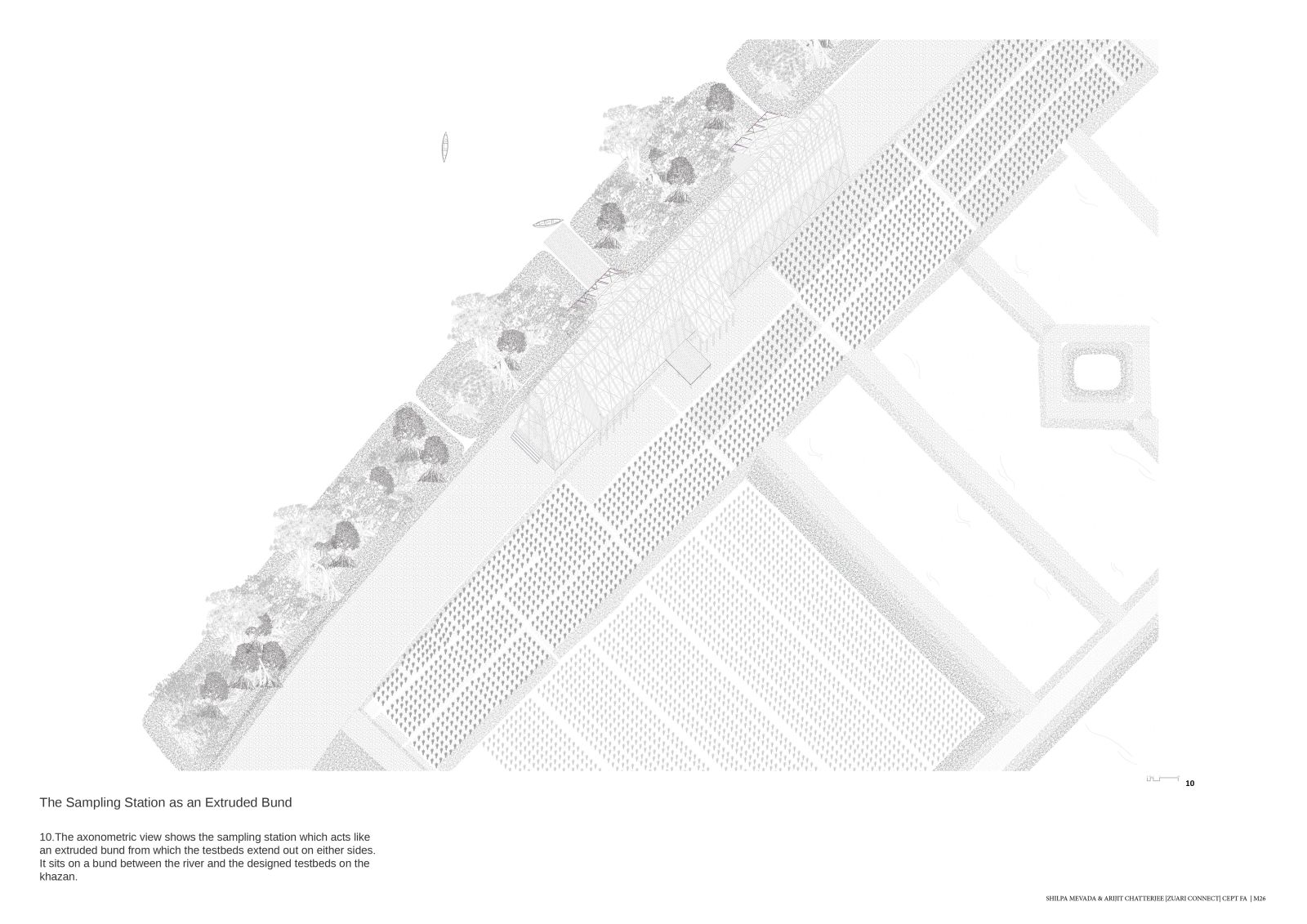
The sampling station explores the coexistence and interdependence of human and ecological systems within the Khazan landscape. It investigates how different organisms, agricultural practices and hydrological processes influence one another. The research station focuses on studying relationships such as mangroves providing habitats for fish, crabs contributing to bund soil health, and interactions between paddy cultivation and aquatic ecosystems. Through dedicated testbeds, laboratories and observation spaces, it allows these relationships to be studied under different environmental and seasonal conditions. Architecturally, the building takes inspiration from the linear form of an existing bund, extending this landscape element into a research infrastructure. It integrates spaces for soil and water testing, controlled experiments, crop studies, fish observation and ecological monitoring. Ultimately, the project aims to create a space where the interconnected relationships within the Khazan ecosystem can be observed, tested and understood, helping inform more sustainable ways of managing this fragile landscape.
View Additional Work