Your browser is out-of-date!
For a richer surfing experience on our website, please update your browser. Update my browser now!
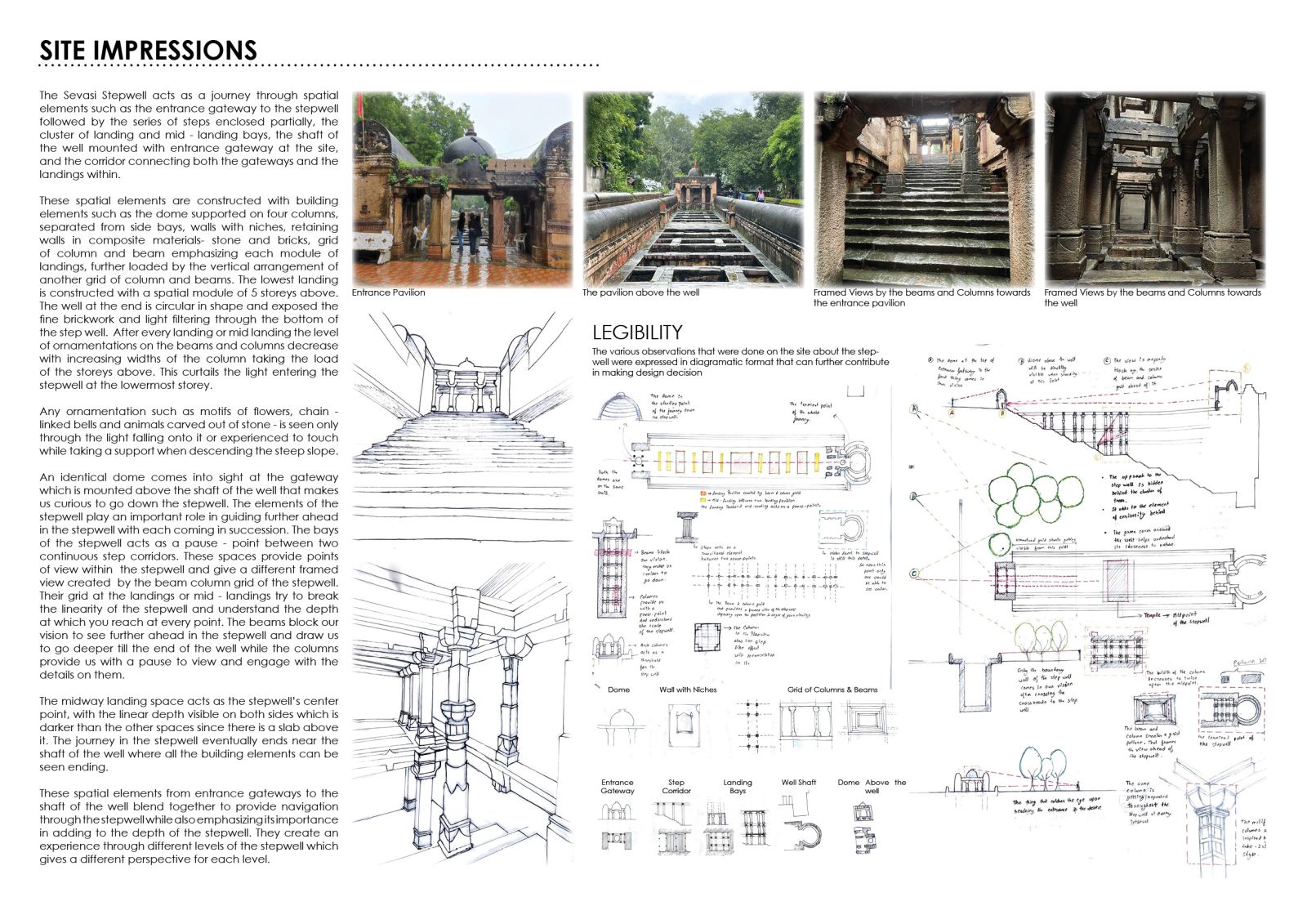
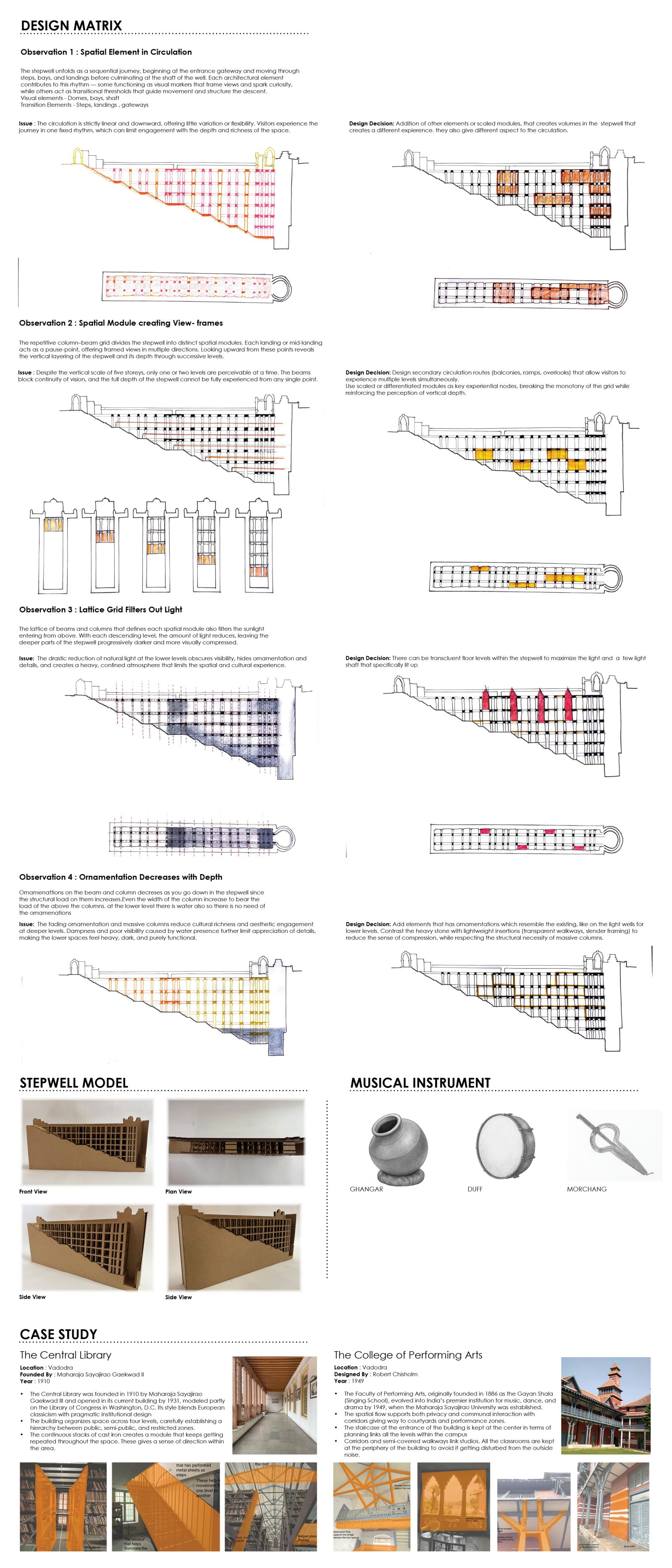
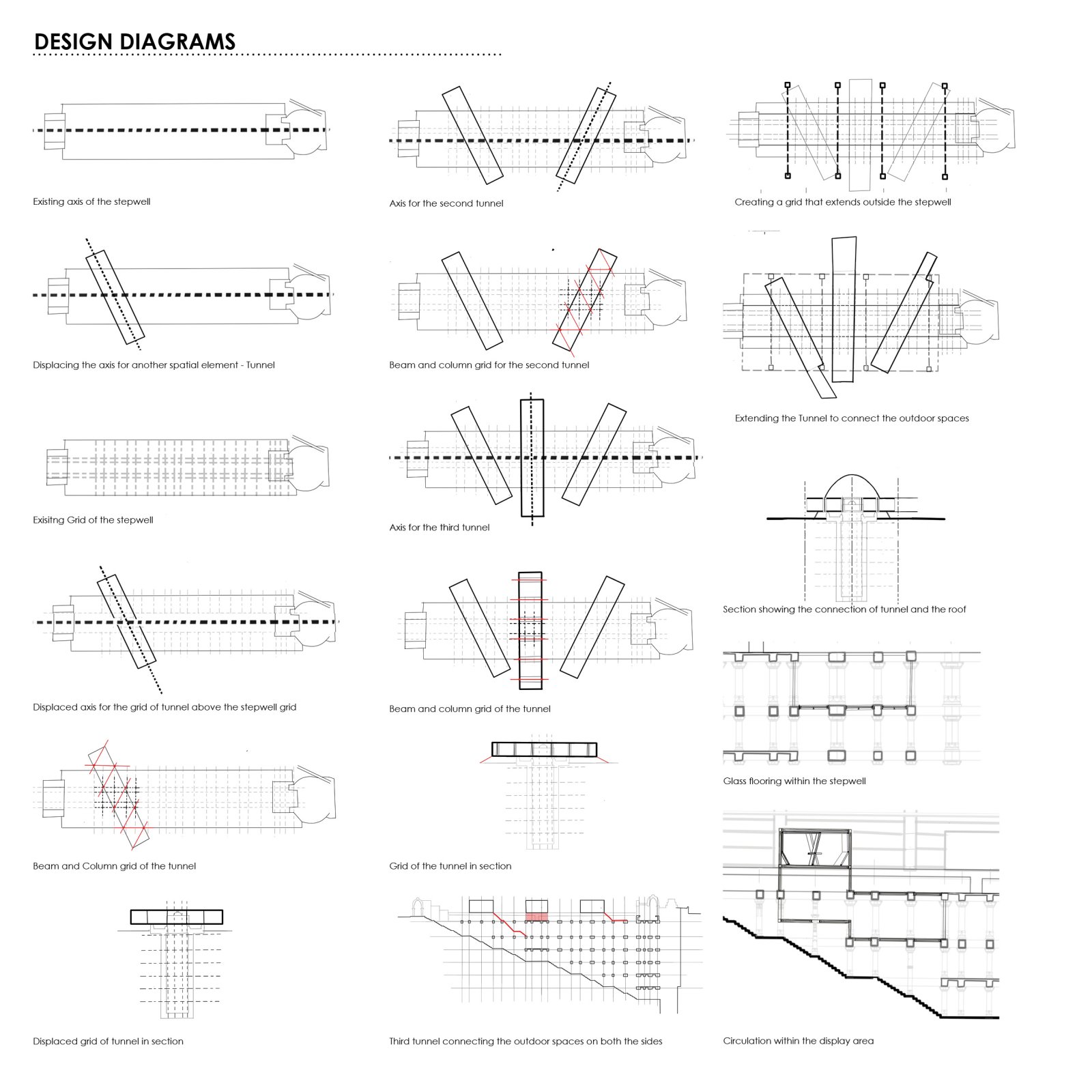
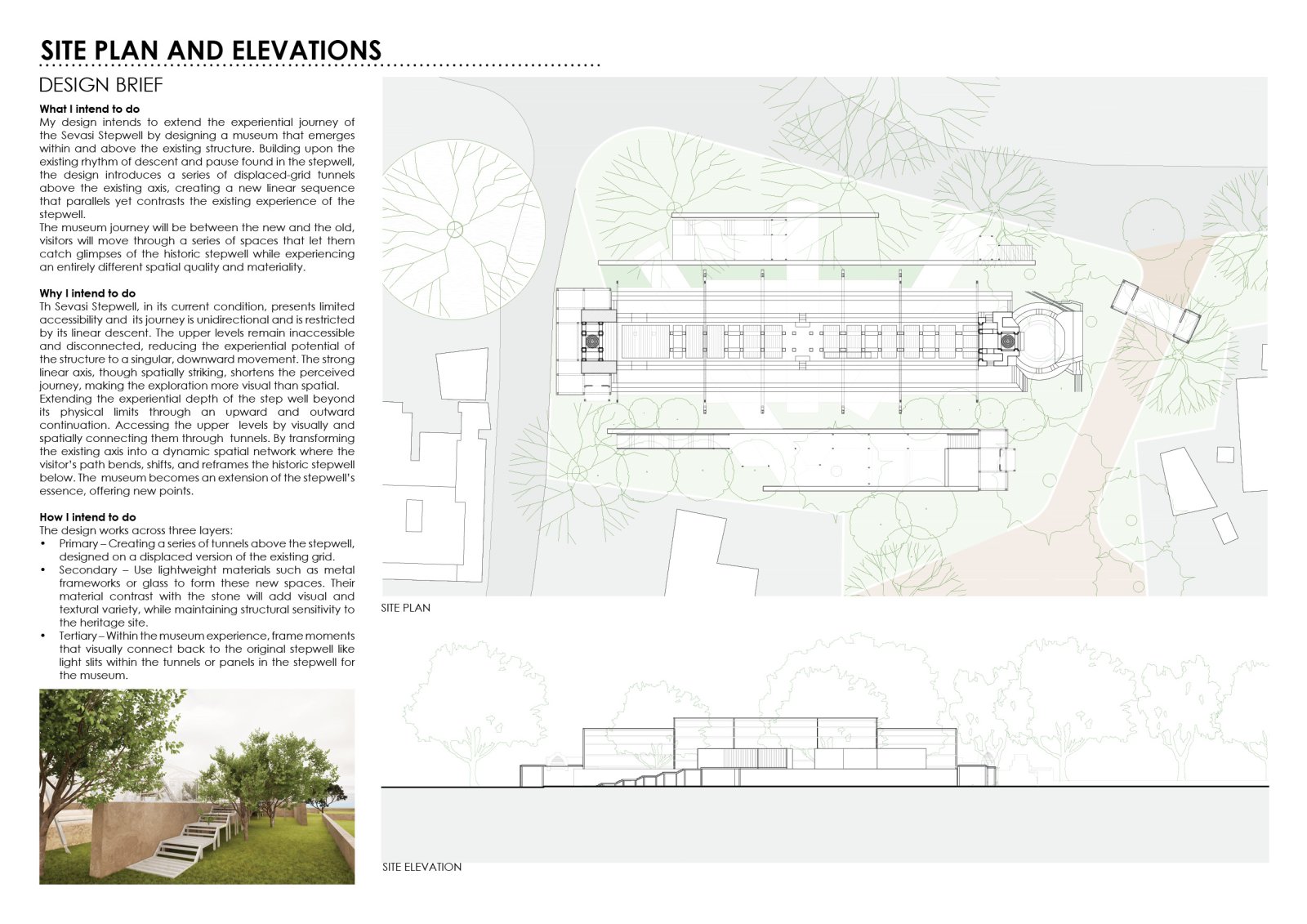
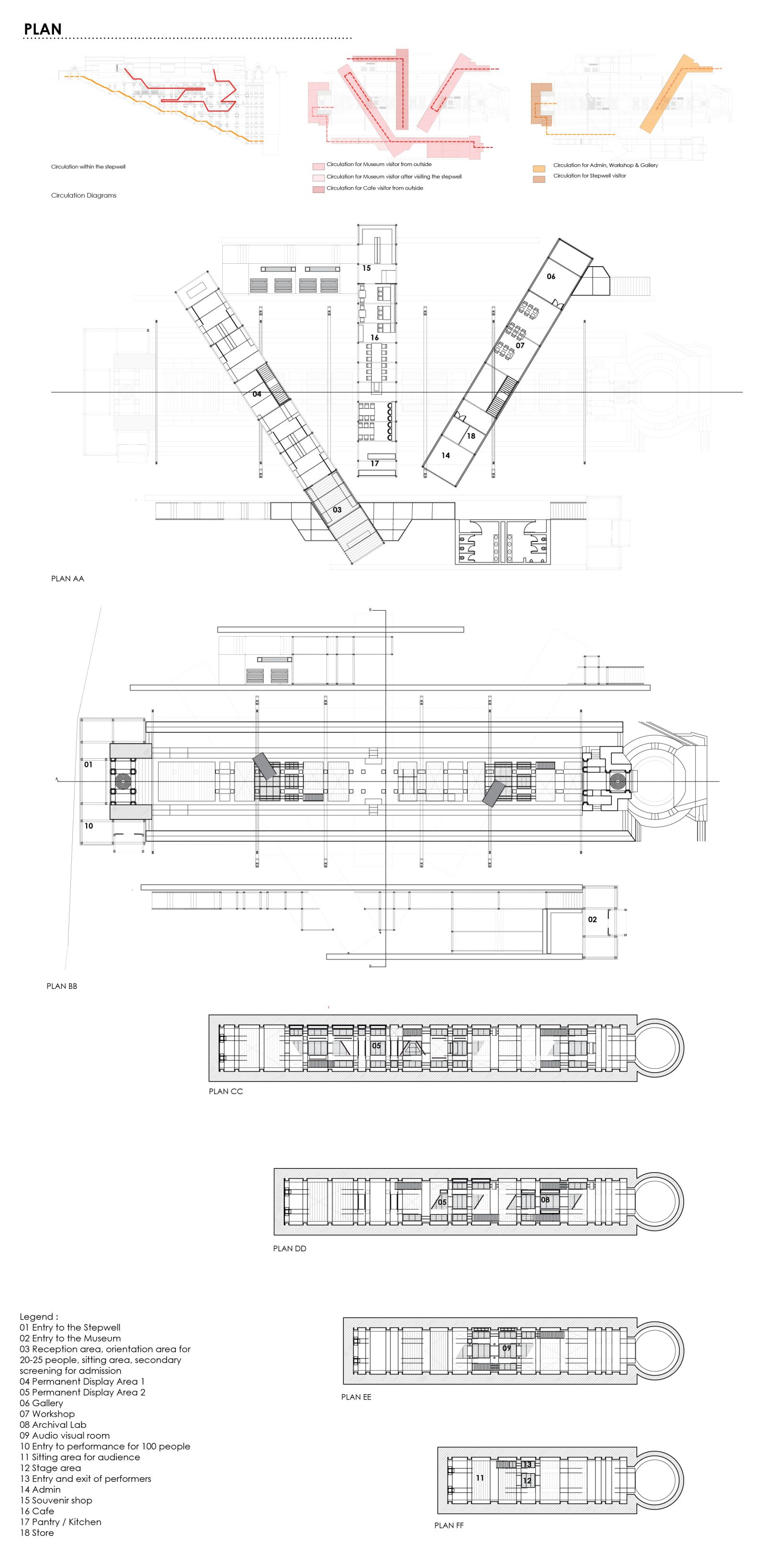
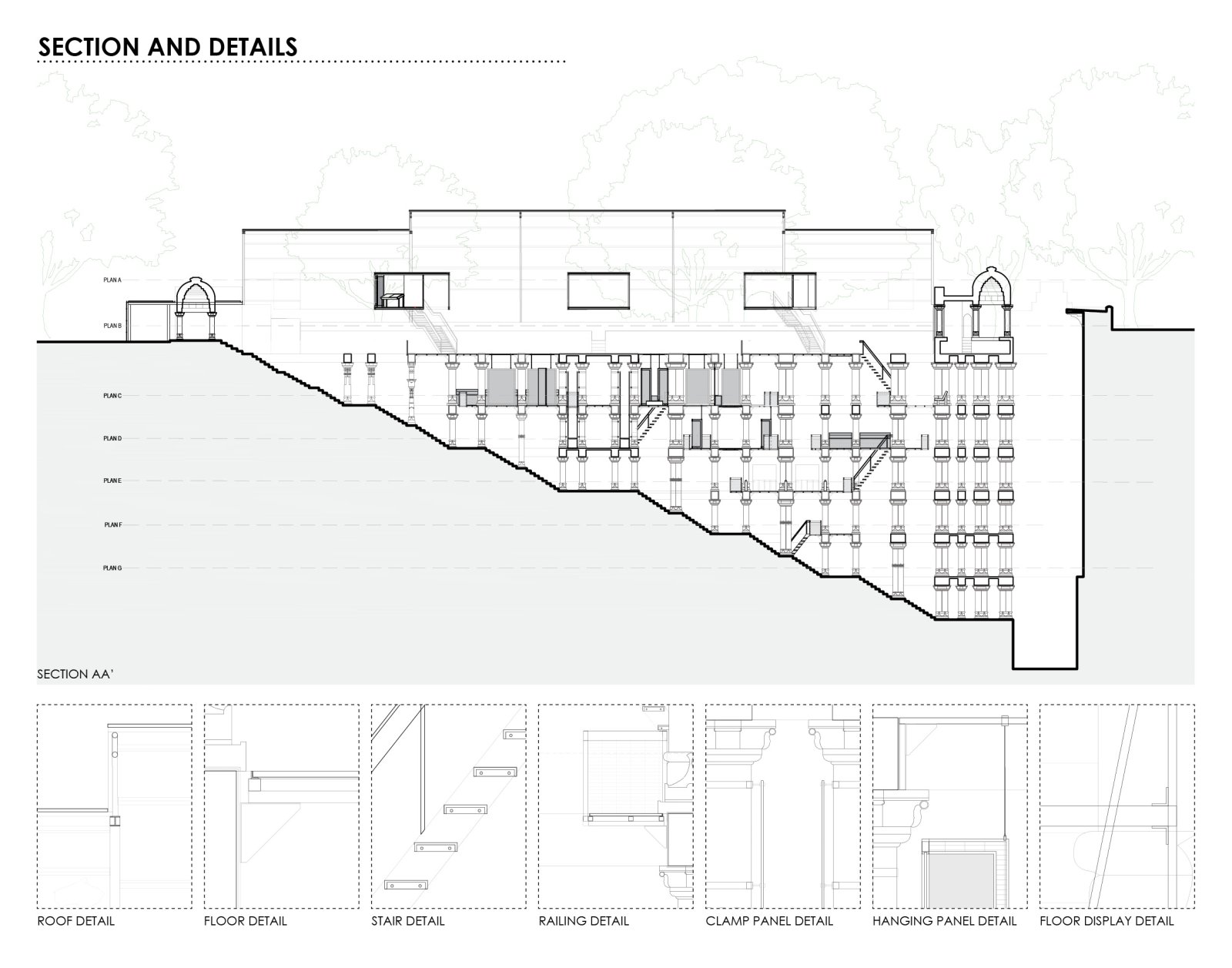
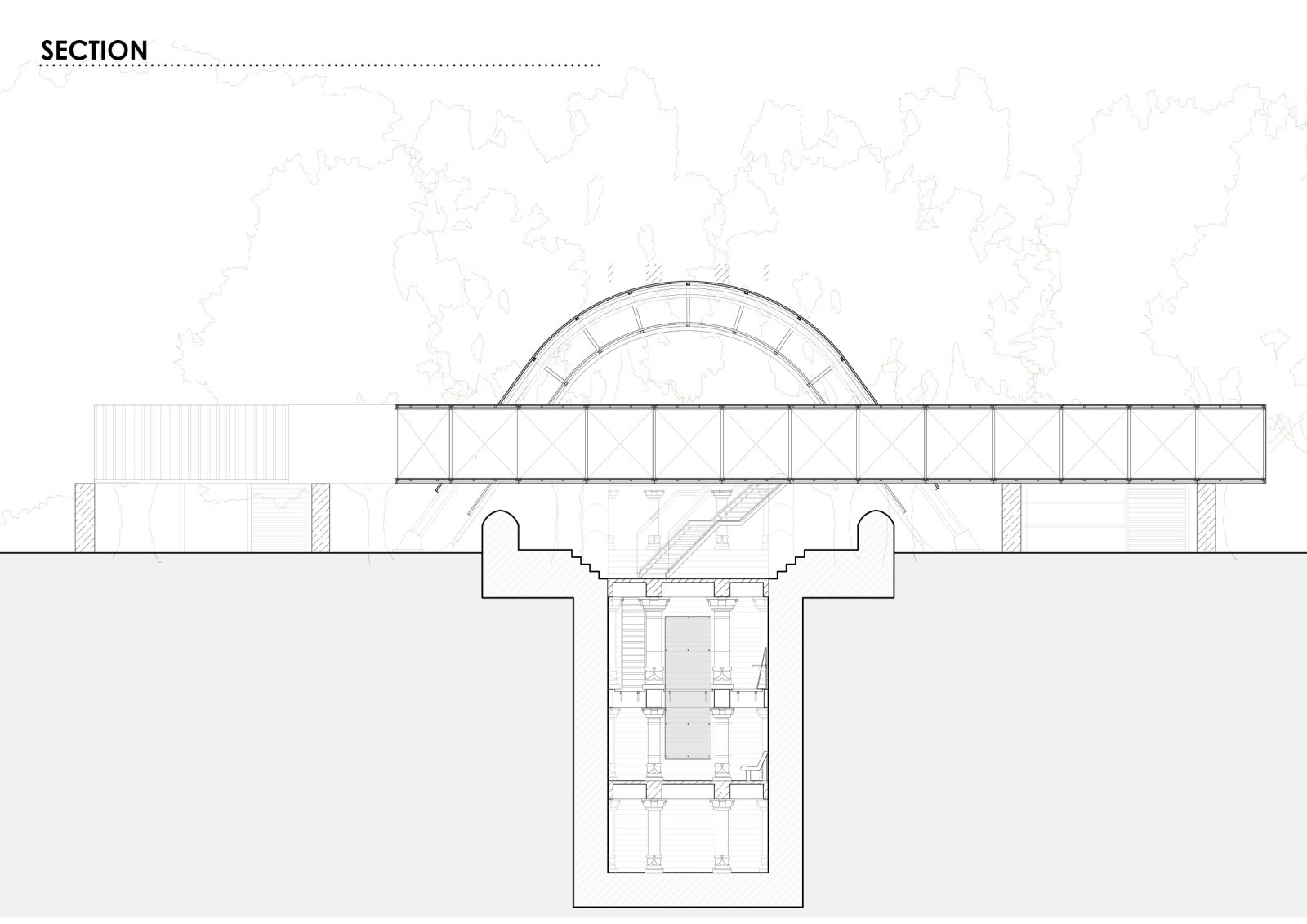
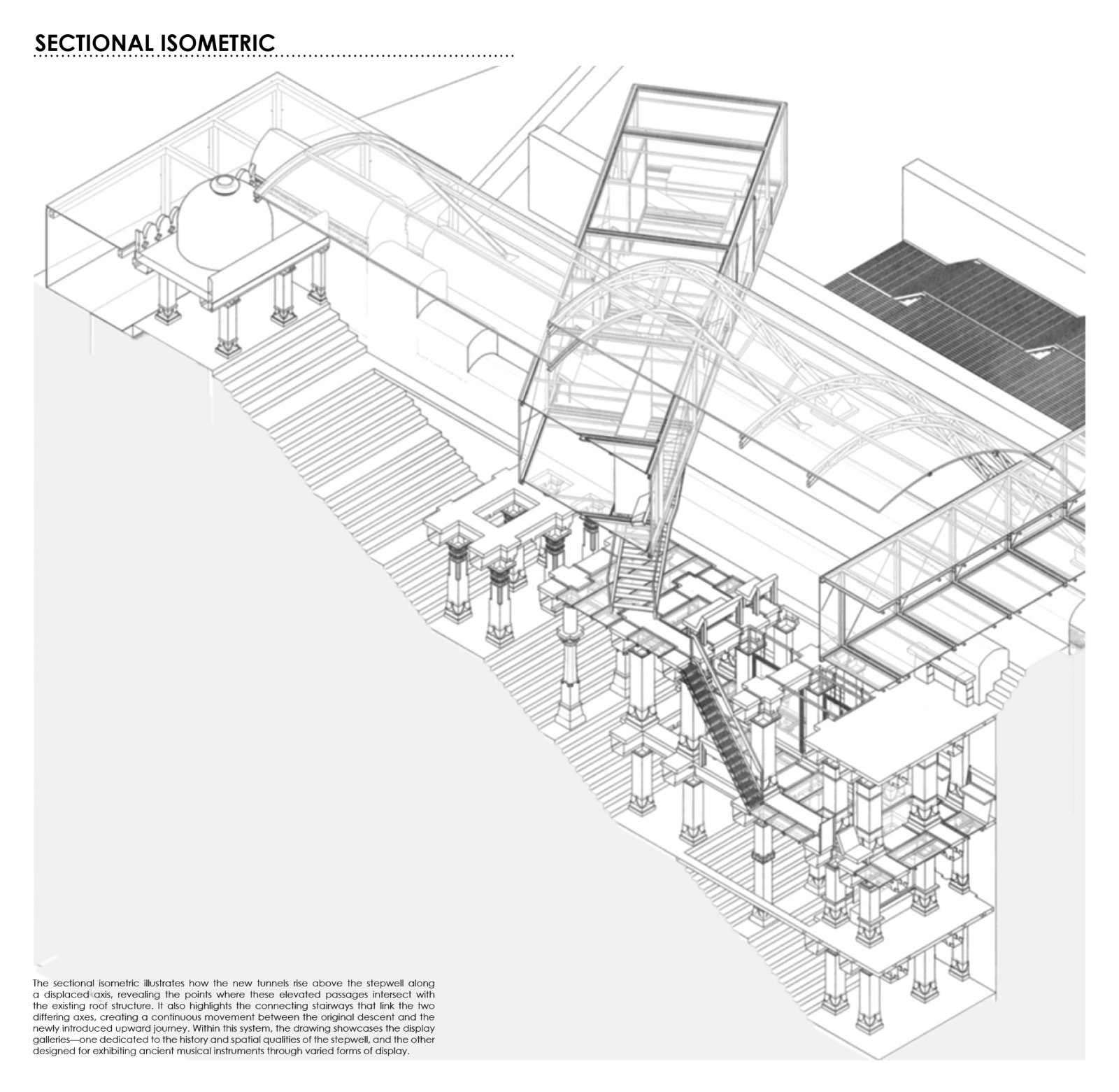
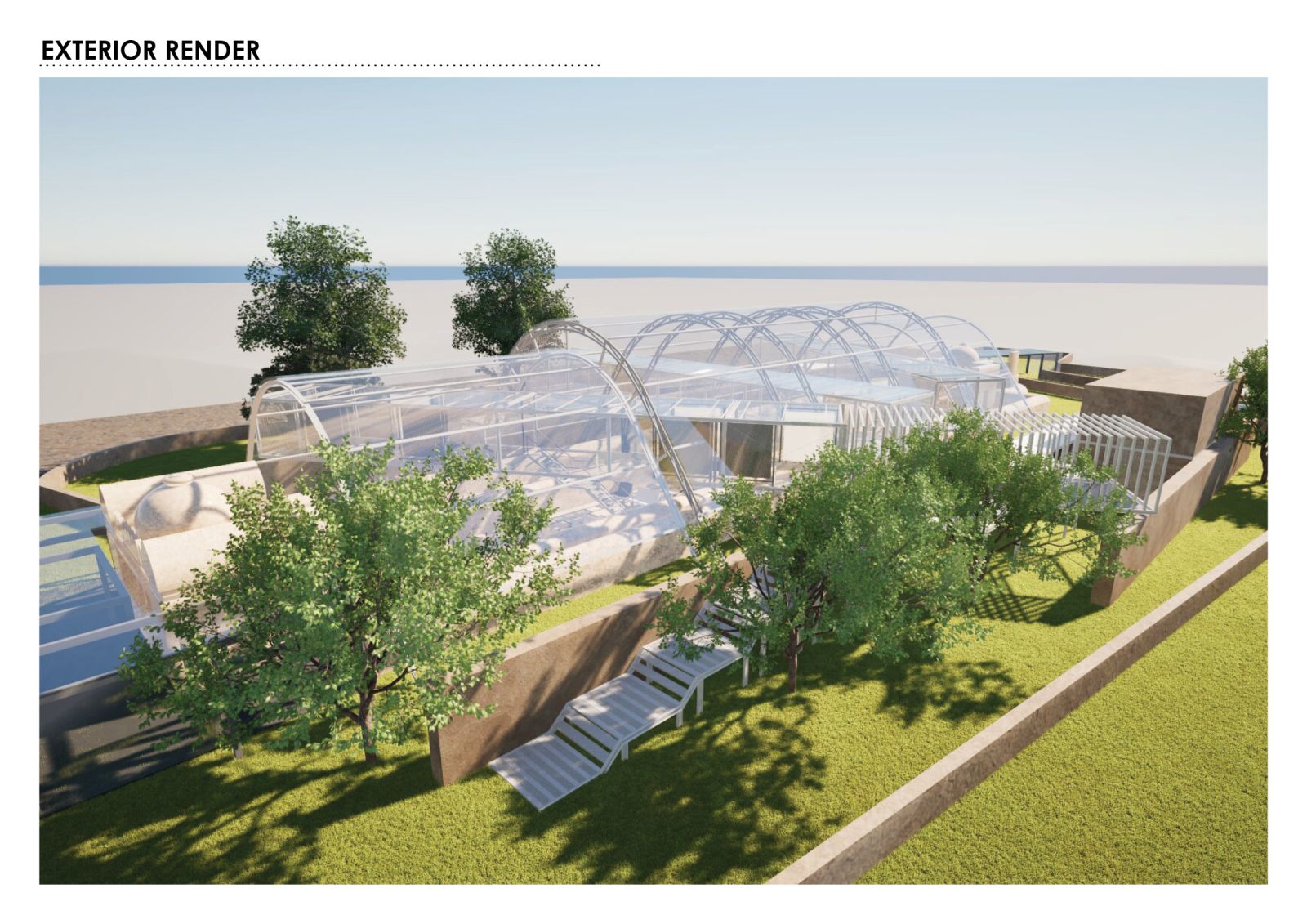
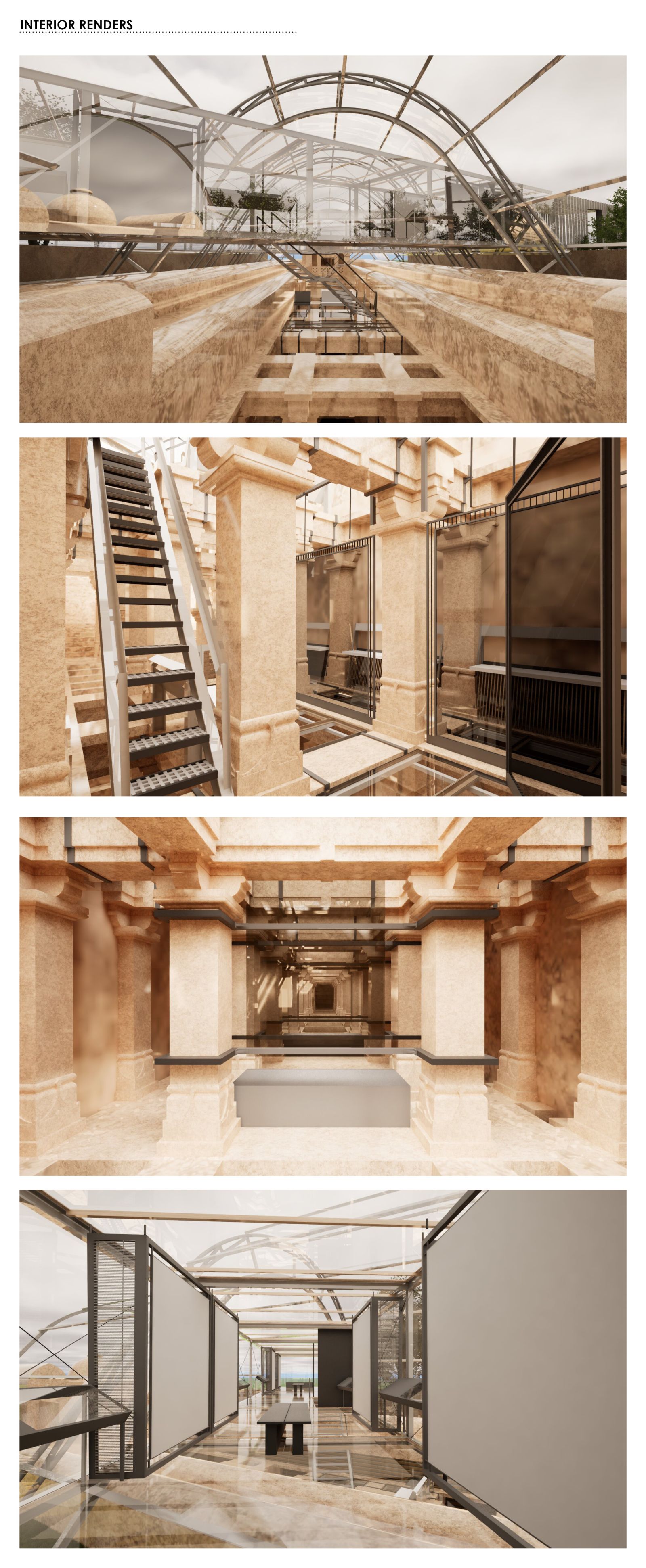
The Museum of Ancient Musical Instruments aims to extend the experiential journey of the Sevasi Stepwell by creating a new spatial layer that emerges both within and above the existing structure. Building on the sequence of gateways, steps, landings, and framed views that shape the descent of the stepwell, the design introduces a series of tunnels placed on a displaced version of the original grid, allowing visitors to move through a parallel yet contrasting path. These elevated corridors open access to the upper levels that currently remain disconnected, letting visitors catch glimpses of the historic stepwell while experiencing a different materiality through lightweight metal frameworks and perforated panels. The new elements work with the existing ones by guiding movement, creating pause points, and framing views that reveal the depth and character of the stepwell. Through controlled light, sound, and texture, the museum extends the stepwell’s spatial rhythm, allowing the resonance of ancient musical instruments to interact with the layered architecture and providing a richer, multi-level journey that connects the past with a new contemporary experience.
View Additional Work