Nair Haripriya Sasikumar

UR2039

An Interval

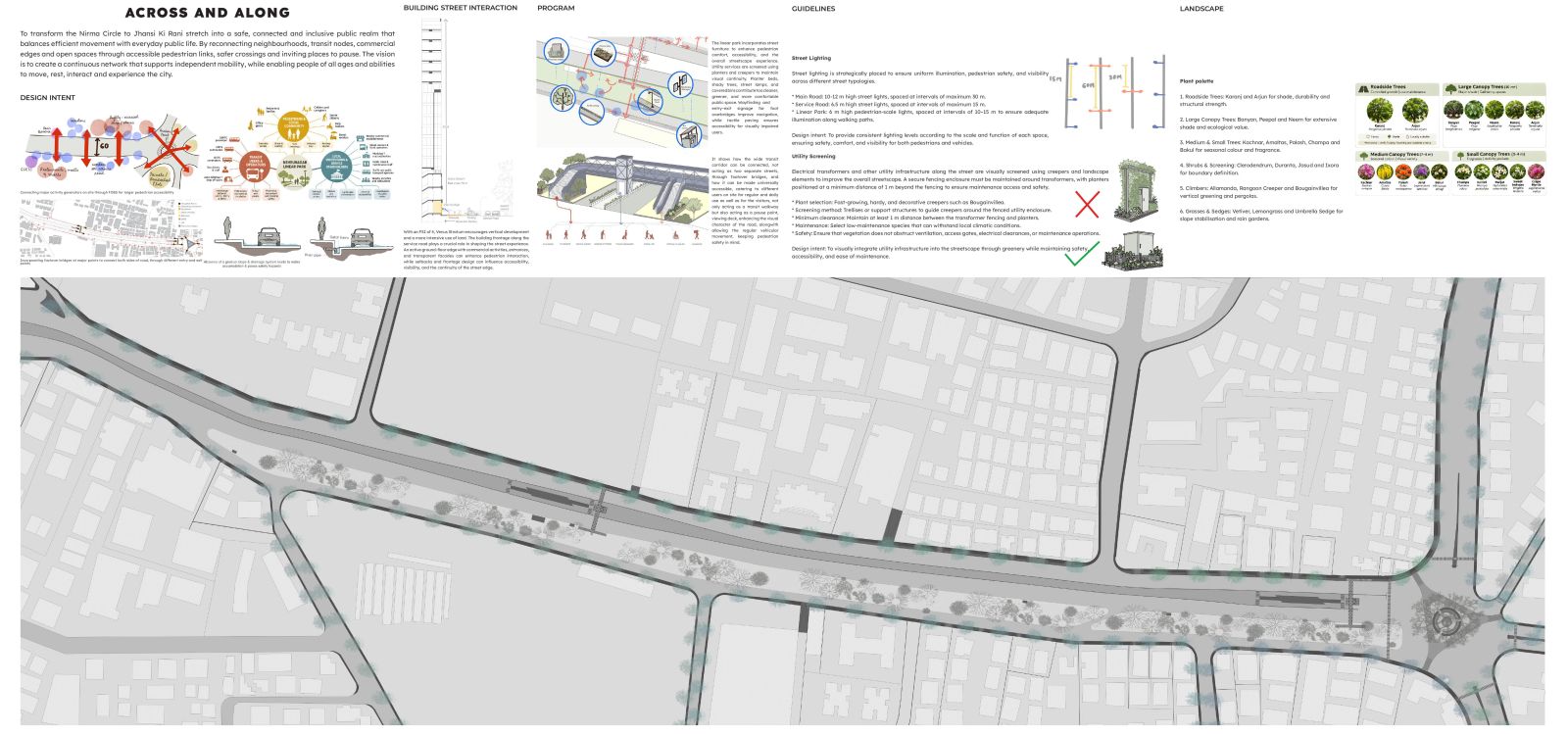
The project reimagines the stretch from Nirma Circle to Jhansi Ki Rani as a people-centric urban corridor that balances movement, accessibility, and everyday life.
Through street redesign and a linear park, it reconnects fragmented pedestrian networks, improves safety across vehicular edges, and creates inclusive spaces for people of all ages and abilities. The design explores rhythm, connection, separation, and choice through landscape, movement, pause, and play; transforming an overlooked urban stretch into a space that is not merely passed through, but experienced, occupied, and shared.
Report Content

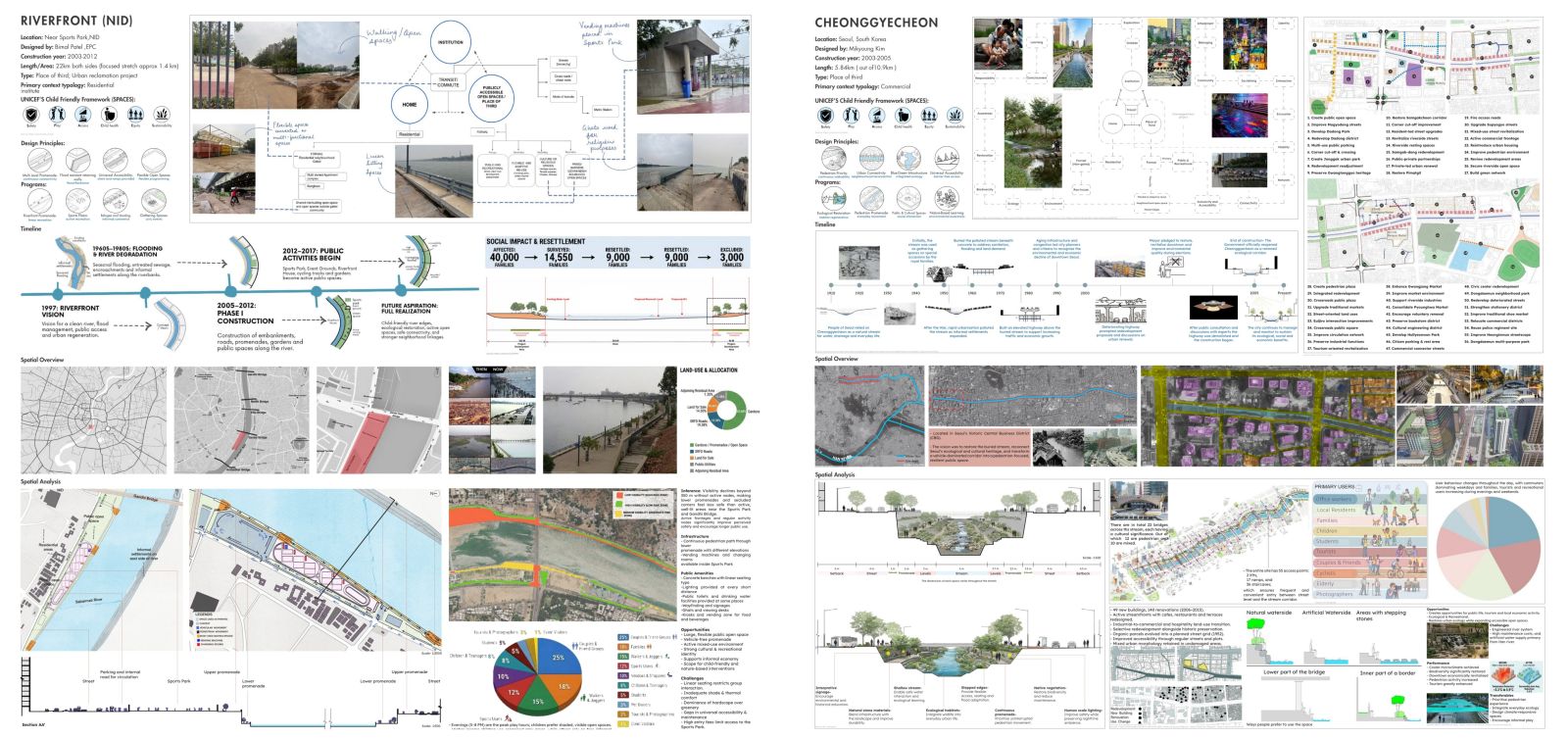
Looking at NID Plaza and Cheonggyecheon helped me understand how public spaces can change the way people experience a city. Although very different in scale and context, both examples made me look beyond the physical design and pay attention to how people use these spaces, what draws them in, and how movement and everyday activities become part of the place.

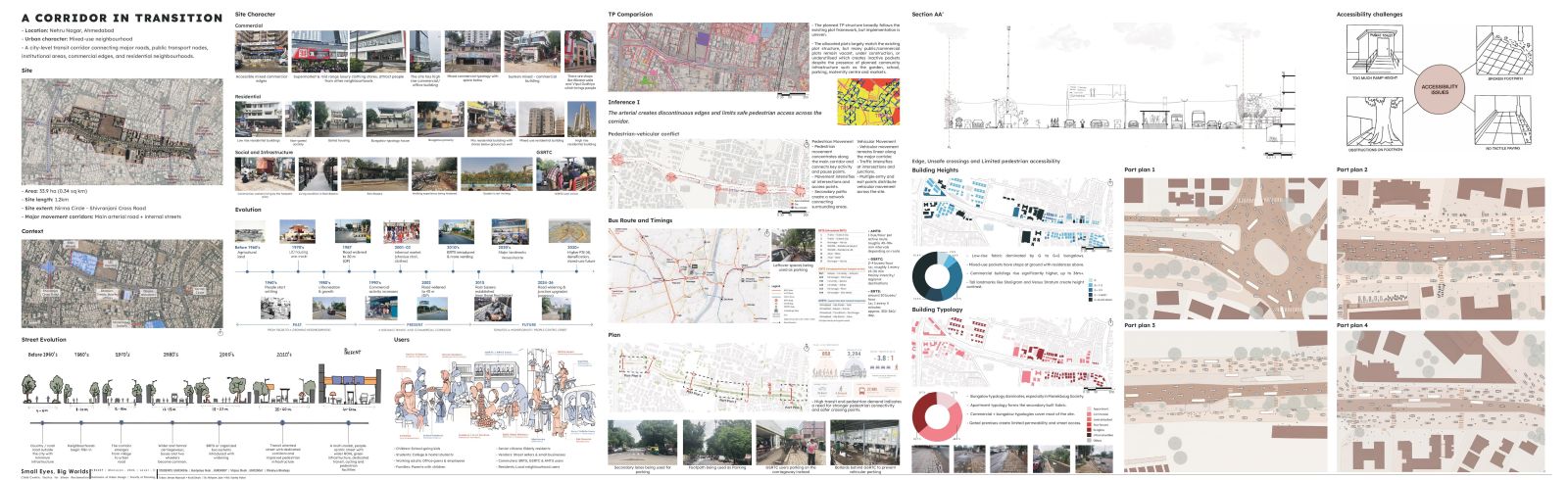
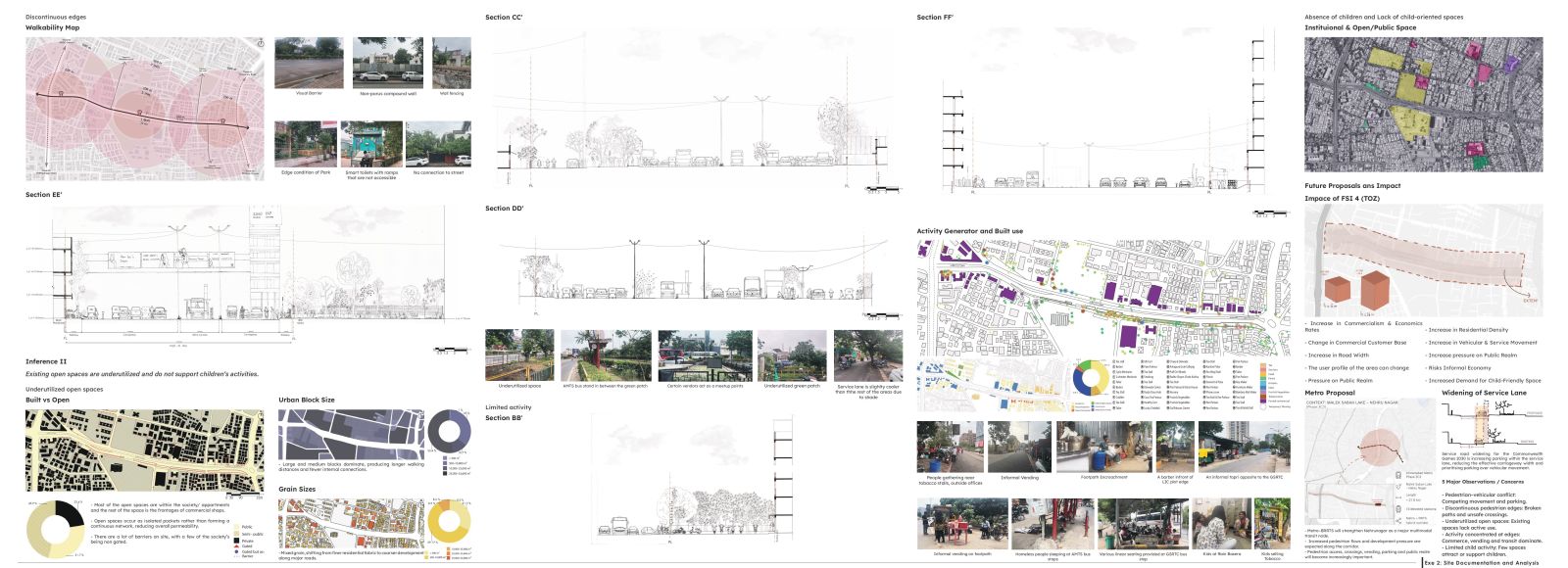
The site visit made me realise how different a place can be from what it first appears to be on a map. Walking through the area, observing its activities, and documenting its streets and surroundings helped me notice the everyday details that often go unnoticed; how people move, where they stop, what gets in their way, and how they adapt to the spaces available to them.

Putting the observations together helped me see that many of the site's problems were connected rather than isolated. Issues of movement, accessibility, safety, and the availability of public space influenced one another and affected different users in different ways. The analysis helped me understand not just what was missing from the site, but why these gaps mattered in people's everyday lives.

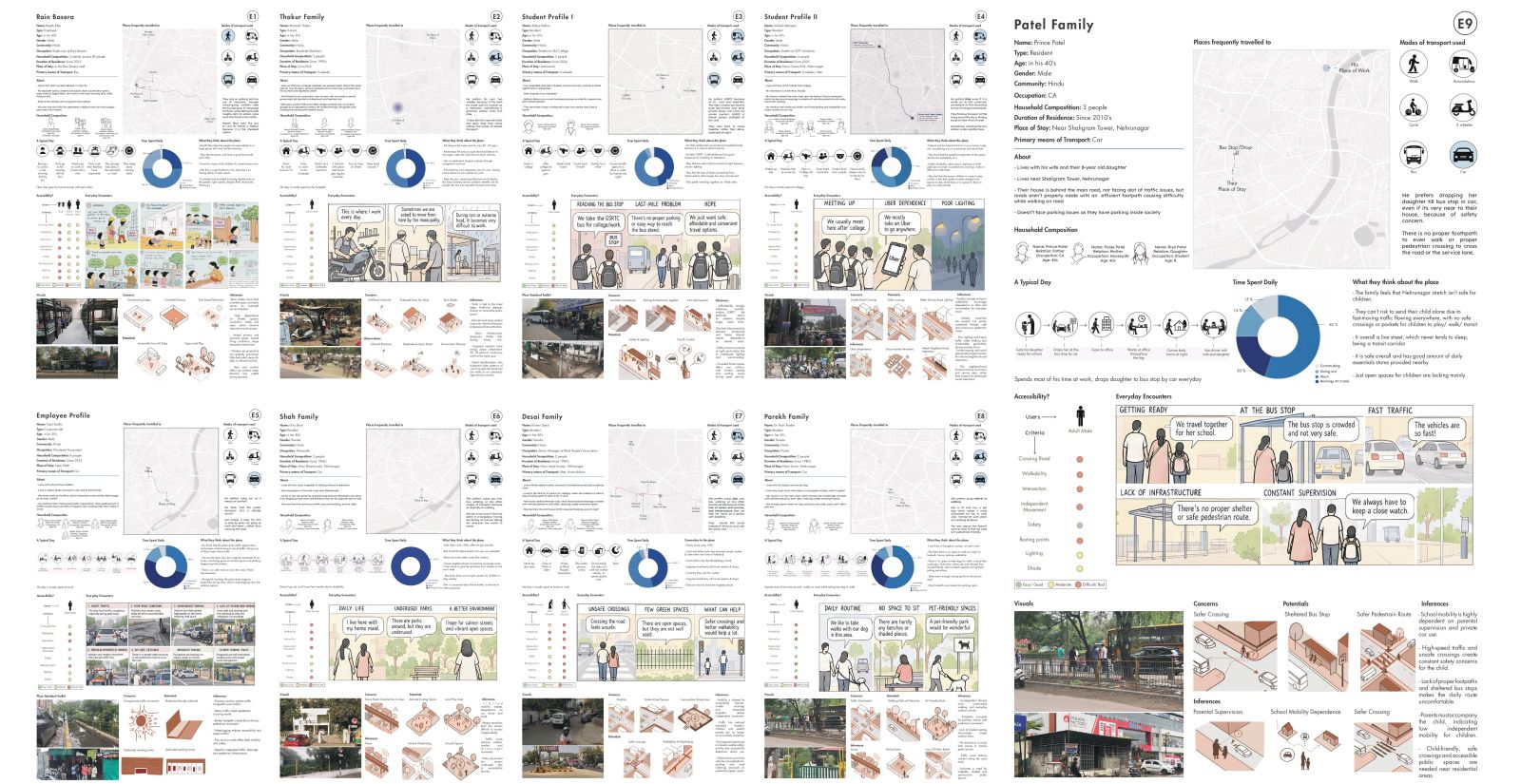
The conversations and interviews gave me a perspective of the site that drawings and observations alone could not provide. Listening to residents talk about their routines, experiences, and challenges helped me understand how differently people relate to the same place. It also made me realise the importance of listening before forming conclusions about a community or deciding what a space needs.

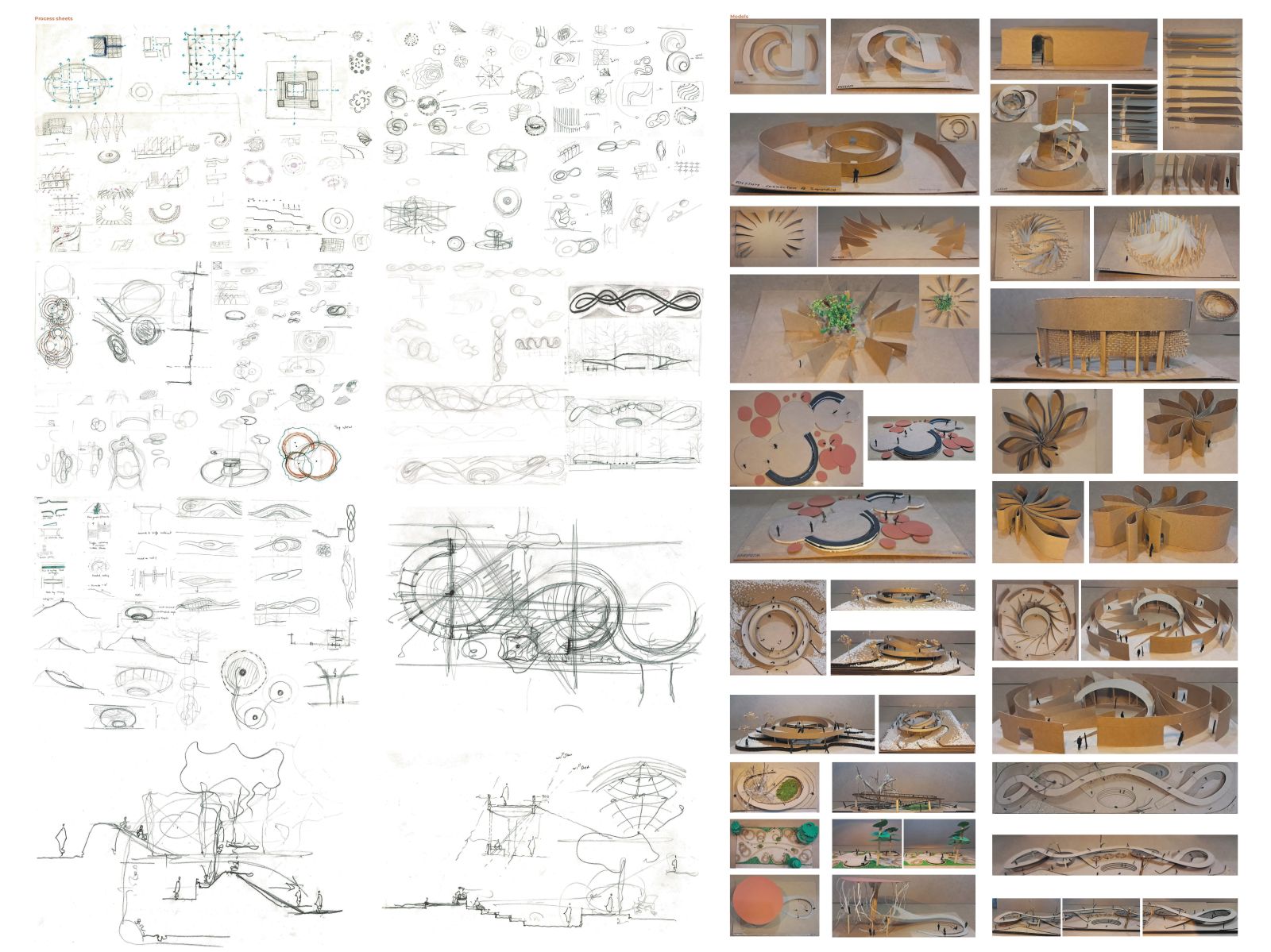
This stage was about understanding rhythm beyond simply repeating forms. Through sketches and physical models, I explored how intervals, variations, and spatial arrangements could create different experiences of connection and separation. I began to see how spaces could guide movement, create pauses, offer opportunities to interact, or provide moments of retreat, without necessarily relying on built structures.

Working on the group masterplan helped bring the different layers of the site together. It made me think about the project beyond individual interventions and consider how streets, junctions, open spaces, and neighbourhood connections could work as part of a larger network. The focus was on making the public realm more continuous and usable, rather than treating each space as an isolated design problem.

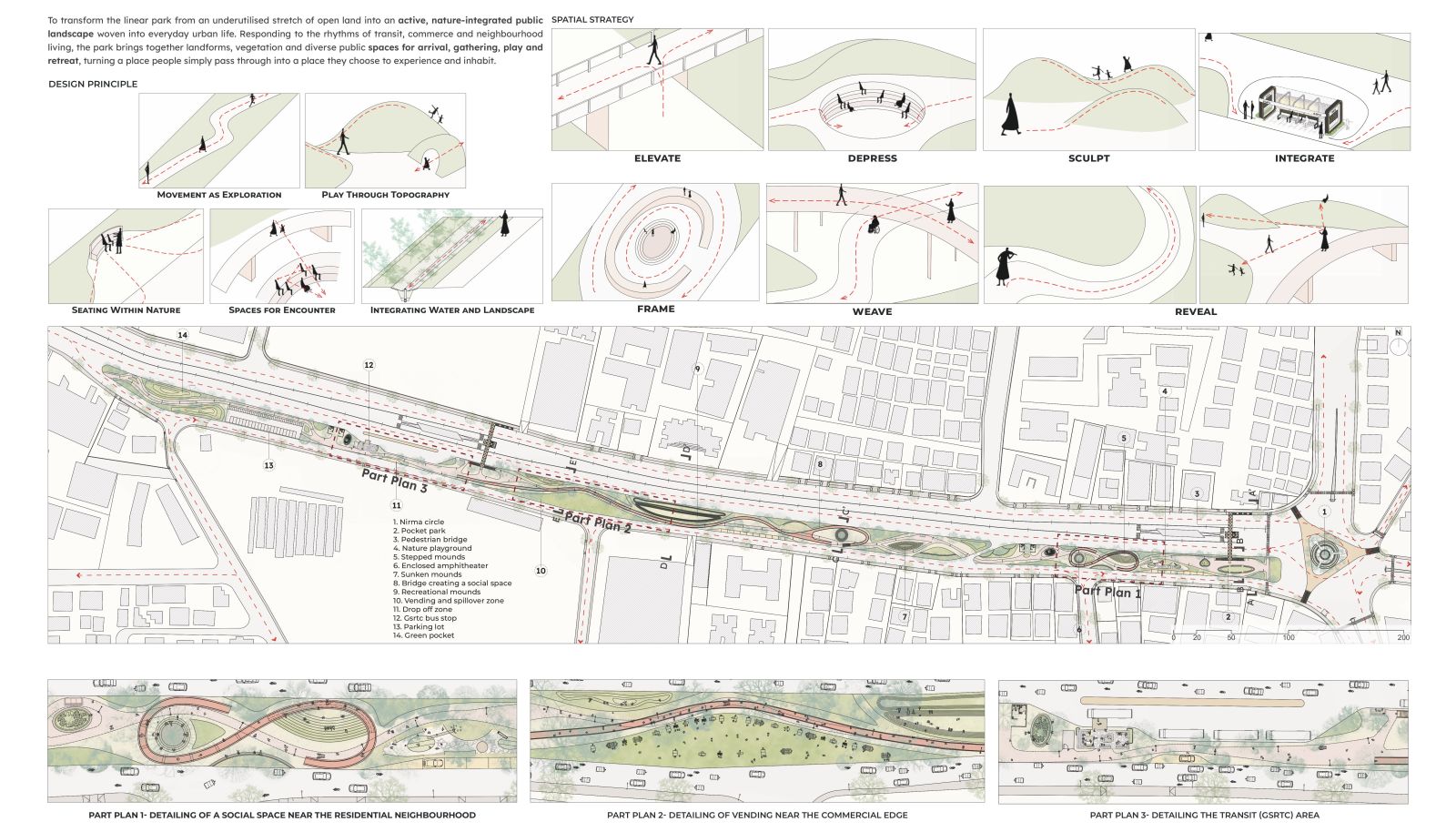
The individual proposal was where I began translating my understanding of the site and my explorations of rhythm into an actual spatial design. I worked with movement, levels, landscape, and activity zones to create spaces that could support different ways of using the park and street. The process made me think about how a design could accommodate both movement and the everyday moments when people simply want to sit, play, meet, or spend time outdoors.

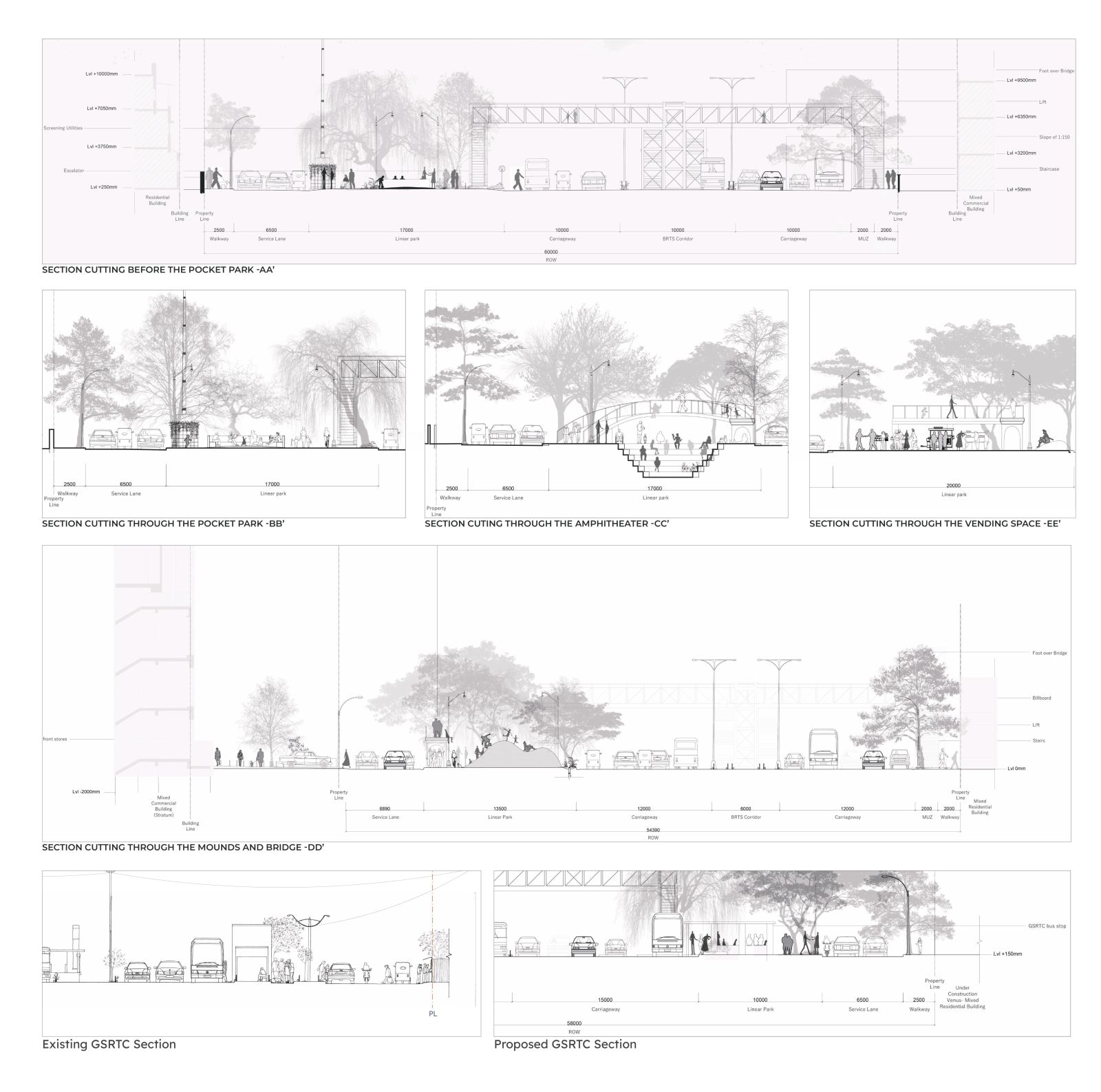
The sections helped me understand the design in a way that the plan alone could not. They allowed me to explore how changes in level, pathways, slopes, planting, and seating would come together at the human scale. I could begin to see how someone would actually move through and experience the spaces, and whether the proposed arrangements would work beyond the drawing.

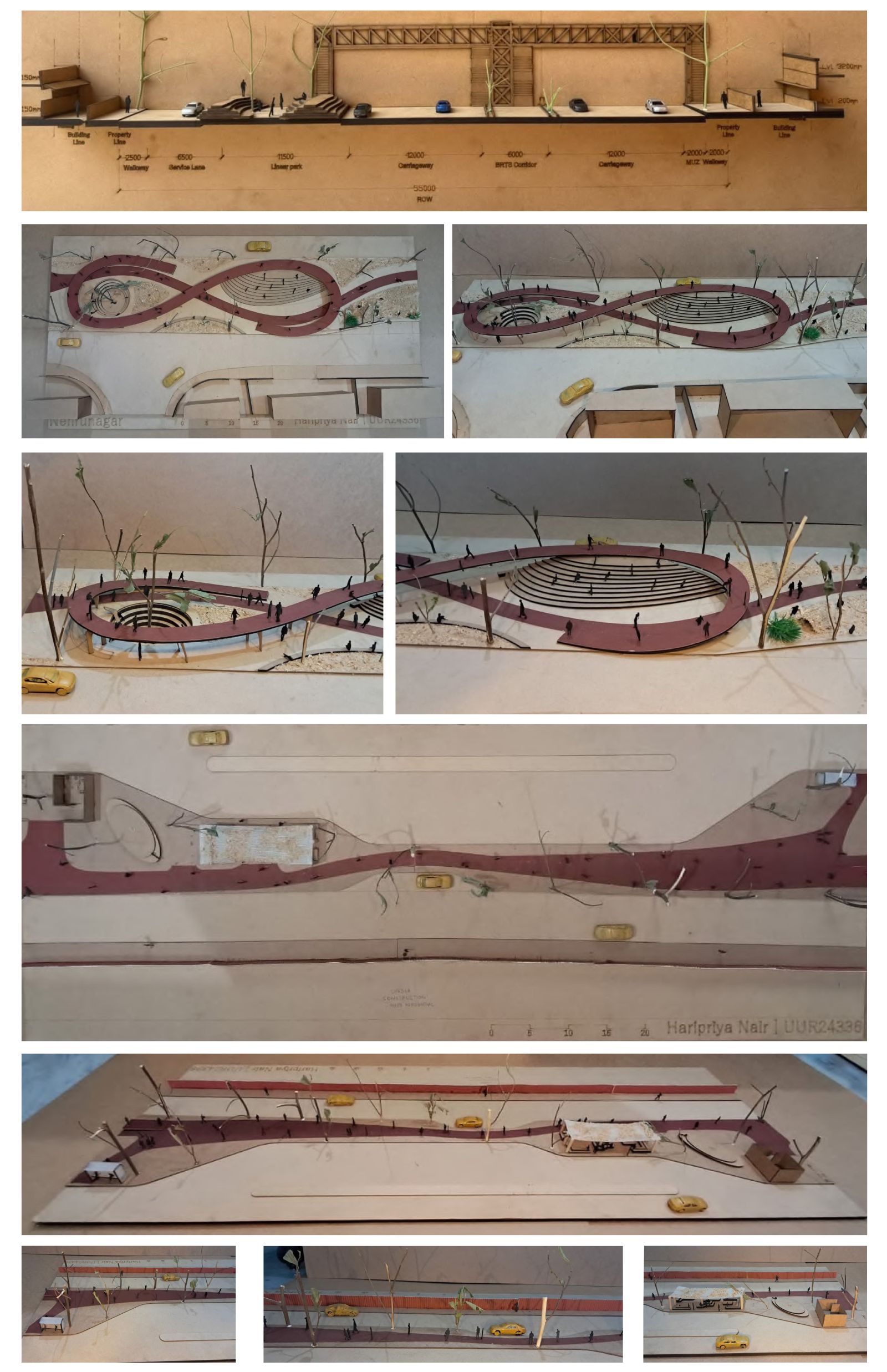
Building the physical model helped me see the proposal as a three-dimensional space rather than a composition of lines and drawings. It brought out the relationships between the different levels, landscape elements, pathways, and activity spaces, making it easier to understand how the spaces connect and how the overall intervention would be experienced.

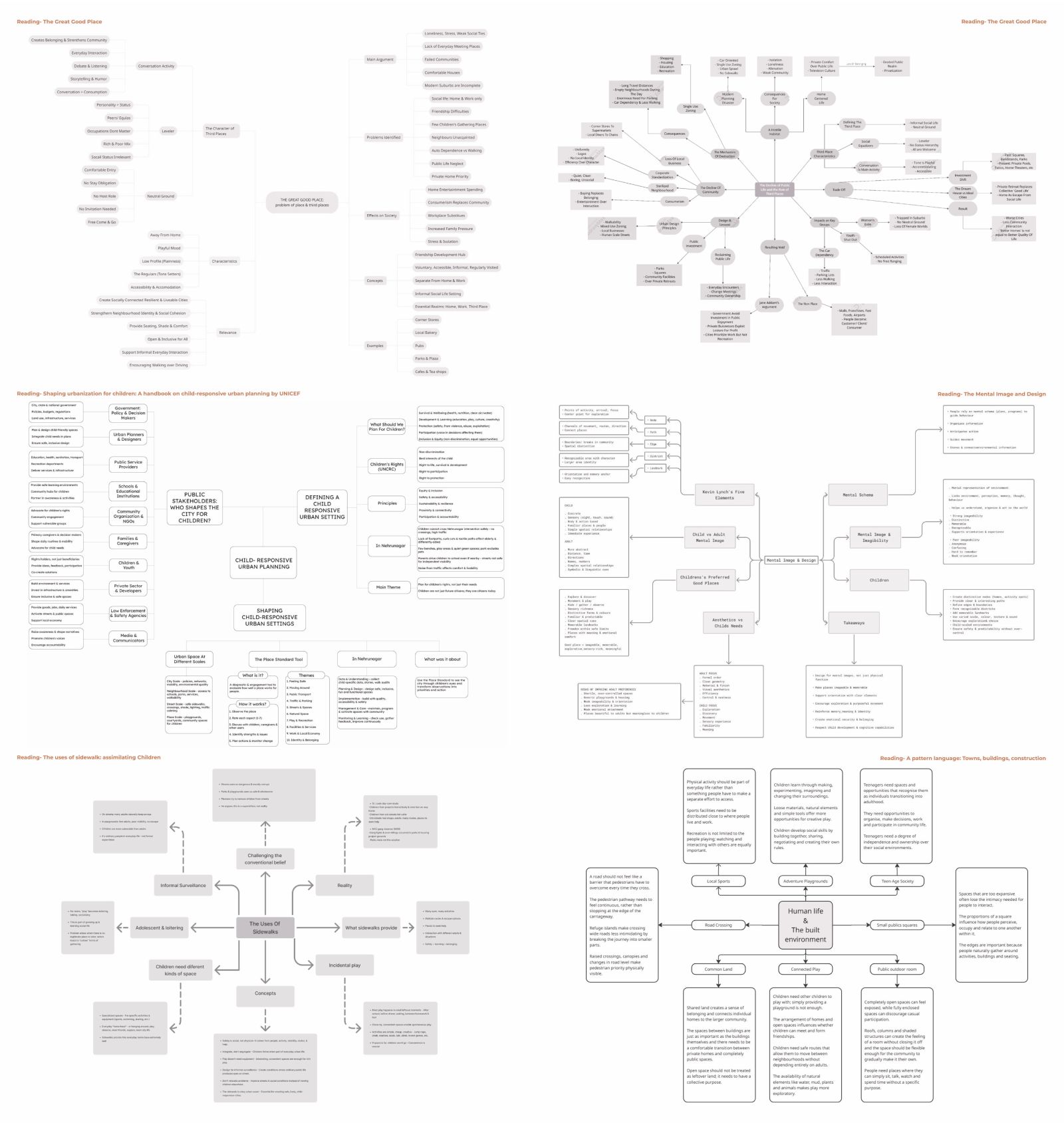
The readings introduced me to ideas that extended beyond the immediate site and challenged the way I understood people and urban environments. Making mind maps and reflecting on the chapters helped me connect these ideas with things I had observed during fieldwork and the studio. Some of the concepts gave me a different way of looking at familiar situations, while others helped me question assumptions I had initially taken for granted.

Project Video