Kaustubh Sreevathsan

HH-4 Agents

Meaning of Place, Experience of Space

“We do not see space, we experience it.”- Maurice Merleau-Ponty
Architecture is not merely a visual construct but an extension of human existence, identity, and perception. Space is never neutral and is inhabited through our senses. The built environment can ground us in place and evoke emotion. While modern practice often reduces architecture to efficiency or image, thinkers like Christian Norberg-Schulz and Juhani Pallasmaa sought deeper purpose. Schulz examined place, context, and symbolism, while Pallasmaa emphasized sensory experience. Together, they remind us that dwelling means engaging with space. Click here to read more

Report Content

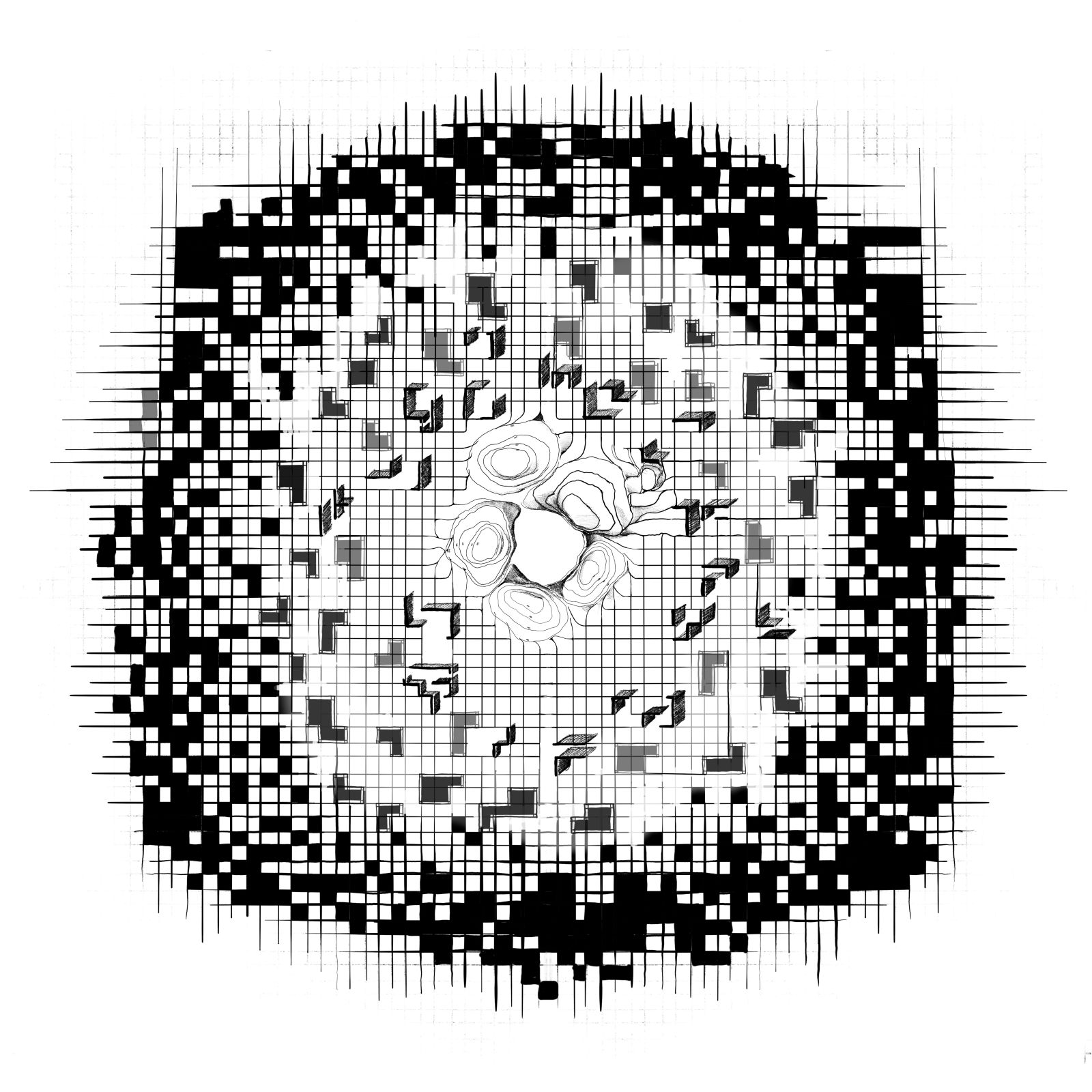
The illustration traces the multifaceted influences and equential stages involved in the development of Planetveien 14, alongside the personal and professional evolution of Christian Norberg-Schulz. The outermost ring represents the post-war context, characterized by a focus on mass housing and spatial scarcity. Progressing inward, the concentric bands gradually open up to reveal the emergence of experiential architectural spaces. At the core, the illustration is shaped by contours that symbolize the centrality of place and locality- fundamental concepts in Norberg-Schulz’s architectural philosophy.

The illustration above depicts the influences in the lives of Juhani Pallasmaa and Christian Norberg-Schulz, wherein the post war climate brought about a strong wave of rationalism and functionalism, which formed a base for the above two architects to build on their architectural ideologies. While Pallasmaa adopted a more organic style derived from sensorial and environmental cues, Schulz reinforced the strong modular and grid-like organisation of space.