Your browser is out-of-date!
For a richer surfing experience on our website, please update your browser. Update my browser now!
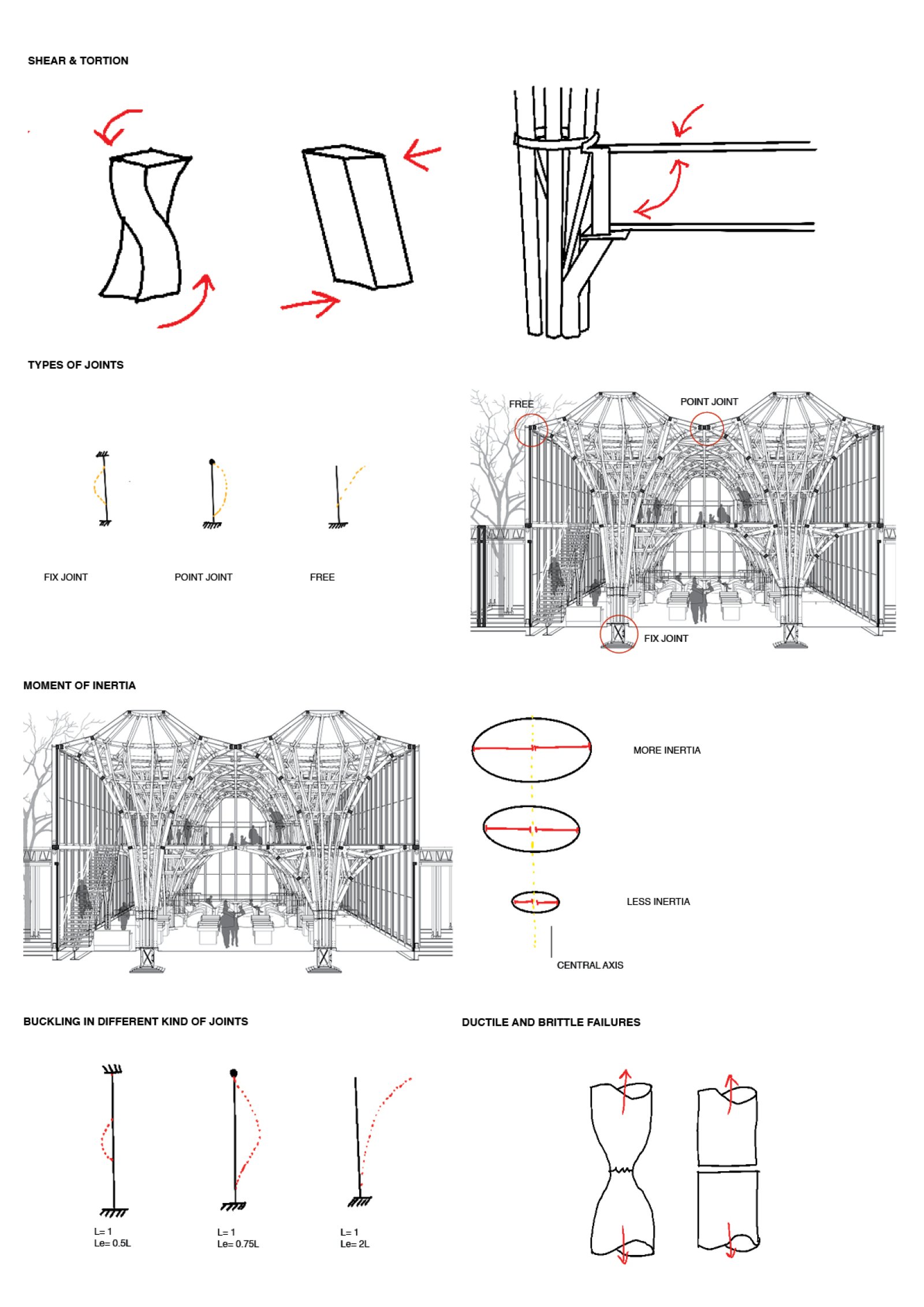
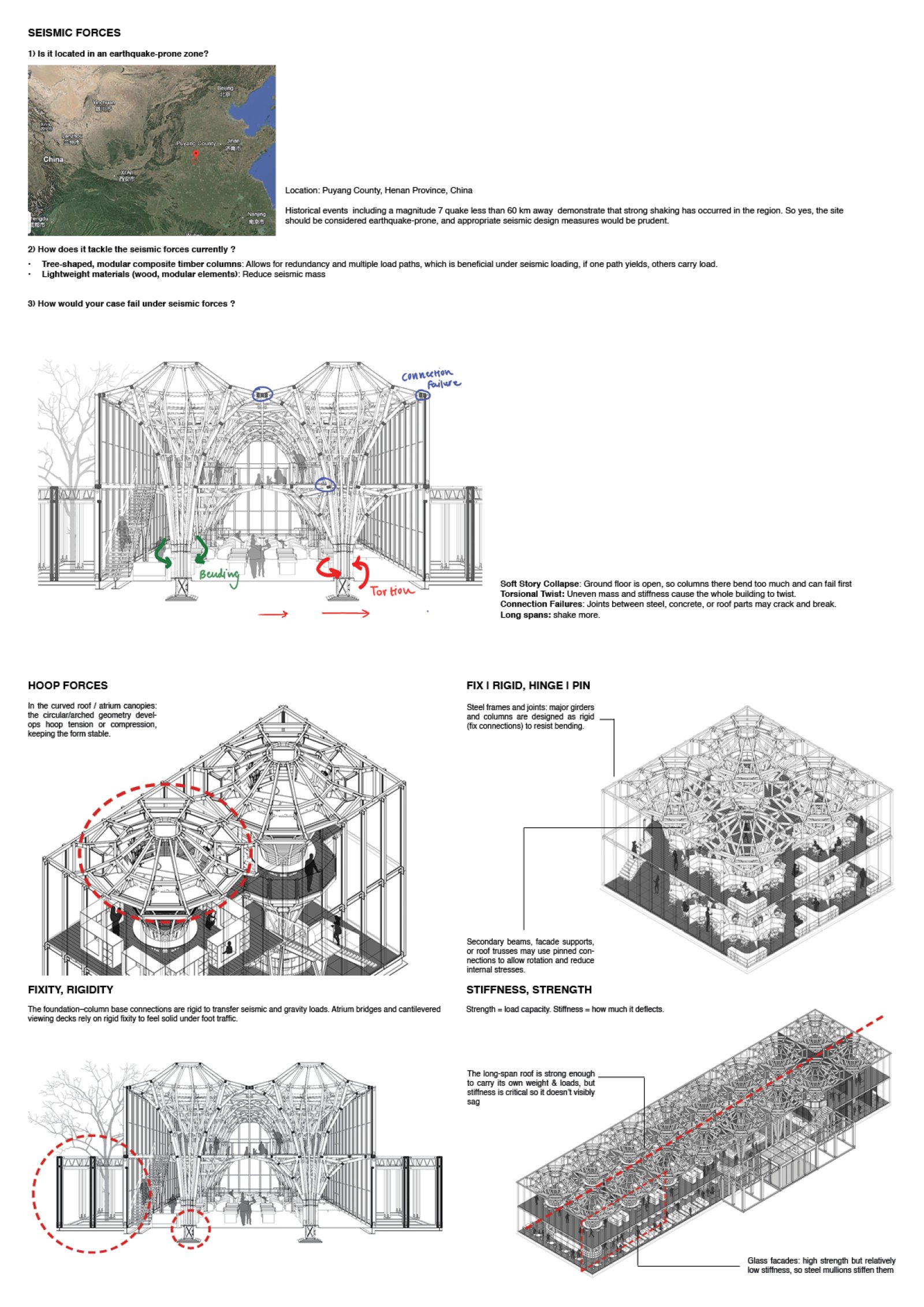
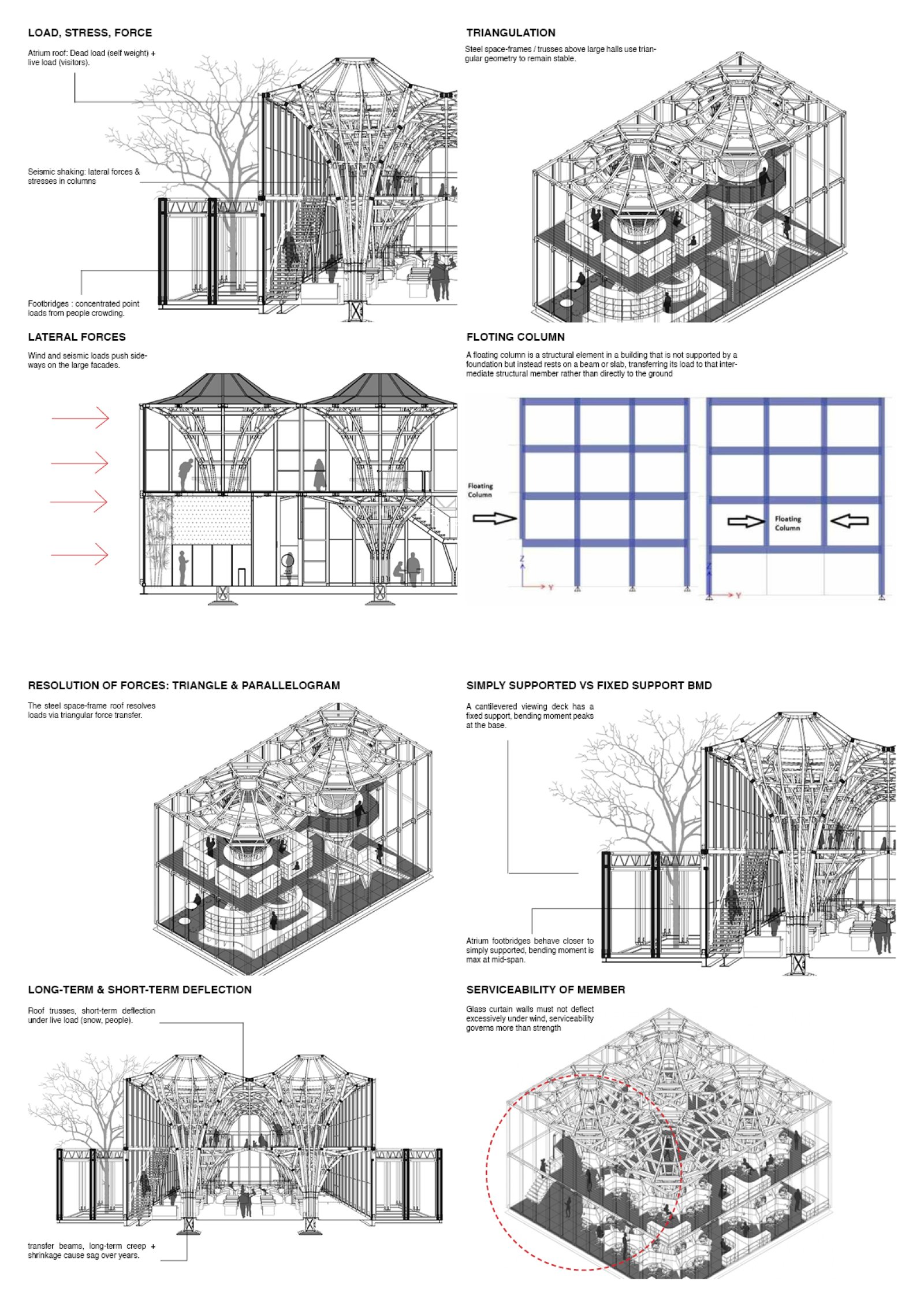
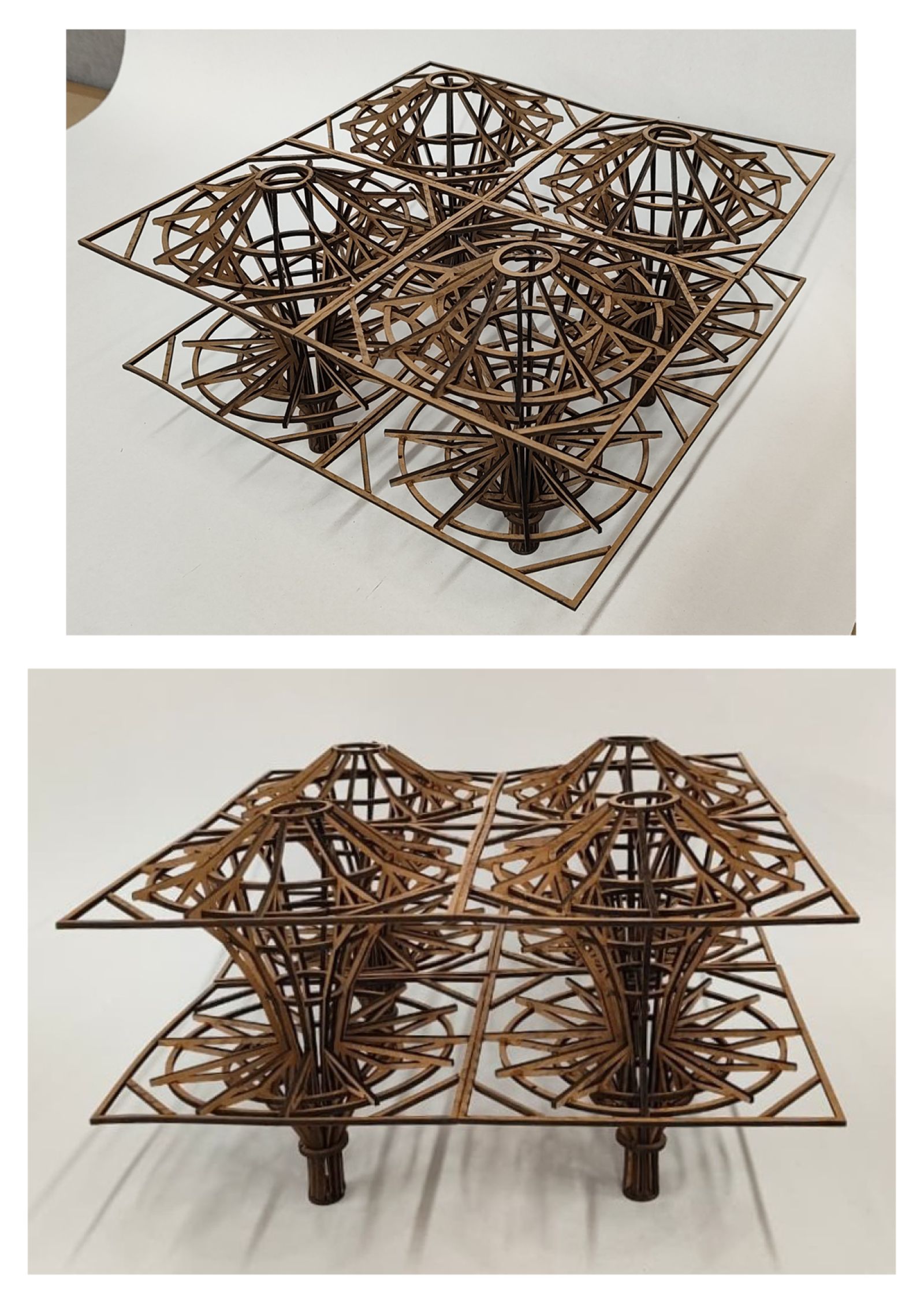
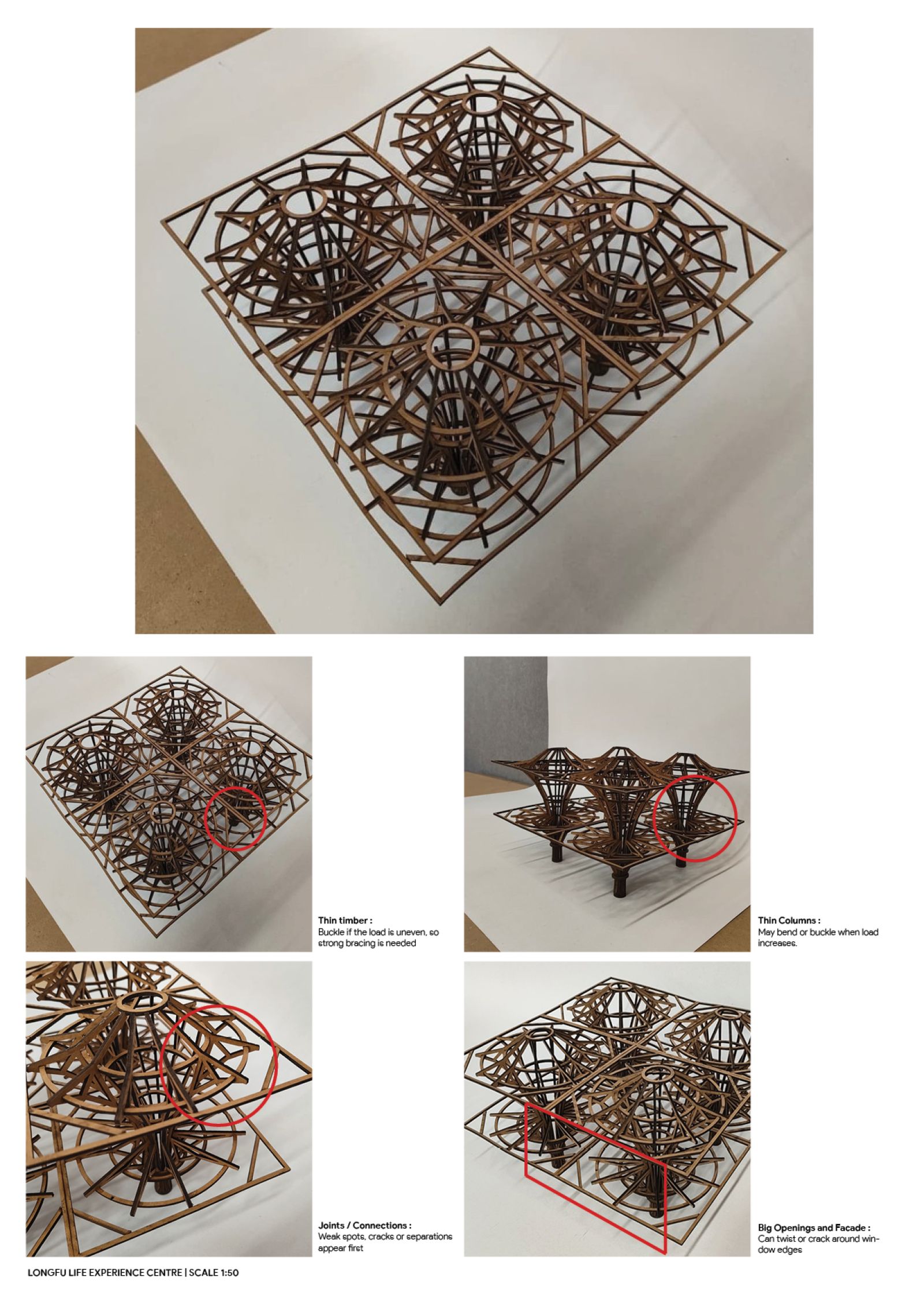
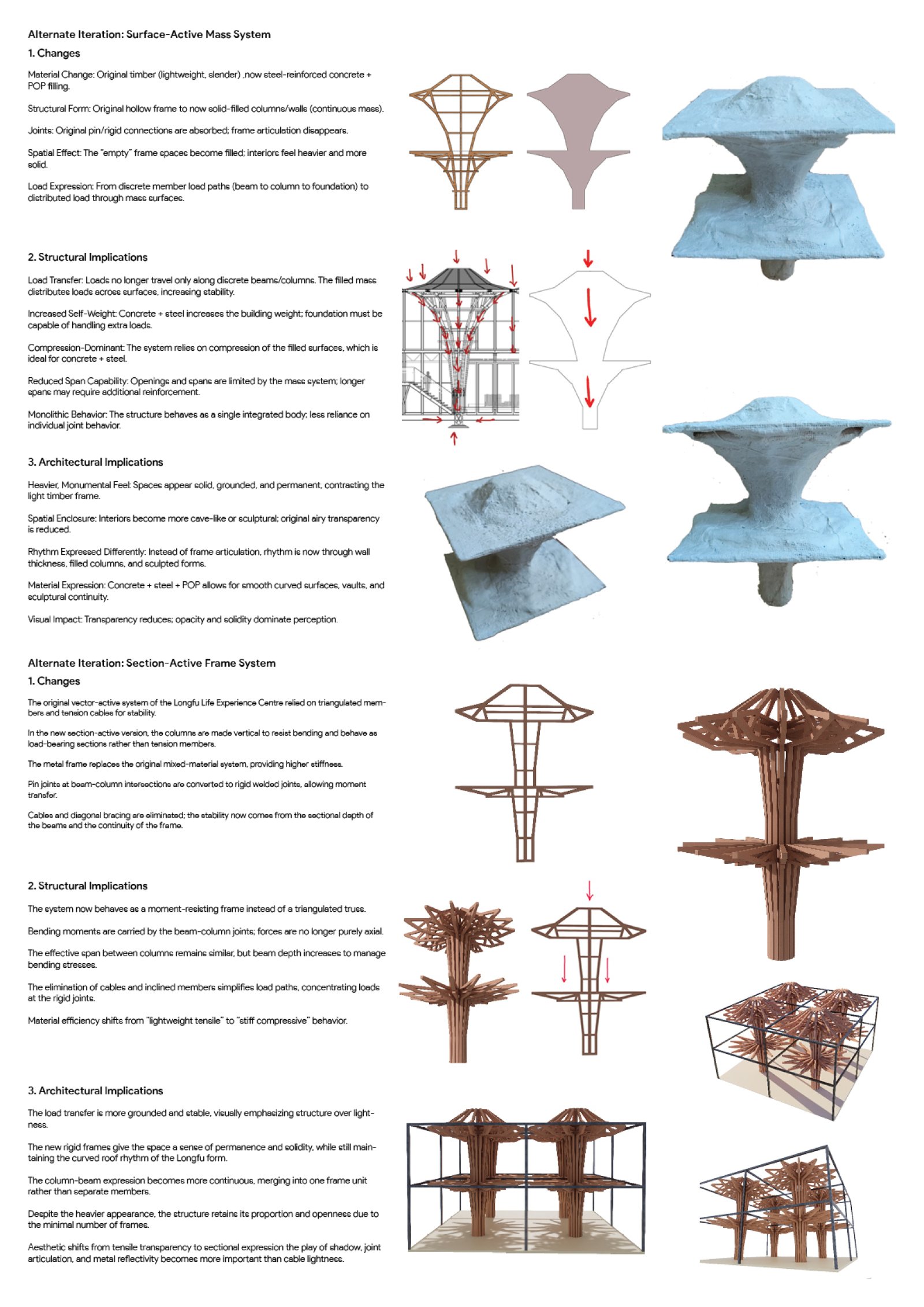
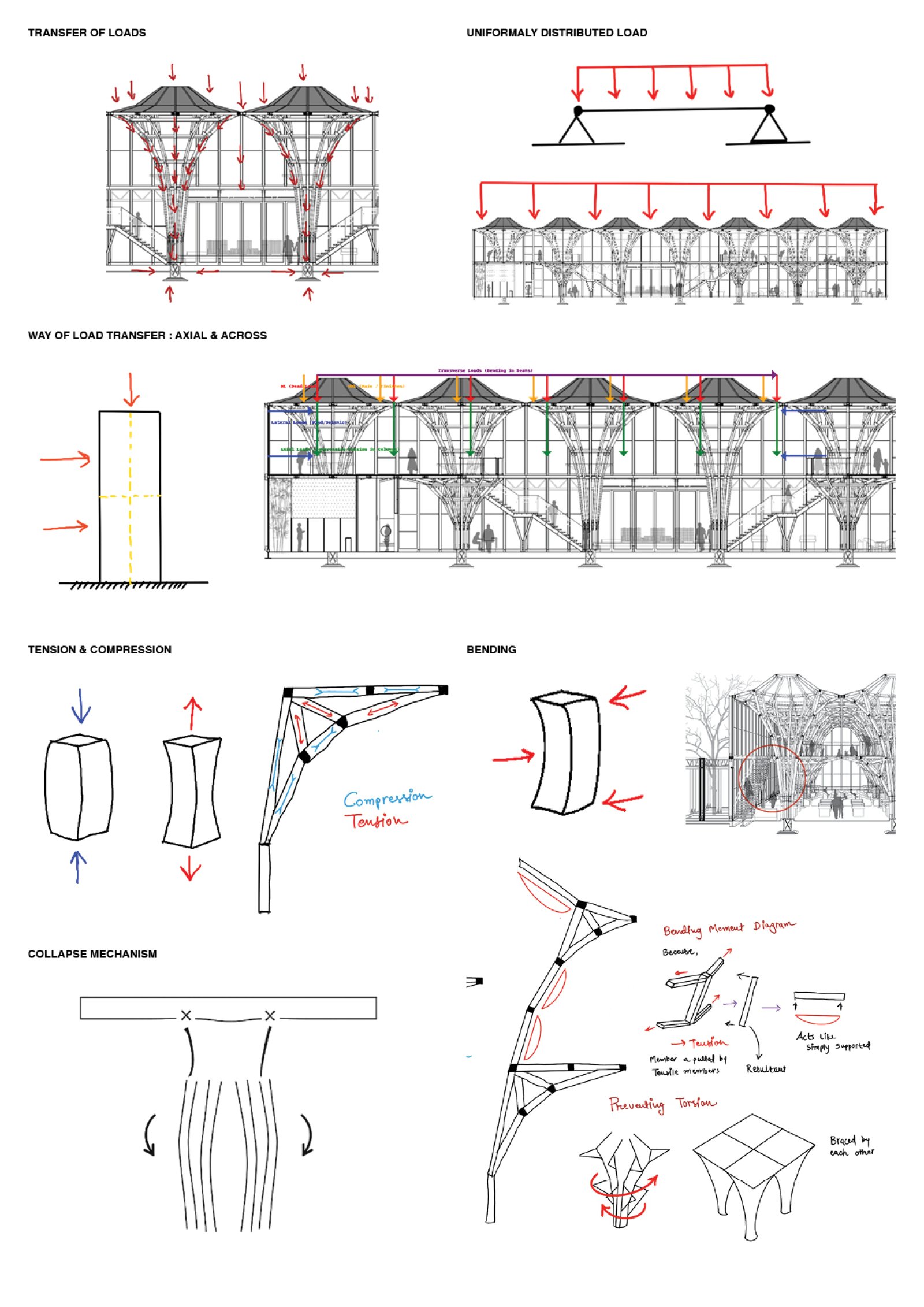
The structural study of the Longfu Life Experience Center examines how the building behaves under gravity, lateral, and seismic forces through a combination of physical models, analytical diagrams, and alternative structural iterations. Laser-cut timber models reveal the strengths and weaknesses of the existing canopy system, including thin buckling-prone members, sensitive column zones, and unstable façade edges. Diagrams further decode essential structural mechanicsload transfer, triangulation, bending, shear, torsion, buckling, and joint behaviour forming a clear understanding of how forces move through the system. A seismic assessment highlights risks such as torsional twist, soft-story effects, and weak connections, proposing strategies like rigid joints and improved stiffness distribution. Two alternate structural redesigns were also explored: a surface-active concrete steel mass system and a section-active steel moment-frame system, each demonstrating different load paths and spatial outcomes. Together, these studies create a comprehensive understanding of the Longfu structure, its vulnerabilities, and the potential for improved tectonic and seismic performance.