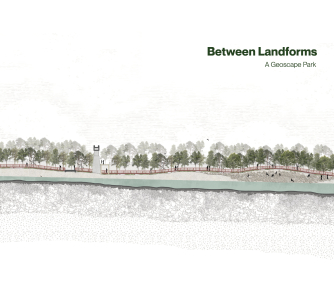
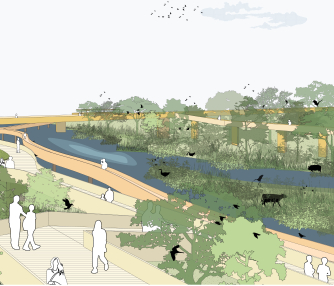
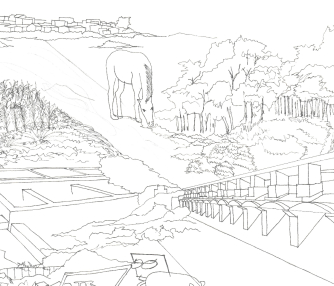
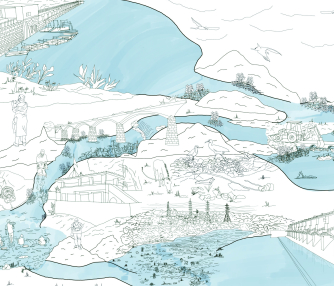
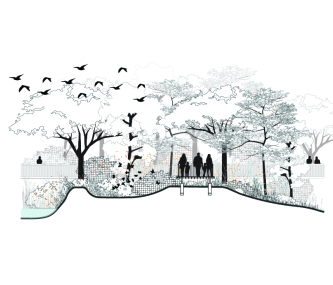
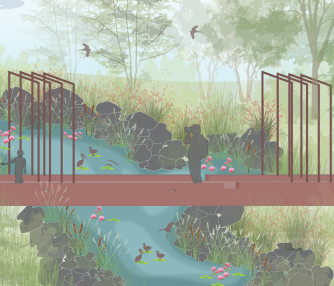
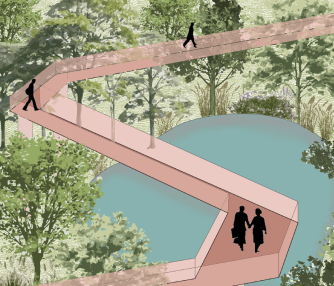
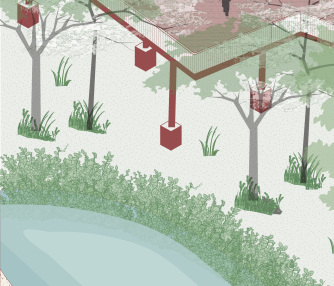
Natural riverfronts support complex ecologies that have evolved to flourish along the boundary between land and water. These ecologies adapt responsively to the seasonal changes to the river character to both floods and droughts. Traditional human settlements were also developed in response to these varying natural processes creating diverse points of interest and cultural association.
In India today rapid urbanization has resulted in extreme alteration to inhabited waterfronts. The highly engineered and homogenous nature of riverfront development no longer reflects the spatial condition of either natural or traditional responses to the riverine landscapes.
In this studio we explore the question: how to design responsive urban riverfronts that allows people to live in better relation with natural systems in urban areas?
Students will explore the challenges associated with sustaining natural systems while designing for modern day waterfront living. The studio will combine group and individual projects including: Longitudinal study of the river system; developing explorative design strategies and individual master-plan proposals.
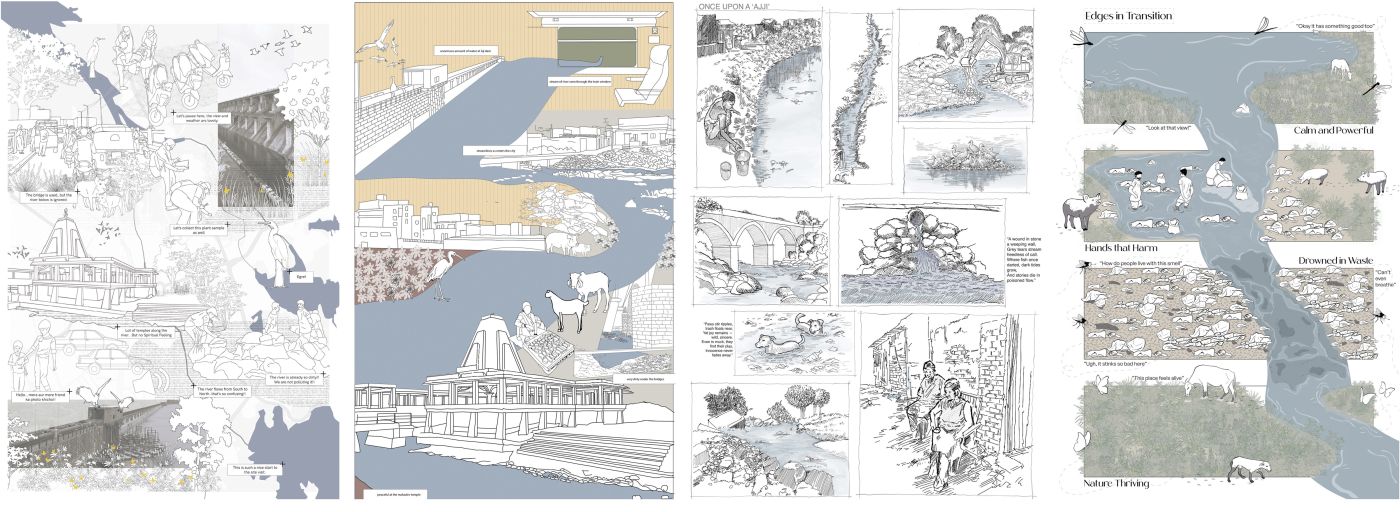
Stage 1: LANDING_TRANSECT STUDY - Observing and recording first impression of site (along Aji river, Rajkot, Gujarat).
Stage 2: GROUNDING_Regional study - Observing existing secondary literature and reading cartographic maps and TRANSECT STUDY - Observing existing documents and recording on-site conditions (along Aji river, Rajkot, Gujarat).
Stage 3: FINDING AND FOUNDING - analysis of recorded data and finding inference (along Aji river, Rajkot, Gujarat).
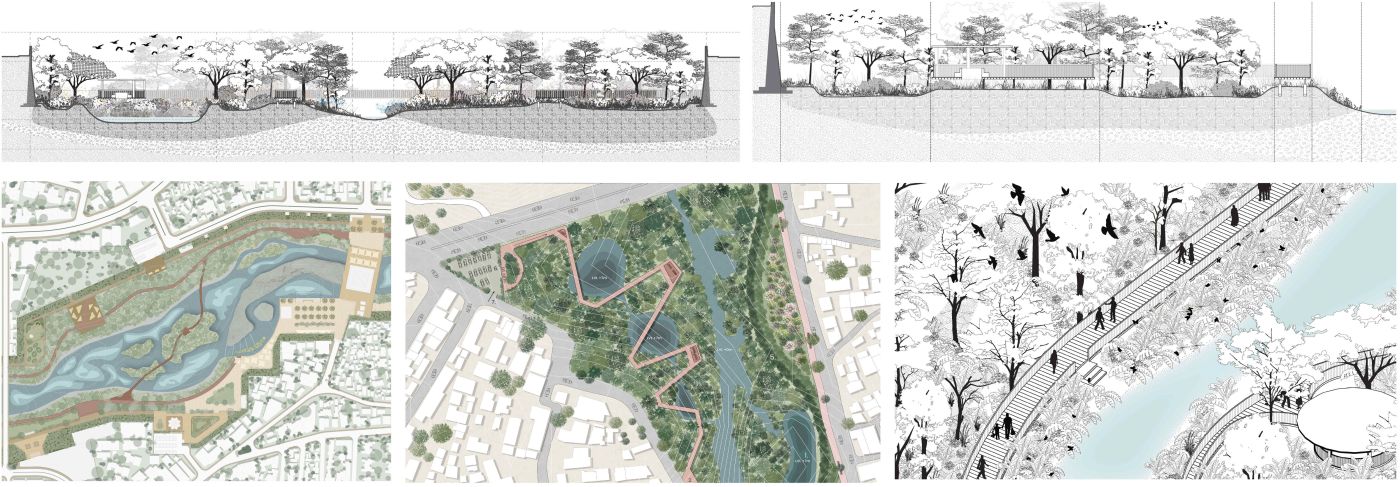
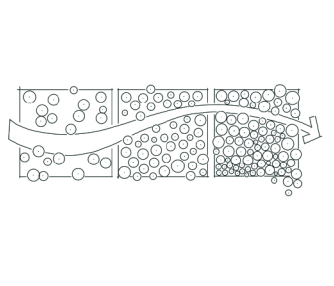
Stage 4: DESIGN STRATEGIES - collective investigations and interventions (along Aji river, Rajkot, Gujarat).
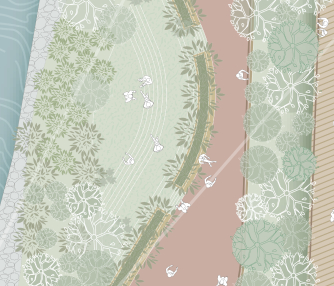
Stage 3: Individual detailed part plans - design proposal (along Aji river, Rajkot, Gujarat).