Your browser is out-of-date!
For a richer surfing experience on our website, please update your browser. Update my browser now!
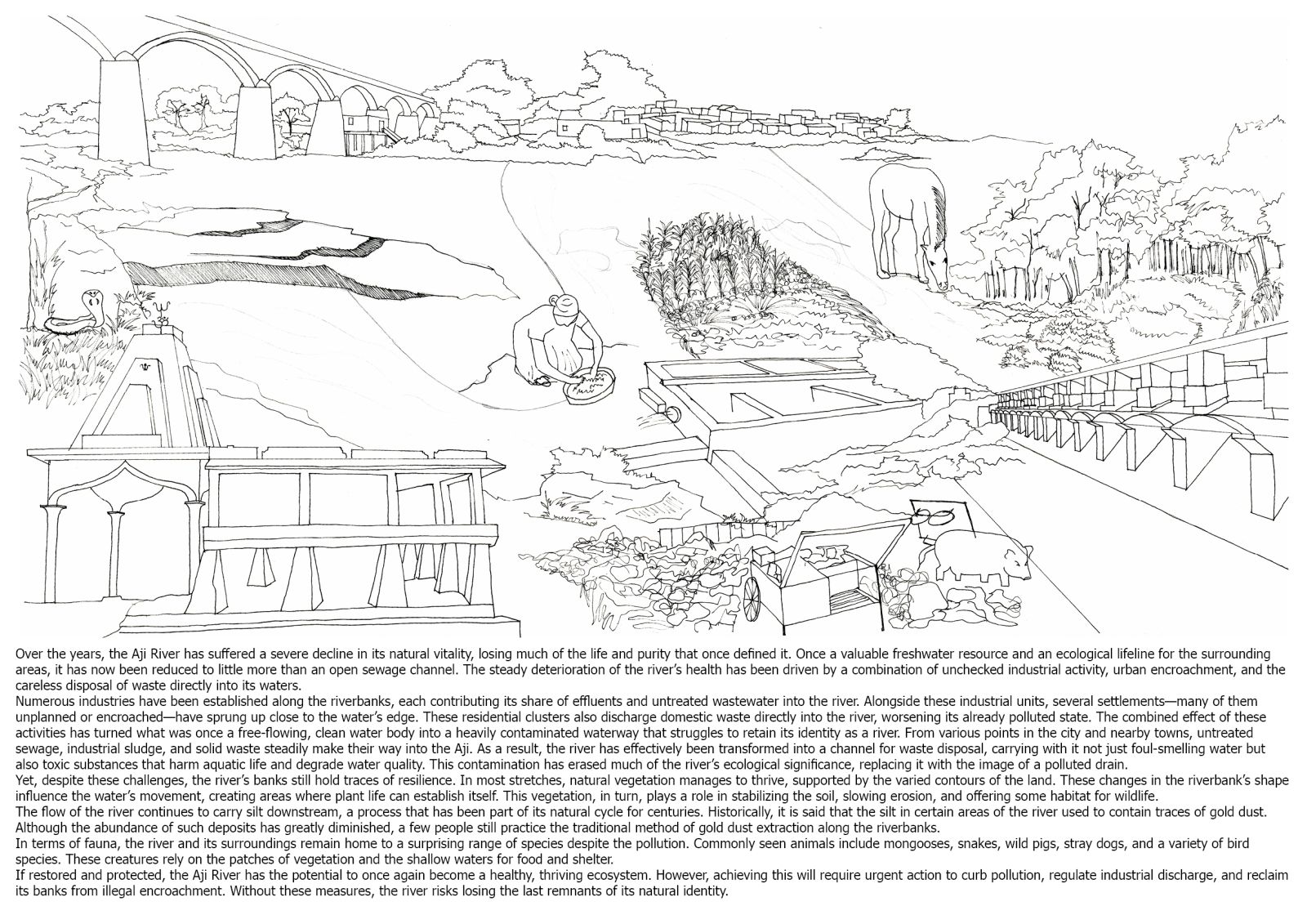
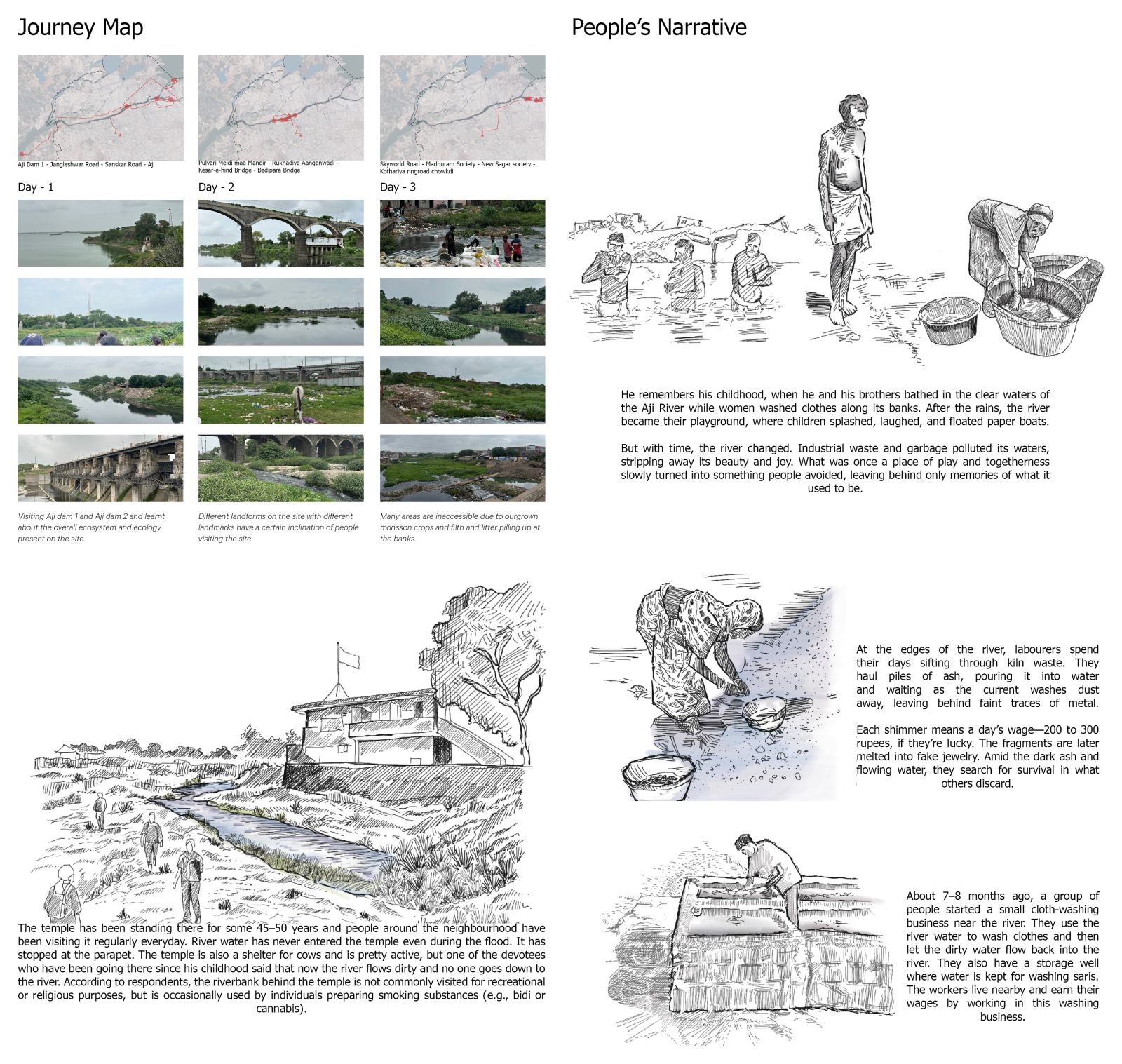
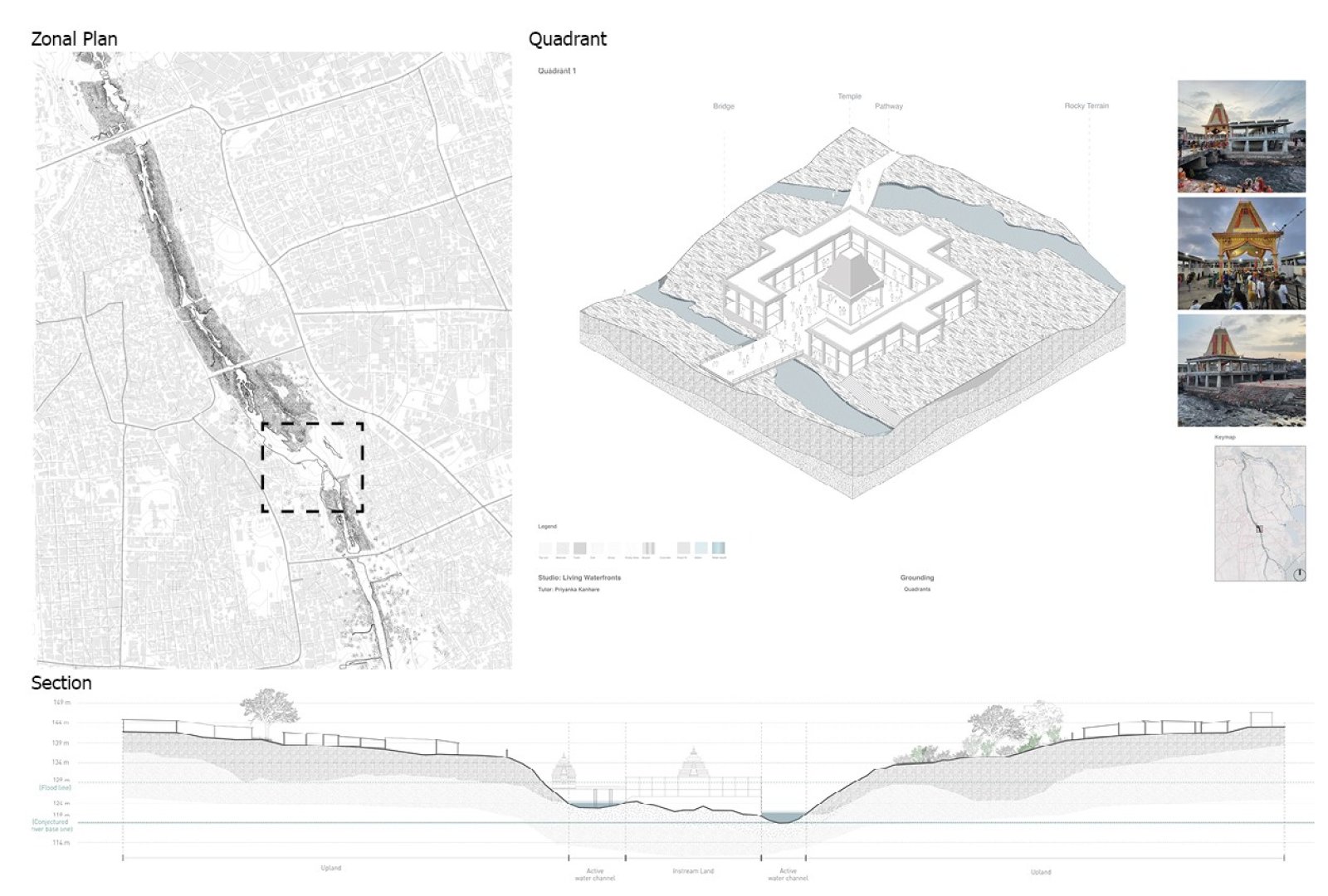
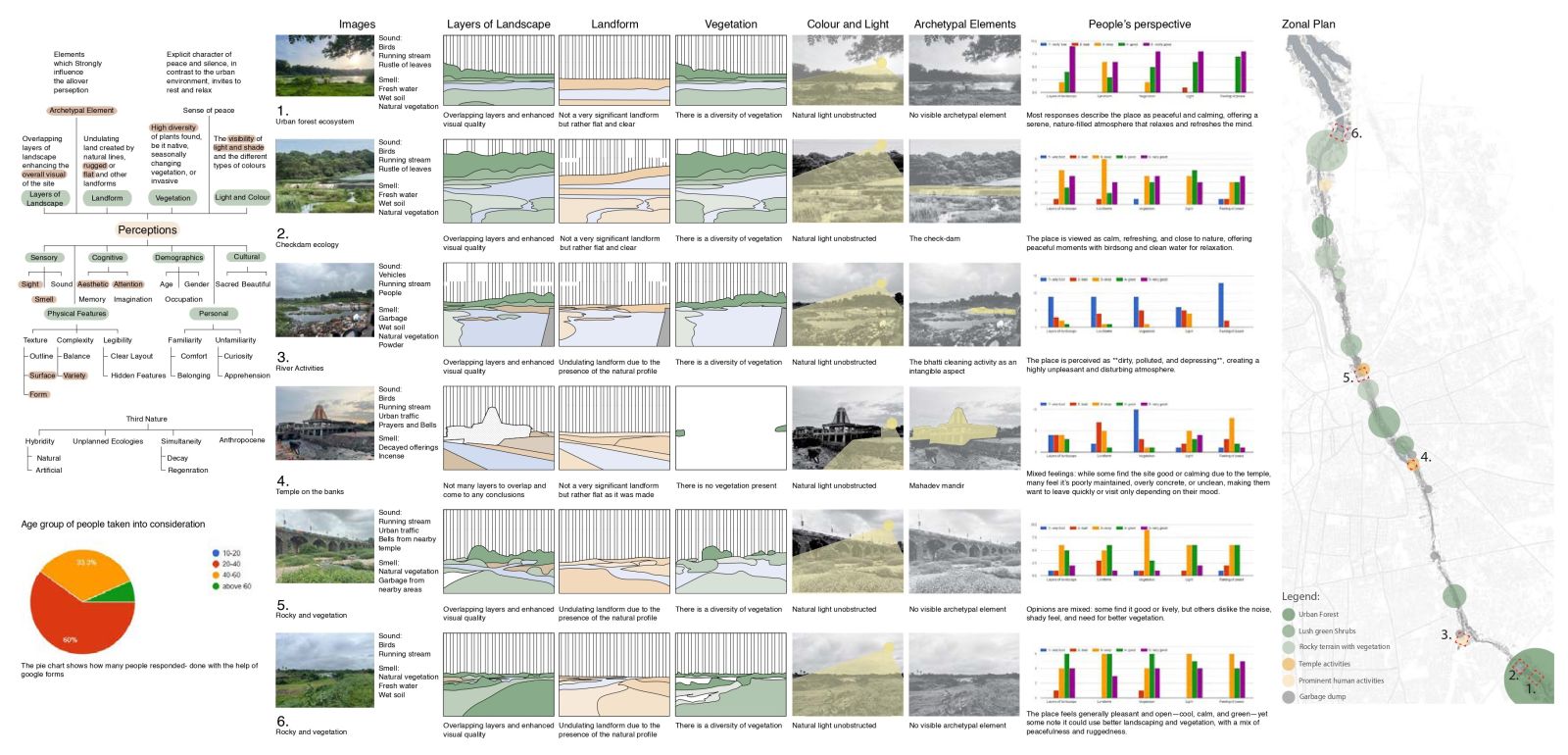
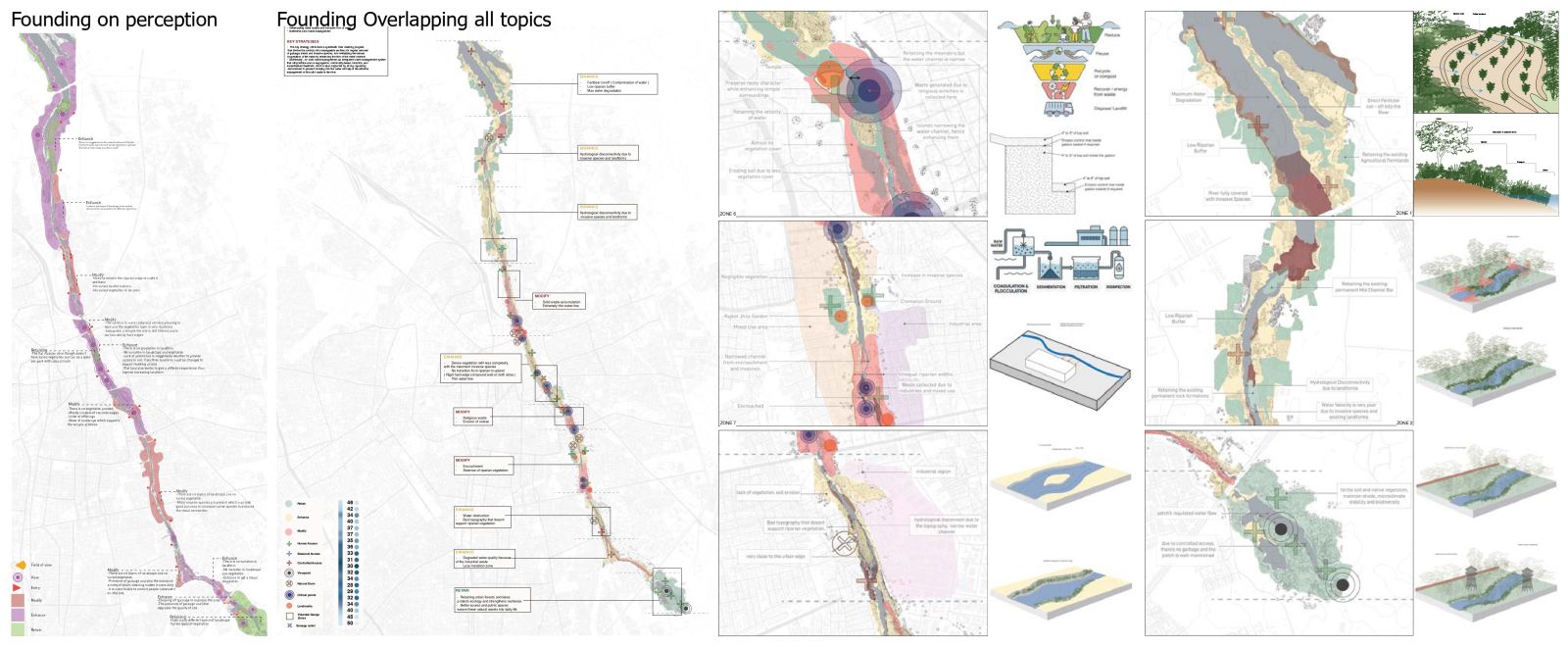
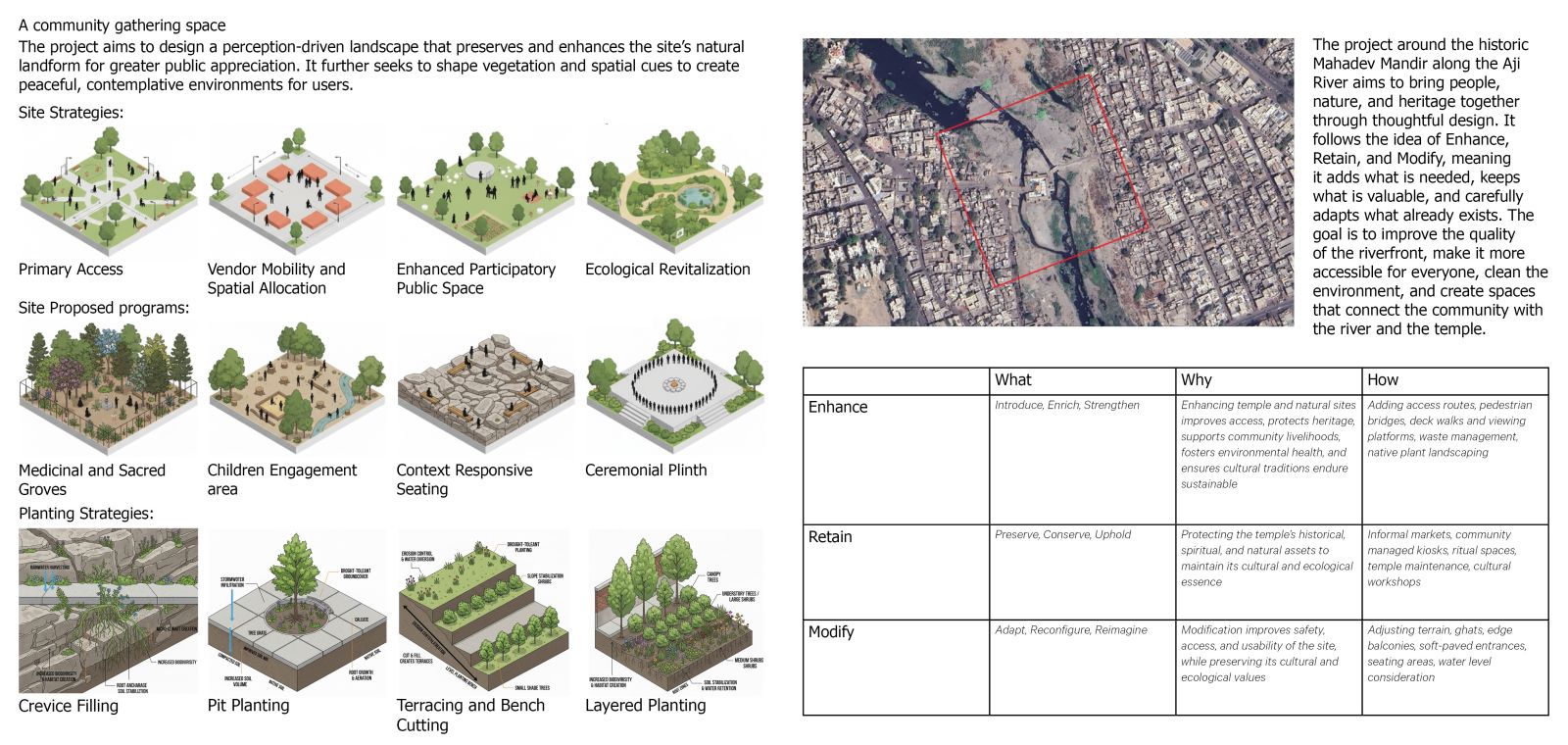
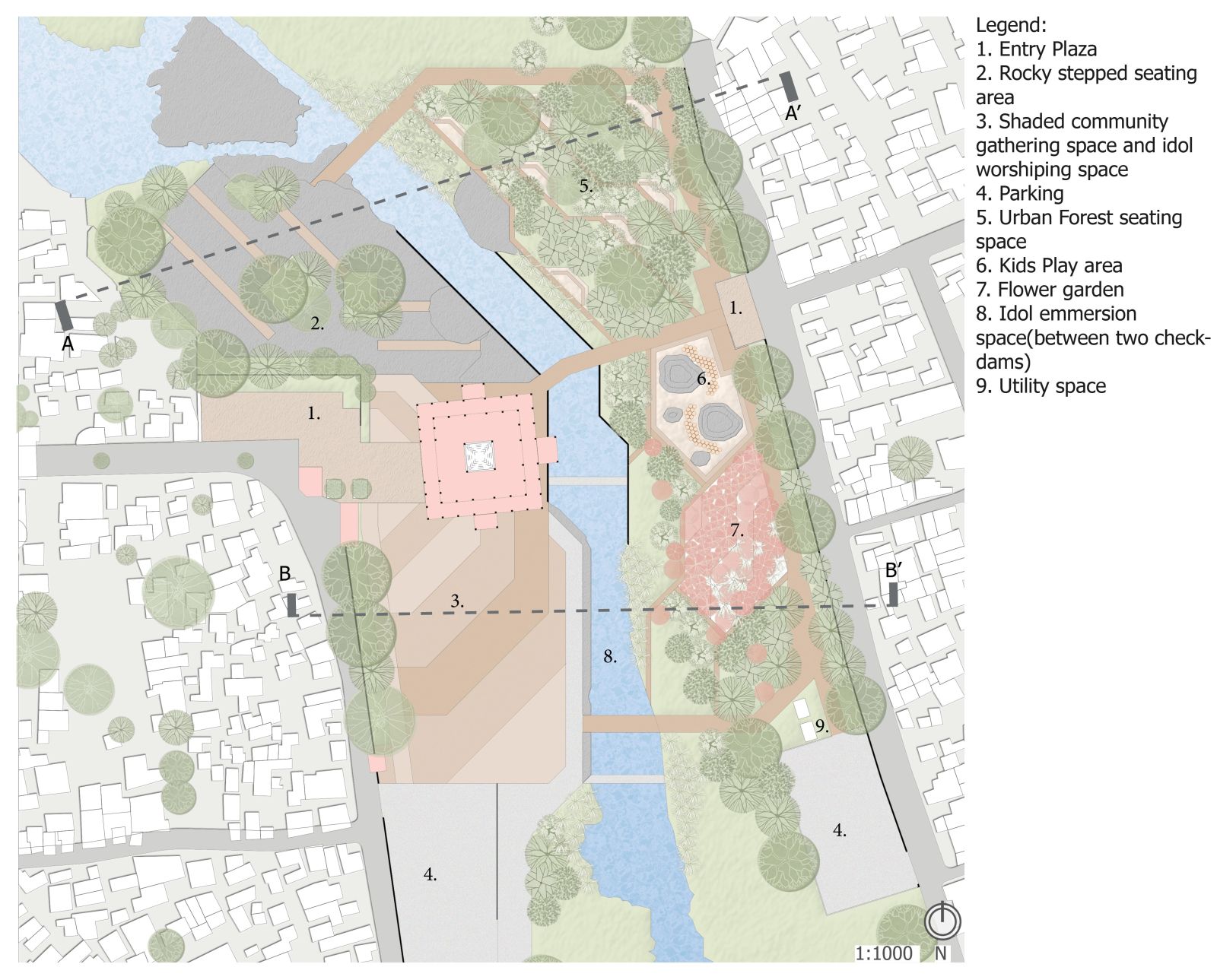
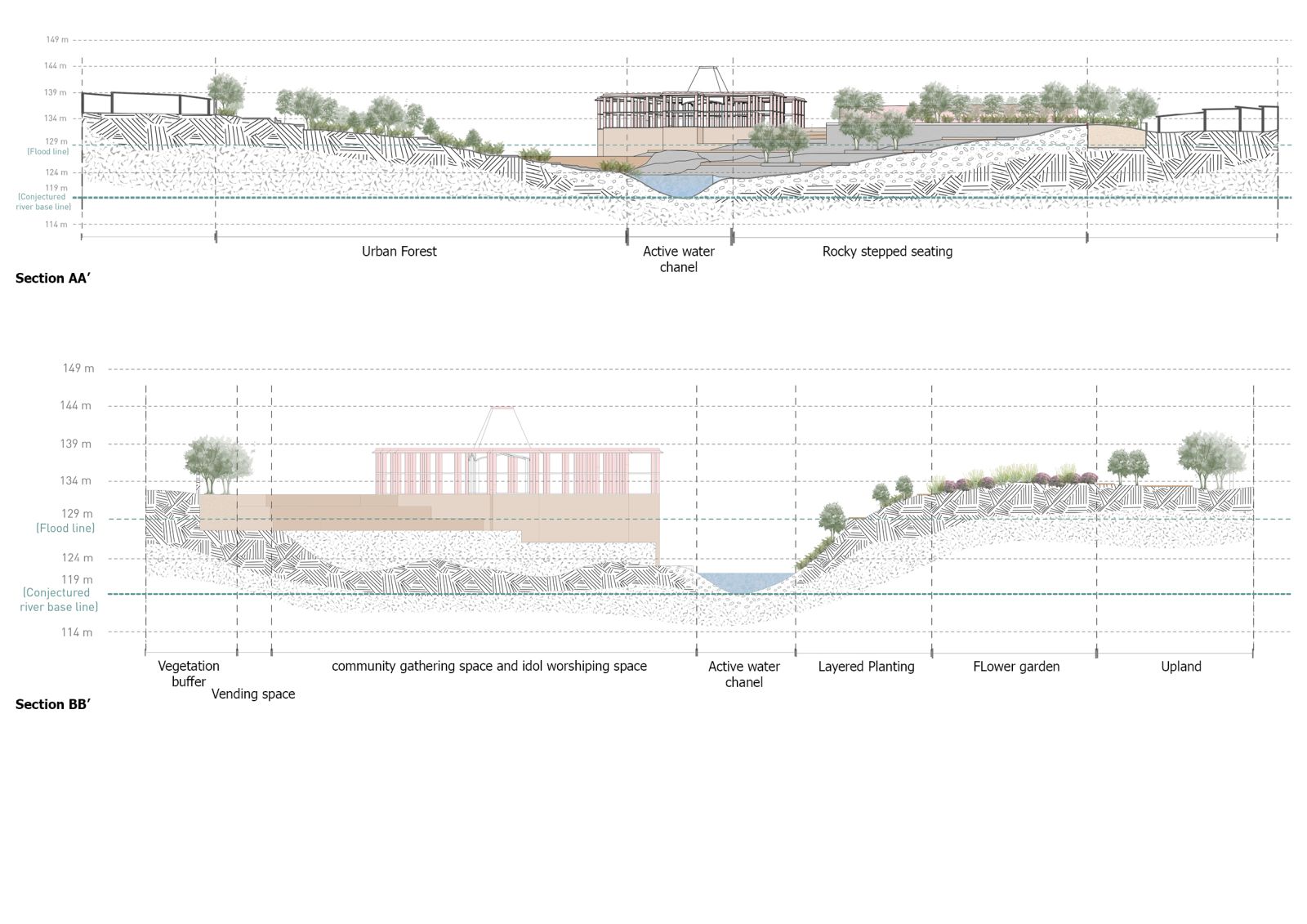
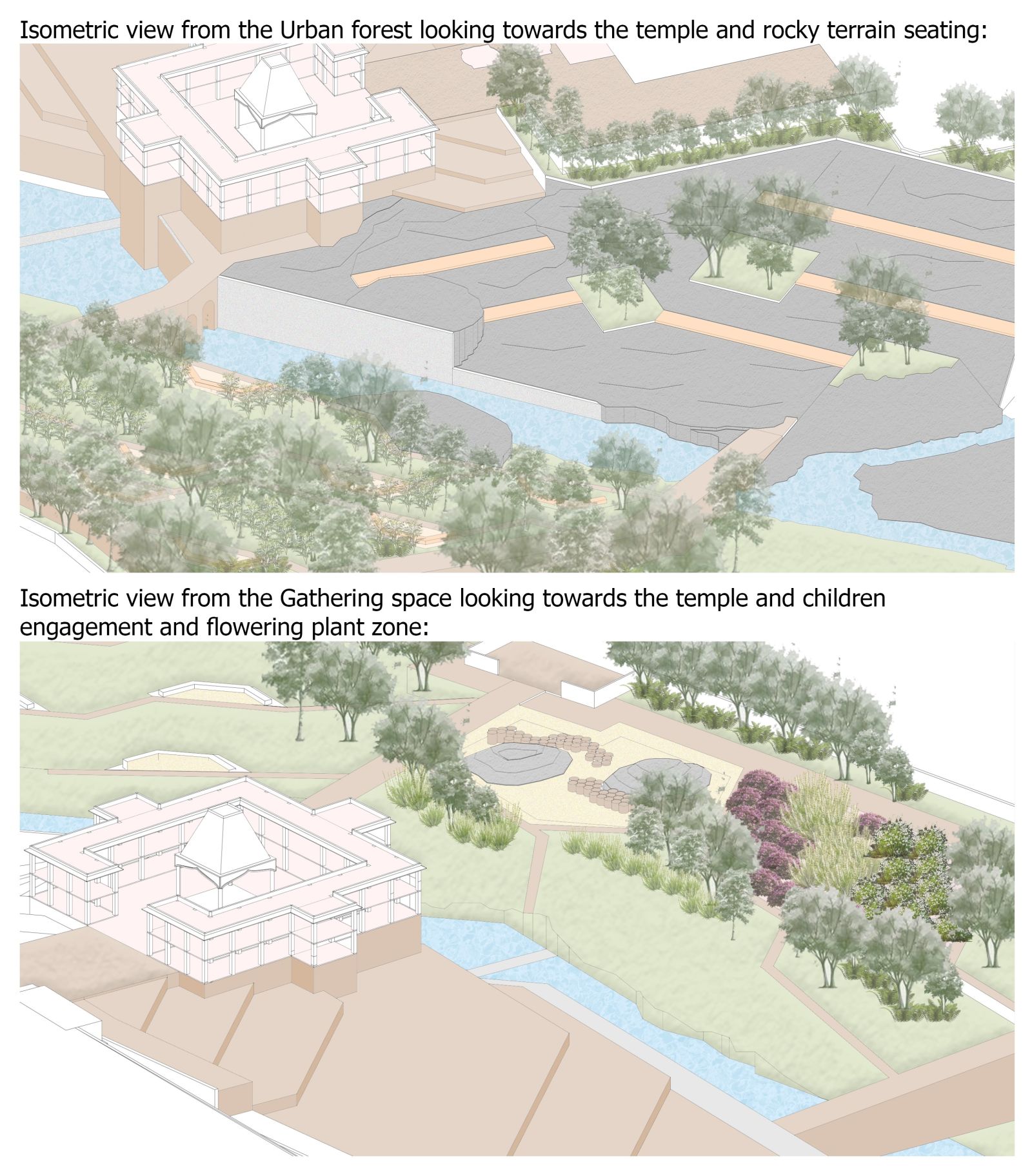
Moulded Terrains redefines a temple precinct into a culturally vibrant and perception-responsive public landscape. Grounded in user experience studies, the design identifies how people emotionally connect to distinct physical features across the site. The temple, recognized as the strongest perceptual anchor, guides the spatial framework, enhancing movement patterns, gathering points, and visual connections. Three spatial typologies—ritual zones, community interaction spaces, and contemplative natural edges—are developed to support diverse activities while preserving the sacred environment. Native planting, landform enhancement, and controlled access help protect ecologically sensitive areas, ensuring a balance between public use and natural resilience. Shaded seating niches, processional pathways, and elevated viewing points enrich everyday rituals, festival gatherings, and moments of pause. Collectively, the interventions transform the precinct into a harmonious landscape that celebrates cultural identity, strengthens community engagement, and fosters deeper human–nature relationships rooted in perception and place.
View Additional Work