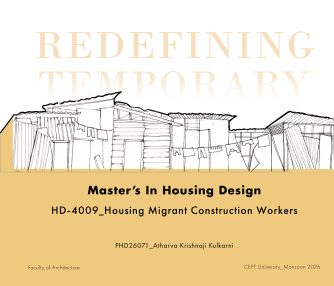
TA: Koushik Jain SNHousing Migrant Construction Workers
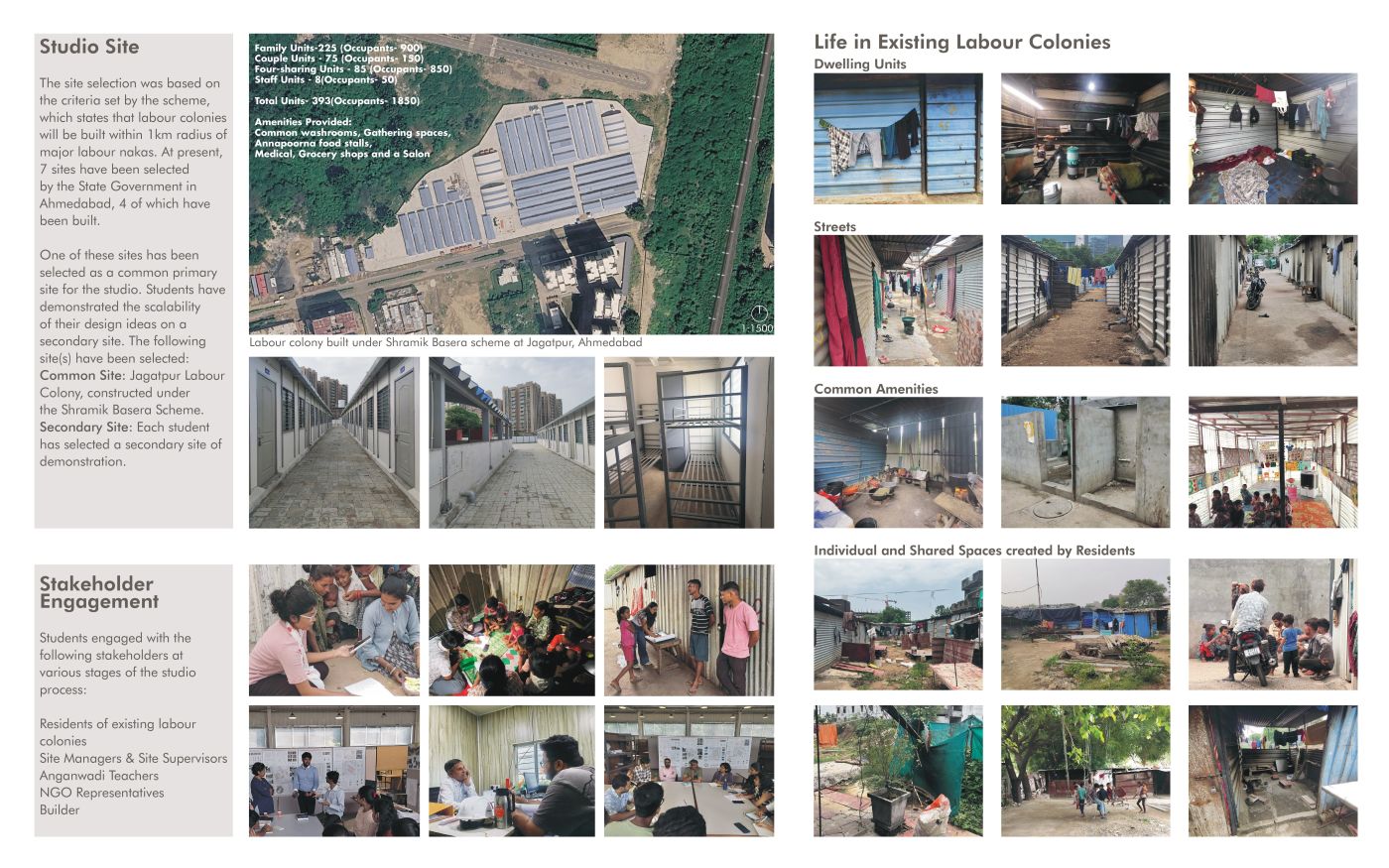
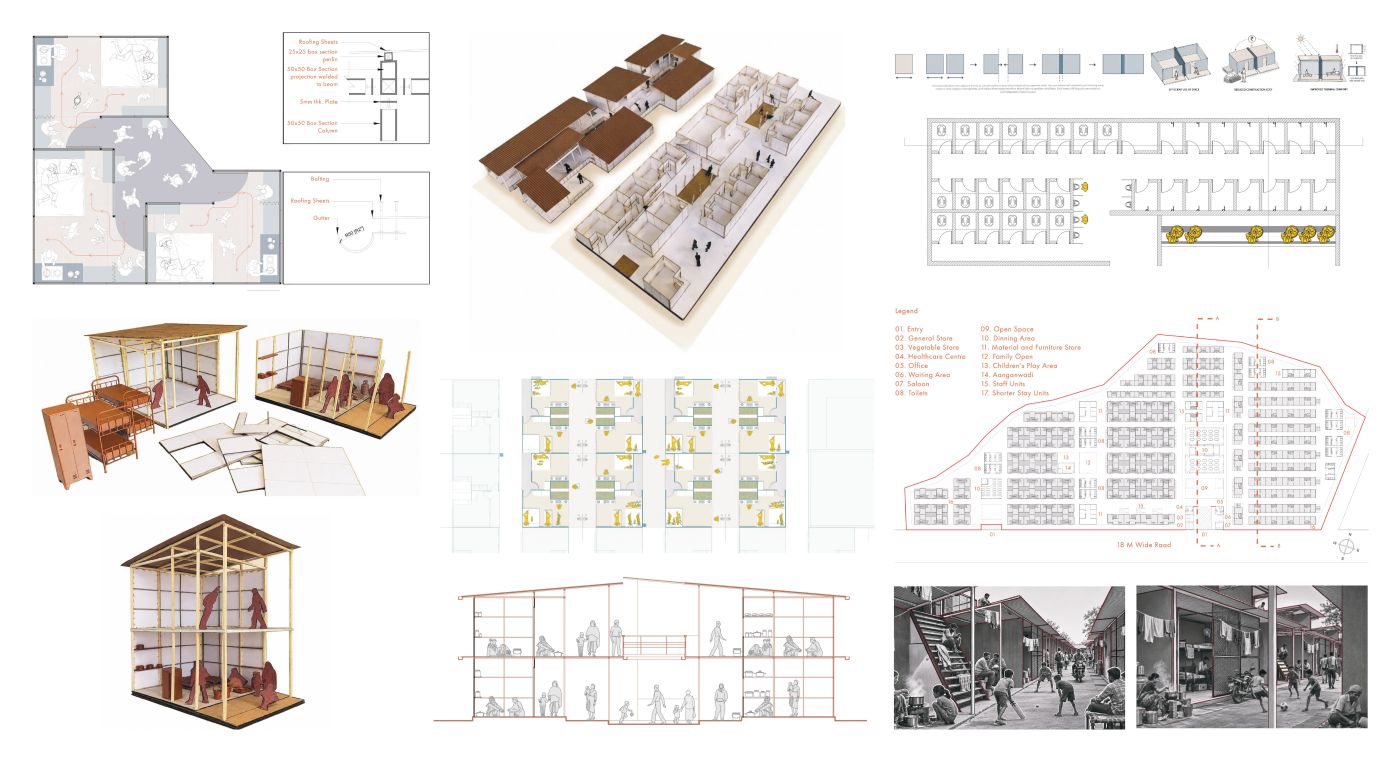
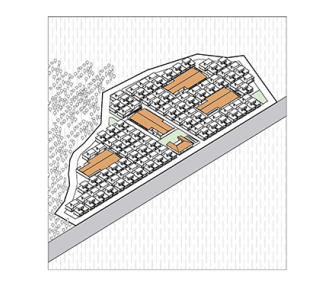
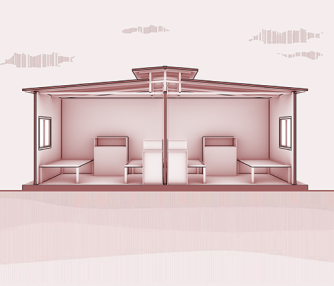
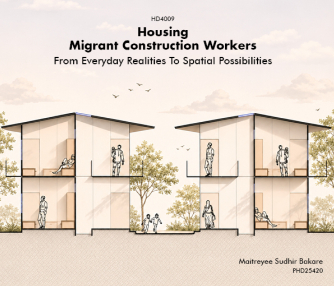
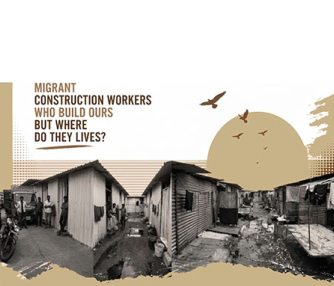
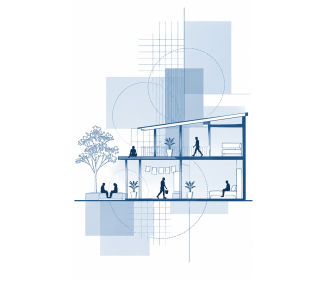
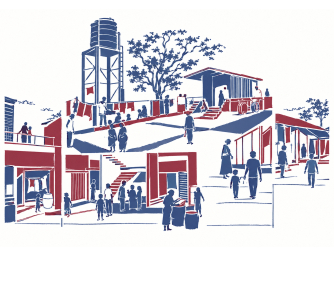
The Indian construction sector employs around 4 crore circular migrant workers every year. This includes ‘floating’ workers, who migrate in groups from villages through labour recruiters, and migrant naka workers who migrate to the city on their own in search of work. In Gujarat, the Shramik Basera Yojana 2024, aims to provide safe, temporary, and affordable housing, with essential amenities within a 1 km radius of work sites, for migrant construction workers registered with the Gujarat Building and Other Construction Worker''s Welfare Board. This studio explores the role of an architect in designing adaptable housing solutions that recognise the heterogeneous and temporal nature of habitation in such a context. Using stakeholder engagement, the studio aims to address the following questions - Is housing only about building houses? What is the notion of house or ‘home’ for migrant workers? And hence, what is the nature of housing provision that can help improve their quality of life and become a catalyst for social and economic mobility? It is underpinned by a critical ethos of empathy, recognizing one’s biases, respecting people’s circumstances and keeping their needs and aspirations at the centre.
Studio Unit
Studio Context & Approach
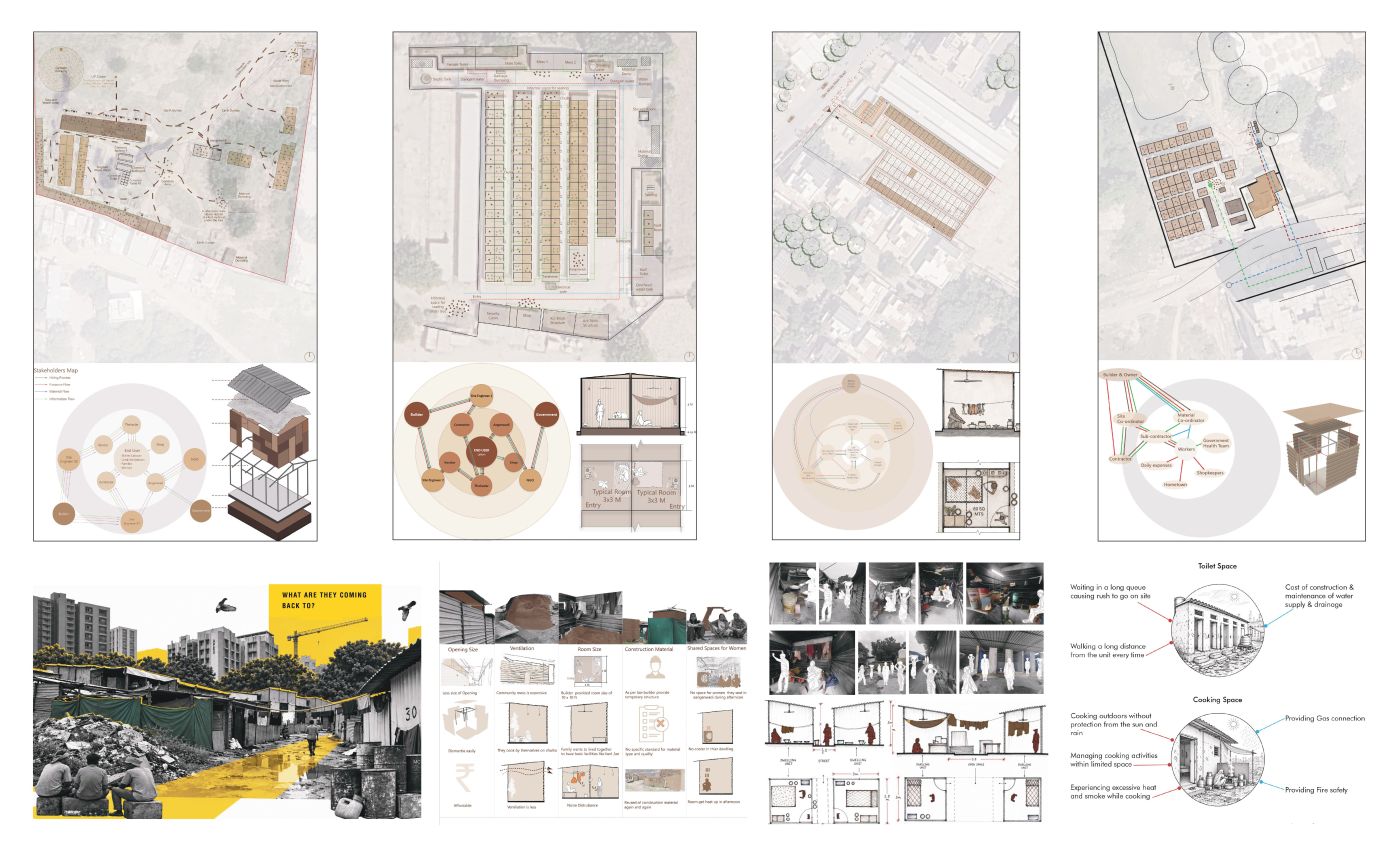
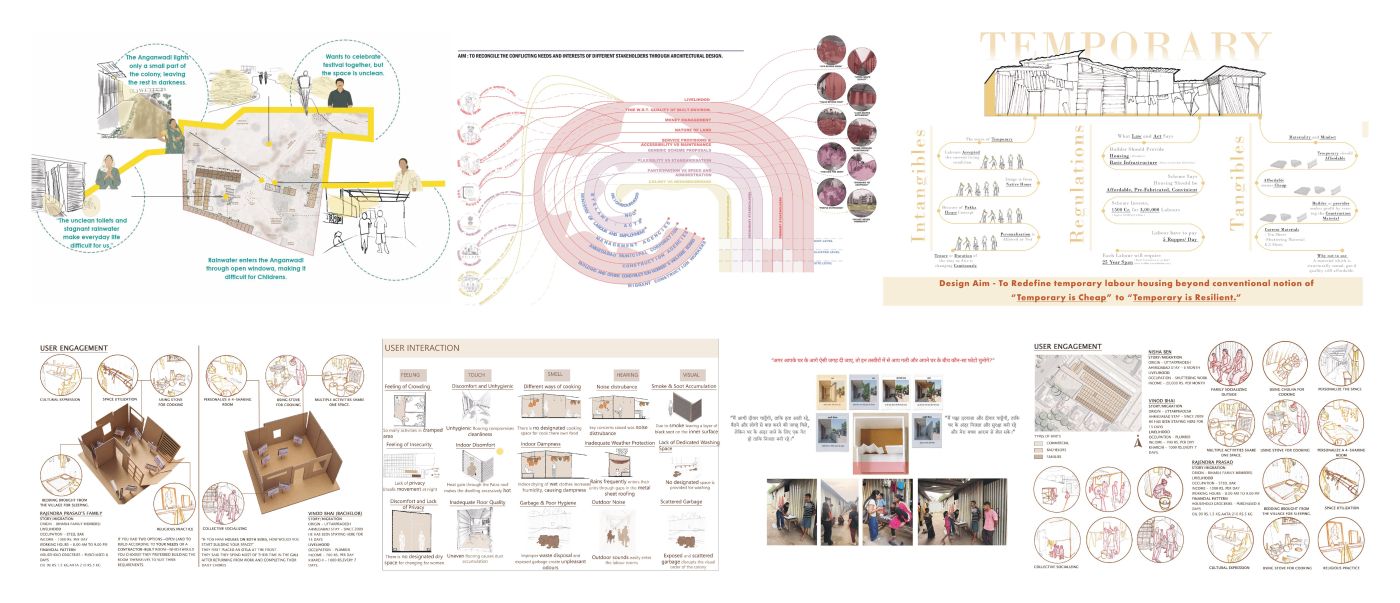
Module 1: Discover - This module included mapping the ecosystem of existing labour colonies and formulating an individual design aim.
Module 2: Dream - This module included site understanding, topic-specific user engagement and conceptualizing initial design ideas.
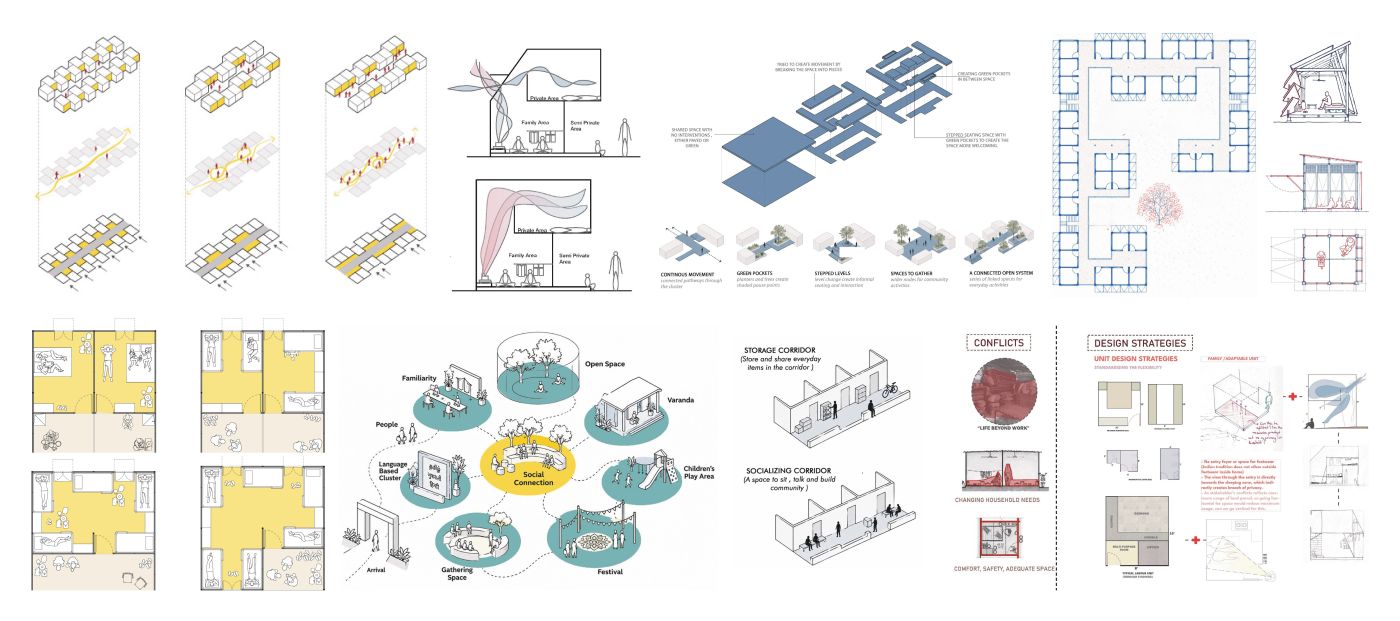
Module 3: Develop - This module included three rounds of stakeholder engagement and design development.
Module 4: Define - This module included design resolution, compilation of the design process and a reflection on the studio approach.